Visa
Hanoi rewards a slower visit
Hanoi offers an unusually close encounter between everyday street life and national history. A morning beside Hoan Kiem Lake can lead into a narrow shopping lane, a courtyard devoted to scholarship and an archaeological site that once held the machinery of government. Food and coffee provide useful pauses between those encounters. The city works particularly well for travellers who enjoy exploring a compact historic centre without expecting the whole capital to be compact.
Vietnam’s capital is in the north, in the Red River Delta. This guide concerns capital Hanoi, rather than other settlements sharing its name. For a first visit, allow three days before adding excursions. People considering a longer stay should reserve separate time to test a commute, inspect accommodation and understand their immigration route. A pleasant weekend around the lake tells you little about crossing the city for work every morning.
Use the Vietnam country guide for national context, the Vietnam location directory to explore destinations and Vietnam destination information for broader planning. Those pages serve different purposes. For questions about an individual visa or relocation case, browse consultant listings and check a consultant’s relevant qualifications and services before arranging advice.
A capital built in successive layers
Hanoi’s history becomes easier to understand when you stop looking for one complete ancient city. The Imperial Citadel’s official introduction describes successive archaeological and political layers: earlier Dai La, the dynastic capital of Thang Long and twentieth-century military headquarters. Its central sector entered UNESCO’s World Heritage List in 2010. Surviving gates, foundations and excavated objects tell different parts of that story; this is not a single palace preserved intact.
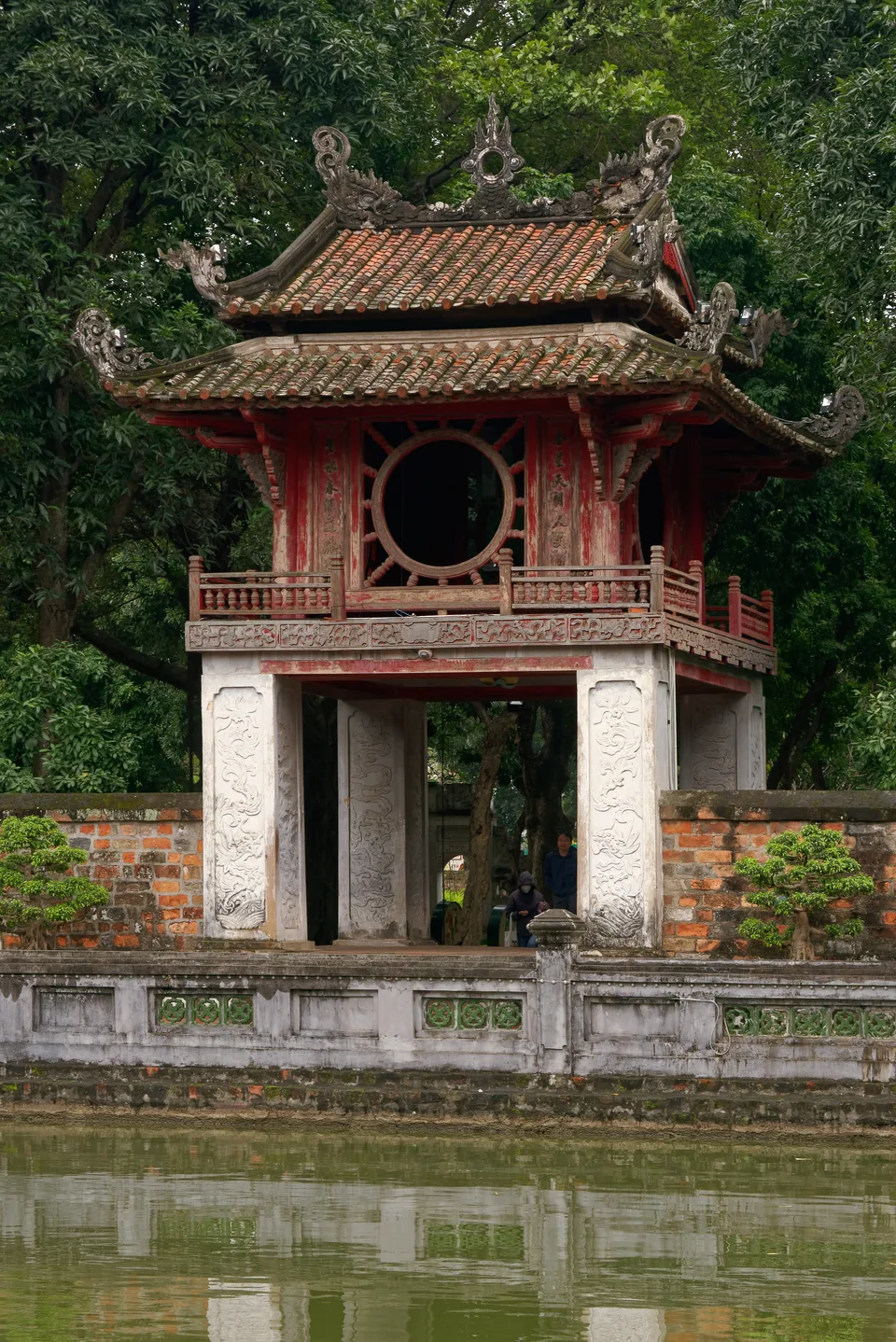
The Temple of Literature offers another thread. The temple was founded in 1070 and the Quoc Tu Giam institution followed in 1076. Its official history places the first doctoral stelae in 1484. Those dates explain the site’s significance without implying that every building standing today is an eleventh-century original. Read the courtyards as a long-lived institution shaped by later rebuilding and restoration.
Around the Old Quarter, commercial streets, narrow-fronted buildings and religious sites sit alongside colonial architecture. Contrast these with the broader streets farther south and the changing western city. That variety matters when choosing accommodation: the atmosphere you want to photograph may differ from the environment in which you want to sleep or work.
Understand the areas before booking
Hoan Kiem and the Old Quarter form the easiest starting point for a short stay. The lake gives you a clear landmark; the commercial lanes to its north provide dense concentrations of food, shops and small hotels. Pick a manageable walking circuit instead of treating every street as a separate attraction. Traffic, parked motorcycles and goods outside shops can interrupt the pavement, so a short route may require more attention than its length suggests.
The area south and east of the lake offers a different setting around the cathedral and wider central streets. A hotel here can suit visitors who want access to the historic core while spending less time inside its busiest lanes. Inspect the actual street and entrance, however: neighbourhood labels cannot establish whether a particular room is quiet.
Ba Dinh is useful for the citadel and the Ho Chi Minh historical area. West Lake provides a larger waterside setting, with accommodation scattered around a substantial shoreline. Choose an exact address rather than assuming everything described as Tay Ho is close together. Farther west, Nghia Do and the Cau Giay area can be relevant to museum visits or a specific workplace. For relocation, the workplace or campus should anchor the search.
Choose accommodation for the stay you need
Hanoi offers hostels, small hotels, larger full-service properties and serviced apartments. For two or three nights, proximity to your planned walks can be worth more than additional facilities. For a family or extended stay, a lift, laundry access, usable cooking equipment and space to separate sleeping from working may matter more. Compare the total booking price for the same dates, occupancy and cancellation conditions.
Ask whether a room has an outside window, which floor it occupies and whether the lift reaches that floor. Check recent photographs of the bathroom and entrance, not just a lobby image. If arriving late, confirm reception arrangements and provide the flight details through the property’s official channel. Visitors with limited mobility should ask about steps, doorway widths and the route from vehicle drop-off to the room.
An apartment listing is not evidence of a suitable long-term tenancy. Confirm who manages the property, how maintenance requests are handled and whether electricity, water, internet and cleaning are included. Book an initial stay that lets you inspect alternatives in person. A slightly less central address may be worthwhile if the room is comfortable and the journeys you actually need are straightforward.
Arriving at Noi Bai and reaching your hotel
Noi Bai’s official transport page distinguishes domestic Terminal 1 from international Terminal 2. Check the terminal on the airline’s booking information, especially when connecting between separate tickets. The airport’s free electric shuttle links the terminals: its published pickup points are Terminal 1, level 1, Hall A, and Terminal 2, level 1, lane 2 at columns 11 and 12. Leave time for the transfer and any separate check-in requirements.
For central Hanoi, the airport currently lists bus 86 to Hanoi Railway Station at VND50,000. This provides a useful low-cost option when its stops fit your accommodation. The station is a destination on the bus route, not a promise of a direct drop-off at every Old Quarter hotel. Check the current departure information at the airport and allow for the final walk or onward ride.
For a taxi or booked transfer, agree how the fare is calculated and whether parking or other charges are included. Keep the hotel address in Vietnamese and confirm the pickup location rather than following an unsolicited offer. A transfer can be sensible for several travellers with luggage or an arrival outside convenient bus hours. Budget from a current quote; traffic and the exact destination make a universal airport fare misleading.
Getting around without assuming a complete metro
Walking suits the lake and selected Old Quarter routes. Use crossings and signals where available, watch traffic from every direction and give yourself time to navigate pavement obstructions. A car or taxi can be useful between dispersed sights, although journeys remain subject to congestion. Confirm the destination and price or meter arrangement before setting off, and keep a record of any app booking.
Hanoi Metro’s current passenger FAQ is more useful than an old fare summary. It gives VND19,000 as the Cat Linh–Yen Nghia single-journey example, with separate prices for shorter trips. Single tickets can be bought at counters or machines without app identification. Foreign passengers registering in the app are asked for passport and portrait images and must await approval; downloading it on arrival does not guarantee immediate access to every product.
Consult the current fare table and operating network before planning a journey. A map can include planned infrastructure, and a line named for Hanoi Railway Station does not by itself establish a working station connection. The airport bus is a separate service. For a potential home, test the entire trip at the time you will travel, including walking to stops, crossings and any connection, rather than comparing rail travel time alone.
Scholarship and archaeology worth making time for
At the Temple of Literature, concentrate on the progression through courtyards and the relationship between learning, examinations and public recognition. The current Vietnamese visitor information lists standard admission at VND70,000 and daily opening from 08:00 to 17:00. Children under 16 are admitted free. Some concessions require specific qualifying documents; an overseas student card should not be assumed to qualify automatically.
The ordinary entrance is at 58 Quoc Tu Giam. Evening programming is a separate visit product, so check its schedule and price if that is what you intend to book. A daytime visit leaves room to read the displays and study the architecture without combining it with a different programme merely because both share the same location.
The Imperial Citadel’s ticket notice lists VND100,000 standard admission, effective from January 2025. Its site currently advertises 08:00–17:00 opening every day. The archaeological area and standing monuments reward visitors interested in how a capital developed over centuries. Arrive with enough time to distinguish those layers. Large organised groups should follow the operator’s registration instructions rather than assume they can be accommodated without notice.
Museums and the Ho Chi Minh historical area
Hoa Lo Prison is a substantial historical visit rather than a quick photo stop. Its operator lists VND50,000 for daytime admission and 08:00–17:00 opening throughout the week. Under-16s are exempt under the published conditions. The displays interpret imprisonment and conflict; read their stated context carefully and consider whether the subject suits the children travelling with you.
The Vietnam Museum of Ethnology on Nguyen Van Huyen broadens the picture beyond the capital. Its collections address different communities and cultural traditions, with indoor exhibitions and an architectural garden. Current visitor information lists VND40,000 admission, 08:30–17:30 opening, and closure on Mondays and during Tet. Place it on a day when it is open and allow for the journey west of the historic core.
There is a date-specific limitation at the Ho Chi Minh Mausoleum. The command’s 2026 maintenance period, reported by Nhan Dan, runs from 4 September through 2 November. As checked on 14 October 2026, an itinerary should not promise entry to the mausoleum during that period. The report says nearby Presidential Palace historical attractions and the Ho Chi Minh Museum remain open. Check their own arrangements and the latest notices for your dates.
Lakes, street walks and unhurried experiences
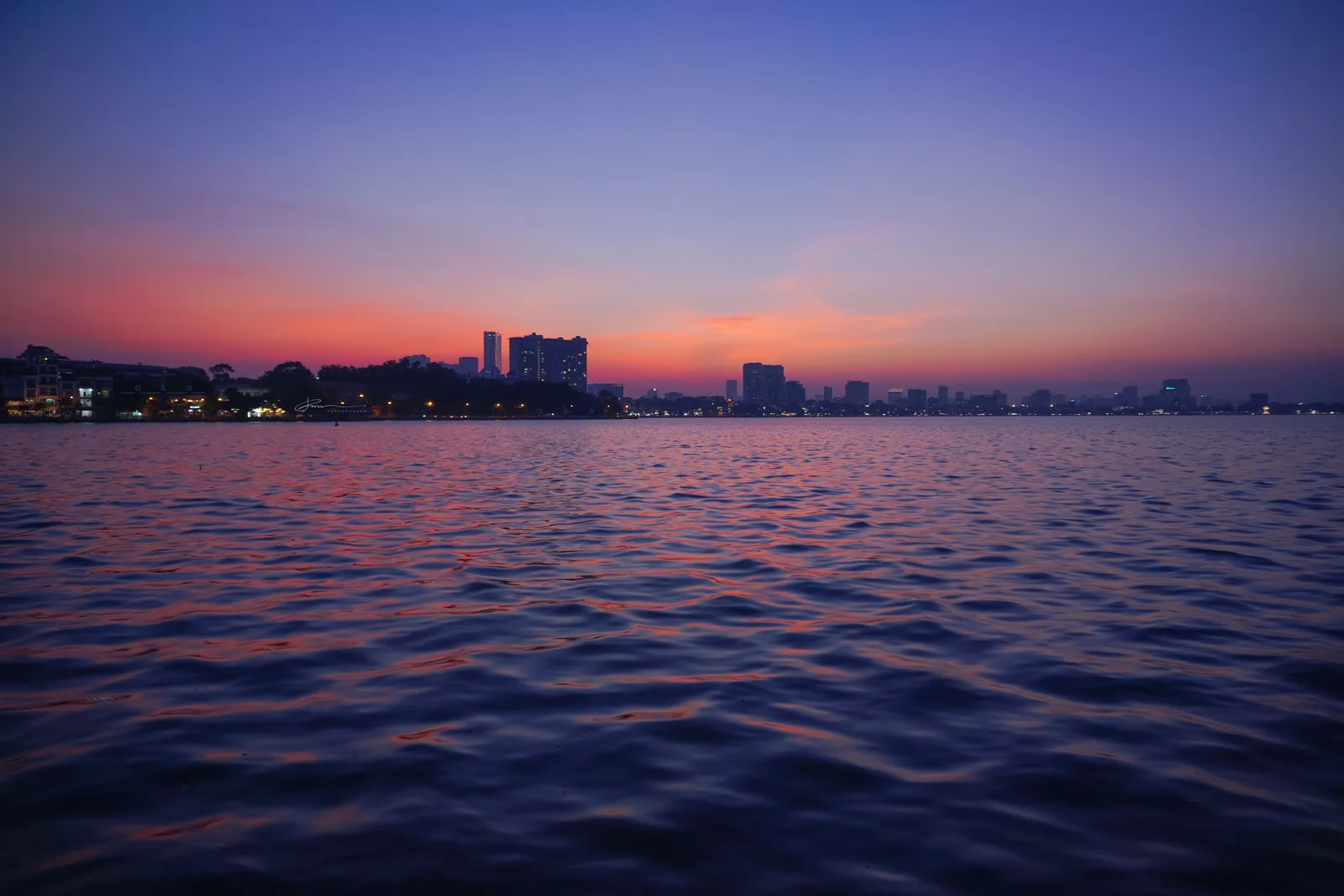
Return to Hoan Kiem at different times rather than crossing it off after one photograph. A morning walk, an afternoon pause and an evening circuit reveal different uses of the same public space. The Huc Bridge and Ngoc Son Temple give the northern shore a clear focal point, while Turtle Tower stands in the water. Temple entry is a separate visit; simply walking beside the lake does not require buying that ticket.
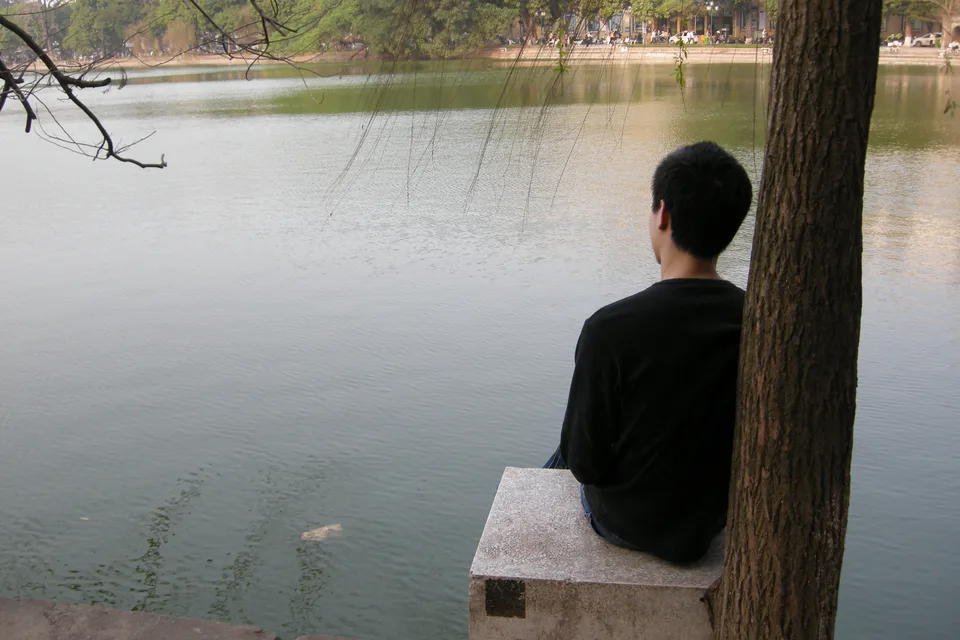
West Lake is better approached as a chosen shoreline outing than an obligation to complete its circumference. Pick a starting point and somewhere to pause, then decide how to return. The national tourism authority identifies it as Hanoi’s largest lake. Its size creates space for a different pace, but also means that two places described as lakeside can be inconveniently far apart.
For street photography, keep entrances clear and ask before photographing someone closely. A religious building may be an active place of worship rather than an attraction with uninterrupted visitor access. Leave flexibility in the day for these realities. Some of Hanoi’s most rewarding moments come from sitting and observing, provided you are not turning someone else’s home or workplace into a stage.
Food and shopping with a practical approach
Build meals around a few dishes instead of chasing a long checklist. Pho, bun cha and cha ca offer distinct combinations of broth, grilled pork or fish with noodles and herbs. Coffee can be a deliberate break from walking. If ordering egg coffee, ask about ingredients when dietary requirements matter. Use an allergen explanation in Vietnamese and confirm sauces, stocks and garnishes rather than relying on a dish’s English name.
The tourism authority’s Old Quarter account identifies Hang Bac with jewellery, Hang Ma with decorations and religious goods, and Hang Gai with fabrics and tailoring. These are useful starting points, not guarantees about every shop. For a tailored item, agree the material, measurements, fitting schedule, completion date and total price in writing. Leave time to inspect the result before departure.
Carry small amounts of dong for modest purchases and check the note denomination before handing it over. International cards are widely used for larger travel expenses, but acceptance and fees vary. The official currency guide explains cash and card arrangements; its illustrative dollar conversions should not replace today’s exchange rate. Ask for prices before ordering or committing to a service, particularly where no menu or tariff is displayed.
A budget built from actual choices
Start with accommodation for your dates, then add the transport and admissions you genuinely plan to use. The standard daytime tickets for the Temple of Literature, citadel, Hoa Lo and ethnology museum total VND260,000 per adult at the published prices checked for this guide. One bus 86 airport journey adds VND50,000. This VND310,000 subtotal excludes food, accommodation, other journeys, programmes and any separate attraction tickets.
That calculation is more dependable than calling Hanoi universally cheap. A serviced apartment, private transfer and restaurant meals produce a different budget from a hostel, buses and simple meals. Compare room totals carefully, including taxes or separately billed services, and keep an allowance for changing plans when weather or fatigue makes another vehicle journey sensible.
For a longer stay, separate rent from the cost of running a home. Ask for sample utility bills, the electricity charging method, internet terms and building fees. Add deposits and setup purchases to the first-month calculation. Do not treat a nightly holiday rate multiplied by thirty as a reliable monthly housing estimate, or a listing’s lowest advertised price as an available offer.
Weather and choosing your dates
Northern Vietnam has distinct seasonal changes, so Hanoi is not warm and dry throughout the year. The national tourism weather guide describes cooler, misty conditions in the colder months and a hot, rainy summer. Autumn is a useful period to consider for outdoor exploration, but a seasonal description cannot guarantee clear skies during a particular week.
In hot weather, put the most exposed walks earlier in the day and keep an indoor alternative. Rain makes pavement and courtyard surfaces harder to navigate and can alter travel plans. Pack a lightweight rain layer and shoes that you can walk in comfortably. For a cool-season visit, check the forecast rather than assuming tropical clothing will be enough.
Tet changes ordinary routines and opening arrangements; the ethnology museum explicitly lists a holiday closure. Confirm accommodation, transport and specific attractions for the relevant dates before building a tight schedule. Visitors planning onward travel should check the forecast for the next destination separately: Hanoi’s conditions cannot represent all of Vietnam.
Three days that leave room to enjoy the city
On day one, orient yourself around Hoan Kiem, then explore a few Old Quarter streets with breaks for food and coffee. Continue toward the cathedral area if energy allows, and return to the lake in the evening. Keep arrival day lighter if you have come off a long flight; the route can begin the following morning without losing its logic.
On day two, choose the Temple of Literature and Imperial Citadel as the main visits. Arrange the route around your accommodation and the time needed inside each site. Eat between them rather than adding another major museum automatically. During the published 2026 mausoleum maintenance period, do not build the day around an unavailable interior visit.
On day three, visit the Museum of Ethnology when open, with a selected West Lake outing afterwards. If it is Monday or Tet, substitute Hoa Lo and additional central exploration, or move the museum to another day. An excursion to Ninh Binh deserves its own day or overnight stay rather than being squeezed into this city itinerary. Families and visitors with limited mobility should reduce the number of stops further.
Moving to Hanoi: inspect the everyday details
Before accepting a lease, visit the property and establish the landlord’s or agent’s authority to let it. Obtain terms you understand covering the deposit, payment schedule, notice, renewal, repairs and deductions. Photograph the condition and inventory together. Test taps, drainage, hot water, air conditioning and internet reception; ask about access during power interruptions and how building maintenance is organised.
Choose the home around daily journeys, not holiday appeal. Try the workplace or campus route during the relevant hours and locate groceries, laundry, pharmacies and suitable healthcare. For children, investigate actual school availability and transport before committing to housing. An address marketed to international residents does not establish that these services fit your household.
Clarify whether utilities remain in the owner’s name and how bills are evidenced. EVNHANOI provides official electricity customer procedures; use the provider’s current instructions for an individual connection or contract question. Accommodation providers also have temporary-residence declaration obligations under immigration rules. Ask how your registration will be handled and keep the necessary passport and immigration documentation accessible.
Immigration, healthcare and longer stays
Vietnam’s official e-visa portal states a maximum validity of 90 days, with single-entry and multiple-entry products costing USD25 and USD50 respectively. The fee is nonrefundable if permission is not granted. Check eligibility, passport details, permitted border points and the approved dates before travel. Visa exemptions vary by nationality and circumstances; do not assume another traveller’s allowance applies to you.
Permission to visit does not settle permission to work, study or establish permanent residence. The government’s explanation of Decree 219/2025 describes employer-led work-permit arrangements and conditional exemptions. A prospective employer should explain the route applicable to the job before you relocate. Students should obtain current entry and residence instructions from their receiving institution and immigration authorities. A tenancy alone does not create residence rights.
Arrange insurance suited to the length and purpose of your stay, and check payment and coverage procedures with your insurer. Hanoi French Hospital publishes a 24-hour accident and emergency service; this is provider information rather than a promise of insurance acceptance or cost. Identify appropriate care for ongoing needs before moving, including how prescriptions and scheduled treatment will continue.
Beyond Hanoi and other places to consider
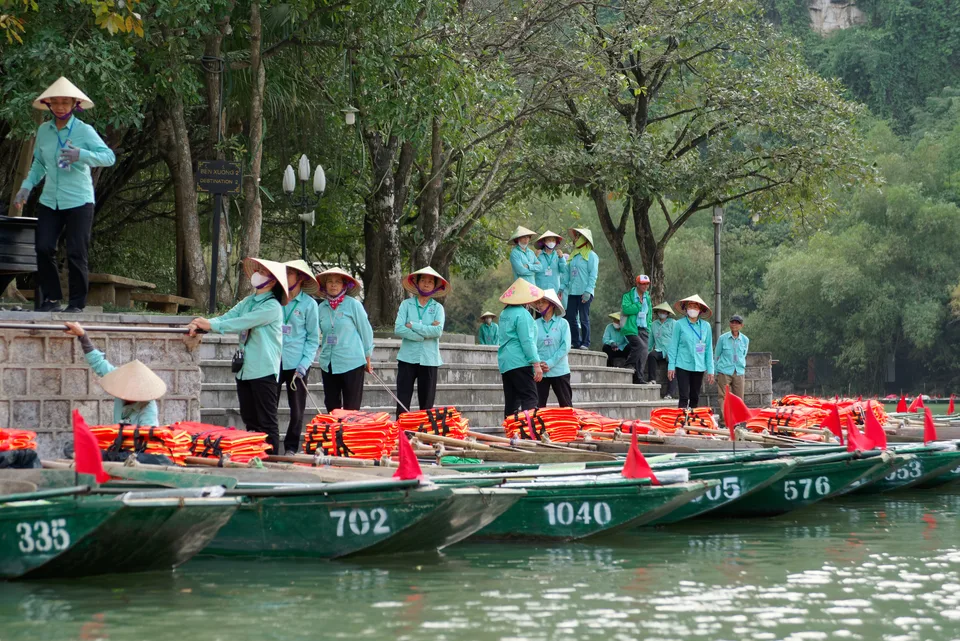
Ninh Binh offers a clear change of landscape. UNESCO’s Trang An description explains the limestone towers, enclosed valleys and waterways that make the protected complex distinctive. Boat routes and archaeological or religious sites are separate choices, so compare the actual excursion programme rather than treating every product labelled Ninh Binh as equivalent. Keep time for transfers and check arrangements before travelling with mobility restrictions.
For a broader Vietnam trip, compare the completed Ho Chi Minh City guide with Hanoi’s northern setting and historic core. The two cities can serve different travel plans or job opportunities; neither is automatically the better relocation choice. Revisit country-level immigration information separately from those comparisons, and verify a proposed employer, campus and home against your own circumstances before making a commitment.
Official planning resources
Reviewed 14 October 2026. Use the official resources linked throughout this guide for admission, transport, housing and immigration decisions. Prices, services and rules can change; confirm the details relevant to your dates. Photography illustrates the locations and is not a live view.
View all official resources
- National visitor authority Hanoi identity and city overview
- Citadel operator archaeological layers and UNESCO inscription
- Temple of Literature official institutional history
- Noi Bai terminals, airport buses and current fares
- Noi Bai free interterminal bus and pickup locations
- Hanoi Metro current single tickets, app registration and passenger FAQ
- Hanoi Metro official route-specific tariff tables
- Hanoi Metro current operator network and service notices
- Temple of Literature current tickets, entrance and opening hours
- Citadel official standard admission and opening information
- Hoa Lo official daytime admission, exemptions and hours
- Museum of Ethnology current admission, collections, hours and closure days
- Nhan Dan report of command’s September–November 2026 maintenance announcement
- National tourism authority lake and city experience overview
- National tourism authority Old Quarter trades and walking information
- National tourism authority cash and card payment guidance
- National tourism authority Hanoi seasons and regional climate differences
- EVNHANOI official electricity customer procedures
- Vietnam Immigration official e-visa application, validity and fees
- Government explanation of current foreign-worker permit framework
- Hospital official accident and emergency service information
- UNESCO Trang An protected landscape and cultural heritage
Plan the next part of your journey
Explore the Vietnam guide, browse other cities or compare consultants for your travel and relocation questions.