Visa
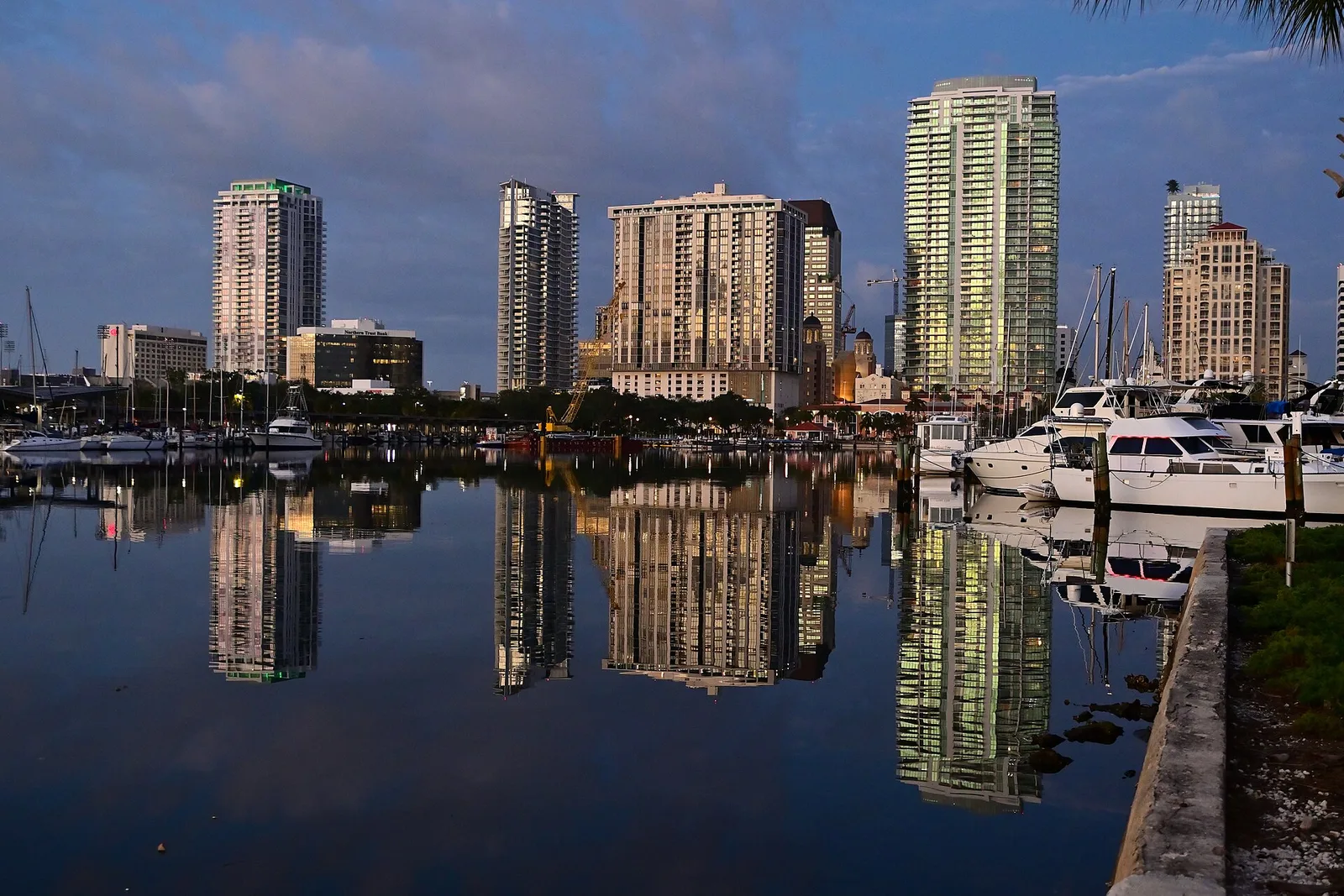
A waterfront city with more than a beach itinerary
St. Petersburg rewards a trip that leaves room for both art and open air. Along the downtown waterfront, museums and parks offer a substantial city break; farther west, a beach day changes the pace. Central Avenue adds shops, restaurants and galleries between outings. Decide which of those experiences matters most before choosing accommodation.
This is St. Petersburg, Florida, on the Pinellas peninsula. St. Pete Beach is a separate destination, and Tampa lies across the bay. Those distinctions affect airport transfers, hotel searches and daily commuting. A property described as being in the Tampa Bay area is not necessarily near a downtown museum or a particular beach access.
For a move, the appealing waterfront is only the beginning of the assessment. Transport, housing condition, storm planning and household services deserve their own research. VisaWand’s United States country guide covers the national context; this guide helps connect that context with the choices facing a visitor or prospective St. Petersburg resident.
Railways, tourism and the city behind the skyline
The city’s historical account traces a settlement shaped by the Orange Belt Railroad, whose first train arrived in 1888. St. Petersburg incorporated as a town on 29 February 1892 and as a city in 1903. The story predates those dates: Indigenous communities lived in the Tampa Bay area before white settlement.
The same municipal account records John Donaldson and Anna Germain arriving in 1868, and Black workers helping build the railway. It describes the Deuces as a thriving commercial and cultural centre, with the Manhattan Casino an important musical venue. These histories give a downtown visit more depth than architecture and waterfront views alone.
Look for the city’s self-guided historical interpretation when planning a walk. Its current Pier, opened in 2020, belongs to a succession of waterfront structures. Historical photographs of the former inverted-pyramid building should not be mistaken for today’s attraction. The city has changed considerably, and understanding that change is part of its interest.
Choose districts around the purpose of the day
The tourism board’s St. Petersburg district guides provide a useful framework. The Waterfront Museum District concentrates major cultural attractions, while the Pier District centres on the bayfront complex. Central Arts, the EDGE and Grand Central districts offer different sections of the shopping, dining and arts corridor rather than a single interchangeable downtown address.
Grand Central is identified as an LGBTQ+ hub. Deuces Live introduces historically Black community landmarks, while the Warehouse Arts District contains studios and galleries in former industrial spaces. A studio visit may depend on an event or opening schedule, so consult the relevant organisation before travelling specifically to meet an artist.
For accommodation, select the cluster you expect to use most. For housing, examine the actual street and recurring journeys beyond the visitor districts. Spend time there at the hours relevant to work, school and evenings at home. A lively restaurant corridor can be appealing without answering questions about groceries, laundry or a quiet bedroom.
The Pier: a bayfront outing with clear parking rules
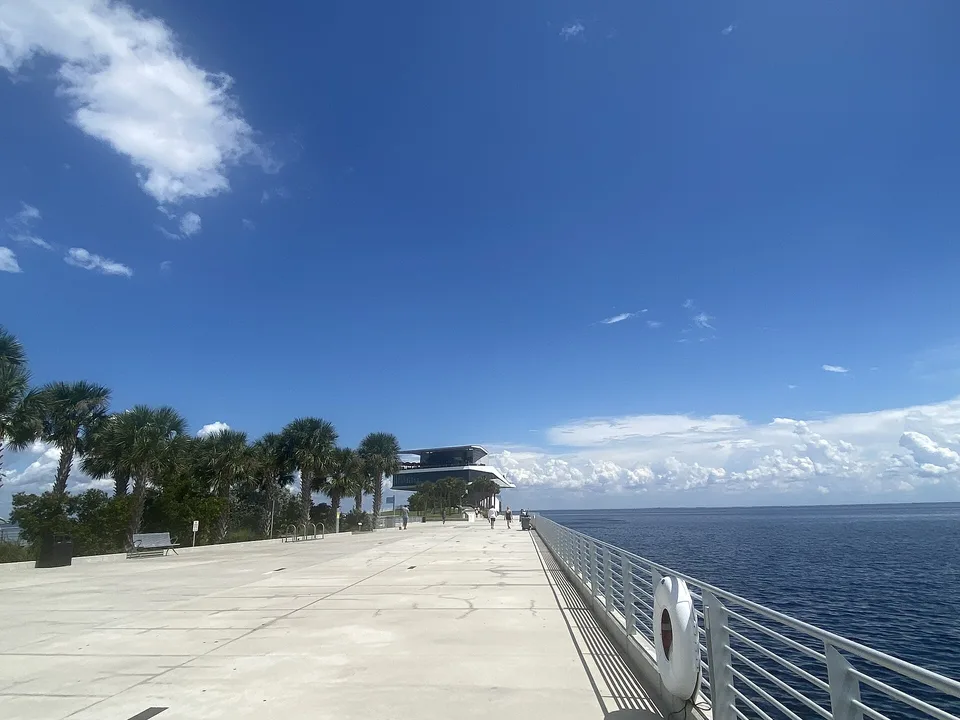
The Pier’s official access page lists its address as 800 Second Avenue NE. Public opening begins half an hour before sunrise and ends at 11pm. Plan a waterfront walk around daylight, refreshments and the weather; restaurants and other businesses have their own schedules within the broader complex.
Parking costs depend on where and when you stop. In the Dolphin and Pelican lots, the first four hours cost $2 per hour on weekdays and $2.50 per hour during the weekend period, which begins at 5pm Friday. Those lots allow a maximum six-hour stay, with higher charges for the later hours.
Street meters follow a different tariff and limit. Read the current instructions instead of applying the lot prices to every space. If an afternoon includes a long museum visit and dinner, a suitable garage may make more sense than repeatedly moving the car. Arriving by bus still leaves a walk between the stop and your chosen part of the waterfront.
The Dalí Museum: buy the experience you actually want
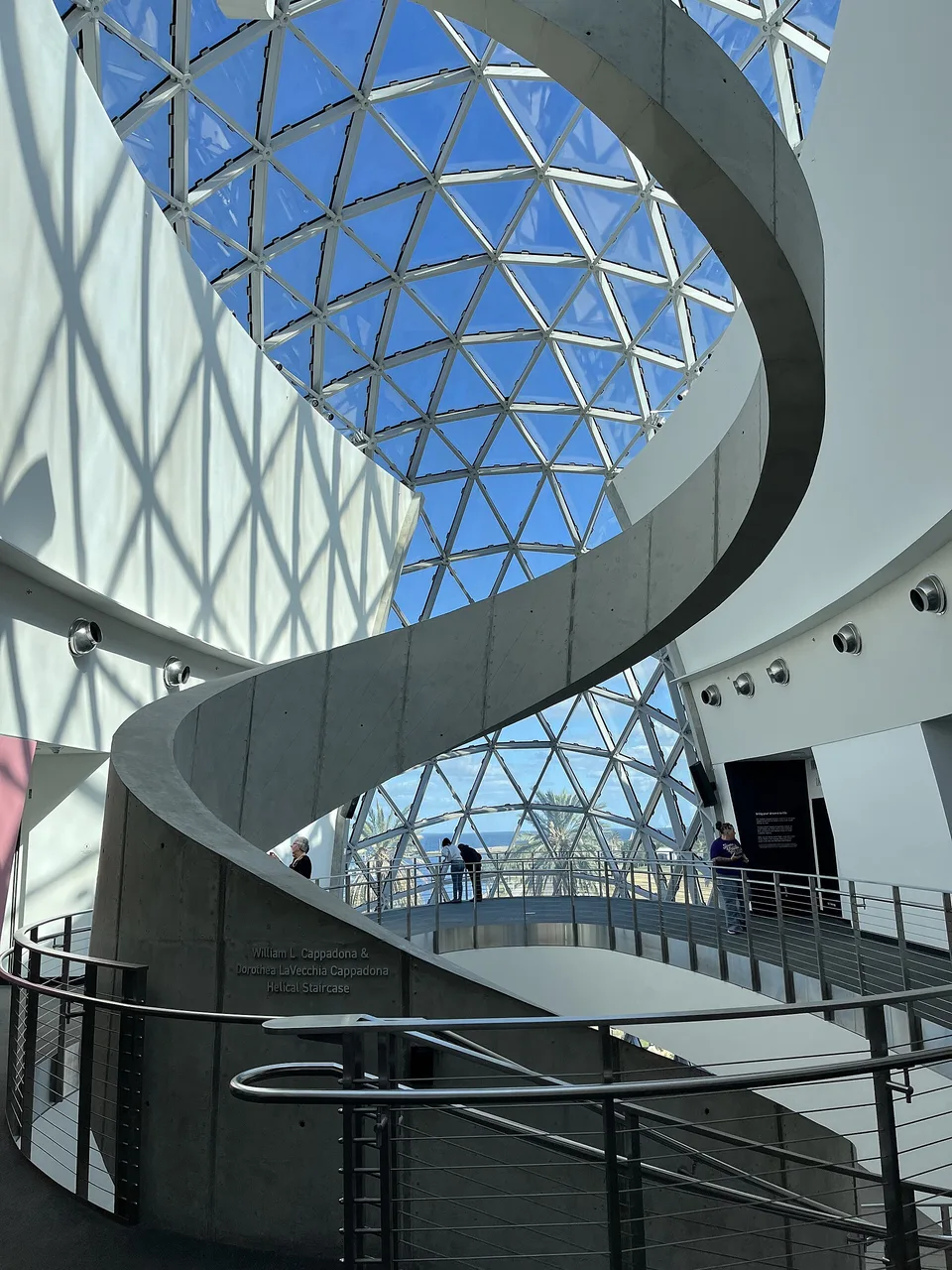
At One Dalí Boulevard, the museum’s architecture makes an impression before you reach the galleries. The current ticket page distinguishes gallery admission from a Dome experience. Standard gallery entry costs $32 for adults aged 18–64, $22 for teenagers aged 13–17 and eligible college students, and $12 for children aged 6–12. Children aged five and under enter free.
The Dome adds $15 per show for charged categories. Check the eligibility rules for concessions and local rates rather than treating every advertised reduction as available to tourists. Thursday admission after 5pm can cost less, but compare the available visiting time with what you hope to see.
The published opening hours are normally 10am–6pm daily, with Thursdays extending to 8pm and exceptions listed separately. Advance timed tickets are recommended. Sales are final, and onsite purchases are card-only. Read the conditions before choosing a slot that depends on an airport arrival or another uncertain connection.
Museum of Fine Arts and a less hurried art day
The Museum of Fine Arts visitor page describes a collection spanning antiquity to the present, including painting, photography and objects from several regions of the world. Its address, 255 Beach Drive NE, makes it a useful anchor for a waterfront-focused day rather than a reason to rush across the whole city.
Standard admission is $16 for adults, $14 for visitors aged 65 and over, and $10 for young people aged 7–17; children aged six and under enter free. Regular museum hours are Tuesday–Sunday, 10am–5pm, with Monday closure. Selected Thursday Art After Dark events extend into the evening; consult the calendar rather than assuming every Thursday has the same programme.
Parking is paid and subject to availability. The café and shop keep separate hours, so a breakfast plan does not establish that the galleries are open. Pick one main museum for a short day, then add waterfront time. Two substantial collections can be enjoyable across a weekend without competing for the same afternoon.
Sunken Gardens and the older visitor landscape
The Sunken Gardens timeline begins with George Turner’s 1911 land purchase. The Turner family developed the gardens over generations, and community preservation later secured their future. The History Center adds context to a place whose appeal includes the survival of an older Florida attraction alongside the growing city.
The current visiting information lists $18 adult admission, $15 for visitors aged 62 and over, and $8 for children aged 2–12. Opening is Monday–Saturday 10am–4:30pm and Sunday noon–4:30pm, with the last admission sold at 4pm. Weather can cause closure. General admission currently requires payment in person rather than an advance online purchase.
At 1825 Fourth Street North, free parking is shared with neighbouring facilities. Historic paths include inclines, although alternative access is available; contact the gardens about specific mobility needs, and bring any required wheelchair or walker. Pets and emotional-support animals are not admitted, with separate rules for eligible service dogs. Leave time to enjoy the planting rather than treating this as a quick transfer stop.
Accommodation: downtown, beach or a practical longer stay
A downtown hotel works well when museums, meals and the Pier are the main priorities. Compare its final room price with parking, mandatory charges and breakfast. Look at the route from the entrance to your evening plans: a broadly central location may still involve more walking or transport than expected.
For several days devoted to sand and swimming, investigate beach-area accommodation separately. A city hotel can suit a mixed trip, but it requires an onward beach journey. A beach property reverses that trade-off when you spend a day in downtown museums. Compare both options against the actual pattern of the visit, including any equipment or family needs.
For a longer scouting stay, ask about kitchens, laundry and cancellation terms. Place the accommodation near the proposed routine for at least part of the visit. Test the commute from there and reserve time for viewings. A resort stay can introduce the region without showing how a residential address would work on an ordinary weekday.
Airport arrivals: TPA and PIE require different plans
Tampa International Airport and St. Pete–Clearwater International Airport are separate airports. Compare flights with the complete onward journey, especially for a late arrival. At TPA, the official ground-transport guide places public buses at the Rental Car Center, reached from the Main Terminal by SkyConnect. A bus connection therefore includes movement within the airport before boarding.
The PSTA 300X Airport Express page describes weekday service and connections at the Ulmerton and Starkey Road park-and-ride. Verify the current timetable and connecting route for your St. Petersburg address. Do not build a weekend arrival around a weekday-only service or assume that an airport express reaches your hotel door.
PIE’s official airport FAQ identifies taxis, shuttles and hotel vans outside the west side of baggage claim. Ask a hotel directly about its shuttle arrangements. Its advertised Grouper service serves Clearwater Beach and selected Sand Key hotels, so it should not be assumed to provide a general downtown St. Petersburg transfer.
SunRunner and the distinction between city and beach travel
The SunRunner operator page links downtown St. Petersburg with St. Pete Beach, serving districts along the way. Regular service runs daily from 6am to midnight. Buses are scheduled every 15 minutes until 8pm, then every 30 minutes; Friday and Saturday evening service continues at 15-minute intervals until midnight under the current arrangement.
The standard fare is $2.25 per ride. Payment is cashless, using accepted contactless cards or Flamingo Fares. The operator lists Visa, Mastercard and Discover, but does not currently accept American Express. Set up a usable payment method before boarding, especially if the card normally used for travel is not accepted.
Use the stop map to assess the remaining walk to an attraction or beach access. Level platforms and ramps support accessible boarding; wheelchair users board at the front door. Rental bicycles and scooters are not permitted onboard. For commuting, check the first and final departures, transfers and weekend pattern as carefully as the daytime headline frequency.
Food, markets and shopping along the corridor
Central Avenue’s districts provide a useful starting point for restaurants and independent browsing. Choose from current menus and opening schedules according to the meal, dietary requirements and the day’s route. A gallery afternoon and a waterfront dinner need not involve the same district, but leave time for the connection between them.
The Saturday Morning Market calendar lists upcoming autumn 2026 events at Al Lang Stadium. Its market map gives October–May hours of 9am–2pm, with the vendor map finalised on Friday evening. Check the calendar for your Saturday; seasonal changes mean an older summer location is not a reliable instruction for an autumn visit.
Markets can make a good breakfast or browsing stop before a museum, but accommodation facilities matter if you buy fresh food. For a prospective move, locate ordinary grocery shopping and pharmacies from the homes under consideration. Separate a pleasant visitor shopping route from the errands that need to work repeatedly, including after an evening shift or without a car.
A budget built from identifiable purchases
For two adults aged 18–64 and a child aged 6–12, standard Dalí gallery admission totals $76. Adding a charged Dome show for all three adds $45. The $121 combined example excludes transport, parking, meals and accommodation.
The same party would pay $42 at the Museum of Fine Arts for a child aged 7–12, or $44 at Sunken Gardens for a child aged 2–12. These examples use different attractions’ age bands. Check the child’s actual age when comparing, because a discount boundary at one venue does not establish eligibility elsewhere.
For transport, two standard SunRunner rides cost $4.50 before any applicable payment-programme benefit. Two hours in a Pier lot during its weekend tariff costs $5. Use such identifiable items to build a daily plan, then obtain dated accommodation and meal prices.
Seasons, storm planning and when to visit
The tourism board’s weather guidance identifies hurricane season as 1 June–30 November. Its regional temperature information shows warmer summers and cooler winters; it should not be read as a forecast for a particular day. Winter or spring can suit a trip with substantial walking, while summer plans benefit from indoor options and manageable outdoor sections.
Check weather conditions before a beach day and keep an alternative that does not depend on being outside. A museum ticket, transport booking and accommodation cancellation policy can interact when plans change. Understand the terms before committing to a tightly packed sequence of non-refundable purchases.
For storms, follow Pinellas County’s evacuation guidance and current official instructions. Find the accommodation’s evacuation zone and discuss the plan with the operator. Public transport may stop before dangerous conditions arrive, so it is not a last-minute guarantee of departure. Residents need a household plan covering transport, pets, essential supplies and any assistance requirements well before a storm threatens.
A realistic three-day introduction
On Saturday, begin with the market if it is operating on your date, then give the afternoon to the Dalí Museum. Reserve an appropriate ticket slot and leave room for lunch. Finish with a waterfront walk and dinner, adjusting the outdoor portion to the weather rather than rushing through the galleries to meet a sunset deadline.
On Sunday, choose between a beach outing using SunRunner and a slower city day. For the latter, Sunken Gardens opens at noon, while the Museum of Fine Arts opens at 10am. Visiting one first and the other later is possible if your party wants both; a single attraction plus relaxed browsing is equally reasonable.
Use the third day for whichever theme remains most appealing. Prospective residents can replace sightseeing with viewings, a commute test and service enquiries. Keep Monday’s Museum of Fine Arts closure in mind. Build the order around confirmed opening times, access needs and the return journey, leaving uncommitted time for a place that deserves a longer visit.

Housing: inspect the address beyond its waterfront appeal
Compare the full housing cost, including parking, utilities and insurance, rather than treating rent or a purchase price as the complete figure. Ask about cooling equipment, maintenance responsibilities, storage and laundry. Look for signs of moisture, obtain written answers about previous damage and clarify how repairs are reported before making a commitment.
The county’s Flood Map Service Center provides separate tools for FEMA flood zones, evacuation zones and storm surge. Check the exact address in the appropriate tools; one map does not replace the others. Ask an insurer about the coverage and exclusions relevant to the property. A high floor or an appealing view does not remove questions about building access, services or evacuation.
Test the home-to-work journey at the relevant hour, including any crossing of the bay. Check school and childcare journeys separately. For apartments and condominiums, establish parking rights, building rules and the arrangements during power loss. The useful comparison is between homes that support the household’s week, with their practical limitations visible alongside their attractions.
Residential deposits and keeping useful records
For a residential rental covered by the law, consult Florida’s 2026 security-deposit statute. Where the landlord does not intend to make a claim, the deposit must generally be returned within 15 days after termination, with interest if required. A proposed claim has a different notice process; this is not a universal promise of a refund on one deadline.
The statute provides 30 days for the claim notice and 15 days after receipt for a written objection. It permits certified mail or email meeting the separate statutory requirements. Read the applicable provisions and seek advice about a dispute, particularly where notice, early departure or a special housing arrangement affects the circumstances.
Keep the agreement, receipts and dated condition photographs. Supply a forwarding address and retain communications about repairs or deductions. Distinguish a residential tenancy from hotel accommodation when evaluating protections and conditions. Before paying, establish exactly which sums are refundable deposits, advance rent or fees and record the agreed explanation in writing.
Utilities, schools and establishing the household
The city’s utility-account setup page says deposits start at $100 and vary by property location, with alternatives for eligible customers. It also offers prior usage averages for an address, a useful starting point for estimating costs. Starting service requires contacting the city; creating an online login is a later step for an active account.
Confirm which services the landlord handles and arrange electricity and internet separately for the property. Newcomers should ask about accepted identification if they do not have the documents listed by the city. Set an activation date around possession of the home and retain confirmation, so essential services are ready when the household arrives.
The Pinellas County Schools 2026–27 guidance directs new families to reserve a seat at a zoned school using its registration process. Confirm the address, assignment and documents with the district before selecting housing around a presumed place. Include childcare and school transport in the timetable, and identify medical providers and pharmacy arrangements under the household’s actual insurance coverage.
Visits, work, study and permanent relocation
Booking accommodation or leasing a home does not provide immigration permission. The State Department’s visitor-visa guidance distinguishes temporary tourism and permitted business visits from activities requiring other arrangements. Establish the purpose of travel before booking commitments that depend on studying, earning income or remaining permanently.
Eligible Visa Waiver Program travellers should consult the official programme guidance and apply through the official ESTA portal when required. Nationality, passport and activity rules matter; travel authorisation does not guarantee admission. Avoid assuming that a convenient flight or an extended accommodation booking determines how long you may lawfully stay.
For study, read the official student-visa information and consult the institution’s international office. Employment plans require the relevant temporary-worker category and any necessary employer process. Permanent relocation uses separate immigrant-visa arrangements. VisaWand’s consultant listings can help identify professional support; compare qualifications, scope and written fees against the question you need answered.
Nearby alternatives and choosing the right base
St. Pete Beach deserves consideration when beach access is the central purpose of the trip, while Clearwater and Tampa offer separate regional comparisons. Check travel connections before combining them into an itinerary. A short visit benefits from a clear base and a few worthwhile outings rather than a daily attempt to cover the whole bay area.
Use the completed Tampa guide to compare another city stay, and explore St. Pete Beach’s location page as a destination listing. VisaWand’s United States location directory distinguishes the wider choice of places from completed guides. The United States destination page provides consultation context for national travel and relocation questions.
For a move, keep the shortlist tied to actual housing, employment or study arrangements and the journeys required between them. For a holiday, choose the combination of art, waterfront time and beach travel that fits your interests.
Official planning resources
Reviewed 13 October 2026. Use the official resources linked throughout this guide for admission, transport, housing and immigration decisions. Prices, services and rules can change; confirm the details relevant to your dates. Photography illustrates the locations and is not a live view.
View all official resources
- City of St. Petersburg history and historic tours
- St. Petersburg tourism district guides
- St. Pete Pier hours, access and parking
- Dalí Museum current tickets and admission prices
- Dalí Museum opening hours and special dates
- Museum of Fine Arts visiting, costs and hours
- Sunken Gardens historical timeline
- Sunken Gardens current admission and accessibility
- Tampa International Airport ground transport
- PSTA 300X Tampa Airport Express connections
- St. Pete–Clearwater Airport official transport FAQ
- SunRunner routes, fares, payment and operating hours
- Saturday Morning Market current calendar
- Saturday Morning Market hours and vendor map
- Official seasonal weather guidance
- Pinellas County evacuation planning
- Pinellas County property flood maps
- 2026 Florida residential security-deposit statute
- St. Petersburg municipal utility-account setup
- Pinellas County Schools 2026–27 registration guidance
- U.S. visitor visas
- Official Visa Waiver Program requirements
- Official ESTA application
- U.S. student visas
- U.S. temporary worker visas
- U.S. immigration routes
Plan the next part of your journey
Explore the United States guide, browse other cities or compare consultants for your travel and relocation questions.