Visa
Miami city and Miami Beach: make the distinction early
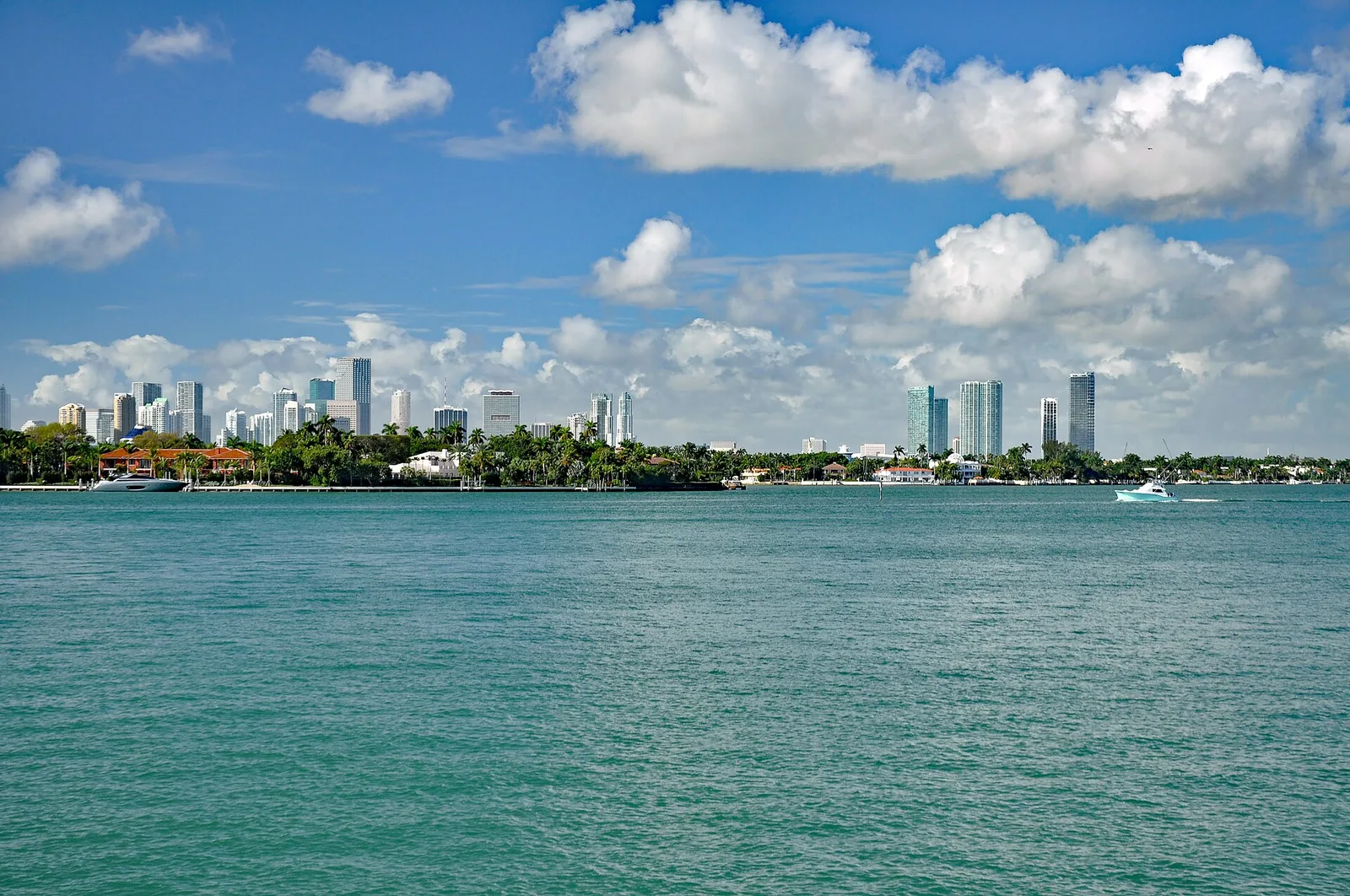
Start with the geography when choosing a Miami trip. The county's municipal information distinguishes the City of Miami from the City of Miami Beach. A hotel marketed for a Miami holiday may therefore put you in a different municipality from the mainland museums or appointments you intend to visit. Identify the actual address and build the journeys around it before deciding that a room is conveniently located.
This guide focuses on Miami city, with nearby places considered as separate choices. A beach-focused stay and a mainland cultural itinerary can both work, but they make different demands on transport and time. Keep that distinction visible when comparing accommodation, planning a day out or investigating a move. For relocation, use the property's municipality and school district rather than a broad regional label when making service enquiries.
A city shaped by its river, railway and communities
The visitor bureau's account of historic Downtown connects Miami's development to the river and the arrival of Henry Flagler's Florida East Coast Railway, following an agreement with Julia Tuttle. The city incorporated on 28 July 1896. This background gives a downtown walk another dimension: the modern visitor district grew from a much earlier settlement and transport gateway.
Understanding Miami also means looking beyond its skyline. The official heritage resources introduce Black and Caribbean history, including Overtown, and the Bahamian influences associated with Coconut Grove. Make room for those histories when choosing a cultural walk or exhibition. They are part of the city's character, alongside the Cuban heritage visible in Little Havana, rather than an optional footnote to a beach holiday.
For a first visit, the appeal is the variety of experiences you can choose within one mainland stay: art, estate gardens, neighbourhood food and time beside the bay. A prospective resident should use the same trip to observe ordinary routines. Locate grocery shops and transport stops, try a journey at the hour you would actually commute, and spend some time outside the hotel district. A pleasant afternoon outing provides only part of the evidence needed for choosing a home.
Neighbourhoods that change the shape of your visit
Use the official regional neighbourhood directory to explore the mainland's contrasting districts. Downtown provides a useful starting point for the bayfront museums, while Brickell offers shopping and dining. Wynwood's murals and galleries and the Miami Design District's fashion and public art give an art-focused visit different directions. Choose the experiences that interest you, then check the journey between them; proximity on a regional tourism map does not establish a comfortable walking route.
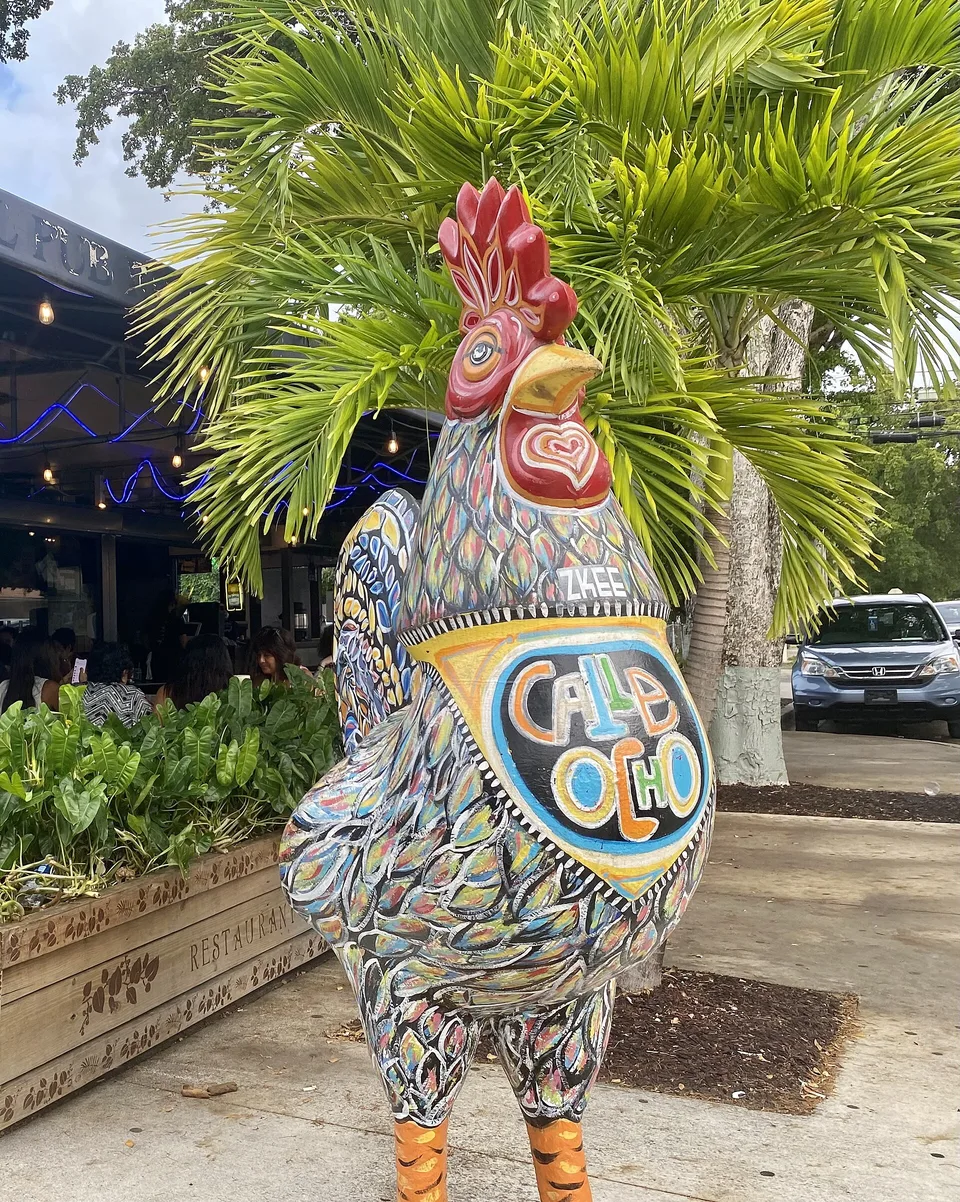
Little Havana brings Calle Ocho into the itinerary, including Máximo Gómez Park, commonly called Domino Park, and Cuban food businesses. This is a neighbourhood where people live and work as well as a visitor destination. Spend time on a manageable section of the street, pause for food, and respect people using the park rather than treating their games as a staged performance. A guided walk can help interpret the area, but use a current operator programme instead of assuming that an old event listing still runs.
Coconut Grove offers another way to spend an afternoon, with bayfront green spaces and a sailing identity. Regatta Park is beside Dinner Key Marina; Peacock Park is another option for outdoor time. The wider area includes Vizcaya, but visiting the estate and browsing the Grove's shops are separate activities with their own journeys. Do not allow the shared neighbourhood name to obscure the distances between your actual stops.
Two museums, two different days out
Pérez Art Museum Miami offers a manageable cultural anchor beside Biscayne Boulevard. The museum's visitor information lists adult admission at $18, with $14 tickets for seniors aged 62 and over, students with identification and young people aged seven to eighteen. Children aged six and under enter free. Thursday admission becomes free after 5pm, making that evening worth considering when the rest of your schedule is flexible.
Plan around the actual opening days: PAMM closes on Tuesdays and Wednesdays, opens from 11am to 6pm on Mondays and Fridays through Sundays, and stays open until 9pm on Thursdays. Online booking is encouraged because capacity can sell out. Ticket sales stop during the final thirty minutes before closing. Give the galleries enough time rather than treating the museum as a quick stop immediately before dinner; an evening admission saving is useful only if you can still enjoy the visit.
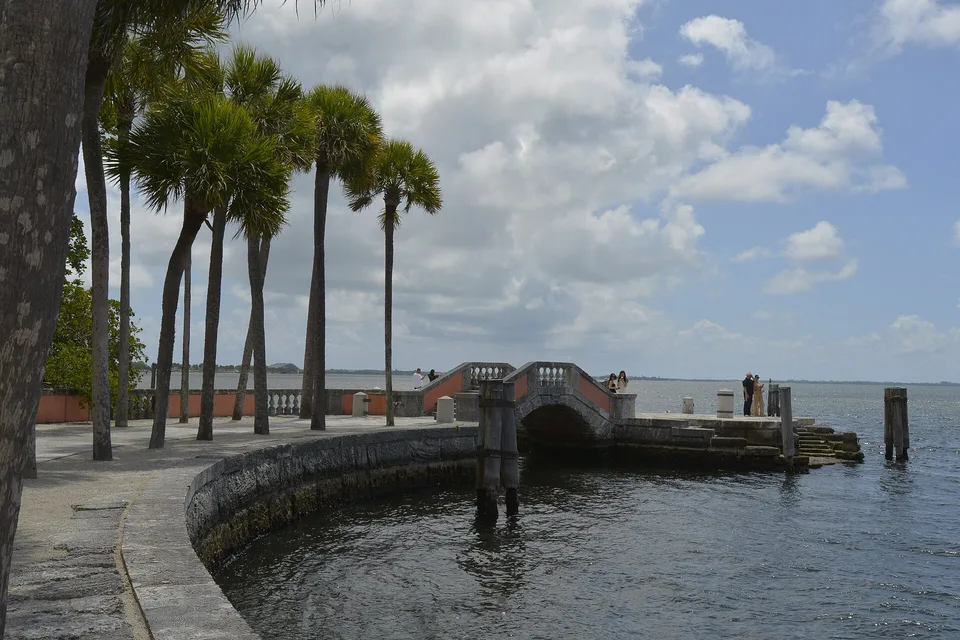
Vizcaya offers a different encounter with the city: James Deering's 1916 winter estate, with a historic house and gardens in the north Coconut Grove area. Its current admission page advertises a temporary restoration discount of $20 for visitors aged thirteen and above, $10 for children aged six to twelve, and free admission for younger children. Recheck the discount when booking rather than treating it as a permanent price.
The estate opens daily except Tuesdays, from 9:30am to 4:30pm. Read the restoration and accessibility information before planning your route: some areas may be unavailable, Main House guided tours are currently suspended, and historic steps and uneven garden surfaces affect access. The first floor is mostly wheelchair accessible, with exceptions, while the second floor is not. Visitors identifying as disabled and an accompanying caregiver receive complimentary admission. Contact the estate about your particular requirements rather than assuming that a free ticket means every space is accessible.
Public transport costs, including an announced change
For current budgeting, Miami-Dade's standard Metrobus and Metrorail fare is $2.25. There is already an approved increase to $2.75 in January 2027, announced by the county on 6 October 2026. A visitor arriving after that change needs a fresh fare check; the lower figure is the current fare at this guide's research date, not a promise for a future trip.
The county describes a $5.65 daily fare cap for unlimited Metrobus and Metrorail rides and stresses using the same payment device throughout. A phone and a watch linked to the same bank card count as different devices. Keep one method consistent when tapping in and out, and check the current payment instructions before travelling. This small detail can matter more to a short visit's transport bill than buying a pass without comparing its terms.
At Miami International Airport, the official transport page locates Metrobus, Metrorail and Tri-Rail connections at the Miami Intermodal Center/Miami International Airport Station. The free MIA Mover is accessed on the terminal's third level between the Dolphin and Flamingo garages. Follow that connection rather than assuming regional trains leave directly from your arrivals concourse. Allow time for collecting luggage, reaching the connector and finding the correct onward service.
For shorter downtown journeys, Metromover is a separate free elevated system serving Downtown, Omni and Brickell. Its published hours are 5:30am to 10pm daily. Read the destination display because the system has three loops, and consult current service and lift notices before relying on a particular station. A late dinner needs an onward plan beyond those operating hours. The airport's MIA Mover and downtown Metromover have similar names but perform different jobs.
Frost Science: book the date, then arrange the show
The Phillip and Patricia Frost Museum of Science combines exhibitions, an aquarium and a planetarium. Its Explorer ticket includes one planetarium show subject to availability, booked onsite. That condition matters if a particular show is the reason for your visit: purchasing museum admission does not reserve your chosen screening in advance.
The operator lists adult admission starting at $29.95 and youth admission, for ages four to eleven, starting at $24.95; children aged three and under enter free. Prices vary by visit date, so use the calendar to establish the actual cost for your party. Give this museum a substantial block of time rather than adding it as a hurried extra after PAMM. Families may prefer to select one museum for the day and leave the other for a future visit.
Weather and the flexibility it requires
Miami's warm, humid summer conditions call for a different pace from a long sightseeing day in cooler weather. The National Weather Service's seasonal explanation describes frequent showers and thunderstorms and shows that the start and end of the summer pattern vary between years. Its historical study is useful context, rather than a forecast for your travel dates. Schedule exposed outdoor activities early when practical, leave room for indoor stops and check the daily forecast before committing to a garden visit.
For more comfortable outdoor sightseeing, consider winter: the visitor bureau's seasonal guide describes sunny, dry days. Compare accommodation quotes for your dates before making weather the only deciding factor.
The Atlantic hurricane season runs from 1 June to 30 November. Those dates do not predict a storm during any particular holiday, but they make flexible bookings and access to official advisories valuable. Consider your hotel's cancellation terms and what you would do if transport changes. Visitors staying in an unfamiliar building should ask how they will receive evacuation instructions.
For a move, use the county's storm-surge planning information at the property level. The county explicitly distinguishes storm-surge planning zones from flood zones, and notes that evacuation decisions depend on the projected surge and storm track. A broad neighbourhood reputation cannot answer these address-specific questions. Check both the relevant risk information and the building's arrangements before signing a lease.
Choosing accommodation around the journeys you will make
Start your accommodation search with the visitor bureau's area information, then compare actual hotel addresses against your priority stops. Downtown is a practical candidate for a museum-led itinerary; Brickell deserves consideration when dining, shopping or appointments there dominate the trip. Coconut Grove is worth investigating for a stay organised around its parks, shops and nearby historic estate. These are starting points for a search, rather than guarantees that every property in an area is convenient.
A beach-led holiday may be better based in Miami Beach, accepting that mainland visits become planned excursions. An airport hotel can make sense for a short connection or an early departure, but check the hotel's actual shuttle arrangements and your evening plans. Airport-area accommodation is not automatically a saving once repeated journeys are included. For a longer scouting visit, compare extended-stay facilities, laundry access and kitchen arrangements with a conventional room.
Request the total accommodation price for your dates, including taxes, mandatory charges and parking where applicable. Ask whether breakfast is included, what the cancellation deadline means in local time, and whether luggage storage is available before check-in. If step-free access matters, confirm the room and route from the entrance specifically. An attractive photograph of a pool or lobby does not establish that the accommodation meets your needs.
Coffee, food and shopping without a speculative budget
A coffee stop can be a useful introduction to Little Havana. The visitor bureau's Cuban coffee explanation distinguishes a cafecito, sweetened espresso, from café con leche with steamed milk and a cortadito with a smaller addition of milk. A colada is intended for sharing. Tell the server if you prefer less sweetness rather than assuming that the usual preparation suits you.
Versailles' own ventanita page confirms that its coffee window serves Cuban coffee, including cortaditos and coladas. The window offers a coffee stop without committing to a full restaurant meal. Check the business's current menu and location before going; an address can place a meal farther from the Calle Ocho section you have chosen for a walk than expected.
For budgeting, separate everyday meals from the dinners or experiences you particularly want. Compare menus before sitting down, and read the bill for any included service charge before deciding how much extra to leave. Grocery shopping and accommodation with a usable kitchen may help on a longer stay, but check what is actually provided: a kitchenette, a refrigerator and a full kitchen support different routines.
Shopping has different roles in Wynwood, the Design District, Brickell and Coconut Grove. Browse according to your interests rather than adding every district to one day. Set a separate allowance for purchases, and keep museum admission, airport travel and accommodation outside it. The verified attraction prices in this guide offer concrete components of a budget; hotel rates and meal costs require quotes for your chosen dates and businesses. A single supposed average daily price would conceal those choices.
A realistic three-day introduction
This suggested plan favours a few substantial stops over constant movement. Adjust the order to the days of the week: PAMM closes on Tuesdays and Wednesdays, and Vizcaya closes on Tuesdays. If those closures affect your visit, choose neighbourhood time or Frost Science instead of arriving at a closed museum. Leave enough space between reservations to accommodate the journey and a meal.
On day one, settle into your accommodation and explore Downtown at a comfortable pace. Choose PAMM or Frost Science as the main visit, then use the remaining time for the bayfront area and dinner. If you arrive late, keep the museum for another day. Thursday's free evening entry at PAMM can be useful, provided you arrive early enough to see the galleries.
On day two, visit Vizcaya while keeping its current restoration restrictions in mind. Afterwards, make Coconut Grove your second area rather than crossing several districts for short stops. A meal and park visit leave room to appreciate the change of setting. Ask the estate about access before booking if steps or uneven surfaces affect your party.
On day three, spend a manageable part of the day in Little Havana, with a coffee or food stop and time around Calle Ocho. Choose Wynwood or the Design District as an additional art or shopping outing if energy and transport allow. For a beach-first trip, replace that second outing with Miami Beach and reserve time for the return. A relocation visit should instead dedicate part of this day to property appointments and a trial commute.
Moving: compare the home and commute together
Build a housing shortlist around the actual workplace or campus, not a broad Miami label. Test the door-to-door journey, including getting to the station or bus stop and the final walk. Check the return service for late shifts and the alternative if your usual connection is disrupted. A lower advertised rent can lose its advantage if it requires transport costs or travel time your household cannot sustain.
For each property, ask for a written breakdown of rent, deposits, application charges, parking and any required building payments. Confirm lease duration, renewal terms, maintenance reporting, pet conditions and move-in arrangements. Inspect cooling, windows, plumbing and available storage, and ask what happens during a power interruption. Keep photographs of the agreed condition when taking possession. Compare the full household cost rather than ranking properties on the rent alone.
The county's Housing and Community Development resources explain subsidised housing and rental assistance. Eligibility, application periods and waiting lists matter; assistance should not be treated as accommodation that will necessarily be ready for your arrival. Read the current programme information and contact the administering agency about your circumstances. Do not make a lease commitment on the assumption that an application guarantees support.
Setting up services and family routines
Before arranging utilities, establish which accounts the landlord maintains and which you must open. For electricity, consult FPL's start, stop and move service resources and confirm the address and requested date. For water, Miami-Dade's service application requirements include identification, the service address, contact details and proof of ownership or a signed lease. The department states that requests typically take three to five business days to process, so allow time rather than assuming same-day completion.
The water department lists a $50 deposit for each water and sewer service and a non-refundable $45 service charge on the first bill. Confirm how those requirements apply to your property and account. Keep the application confirmation number and make sure the lease identifies responsibility for the bills. Internet installation, rubbish arrangements and laundry facilities also deserve attention before move-in, especially if you will work from home.
Families can use Miami-Dade County Public Schools' school finder with an address and grade level to investigate eligible schools and programmes. Ask the district about enrolment documents and your child's circumstances before committing to a home around a presumed school place. Also check childcare hours against your commute and identify healthcare providers that accept your coverage. A workable household depends on these daily connections as much as on the apartment itself.
Tourism, study and employment require different plans
International visitors should begin with the Department of State's official visitor-visa information and the relevant embassy or consulate instructions. The page distinguishes temporary tourism and permitted business visits from employment, study and permanent residence, which require the appropriate arrangements. A scouting holiday does not itself authorise you to take a Miami job or settle permanently.
Decide the purpose of the trip before making commitments. A university offer, employment opportunity or family-based relocation can involve different requirements and timelines. Follow official instructions applicable to your nationality and circumstances, and do not assume that a hotel reservation or signed lease establishes an immigration entitlement. Avoid relying on a general city article for an individual eligibility decision.
VisaWand's United States country guide provides broader planning context, while the consultant listings can help you identify someone to ask about your intended route. Establish the adviser’s qualifications, scope and fees before engaging them. Keep travel booking decisions separate from predictions about approval, and use official application instructions as the authority for the required process.
Nearby alternatives and a longer visit
Miami Beach is a separate option for oceanfront time, while Coral Gables offers another setting for architecture, shopping and dining. Use the regional visitor information to choose an area that fits your interests, then look at its actual access and operating information. A destination mentioned alongside Miami is not necessarily inside the City of Miami or conveniently combined with every mainland itinerary.
For the Everglades, start with the National Park Service's entrance and visitor-centre information. Different entrances provide access to different areas of the park; choose the experience first and build the transport plan around that entrance. Treat it as a dedicated outing rather than a spare hour between city reservations. Check current conditions, fees and any separate tour arrangements before departing, and allow for weather to change the plan.
If you are considering other US bases, compare the published Jacksonville guide or Atlanta guide for their own transport and household considerations. VisaWand's United States location directory offers additional places to investigate; directory entries should not be mistaken for completed travel guides. A wider shortlist can help clarify whether Miami's particular combination of neighbourhood life, climate and daily journeys matches what you actually need.
Official planning resources
Reviewed 13 October 2026. Use the official resources linked throughout this guide for admission, transport, housing and immigration decisions. Prices, services and rules can change; confirm the details relevant to your dates. Photography illustrates the locations and is not a live view.
View all official resources
- Miami-Dade municipal information
- Official Downtown Miami historical interpretation
- Official Miami heritage resources
- Official regional neighbourhood directory
- Official Little Havana visitor information
- Official Coconut Grove visitor information
- PAMM admission and opening hours
- Vizcaya current restoration admission discount
- Vizcaya restoration and accessibility information
- County announced January 2027 fare increase
- County daily fare-capping instructions
- MIA airport public transport connections
- Free Metromover service and accessibility notices
- Frost Science dated admission and planetarium booking
- NWS seasonal climate explanation and historical study
- NWS official hurricane season and safety information
- County storm-surge planning zones
- Official tourism Cuban coffee explanation
- Versailles coffee-window operator information
- County housing and rental-assistance resources
- FPL electricity service resources
- County water service application requirements
- Miami-Dade Public Schools address and grade finder
- Official US visitor visa instructions
- Everglades National Park entrances and visitor centres
- Official visitor bureau seasonal planning information
Plan the next part of your journey
Explore the United States guide, browse other cities or compare consultants for your travel and relocation questions.