Visa
A river city with several different kinds of trip
Jacksonville makes most sense when you decide what brings you here before choosing a hotel. Art museums and historic neighbourhoods favour an urban visit around the St. Johns River. Beach days pull you east, while plantation history and barrier-island landscapes draw you towards the northeastern part of the area. Combining these experiences is possible, but the journey between them is part of the plan.
This is Jacksonville, Florida, rather than another American town with the same name. It has a consolidated city-county government, but Jacksonville Beach, Atlantic Beach, Neptune Beach and Baldwin retained their own municipal governments. The Jacksonville Beach government overview explains that distinction. A beach-city address is therefore more than a neighbourhood label when comparing local services or housing.
A three-day introduction can combine a museum, Riverside, the riverfront and a separate outdoor day. Reserve extra time for property visits if considering a move. VisaWand's United States country guide supplies the national context.
History that changes how you read the landscape
The river is central to Jacksonville's story. Visit Jacksonville's historical account traces the town's establishment in 1822, when the earlier Cowford name gave way to Jacksonville. River and ocean access supported commerce, while rail connections helped bring nineteenth-century visitors south. The Great Fire of 1901 devastated much of the city and shaped its subsequent rebuilding, including architecture associated with Henry Klutho.
The 1968 consolidation explains the broad government footprint visitors encounter today. It does not mean every destination promoted to Jacksonville travellers belongs to one uniform urban centre. Nor should the region's history begin with the town's naming: the visitor board acknowledges the Timucua homeland and the much longer Indigenous history of the area.
Kingsley Plantation offers another essential perspective, interpreting a landscape built through enslaved labour. Treat that visit as historical learning, rather than a picturesque country-house excursion. A useful trip can connect these stories without trying to compress them into one narrative of progress. Walk an older urban district, spend time with museum interpretation and then examine how the river connected places whose experiences were profoundly different.
Riverside, Avondale and San Marco
Riverside and Avondale offer historic streets, independent shops and dining, with the Five Points area providing a distinct concentration of cafés and browsing. The Cummer Museum gives a visit here an obvious cultural anchor. Choose a few nearby stops and leave room to walk between them instead of treating the district as a collection of distant reservations.
Across the river, San Marco centres on its square, boutiques, galleries and dining district. The lion fountain is a recognisable feature, but the more useful question for visitors is whether the area fits their evening plans. A meal here can form the centre of an outing rather than an extra stop after travelling through several other parts of Jacksonville.
Downtown and the riverfront
Downtown gives you access to MOCA Jacksonville and an urban riverfront outing. Start with a specific museum or event, then add a walk that suits the weather and your available time. The St. Johns provides the setting, but a map showing waterfront continuity does not establish that every segment is open or comfortable for your group.
Allow for changing development around the river. MOSH's September 2026 project update describes its future Northbank museum as still in preconstruction. The planned building should not be treated as an attraction already available to enter. Check the institution's current programmes separately from its architectural renderings before adding it to a family itinerary.
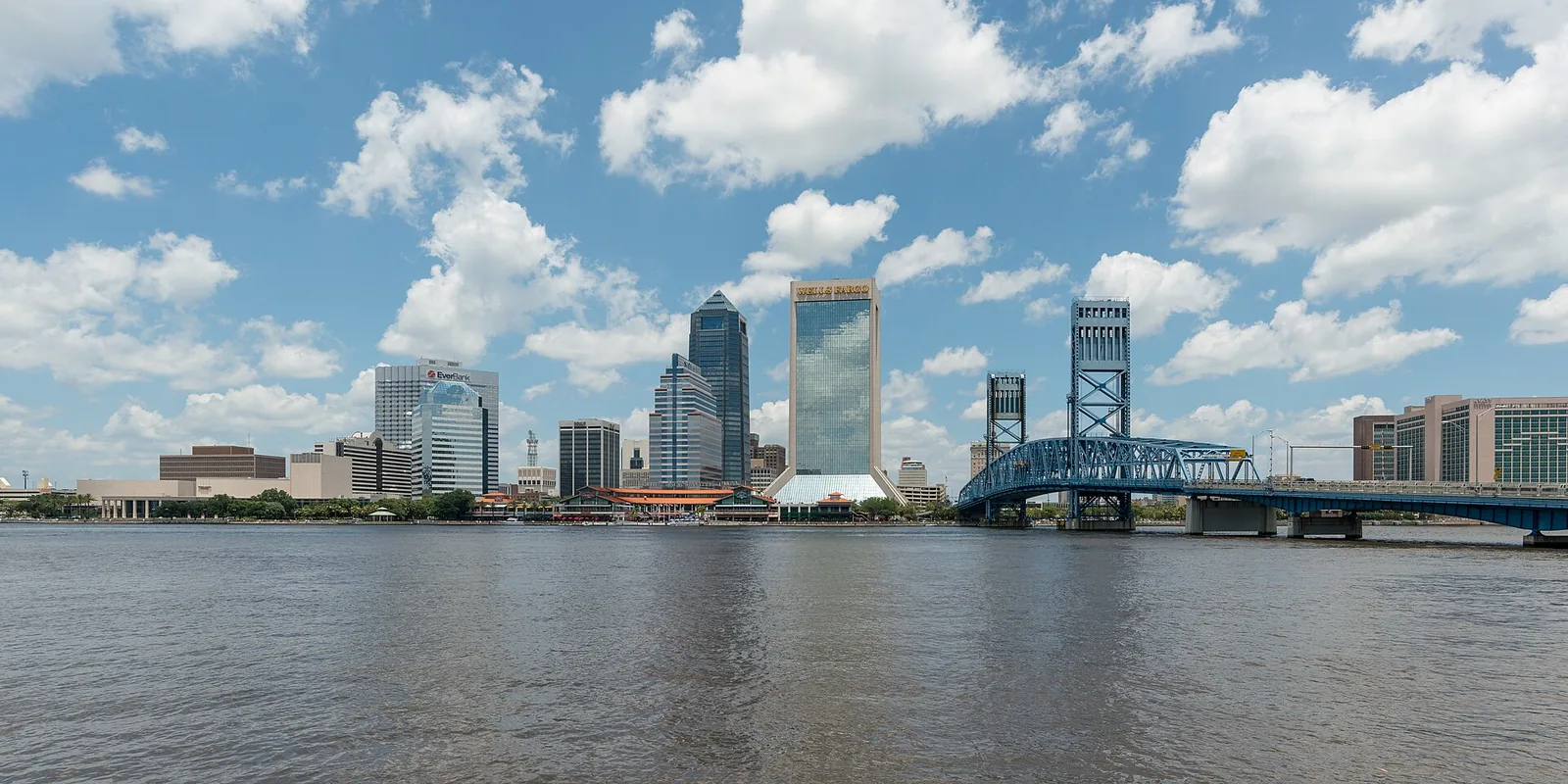
Jacksonville's waterfront has changed, and this guide's banner is an explicitly dated archive view. Use current venue addresses and access information for navigation.
Two art museums with different practical choices
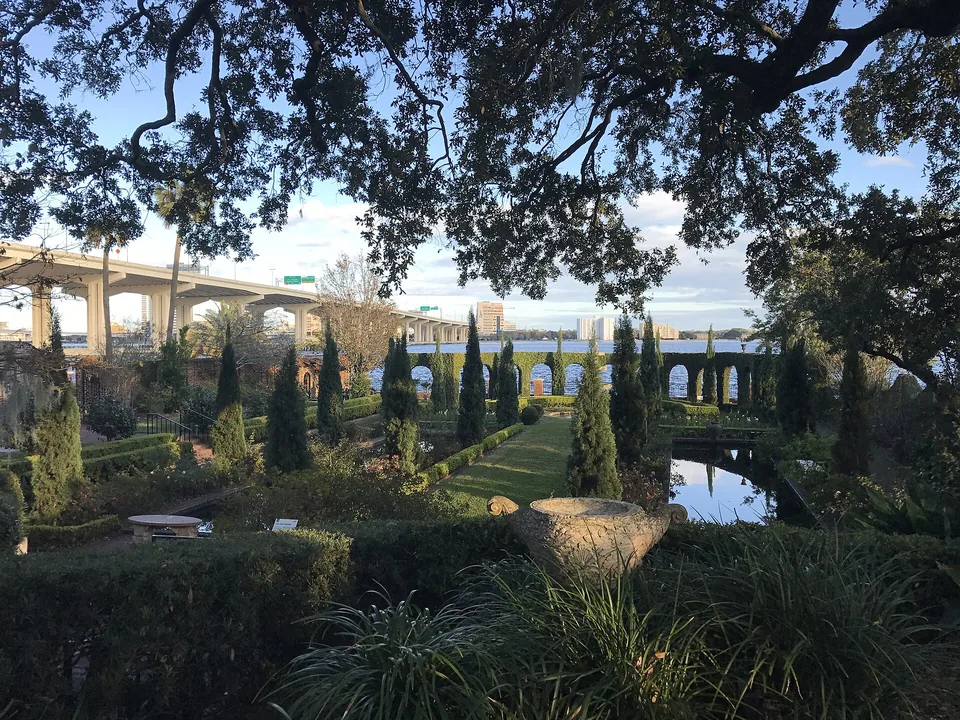
The Cummer Museum of Art & Gardens combines galleries with gardens overlooking the river. Its published adult admission is $20, covering galleries, special exhibitions and gardens. Mondays are normally closed; gardens close at the museum's closing time or dusk, whichever comes first, and can close in unsuitable weather. Put the gardens earlier in the visit if they are a priority.
Parking is now a separate consideration. The museum introduced paid parking in September 2026. During the stated daytime window on weekdays and Sundays, the published rate starts at $2 for two hours, followed by $1 per hour. Saturday parking is $10 during its specified window, with a half-price validation arrangement for paid museum admission. Check the current instructions and complete total before arrival.
MOCA Jacksonville, at 333 North Laura Street, offers contemporary art downtown. Published adult admission is $10; its visitor page lists free admission for all visitors on Saturdays from 11am to 5pm. Regular opening is Tuesday through Sunday, with Monday closure. The museum is cashless. These differences let you choose by interest, location and date rather than assuming every museum has the same hours or payment arrangements.
Kingsley Plantation and Fort George Island
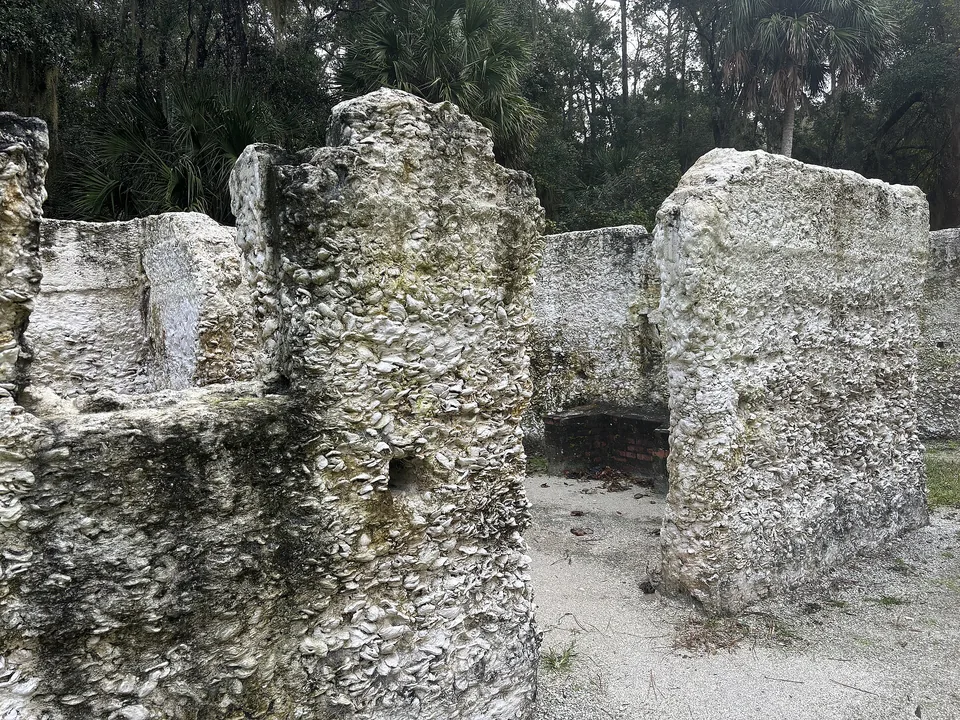
Kingsley Plantation is part of the National Park Service's Timucuan Ecological & Historic Preserve. On Fort George Island, its buildings and interpretation address enslavement, plantation wealth and the complicated relationship between freedom and ownership in Florida's history. The surviving quarters deserve attention alongside the planter's house; they are not incidental scenery.
The NPS lists the visiting address as 11676 Palmetto Avenue. Be careful when copying an address from a park webpage: the Fort Caroline Road address in its footer is the preserve's mailing address, rather than Kingsley Plantation's visitor entrance. Admission is free, and the NPS provides an audio tour as another way to engage with the site.
Building access requires planning. The official closures information describes structural concerns and limited access to the planter's house. Consult the current calendar or contact the site before arranging a visit around an interior tour. A trip focused on the grounds and interpretation may still be worthwhile, but it is a different experience. Give this outing its own substantial part of the day, and establish your route before departure instead of assuming it is a quick extension of a downtown museum visit.
Beaches and Little Talbot Island
Decide whether you want a beach-town day with nearby businesses or a park visit focused on shoreline and landscape. Jacksonville Beach, Atlantic Beach and Neptune Beach are independently governed coastal municipalities; use the Jacksonville Beach location page as a directory entry rather than assuming it is a completed travel guide. Choose the actual beach access and check municipal rules for your activities.
Little Talbot Island State Park publishes daily opening from 8am until sunset. Entrance is $5 per vehicle for up to eight people, or $4 for a single-occupant vehicle. The per-vehicle charge can make a different budget calculation from attractions charging each member of a family separately.
Its current water-access restriction is important: the south end is limited to dry-shoreline use, with no swimming or water entry from the South End parking lots. The operator directs permitted water entry to the North Beach access points and warns that there are no lifeguards. Elsewhere, follow local beach flags and lifeguard instructions; double red flags mean the water is closed. A shoreline walk can remain the sensible plan when swimming conditions are unsuitable.
A zoo day rather than a rushed extra stop
Jacksonville Zoo and Botanical Gardens is at 370 Zoo Parkway. Its visitor page lists daily opening from 9am to 5pm, apart from Thanksgiving and Christmas, with last entry at 4:30pm. Choose an arrival that leaves time to explore rather than mistaking the final admission time for a useful beginning to a full visit.
Tickets vary by date and package. The published Total Experience adult range is $40.95–$45.95 for ages thirteen to sixty-four. That package includes additional experiences and should not be confused with basic general admission. Check the selected ticket type, any age-based rate and the final checkout total. The operator requires online tickets, identifies the facility as cashless and lists an additional fee for tickets bought at the gate.
Finding a base that fits your visit
Select accommodation by the journeys you will actually make. Downtown or a riverfront base can suit central appointments and museum visits. A property near your chosen beach access may make more sense for repeated coastal days. Airport-area accommodation can be useful for a late arrival or early departure, but assess the rest of the trip separately.
Compare complete prices for identical dates and cancellation terms. Add parking, breakfast, mandatory charges and the cost of reaching your main activities. Ask whether a shuttle is available, which terminal pickup point it uses and whether its operating hours match your flight. An airport name in a listing does not establish a shuttle service.
The United States destination page and VisaWand consultant directory provide starting points for comparing professional guidance; check each provider's credentials, fees and written scope.
Arriving at Jacksonville International Airport
Jacksonville International Airport's ground transport page identifies the lower terminal level beside baggage claim for rental-car and taxi arrangements. App-based pickup is signposted on the lower arrivals curb at poles one and two. Hotel shuttles use the North Upper Level departure curb, so follow the instructions for your chosen service rather than assuming all pickups share one location.
Public transport is available through JTA's North Main route. The current Route 1 timetable, effective June 2026, distinguishes the northbound 1A airport branch from 1B, which serves FSCJ North. For travel from the airport towards downtown, consult the southbound service to JRTC at LaVilla. Check the correct weekday, Saturday or Sunday table and your onward connection.
This is a scheduled bus journey rather than a direct airport rail service. Compare the complete trip, including waiting and the final connection to your accommodation, with a road transfer. With a late flight or considerable luggage, a simpler connection may justify the extra cost. On departure, work backwards from the required airport arrival time and allow a buffer beyond the timetable; a scheduled journey cannot guarantee that traffic or other disruption will be absent.
Local transport and budgeting for distance
JTA's current fare page lists a regular cash fare of $1.75 for fixed-route buses, including First Coast Flyer, and a $4.50 day pass. Exact change is required for cash payment. The same page advertises fare changes for January 2027; use the applicable travel date rather than treating a future table as today's price.
JTA also identifies its Skyway and NAVI services as fare-free, but their coverage is different from the wider bus network. Use the operator's route information and trip planner to assess an actual journey. Free travel within a limited central service does not provide a free route to every place in the guide.
For a central cultural day, transit and walking may work well. A dispersed plan involving island sites, coast and distant appointments needs a more careful comparison with driving. Car costs include rental or ownership, parking, fuel and any applicable toll arrangements. For relocation, test the commute at the normal working hour and check the return route. Include shopping and school journeys in that trial: a home that works for one trip may be inconvenient for the rest of the household.
Seafood, markets and spending with a purpose
Mayport shrimp gives the local food discussion a specific starting point. Visit Jacksonville's seafood trail information describes wild Atlantic shrimp associated with the mouth of the St. Johns River and the fishing traditions of Mayport. Use the resource to identify candidates, then check menus and current opening times. Ask about the dish you are ordering rather than assuming every seafood item is locally caught.
For a Saturday, the Riverside Arts Market combines farmers, makers and artists under the Fuller Warren Bridge. Its operator lists regular hours of 10am to 3pm. It can fit naturally with Riverside browsing, rather than requiring a separate journey for each shop or food stop. San Marco provides another district in which dining and independent browsing can be combined.
Budget in categories instead of relying on a single daily allowance. List accommodation and transport first, then meals and paid experiences. Add tax and intended gratuities when comparing restaurant totals, checking for any existing service charge. Free museum sessions, park time and market browsing can balance paid tickets. A relocation budget needs recurring groceries, household services and commuting costs, which will differ from the spending pattern of a short holiday.
Seasons, forecasts and storm planning
The official visitor board's seasonal overview describes hot summers, rainier summer conditions and generally milder winters. Spring or autumn can be a sensible starting point for a trip built around walking and outdoor sites. That is a planning judgement rather than a weather guarantee, and conditions on the coast may affect an outing differently from those at a central hotel.
Keep outdoor plans flexible and inspect the forecast before travelling to an island or beach. Move demanding walks away from the hottest part of a warm day and retain an indoor alternative. Winter visitors should pack layers rather than expecting beach weather every afternoon. Choose dates around a fixed event if necessary, then adapt the surrounding programme.
For visitors and potential residents, JaxReady's evacuation-zone information makes location-specific preparation possible. Look up the accommodation or property address and follow current official instructions when a storm threatens. An evacuation zone is not itself proof of an active evacuation order. When assessing a home, ask about past water intrusion, building procedures and relevant insurance arrangements. River and coastal exposure should be considered alongside rent and commuting convenience, rather than becoming an afterthought after signing.
A workable three-day introduction
Spend the first day around downtown: choose MOCA when it is open, leave time for the riverfront and make dinner in San Marco a separate, manageable evening plan. Check the museum's free Saturday session if it matches your dates. A late arrival needs a shorter first day, with the museum moved rather than squeezed into its final opening hour.
Use day two for Riverside and the Cummer Museum. If it is Saturday, place the Arts Market earlier in the programme and account for the museum's parking rules. Leave time for the gardens and neighbourhood browsing. Avoid booking another distant attraction that makes you hurry through the reason you chose the district.
Dedicate day three to either Kingsley Plantation and a carefully planned northeastern outdoor outing, or a beach-town day. Check access notices before departure and do not assume an interior tour or swimming conditions will be available. The zoo is a substantial alternative for families, replacing an outing rather than automatically joining it. For a relocation trip, substitute property viewings, a grocery run and a weekday commute trial for one sightseeing day. The itinerary is a framework to adjust, not a requirement to collect every attraction.
Moving: choosing housing and testing the commute
Start with the exact workplace or campus, your household's routines and a monthly budget. Compare actual properties in more than one area. Include utilities, parking, pet charges and other required payments in the rental total, then ask which costs are fixed and which depend on usage. Inspect the unit's cooling system, windows, storage and laundry arrangements rather than relying on a development's marketing images.
Read the lease before sending money. The Florida Bar's tenant-rights guidance explains the significance of rental agreements, deposits, habitability and lawful procedures when a dispute arises. Keep a condition record at move-in and retain correspondence. Obtain appropriate legal advice before withholding rent or trying to resolve a serious repair problem through a remedy you have not checked.
Test commuting and the ordinary trips around it. A river crossing, school collection or return after a late shift can change the value of an otherwise appealing address. Visit the surrounding streets at a relevant time and establish who manages the property. Verify the listing and payment instructions against the written agreement. For a coastal address, also establish which municipality handles the services you will need instead of relying on a broad Jacksonville mailing label.
Setting up an ordinary household
JEA's new residential customer information provides the official route for arranging utility service. Have the service address and desired start date ready, check the identification requirements and establish whether a deposit applies. Confirm which services the property includes before creating accounts, and arrange the timing with the landlord or seller. This guide does not assume a universal deposit or promise immediate connection.
Families should use Duval County Public Schools' enrolment resources to find the school serving the proposed address and check the required documents. School-choice options should be verified through the district rather than inferred from a property's listing. Confirm transport and any before- or after-school arrangements separately.
The Jacksonville Public Library offers free resident cards with proof of Duval County residence. It is one useful service to establish alongside internet, healthcare coverage, prescriptions and household deliveries. Before move-in, ask about building access, rubbish collection, parking and any appointment needed to receive large items. Keep a short list of what must work on the first day and what can follow later. Those arrangements make the transition more useful to assess than a holiday impression alone.
Tourism, work, study and permanent relocation
Immigration permission is national, rather than a special Jacksonville system. Start with the Department of State's visitor visa information for tourism and permitted short business activities. Visitor status does not authorise ordinary employment, degree study or permanent residence. Eligible travellers using the Visa Waiver Program and ESTA must satisfy its conditions, including a visit of ninety days or less; travel authorisation does not guarantee admission.
Working requires the appropriate permission for the activity and your circumstances. Review the government's employment visa categories before making commitments dependent on starting a job. An offer alone does not establish permission to work, and different categories have different procedures. Ask a qualified adviser about the actual role rather than a generic promise of a work visa.
For study, use the official student visa requirements and the institution's international office; a SEVP-approved school normally issues the relevant Form I-20. Permanent settlement requires a qualifying immigrant route with its own eligibility and process. A holiday to inspect neighbourhoods can inform the location decision, but cannot replace the necessary immigration planning. Verify current official instructions before paying fees or entering agreements whose timing depends on an application outcome.
Nearby places and comparisons worth making
St. Augustine offers another regional outing focused on history and a different streetscape. Florida's Historic Coast visitor information provides attraction, parking and accommodation resources. Give it its own day and transport plan rather than using the remaining hours after a substantial Jacksonville excursion. VisaWand's St. Augustine location page is a destination directory entry to help with further browsing.
The United States city and settlement directory contains more locations, with completed guides available only where they have been published. For a broader comparison, the New York City guide illustrates a very different urban travel pattern. Use these resources to make a concrete choice about Jacksonville: where you want to spend time, how you will reach those places and whether the same geography works for everyday life.
Official planning resources
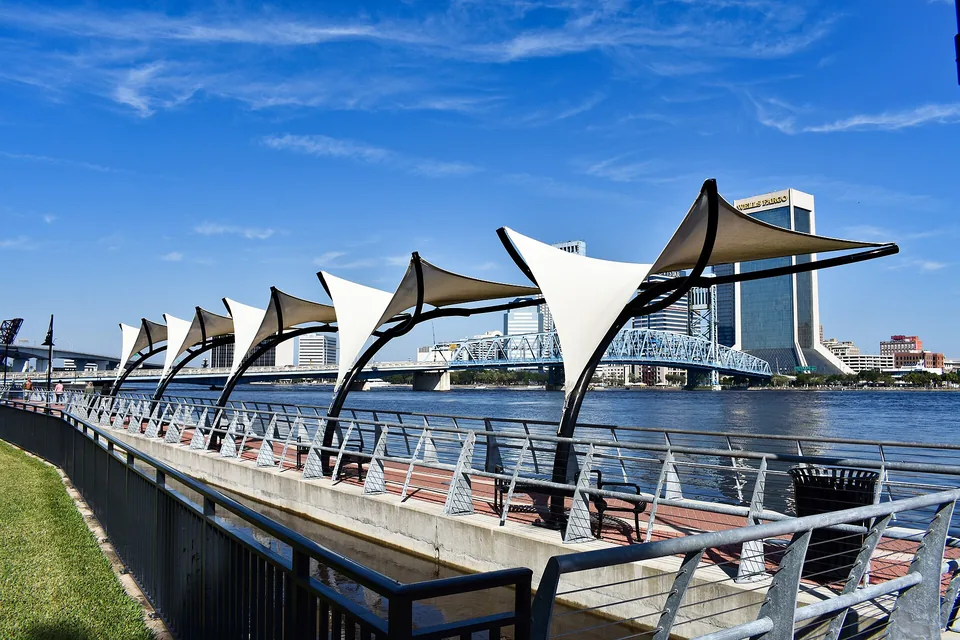
Reviewed 13 October 2026. Use the official resources linked throughout this guide for admission, transport, housing and immigration decisions. Prices, services and rules can change; confirm the details relevant to your dates. Photography illustrates the locations and is not a live view.
View all official resources
- Jacksonville Beach independent municipal government
- Visit Jacksonville area history
- Visit Jacksonville Riverside and Avondale
- Visit Jacksonville San Marco
- MOSH September 2026 preconstruction update
- Cummer Museum admission, gardens and parking
- MOCA Jacksonville visitor information
- National Park Service Kingsley Plantation history and visitor address
- National Park Service Kingsley Plantation admission
- National Park Service Kingsley Plantation building restrictions
- Little Talbot Island State Park opening and fees
- Little Talbot Island water access restrictions
- JaxReady beach and ocean safety
- Jacksonville Zoo and Botanical Gardens admission and ticket packages
- Jacksonville International Airport ground transport
- JTA Route 1 timetable effective June 2026
- JTA current fares and upcoming January 2027 changes
- JTA current route timetables and trip planning
- Visit Jacksonville Mayport Shrimp and Seafood Trail
- Riverside Arts Market operator information
- Visit Jacksonville seasonal weather overview
- JaxReady address-specific evacuation zones
- Florida Bar tenant and landlord rights guidance
- JEA new residential customer information
- Duval County Public Schools enrolment and school locator
- Jacksonville Public Library resident cards
- Department of State visitor visa information
- Official ESTA eligibility and Visa Waiver Program questions
- Department of State employment visa categories
- Department of State student visa requirements
- Department of State immigrant visa routes
- Official Florida Historic Coast visitor information
Plan the next part of your journey
Explore the United States guide, browse other cities or compare consultants for your travel and relocation questions.