Visa
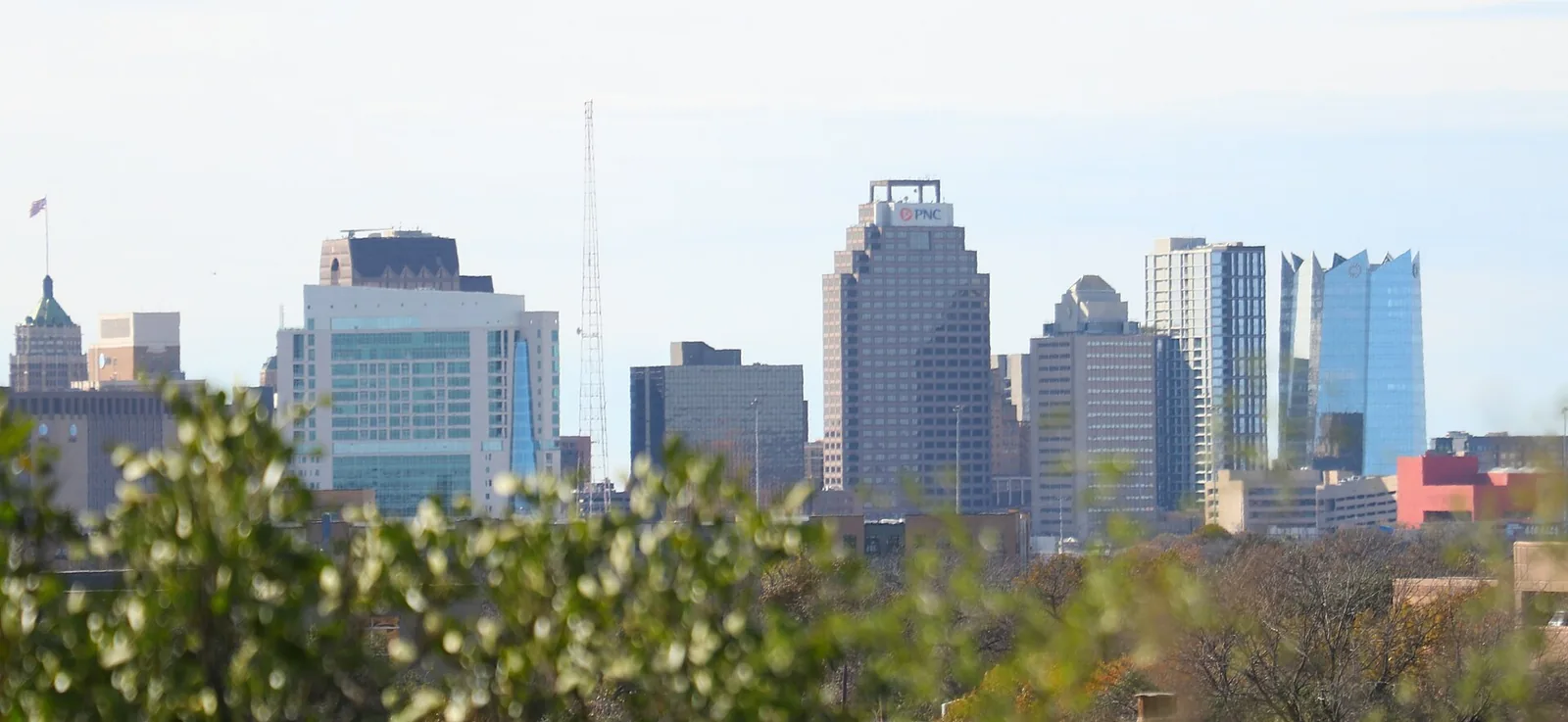
San Antonio beyond the postcard
San Antonio makes an inviting first impression: water below street level, stone mission buildings, trees over riverside tables and a food culture that gives a meal its own place in the itinerary. Its best-known sights form a useful introduction, but the city becomes more interesting when you connect downtown with Pearl, Southtown and the mission communities farther south. Give those areas separate time instead of making the River Walk stand for the whole destination.
For a first visit, four days allow a workable mixture of history, art, neighbourhood walks and meals. A shorter break can concentrate on downtown and one additional area. The suggested itinerary below is an editorial starting point; museum closures, market days and heat can change the order. A well-positioned hotel can make the central days simpler, while the southern missions need their own transport plan.
For a move, start with the location of work or study and the journeys your household would repeat. The visitor centre of a city is not necessarily the centre of your future routine. VisaWand’s United States country guide provides national context; this guide explains the choices specific to San Antonio.
A history with living descendants
The National Park Service’s history and culture account places the Spanish missions within a longer Indigenous history. The mission system changed religious practice, language, livelihoods and community life; its legacy includes loss as well as cultural exchange. Read the interpretation alongside the architecture. These buildings are evidence of colonisation and daily work, rather than simply attractive backdrops to a photograph.
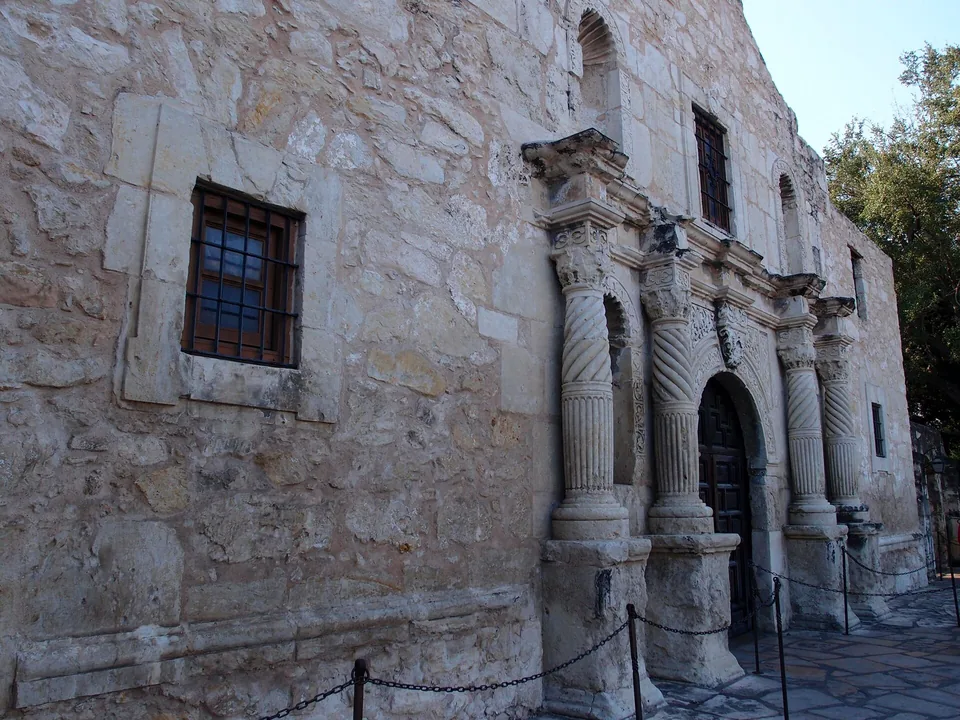
The Alamo began as a mission before its later military role. Visiting it alongside the southern mission sites helps prevent the city's history from narrowing to a single famous battle. The national park's churches also remain active Catholic parishes. Respecting a service or family ceremony is part of understanding their present character, not merely a rule imposed on sightseeing.
Southtown supplies a different architectural chapter. Visit San Antonio’s Southtown guide describes German immigrants buying land and building homes in King William during the nineteenth century. Today the wider area combines residential streets with galleries, shops and food businesses. Its historical houses, mission communities and contemporary art make complementary visits, each revealing a different part of the city.
Understand the districts before booking a room
Use the official neighbourhood overview to identify areas that match your plans. Downtown is the starting point for the Alamo and central River Walk. Pearl lies along the river to the north, with food, shops and public space around a former brewery. Southtown sits beyond downtown to the south, including King William and a broader arts community. These are useful trip-planning labels, not guarantees about every building within them.
The tourism map also covers airport and theme-park districts and places beyond the central city. A stay selected for one of those purposes can be practical without being a convenient base for repeated downtown visits. Compare the complete hotel address with your daily destinations. Driving, parking and the final walk all belong in that comparison.
For relocation, distinguish a postal address, a tourism district and the municipal boundary. Services can follow different boundaries too: schools assign pupils through districts and attendance zones, while library eligibility now depends partly on city residence. The right question is what applies to the actual property, not which familiar area name appears in an advertisement.
The Alamo: free Church entry needs a reservation
At the Alamo visitor page, admission to the Church remains free, with a timed reservation required. Book the official free Church ticket for each member of your party. A free reservation and a paid experience are separate choices: an audio tour does not automatically include the exhibit in the Ralston Family Collections Center. Read the inclusions before adding an upgrade.
The current general opening hours are 9am–5:30pm, with the Collections Center closing at 5pm; Christmas Day is closed. Arrival cutoffs differ between experiences, and operator pages give inconsistent general last-entry wording. Choose an earlier slot and follow the instructions on your own reservation rather than relying on a final-minute arrival.
The site’s visiting tips cover conduct, access and parking. Open food and drink are prohibited inside the historic buildings, and flash photography is restricted. The Alamo supplies no parking of its own; nearby lots operate independently. Historic structures can present access challenges, so discuss a specific need in advance. Much of the visit is outdoors, making shade, water and the forecast relevant to the timing.
The four southern missions deserve a separate outing
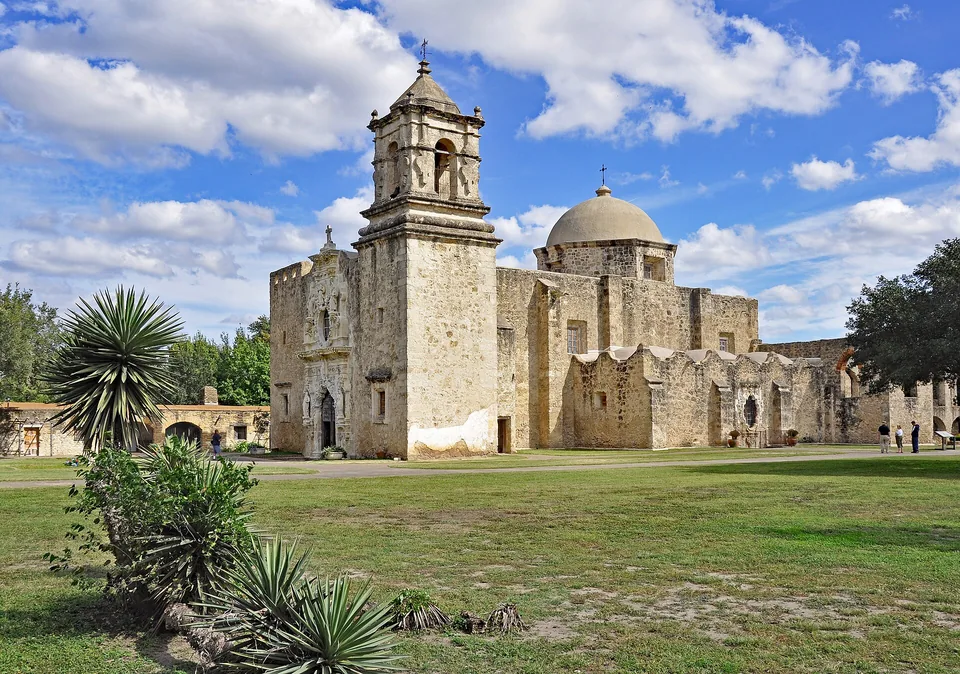
San Antonio Missions National Historical Park comprises Mission Concepción, Mission San José, Mission San Juan and Mission Espada. The Alamo has a separate operator and booking arrangements. Mission San José houses the park visitor centre, making it a useful first stop for interpretation and questions. Concepción offers colonial architecture and frescoes; San Juan adds irrigation history, a demonstration farm and a short nature trail.
The NPS fee page confirms free park entry without an entrance pass. The operating schedule lists daily hours of 9am–5pm, outdoor grounds from sunrise to sunset, and closures on Thanksgiving, Christmas and New Year’s Day. Church access can pause for special services. Leave room for those living uses rather than assuming a full sightseeing circuit will always be possible.
The park’s directions and maps show separate sites rather than a single compact compound. Free parking is available at each mission. Start with one or two sites if time, energy or transport is limited. Inspect the map before committing to a complete walking circuit; travelling between missions and exploring their grounds are different demands on the day.
Three River Walk experiences, three different plans
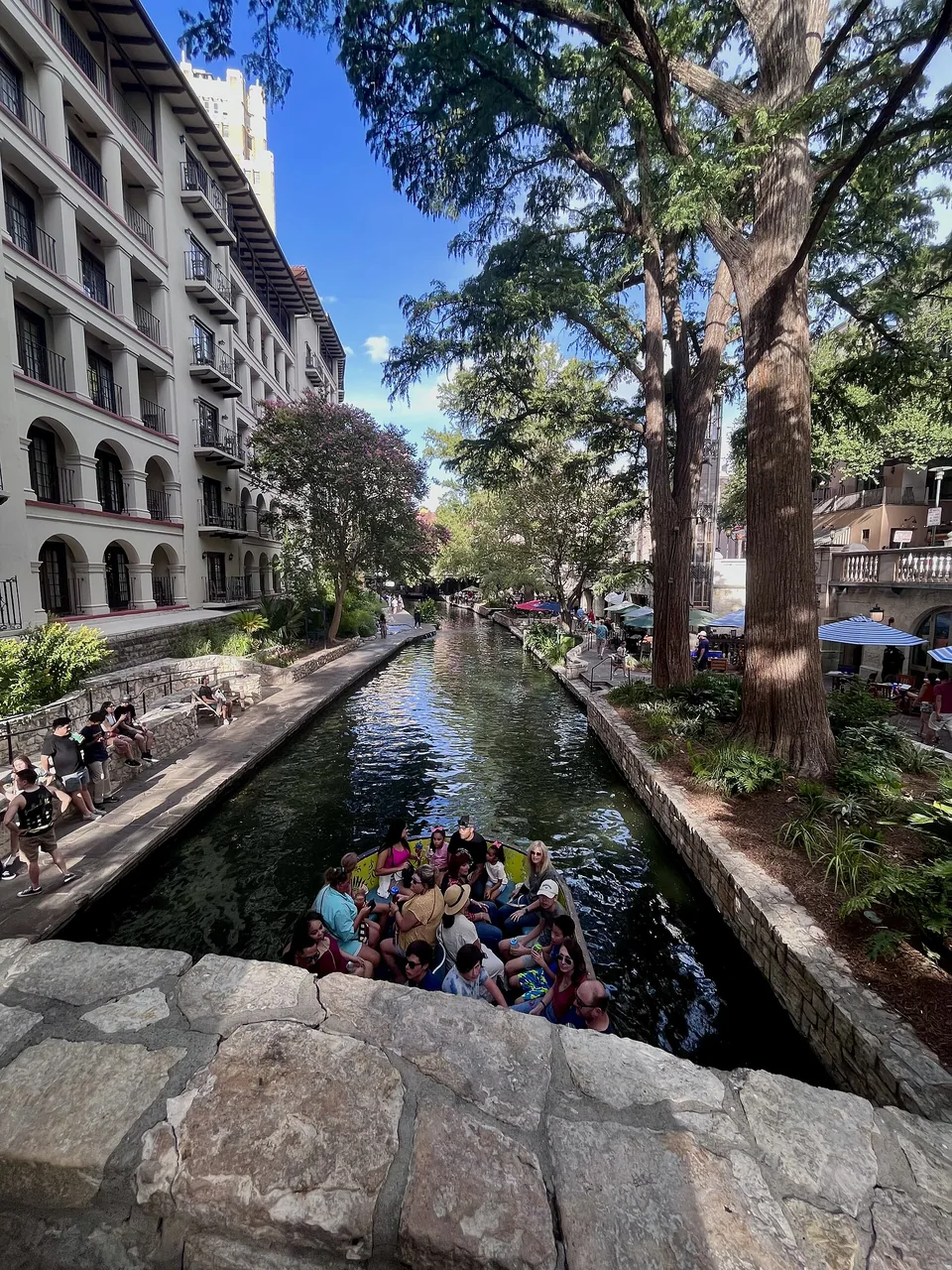
The downtown River Walk is the familiar waterside setting for meals, hotels and sightseeing. North of downtown, the Museum Reach connects public art, the San Antonio Museum of Art and Pearl. The River Authority describes three miles of pedestrian pathways here. That figure describes paths, so it should not be treated as a promise that every destination lies three miles from your starting point.
Farther south, the Mission Reach serves a different outing, combining river recreation with access towards the missions. Choose a section with a clear entry, exit and return journey. A short downtown stroll and a substantial southern trail excursion need different preparation; the name River Walk does not make them interchangeable experiences.
Read the River Authority’s current alerts before setting out. High water, weather or maintenance can affect access and facilities. The recreation guidance asks cyclists to slow around pedestrians and pass carefully, while walkers should leave room for others. Use a current map and signed access points. If your route depends on a lift, ramp or other particular facility, confirm that feature before arrival.
Pearl: make the market day count
The Pearl district introduction describes the redevelopment of the former brewery into a gathering place for dining, shopping and entertainment. It fits naturally with a Museum Reach day, but can also sustain a focused meal and browse without another attraction attached. Choose the businesses that interest you from the current directory rather than assuming everything shares one opening schedule.
Pearl's market guide distinguishes Saturday's farmers market from Sunday's makers market. Saturday usually runs 9am–1pm, concentrating on farmers, ranchers and food producers. Sunday's vendors emphasise artisans and culinary-inspired goods; fall hours are 10am–2pm, compared with an earlier summer schedule. The operator can change arrangements for severe weather or emergencies, so verify the particular weekend.
These distinctions help with practical shopping. Plan Saturday for produce or ingredients, and investigate Sunday for household goods and gifts. Accommodation storage and the rest of the day's route determine whether groceries are useful purchases. For someone considering living nearby, a weekend market is one amenity to explore alongside weekday food shopping and the ordinary journey home.
Southtown, Market Square and a family-friendly pause
Southtown offers a useful change from the central sightseeing circuit: residential architecture around King William, galleries, coffee shops and mixed-use arts spaces. Select a few venues and check their individual programmes. A walk through a historic district is worthwhile on its own; it does not guarantee that a gallery or private building will be open for visitors.
The city’s Historic Market Square information introduces shopping, food and events at 514 West Commerce Street. Its Mexican and Tex-Mex offerings make it a relevant addition to a downtown day. Compare individual shop hours and the events calendar before organising an evening around the market. Purchase choices should reflect the actual maker, materials and price, rather than an assumption that every item has the same local origin.
For families, Yanaguana Garden at Hemisfair provides play spaces, including adaptive equipment, plus room for a less structured stop. It can break up a day of historical interpretation. Check current water-feature arrangements when the splash pad matters to the plan, and bring a change of clothing if using it. A playground interval can be more useful than another admission ticket.
Art museums: check who qualifies for free hours
The San Antonio Museum of Art’s visitor information lists adult admission at $24, with children twelve and under free. It normally closes Monday and stays open later on Tuesday and Friday. Its free general-admission periods require proof of Bexar County residence: Tuesday 4–7pm and the second Sunday of the month 10am–noon. Visitors from elsewhere pay the regular rate during those periods, and a special-exhibition surcharge can apply.
At the McNay Art Museum, the current $23 general-admission option includes the special exhibition. The museum closes Monday and Tuesday. Free general admission is available Thursday 4–9pm and the first Sunday monthly from noon–5pm, with special-exhibition access costing $10 during those periods. Different institutions use different conditions; one museum's free day does not establish the other's policy.
Choose the collection or exhibition you want to see before arranging the rest of the day. The McNay at 6000 North New Braunfels Avenue requires its own journey, while the San Antonio Museum of Art can accompany a Museum Reach visit. Read access information for particular galleries and any tour booking requirements.
The Botanical Garden: an outdoor option with weekday pricing
The San Antonio Botanical Garden’s planning page lists adult admission at $18 Monday–Thursday and $22 Friday–Sunday. Children aged three to thirteen pay $13 or $15 respectively, while younger children enter free. Those are current standard ticket categories, not a guarantee that every separately programmed event is included. Compare the ticket you select with the experience you intend to attend.
The Garden is at 555 Funston Place, northeast of downtown, with free on-site parking. The city’s garden introduction highlights the Texas Native Trail, water-saving displays and conservatory among the grounds. It is a useful alternative when plants and outdoor space interest your group more than another gallery. A visit also gives a prospective resident ideas about regional planting and household water use.
Opening hours are seasonal, and the operator's pages show differing late-opening patterns at this review. Confirm your date directly instead of relying on a general city listing. Plan outdoor time around the forecast and your own needs; purchasing an admission ticket does not make a hot afternoon a sensible time for a long circuit.
Accommodation: pay for a useful location
A downtown or central River Walk hotel suits a programme built around the Alamo, historical sites and waterfront meals. Inspect the property's actual entrance and the route to river level. A listing can describe river access without making every room a waterfront room, or every entrance equally convenient for someone with luggage or a mobility aid.
A Pearl-area stay can support an art-and-food itinerary. For visits centred on a particular campus, medical appointment, workplace or attraction farther out, investigate accommodation close to that destination first. Savings on the room can disappear when extra driving and parking are added, while a more expensive central address may offer little benefit to a trip spent elsewhere.
Compare the final payable price, including parking, taxes and mandatory fees. Check cancellation terms, bed arrangements, lift access and noise concerns attached to the chosen room. For a relocation visit, laundry, cooking facilities and a flexible stay can matter more than a landmark view. Allow temporary accommodation time for inspections and household setup instead of assuming a lease will be ready on arrival.
From the airport to your destination
San Antonio International Airport’s public-transport instructions direct passengers to the lower roadway at arrivals, across the marked crossing to the outer curb, with the VIA stop at the far west end of Terminal B. Route 5 operates daily. The airport quotes about thirty minutes to downtown and a $1.30 fare; the travel time is an estimate, and your accommodation may require a further walk or transfer.
The same page describes weekday Route 7 Express service connecting Stone Oak Park & Ride with the airport, at $2.60. That is a different journey and operating pattern. Read the linked timetable for your flight day rather than assuming the express route provides every downtown arrival connection.
For a late landing, compare the scheduled last useful departure with baggage collection and the final journey to the door. Road transfers or a rental vehicle may suit a household with substantial luggage or destinations outside the convenient bus route. Obtain the actual quote and pickup instructions. Airport accommodation also needs a shuttle check: the property name alone cannot establish terminal access or all-night service.
VIA fares and the daily commute
The current VIA fare table lists regular bus fares at $1.30 and Express fares at $2.60. A full-fare day pass costs $2.75. Free transfers must be obtained when boarding and are valid for two and a half hours; moving from regular service to Express requires additional fare. Select the appropriate fare before starting a journey with connections.
The payment guide explains cash, fare-card and mobile options. Contactless Visa, Mastercard and Discover are accepted on buses, while American Express is excluded. Day passes cannot be bought onboard using a credit card or mobile wallet. Those details can change the most convenient payment method for a visitor whose usual card is unsuitable.
For a move, test the specific commute at working hours, including time between services and the walk at each end. VIA's Link service operates in defined zones with separate arrangements; it is not a general promise of on-demand travel anywhere in the city. Households considering a car should compare parking, insurance, fuel and maintenance with their real weekly journeys.
Food, shopping and a transparent budget
The official culinary-heritage introduction connects San Antonio's food to Mexican, Indigenous, African American and European traditions, alongside contemporary cooking. Breakfast tacos are one accessible starting point; markets and restaurant districts widen the options. Choose meals within the areas you are exploring instead of building a day around a disconnected checklist. Read menus and ask staff about ingredients when dietary requirements matter.
Prices quoted here are US dollars, checked for the October 2026 review. An adult's regular bus trip and San Antonio Museum of Art admission total $25.30 before the return journey, meals or other spending. Two regular bus rides cost $2.60 before any eligible transfer benefit, slightly below the $2.75 day pass. The pass becomes useful according to your actual rides and fare category.
Free mission entry can offset paid museum or garden days. Budget separately for accommodation, airport transfers, admissions, food, parking and discretionary shopping. Use the final hotel quote and current menus for the larger items; a made-up universal daily allowance would conceal too many differences between households. Allow for applicable taxes, service arrangements and gratuities when comparing checkout totals.
Weather, seasons and four manageable days
Use the National Weather Service’s Austin/San Antonio forecasts and warnings for your dates. Outdoor-heavy visits are often easier to plan in spring or autumn than in peak summer heat, but cooler-season dates still need a forecast. River outings also depend on rainfall and access conditions. Keep an indoor option and avoid treating a seasonal preference as a weather guarantee.
Day one can centre on a reserved Alamo Church visit, surrounding interpretation and a manageable downtown River Walk section. Add Market Square if it fits your interests and energy. Day two can pair the San Antonio Museum of Art with Museum Reach and Pearl. Put the market into that day only when its calendar matches your visit.
Devote day three to selected southern missions, starting with the visitor centre at San José. Choose driving or a carefully planned alternative rather than presuming all sites form a short walk. On day four, select the McNay, Botanical Garden or Southtown; families can substitute a Hemisfair play interval. Arrange the order around museum closure days. A relocation trip should reserve additional weekday time for viewings and errands.
Housing, utilities and the household boundary
Compare rental properties against the whole household routine: work, school, groceries, cooling, parking and internet. Inspect the unit and clarify recurring charges, repairs, pets and move-in conditions in writing. The city’s apartment-inspection programme publishes inspection and violation information, offering an additional research tool. Absence from a particular programme list is not proof that an individual home has been inspected or meets every requirement.
Keep a signed lease and condition record. The city’s renter-rights resource provides educational guidance and assistance routes; obtain qualified advice for a disputed term or an individual legal problem. Use the documented repair process rather than relying on an informal conversation alone.
CPS Energy’s moving guidance covers service connections and identification options. SAWS’s start-and-stop page explains water-account arrangements, including deposits for new residential service. Check which accounts your lease requires. Families should use Texas Education Agency boundary guidance and confirm school assignment directly with the serving district. The library card guide now lists a $30 annual fee for Bexar County residents outside San Antonio city limits, effective October 1, 2026. Confirm healthcare providers against your insurance, appointment availability and accessibility before relying on a nearby clinic.
Immigration and places to compare
San Antonio has no independent visa permission. Tourism, employment, academic study and permanent relocation require different US immigration consideration. Use the State Department’s visitor-visa guidance, CBP’s ESTA explanation, official student-visa information and visa-category directory for your purpose. A lease, local job offer or admission ticket does not itself authorise work or residence. Check requirements against your citizenship and circumstances before making irreversible plans.
VisaWand’s USA destination page and consultant directory offer starting points for consultation planning. Review an individual provider's scope and credentials before engaging them. Separate immigration advice from the practical question of which neighbourhood supports your household.
For another regional outing, Boerne’s municipal visitor information introduces the Hill Country Mile, while New Braunfels’ downtown page offers a different historic centre northeast of San Antonio. VisaWand’s Boerne location directory and New Braunfels location directory are location pages. Compare the completed Houston and Phoenix guides for alternative urban trips, or browse the USA city and settlement directory for the wider inventory.
Official planning resources
Reviewed 13 October 2026. Use the official resources linked throughout this guide for admission, transport, housing and immigration decisions. Prices, services and rules can change; confirm the details relevant to your dates. Photography illustrates the locations and is not a live view.
View all official resources
- Visit San Antonio: neighbourhood overview
- Visit San Antonio: Pearl district
- Visit San Antonio: Southtown and King William
- The Alamo: visitor information
- The Alamo: official free Church reservations
- The Alamo: visiting tips, access and site rules
- The Alamo: Plaza de Valero
- National Park Service: missions history and culture
- National Park Service: mission sites and visitor information
- National Park Service: mission operating hours
- National Park Service: mission entry fees
- National Park Service: mission directions and maps
- National Park Service: alerts and heat guidance
- San Antonio River Authority: Museum Reach
- San Antonio River Authority: current parks and trail alerts
- San Antonio River Authority: recreation and trail etiquette
- San Antonio International Airport: public transport
- VIA: current fares and passes
- VIA: payment methods
- VIA: Link zones and arrangements
- San Antonio Museum of Art: admission, hours and resident concessions
- McNay Art Museum: admission, hours and access
- San Antonio Botanical Garden: visitor planning and tickets
- City of San Antonio: Botanical Garden overview
- Pearl: market guide and hours
- City of San Antonio: Historic Market Square
- Visit San Antonio: culinary heritage
- Hemisfair: Yanaguana Garden
- National Weather Service: Austin/San Antonio forecasts and warnings
- City of San Antonio: apartment inspections and tenant resources
- City of San Antonio: renter rights and resources
- CPS Energy: moving and service connections
- SAWS: start and stop water service
- San Antonio Public Library: card eligibility and county fees
- Texas Education Agency: district boundaries and school assignment
- City of Boerne: official visitor information
- City of New Braunfels: downtown visitor information
- US State Department: visitor visas and permitted activities
- CBP: ESTA explanation
- US State Department: student visas
- US State Department: visa categories
Plan the next part of your journey
Explore the United States guide, browse other cities or compare consultants for your travel and relocation questions.