Visa
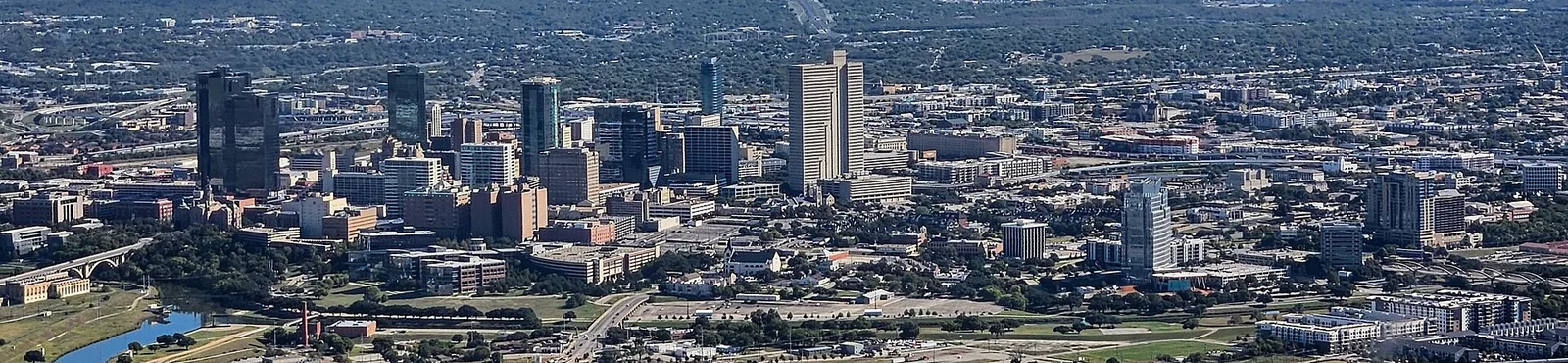
Fort Worth at a glance
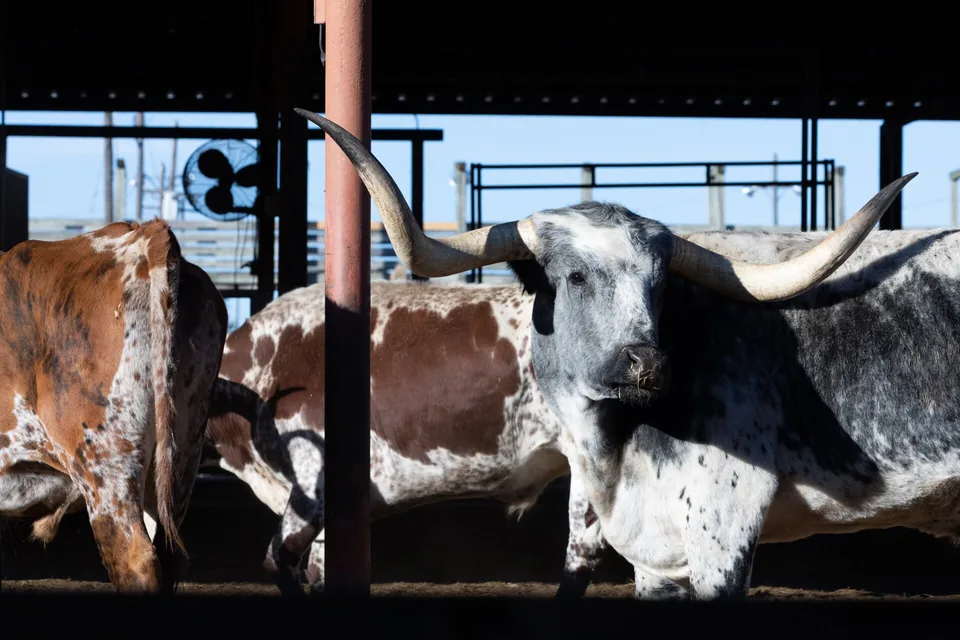
Longhorn cattle pass through the Stockyards while, across town, visitors spend an afternoon with American paintings and the Kimbell’s permanent collection. That range makes Fort Worth worth its own stay. It is a separate Texas city on the western side of the Dallas–Fort Worth metropolitan area, with its own downtown, public transport and cultural institutions. Dallas, Arlington and Grapevine are separate destinations, rather than neighbourhoods here.
Choose Fort Worth for a visit that combines western heritage, art, live performance and time outdoors. A few days can cover its principal visitor districts without turning every outing into a regional drive. Moving here requires a different assessment: the location of your workplace, the actual journey from a prospective home and the cost of keeping that household running matter more than proximity to a famous attraction.
Use VisaWand’s USA country guide for broader planning, and its US location directory to compare places. Prices and operating notices below were reviewed on 13 October 2026; confirm your dates before booking.
From army outpost to cattle and railway city
The city’s historical account dates the military outpost to 1849, near the meeting of the Clear and West forks of the Trinity River. Indigenous communities used these lands long before the fort. The army’s departure in 1853 left a civilian settlement, which subsequently grew as a trading centre and incorporated in 1873.
Cattle passing along the Chisholm Trail helped shape its commercial identity. Railway connections later strengthened that role. This background explains why the Stockyards are central to the visitor experience, but it does not describe every part of contemporary Fort Worth. Museums, medical services, residential districts and the river landscape offer different perspectives on the city.
Read western heritage displays with attention to whose stories they tell. A staged cattle drive is an accessible introduction to livestock traditions, rather than a complete explanation of land settlement or the cattle economy. Give historical interpretation some time alongside shopping and entertainment; the distinction makes the district more rewarding than treating it solely as a photo stop.
Choose districts before choosing a hotel
Downtown and Sundance Square suit visitors who want shops, restaurants and performance venues within a compact centre. Fort Worth Central Station gives this area a useful rail connection to DFW Airport. Check the walking route from the station to your particular hotel, especially with luggage; a downtown address does not place every entrance beside the platform.
The Cultural District, west of downtown, is the logical focus for an art-led stay. Museum visits can be grouped geographically, although the zoo and garden deserve separate time rather than being squeezed between gallery appointments. Look at entrances and crossings when judging walking distances.
The Stockyards lie north of downtown and work well for visitors prioritising cattle drives, western shops and evening entertainment. Near Southside, including Magnolia Avenue, adds independent dining, music and galleries south of the centre. It also contains a medical district. West 7th offers another dining and entertainment area between downtown and the museums. For accommodation, weigh evening activity against the quiet you need for sleep.
Watch the cattle drive, then explore the Stockyards
The free public cattle drive is scheduled for 11:30 a.m. and 4 p.m., weather permitting. The Stockyards’ official viewing guidance identifies the frontage of the Livestock Exchange Building at 131 East Exchange Avenue. Arrive before the stated time so you can find a viewing position without rushing into the route. Follow staff instructions and give the animals space.
Allow time afterwards for the district’s streets and shops. Western clothing can be a meaningful purchase if you want something you will use; try boots for fit rather than buying solely for their appearance. Compare prices and return conditions before making an expensive souvenir purchase.
An evening show or rodeo can extend a visit, but it is a separate booking decision. Check the specific event, admission conditions and journey home rather than assuming every venue offers the same programme nightly. The Fort Worth Herd visitor page is a useful starting point for current information. A weather cancellation should leave room for another activity, rather than undoing the whole day.
Give the art museums enough time
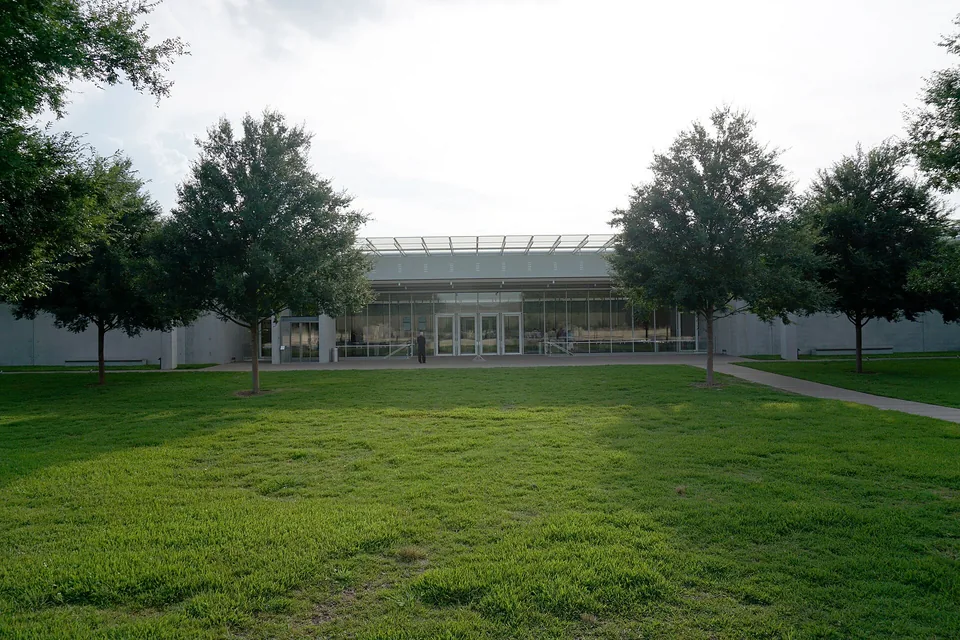
The Kimbell Art Museum makes a strong anchor for the Cultural District. Its permanent collection is always free; special exhibitions have separate admission, currently $18 for adults. Choose between concentrating on that collection and adding the paid exhibition according to your interests. The museum is closed on Mondays, an important constraint when arranging a short stay.
Longer opening hours can help spread your sightseeing: the Kimbell opens until 8 p.m. on Fridays, while the Amon Carter opens until 8 p.m. on Thursdays. Check the day’s starting time as well as closing time; an evening opportunity does not imply that a museum opens early that morning.
The nearby Amon Carter Museum of American Art also offers free admission. Together, these institutions make a substantial art day possible without buying several entrance tickets. Start with one museum, pause for lunch, and decide whether your attention and energy justify a second. Both advertise free parking in their own museum facilities; nearby paid lots operate separately.
There is a current exception at the Modern Art Museum of Fort Worth: its galleries are closed from 29 September through 30 October 2026. Lobby programmes, films, performances, the shop and café remain available. During that period, plan your gallery time elsewhere. For later visits, consult the operator’s updated notice before adding a gallery tour.
Gardens, wildlife and a slower outdoor day
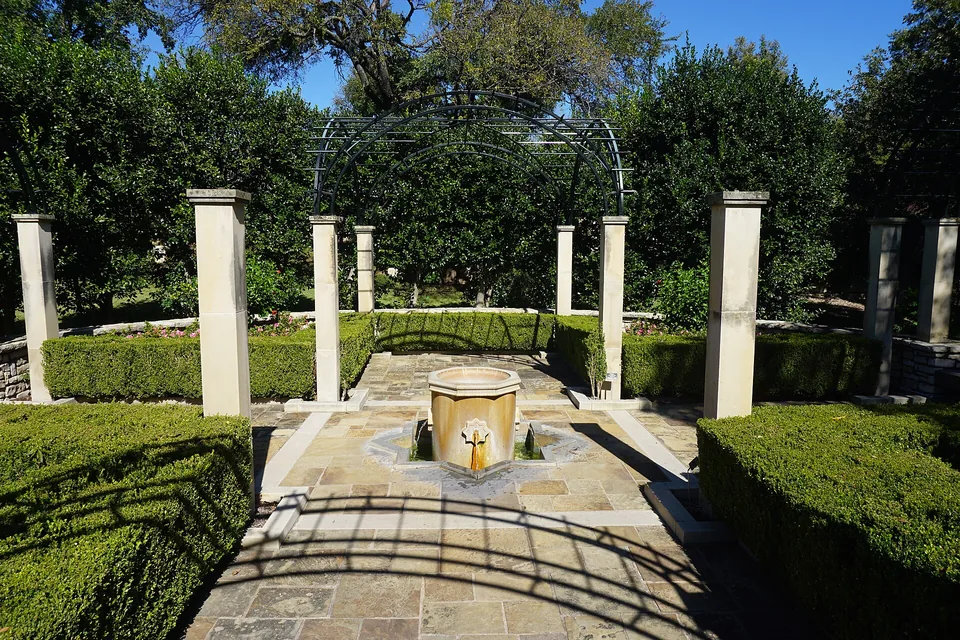
The Fort Worth Botanic Garden offers an alternative to another museum afternoon. Its published general adult admission range is $14–$15; check the operator’s ticket options for the applicable price. Autumn and winter public hours run from 8 a.m. to 5 p.m., with the last ticket sold at 4 p.m. Special events and operational notices can affect access. Do not confuse the garden’s admission with separate BRIT activities.
The Fort Worth Zoo is better treated as a main outing than a quick detour. Current admission is $22 for adults aged 13 and over, $18 for children aged 3–12, and $18 for seniors aged 65 and over. Children aged two and younger enter free. Vehicle parking adds $5. Wednesday admission is half-price, though popular discounted days can be busier.
The live zoo page currently lists daily hours of 10 a.m.–5 p.m. Plan an early start, breaks and a realistic amount of walking. Families should choose the garden or zoo according to their interests and stamina, rather than assuming both must fit into one day.
The river and downtown public spaces
The Trinity Trails operator provides a map of a network extending over 100 miles. For a first visit, choose one manageable section with an identifiable access point and return route. The value is in spending time beside the river, rather than attempting a distance that turns a relaxed outing into a transport problem.
Check conditions before setting out, particularly after heavy rain. Carry water, allow for exposed stretches, and leave room in your schedule to shorten the walk. A trail can look close to your accommodation on a map while its usable entrance is somewhere else; find the entrance before committing to the route.
Downtown’s Fort Worth Water Gardens provide another distinctive public space, with sculpted hardscape and flowing water. The city prohibits swimming and wading. Stay on permitted routes, follow posted restrictions and supervise children around the water and steps. Treat the visit as an architectural stop, then continue to lunch or another downtown activity.
Accommodation: compare the whole stay
Downtown works particularly well when you arrive by TEXRail and intend to use public transport between visitor districts. The Stockyards suit an entertainment-focused weekend, while the Cultural District can reduce repeated journeys for museum visitors. These are different advantages; choose the one that matches the majority of your plans.
Compare final prices for identical dates and room conditions. Parking, breakfast, cancellation terms and any mandatory property charges can change the value of an apparently cheaper room. For a family, confirm sleeping arrangements and whether a quoted room can accommodate everyone, rather than relying on photographs of spacious communal areas.
For a longer exploratory stay, a kitchen and laundry may matter more than a prominent hotel address. Confirm what is actually provided and whether the property is close to groceries. Before booking outside the central districts, price the journeys you expect to make. A lower nightly rate can be offset by frequent taxis, parking or the need for a rental car.
Getting here through DFW Airport
Trinity Metro TEXRail connects DFW Airport’s Terminal B with downtown Fort Worth via Grapevine and North Richland Hills. The local fare is currently $2 for a single ride or $4 for a day pass. Fort Worth Central and T&P are the downtown stations; pick the one that best matches your accommodation.
At the airport, follow signs for Terminal B and the rail station rather than assuming the terminal where you land has a Fort Worth train platform. Terminal Link provides connections outside security, while Skylink serves passengers inside security. Allow time to collect bags and reach the station before judging whether a particular train is practical.
Use the current TEXRail schedule for your travel date and the operator’s service alerts. The advertised rail journey is only one part of an airport transfer: terminal movement and the last leg to your hotel also take time. Dallas Love Field is a different airport in Dallas; compare its ground journey to Fort Worth with any saving on airfare.
Local journeys and trips to Dallas
Trinity Metro’s Orange Line links downtown, the Stockyards and TEXRail’s North Side Station. It gives a visitor a practical alternative to driving between two major sightseeing areas. For the Cultural District and other destinations, use the operator’s route planner to identify the appropriate bus, stop and final walk.
The current fare table distinguishes local travel from regional travel. A local day pass costs $4; a regional day pass costs $9 and covers the participating Trinity Metro, DART and DCTA networks. Activate a mobile GoPass ticket before boarding. Buy the pass suited to the journey rather than assuming the airport trip requires a regional ticket.
Trinity Railway Express connects Fort Worth and Dallas. Regular service operates Monday–Saturday; Sunday trains are limited to specified exceptions, including State Fair service. Check the exact timetable rather than promising yourself a routine Sunday return. Public transport can work well for planned central trips, but test any late-night connection before relying on it after an event.
Food, shopping and a workable budget
The visitor board’s dining listings by district help you choose meals near the rest of your day. Stockyards dining can accompany a western heritage outing; downtown suits a performance evening, and Magnolia Avenue gives Near Southside a useful dining focus. Consult actual menus and opening hours before committing to a particular restaurant, especially with dietary requirements.
Build a daily budget from accommodation, meals, transport and the attractions you genuinely want. Free permanent museum collections and the public cattle drive provide strong starting points, while the zoo, garden, special exhibitions and ticketed entertainment add distinct costs. Leave space for drinks, snacks and a changed journey when the weather interrupts outdoor plans.
For example, two full-price adult zoo admissions plus vehicle parking total $49 before food or other purchases. Adding one child aged 3–12 brings that example to $67. That arithmetic is an attraction budget, rather than a claim about the cost of a complete family day.
Check the full bill rather than assuming a menu or shop price is the final amount. Ask how any service charge works before adding a gratuity. For shopping, set a limit before browsing western goods or museum stores; a useful item chosen carefully can be more satisfying than several purchases made because the itinerary left little time to think.
Weather and choosing your season
The National Weather Service’s regional climate account describes hot summers, variable winters and wetter transition seasons. Spring and autumn are sensible starting points for a visit that involves gardens or trails, while allowing for thunderstorms. They are not a guarantee of comfortable conditions every day.
In summer, place outdoor activity early and give the hottest part of the day to indoor plans or a proper break. Carry water and take heat warnings seriously. A shaded pause does not replace reducing exertion when conditions are demanding. Choose accommodation and transport with that daily rhythm in mind.
Winter can bring mild intervals as well as cold fronts and wintry precipitation. Pack layers and avoid planning around a single average temperature. Severe thunderstorms peak regionally in spring and can bring hail, damaging wind, flooding or tornadoes. Check the local forecast before departures and know where you can shelter. When choosing dates, also compare hotel availability against the events you actually intend to attend.
A realistic three-day first visit
Day one: arrive, settle in downtown and explore Sundance Square at a comfortable pace. Add the Water Gardens if daylight, weather and energy permit. Have dinner nearby rather than beginning with a cross-metroplex journey. This gives you a chance to understand the centre before deciding how ambitious the next days should be.
Day two: travel to the Stockyards in time for the morning cattle drive, subject to the weather notice. Spend the afternoon exploring the district or return for a break. Choose an evening event only after checking its programme and your return transport. There is no need to remain on your feet from morning until late at night.
Day three: focus on the Kimbell and Amon Carter, with lunch between them. During the Modern’s October 2026 gallery closure, keep those two as the art itinerary. Swap this day for the garden or zoo if that better suits your group. Adjust the order around Monday museum closures, and keep departure day free of an attraction that could delay your airport transfer.
Moving here: inspect the home and its commute
A relocation visit should include ordinary weekday journeys, grocery shopping and time around prospective homes. A lively visitor district may suit your interests without being convenient for your work. Start with the address where you will actually commute, then compare homes using the same departure time and transport assumptions.
Test the return journey too. A workable morning bus does not establish that you can get home after a late shift. Include the walk to the stop, transfer waiting and the final approach to your workplace. If driving, ask about workplace parking and compare routes with and without tolls. Keep the resulting weekly transport cost beside each housing option, so a longer commute cannot disappear behind a lower advertised rent.
The planned TEXRail extension into Near Southside is a future project, with groundbreaking announced for 29 October 2026. Assess today’s available services when choosing a home; a proposed station does not provide a current commute.
Ask for a written breakdown of rent, deposit, application charges, recurring building fees, parking and utilities. Check which advertised facilities are included and which cost extra. Confirm the lease duration, renewal provisions and notice required to leave. Read the Texas State Law Library’s landlord and tenant resources before signing, and seek advice for a specific dispute rather than improvising a remedy.
Inspect cooling, windows, plumbing and signs of water intrusion. Ask how urgent maintenance is handled and record the condition at move-in. If a rent concession is offered, calculate the cost over the whole lease and the likely bill after it ends. Compare homes using that figure, rather than a promotional monthly headline.
Services, schools and household needs
For a property requiring your own city water account, the Fort Worth Water account guidance lists a $20 standard activation charge and residential deposits ranging from $50 to $300, with possible waivers under specified conditions. Contact the utility before the intended start date. If you lack the identity documents listed on its page, ask directly which arrangements are available; do not assume an immediate connection.
Confirm responsibility for electricity, gas, internet and waste services with the landlord or seller. Request an estimate of ordinary household usage where available, and compare service plans for the actual address. Cooling costs, commuting and insurance belong in the monthly budget alongside rent.
Families should confirm the school district and address-assigned campus before choosing a home. The FWISD enrolment site provides its school locator and application information, but verify that the address is served by that district. The Fort Worth library card page explains resident identification and address verification. Before moving, also identify healthcare providers accepting your coverage, nearby pharmacies and practical arrangements for prescriptions.
Visiting, working, studying and permanent relocation
Fort Worth has no separate immigration route. The right to visit or live here depends on US rules and your circumstances. Tourism generally uses the appropriate visitor visa or, for eligible travellers meeting all requirements, the Visa Waiver Program. The latter permits qualifying visits of up to 90 days with prior ESTA approval. Check eligibility and restrictions rather than assuming a passport alone is sufficient.
A tourist visit does not authorise ordinary employment or permanent residence. Consult the official temporary worker categories with a prospective employer; most applicants in those categories require an approved employer petition. A job offer should be assessed alongside the required authorisation and timing before you make binding moving commitments.
For academic study, the student visa guidance explains SEVP-approved school acceptance and Form I-20. Permanent relocation follows a distinct immigrant pathway, such as a qualifying family or employment route. Use VisaWand’s consultant listings to identify relevant support, while checking professional suitability. Keep federal applications separate from decisions about a local lease or school.
Nearby places and alternative bases
Grapevine is a straightforward regional option along TEXRail. Its official Main Station information introduces the station area and visitor facilities beside Historic Downtown. Distinguish regular TEXRail transport from a separately booked heritage railway excursion. VisaWand’s Grapevine location page provides directory context rather than a completed travel guide.
Dallas offers a different base for a regional trip; use the completed Dallas guide to compare its museums, neighbourhoods and transport. Arlington is another independent city, so examine the journey to a particular event rather than treating a regional address as a Fort Worth location. Its location directory page can help establish that distinction.
Choose one nearby outing if you have spare time, rather than adding destinations until the trip becomes mostly transfers. For relocation, apply the same principle to housing: compare each city against your workplace and household needs. VisaWand’s USA destination page provides broader browsing, while this guide is the detailed starting point for Fort Worth itself.
Official planning resources
Reviewed 13 October 2026. Use the official resources linked throughout this guide for admission, transport, housing and immigration decisions. Prices, services and rules can change; confirm the details relevant to your dates. Photography illustrates the locations and is not a live view.
View all official resources
- City of Fort Worth historical account
- Visit Fort Worth Downtown and Sundance Square
- Visit Fort Worth Cultural District
- Visit Fort Worth Near Southside
- Stockyards cattle-drive times, weather conditions and viewing location
- Fort Worth Herd visitor information
- Kimbell Art Museum admission and hours
- Amon Carter Museum of American Art visitor information
- Modern Art Museum hours, admission and September–October 2026 gallery closure
- Fort Worth Botanic Garden admission and seasonal hours
- Fort Worth Zoo current admission, parking and hours
- Trinity Trails operator map and trail information
- City of Fort Worth Water Gardens visitor rules
- Trinity Metro TEXRail airport connections and fares
- Current Trinity Metro TEXRail schedule
- Trinity Metro Orange Line downtown–Stockyards service
- Trinity Metro current local and regional fares
- Trinity Railway Express regular service and Sunday exceptions
- Visit Fort Worth dining listings by district
- National Weather Service Dallas/Fort Worth regional climate narrative
- Texas State Law Library landlord and tenant resources
- Trinity Metro September 2026 announcement of future Near Southside extension
- Fort Worth Water new-account requirements and charges
- Fort Worth ISD new-student enrolment and school locator
- Fort Worth Public Library resident card information
- Department of State visitor visa information
- Department of State Visa Waiver Program eligibility and restrictions
- Department of State temporary worker visa categories
- Department of State student visa requirements
- Department of State immigrant visa pathways
- Official Grapevine Main Station visitor information
Plan the next part of your journey
Explore the United States guide, browse other cities or compare consultants for your travel and relocation questions.