Visa
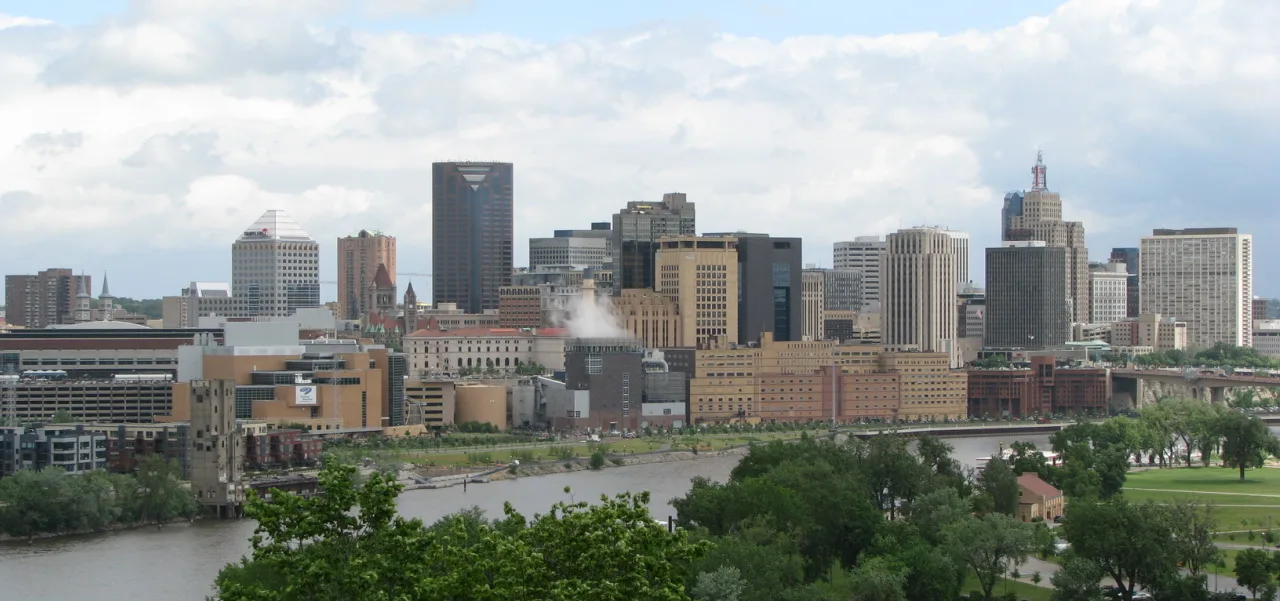
A capital city with a river at its centre
Saint Paul rewards a visit that moves beyond the phrase “Twin Cities.” Minnesota's capital has its own downtown, riverfront, institutions and neighbourhood rhythms. The Mississippi separates the central city from its West Side, while the Capitol, Cathedral Hill and Summit Avenue give an architectural walk a different setting from the warehouse streets of Lowertown. Minneapolis is a neighbouring city, not another name for this one.
Choose Saint Paul for Minnesota history, family museums, conservatory gardens, a performance or a few days exploring food and shopping districts. For a move, begin with your actual destination each morning: a downtown job, university appointment and suburban workplace create different housing searches. This guide treats sightseeing and settling in as related but separate decisions.
The river, the capital and histories still present
The visitor bureau's historical account traces Saint Paul's development through river trade and the naming of the settlement after an 1841 chapel. Saint Paul became the Minnesota Territory's capital in 1849 and remained the capital when Minnesota became a state in 1858. The river and later rail connections help explain why government buildings, commercial architecture and transport landmarks remain central to a visit.
That narrative should not begin with European settlement alone. The National Park Service describes Wicaḣapi, formerly Indian Mounds Regional Park, as a burial place overlooking the Mississippi with deep significance for living Indigenous peoples. Approach it as a sacred cemetery, following posted guidance and staying on designated routes. Elsewhere, the History Center and Rondo's commemorative spaces add perspectives on communities, displacement and the people whose experiences shaped the city beyond its monumental buildings.
Downtown and Lowertown: choose the end that fits
Downtown is the convenient starting point for central museums, performances and a short first stay. Look at the actual hotel entrance rather than relying on a “downtown” description: a room near a theatre serves a different itinerary from one beside Union Depot. Compare the final walk, crossings and luggage route from your arrival stop before booking.
Lowertown occupies downtown's eastern edge, with former industrial buildings, artist spaces, restaurants and CHS Field. Union Depot makes it particularly relevant for rail arrivals, while the farmers' market gives a weekend morning a clear destination. Choose it for those activities, then check the event calendar and your room's position before assuming quiet evenings. Allow a separate outing for Como or Summit Avenue instead of treating every attraction as a downtown walk.
Summit, Grand and the neighbourhoods beyond
Summit and Grand Avenues run parallel but offer different experiences. Summit is the architectural walk, with historic houses and the James J. Hill House near its eastern end; Grand is the more obvious place to browse shops and find a café or meal. Many houses are private homes, so admire the streetscape without assuming the interiors or grounds are visitor attractions.
Use the official neighbourhood directory to explore Como, Highland Park and Mac-Groveland, the East Side or other districts that match your interests. The West Side lies across the Mississippi from downtown and includes District Del Sol; it is distinct from the separate municipality of West Saint Paul. For relocation, test the exact block, grocery journey and commute.
Start with the Minnesota State Capitol
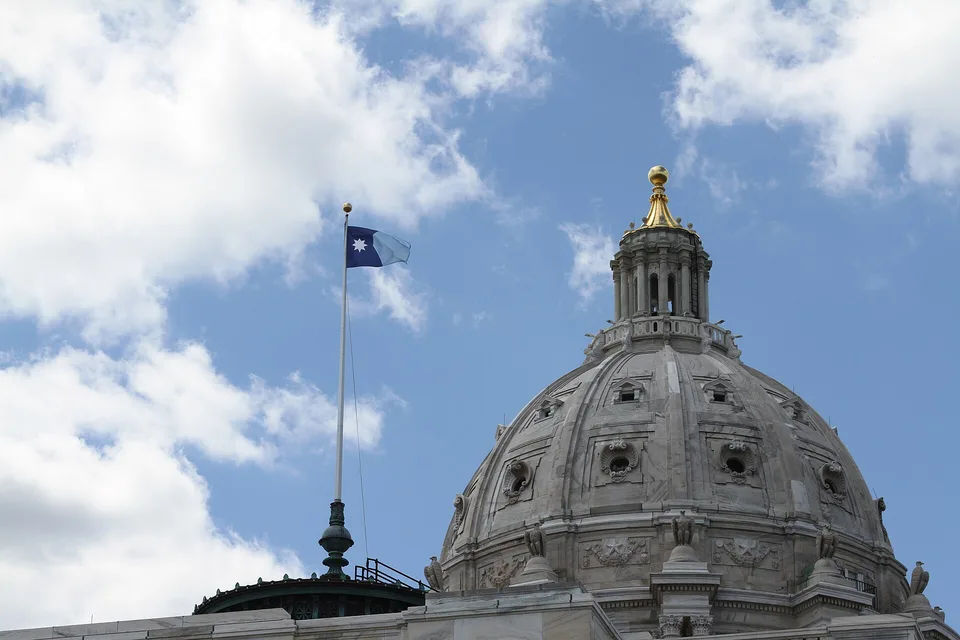
The Minnesota State Capitol's free guided tours provide a useful introduction to the building's art, architecture and state government. Tours last about forty-five minutes and normally leave on the hour, beginning at Room 126 on the first floor. Published first and last tours are 9 a.m. and 3 p.m. Monday–Friday, and 10 a.m. and 2 p.m. Saturday.
Check current opening and tour information for holidays or changes before travelling. A roof visit to the golden horses depends on weather and tour arrangements; it is not an automatic part of every visit. Government business can also affect access. Allow time for current entrance and screening instructions, and contact the tour team about mobility needs.
Cathedral Hill and the James J. Hill House
The Cathedral of Saint Paul is an active place of worship. Self-guided visits depend on church availability, and guided tours require advance arrangements. The operator publishes weekday tours at 1 p.m., subject to holidays and liturgical events, with a suggested donation of $15 per person for groups of up to nine. Ask about accessibility because the described tour includes steps.
Nearby, the James J. Hill House interprets the home of the railroad entrepreneur through household life, workers and architecture. Standard admission currently costs $15 for adults, $12 for qualifying seniors, military visitors and college students, and $8 for ages 5–17. The autumn schedule runs Thursday–Sunday; choose a dated tour. Special programmes have different prices, so do not apply the standard admission to Christmas visits. Leave time afterward for a shorter Summit Avenue walk and a meal on Grand or Selby.
Minnesota history: a museum with an evening option
The Minnesota History Center at 345 West Kellogg Boulevard offers a substantial indoor visit through the state's people and experiences. Pick a few exhibitions that matter to your group, rather than trying to read every display. Its current regular schedule is Wednesday–Sunday, opening at 10 a.m., closing at 4 p.m. except Thursday's 8 p.m. finish. Mondays and Tuesdays are normally closed.
Adult admission is $15, with $12 admission for the listed senior, military and college-student categories; ages 5–17 pay $8 and younger children enter free. The published free Thursday evening programme runs on most Thursdays from 4–8 p.m.; check the relevant date. Regular parking is $6, with event rates possible, while advertised free Thursday nights include parking. This can be a useful budget choice, but avoid shifting the whole itinerary around an evening that you have not confirmed.
The Science Museum deserves a substantial time slot
At 120 West Kellogg Boulevard, the Science Museum of Minnesota combines galleries with the Omnitheater. Current admission includes one film: adults aged eighteen and over pay $34.95, ages 4–17 pay $24.95, and children under four enter free. Choose the film and arrival time when planning the visit, rather than treating it as an unplanned extra after the galleries.
The regular schedule is Tuesday–Sunday, 10 a.m.–5 p.m., extended to 8 p.m. on Friday and Saturday; Mondays are closed. On-site parking is normally $15, with higher rates during downtown events. The museum allows visitors to bring food and publishes accessibility information and income-based admission options.
Pick the right museum for younger children
The Minnesota Children's Museum offers three floors of play, with tickets required for everyone aged one and older, including adults. Current walk-up admission is $24.95. Online tickets cost $17.95 when bought more than a week before the visit and $19.95 within a week, requiring a selected arrival date and time. That difference is large enough to plan around for a household.
For an art-focused visit, the Minnesota Museum of American Art, known as the M, is a different option at 350 Robert Street North. Admission is free, with regular hours Thursday–Sunday, 10 a.m.–5 p.m. Central Station is nearby, but the museum has no dedicated parking lot. Check the calendar, accessibility and any separate programme charges for the visit you actually want.
Como's gardens and zoo: free entry, separate extras
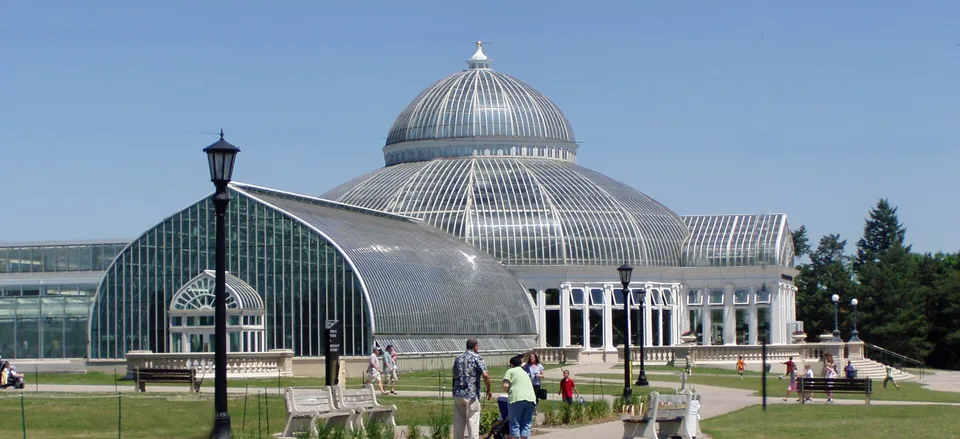
Como Park Zoo and Marjorie McNeely Conservatory provide an outing away from downtown, combining animal exhibits with glasshouse gardens. General admission is free. The operator requests voluntary donations of $8 per adult and $5 per child, while explicitly welcoming people who do not donate. Optional activities and other facilities should be priced separately rather than assumed to be included.
From September 8, 2026 through April 30, 2027, regular daytime hours are 10 a.m.–4 p.m. The conservatory has extended Monday hours until 6 p.m., with specified exceptions; that extension does not promise the same hours for the whole zoo. Summer hours return to 10 a.m.–6 p.m. Check weather notices because gardens or animal exhibits may close temporarily.
Neighbourhood history and an evening performance
Rondo's official visitor information describes the African American community disrupted by Interstate 94 construction in the 1960s. The commemorative plaza and current community programmes offer a way to understand that history alongside the more familiar mansions and government buildings. Check individual spaces and event dates; a neighbourhood's historical significance does not mean every venue is open whenever you arrive.
For an evening, choose a performance at the Ordway or an event at Grand Casino Arena according to your interests and dates. The latter is the downtown venue formerly called Xcel Energy Center, so older directions can use the previous name. Buy through the venue's official ticket links, check entry policies and establish the return journey before the show.
Food and shopping are part of the city visit
Saint Paul's food districts reward a little geographical planning. The visitor bureau's food-hall and market overview includes Hmongtown Marketplace, Hmong Village on the East Side and El Burrito Mercado on the West Side. These combine food with shopping or household ingredients; they are distinct destinations, not stalls in a single downtown market. Use current menus and business hours, and ask directly about ingredients when dietary requirements matter.
Grand Avenue offers another combination of independent shopping and places to eat, while Lowertown works well around a weekend market visit. Browse before deciding which purchases can travel home, particularly fresh food. For a longer stay, compare ordinary groceries and kitchen access with eating out.
A farmers' market morning in Lowertown
The Saint Paul Farmers' Market publishes a 2026 downtown weekend schedule of Saturday 7 a.m.–1 p.m. and Sunday 8 a.m.–1 p.m. Its outdoor location is 290 Fifth Street East, with an indoor market at 308 Prince Street East. The operator identifies free parking at 420 Prince Street East; check its latest arrangements when visiting.
This is a useful morning around produce, local food and browsing, followed by another Lowertown stop. Market locations and seasonal hours differ across the wider association, so confirm that your directions refer to downtown. Visitors with a kitchen can make the market part of a practical food budget.
MSP airport: the terminal determines the connection
Minneapolis–Saint Paul International Airport, MSP, has two terminals. The airport's bus instructions place Route 54 at Terminal 1's Transit Center on Level 1 of the Silver Ramp. Metro Transit does not pick up city-bus passengers at Terminal 2; use the free inter-terminal light rail connection or another suitable transfer to reach Terminal 1 first.
Metro Transit's airport information describes Route 54 service to downtown Saint Paul roughly every fifteen to thirty minutes, with about twenty minutes' riding time. Treat that as a service estimate, not a door-to-door guarantee: add baggage collection, waiting and the final journey to your room. The Blue Line serves the airport and Minneapolis, while Saint Paul's Green Line journey requires a connection. Check live service alerts, your arrival terminal and late-night options before deciding that rail or bus is the easiest choice with luggage.
Union Depot and trips beyond the Twin Cities
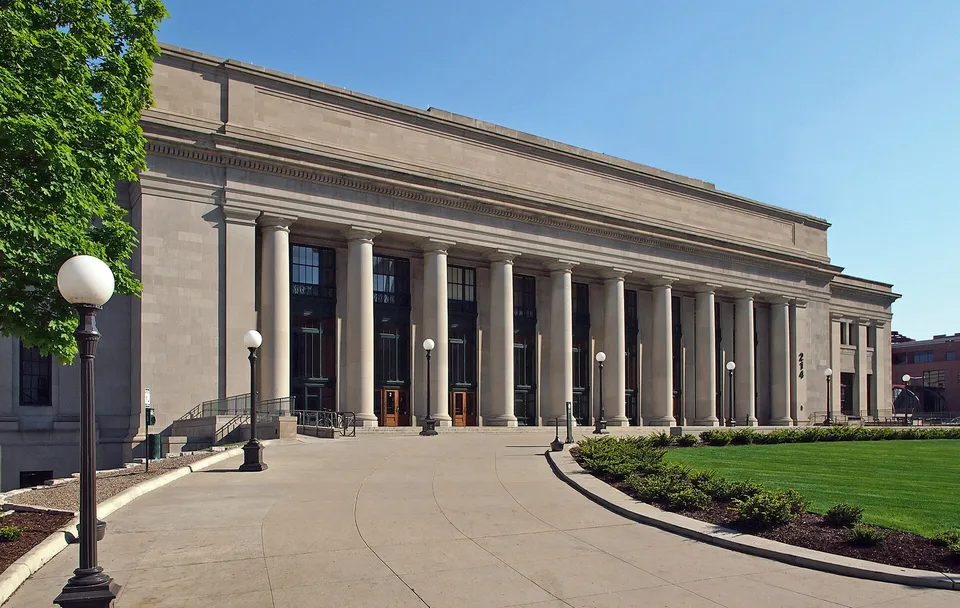
Union Depot is Saint Paul's intercity rail arrival point. Its current directory lists Amtrak's Borealis service to Chicago and the Empire Builder toward Chicago and the Pacific Northwest. Use Amtrak's dated booking information for actual departures, available accommodation and fares; do not rely on a fixed bargain price or an assumed connection between separate trains.
The Green Line station is outside on Fourth Street, making onward travel possible without treating Minneapolis as the rail-arrival city. The depot also serves intercity buses, whose pickup points and booking conditions need their own check. Public building hours and overnight access restrictions differ, so a late departure is not an invitation to use every indoor area throughout the night.
Local fares, the Green Line and daily commuting
Metro Transit's current fares list $2 for regular adult local-bus and METRO travel, valid for two-and-a-half hours, and a $4 adult all-day pass. Express-bus fares differ. A fifty-cent downtown-zone fare has no transfer entitlement; it is not a replacement for a journey beyond that zone. Use the correct fare product and retain proof of payment.
The Green Line currently connects Union Depot and downtown Minneapolis via University Avenue. Its planned extension is a future service, not part of an October 2026 journey. For a move, test the route at your real working times and ask whether an employer or institution participates in transit-pass programmes. Proximity to a rail station helps only if the destination, transfers and operating hours fit. Include the walk from the stop in winter, not just the time aboard the vehicle.
Walking, skyways and the cost of keeping a car
Downtown's skyway system can help with an indoor walk, but individual access points, hours and exceptions matter. Check your particular building connection and keep a street-level alternative. The network is not a sheltered route to every neighbourhood or attraction. For accessibility, establish entrances and lifts rather than assuming a line on a map describes a usable step-free journey.
Driving may be useful for dispersed appointments or excursions, but add hotel parking, attraction garages and event traffic to the comparison. Winter street parking carries another obligation: follow the city's snow-emergency instructions and address map when restrictions apply. Downtown streets are night-plow routes, with restrictions from 9 p.m. on the first declared night. A residential listing with street parking needs scrutiny over winter arrangements, and visitors should ask their accommodation how they will receive notices and where an alternative space is available.
Where to stay: central attractions or a specific purpose
Use the official accommodation directory to compare hotels, suites and other lodging by location. A downtown base suits central museums and performances; Lowertown is particularly relevant to Union Depot arrivals and market plans. Check the address and event calendar before deciding that two central hotels offer the same experience or price.
For a university, family or work visit, prioritise the repeated journey over proximity to tourist sights. Longer stays should compare cooking facilities, laundry, workspace and parking alongside the room rate. Confirm taxes, deposits, cancellation terms and the accessible room features you can actually reserve. An airport-area room serves a different itinerary from a central Saint Paul stay. Request dated quotations rather than relying on a citywide nightly average, and compare the full cost of the stay, including daily transport and any extra meals caused by the location.
Budget for a particular household, not an imaginary average
Two regular adults and two children aged 5–17 pay $46 in general admission at the History Center before parking. The same household pays $119.80 at the Science Museum, including one Omnitheater show. Four Children's Museum tickets bought more than a week ahead total $71.80, compared with $99.80 for walk-up tickets. These examples show why ages, timing and interests affect the budget.
Balance paid visits with Como, the M or a confirmed free Thursday evening. Add accommodation, transport, food, any chosen gratuities and event tickets separately. Discount programmes require eligibility, and a free museum visit does not make every parking space free. A household considering relocation needs a separate monthly calculation covering rent, utilities, insurance, commuting and childcare.
Seasons change both sightseeing and household needs
Saint Paul has warm summer conditions and cold winters with snow and ice. Spring and autumn can suit walking and neighbourhood exploration, but carry layers and plan around the actual forecast. In summer, leave time for shade, water and an indoor break; storms can interrupt outdoor plans. Winter works better when the itinerary allows shorter exposed walks between substantial indoor visits.
The National Weather Service's Twin Cities climate resources provide regional context. Check current warnings before driving or planning an extended riverfront outing. For a move, investigate the building's heating costs, cooling, draughts and responsibility for snow clearance. The city’s snow-emergency parking system is a practical household issue, not simply winter scenery; a workable overnight space may be worth more than a small reduction in rent.
A three-day visit with room to adjust
Day one: arrive, orient yourself downtown and make a short Lowertown or riverfront outing. Add the M if its opening days fit, then choose a meal or performance without crowding the arrival evening. Day two: start with the Capitol or Cathedral Hill and a reserved Hill House visit, leaving time for Summit Avenue and Grand. A confirmed free History Center evening can work on a Thursday.
Day three: choose Como or one substantial family museum. On a weekend, begin with the farmers' market if that suits the group's energy and interests. This is a suggested sequence, not a promise that every venue opens daily. Reorder it for Monday and Tuesday closures, weather, performance dates and your departure.
Housing: read the current city rules before signing
Compare real listings for total cost, heating, laundry, storage, accessibility, parking and the daily commute. Visit the immediate block at relevant times and clarify maintenance responsibilities in writing. Keep move-in photographs and copies of the lease, fees and notices rather than relying on a conversation with a letting agent.
Saint Paul's rent stabilization guidance describes a standard three-percent increase limit over twelve months, with exceptions and procedures. The current rules exempt newly constructed rental properties first issued an occupancy certificate after December 31, 2004, with provisions for qualifying conversions. Verify the specific property's position. Separate tenant protections effective May 14, 2026 generally limit a security deposit and prepaid rent to one month's rent each, with a screening-related exception. Pet deposits and application fees are separate. These details make a generic “rent-controlled city” label inadequate for assessing an individual offer.
Utilities, schools, healthcare and immigration
The city utility directory identifies Xcel Energy for gas and electricity. Saint Paul Regional Water Services asks movers to arrange a final bill and service transfer; tenants should clarify billing with the owner. The city coordinates household garbage collection for properties with one to four units, with different arrangements for larger buildings. Confirm the service and charges attached to your home.
Use Saint Paul Public Schools' address-based options and Student Placement Center for enrollment and transport questions. MNsure explains when a permanent move may qualify for a special enrollment period; coverage and timing require an eligibility check. International students should follow their institution's advisers, such as St. Thomas's international office. VisaWand's USA guide links the wider context: verify visitor visas, eligible ESTA travel and CBP guidance, study, work and permanent immigration with federal authorities. Compare scope and qualifications through the consultant listings. Tourism permission does not authorise ordinary employment.
Nearby alternatives and a longer regional trip
Give Saint Paul its own time before extending the itinerary. VisaWand's Minneapolis guide helps compare a different city base, especially when your main appointments or attractions are there. For a regional outing, Discover Stillwater provides current information on the historic riverfront town; allow for a separate journey and check seasonal activities. VisaWand's Stillwater location page is a directory and consultation resource.
For a longer rail trip, the Chicago guide offers another city stay rather than a quick Saint Paul excursion. Compare dated schedules, accommodation and the time lost to changing bases before booking. The USA location directory and USA destination page provide further options.
Official planning resources
Reviewed 13 October 2026. Use the official resources linked throughout this guide for admission, transport, housing and immigration decisions. Prices, services and rules can change; confirm the details relevant to your dates. Photography illustrates the locations and is not a live view.
View all official resources
- Saint Paul early history and capital status
- Wicaḣapi sacred burial place and river landscape
- Lowertown neighbourhood visitor information
- Grand and Summit Avenues
- Official Saint Paul neighbourhood directory
- Free Minnesota State Capitol guided tours
- Capitol opening and tour information
- Cathedral visits and advance tour arrangements
- James J. Hill House dated hours and admission
- Minnesota History Center hours and admission
- History Center free Thursday evenings
- History Center parking and directions
- Science Museum admission, films and visitor planning
- Children’s Museum timed tickets and advance prices
- Minnesota Museum of American Art visitor information
- Como Zoo and Conservatory hours and free admission
- Conservatory extended Monday hours and exceptions
- Rondo history and commemorative spaces
- Ordway official ticketing and visit planning
- Grand Casino Arena events and visitor planning
- Saint Paul food halls and cultural markets
- Downtown Saint Paul Farmers’ Market current schedule
- MSP city buses and terminal pickup points
- MSP airport connections to Saint Paul
- Union Depot rail operators and transport services
- Metro Transit current fares and day passes
- Current Green Line and planned extension
- Employer and student transit pass programmes
- Saint Paul skyway access and exceptions
- Saint Paul snow-emergency parking instructions
- Official Saint Paul accommodation directory
- National Weather Service Twin Cities climate resources
- Saint Paul rent stabilization for tenants
- Rent stabilization exceptions and processes
- Current Saint Paul tenant screening and deposit protections
- Saint Paul household utility-provider directory
- Arrange water service when moving
- Saint Paul household garbage and recycling services
- Saint Paul Public Schools address-based placement and enrollment
- MNsure coverage after a permanent move
- St. Thomas Minnesota international student and scholar support
- U.S. visitor visas
- Official ESTA application
- CBP ESTA explanation
- U.S. student visas
- U.S. temporary worker visas
- U.S. immigration routes
- Stillwater official visitor guide and maps
Plan the next part of your journey
Explore the United States guide, browse other cities or compare consultants for your travel and relocation questions.