Visa

Pittsburgh begins with the rivers
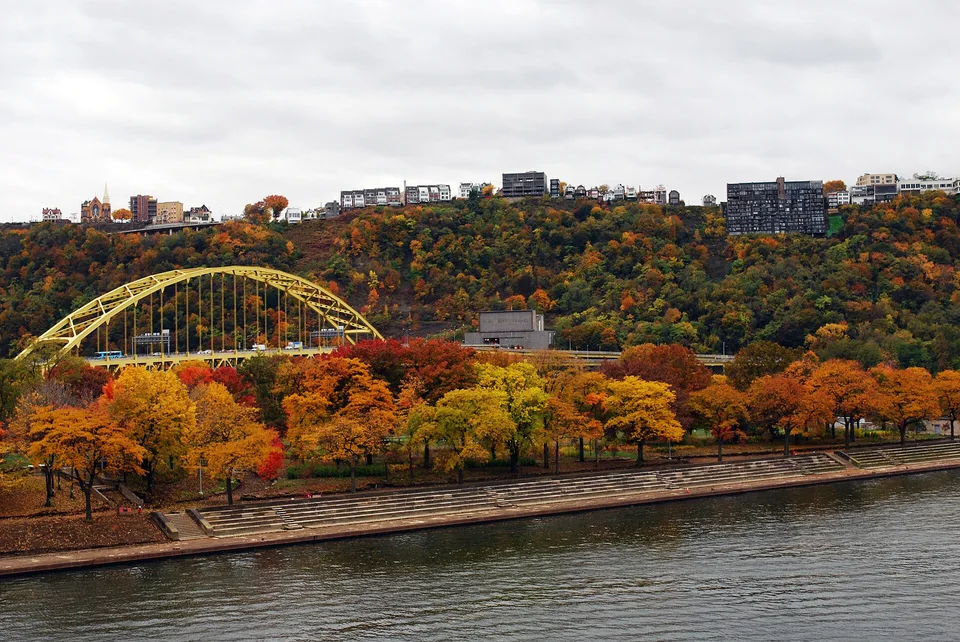
Pittsburgh is easiest to understand from above. Downtown occupies a wedge between the Allegheny and Monongahela rivers, which join to form the Ohio; neighbourhoods rise beyond the bridges, and a short distance on a map can involve a substantial climb. The view is memorable, but the geography also explains how to plan a visit or choose a home.
Come for art and natural history in Oakland, the Warhol on the North Side, a market morning in the Strip District or an incline ride to Mount Washington. Leave room for neighbourhood meals and park time between those stops. For a move, investigate the exact commute and household costs alongside the skyline: Pittsburgh's appeal does not make every hillside address equally convenient for work, school or daily shopping.
The strategic point and the industrial city
The National Park Service's account of the Point explains why the river junction mattered during the struggle between French and British forces in the eighteenth century. Fort Duquesne and Fort Pitt belonged to that strategic story. Today's Point State Park preserves and interprets the site, with a very different skyline beyond it.
Later industrial growth gave Pittsburgh its enduring association with steel, manufacturing and river transport. Its cultural institutions help visitors explore what that history meant for people, not just production. The Heinz History Center interprets Western Pennsylvania through local lives, objects and changing communities, while the Carnegie museums offer art and science alongside the university district. Treat “Steel City” as one part of the story; contemporary Pittsburgh also revolves around education, medicine, neighbourhood businesses and cultural life.
Downtown, the Strip and the North Shore
Downtown works well for a first visit focused on central sights, performances and public transport. Point State Park provides the natural starting point, with bridges connecting the centre to the North Shore's event venues and waterfront. A hotel described as “downtown” still needs an address check: compare its actual route to your bus stop, event entrance and evening meal.
The Strip District borders downtown and makes a useful morning destination for grocers, produce, coffee and browsing. Add the History Center when you want an indoor afternoon. Across the river, distinguish the North Shore's stadium-and-event surroundings from the wider North Side, where the Warhol and residential streets offer another kind of visit. Group stops by their riverbank rather than crossing back and forth simply because every attraction looks close on the map.
Oakland and the East End
Oakland is the practical cultural and university base: the Carnegie museums, University of Pittsburgh and nearby Carnegie Mellon help anchor a substantial day. If a campus appointment or hospital visit is your main purpose, staying here can be more useful than choosing accommodation for the downtown view.
Farther into the East End, Shadyside has commercial streets around Walnut Street, Ellsworth Avenue and South Highland Avenue. Squirrel Hill combines residential streets, shops and international dining. Lawrenceville's Butler Street offers another concentration of restaurants and independent businesses. Use the official neighbourhood directory to orient yourself, then investigate the specific block. A neighbourhood name is too broad to establish noise levels, rent, accessibility or the time required to reach a particular workplace.
Point State Park: a daylight introduction
Point State Park sits at the tip of the Golden Triangle, where the rivers meet. A walk here makes the city's geography visible and gives a museum-heavy itinerary an outdoor break. The state publishes daily park hours from sunrise to sunset, with day-use areas closing at dusk. Check current advisories and seasonal facilities before building plans around the fountain.
Parking is paid, and the park's lot has separate operating hours from the park itself. Public transport can simplify a central visit, particularly when several downtown stops are planned. The T's free central zone is useful, but buses are not automatically free just because you board downtown. For families or travellers with limited mobility, choose the approach and return route in advance rather than relying on a long, improvised riverfront circuit.
The incline and Mount Washington
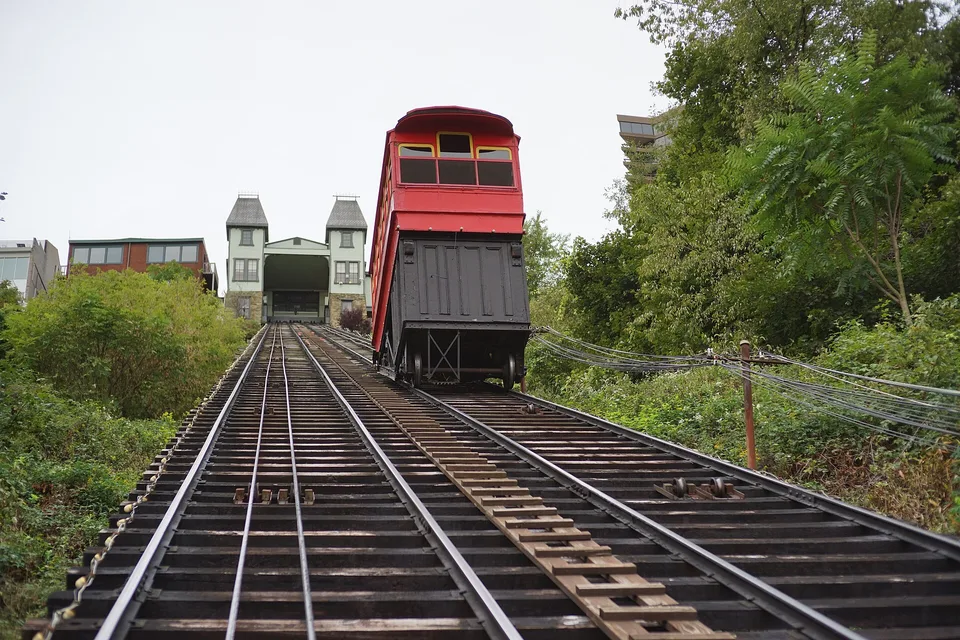
The Duquesne Incline's visitor information describes a historic cable railway opened in 1877 and restored by local residents in 1963. The ride provides a compact experience of Pittsburgh's steep terrain, with the upper station and viewpoint giving context to the downtown skyline. Its published hours are 6:30 a.m. to 12:30 a.m. daily, with no advance reservations.
Take cash or check the accepted transit-card arrangements; the operator does not accept ordinary debit or credit cards. Its published fare table differs from current PRT standard fares, so confirm the incline's charge before travelling rather than relying on a fixed price here. Accessibility also requires planning: the upper station on Grandview Avenue is accessible, while the lower parking approach involves steps and the historic cars have width limitations. Contact the operator about your particular equipment and route.
The Warhol is a separate museum day
The Andy Warhol Museum at 117 Sandusky Street offers seven floors of art and archives. Its general admission includes permanent and special exhibitions, with film screenings and gallery activities adding another way to spend time. The museum's café, store and entrance space can be visited during opening hours without buying gallery admission.
This is a separate ticket from the Carnegie museums in Oakland. Check the current booking page for the price and any applicable discounts. Regular hours are 10 a.m.–5 p.m., with Tuesdays closed and Fridays normally extended to 8 p.m. Special dates can change that pattern; October 23, 2026 is published as a 5 p.m. closing. Decide whether you want a substantial collection visit or a shorter stop, and arrange your meal and transport around the relevant opening window.
Phipps and an Oakland garden visit
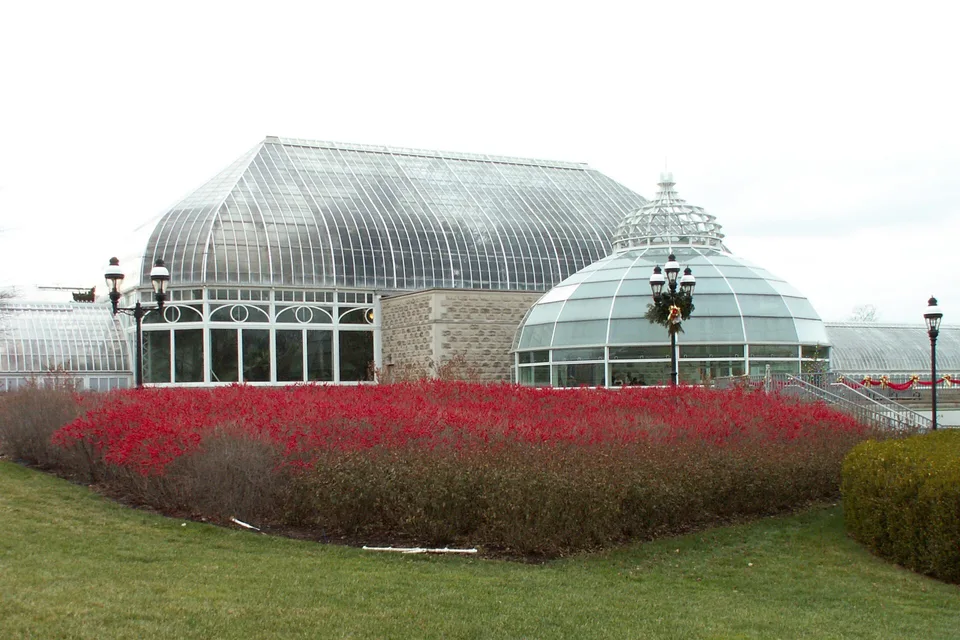
Phipps Conservatory and Botanical Gardens provides another Oakland-area option, with glasshouses, plant collections and changing displays. It is especially useful when the weather makes an exposed walk less appealing, though some garden areas or visitor routes can close temporarily. Check visitor notices and your chosen admission time before arriving.
Published general admission is $22.95 for adults, $20.95 for seniors aged 62 and over, $19.95 for students aged 19 and over, and $13.95 for children aged 2–18. Children under two enter free. Regular hours are 9:30 a.m.–5 p.m., extended to 10 p.m. on Fridays, with last entry thirty minutes before closing. University and benefit-card discounts have conditions; do not assume that every student or every family receives them. Select the experience first, then compare tickets and transport.
Phipps also offers a concrete Museums for All option: qualifying benefit-card holders from any state can obtain general admission for up to four people at $3 each. Bring the card and matching photo identification. Eligible parties can arrive without advance booking under the published programme, unlike ordinary timed-ticket planning.
The History Center works well for families
The Heinz History Center at 1212 Smallman Street is a natural extension of a Strip District morning. Its six floors interpret Western Pennsylvania, including material associated with Mister Rogers and the Franco Harris Sports Museum. Choose a few themes that interest your group rather than expecting one quick stop to cover every exhibit.
Regular hours are 10 a.m.–5 p.m. daily, with specified holiday closures. Adult admission is $20, seniors aged 65 and over pay $18, and students with valid identification pay $11. Children aged seventeen and under enter free year-round. That policy can make a meaningful difference to a family budget. Special RAD Pass opportunities require the appropriate dated pass; they are not a universal promise of free walk-in admission. Current expansion work may also produce occasional noise inside the building.
The History Center publishes RAD Pass availability for the third Thursday and third Sunday each month, subject to reserving the relevant pass. If that opportunity fits your dates, arrange it before committing the savings elsewhere in your budget; an unreserved promotional date is not an admission ticket.
Eating and shopping by neighbourhood
The Strip District's grocers and markets make food part of the sightseeing rather than simply a break between attractions. Browse before choosing lunch, and check whether your purchases need refrigeration or can travel in your luggage. A market morning and a booked restaurant evening serve different purposes, so leave space for both if food is a priority.
Use Lawrenceville, Shadyside, Squirrel Hill or another district to narrow the restaurant search, then check individual menus, hours and reservations. Pittsburgh's dining reflects several communities; ask about ingredients rather than assuming a cuisine label establishes dietary suitability. Shopping can include independent businesses and galleries as well as ordinary household supplies. Prospective residents should test the grocery journey from the actual home, including slopes, crossings and carrying bags, instead of choosing a neighbourhood solely from its dinner options.
Getting from the airport to your base
Pittsburgh International Airport, PIT, is outside the central city. Its new landside terminal opened in November 2025, so older pickup instructions can describe a layout that has changed. Follow the airport's current signs and terminal information when arranging a taxi, rideshare or other collection.
The 28X Airport Flyer connects the airport with downtown, Oakland and parts of the East End. PRT lists a $2.75 one-way fare and service roughly every thirty to forty minutes from about 5 a.m. to midnight; check the current timetable for your flight. The bus serves the lower-level ground-transportation area of the new terminal. You handle your own luggage. Compare the complete airport-to-hotel route, not just the fare: a further transfer, steep final walk or arrival after the last suitable service can change the best choice.
Bus, light rail and changing fare cards
Pittsburgh Regional Transit operates buses and the T light rail system. Its current fare information lists a $2.75 three-hour pass, a $7 day pass, a $25 seven-day pass and a $97.50 thirty-one-day pass. Cash single rides and card or mobile products have different transfer conditions, so choose the product that matches your journey rather than assuming every cash payment provides free onward travel.
PRT is moving from ConnectCard to ReadyFare, with Ready2Ride mobile ticketing also available. The operator has not published an exact retirement date for ordinary ConnectCards in its transition guidance. Check current instructions when travelling, particularly for university or reduced-fare products. The central T free zone does not extend to every rail journey or downtown bus. For an evening event, identify the last workable connection home before buying tickets.
Walking, hills and deciding whether to drive
Within a chosen district, walking can be an efficient way to combine sights, shops and meals. Between districts, elevation and river crossings matter as much as straight-line distance. Inspect the whole route when accessibility is important: an apparently short final stretch can involve steps or a steep climb.
A car may help with dispersed appointments or regional excursions, but include hotel parking, destination garages and event-day traffic in the comparison. If your stay concentrates on downtown and Oakland, test the available public-transport routes before renting for every day. For relocation, do the actual commute at your likely starting and finishing times. Being near a bus route is useful only if its service and connections fit your routine, including weekend work or late shifts.
Accommodation: central sights or daily purpose
Downtown is a practical first-visit base when central sightseeing, performances and transport connections dominate. The Strip District can suit a food-focused stay, while North Shore accommodation needs an event-calendar check for prices and atmosphere. Compare the exact hotel entrance with the attraction or station you will use most.
Oakland may be a better choice for university appointments, museums or a hospital-related stay. Longer visits should compare kitchen facilities, laundry and room layout alongside the nightly rate. Ask about taxes, parking, cancellation terms and accessibility features for the particular room you can reserve. An airport hotel solves a different problem from a central cultural stay; check its shuttle hours and the additional journey into the city. Price the complete plan instead of assuming the lowest advertised room rate gives the lowest overall cost.
Budget around the outings you actually choose
Use dated accommodation and transport quotations, then add admissions and meals. Two regular adults at the Carnegie museums pay $50 in general admission before parking, while two Phipps adult tickets total $45.90. At the History Center, two regular adults with children aged seventeen and under pay $40 in general admission, reflecting its free-for-kids policy.
Those examples help compare activities without inventing a universal daily budget. Include exhibition or event charges where relevant, booking fees, restaurant taxes, any chosen gratuity and a contingency for an additional ride. A lower-cost late-afternoon museum ticket is worthwhile only if the remaining time fits your interests. Free park time or a central walk can balance a paid attraction day. Confirm eligibility and dates before relying on university, benefit-card or promotional admissions.
Four seasons change the practical plan
Pittsburgh has distinct seasons, with warm summer conditions and cold winter periods that can bring snow or ice. Spring and autumn work well for combining neighbourhood walks with museums, but a forecast matters more than a seasonal label. Pack layers and leave an indoor alternative for days when weather makes a long outdoor circuit uncomfortable.
The National Weather Service's Pittsburgh resources provide climate context and local weather information. Check alerts for heavy rain, storms and winter conditions before travelling, especially when a steep walking route or regional drive is involved. For a move, investigate heating, cooling and responsibility for clearing the home's access. Ask about the actual building rather than assuming every older house or newer apartment handles temperature and winter maintenance in the same way.
A realistic three-day visit
Day one: settle in, take a daylight walk around downtown and Point State Park, then choose an evening meal or performance that fits your arrival. Add the incline when weather, transport and energy make it comfortable; do not force a late arrival into several prepaid activities.
Day two: make Oakland the main focus, choosing the Carnegie museums or Phipps as the substantial visit. A short campus or neighbourhood walk can complement it without turning the day into an exhausting list. Day three: begin with the Strip District, then choose the History Center or cross to the Warhol according to your interests. Swap the order around Tuesday museum closures, special opening times and your departure. If travelling with children, the History Center's admission policy may influence the choice as much as the exhibits.
Finding housing and understanding the lease
Compare real listings using the same household requirements: space, total monthly cost, heating and cooling, laundry, parking, grocery access and commute. Visit the immediate block at the times you will use it. Ask how sound travels between units and who handles repairs, snow clearance and shared spaces.
Pennsylvania's official tenant guide explains deposit limits: generally no more than two months' rent in the first year and one month from the second year. Read the lease and fees before signing, and retain move-in photographs, notices and receipts. Rental-registration arrangements should be checked against current city guidance, not assumed from another municipality's rules. A citywide rent average cannot tell you whether a particular unit is good value or whether its terms fit your household.
Household services, taxes and commuting costs
Confirm the correct utilities for the address. The city's provider information identifies Duquesne Light for electricity and notes that water and gas providers can vary, especially for southern-city properties. For a Pittsburgh Water address, its account and service information distinguishes tenant applications from owner arrangements. Use the current collection calendar for refuse and recycling rather than assuming every building has identical service.
Local taxes also affect a moving budget. The city's tax guidance states a combined three-percent city-and-school earned-income tax for city residents, with separate rules for other circumstances. It is not a tax on every kind of income. Check payroll withholding and your actual residency with a qualified adviser when needed. Compare the complete monthly budget—rent, utilities, transport, parking and relevant taxes—before deciding that a cheaper home farther from work saves money.
Schools, study and immigration are separate decisions
Families should use Pittsburgh Public Schools' current enrollment information and confirm the exact address with the district, especially when boundaries or facilities change. Neighborhood assignment and magnet applications have different procedures. Gather age, residency and immunization evidence, and ask about language support and transport before choosing housing around an assumed school.
International students should follow their institution's instructions; Carnegie Mellon's Office of International Education provides immigration and settling-in resources. Begin with VisaWand's USA country guide, then verify federal rules. Tourism follows visitor visa guidance or, when eligible, official ESTA and CBP information. Degree study, work and permanent relocation require the relevant student, employment or immigrant processes. A lease or admission offer does not itself grant work permission. Compare qualifications, written scope and fees when using VisaWand's consultant listings.
Regional trips and other city bases
Fallingwater is a separate regional excursion, requiring transport and advance planning. Its published guided architectural tour is $42 per person plus a six-percent processing fee, and children under six cannot take that interior tour. Grounds-only options differ, and Wednesdays are closed. Reserve the experience that actually suits your group rather than assuming a walk-in visit includes the house.
For a longer trip, compare the Cleveland, Philadelphia and Washington, D.C. guides as distinct city stays, allowing for the real intercity journey. They are not Pittsburgh neighbourhood extensions. VisaWand's USA location directory and USA destination page provide other places to consider. Pittsburgh works best when given time for its river geography, collections and neighbourhood life before the itinerary shifts to another base.
Official planning resources
Reviewed 13 October 2026. Use the official resources linked throughout this guide for admission, transport, housing and immigration decisions. Prices, services and rules can change; confirm the details relevant to your dates. Photography illustrates the locations and is not a live view.
View all official resources
- The strategic history of Pittsburgh’s Point
- Strip District visitor information
- Shadyside visitor information
- Squirrel Hill visitor information
- Official Pittsburgh neighbourhood directory
- Point State Park hours and visitor advisories
- Duquesne Incline hours and accessibility
- Carnegie Museum of Natural History admission
- Carnegie museums hours, discounts and accessibility
- Andy Warhol Museum admission and hours
- Phipps hours, admission and discounts
- Heinz History Center admission and reserved free passes
- Pittsburgh airport terminal information
- 28X Airport Flyer fares and services
- Pittsburgh Regional Transit fares and passes
- ReadyFare transition and existing transit cards
- National Weather Service Pittsburgh climate resources
- Pennsylvania tenant and landlord rights
- City rental-registration programme guidance
- Pittsburgh utility-provider information
- Pittsburgh Water account and billing information
- City refuse and recycling collection calendar
- Pittsburgh city and school earned-income taxes
- Pittsburgh Public Schools enrollment and address assignment
- Carnegie Mellon international education resources
- U.S. visitor visas
- Official ESTA application
- CBP ESTA explanation
- U.S. student visas
- U.S. temporary worker visas
- U.S. immigration routes
- Fallingwater tours, fees and age restrictions
Plan the next part of your journey
Explore the United States guide, browse other cities or compare consultants for your travel and relocation questions.