Visa

Philadelphia works best at the scale of a neighbourhood
Philadelphia’s historic centre can make a first visit feel unusually legible. Independence Hall, park interpretation and Old City streets offer a concentrated starting point, while museums, markets and riverside paths take the trip beyond the founding-era landmarks. The useful question is which parts deserve a full day, rather than how many familiar names you can fit between a hotel and an evening reservation.
Choose an accommodation address around that programme. An Old City visit, a Parkway museum day and a University City appointment can involve different daily journeys. Map the entrances and stations you will use before comparing hotel quotes. A convenient central base can reduce travel, but it does not remove the need to check access, opening days and the final walk from transit.
For a prospective move, test ordinary routines as well as attractions. A weekday commute, groceries and a property inspection tell you things that an afternoon in a square cannot. VisaWand’s United States country guide supplies national context; this guide focuses on decisions within Philadelphia.
History belongs to the buildings and the wider city
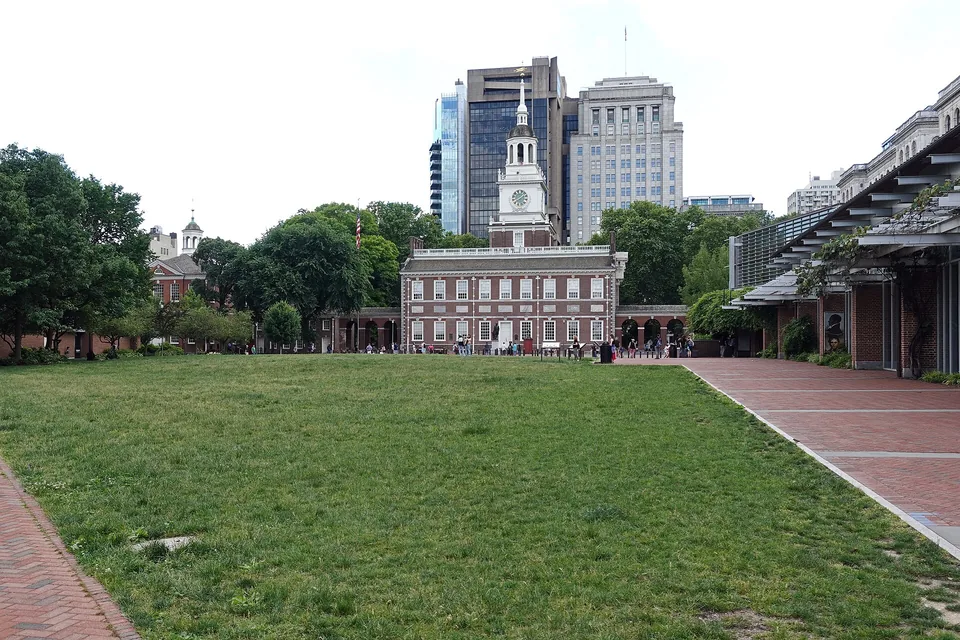
The National Park Service’s Independence Hall history explains why the building is central to a first visit. Originally built as Pennsylvania’s State House, it became the setting where the Declaration of Independence and United States Constitution were debated and signed. Look at the building and its interpretation together, leaving time for the questions behind the familiar facade.
The park offers more than a single room associated with the founding documents. Choose the sites that help you understand the institutions and people involved, then leave space between them. A guided experience and an independent walk offer different kinds of attention; neither becomes more useful simply by adding every nearby attraction to the same schedule.
Modern Philadelphia deserves equal room in the trip. Neighbourhood businesses, markets, art collections and the river trails connect the historic centre with the working city around it. For someone considering a move, these everyday places matter as much as the landmark itinerary. Notice the services, street layout and journeys that would shape your routine rather than treating residential areas only as scenery.
Choose a district, then check the actual address
Visit Philadelphia’s neighbourhood directory places Rittenhouse Square and Old City within Center City, while identifying other areas including Fishtown, East Passyunk, Fairmount and University City. Use that overview to select a few parts of the city, then investigate the specific venues and routes that interest you. The directory covers surrounding towns too, so pay attention to the location label.
For a history-focused visit, concentrate an early day around Old City and the national park. Give the Parkway art collections another block of time. A meal and a neighbourhood walk can fill the space around a museum without creating another cross-city journey. Choose a manageable circuit before collecting reservations; an ambitious list can leave little room to appreciate what is in front of you.
For housing, investigate the station, bus stop, parking and essential errands attached to each property. Broad neighbourhood descriptions are insufficient evidence about noise, accessibility or a commute. Walk the route at the hours that matter, and ask about the building’s arrangements. A district you enjoy visiting and an apartment that supports your household are related choices, but one does not prove the other.
Independence Hall: entry arrangements are part of the visit
Read the current NPS operating schedule before planning Independence Hall. At this review, the building has an early open-house period without tickets, followed by ticketed guided tours later in the day. Those are different experiences, so choose deliberately rather than assuming every visit requires the same reservation or that the whole day is unticketed.
For reserved tours, use the official ticket instructions. Tickets are free, with a $1 administrative fee per ticket; interagency passes do not cover that fee. Reservations can be made up to thirty days ahead, with additional next-day tickets released at 5pm the previous day. Availability is not guaranteed. Allow the recommended thirty minutes for security screening before your tour.
The current expanded tour has a specific accessibility limitation: it is not wheelchair accessible. Read the selected experience and the security-entrance instructions rather than assuming all tours follow an identical route. A reservation is useful only when the arrival time and access conditions work for your group. Keep the live operations page available in case staffing, weather or the calendar changes the plan.
Liberty Bell and Franklin Court: give the park room to breathe
The park’s visitor information helps you connect Independence Hall with other sites, including the Liberty Bell Center and Franklin Court. Review the security and opening arrangements for each building. A nearby entrance is not necessarily the correct arrival point for the experience you have booked, and a line at one site can change the order of an otherwise compact morning.
Most park sites are free, but NPS fee information identifies exceptions. The Benjamin Franklin Museum currently charges $7.50 for adults, $5 for seniors aged sixty-five and over and children aged six to seventeen, with younger children free. Decide whether it answers an interest in your group rather than treating it as an automatic addition to a ticketed Independence Hall visit.
Leave time to read interpretation, sit down and choose the next stop without rushing. Families can shorten the circuit and return to another site later, instead of requiring everyone to absorb several historical exhibits in succession. If an accessibility or sensory need affects the visit, check the particular building and programme. General descriptions of the national park do not settle those individual questions.
Parkway art: choose a collection before choosing a ticket
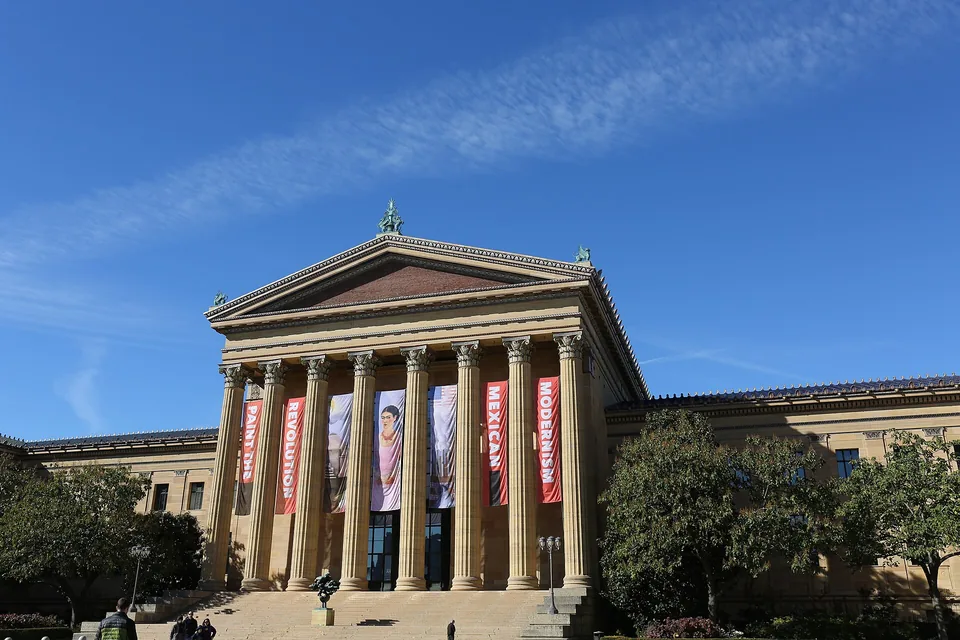
The Philadelphia Museum of Art deserves attention beyond its exterior and celebrated steps. Select a collection, exhibition or tour that interests you and plan enough time to look closely. The main building is at 2600 Benjamin Franklin Parkway. Review the entrance and access arrangements before adding a viewpoint or another venue to the visit.
Its current regular schedule closes Tuesday and Wednesday, with later hours on Friday. The official ticket page provides date-specific choices, including exhibitions whose booking arrangements can differ from general entry. Compare the actual admission option rather than importing an older ticket price from a previous exhibition announcement. Museum schedules and selected dates should lead the art day’s order.
Keep lunch and any other collection visit realistic. A large museum can sustain a substantial part of a day without requiring a complete survey of every gallery. If travelling with children or someone who needs frequent breaks, review facilities and choose a focused route. The skyline and riverside setting make worthwhile additions when weather and energy permit; they need not become another compulsory circuit.
Schuylkill Banks: plan a walk on the current trail
The Schuylkill Banks operator’s information introduces the riverside paths and open space along this part of Philadelphia. A walk can offer a welcome change of pace from indoor collections, with views back towards the city and a different sense of its geography. Choose a defined stretch and the route home rather than assuming the river path continues wherever you wish to go.
The network is still being developed. Consult the current map and notices for the section you intend to use, especially when a closure, construction area or access point would affect the outing. An older announcement about a completed segment cannot establish that every part of the trail is open today. Follow the signed route and leave space for other people walking, running or cycling.
For a first visit, a riverside walk can accompany a compatible central-city or museum day. Carry what the weather requires and decide where you will rejoin streets or transit. For a prospective resident, test whether the path is actually useful for your leisure routine or journey, including access at the hours you would normally use it.
Reading Terminal Market: choose the merchant as well as the market
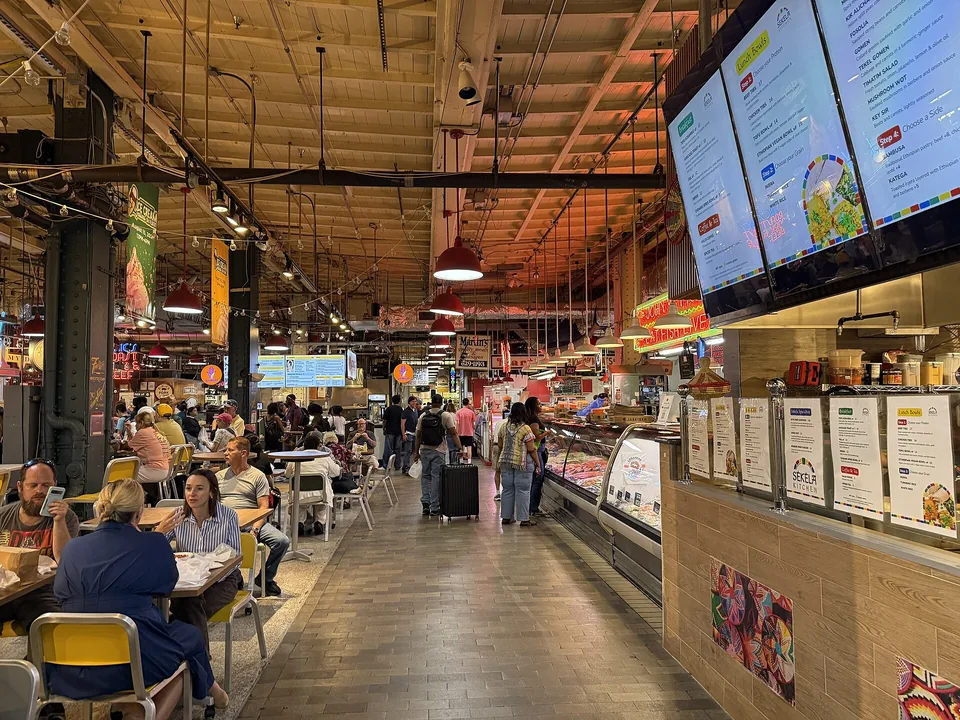
Reading Terminal Market brings prepared food, groceries and shopping into one central visit. Its operator map and directory list the market’s usual daily hours as 8am–6pm, while noting that individual merchants can differ. Look up the particular stall before making a dish or purchase the centrepiece of your day; the building’s opening time does not promise that every counter is serving.
Visit Philadelphia’s market introduction describes a range of cuisines and Pennsylvania Dutch food alongside familiar local dishes. Choose one meal and leave time to browse, instead of trying to eat a complete list of recommendations. Ask the merchant directly about ingredients, preparation and dietary needs. A popular dish or cuisine label cannot establish suitability for an allergy or another household requirement.
Think about the rest of the journey before buying groceries or fragile goods. Accommodation storage, luggage and the remaining time outdoors can determine whether a purchase makes sense. Seating and a busy counter also affect the pace of the visit. Allow flexibility around a market meal rather than attaching it to a reservation that requires a precise departure.
Accommodation: compare a base with the whole itinerary
Start with Old City or another Center City address when the historic sites and central venues dominate your plans. Compare a Parkway-area option for art-focused days, and investigate University City when a particular appointment or institution is the reason for the stay. These are itinerary choices, not claims that one area is universally more affordable or convenient.
For each property, check the route to the station, the room’s bed configuration, lift access, parking and the total checkout price. A room near one useful route can be preferable to a larger room that requires several extra journeys. Read cancellation and payment terms with your travel uncertainty in mind, particularly when appointments or visa arrangements are not yet settled.
An airport hotel can support a flight connection, but its name does not establish terminal access. Ask about shuttle hours, pickup location and any reservation requirement. For a longer relocation visit, laundry and cooking facilities may be more valuable than a sightseeing-oriented position. Keep a temporary-stay contingency while you inspect properties and verify the household arrangements attached to a lease.
Airport arrivals: Regional Rail has its own fare rules
Philadelphia International Airport’s public-transport page describes the Airport Line and its terminal stations. Choose the station serving your flight and the destination that best connects with your accommodation, such as the relevant Center City stop or William H. Gray III 30th Street Station. Check the current timetable for an early departure or late arrival.
The live SEPTA fare page currently lists $8.75 between the airport and Center City with Key, contactless payment or a Quick Trip, compared with $11 onboard. Those airport rates apply at all times and in both directions. An ordinary Regional Rail weekend table is not the correct substitute for the Airport Line’s specific pricing.
Include the remaining walk, any transfer and everyone’s luggage when comparing the train with a road transfer. The train journey is only one part of arrival if the accommodation lies beyond its stops. For eligible electronic Regional Rail payment, follow the tap-in and tap-out instructions so the fare is calculated correctly. A missed tap-out can mean a maximum-fare charge rather than the expected journey price.
Local transport: understand the service and the payment method
The current regular SEPTA Bus and Metro fare is $2.90. Eligible Key or contactless payment allows up to two transfers within two hours using the same card; cash and Quick Trips have different conditions. Regional Rail is a separate fare category. Decide how you will pay before beginning a multi-part journey rather than assuming every ticket carries the same transfer rights.
Use SEPTA’s current trip-planning and schedule information for the route to each attraction. Save the complete destination and entrance, confirm the direction of travel and check relevant service notices. When stairs, luggage or a mobility device matter, review the particular station and transfer rather than judging the journey from a simple map line.
A central itinerary can combine walking with transit, but a rental car may suit a particular regional excursion. Include parking and the practicalities of collecting and returning it. For a move, repeat the intended commute during an ordinary weekday and at the hours you will work. A pleasant sightseeing journey is useful evidence about a route, but it cannot establish the whole working-week routine.
Food, shopping and a budget based on real choices
Visit Philadelphia’s local-food guide identifies cheesesteaks, hoagies, roast pork sandwiches, soft pretzels and water ice among the city’s familiar foods. Choose what interests you, then compare current menus in areas you are already exploring. A regional speciality is a reason to pay attention to a meal, not an obligation to follow an expensive or inconvenient checklist.
All quoted prices in this guide are US dollars, checked for the October 2026 review. Build the budget from an accommodation quote, the airport journey, everyday transport, chosen admissions and meals. For one adult, two separate local fares at the regular rate total $5.80 before any eligible transfer benefit. A free park site and a paid museum create different spending patterns within the same day.
Allow for tax, service arrangements and gratuities where applicable when comparing meals. Put parking, shopping and optional activities on separate lines so they do not disappear inside a vague daily total. A household considering relocation needs a different calculation, extending to utilities, insurance, internet, commuting and irregular expenses linked to the home and its occupants.
Seasons and a realistic four-day plan
Use the National Weather Service’s Philadelphia/Mount Holly resources for weather context, forecasts and warnings. Spring and autumn are sensible starting points for walking-heavy plans, while summer and winter can call for different clothing, breaks and indoor alternatives. Those are planning preferences, not promises about the conditions on your travel dates.
For day one, concentrate on Old City and the national park, choosing either the current open-house opportunity or a reserved Independence Hall tour. On day two, plan Reading Terminal Market and a compatible central-city walk. Make day three your principal art-museum visit, with Schuylkill Banks as an optional outdoor addition if the route and weather work.
Use day four for another neighbourhood, a historical site you left for later or a regional outing. Arrange the order around museum closures and booked activities; the numbered days are editorial suggestions rather than a fixed tour. Keep space for a slower meal, a weather change or a return visit. A relocation trip should add separate time for property viewings and weekday errands.
Moving here: inspect the property and the paperwork
Start with work or study locations and the household’s access needs, then compare complete addresses. Test the route from each property and include groceries, school journeys and evening travel. A lower rent can be less attractive when the additional commute, parking or utility arrangements change the full monthly cost. Obtain evidence attached to the home rather than relying on a district-wide estimate.
The city’s rental-suitability guidance explains documents a landlord must provide for a new tenancy, including a Certificate of Rental Suitability and the Partners in Good Housing handbook. It also directs readers to lead-certification requirements. Read the current rules and ask for the applicable paperwork before signing; a verbal assurance about the building is insufficient.
Inspect heating, cooling, windows, storage and appliances, and clarify repairs, pets, parking and recurring fees in writing. Record the agreed condition at handover and retain payment and correspondence records. For a disputed term or a question about legal protection, use the Fair Housing Commission’s tenant resources and qualified advice. A property viewing cannot resolve the interpretation of a lease or an individual dispute.
Establishing utilities, schools and household services
Check which bills are included in the rent and which accounts you must arrange. PECO’s service-management route and Philadelphia Gas Works’ start-and-stop information provide relevant operator resources. Confirm the provider and required start date for the actual address, and read transfer or shutoff instructions before assuming an account will automatically end when you move out.
Water responsibility needs its own check. The city’s current tenant water-account guidance explains how a renter can become the customer, including the permission and documentation involved. Do not assume every lease makes the tenant responsible. Clarify the agreement, then use the official process where applicable. Check internet installation, laundry and delivery arrangements with the same attention to the particular unit.
Families should consult the School District’s enrolment and placement resources, distinguishing ordinary registration from school-selection processes and their separate requirements. The nearest school is not a guarantee of a place in a chosen programme. Free Library card information offers another household starting point. Confirm healthcare providers against insurance, appointment availability and individual needs before relying on proximity alone.
Tourism, study, employment and permanent residence
Philadelphia has no separate visa permission from the United States. Read the State Department’s visitor-visa guidance for tourism and permitted business activities. Employment, ordinary academic study and permanent residence require different consideration. A room booking, an apartment lease or a local offer does not independently authorise those activities or establish a right to remain.
Eligible Visa Waiver Program travellers should review CBP’s ESTA explanation and use the official application route. ESTA is not a work permit or a guarantee of admission. For study, combine the official student-visa information with the institution’s instructions. Work and immigration plans should begin with the State Department’s visa-category resources and the requirements relevant to your circumstances.
VisaWand’s United States destination page and consultant directory can help you explore consultation options. Verify qualifications, costs and the scope of the service before paying. A useful consultation clarifies the route and outstanding evidence; it cannot replace the authorities’ decision. Keep lawful immigration planning separate from choosing the Philadelphia neighbourhood or home that would fit your routine.
Nearby cities and alternatives worth considering
Camden lies across the Delaware River in New Jersey, while Wilmington is in Delaware. VisaWand’s Camden and Wilmington location pages are directory entries for further exploration. They should not be described as completed guides. Check the individual page’s content and investigate the actual journey before adding a regional stop or comparing housing across state lines.
For other substantial US visits or relocation options, the completed New York City, Chicago and Houston guides offer different contexts. Compare your priorities, transport needs and household costs rather than assuming that a city’s appeal translates into a suitable working week. A useful shortlist eventually becomes an assessment of actual routes and addresses.
VisaWand’s United States location directory lists further cities and settlements, with guide availability varying by page. Return to the experiences and routines that brought you to Philadelphia: history, art, neighbourhood life or a practical base for work and study. The city becomes easier to judge when the itinerary and the housing search both follow the journeys you will really make.
Official planning resources
Reviewed 13 October 2026. Use the official resources linked throughout this guide for admission, transport, housing and immigration decisions. Prices, services and rules can change; confirm the details relevant to your dates. Photography illustrates the locations and is not a live view.
View all official resources
- National Park Service: Independence Hall history
- Visit Philadelphia: neighbourhood directory
- National Park Service: current park operating schedule
- National Park Service: Independence Hall tickets
- National Park Service: Independence National Historical Park visitor information
- National Park Service: park and museum fees
- Philadelphia Museum of Art: visitor information and hours
- Philadelphia Museum of Art: official tickets
- Schuylkill Banks: trail information and notices
- Reading Terminal Market: visitor and merchant information
- Reading Terminal Market: operator map and merchant directory
- Visit Philadelphia: Reading Terminal Market introduction
- Philadelphia International Airport: public transport
- SEPTA: current Bus, Metro and Regional Rail fares
- SEPTA: schedules and service information
- Visit Philadelphia: local foods
- National Weather Service: Philadelphia and Mount Holly forecasts and warnings
- City of Philadelphia: rental suitability documents
- Fair Housing Commission: unfair rental practices and tenant protections
- PECO: service management
- Philadelphia Gas Works: start and stop service
- City of Philadelphia: water accounts for tenants
- School District of Philadelphia: enrolment and placement
- Free Library of Philadelphia: library card requirements
- US State Department: visitor visas and permitted activities
- CBP: ESTA explanation
- US State Department: student visas
- US State Department: visa categories
Plan the next part of your journey
Explore the United States guide, browse other cities or compare consultants for your travel and relocation questions.