Visa
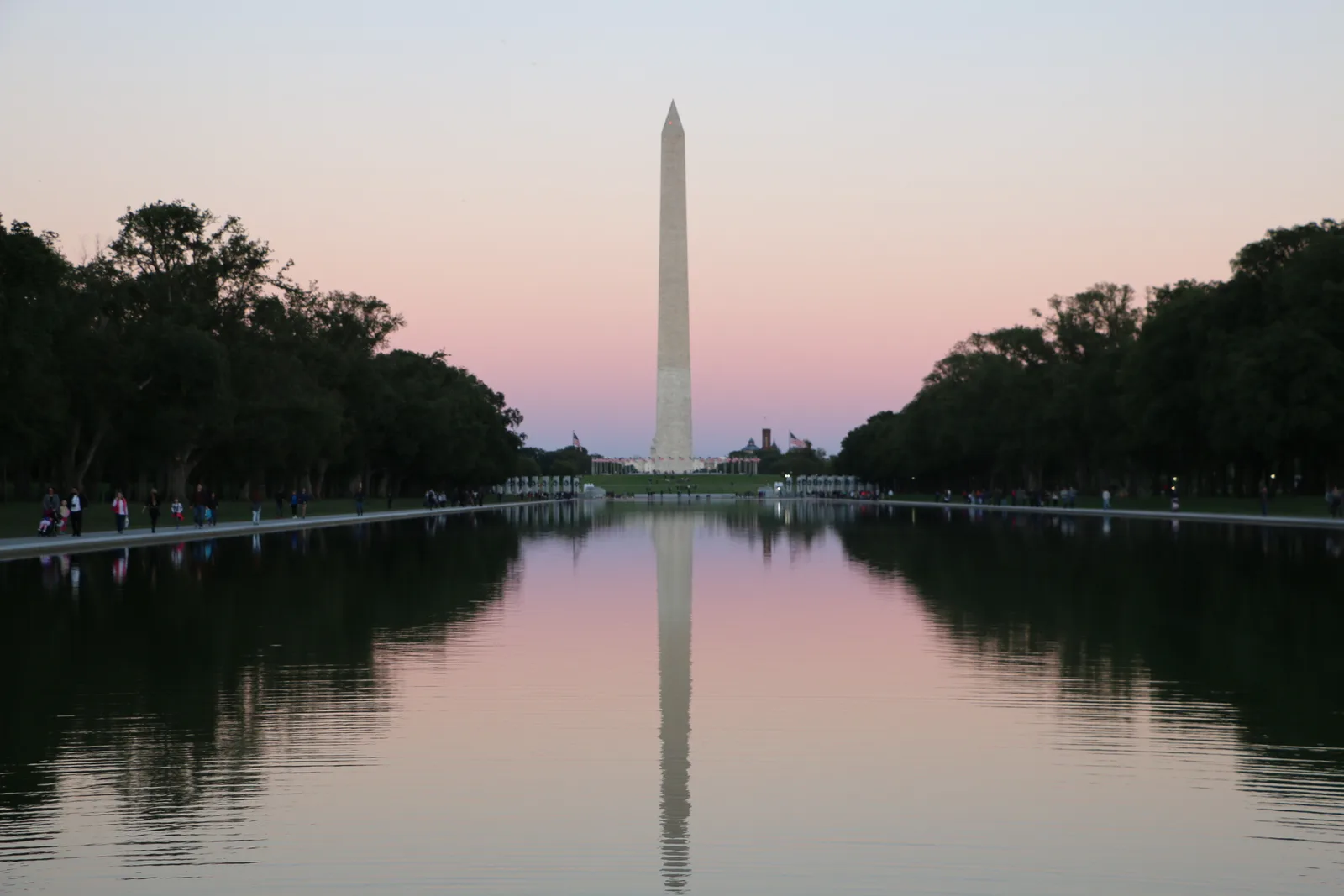
A capital you can explore without buying a ticket for every stop
Washington, D.C. offers an unusual city break: you can spend substantial time in major museums and among national memorials without paying admission. That makes the capital attractive for families, history enthusiasts and travellers who want a full cultural itinerary. It also makes planning deceptively easy. Free entry can still require a reservation, a security queue or a long walk between buildings.
For a first visit, choose two or three priorities and build the day around their location and access rules. For a move, begin with a different map: your workplace, school, groceries and commuting route. This guide covers Washington in the District of Columbia. An address elsewhere in the metropolitan area has its own jurisdiction and services. VisaWand’s USA location directory distinguishes those destinations, while the USA country guide provides broader context for travel and relocation.
A planned national capital with a complicated history
The Library of Congress guide to the Residence Act explains the decision behind the capital’s location. Passed in July 1790, the act selected a Potomac River site for the permanent seat of government after a ten-year interval, with Philadelphia serving temporarily. Washington’s monumental spaces make that national purpose visible, but they tell only part of the city’s history.
The District government’s account of emancipation records the role of enslaved African Americans in constructing the Capitol, White House and other buildings. Slavery in the District ended through the Compensated Emancipation Act of 16 April 1862, before the better-known Emancipation Proclamation. Bringing this context to a memorial walk makes the city more than an architectural checklist. Its grand civic spaces, residential streets and neighbourhood markets reflect different experiences of the capital; leave time to encounter more than the federal landmarks.
How to choose a neighbourhood for your stay
Use your principal activities to narrow the accommodation search. A central hotel may reduce travel for museums and appointments, while a room near the rail line you actually need can be more useful than one simply advertised as “close to Metro.” Read the full address, including its directional suffix, and check the route to the entrance of each booked attraction.
Capitol Hill, Georgetown and Dupont Circle offer distinct settings rather than interchangeable central bases. For relocation, add the journeys you will repeat several times a week. A picturesque street cannot establish whether an apartment suits shift work, a school run or mobility needs. Check the relevant block and building rather than treating a neighbourhood name as a guarantee of convenience.
Capitol Hill beyond the dome
Capitol Hill’s visitor information introduces the residential side of an area often associated only with Congress. Nineteenth-century rowhouses and commercial streets surround the government buildings. Eastern Market and Barracks Row, centred on 8th Street SE, offer reasons to linger after a civic visit rather than leaving immediately for another museum.
This is a useful district for combining a reserved Capitol tour with a meal and a neighbourhood walk. The street layout still matters: a hotel using “Capitol” in its name does not establish its distance from your particular destination. Confirm the address and entrance before booking. If you are considering living here, inspect ordinary provision alongside the architecture: supermarket access, laundry, storage, bus connections and any stairs between the pavement and the apartment.
Georgetown’s shops and riverfront
Georgetown combines historic streets, the C&O Canal, shops and a Potomac waterfront. M Street is a starting point for browsing mainstream retailers and independent businesses, while the riverfront provides space for a slower walk. It suits visitors who want part of the trip to involve commercial streets and outdoor views rather than museum galleries alone.
Decide how you will reach the district and return before booking an evening commitment. Measure the final distance from your transport stop, especially with shopping bags or after a long sightseeing day. Historic paving and changes of level deserve attention if you need an accessible route. Waterfront restaurants are an identifiable option, but views do not establish value, availability or suitability for dietary needs. Read current menus and reservation terms, and make the walk itself an activity rather than assuming a particular business must be included.
Dupont Circle for browsing and neighbourhood time
Dupont Circle offers another way into everyday Washington. Connecticut Avenue and surrounding streets combine bookshops, boutiques, restaurants and cultural institutions, with the namesake fountain serving as a meeting point. The neighbourhood also has a visible LGBTQ+ business culture, particularly around 17th Street. It can suit a stay that balances national attractions with meals and time outside the museum corridor.
Treat nearby embassy buildings as architecture to appreciate from public space unless a particular event expressly allows entry. For accommodation, check the specific route to your rail station or bus stop, evening noise and the facilities needed for a longer stay.
The National Mall: allow room for the walking
The National Mall and Memorial Parks planning pages help organise a walk through the capital’s civic landscape. The Lincoln, Vietnam Veterans, Korean War Veterans and other memorials invite a slower pace than a drive-by photograph. Choose a manageable group of stops, including time to read inscriptions, pause and reach your next appointment.
The park grounds are open around the clock, but museums, visitor facilities and ticketed monument interiors follow their own hours. Morning or early evening can work well for an outdoor walk, provided weather and access suit the day. Use the official map and current notices rather than assuming a straight line on a sightseeing map is the route available on the ground. A museum afternoon paired with a shorter memorial walk is often more realistic than attempting the entire civic landscape in one uninterrupted outing.
Going inside the Washington Monument
The Washington Monument’s ticket rules distinguish the free outdoor view from entry to its observation levels. Visitors aged two and over need a ticket. Advance tickets carry a non-refundable $1 reservation charge each; limited free same-day tickets are distributed at the Monument Lodge while supplies last. The advance release and cancellation opportunities do not guarantee a place.
Check the official calendar before making the ascent the centrepiece of a day. Maintenance and dangerous weather can close the monument. Leave time for screening and use nearby facilities beforehand: there are no restrooms or drinking fountains inside. Strollers and bulky items are prohibited, while wheelchairs are permitted under the stated access arrangements. This visit involves an elevator, enclosed space and height, so consider whether it suits everyone in the party. If tickets are unavailable, keep the outdoor memorial itinerary rather than paying an unverified reseller.
Smithsonian visits: free does not mean identical entry rules
The National Museum of Natural History currently opens from 10am to 5:30pm, closing on 25 December. Admission is free and entry tickets are not required. Security screening still applies, and the museum provides no coat check, bag storage or lockers. Leave suitcases elsewhere before making it a pre-flight stop.
The National Air and Space Museum in D.C. requires free timed-entry passes for every visitor, regardless of age. Its Washington address is 650 Jefferson Drive SW, with entry through the Jefferson Drive doors. Check the current museum page for gallery access rather than assuming the whole renovation programme has finished: at this review, two galleries still have future opening dates. The separate Udvar-Hazy Center is in Chantilly, Virginia. Reserve for the correct location and give your chosen museum substantial time instead of trying to sample every collection in one day.
Touring the Capitol and preparing for security
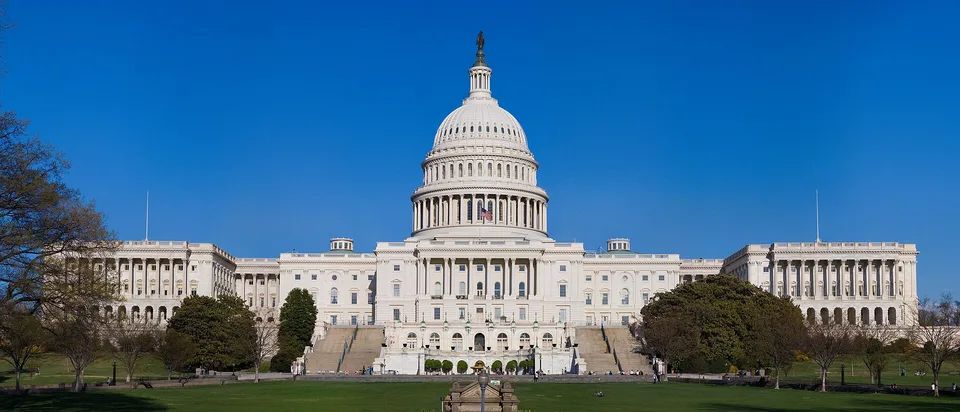
The Capitol Visitor Center offers free guided tours, with reservations recommended. Walk-in visitors may be placed on the next available tour, but this is a fallback rather than a dependable way to meet a tight schedule. The tour route can change and does not include the House and Senate galleries. Entry is through the underground visitor centre on the Capitol’s east side.
Consult the hours and access information: regular visiting is Monday to Saturday, with specified holiday closures. Review the prohibited-items list before travelling. Bags exceeding the listed dimensions, food and beverages can create problems at screening; medical and childcare exceptions are determined by Capitol Police. An item accepted at one museum is not automatically acceptable here. Plan where to leave luggage and how to handle lunch, and request access assistance in advance when needed. A reservation does not remove the security process.
Three airports, three different arrival plans
Start with the airport code on the booking. Reagan National’s Metro connection reaches Terminal 2 through enclosed bridges at concourse level. Passengers using Terminal 1 can take an airport shuttle to a bridge connection. Check current station service and the route to your accommodation rather than relying on an airport’s Washington branding.
Dulles has a Silver Line station connected to its main terminal by an indoor pedestrian tunnel with moving sidewalks. BWI’s Washington connections involve a different network: take the free shuttle to the airport rail station, then an appropriate MARC or Amtrak service towards Washington. The MARC Penn Line timetable and fare information should guide the actual journey. Allow for the shuttle, waiting and onward travel from Union Station. Compare the full arrival cost and schedule before choosing a cheaper flight, especially when arriving late or departing early.
Metro payment, children and the pass calculation
Metro’s current fare table lists weekday daytime rail journeys at $2.25–$6.75, depending on the trip; weekday travel after 9:30pm and weekend rail journeys cost $2.25–$2.50. Regular Metrobus travel costs $2.25, with different fares for the specified express routes. Up to two children aged four or younger travel free with a fare-paying adult; older children need their own payment method unless eligible for a relevant programme.
Contactless payment accepts supported bank cards and wallets, but each rider needs their own method and must use the same card or device at rail entry and exit. SmarTrip passes remain separate products: the one-day rail-and-bus pass costs $13.50, with a $2 fee for a new physical card. Compare your expected rides before buying. Two short trips can cost much less than the day pass, and a pass expires by operating day rather than providing a rolling 24-hour window.
Food, market browsing and practical spending
Eastern Market at 225 7th Street SE offers indoor food merchants and outdoor market activity. Its indoor market operates Tuesday to Sunday and closes on Monday; outdoor hours vary by day. Check the operator’s current vendor information before making a special journey. A weekend visit can combine groceries, crafts and a neighbourhood walk without requiring every purchase to become a souvenir.
Georgetown and Dupont provide further shopping and dining choices, while museum cafés can simplify an activity-heavy day. Compare current menus with the final bill, including tax, service charges and any required or chosen gratuity. Free museum admission helps, but accommodation, transport and meals remain substantial parts of the budget. Quote these for your dates instead of relying on a fictional universal daily cost. For a longer stay, a usable kitchen and nearby supermarket can matter more than complimentary snacks or an impressive lobby.
Seasons and the uncertainty of cherry blossoms
Use National Weather Service information to understand the seasonal range and check a forecast close to departure. Summer heat makes a long exposed memorial walk a different proposition from an indoor museum day. Winter needs a plan for cold conditions and possible weather disruption. Spring and autumn can suit walking-focused visits, but neither removes the need for layers, rain protection and a flexible schedule.
For cherry blossoms, follow the Park Service’s Bloom Watch. Peak bloom varies with weather; the most likely period is around late March and early April, but reliable prediction far in advance is not possible. The photograph in this guide records a particular day in March 2026, not a promise for future dates. Choose refundable arrangements where practical if flowering is your main reason to travel, and retain other interests so the trip still works if weather shortens the bloom.

Suggested day one: museum time and western memorials
This three-day itinerary is a planning suggestion, to be adjusted for opening days, reservations and the weather. Begin with one museum that matters to your party. Natural History is a useful choice when you have not secured a timed pass, though screening and busy periods still require patience. Allow a proper visit and lunch rather than trying to complete several museums before noon.
Later, select an outdoor memorial walk based on your energy and conditions. The Lincoln Memorial and nearby memorials can form the focus, with the Washington Monument ascent added only if you have an appropriate ticket. Use a transport connection for part of the day when needed. For a flight-arrival day, shorten the plan to a neighbourhood walk and dinner: baggage, check-in and the airport journey can absorb time that a timetable of attractions fails to acknowledge.
Suggested day two: Capitol Hill and its market
Reserve a morning Capitol tour on an operating day and arrive with belongings that meet the screening rules. After the tour, allow time for lunch and a walk through Capitol Hill’s residential streets. Eastern Market can provide a second focus on a day when it opens; on Monday, choose another meal stop rather than expecting the indoor market to operate.
This day combines the national institution with the neighbourhood around it, keeping unnecessary cross-city journeys down. Avoid reserving your next activity so tightly that a screening queue makes the afternoon stressful. Visitors interested in moving can use part of the walk for ordinary checks: grocery selection, the station or bus stop they would use and the entrance of a potential building. These observations complement sightseeing, but they should be followed by an actual commute test and a proper property inspection.
Suggested day three: Georgetown or Dupont at a slower pace
Give the final day to neighbourhood time. Choose Georgetown for shops, the canal setting and the riverfront, or Dupont for bookstore browsing, commercial streets and a meal. Build the journey around the district you choose rather than treating both as brief stops between several additional museums. A slower day allows the city’s scale and everyday character to emerge.
If Air and Space is a priority, place its reserved visit on whichever day fits your pass and rearrange the neighbourhood time around it. Before an evening flight, stay close enough to make a comfortable airport journey. A return transfer, luggage collection and a walk through the terminal belong in the schedule just as much as the attraction itself.
Housing costs and protections specific to D.C.
Compare real listings with the commuting map and ask for every move-in charge in writing. D.C.’s 2026 rental application-fee cap is $54 and applies to rent-controlled and non-rent-controlled units. This is a District rule; do not apply it automatically to a rental elsewhere in the region. Check the current figure again if applying in a later calendar year.
The Tenant Bill of Rights, revised in September 2026, explains disclosures, deposits and other protections. A security deposit may not exceed the initial monthly rent, and the landlord must disclose whether the unit is rent-controlled. Rent control does not apply identically to every property or mean that any proposed increase is automatically valid. Use the Office of the Tenant Advocate for questions and relevant assistance. Inspect the actual unit, record its condition and retain the lease, addenda, disclosures and payment receipts.
Commuting and the household behind the apartment
An affordable-looking rental can become less practical when transfers, parking or an unreliable connection dominate the routine. Test the journey at your likely working hours, including the walk at both ends. Check whether your employer’s address is in D.C. or another jurisdiction before making assumptions about the right home base. Compare the complete household cost rather than rent alone.
Ask which bills you handle and which remain with the owner or building. DC Water states that owners remain ultimately responsible for water and sewer bills; tenants are added to accounts following owner approval. Check Pepco’s service information for electricity and Washington Gas’s start-and-stop guidance for gas accounts. Confirm how the building handles heating, waste collection and internet installation. Inspect ventilation, storage, laundry and access from the street, and ask about building repairs. Arrange healthcare coverage and identify suitable providers before relying on a local appointment; compare the plan’s network and costs with the household’s needs.
Schools, library access and settling into services
For children, use the current DCPS in-boundary school lookup for the exact home address. Eligible K–12 students have a right to enrol in their in-boundary school; that rule should not be treated as a guarantee of a particular preschool place or selective programme. Boundaries, feeder patterns and other arrangements can change, so check the intended school year.
The current DCPS enrolment instructions require supporting documentation, including residency evidence. Contact the school about a move that does not fit the standard calendar. D.C. Public Library card information is another useful first-week resource: eligibility includes District residents and certain other local connections, with identification and address requirements for full access. An online temporary card needs subsequent verification. Keep a practical arrival file with housing documents, school records, service contacts and the details needed to manage accounts, without assuming that one metropolitan address qualifies for every District service.
Immigration permission follows the purpose of your stay
Washington has no separate city visa. The State Department’s visitor guidance distinguishes tourism and qualifying business visits from employment, degree study and permanent residence. Eligible travellers can use the Visa Waiver Program for qualifying visits of 90 days or less with approved ESTA and all applicable conditions. A visa or travel authorisation allows you to seek admission; it does not guarantee entry.
For employment, consult the temporary worker visa categories with the employer, including any required petition. Study follows student visa and school requirements, while permanent relocation uses a separate immigrant visa route. An apartment lease, a university offer or proximity to an embassy does not by itself settle permission to live or work. VisaWand’s USA destination page and consultant listings can help you compare assistance. Check the provider’s qualifications, written service scope and fees, and keep the relevant federal resources at the centre of the decision.
Looking beyond the District
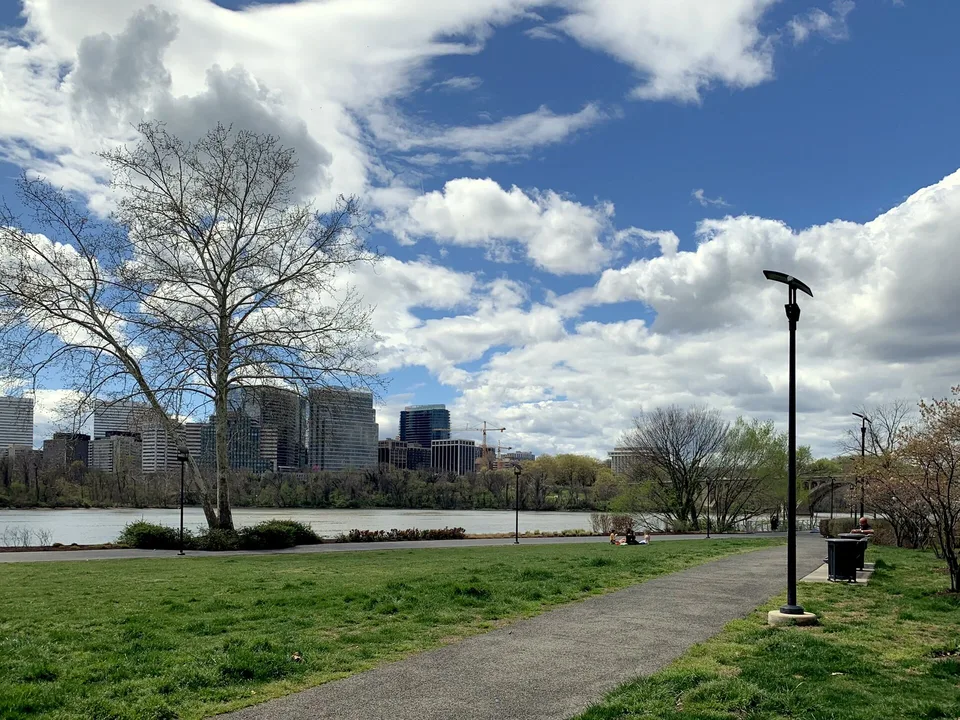
The metropolitan region gives visitors and prospective residents further choices, but crossing its boundaries changes more than the name on a hotel booking. The Georgetown photograph looks across the Potomac towards Rosslyn in Virginia. A home across the river should be assessed through its actual commute and local services, with its own housing rules rather than D.C.’s tenant protections.
For aviation interests, compare a visit to the separate Udvar-Hazy Center in Chantilly with time at the Washington Air and Space Museum; check its own access and transport information. For a broader American history trip, VisaWand’s completed Philadelphia guide offers another city to consider. Choose additional destinations after the core Washington days are workable. The capital rewards a few well-planned visits, enough time on foot and attention to the neighbourhoods that make it function as a place to live.
Official planning resources
Reviewed 13 October 2026. Use the official resources linked throughout this guide for admission, transport, housing and immigration decisions. Prices, services and rules can change; confirm the details relevant to your dates. Photography illustrates the locations and is not a live view.
View all official resources
- Library of Congress primary documents on the capital’s location
- District government history of slavery and emancipation
- Capitol Hill neighbourhood visitor information
- Georgetown shops, streets and waterfront visitor information
- Dupont Circle neighbourhood visitor information
- National Mall maps, memorials and visitor planning
- Washington Monument tickets, reservation charges and access rules
- Natural History Museum entry, hours, security and accessibility
- Air and Space Museum D.C. timed passes and current gallery access
- Free Capitol guided tours and reservation information
- Capitol operating days, holidays and accessibility
- Capitol security restrictions and medical or childcare exceptions
- Reagan National terminal connections to Metro
- Dulles Silver Line station and terminal tunnel
- BWI airport rail-station shuttle and Washington connections
- MARC Penn Line current timetable
- MARC ticket and fare information
- Current Metro rail, bus and child fares
- Metro contactless payment and SmarTrip distinctions
- Metro pass prices, activation and operating-day validity
- Eastern Market address, indoor and outdoor hours
- National Weather Service Washington climate information
- Official cherry-blossom bloom monitoring and uncertainty
- D.C. calendar-year 2026 rental application-fee cap
- Current D.C. Tenant Bill of Rights and revised official document
- Office of the Tenant Advocate assistance and resources
- DC Water owner and tenant account responsibilities
- Current DCPS in-boundary school lookup and K–12 rights
- Current DCPS enrolment and residency documentation
- D.C. library card eligibility and address verification
- Official visitor visa purposes and applications
- Visa Waiver Program and ESTA eligibility
- Official temporary worker visa categories and petitions
- Official student visa and school requirements
- Official permanent immigration categories
- Pepco electricity account and service information
- Washington Gas start-and-stop service requirements
Plan the next part of your journey
Explore the United States guide, browse other cities or compare consultants for your travel and relocation questions.