Visa
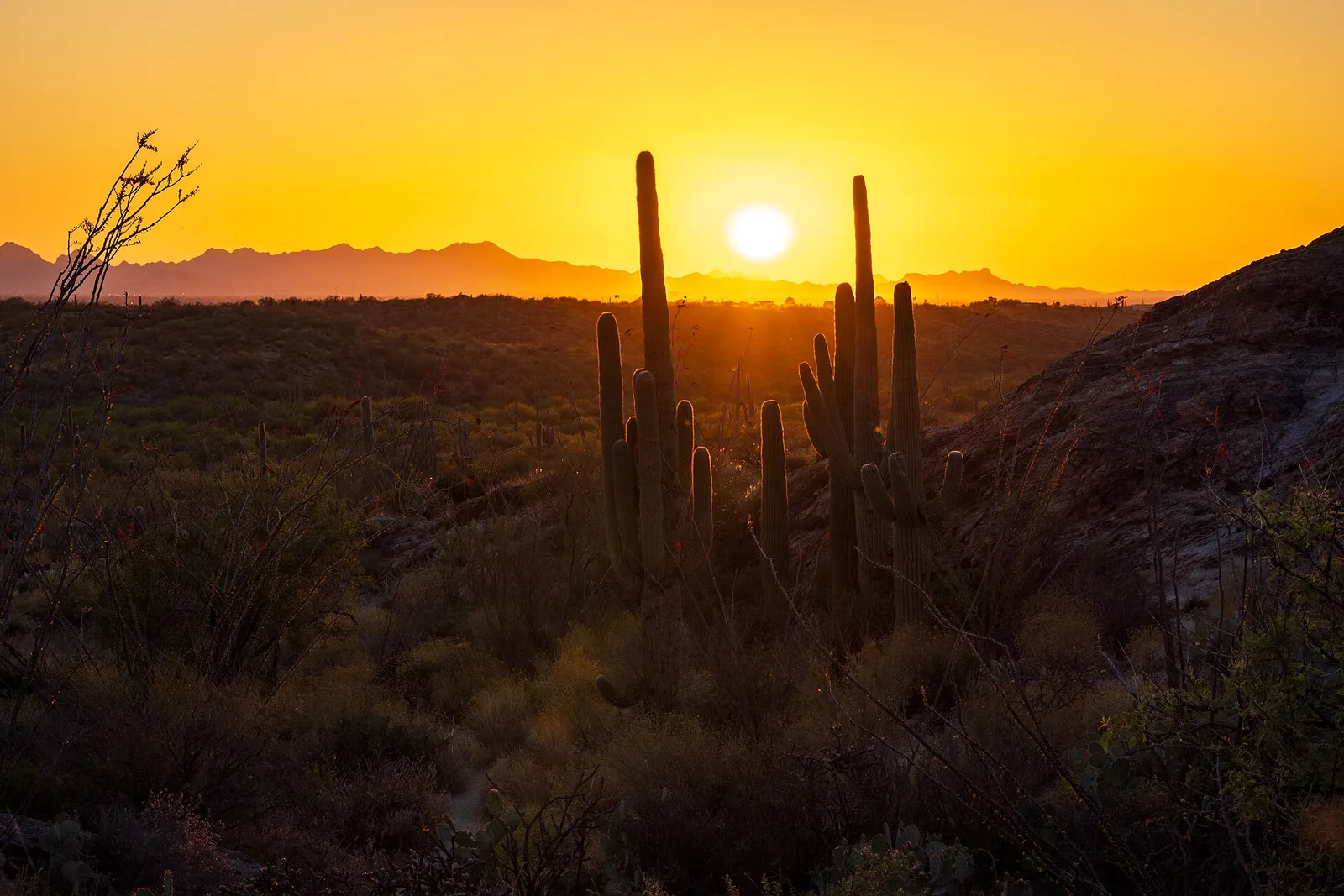
Tucson between city streets and desert landscapes
Tucson asks visitors to plan two different kinds of day. Downtown and the historic districts offer streets, cultural stops and meals that can be grouped together. Desert outings need another calculation: the right entrance, transport, conditions and enough time to return. A successful visit connects those settings without assuming that every attraction belongs to a compact urban circuit.
For someone considering a move, the same distinction becomes an everyday question. A home, workplace and regular shopping trip may involve different journeys from those in a sightseeing itinerary. Reserve time to investigate actual addresses and services alongside the desert scenery. A memorable holiday can introduce Tucson, but an ordinary weekday provides more useful evidence for choosing a home.
Saguaro National Park: choose the district before leaving
Saguaro National Park's entrance information distinguishes the Tucson Mountain District to the west from the Rincon Mountain District to the east. The published standard private-vehicle admission is $25, valid for seven days and covering both districts. Individual entry on foot or bicycle is $15 for people aged 16 and over. The park does not accept cash, so prepare an appropriate payment method before arrival.
Decide which district fits the day before choosing a drive or walk. Admission covering both does not mean their entrances are interchangeable or that seeing both is necessary on a short visit. Check the selected district's directions, current alerts and trail information, then build the outing around the conditions and your party's abilities. Keep water and the return journey in the plan rather than adding them as afterthoughts.
The National Park Service's current pass rules are particularly relevant to international visitors. Its 2026 information distinguishes resident and nonresident annual passes and limits fee-free days to qualifying US citizens and residents. Saguaro is not among the parks named for the additional $100 nonresident charge. Read the current rules for the particular parks on your itinerary; an older nationwide pass price or another park's surcharge is an unreliable basis for this trip's budget.
The Desert Museum is largely an outdoor visit
The Arizona-Sonora Desert Museum's admission page lists general admission for ages 13–64 at $29.95 and youth admission for ages 3–12 at $24.95. Children aged two and under enter free. Discount categories have their own conditions; read the current terms before calculating a household total. The museum combines living desert landscapes and animal exhibits with interpretive experiences, so it deserves more than a hurried stop between photographs.
The museum's visitor guidance says that 85% of the experience is outdoors and warns that limited mobile reception can complicate a rideshare return. Arrange the journey home before arriving, especially if someone else is driving you there. A vehicle dropping you at the entrance does not establish that another will be readily available later.
Comfortable walking footwear, suitable clothing and access to water matter here. The museum provides drinking fountains and refill stations, while outside food and beverages are restricted. There is a picnic ramada near the entrance; check the rules before bringing a meal. Pets are not permitted on the grounds, with service animals addressed separately. Discuss specific mobility needs with the operator and consult its access information rather than assuming the terrain will suit every visitor.
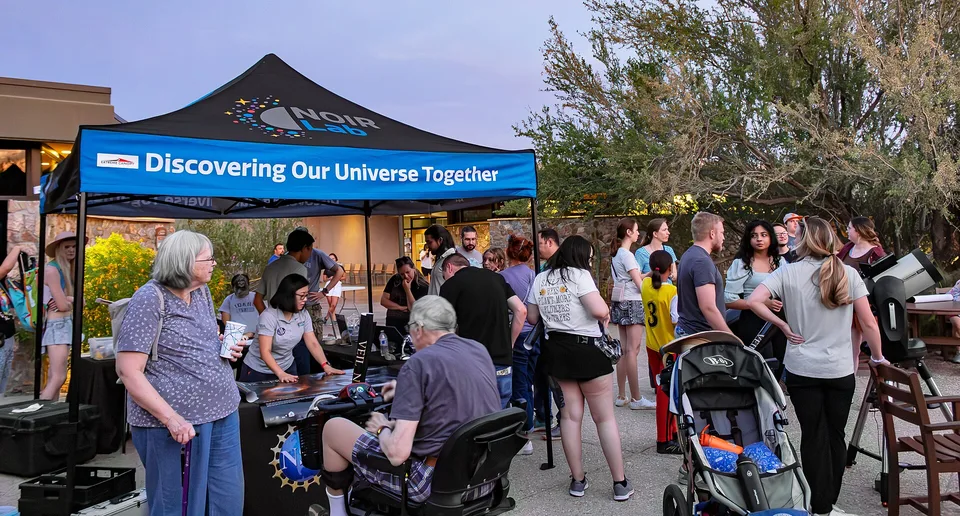
Fare-free transit and the airport connection
The Sun Tran fares page states that Sun Tran, Sun Link, Sun Van, Sun On Demand, Sun Express and Sun Shuttle remain fare-free under the Mayor and Council's direction. That is current operating information rather than a promise about future policy. Use the operator's route information and notices for the day you intend to travel.
The airport's public-transit information identifies Routes 11 and 25 as airport services. Check the current operator timetable and stop details against your destination before relying on the airport's broader route descriptions. Your arrival time, luggage and the final walk to accommodation can make a direct vehicle transfer more practical than a bus journey with changes.
For a prospective resident, test the trip at the time you would actually start and finish work. Include groceries, school commitments and the return after an evening appointment. Free fares can help a budget, but journey duration and service availability still determine whether an address works. Establish any eligibility or reservation requirements for a specialist service separately; a fare-free policy does not remove them.
Housing decisions beyond the advertised rent
Begin a Tucson housing search with the places you will need regularly: work, groceries, school or care commitments. Put the actual addresses on a map and test the journeys at the relevant hours. A neighbourhood's visitor appeal is useful context, but it cannot establish whether a particular home fits an ordinary week.
Compare the total recurring cost rather than rent alone. Ask who pays electricity, water and any other services, whether charges are individually metered, and what parking or pet arrangements cost. Obtain the deposit, application charges and lease terms in writing. Inspect the cooling system, windows, plumbing and appliances, and record the condition at handover. These details help distinguish two offers that appear similar in a listing.
Arizona's official Residential Landlord and Tenant Act resources provide the state-specific starting point for understanding rights and obligations in standard rental housing. Read the current material and seek qualified help with a disputed clause or serious problem. Do not assume another state's deposit, repair or termination rules apply to a Tucson tenancy.
For a newcomer, temporary accommodation can provide time to view properties and establish transport before committing to a longer lease. Allow for that transition expense and initial household purchases. A relocation budget needs both the costs of getting settled and the amount required for a sustainable ordinary month.
Electricity, water and the first week at home
Tucson Electric Power's moving resource separates starting service, stopping it and transferring between addresses through My Account. Choose the process matching your circumstances and establish the proposed service date before arrival. Someone opening an account for the first time should confirm the identifying information, any deposit and the service available at the property directly with the provider.
Ask the owner or manager which household services are included in the tenancy and which require separate accounts. Tucson Water's customer-service resource provides a starting point for water-service enquiries. Verify the supplier and billing arrangement for the particular address; a Tucson mailing description alone is insufficient evidence that every service comes from the same provider.
Cooling, internet, laundry and grocery access deserve practical checks before the household arrives. Ask for available usage information and examine the equipment rather than accepting a single estimated utility bill as typical for all seasons. Confirm internet service at the unit if work or study depends on it, and leave time for setup appointments. These details can change the affordability of a home whose advertised rent initially looks suitable.
A Presidio visit with the longer history in view
The Presidio Museum's own account describes the museum as a re-creation of the fort built in 1775. Treat that date as part of Tucson's colonial history, rather than the beginning of human settlement. The museum also interprets archaeological remains, offering a way to investigate the area's longer past alongside the reconstructed setting.
Its current visitor information lists the location at 196 North Court Avenue. October–April hours are Tuesday–Sunday, 10am–4pm, with last admission at 3.30pm; summer arrangements differ substantially, including a seasonal closure. Check the calendar against your dates. General admission is $9 for adults and $6 for children aged 6–13, with younger children free. Children must be accompanied by an adult.
Select a self-guided visit, a scheduled tour or an event around your interests, reading the particular booking conditions rather than assuming general admission reserves a workshop. Allow time to connect the visit with nearby streets and a meal. Historical interpretation works better when there is space to read and ask questions than when the museum is treated as a brief stop before a distant desert outing.
Downtown, Fourth Avenue and Barrio Viejo
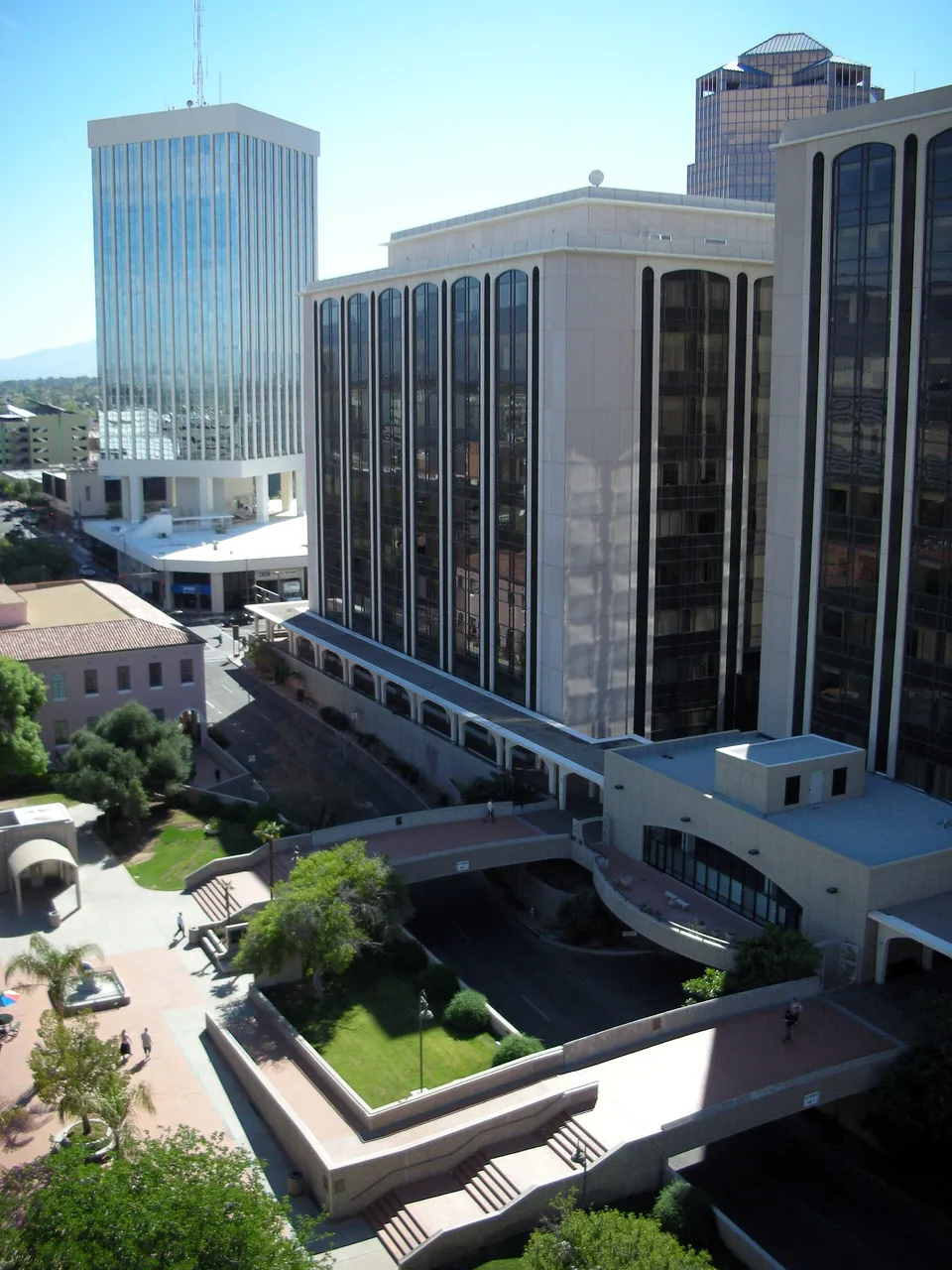
Tucson's central districts reward separate attention. Use the official downtown visitor information for cultural stops and meals, then compare the journey to the next district. A central address can simplify a day of urban visits without establishing easy access to every attraction outside the centre.
The Fourth Avenue district's own information places it northeast of and adjacent to downtown, with the West University Historic District to its north. Investigate shops and dining along the district as an outing in its own right, checking the individual businesses you want to visit. An appealing shopping street is a useful visitor experience; household grocery access and a work commute need their own assessment.
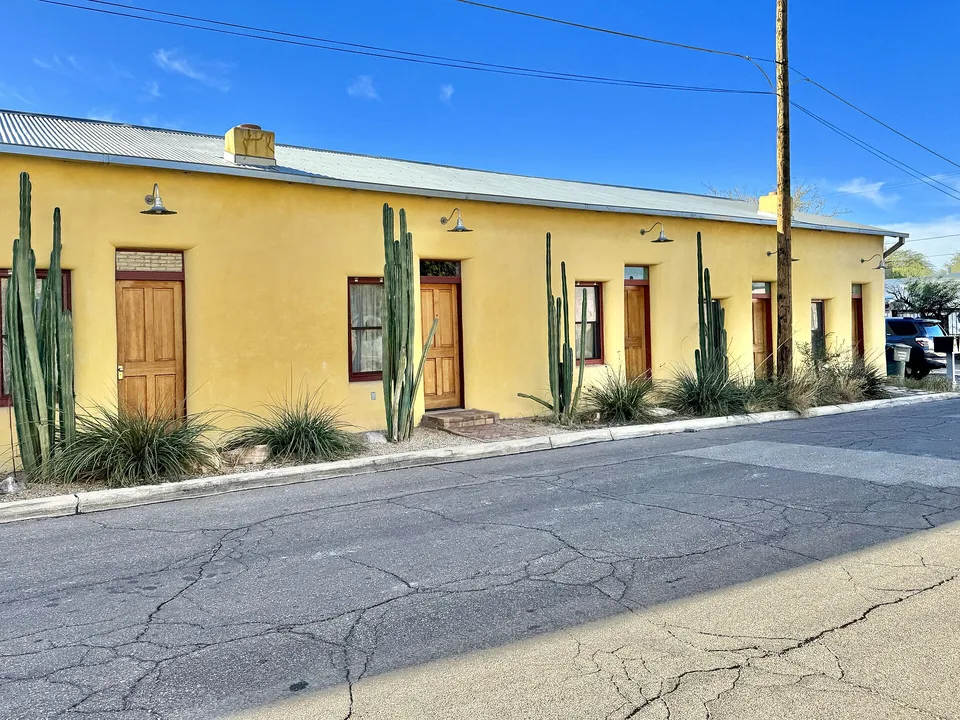
Barrio Viejo's official visitor page introduces the area's nineteenth-century adobe buildings and walking-tour possibilities. Look at the streets with respect for their continuing residential use. Stay on public routes, avoid obstructing entrances and establish any photography restrictions at individual places. A neighbourhood's architecture should be appreciated alongside the people and purposes that occupy it today.
Choose accommodation around the days you intend to have
The tourism board's hotel and motel information distinguishes downtown stays from accommodation near the University of Arizona and Main Gate Square. Use those areas as starting points, then compare the actual property with your activities. A downtown base can suit central cultural visits and evening plans; an address near campus may simplify a university-focused trip. Desert attractions require their own transport calculation from either.
Compare complete quotes for the dates, including applicable charges, parking and cancellation conditions. For a longer stay, establish laundry, cooking facilities and grocery access. Ask directly about accessibility, including the route from arrival to the room, rather than relying only on a general amenity description.
If considering relocation, choose temporary accommodation around housing appointments and a realistic commuting test. Visitor convenience and residential suitability answer different questions. A room with useful sightseeing connections can introduce the city, while a separate weekday spent investigating the intended workplace and residential area can expose the practical details that influence a longer commitment.
Seasons, heat and a flexible outdoor plan
Tucson's seasonal conditions should determine the day's shape. Compare cooler-season dates if extensive walking is the main purpose, and read the forecast for the actual visit rather than assuming every desert day will be alike. Summer requires a more deliberate balance between short outdoor periods and indoor or shaded activities.
The National Weather Service's Tucson monsoon guidance defines the regional season as June 15–September 30 and explains that storms can bring lightning, strong winds, dust and flash flooding. This calendar period is not a promise of rain on any chosen day. Monitor current warnings and let conditions change the itinerary, especially before driving to or walking through exposed areas.
The service advises moving strenuous outdoor activity to cooler hours, particularly early morning. Read the park's hiking-safety information before selecting a route and keep the walk within the group's abilities. Water, suitable clothing and a realistic return plan are part of the outing. A shorter route can still require preparation; an appealing photograph of a trail does not establish that it is suitable in today's conditions.
For relocation, ask how the dwelling is cooled and how that equipment performs during the more humid monsoon period. Examine the actual system and its maintenance arrangements, alongside likely seasonal electricity use. A winter scouting trip can reveal many aspects of a neighbourhood, but it leaves summer comfort and costs as separate questions to investigate.
School registration and routine healthcare
Families can start with Tucson Unified's current ParentVUE guidance, which links enrolment options and online-registration help. One practical detail matters: online registration is completed through the web version of ParentVUE, not through its mobile app. A browser on a phone or computer can be used. Establish the relevant school and account process directly with the district before relying on an assumed placement.
Check which district serves the prospective address, what records are needed for a transfer and how the school journey would work. Discuss language, learning or other support requirements with the school rather than inferring them from a neighbourhood description. School hours and any before- or after-school provision affect a household's realistic commuting plan.
Healthcare also needs an address and coverage check. Compare the insurance available through work, study or an individual plan, including its provider network, prescriptions and appointment arrangements. Visitors should read the duration and exclusions of travel cover; residents need a policy appropriate to their circumstances. A nearby hospital does not establish that routine care is covered there. Keep these enquiries in the relocation plan alongside housing and utilities.
Food, shopping and a budget based on the chosen day
Tucson's official gastronomy information connects the city's food culture with Indigenous traditions, regional agriculture and the Sonoran borderlands. Its UNESCO designation is a reason to investigate that heritage, rather than a guarantee about every restaurant. Explore current menus and the ingredients that interest you, allowing meals to form part of the visit rather than treating them solely as gaps between attractions.
The tourism board's Sonoran hot dog trail offers one way to investigate a regional speciality. Check the actual business's location, opening hours and preparation before travelling for it. Dietary restrictions and allergies need a direct conversation; a dish name does not establish every ingredient or whether an alternative is available.
Budget from the meals, tickets and transport you intend to use. Park and museum prices provide useful reference points, while room rates, vehicle hire and restaurant bills require current quotes or menus. Include applicable taxes, intended tips and parking where relevant. Fare-free city transport can help, but an outing beyond its useful reach still needs a separate journey plan and cost.
Allow some shopping time in a district you already plan to visit, rather than crossing the city for a business mentioned in an old list. Compare prices and the practicalities of carrying purchases home. A grocery stop can simplify breakfasts during a longer stay, provided that the accommodation has suitable facilities and the return journey is manageable.
Three days with separate city and desert priorities
Use this sequence as an adaptable starting point, matching each outing to opening days and current conditions. A shorter selection can leave enough time to understand a place rather than repeatedly travelling to the next entrance.
Day one: explore downtown and plan a Presidio Museum visit during its seasonal hours. Choose a nearby meal, then investigate Fourth Avenue or Barrio Viejo according to your interests and walking tolerance. Check any tour booking separately. Leave room for the streets themselves instead of fitting the museum between two distant appointments.
Day two: make the Arizona-Sonora Desert Museum the main outing. Arrange arrival and return transport beforehand, and allow time for its outdoor paths, exhibits and pauses. Read the programme for any activity you particularly want to see. The visit should fit the conditions; a paid ticket does not require you to remain outdoors longer than is comfortable.
Day three: select one Saguaro National Park district, using the official directions and current trail information. Choose a manageable walk or scenic visit, with time for water, rest and the return. Seeing both districts is optional, especially on a short stay. In unsuitable conditions, move this outing or replace it with an indoor cultural visit.
Someone considering relocation should add another weekday for property visits, a trial commute and service enquiries. Those tasks need appointments and ordinary operating hours, so they should not be hidden inside an already full sightseeing programme.
Visiting, working, studying and permanent relocation
Tucson follows United States immigration rules. Start with the purpose of the proposed stay, then establish the appropriate official process for your nationality and circumstances. The State Department's visitor-visa guidance distinguishes temporary tourism and qualifying business visits from activities requiring other permission. A holiday booking or lease does not authorise employment or permanent residence.
Eligible Visa Waiver Program travellers generally visit for business or tourism for up to 90 days, with the applicable travel authorisation. Consult official ESTA information and check the requirements against your passport and circumstances. Approval to travel does not guarantee admission, and repeated short visits should not be treated as a substitute for a residence route.
For employment, study or a permanent move, read the relevant official category guidance before committing to a job start, course or tenancy that depends on permission. Individual eligibility, documents and the application process can differ. Use USCIS resources and the relevant consular instructions, seeking appropriately qualified assistance where needed.
VisaWand's United States country guide provides wider planning context, while its consultant listings can help identify professional support. Compare qualifications, written scope and fees before engaging an adviser. Keep official application resources at the centre of the immigration decision and assess the practical suitability of Tucson housing and transport as a separate part of the move.
Regional places and another Arizona city to compare
South Tucson's municipal website identifies a separate city, an important distinction when reading regional accommodation or housing descriptions. Do not assume that information about Tucson municipal services applies to an address there. Establish the relevant local authority, school district and supplier before making a residential decision.
The tourism board's Southern Arizona visitor information provides a starting point for considering outings beyond the metro area. Choose a destination around the time available and the actual transport, rather than treating a regional attraction list as a collection of nearby stops. Check the operator, access conditions and journey home for the selected place before adding it to the calendar.
For a broader Arizona comparison, VisaWand's Phoenix guide covers another substantial urban destination. Compare the practical purpose of each stay: a desert outing, a particular workplace, a course or a longer exploration of city life. One city's accommodation and transport patterns should not be treated as a substitute for researching the other.
Before committing to the trip
Keep a short list of the decisions that still depend on the dates. Confirm accommodation terms, museum opening days, the selected park district and each onward journey. Read the latest weather and operator notices shortly before departure, then adjust the order of activities where needed.
For a move, add the housing agreement, service start dates, school enquiries and insurance arrangements to that list. Keep dated written confirmations together so the household can distinguish what is booked from what is still being investigated. This turns an appealing location into a plan that can work on arrival.
Official planning resources
Reviewed 13 October 2026. Use the official resources linked throughout this guide for admission, transport, housing and immigration decisions. Prices, services and rules can change; confirm the details relevant to your dates. Photography illustrates the locations and is not a live view.
View all official resources
- Tucson Airport public bus connections
- Official Barrio Viejo visitor information
- Official downtown Tucson visitor information
- Tucson Electric Power start, stop and transfer service
- CBP official ESTA information
- Fourth Avenue business district information
- Official Tucson gastronomy heritage
- Official Tucson hotel and motel information
- National Weather Service Tucson monsoon guidance
- Desert Museum visitor rules and return transport
- Desert Museum admission prices and hours
- Current National Park Service pass rules
- Saguaro National Park district entrance fees
- Saguaro hiking safety information
- Presidio Museum historical interpretation
- Presidio Museum seasonal hours and admission
- Official Southern Arizona visitor information
- Tucson Unified online-registration guidance
- Official Sonoran hot dog trail
- City of South Tucson municipal resources
- Arizona official residential tenant resources
- Sun Tran current fare-free services
- US Citizenship and Immigration Services
- Official US visitor-visa requirements
- Tucson Water customer-service resources
Plan the next part of your journey
Explore the United States guide, browse other cities or compare consultants for your travel and relocation questions.