Visa

Louisville beyond Derby weekend
Louisville rewards a visit that leaves room between the headline attractions. A factory tour explains how a baseball bat becomes a sporting object; the Muhammad Ali Center follows a hometown athlete into questions of conviction and public service. Along the Ohio River, a former railway bridge offers another perspective on a city whose identity has always involved movement.
Bourbon and horse racing are substantial reasons to come, but neither is compulsory. Architecture, museums and neighbourhood meals can carry a first trip without a tasting reservation or a race ticket. The practical challenge is arranging these interests geographically: the riverfront museum district and Churchill Downs belong to different parts of the city.
For a prospective resident, that same distinction matters more than the postcard view. Test the journey between an actual home and workplace, understand the utility arrangements, and investigate services before committing to a lease. This guide treats a holiday and a move as different decisions.
Kentucky, Indiana and the meaning of Louisville
Louisville is in Kentucky, on the Ohio River opposite Southern Indiana. Crossing the river takes you into another state, rather than another Louisville neighbourhood. Jeffersonville, Clarksville and New Albany are useful places to explore or compare, but their addresses, public services and local authorities should be checked independently.
The Louisville Metro Council dates from the 2003 merger of the city and Jefferson County. A Louisville postal address is therefore only the beginning of understanding a property. Establish its jurisdiction and the services attached to that address, particularly when comparing the central city with suburban municipalities.
Use the official city and downtown maps to build a realistic mental picture before booking. A compact museum walk does not establish that every hotel, attraction or residential district is within walking distance. For newcomers, the useful geography is the map of daily journeys: employment, groceries, school, healthcare and the route home after an evening shift.
A river city with several histories
Louisville's recorded founding dates to 1778. Its name honours Louis XVI of France, whose support for the American colonies is explained in the municipal historical timeline. These are starting points for understanding the city, rather than a complete account of the people who lived in the region before its establishment.
Today's visitor encounters several overlapping stories: river commerce, manufacturing, Victorian residential architecture, bourbon production and organised sport. The museums make some of those connections tangible. A bat factory is also a manufacturing workplace; a distillery tour is an introduction to a production process as well as a tasting opportunity.
Allow the Muhammad Ali Center to broaden that account. Its exhibits address the athlete's Louisville childhood, boxing career, opposition to the Vietnam War and humanitarian work. Looking beyond the trophies gives the visit more substance. History here is most useful when it explains how the city developed, and whose experiences its institutions choose to examine.
Downtown, Museum Row and Whiskey Row
Downtown works well as a first base when museums and the riverfront are the main priorities. The tourism authority distinguishes Museum Row, Whiskey Row and South Fourth Street within the central area. They provide different combinations of attractions, dining and accommodation; a hotel's precise street matters more than a broad downtown label.
Start with the Louisville Slugger Museum and the Ali Center if those subjects appeal, then decide whether another admission improves the day or simply crowds it.
Whiskey Row is particularly convenient for an organised bourbon visit at Old Forester. Reserve the experience you actually want and check its starting time before committing to dinner elsewhere. Walkable proximity is useful, but arriving late can still cost you a tour.
NuLu, Butchertown and a neighbourhood afternoon
NuLu, short for New Louisville, is centred around East Market Street immediately east of downtown. The tourism authority's neighbourhood information identifies its independent shops, restaurants, bourbon experiences and hotels. It is a sensible district to investigate when an afternoon of browsing and eating matters as much as formal sightseeing.
Nearby Butchertown adds another setting for local businesses and entertainment. Use the official maps to connect the places you select rather than assuming every advertised venue is next door.
For accommodation, compare the exact property against your evening plans. Establish whether the room faces a busy street, whether parking is included, and how you will reach the museums or racetrack. For a longer stay, make a separate grocery and transport check: an appealing restaurant district does not answer every household question.
Old Louisville, the Highlands and residential character
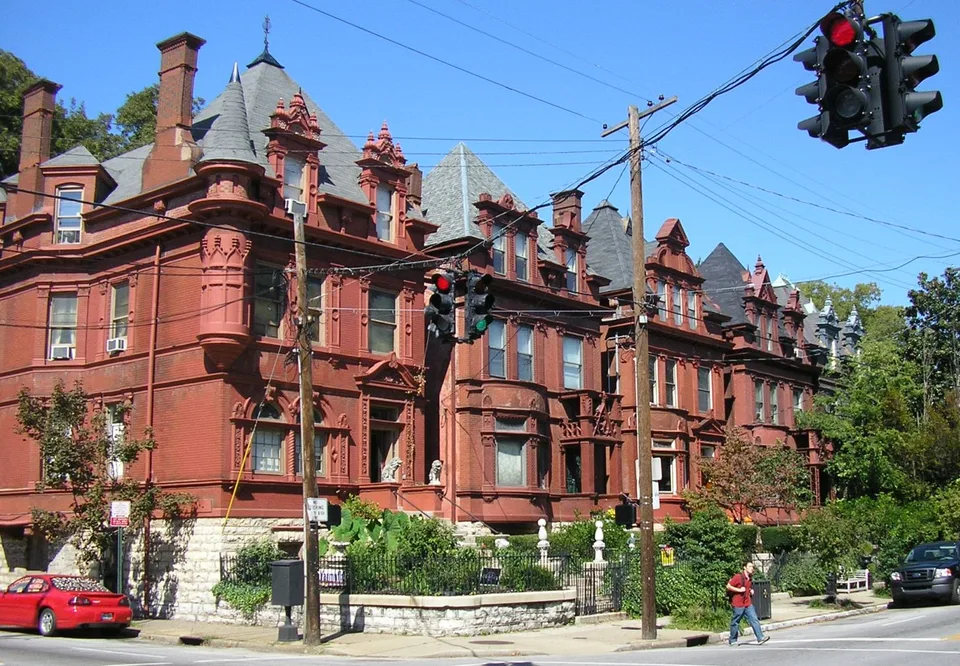
Old Louisville offers Victorian architecture and tree-lined residential streets. Explore it for the buildings and streetscape, with consideration for people who live there. A photograph of an attractive house is not evidence that it is open to visitors; book a specific tour if entering a historic property is your aim.
The Highlands concentrates restaurants, shops and nightlife along Bardstown Road and Baxter Avenue. Clifton and Crescent Hill provide further dining and shopping around Frankfort Avenue, while Germantown and Schnitzelburg offer another residential setting. Pick one district for an unhurried outing rather than trying to sample them all in a single evening.
When investigating a move, revisit an attractive street during an ordinary working day. Check the walk to a bus stop, crossings, parking arrangements and the nearest everyday shops. Ask how the dwelling is heated and cooled. Architectural character can be a reason to choose a neighbourhood, but the condition of an individual home determines its comfort.
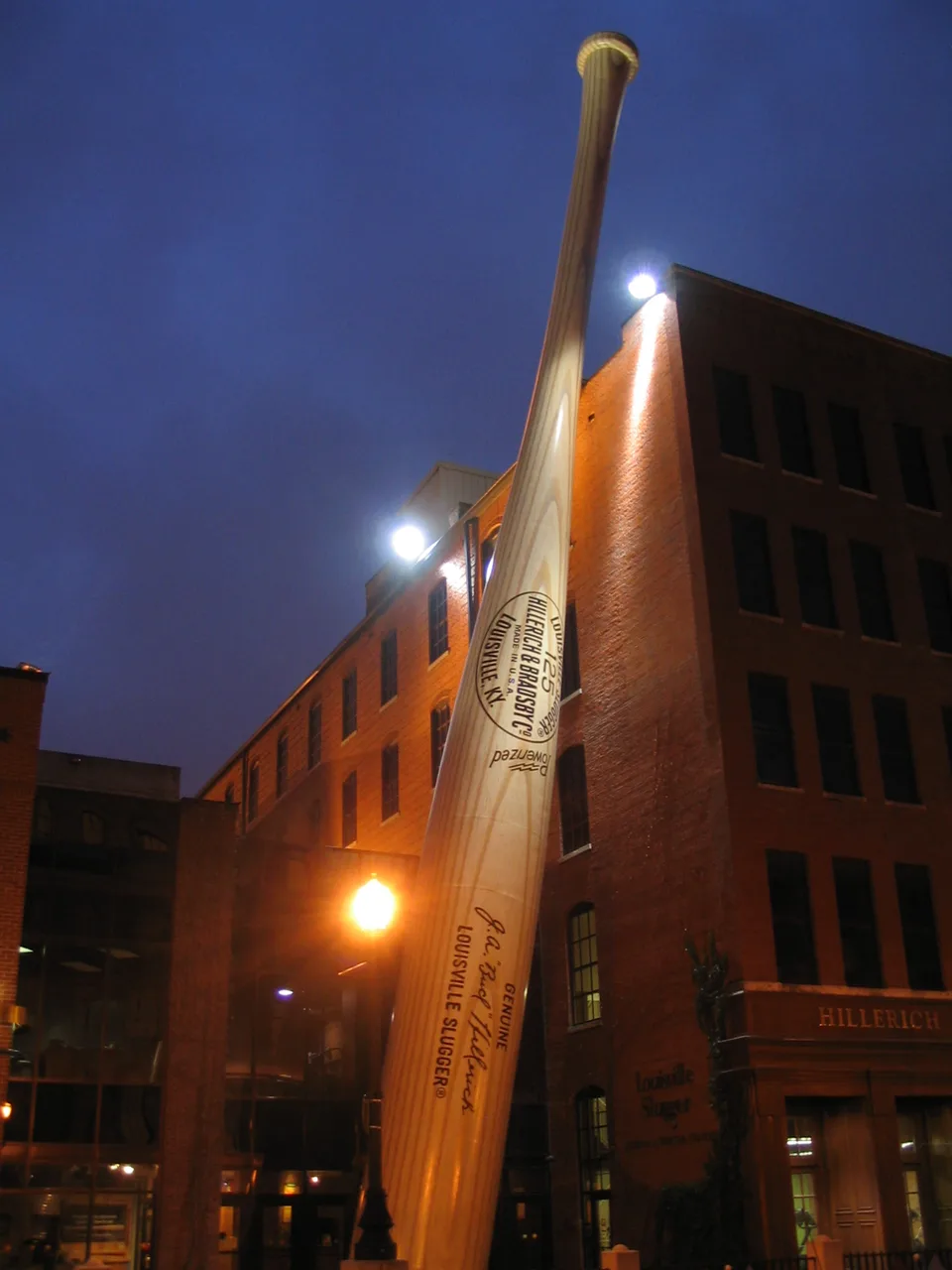
Louisville Slugger: reserve the factory tour
The Louisville Slugger Museum & Factory combines baseball exhibits with a guided factory visit. Standard admission includes a souvenir mini bat after the factory tour. Reserve a timed ticket ahead of arrival, particularly when a short stay gives you little flexibility to return later.
The published standard prices are $24 for ages 13–59, $23 for visitors aged 60 and over, and $16 for children aged 6–12; children aged five and under enter free. Regular opening is Monday–Saturday, 9am–5pm, and Sunday, 10am–4pm. Holiday closures and the selected tour slot still need checking.
Read the operator's ticket choices carefully. The museum-and-factory experience differs from bourbon blending or a combined package, which has separate age conditions. Buying the standard museum ticket does not automatically buy a tasting. Choose around the interests of your party, and leave a little room in your luggage if the included miniature bat is coming home.
Muhammad Ali Center: leave time for the ideas
The Muhammad Ali Center uses films, exhibits and interactive experiences to explore Ali's life inside and outside boxing. His childhood, sporting achievements, beliefs and humanitarian work make this a cultural visit with an audience wider than committed sports followers.
General admission is $20 for adults, $17 for visitors aged 60 and over, and $10 for children aged 6–17; children under six enter free. Certain temporary exhibitions can carry an additional charge. Local-resident, student and military discounts require the stated evidence, so do not count them in a visitor budget without checking eligibility.
The regular schedule is Wednesday–Sunday, 10am–5pm, with last entry at 4.15pm. Monday and Tuesday are closed, and the exceptions calendar matters. An afternoon arrival near the cutoff leaves little space for a thoughtful visit. Put this museum earlier in the day if it is a principal reason for travelling, and adjust a Monday–Tuesday stay accordingly.
Churchill Downs and the Derby Museum are different tickets
The Kentucky Derby Museum at 704 Central Avenue introduces racing history through two floors of exhibits, an immersive film and a guided visit to Churchill Downs. Its general-admission page lists prices starting at $20 for adults aged 13–64, $18 for seniors aged 65 and over, and $12 for children aged 5–12; younger children enter free.
Those are starting prices, so check the actual date and selected experience before budgeting. The included track visit should not be mistaken for a ticket to watch a racing programme. The museum's visitor information explicitly separates its admission from racing admission at Churchill Downs.
If live racing is the objective, consult the racetrack calendar and buy the appropriate event ticket. Museum access, racing access and special tours answer different interests. Choose first, then organise transport to the south of downtown. A visitor who mainly wants historical context may prefer the museum; a racegoer needs to plan around the event's own entry arrangements.
Bourbon visits without treating every tour alike
A distillery visit can explain fermentation, distillation and barrel work, but booking conditions vary by operator. At Old Forester, the standard tour typically lasts 70–75 minutes; which production areas are active depends on the day's operations. A working facility should not be presented as a guaranteed demonstration of every process.
Children may join a supervised tour there, while tastings require age 21 or over and government-issued photo identification. Tasting-only experiences and George's Bar have their own adult restrictions. The distillery normally opens Tuesday–Saturday and closes Sunday and Monday, with holiday exceptions.
Reserve ahead, arrive early, and arrange the return journey before drinking. The operator offers an accessible tour experience; contact it about your particular needs. Check the cancellation terms when booking, especially for groups. One considered tour can be enough for a first visit. Travellers uninterested in alcohol can give that time to museums, architecture or the river without losing the purpose of the trip.
Waterfront Park and the crossing into Indiana
Waterfront Park provides lawns, paths and a riverside setting for time outside the museums. The Big Four Bridge connects the Louisville side with Jeffersonville, Indiana, for pedestrians and cyclists. Treat it as an outing with a return journey, especially when travelling with children or someone who needs regular breaks.
The park's published rules set general opening at 6am–11pm. Pets must be leashed in the park, but pets are prohibited on the bridge and its ramp except for service animals. Electric scooters and other motor vehicles are prohibited there; personal mobility scooters and motorised wheelchairs are permitted.
Weather can alter the experience. The park's winter guidance explains that paths and the bridge ramp are not treated with salt or chemicals, so ice needs particular attention. Keep an indoor alternative rather than making the crossing compulsory. Check access notices before departure, and follow the posted rules where individual park facilities differ.

Choosing accommodation by the trip you want
Begin with the official visitor-information site and compare central hotels, neighbourhood properties and airport-area accommodation against the places you intend to visit. Downtown is convenient for the museum district; a property near the airport may make an early departure easier while adding journeys to a sightseeing day.
Price the complete stay. Ask about parking, taxes, breakfast, cancellation deadlines and any temporary authorisation on your payment card. A lower room rate can lose its advantage if every outing requires a paid ride. Conversely, a central room is not automatically the best answer for a traveller whose plans concentrate elsewhere.
Confirm specific accessibility requirements directly: entrance steps, lift access, bathroom layout and the route from parking to reception. Families should check bed arrangements rather than relying on a room's occupancy label. If relocating, use an initial short stay to investigate homes and commuting; avoid treating a holiday booking as proof that a neighbourhood will suit everyday life.
Airport arrivals: older bus advice is obsolete
Louisville Muhammad Ali International Airport uses the code SDF. Its current ground-transport page places taxis at the commercial curb outside baggage claim and Uber and Lyft pickups on the baggage-claim level, west side of the terminal. Rental cars and hotel courtesy vans provide other possibilities; confirm your hotel's service rather than assuming one is included.
There is a consequential change for travellers following older guides. TARC's new network began on August 2, 2026, and its official route-comparison table marks the passenger airport as an area no longer served. Historical advice to take Route 2 therefore should not determine an arrival plan.
Budget for an actual available transfer and inspect the fare before accepting a ride. Services to UPS employment locations are not evidence of service to the passenger terminal. TARC3 accessibility transport has eligibility and reservation requirements; it should not be described as an ordinary walk-up airport bus. Allow flexibility for flight delays and luggage collection.
Using the revised TARC network
The current TARC routes and schedules replace older route numbers and stop patterns. Route 1 follows the Broadway–Bardstown corridor, while Route 4 links downtown with Old Louisville, the university area and Churchill Downs. Check the precise branch, stop and timetable for your journey; a route's broad service area does not establish door-to-door convenience.
The standard local fare is $2.25. Cash requires exact change and does not include transfers. MyTARC mobile or card stored-value payment includes transfers within two hours of initial boarding. The published passes cost $5 for 24 hours, $25 for seven days and $75 for 30 days, starting with first use.
Compare passes with the journeys you will actually make. For a prospective resident, test the route at the hour you would commute, including a late finish or weekend shift. Check the last useful return bus before an evening out. A more frequent central corridor does not guarantee the same frequency near every home.
Food, shopping and a practical spending plan
Louisville's food choices are part of exploring its districts. Select a restaurant near the day's last activity instead of building an expensive cross-city journey around an unverified recommendation. Check the current menu, booking conditions and dietary options directly, particularly when a party needs several different choices.
The Brown Hotel identifies the Hot Brown as a culinary tradition created there in the 1920s. Its official hotel information is a useful starting point for learning about the dish and finding current dining details. Treat it as one option rather than a compulsory meal for every visitor.
For shopping, decide whether you want neighbourhood browsing, museum souvenirs or everyday supplies. Allocate a separate allowance for admissions and transport before considering discretionary purchases. Quoted ticket prices are more dependable than an invented daily budget: hotels, meals and rides depend on your dates and choices. Combine paid attractions with a park visit or architecture walk, and keep room for a changed plan.
Seasons, weather and event dates
The National Weather Service's 1991–2020 normals show the contrast between seasons. At the main airport, July's normal daily high is about 32°C and low about 22°C; January is roughly 6°C and minus 2°C. October's corresponding figures are around 21°C and 10°C. These describe historical averages, not a forecast for your visit.
Summer plans benefit from water, indoor breaks and outdoor activities earlier or later in the day. Winter requires warmer layers and attention to icy paths. Spring and autumn can suit walking, but rain still belongs in the packing plan. Check a current forecast before deciding whether the riverfront should anchor a day.
Major events change the booking calculation. If attending racing, reserve around the confirmed programme. If the event is incidental, compare another week before accepting restrictive hotel terms. Keep your museum reservations and accommodation cancellation dates together so a weather or schedule change does not leave several disconnected commitments.
A realistic three-day first visit
This suggested plan suits a Wednesday–Saturday window better than a Monday–Tuesday visit because of the Ali Center and Old Forester schedules. Adjust it around actual ticket availability and your interests; it is an editorial itinerary, not a package sold by an operator.
Day one: start with the Ali Center, allow lunch and a break, then use the downtown museum area for a second attraction if energy permits. Finish with the riverfront when weather allows. Avoid booking two timed experiences so closely that a thoughtful museum visit becomes a race.
Day two: travel to the Derby Museum for the selected admission and track visit. Add live racing only with a separate confirmed ticket and sufficient time. Return to a neighbourhood of your choice for dinner.
Day three: take the reserved Slugger factory tour or a bourbon experience, then browse NuLu or explore Old Louisville. Choose the bridge crossing as an alternative outdoor outing, leaving time for the return and any airport transfer.
Moving: make the housing comparison concrete
Investigate a home through an ordinary week's needs. Map the commute, nearest groceries, healthcare options and school arrangements, then visit the building itself. Ask about heating, cooling, laundry, storage, internet availability, parking and the handling of repairs. A pleasant weekend district and a workable home are related questions, but neither settles the other.
Compare written rental terms and total monthly costs, including utilities and recurring fees. Record the property's condition at move-in and keep payment receipts. The city's tenant resources provide a starting point for habitability concerns and further assistance; obtain appropriate advice before taking action in a dispute.
Check the authority responsible for the exact address, especially when looking beyond the central city. Do not assume identical waste collection or other services throughout the wider region. A temporary stay can make these checks easier.
Utilities, schools and healthcare essentials
LG&E's residential service instructions explain how to start or transfer an account. The online requirements include Social Security numbers for account holders. Newcomers who do not have those documents should contact the provider about their circumstances rather than assume an alternative document will be accepted.
Louisville Water requires new customers to speak with a representative; existing customers can use its online system. It lists a $30 activation fee for new accounts and transfers, with a possible $100 deposit based on the utility credit assessment. Confirm what the landlord already supplies before opening duplicate accounts.
For children, use the JCPS registration and assignment resources to check the address and required evidence. Verify enrolment and transport arrangements directly. Healthcare needs another independent check: CMS's Kentucky health-coverage resources explain the state's insurance options, but moving does not automatically enrol a household. Examine eligibility, coverage dates and the providers included in a plan before relying on it.
Immigration and nearby alternatives
Visiting Louisville does not establish permission to work, study or settle. The official visitor-visa resource explains tourism and permitted visitor purposes; the Visa Waiver Program resource covers qualifying travel and ESTA. Eligibility depends on nationality and circumstances, and admission remains a decision for the authorities.
Employment and formal study require the appropriate arrangements. Start with the temporary-worker categories or student-visa instructions, while a permanent move needs a qualifying route described by the official immigration resources. A lease or property purchase does not grant immigration status. VisaWand's USA country guide and consultant directory can help organise further questions.
For a nearby alternative, consider Falls of the Ohio State Park in Clarksville, Indiana: exposure of the fossil beds depends on conditions, and collecting from the beds or riverbank is prohibited. Use the US location directory or USA consultant listings for further comparisons. For a different city comparison, explore the completed Nashville guide or Chicago guide. Judge each against your actual transport, housing and travel priorities.
Official planning resources
Reviewed 13 October 2026. Use the official resources linked throughout this guide for admission, transport, housing and immigration decisions. Prices, services and rules can change; confirm the details relevant to your dates. Photography illustrates the locations and is not a live view.
View all official resources
- Louisville Metro government and city–county merger
- Official downtown and city maps
- Municipal timeline of the city’s French namesake
- Official visitor and neighbourhood information
- Louisville Slugger tickets, prices and hours
- Museum, factory and separate experience tickets
- Muhammad Ali Center exhibitions and visit planning
- Ali Center admission prices and discounts
- Ali Center opening hours and exception dates
- Kentucky Derby Museum admission and inclusions
- Museum visitor information and racing-admission distinction
- Churchill Downs racing calendar and event information
- Old Forester tour rules, ages and accessibility
- Waterfront Park and Big Four Bridge rules
- Waterfront Park winter path conditions
- Official Louisville visitor-information site
- SDF current airport pickup and transport arrangements
- TARC new-network comparison and discontinued airport service
- TARC routes and schedules effective August 2026
- Current TARC fares, transfers and passes
- Brown Hotel dining and Hot Brown information
- National Weather Service historical Louisville climate normals
- City tenant resources and Legal Aid referrals
- LG&E residential utility accounts
- Louisville Water account setup, fees and deposits
- JCPS registration, address and school assignment
- CMS Kentucky health-coverage and consumer-assistance resources
- Official US visitor-visa purposes and applications
- Official Visa Waiver Program and ESTA information
- Official temporary-worker visa categories
- Official US student-visa instructions
- Official permanent-immigration resources
- Indiana DNR Falls of the Ohio visitor information
- Official downtown district information
- Official Old Louisville architecture and tour information
- Official NuLu neighbourhood and shopping information
Plan the next part of your journey
Explore the United States guide, browse other cities or compare consultants for your travel and relocation questions.