Visa
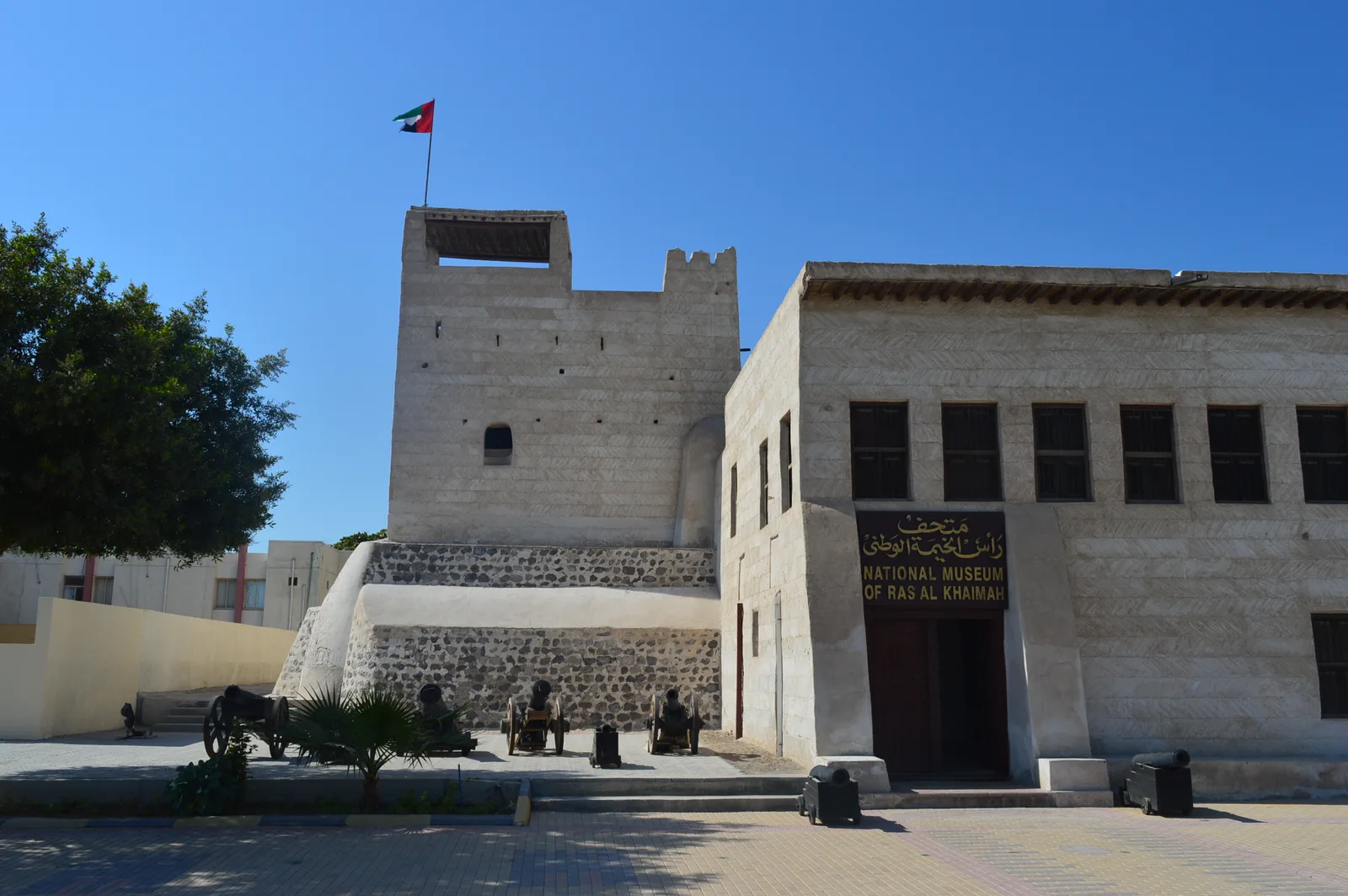
A city break with a wider landscape attached
Ras Al Khaimah makes more sense when you choose the holiday you want before choosing a hotel. The city offers a creek, mangrove edges, a fort museum and ordinary shopping streets. Farther afield, the emirate adds beach resorts, a former pearling village and mountain excursions. Those experiences share a destination name, but they do not share a compact, walkable centre.
Come for a few days if you want heritage and waterfront time alongside a beach stay. Allow longer if Jebel Jais, resort facilities or exploratory drives are central to the trip. For a prospective resident, the useful question is different: whether the actual commute, housing arrangement and household services suit daily life. A pleasant weekend by a pool cannot answer that.
Use VisaWand’s United Arab Emirates destination page for the national context. This guide concentrates on Ras Al Khaimah city and labels excursions into the surrounding emirate separately, helping you build a realistic route rather than treating every advertised attraction as a neighbouring stop. Read the UAE country guide for broader travel and immigration planning.
Understand the creek and the coastal spread
Start by locating your accommodation, the National Museum, Al Qawasim Corniche and Nakheel on a map. The creek helps explain the urban layout; bridges and road access determine how convenient a location feels. A waterfront address does not automatically put a hotel beside the old town, and a view across water is not a walking connection.
Nakheel is an important transport reference because several RAKTA city routes use it as a terminus. The old-town museum offers a useful cultural anchor on the other side of your planning map. Compare these with your intended evening destinations before booking. For travellers relying on taxis, two well-chosen bases can be simpler than repeatedly crossing the same ground.
Keep Al Hamra’s coastal residential and leisure area separate from the central creek districts. Al Marjan Island and other southern resort addresses likewise require their own transport planning. Choose a city stay for urban outings, or a resort stay when the property itself will occupy much of the day. Neither choice is universally better.
Begin with the National Museum
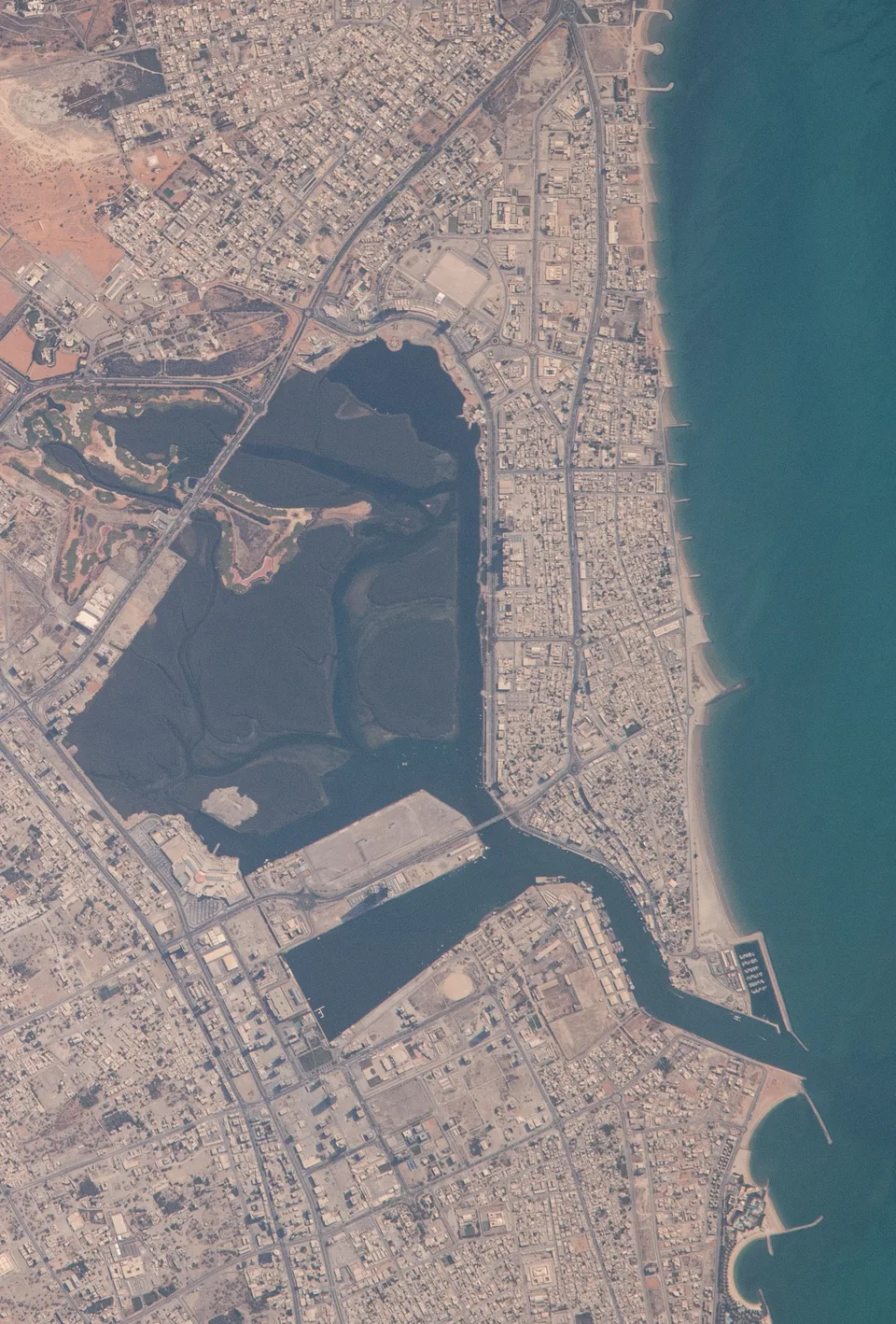
The National Museum of Ras Al Khaimah occupies a fortified building on Al Hisn Road in the old town. Archaeological and ethnographic collections make it a useful introduction to the area’s material history. The building’s coral-stone fabric and wind tower also invite you to consider how people adapted homes to the local environment.
The published standard opening hours are Tuesday to Sunday, 08:00–18:00, with last admission at 17:30. It closes on Mondays and the first day of Eid; Ramadan and holiday arrangements may differ. Listed entry is AED 5 for adults and AED 2 for children. Recheck before visiting, particularly around religious holidays.
Give the museum a deliberate place in the itinerary rather than arriving just before closing. Afterward, leave time to look at the surrounding streets at a comfortable pace. If steps, heat or mobility needs affect your visit, request specific access information directly; a historic building’s visitor welcome does not establish a fully accessible route through every room.
Read the coast through its pearling heritage
An excursion to Al Jazeera Al Hamra’s historic village adds a different scale of history. The Department of Antiquities and Museums describes a former pearling community with courtyard houses, a mosque, a souq, a fort and watchtowers. Traditional construction used materials including coral blocks, beach rock, mangrove beams and date-palm elements.
This is a place to examine buildings and the arrangement of a community, rather than hunt for a succession of ticketed spectacles. Notice the relationship between domestic courtyards and narrow connecting lanes. Ask about the permitted visitor route and current access before setting out; restoration, events or site management can affect what is open.
Keep the historical village distinct from modern accommodation and leisure developments nearby. Book transport for the return as well as the outward journey, take water and avoid relying on shade throughout the visit. Do not enter unstable structures or assume an open doorway is an invitation to explore a building independently.
Spend an unhurried evening by the creek
Al Qawasim Corniche is a three-kilometre waterfront promenade with mangrove views, cafés, restaurants and family recreation areas. It suits an evening with no ambitious sightseeing target: walk a manageable stretch, stop for a drink and choose dinner according to appetite rather than a rigid schedule.
The tourism board also describes creek abra services associated with RAKTA, with stations including the Corniche, Hilton Garden Inn and Manar Mall. Treat a boat ride as an optional experience until you have confirmed the current departure point, operating conditions and fare. It should not be the only connection on which an essential appointment depends.
For families, agree on a meeting point and a realistic walking distance before starting. For photographers, the historical images accompanying this guide show the creek and heritage buildings at their stated dates; they are context, not a promise that every skyline or waterfront frontage still looks identical today.
Choose accommodation by the days you will actually spend
The tourism board’s accommodation directory lists beach resorts, city hotels, apartments and more specialised stays. Use it to identify genuine properties, then check the property’s own current room details and booking terms. A category label cannot tell you whether your particular room has a kitchen, an accessible shower or a quiet position.
For a short cultural visit, prioritise convenient journeys to the museum and creek. For a beach holiday, compare beach access, pool provision and dining arrangements before comparing decorative room photographs. For a mixed trip, price a few planned taxi outings against moving hotels. Packing, checkout and waiting for the next room also consume holiday time.
Ask whether the quoted total includes all applicable charges, breakfast and any resort facilities you intend to use. Check cancellation deadlines against the hotel’s time zone. Families should confirm occupancy rules and bedding; longer-stay visitors should obtain written details of laundry, cooking equipment and cleaning frequency. An apartment listing and a fully equipped household are different propositions.
For an accessible stay, request measurements and photographs of the features that matter: entrance steps, lift access, bathroom layout and the route to breakfast or the pool. “Accessible room” can conceal important differences between properties. Confirm that the room category you discussed is the one on the reservation, and keep the written response with your booking details.
Match the airport to the whole journey
Ras Al Khaimah International Airport is one arrival option; Dubai and Sharjah can also be practical gateways depending on flights. The official getting-here information identifies these alternatives. Compare the combined airfare, baggage allowance and onward transfer cost, using your exact hotel address rather than a generic distance to “RAK”.
RAKTA’s published bus information lists the Green route between Nakheel and Ras Al Khaimah Airport at AED 8. The displayed schedule has hourly airport departures from 07:00 to 22:00 and Nakheel departures from 06:00 to 21:00. Check the live service before relying on it, especially after a delayed flight.
For a late arrival, a group with substantial luggage or accommodation away from the route, request a door-to-door transfer quotation. Confirm the terminal, meeting procedure, waiting allowance and total price. If flying into Dubai, a city-to-city bus journey includes additional connections at both ends; it is not a direct airport-to-resort service.
Use buses strategically and taxis for the gaps
RAKTA lists city routes connecting Nakheel with places including Manar Mall, Al Jazeera Al Hamra and Shaam, with AED 8 fares on the displayed routes. Its intercity table quotes AED 27 from Ras Al Khaimah to Dubai Union and AED 30 in the reverse direction. Do not assume identical fares in both directions.
These services can make a planned journey economical. Before leaving, confirm the actual stop, departure time, payment method and final service home. A bus that serves your destination district may still leave an awkward walk to the specific building. Build your route around that final connection, particularly when carrying shopping or travelling in hot conditions.
For flexible journeys, RAKTA’s taxi information describes metered services and booking options. Check the applicable fare and any booking or cross-emirate charges. For a multi-stop excursion, agree what waiting time includes. A one-way taxi fare does not automatically reserve the driver for a return journey several hours later.
If hiring a car, ask the rental company to confirm acceptance of your driving licence, any additional permit requirement, the insurance excess and the deposit-release process. Check the permitted travel area before planning an excursion. Photograph the vehicle’s condition at collection and retain the agreement. Compare the whole rental cost with your planned journeys, including parking and fuel, rather than the advertised daily rate alone.
Give the mountains a separate day
Jebel Jais is an excursion into the emirate’s mountain landscape, not an extension of a city-centre stroll. Plan the road journey, a return arrangement and a weather-dependent alternative. A mountain outing can be worthwhile for the landscape alone; nobody needs to buy an adventure activity to justify going.
If you want Jais Flight, read the activity’s current eligibility and booking conditions before paying. The tourism board specifies restrictions involving height and weight, suitable athletic clothing, closed-toe footwear and original photo identification. Minors who meet the criteria need a parent or guardian and the required waiver. Confirm the operator’s current requirements for your party.
Avoid putting a mountain booking immediately before an international departure. Weather, road conditions and the activity’s own procedures can change the day’s timing. Take a layer suitable for conditions at your destination, and assess the forecast rather than assuming the temperature will match the coast. Reserve enough time to return without racing daylight or a flight check-in deadline.
Climb Dhayah only if the route suits you
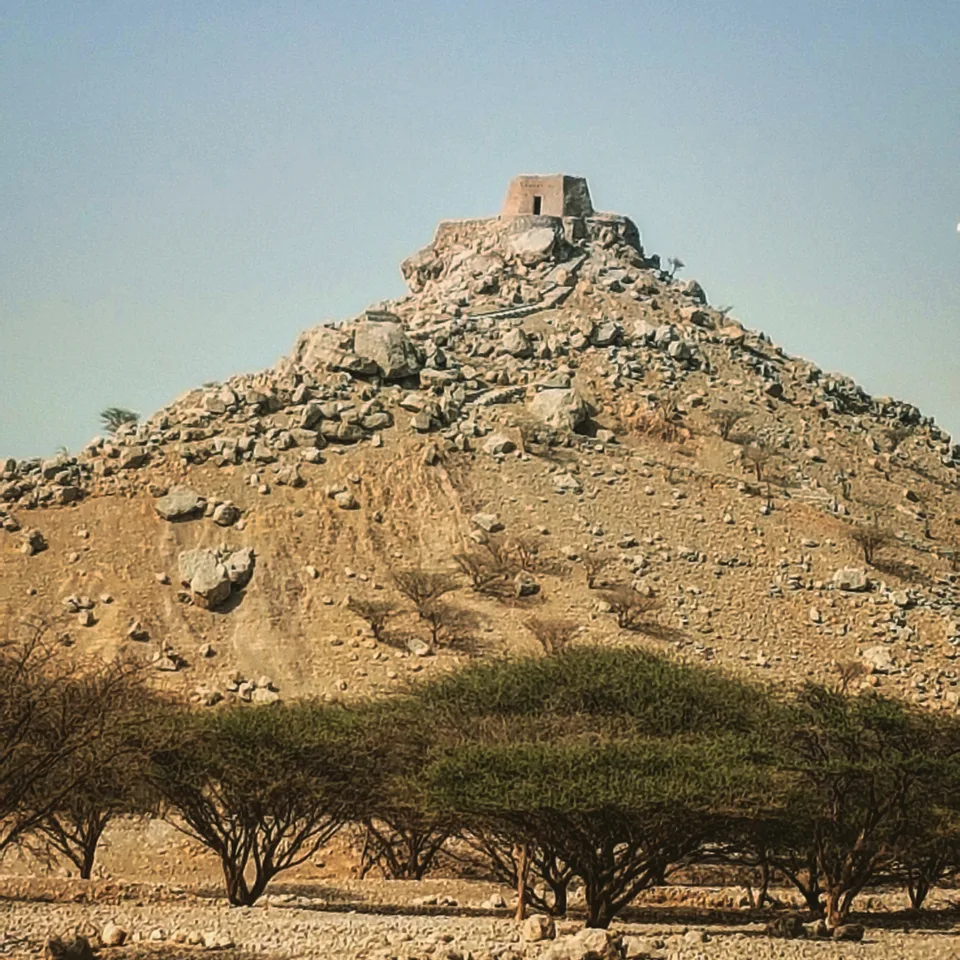
Dhayah Fort offers another excursion beyond the central city. The standing nineteenth-century fort and the site’s association with the conflict of 1819 give the climb a historical purpose alongside the outlook. Read the visitor information before deciding whether the ascent fits the group.
The official tourism page describes 239 zigzagging steps, an uneven rocky approach and no lighting. It identifies the route as unsuitable for wheelchairs and prams. Plan a daylight visit, wear shoes with reliable grip and consider the return descent as carefully as the climb. A short ascent can still be demanding in heat.
Do not force the fort into an already full mountain day simply because both are outside the city. With children, older relatives or anyone who does not want the steps, choose an alternative together before departure. Waiting below without shade or a clear meeting arrangement can turn one person’s attraction into another person’s uncomfortable afternoon.
Eat locally without turning every meal into a project
The tourism board’s introduction to Emirati food gives useful starting points: machboos combines spiced rice with meat or fish; balaleet pairs sweet vermicelli with egg; luqaimat are fried dumplings commonly served with syrup. Ask what is available that day, how dishes are portioned and which ingredients matter for dietary needs.
Build variety into the budget. A resort dining plan may be convenient, but compare its inclusions with the meals you expect to eat elsewhere. Check drinks, service charges and children’s arrangements. For allergies, explain the ingredient rather than relying solely on a dish name, and ask about preparation where cross-contact matters.
Shopping works best with a practical purpose: groceries for an apartment, essentials for a longer stay or a modest souvenir budget. Before buying a bulky item, consider baggage and delivery. Keep receipts for purchases whose warranty matters, and compare the final payable amount rather than a sale percentage detached from a useful reference price.
Build a budget from fixed commitments first
There is no single daily cost that represents both a city hotel visit and a luxury beach holiday. Start with accommodation for your actual dates, then add the airport journey, planned excursions and meals outside any package. Keep an allowance for taxis even if you intend to use buses: one missed connection can alter the day’s transport cost.
The museum admission and published bus fares above provide concrete low-cost components. Mountain activities, private transfers and resort dining belong in separate lines of the budget. Obtain current quotations for those larger purchases; an old headline “from” price cannot establish availability for your date, group size or chosen package.
For a household move, calculate first-month cash requirements separately from recurring expenses. Deposits, furniture, connection arrangements and temporary accommodation can make arrival considerably more expensive than an ordinary month. Compare furnished and unfurnished options using the expected length of stay, rather than assuming the lowest advertised rent produces the lowest overall cost.
Let the season shape the itinerary
The tourism board’s seasonal planning advice favours November to April for outdoor travel. This is a useful starting point for a trip centred on walking, heritage sites and mountain outings. Check the forecast for the actual dates; a seasonal recommendation is not a guarantee of comfortable conditions throughout every day.
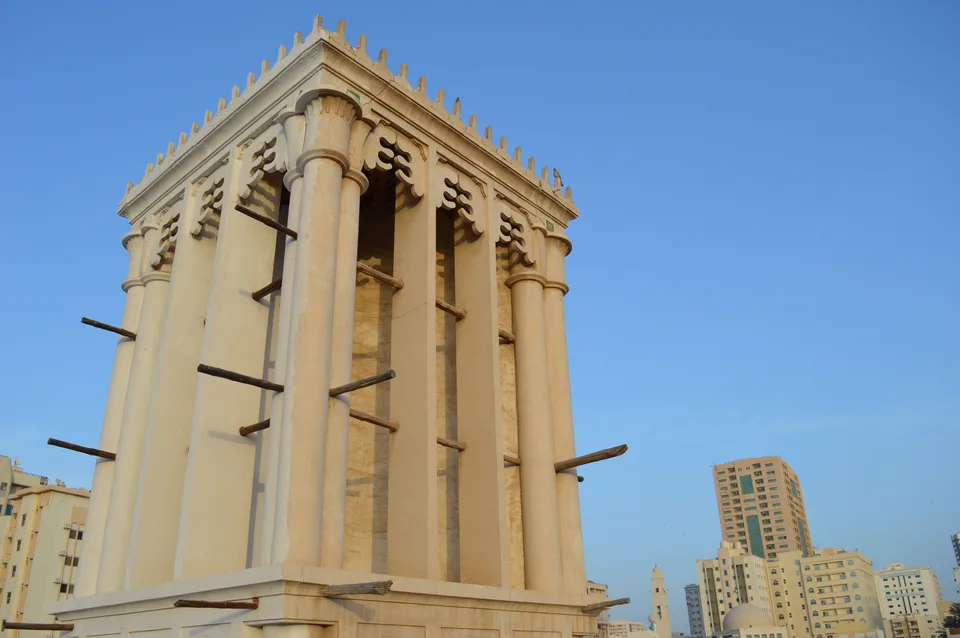
In hotter periods, organise shorter outdoor visits around the more comfortable hours and leave indoor time between them. A wind tower at the museum is an architectural reminder that managing heat has long shaped local buildings. For contemporary accommodation, working air conditioning and a sensible route to everyday destinations deserve similar attention.
Read the destination’s cultural-awareness guidance before visiting. Dress respectfully in public settings and follow the requirements of individual sites. During Ramadan or major holidays, check attraction hours and restaurant arrangements directly. Avoid building a tightly timed day around ordinary schedules when the date itself may change how the city operates.
Three days with room to enjoy the place
Day one: settle into your accommodation and start with the museum on an opening day. Take a break afterward, then spend the cooler part of the evening around Al Qawasim Corniche. Add an abra ride only if the departure information works with the day. Keep dinner flexible so a late arrival does not derail the whole plan.
Day two: choose the historic village and southern coast, or give the day to your beach accommodation. These are different priorities; combining them is reasonable only with transport arranged and enough time at the place you most wanted to visit. If you are investigating a possible move, substitute a neighbourhood visit and an ordinary grocery shop for part of the leisure time.
Day three: choose Jebel Jais or Dhayah according to mobility, weather and interest. Keep the alternative available rather than paying for two competing plans. Add a fourth day when flights, activity bookings or a longer beach stay would otherwise compress the itinerary. Returning home rested is a reasonable outcome, even with attractions still unseen.
Test a longer stay before signing for a year
A temporary stay lets you assess the actual building and routine. Visit prospective homes at the times you would leave for work and return. Test the journey to your employer’s precise address; a job described as “Dubai” does not identify a single commute. Repeated inter-emirate travel can change the value of a seemingly cheaper home.
Inspect cooling, water pressure, signs of damp, road noise, parking and the route from entrance to apartment. Ask who handles repairs, how urgent faults are reported and which bills are included. Obtain the full payment schedule, deposit terms and notice requirements in writing. Compare the neighbourhood’s grocery and pharmacy access with your household’s real needs.
Before paying a holding deposit, establish who is authorised to rent the property and obtain a receipt identifying the unit and payment purpose. View the actual apartment wherever possible; a show home or another unit in the same development cannot establish the condition of the property you would occupy.
Treat school, nursery and medical arrangements as independent decisions. Confirm availability, admission documents, transport and total charges with the provider before choosing housing around it. For anyone with continuing treatment, identify an appropriate local service and check insurance participation rather than assuming every nearby clinic can provide the required care.
Arrange utilities and healthcare for the right jurisdiction
For eligible new tenants, EtihadWE’s service-activation page describes the process after the previous account is closed. Its document requirements include identity documents and a municipality-approved tenancy contract. Check the applicable deposit and use the official channel; advice about a Dubai utility account should not be transplanted into a Ras Al Khaimah move.
Ask the landlord or manager to identify every separate household account, including any cooling arrangement, internet connection and maintenance responsibility. Confirm activation dates before transporting a household’s belongings. A signed lease does not by itself prove that electricity, water, cooling and connectivity will all be ready when you arrive.
MOHRE’s worker-protection information states that employer-provided health insurance is required for issuing and renewing employees’ residence permits. Ask for the policy network, exclusions and dependent arrangements. Visitors need coverage appropriate to their trip; an employer’s obligation concerning an employee does not establish that a spouse, child or visiting relative has the same benefits.
Separate a visit from permission to live and work
Check the ICP entry-permit service for the category appropriate to your nationality and purpose. Tourism, visits and completing residence procedures have different conditions. Confirm the documents, validity and permitted stay for your own application before buying non-refundable travel. A friend’s passport or previous successful trip does not establish your eligibility.
Tourist or visit status is not permission to start employment. Prospective employees should confirm the appropriate work authorisation with their employer and the responsible authority. Students should obtain their institution’s guidance on the relevant study and residence process. Do not treat admission, an offer letter or a property enquiry as proof that immigration permission has already been granted.
ICP’s residence-permit service links residence issuance with the Emirates ID application and sets out category-dependent requirements. A longer stay, rental contract or home purchase does not automatically create permanent immigration status. If professional help would clarify your options, review VisaWand’s consultant directory and verify an adviser’s credentials before paying.
Compare other bases before committing
Ras Al Khaimah suits a trip that values heritage, coast and excursions spread across an emirate. If your days will revolve around Dubai appointments or attractions, compare the extra travel with staying there instead. VisaWand’s Dubai city guide can help you weigh that alternative without assuming a cheaper room offsets every transfer.
For a broader UAE itinerary, the Abu Dhabi city guide offers another destination to consider as a separate stay. Avoid turning every other emirate into a hurried day trip. Fewer hotel changes and purposeful travel days can leave more time for the places themselves, which is the strongest argument for choosing your Ras Al Khaimah base carefully in the first place.
Official planning resources
Reviewed 16 October 2026. Use the official resources linked throughout this guide for admission, transport, housing and immigration decisions. Prices, services and rules can change; confirm the details relevant to your dates. Photography illustrates the locations and is not a live view.
View all official resources
- Official Al Hamra visitor overview
- Official National Museum visitor information
- RAK Heritage Al Jazeera Al Hamra
- Official Al Qawasim Corniche visitor information
- Official creek abra service
- Official accommodation directory
- Official arrival planning
- RAKTA bus routes and fares
- RAKTA taxi services
- Official Jebel Jais overview
- Jais Flight visitor requirements
- Dhayah Fort official visitor information
- Official Emirati cuisine overview
- Official seasonal trip planning
- Tourism board cultural awareness
- EtihadWE service activation
- MOHRE worker protection and healthcare
- ICP entry permit service
- ICP residence permit service
Plan the next part of your journey
Explore the United Arab Emirates guide, browse other cities or compare consultants for your travel and relocation questions.