Visa
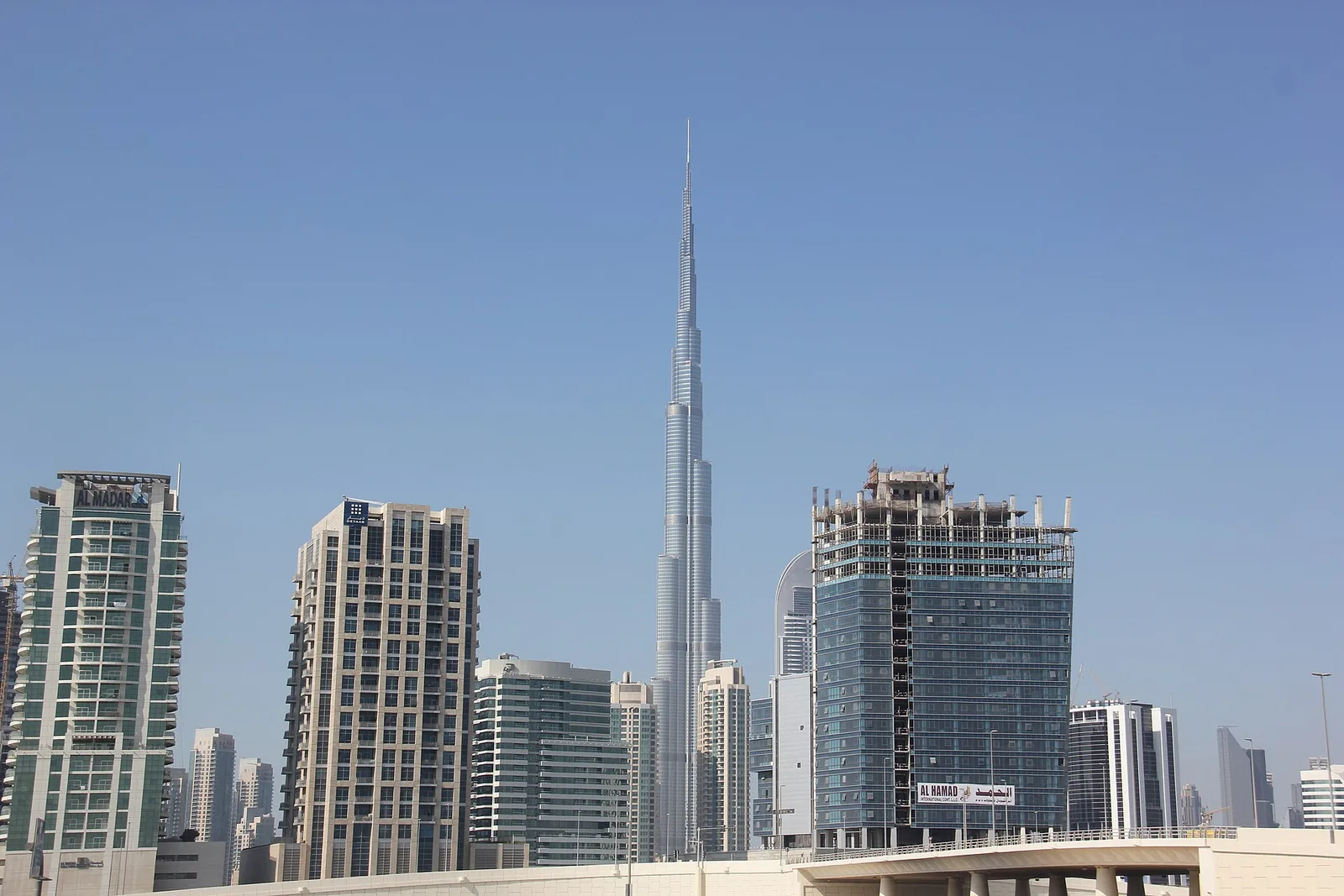
Use the transport map when choosing a base
Dubai rewards choosing accommodation around the places you actually want to visit. Start with the airport, a few priority experiences and your likely evening plans, then compare addresses. A property described as near a landmark may still require an awkward final journey. For a possible move, use the workplace or campus instead of the sightseeing list and test the complete commute before making a housing commitment.
VisaWand’s United Arab Emirates country guide provides broader context. Dubai city decisions need another level of detail: the district, building entrance, transport connection and facilities you will use. Keep the trip’s purpose clear. A visitor investigating neighbourhoods, a person accepting employment and a student preparing to enrol need different permission and budget checks even if they stay in the same area initially.
Read the city through its older streets
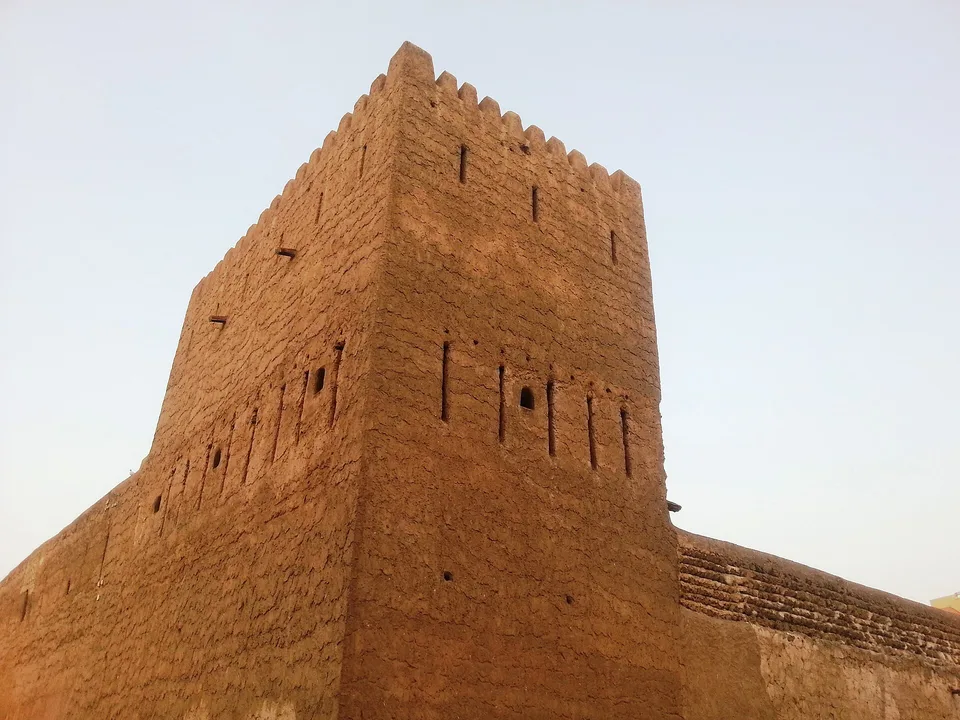
The official 2026 Dubai city guide introduces Al Fahidi through traditional wind towers and winding lanes, with museums, galleries and cafés among its cultural stops. A walk here gives the trip a different focus from a skyline viewpoint. Choose an area you can explore comfortably, with time for interpretation and a refreshment stop, rather than treating the historic quarter as a quick photographic detour between bookings elsewhere.
Al Shindagha Museum offers another approach: understanding how Dubai developed around its creek. If history is a priority, allow a substantial visit and check the museum’s current opening and ticket arrangements before fixing the rest of the day. A museum programme and a neighbourhood walk complement each other, but neither requires visiting every cultural venue in one afternoon. Keep the choice guided by what you want to understand about the city.
Match the district to your interests
The Dubai government’s neighbourhood overview separates several useful areas for a first visit. Bur Dubai includes Al Fahidi, Al Shindagha and Al Seef; Deira is associated with the Gold, Spice and Perfume markets. Downtown Dubai brings together Burj Khalifa, Dubai Mall and Dubai Opera. Choose which group best matches the experiences you want, then plan other districts as deliberate outings rather than assuming they are all within the same walking area.
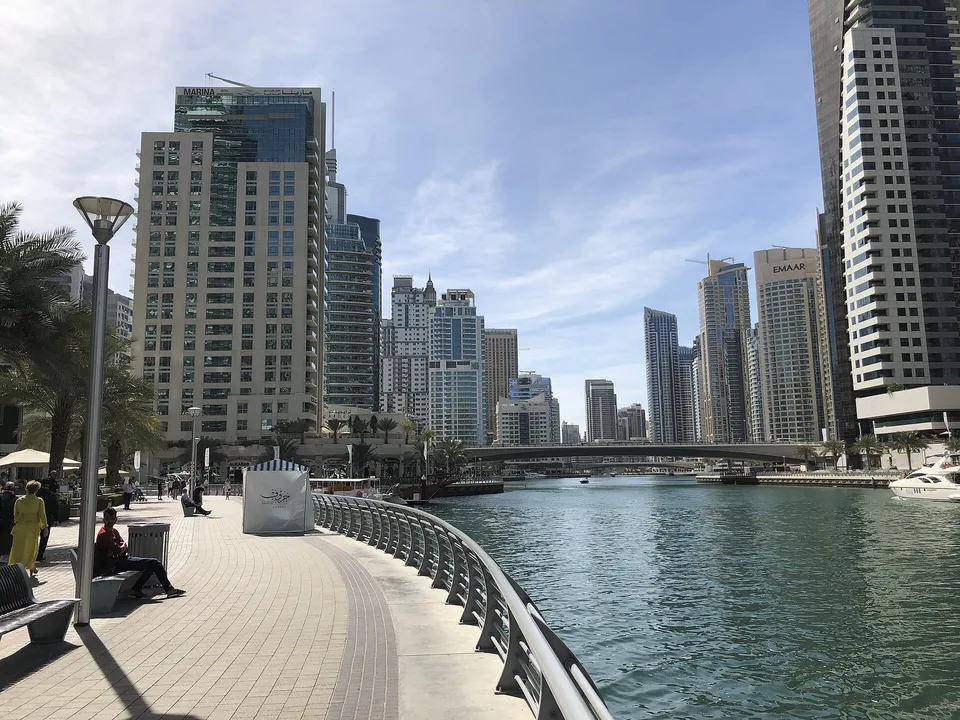
For a waterfront-focused afternoon, consider Dubai Marina and its promenade. For contemporary arts, investigate Al Quoz and Alserkal Avenue’s galleries and studios. These are different kinds of visits with different access and opening arrangements. Check individual venues before setting out. A district description is a starting point for finding activities, not evidence that every attraction or event will be available when you arrive.
Choose the skyline experience before buying
Burj Khalifa is in Downtown Dubai, and its observation experiences have distinct products. The official city guide distinguishes At The Top from At The Top SKY. Compare the actual ticket’s included levels, date, entry time and conditions through the attraction’s own ticket catalogue. A photograph taken from outside is another experience altogether; it should not be used to judge what a particular indoor viewing ticket provides.
For a first visit, decide whether the view itself is a priority or whether the surrounding district fits your plans better. Avoid buying several overlapping packages before checking their inclusions. Keep any timed ticket clear of an uncertain arrival transfer, and allow for reaching the correct entrance. If visibility is central to the purchase, read the operator’s conditions and check the forecast rather than assuming every date offers an identical view.
Compare rooms, access and the complete price
Choose accommodation using the full booking quote for your dates, occupancy and room type. Compare hotels, apartment-style stays and resorts according to the facilities you will use. A beach-focused stay needs a different assessment from a short heritage visit or a workday commute. Look at the actual entrance and transport connection, and confirm whether a promised shuttle operates at the times you need.
Check breakfast, taxes, deposits, extra beds and cancellation terms before accepting a headline rate. For families, confirm the sleeping layout and occupancy rules; for accessibility, obtain specific information about the room and access route. A star rating does not answer those questions. Keep the property’s written confirmation with your arrival arrangements, including late check-in instructions and luggage storage if your flight arrives before the room is ready.
For an exploratory move, consider a flexible temporary base while you inspect homes and test daily journeys. Clarify cooking, laundry and internet facilities if you need them for several weeks. Do not assume that a holiday apartment’s arrangements carry over unchanged to a residential tenancy. Assess the applicable permission and contract before replacing a short booking with a longer commitment.
Match the airport and terminal to the transfer
The Dubai Airports metro information identifies Red Line connections at Dubai International Airport’s Terminals 1 and 3. It lists a later start on Sundays, at 08:00, compared with 05:00 on other days, and directs travellers to RTA for current timings. That is a useful distinction for an early arrival: a metro station at the airport does not imply round-the-clock service. Check the route and operating hours before relying on it.
Confirm whether your flight uses DXB or Al Maktoum International Airport, DWC. The airport authority describes onward bus or taxi connections for DWC from Ibn Battuta and Expo 2020 metro stations, rather than a direct airport metro stop. If a flight connection changes airports, account for entry formalities, baggage and the whole transfer before judging the available time. For an arranged pickup, keep the airport, terminal and meeting point together with the booking.
A nol journey is priced by zones
The Roads and Transport Authority’s nol guidance divides the network into seven fare zones. The fare depends on the zones crossed, and the rules allow a metro-to-bus transfer to count as a combined journey when the connection is made within thirty minutes. That condition matters when comparing a direct service with one involving a change. Build the final walk into your plan rather than assuming the station name identifies the exact destination entrance.
At the October 2026 review, the RTA lists silver-card fares of AED3 within one zone, AED5 across two adjacent zones and AED7.50 for more than two zones. Regular red-ticket fares are AED4, AED6 and AED8.50 respectively. These are the published zone fares, rather than a universal price for every transport product in Dubai.
Choose a payment product by the trips you expect and its eligibility rules. The authority limits anonymous silver and gold cards to the seven-day travel-pass product, while registered cards have access to longer-duration products. Do not mistake the existence of a pass for unlimited use of every transport service. Check the fare and conditions for the actual journey, especially where marine transport or another service has a separate tariff.
Let one meal introduce Emirati culture
The Sheikh Mohammed Centre’s cultural-meal programme combines traditional food with discussion led by Emirati cultural presenters. Its published duration is ninety minutes, with booking required. At the October 2026 review, the operator lists breakfast at AED130, lunch at AED145 and dinner at AED160 per person. Check the available session and any dietary requirements directly; the format is an organised cultural experience rather than an ordinary restaurant reservation.
For everyday meals, use current menus near the places you are visiting and keep a separate allowance for the dining experience you most want. Confirm the total price and any service charge before ordering. Ask about actual ingredients where allergies or dietary restrictions matter. A familiar cuisine label or a photograph of a dish does not establish how a particular kitchen prepares it.
Avoid scheduling every meal across a different district. A restaurant near your day’s final stop can leave more time for the visit and reduce an extra transfer. If a hotel package includes dining, compare the hours, included venues and exclusions with your plans. Its value depends on what you will actually use, especially when you expect to spend most days away from the property.
Shop with receipts and an onward plan
Deira’s traditional markets and Downtown’s large retail setting offer different shopping experiences. Decide whether you want a browsing walk, food gifts or a particular purchase, then give it a defined part of the budget. Compare materials, quantities and the complete price before paying. For higher-value items, retain written specifications, warranty information and an itemised receipt rather than relying on a verbal description.
Check your onward destination’s rules before buying goods that may be restricted or require declaration. If arranging delivery, confirm the address, charges, dispatch timing and what happens if the parcel is delayed. Keep optional shopping separate from accommodation, transport and essential bookings. A discount or limited-time offer is useful only when the item and its terms suit what you actually need.
Seasons should shape the itinerary
The tourism authority’s seasonal guidance presents October to April as the period for outdoor-focused visits and gives a different emphasis to keeping cool in summer. Use that distinction when deciding how much walking, waterfront time or an outdoor excursion to include. It is seasonal planning information, not a forecast or a guarantee of comfortable conditions on every date.
In hotter conditions, shorten exposed walks and include indoor stops and breaks. Check current conditions before committing to a long outdoor activity and follow instructions at the venue. Compare actual accommodation quotes and cancellation terms for your dates rather than assuming that a particular season always produces the lowest price. A flexible plan can be more useful than a full schedule that leaves no room to adapt.
Three days with a clear purpose each day
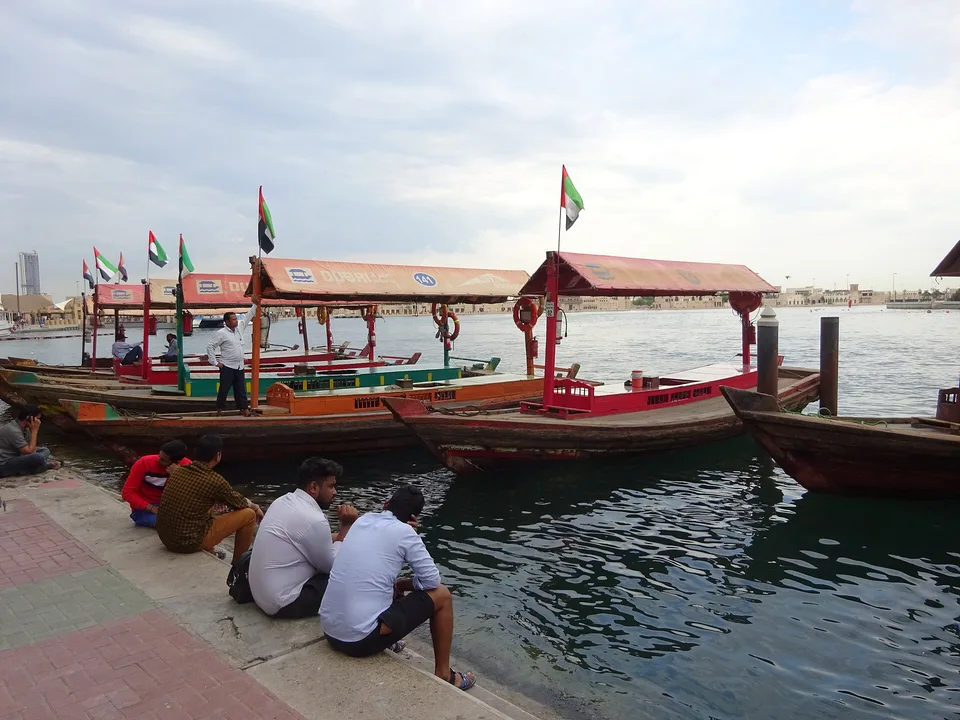
Day one can focus on the creek-side heritage areas. Explore Al Fahidi, add a cultural meal if the available session fits, and choose a museum visit based on current opening arrangements. Leave room for a market or waterfront walk instead of trying to cover every historic venue. If adding an abra trip, check the boarding point, route and fare for that specific service.
Day two can concentrate on Downtown Dubai. Make a booked observation experience the anchor if the skyline view is your priority, then allow time for the surrounding district, shopping or a performance that interests you. Keep entry times and entrances clear. Do not combine several timed attractions solely because they appear together in a package; assess the walking and transfer time between them.
Day three can be a Marina waterfront outing or an arts-focused visit to Al Quoz, depending on your interests. An excursion farther away should replace much of the day rather than become an extra stop. On departure day, protect the airport transfer and luggage arrangements first, then choose a shorter activity that fits. A worthwhile first visit leaves some places for another trip.
Give Hatta its own excursion day
For a change from Dubai’s skyline and creek-side streets, consider Hatta’s mountain setting. The official Hatta Kayak visitor information describes paddling and other boat activities on Hatta Dam. Choose the activity before arranging transport: its published age, capacity and weight conditions differ between a single kayak, a double kayak and a water bike. A family booking therefore needs more detail than simply asking whether children can come.
Treat the outing as a separate day with an agreed return journey, rather than an extension of a Downtown afternoon. Confirm the operator’s current availability, safety instructions and cancellation conditions before paying, especially when weather could affect an outdoor plan. If an excursion feels rushed, another day within Dubai may be the better choice. VisaWand’s UAE location directory provides destination pages for considering other bases; those listings should not be assumed to contain completed travel guides.
Make Ejari part of the rental plan
The Dubai Land Department’s Ejari guidance gives tenants registration routes through real-estate trustee centres or the Dubai REST app with the landlord’s approval. Clarify who completes registration and what information you must provide before signing. Keep the written lease, payment schedule and registration record together. A furnished temporary stay and an ordinary residential tenancy should be assessed under their applicable arrangements rather than assumed to follow an identical process.
For renewal planning, the department directs tenants to its official rental-index calculator. Use the relevant property information and distinguish a permitted increase assessment from an advertisement for a different home. Before making a longer commitment, itemise rent, deposits, agency charges, utilities and building-related costs using the actual contract. Establish repair responsibility and any early-exit terms in writing, with professional advice where the wording is unclear.
Utility deposits belong in the moving budget
The DEWA electricity and water activation page lists residential security deposits of AED2,000 for a flat and AED4,000 for a villa. Its small-meter activation charges total AED155, including registration, knowledge and innovation fees; large-meter arrangements have a different base charge. These setup amounts should be considered separately from rent and expected consumption. Confirm the applicable premises and payment request directly with the provider.
For tenants outside free-zone areas, DEWA describes an integrated process following Ejari, with account and deposit information sent by email and SMS. Tenants in free-zone premises exempt from Ejari use a distinct application route. Clarify which arrangement applies to the home before planning the handover. Also ask whether cooling, internet or other services require separate accounts, and establish who pays outstanding bills when the previous occupant leaves.
Test the household routine before committing
An exploratory stay is most useful when it answers ordinary household questions. Travel from a candidate home to the workplace or campus at the expected time, then test the return. Include access to the building, parking where relevant and the final walk. A commute that works during a sightseeing afternoon may feel different with a fixed start time, school collection or luggage.
Identify the groceries, pharmacy, laundry and deliveries you will actually use, and ask the building manager how access and maintenance requests work. For healthcare, compare the proposed insurance with the providers and treatments your household needs; obtain a written explanation of exclusions and payment arrangements. Families should confirm school admission, fees and transport directly before making a tenancy depend on an assumed place. These are planning checks rather than quoted citywide costs. Build the first month’s budget from confirmed services and written offers, leaving room for items that remain unresolved.
Visitor entry depends on your passport and route
Check the permission applicable to your nationality and document before travelling. Dubai’s single-entry tourist visa service describes a thirty- or sixty-day tourism visit through accredited tourism establishments. Its conditions include a passport valid for at least six months, an onward or departure ticket and medical insurance valid in the UAE. This service description does not establish a universal visa-on-arrival entitlement or the same application process for every traveller.
Confirm the allowed stay and entries for the permission actually issued, and keep any onward arrangements consistent with them. If your holiday includes leaving the UAE and returning, assess that return separately. A base government fee is not necessarily the full amount charged through a service provider. Ask for a breakdown before payment and check the official requirements again when a passport, travel date or purpose changes.
Verify the job and its permission together
The federal private-sector employment law requires a work permit for employment within its scope. It also prohibits employers from collecting recruitment and employment costs from the worker. Establish the authority and employment framework governing the offer, particularly where a separate regime may apply, and confirm the required work and residence formalities before starting. A visitor’s presence in Dubai is not a substitute for those checks.
Obtain the written role, pay, hours and benefits, including any housing or medical cover, before building a moving budget around them. Ask how the permit process is handled and retain the documents and receipts relevant to your case. Compare the complete offer with the household costs you expect, not the headline salary alone. VisaWand’s consultant directory can help you compare professional support; check relevant expertise and the written scope rather than assuming every listing handles the same employment arrangements.
A short course and a degree need different planning
The study and training visit-visa service concerns single-entry visits of thirty, sixty or 180 days, with a licensed educational or research institution as host. The authority requests a letter identifying the programme and duration. An ordinary holiday booking should not be used as a substitute for confirming the arrangements appropriate to your course. Ask the institution which permission it supports and which steps you must complete yourself.
For a longer programme, establish the residence arrangements, insurance and relevant deadlines with the institution and authority before signing housing commitments. Check the actual teaching campus and timetable, including any practical placements that require travel elsewhere. Confirm proposed paid work or internships separately; course admission alone does not establish every permission you may need. Compare tuition, accommodation, transport and household costs as distinct parts of the study budget.
Remote work has a defined residence route
Dubai’s virtual-work residence permit concerns remote work for an organisation outside the UAE. The immigration authority describes a one-year permit subject to renewal and requires evidence of that work and income of at least US$3,500 a month, or the equivalent. Its document list also includes health insurance, a medical-fitness result and an identity-document receipt. Read the complete requirements for your application before organising a move around this route.
This is a specific residence arrangement, so an overseas employment contract should not be treated as sufficient permission by itself. Confirm the application stages, insurance requirements and obligations with the authority, and clarify any employer restrictions on working abroad. Assess the household budget using the income you can actually document and the costs you expect to pay. A quoted permit fee may be only one part of the setup expense, alongside insurance, medical procedures and housing.
Longer residence depends on the category
The federal Golden Residency guide describes long-term residence for eligible investors, entrepreneurs, specialists, exceptional talents and outstanding students, among other categories. Its current guide presents ten-year arrangements, with requirements specific to the category. This is not a general entitlement arising from a visit, employment offer or ordinary university admission. Assess the route relevant to your circumstances before treating a longer stay as a settled part of the plan.
Residence duration should also be kept separate from citizenship and any claim of unconditional permanent status. Check what evidence the authority requires, what family arrangements apply and which obligations continue after approval. If professional assistance is useful, ask for the proposed category and written scope before paying. Compare that explanation with the official resource, rather than relying on a property advertisement or a promotional claim about an easy route to relocation.
Official planning resources
Reviewed 13 October 2026. Use the official resources linked throughout this guide for admission, transport, housing and immigration decisions. Prices, services and rules can change; confirm the details relevant to your dates. Photography illustrates the locations and is not a live view.
View all official resources
- RTA nol zones, fares and transfer rules
- Dubai Land Department Ejari guidance
- Dubai Airports metro connections
- DEWA electricity and water activation
- Official Dubai city guide 2026
- At the Top official ticket catalogue
- Dubai virtual-work residence permit
- ICP Golden Residency guide
- Dubai single-entry tourist visa requirements
- Study and training visit visa
- Federal private-sector employment law: work permits
- Dubai government neighbourhood overview
- SMCCU cultural meals and bookings
- Official Dubai seasonal visitor guidance
- Hatta Dam kayaking and activity conditions
Plan the next part of your journey
Explore the United Arab Emirates guide, browse other cities or compare consultants for your travel and relocation questions.