Visa
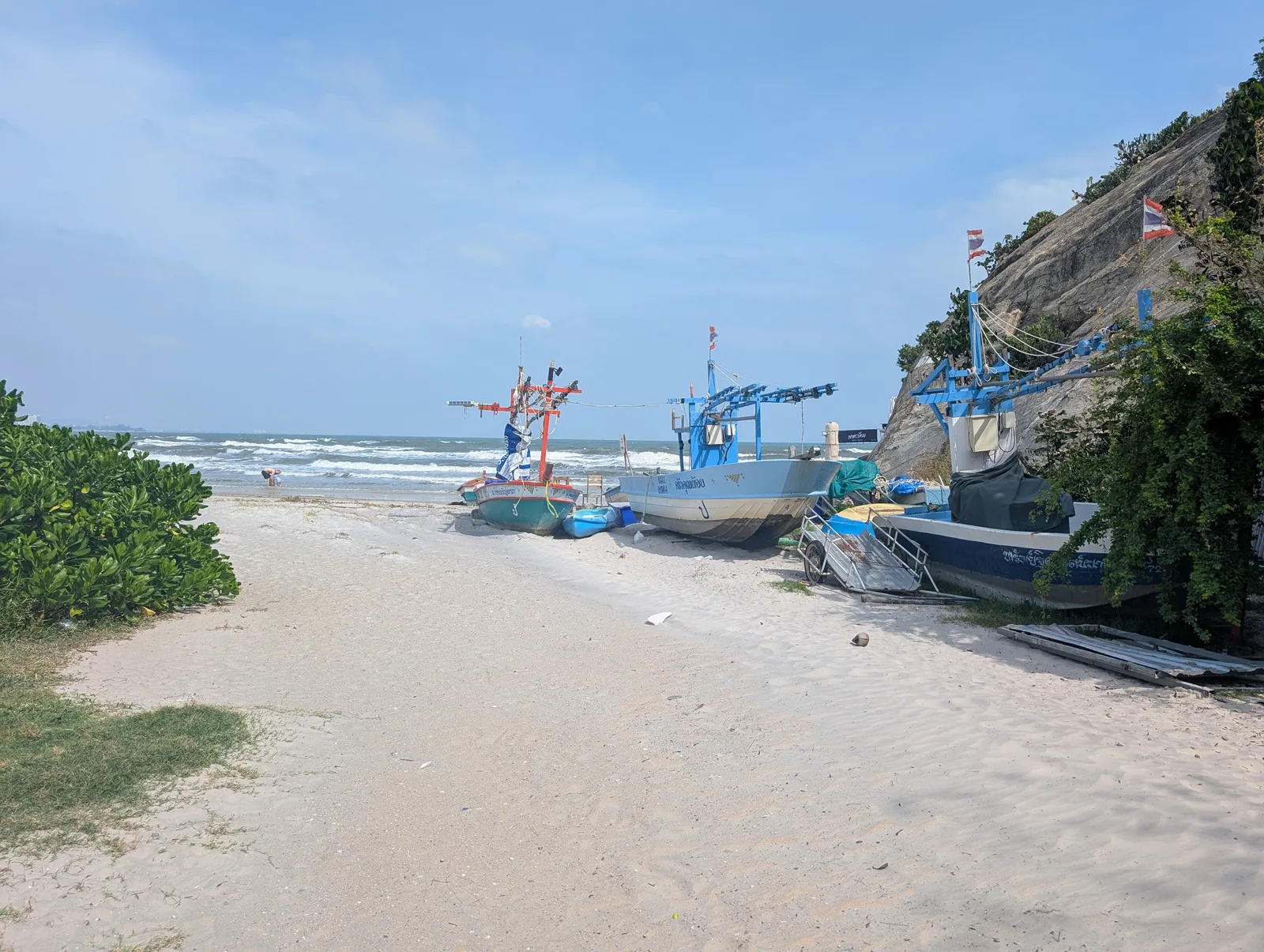
A seaside stay that rewards choosing your base carefully
Hua Hin suits travellers who want a beach holiday with the conveniences of a functioning town: a railway connection, evening food stalls, shopping and accommodation beyond an isolated resort compound. Its coast belongs to the Gulf of Thailand, in Prachuap Khiri Khan province. The provincial capital of the same name is a different destination farther south. Start with the Tourism Authority of Thailand’s Hua Hin overview and the province’s visitor information when comparing locations.
A central address makes independent dinners easier; a resort can make staying beside the pool more appealing than sightseeing. Give yourself three nights for a first visit, or longer to test everyday life. Treat the itinerary as a suggested pace, allowing for changing weather and transport.
The railway shaped the resort
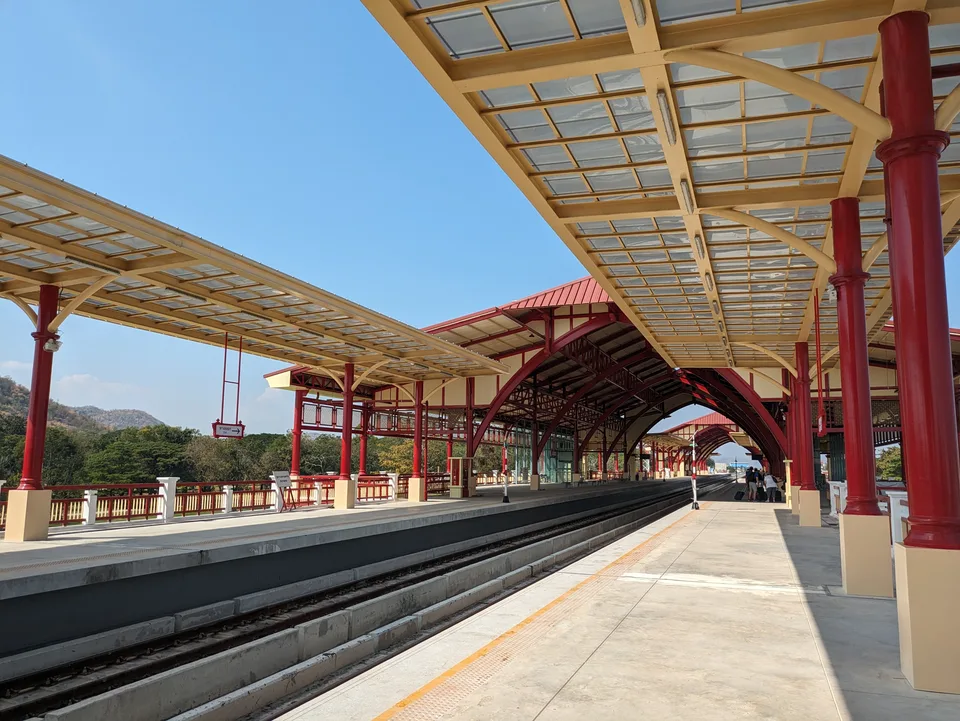
Hua Hin’s history is visible in the relationship between its coast, railway and established hotels. Centara records that the original Railway Hotel opened in 1923, serving travellers on the southbound railway linking Bangkok with Malaya. That property is now Centara Grand Beach Resort & Villas Hua Hin. Its account of the Railway Hotel’s history provides context for a place whose identity extends beyond modern beach accommodation.
This is an operating hotel, so establish current arrangements before entering for a look around, a meal or an overnight stay. A historical connection does not make every garden, room or beachfront facility public. If heritage matters to your trip, compare the experience of staying in a historic property with visiting briefly; both can be worthwhile, but they involve different access and spending expectations.
Decide between the centre and the southern coast
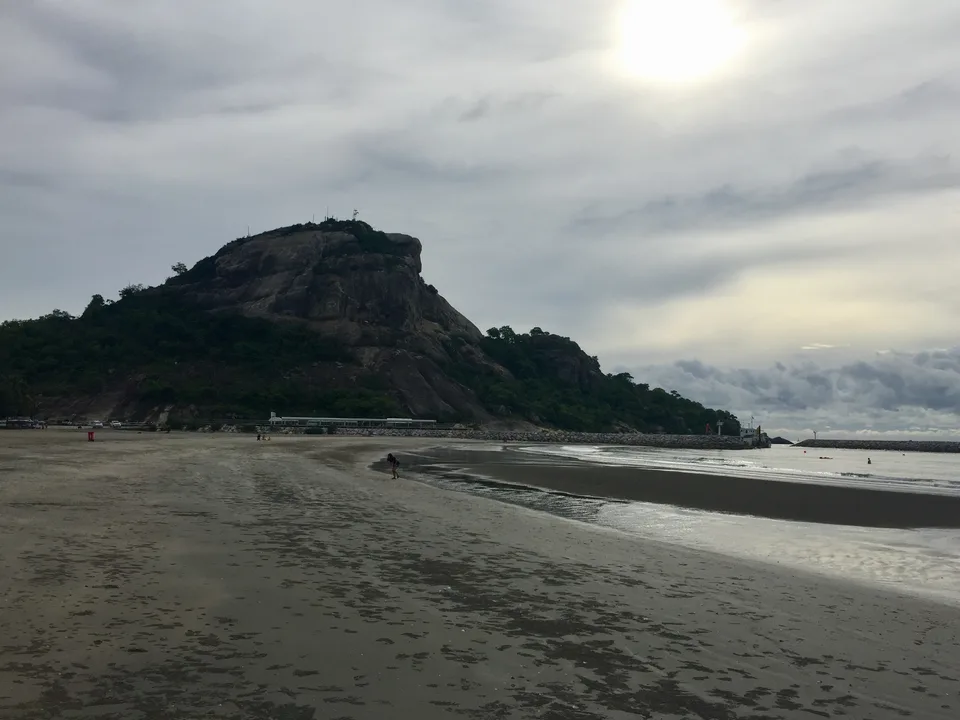
For a first stay, compare the centre around the railway and evening market with the Khao Takiab side of town. The tourism authority identifies Takiab Bay and its hilltop temple among Hua Hin’s notable coastal features. The centre is the more logical starting point when your priorities are arriving by train and exploring the main night market; the southern side becomes appealing when that temple and weekend market are central to your plans.
Check the actual entrance of any shortlisted property. A map pin close to the sea does not establish a usable beach access, and an address described as Hua Hin can cover a wider area than a comfortable evening walk. Ask the hotel to describe your route to dinner and back, including any major road crossing.
Choose a room for the way you travel
Accommodation runs from guesthouses to luxury hotels, according to TAT. Compare the complete stay rather than the headline room rate. For two properties at similar prices, breakfast, cancellation terms, a pool, a useful location and the cost of transfers can make quite different holidays. Check whether the room photographs show the category you are actually buying.
For families, ask about connecting rooms, pool supervision, sleeping arrangements and additional breakfast charges. For a longer stay, look for a practical desk, reliable internet in the room, laundry arrangements and somewhere to store groceries. Request written confirmation of any accessibility requirement, including lift access and the route from reception. A property’s general description is less useful than a specific answer about your room and arrival needs.
From Suvarnabhumi, plan the final connection
The airport coach operator’s Hua Hin route page places its Suvarnabhumi counter on Level 1 near Gate 8. Its public booking search displayed 361 baht per seat for 18 October 2026 when checked for this guide; confirm the final payable total for your date. The operator describes the journey as approximately four hours, subject to traffic.
Crucially, the Hua Hin bus terminal is near Hua Hin airport on Phetkasem Road, rather than a drop at every central hotel. The operator’s transfer and baggage FAQ lists a hotel shuttle at 100 baht per person, arranged on arrival; confirm whether your address is covered. Compare that with a separate transfer before choosing your bus. Allow time for immigration, baggage collection and finding the counter after your flight, and follow the operator’s advice to check in 30 minutes before departure.
By train, read the Bangkok station name
Use the State Railway of Thailand’s live timetable and select Southern Line. When checked, train 43 was scheduled from Bangkok’s Krung Thep Aphiwat station at 07:30 to Hua Hin at 10:36: a little over three hours. That is a scheduled example, rather than a promise for every departure. Other services use different Bangkok terminals and take longer.
Read the complete departure station on your ticket before arranging a taxi or choosing a Bangkok hotel. “Bangkok station” is too vague for a reliable connection. Compare the departure time, arrival time, class and booking conditions together, and allow for possible delays before an onward flight. Keep your ticket available on arrival and confirm the boarding entrance when returning; photographs of Hua Hin’s historic railway buildings should not substitute for current passenger directions.
Build local transport into the accommodation decision
Ask your accommodation which local services operate near its entrance and when they finish. For a songthaew, taxi or hotel shuttle, establish the destination, whether you are sharing or chartering the vehicle, and the fare before departing. This guide does not quote a town-wide local fare because a single verified current tariff was unavailable.
For an outlying hotel, request actual quotations for the journeys you expect to make: arrival, dinner in town and a day excursion. Add those to the room cost. If you intend to hire a vehicle, check the licence, insurance and deposit requirements with the rental company before paying. Choose an option you can use confidently after dark as well as in daylight; a cheap room loses its advantage if every meal requires an inconvenient transfer.
Give the beach room in the schedule
Leave a morning or afternoon uncommitted so the coast can be part of the holiday rather than a hurried stop between attractions. Check the day’s conditions with your accommodation, observe local signs and choose a stretch that suits your party. The amount of usable sand, sea conditions and available facilities can change; a photograph cannot establish conditions for your arrival.
Before paying for a beach activity, agree the duration, total price and what is included. If you want a quieter day, a hotel pool or shaded meal can be a better choice than trying to force a swim into unsuitable conditions. Families should make supervision arrangements explicitly, including when one adult leaves the water to order food or collect belongings.
Visit Khao Takiab with time for the climb
The tourism authority’s Wat Khao Takiap information describes a hilltop temple reached by stairs, with views across the sea and town. Plan it as a worship site as well as a viewpoint: dress appropriately, follow instructions at the entrance and give people attending religious activities space. Allow time to stop rather than treating the climb as a race.
The same official visitor page notes monkeys in the area. Keep food and loose belongings secured, and avoid encouraging close encounters for photographs. Someone who cannot manage the stairs should confirm a suitable alternative before setting out; do not infer step-free access from a vehicle reaching part of the hill. Combine the outing with time on the southern coast, keeping a return transport plan instead of relying on an unconfirmed late pickup.
Make the town night market a dinner plan
TAT locates Hua Hin’s main town-centre night market on Dechanuchit Road, between Phetkasem Road and the railway side of town. Its stalls combine food, seafood and souvenirs. Go with enough time to compare menus and portions before ordering; the point is an evening meal and a walk, rather than completing a shopping checklist.
For seafood, clarify whether a displayed price is per portion, per piece or by weight, and establish the total before it is cooked. Ask about ingredients rather than assuming that a dish’s appearance identifies every sauce or allergen. Carry an amount of cash suited to the evening and keep larger valuables secure. This guide avoids naming a favourite stall because no personal visit or independently verified current recommendation supports one.
Keep Cicada for the weekend
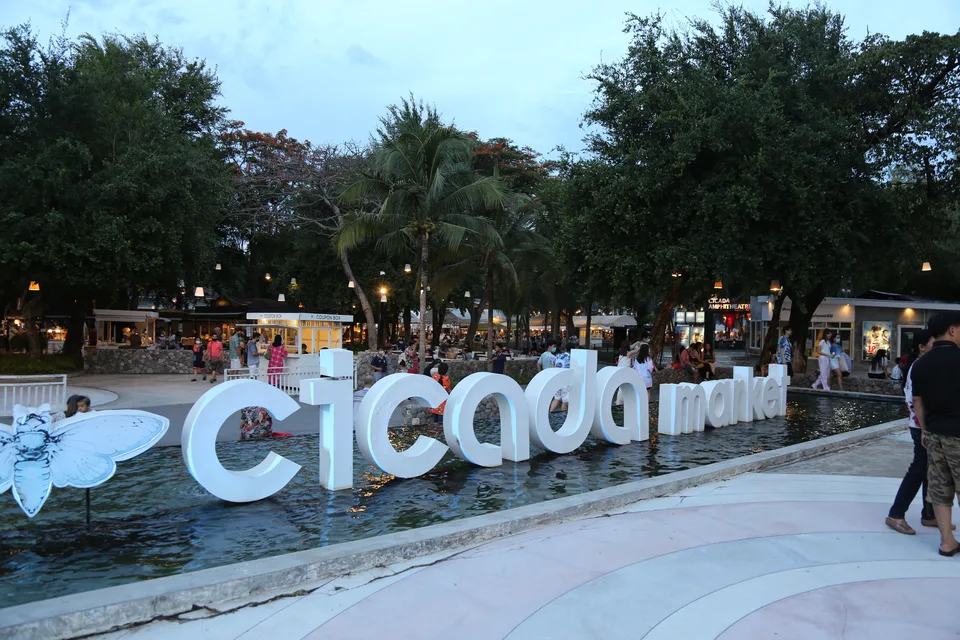
Cicada Market’s own website publishes Friday, Saturday and Sunday opening from 16:00 to 23:00. Check its current announcements around holidays before arranging your stay around those hours. This arts market in the Khao Takiab area is a separate outing from the central night market, with crafts, artworks, clothing, food and performances.
If you are comparing handmade items, ask about the maker, materials and how a fragile purchase should travel. Leave space in the budget for dinner and the return journey as well as shopping. A published market opening window does not guarantee a particular performance that evening, and some programme material on the site is historical. Go for the market itself, with any live entertainment as a welcome addition rather than a promised show.
Use shopping centres for practical needs
Bluport Hua Hin’s official information places the complex in Nong Kae and describes shopping, food, entertainment and supermarket facilities. It can be useful for combining errands or taking an indoor break. Check the current store directory for a particular product; mall descriptions and individual shop hours do not always answer the same question.
For a prospective move, make a small shopping list before visiting: ordinary groceries, toiletries, household cleaning supplies and anything you use regularly that may be difficult to substitute. Record actual shelf prices and package sizes instead of comparing an expensive imported product with a different local equivalent. That exercise gives a more useful personal budget than a sweeping claim that everything in Hua Hin is cheap.
Price a water-park day through the current booking page
Vana Nava offers another option when your group wants a structured attraction rather than an unplanned beach afternoon. Follow the Book Now link on the water park’s official website to its current ticket system, then compare admission, facilities and the conditions attached to your chosen date.
The older booking page mixes advance-booking instructions and does not reliably display complete admission prices without a date. Confirm height and health restrictions, suitable rides, locker and towel costs, and cancellation rules before buying. Include transport and food when comparing it with a day at your accommodation.
Choose the season with local climate data
The Thai Meteorological Department’s Hua Hin table provides historical 1981–2010 averages. It records substantially less rain in December, January and February than in October, the wettest month in that table. This makes the drier winter period a sensible starting point for weather-led planning, while still allowing for individual wet days.
Hua Hin remains warm: the Japan Meteorological Agency’s station normals list monthly mean temperatures of 26.6°C in January and 30.1°C in May. These are averages, not daily maximums or a forecast for your holiday. Plan exposed walks early, keep water available and leave room for indoor breaks. Before a sea activity or a countryside excursion, use current weather warnings and local operator advice rather than treating a favourable seasonal average as permission to proceed.
A first day centred on arriving well
On day one, arrive, settle in and establish the practical geography of your stay. Find your accommodation’s beach access, identify a nearby meal option and confirm how you will return after an evening out. Keep any ambitious excursion off the arrival day, particularly after an international flight and a road transfer.
If time and weather allow, take an easy coastal walk, followed by dinner at the central night market. Read prices before ordering and save a longer shopping session for another evening. Travellers staying south of the centre can reverse that emphasis: enjoy their immediate surroundings first and visit the town on a day when transport is already arranged. The purpose is to begin rested, without making a late check-in dictate the entire holiday.
Days two and three: one main outing each
Use day two for Khao Takiab, allowing for the stairs, heat and time around the coast. Keep the afternoon flexible. If it is a Friday, Saturday or Sunday, Cicada can provide the evening outing; otherwise choose dinner near your accommodation instead of travelling there expecting the weekend market to operate.
On day three, choose between a fuller countryside excursion and a deliberately easy resort day. A water-park visit is another alternative after checking the current ticket conditions. Avoid combining every option: the trip becomes less useful if most of it is spent watching a departure time. Anyone assessing a possible move could instead use this day to visit a rental, test a likely commute and price groceries, while the holiday still provides an enjoyable introduction.
Consider Khao Sam Roi Yot as a separate day
South of Hua Hin, Khao Sam Roi Yot National Park offers limestone scenery and the Phraya Nakhon Cave pavilion. TAT describes reaching Laem Sala Beach by walking over a headland or taking a boat, followed by a walk to the cave. A boat therefore does not remove the walking involved in the cave visit.
Arrange the day around your party’s mobility and the current park conditions. Confirm which entrance and trail your driver or tour uses, what admission and boat charges are included, and the return arrangement. Check the tourism authority’s national-park status resources before departure, then confirm locally; historical visitor descriptions do not establish today’s trail opening. A coastal lunch or a shorter nature outing can be the better choice if the cave route is unsuitable for someone in your group.
Test a move before committing to a lease
Use an initial short stay to compare daily routines before signing a longer rental. Visit the property itself and the route you would use for work, school, groceries or medical appointments. Try that route at the time you would actually travel. A holiday spent mostly within a resort does not reveal the practical demands of living at an outlying address.
Ask for a written inventory, deposit and refund terms, maintenance responsibilities, utility charging arrangements and rules covering pets or visitors where relevant. Inspect water pressure, air conditioning, ventilation and signs of damp. Confirm internet availability for the exact unit rather than relying on a neighbourhood claim. Photograph the condition at handover with the landlord’s agreement, and keep payment receipts and the signed contract together.
Establish who handles household services
For electricity queries, the Provincial Electricity Authority’s contact page provides its 1129 contact centre, branch finder and links to billing services. Ask the landlord whose name is on the account and whether you pay a provider bill or a charge calculated by the property. Obtain the unit rate and any additional service charges in writing.
Hua Hin municipality also publishes a waterworks service manual, covering bills, account transfers and deposits. Identify the actual water provider serving your address rather than assuming all properties outside the centre follow one arrangement. Before moving in, establish how water, internet and waste collection are managed and who to call about an interruption. These details belong beside rent in your household comparison, particularly when evaluating a furnished apartment against a house.
Check healthcare and schooling for your own needs
Bangkok Hospital Hua Hin’s emergency centre states that it operates 24 hours and lists 032-616-888 for contact. For planned treatment or an ongoing condition, confirm the appropriate service, appointment availability, medication arrangements and expected costs directly. Ask your insurer about the specific facility and treatment rather than assuming that a hospital listing guarantees coverage.
Families should check school places before choosing housing. Compare admissions requirements, curriculum, fees, transport and the daily journey for the child, then obtain the school’s immigration guidance for the relevant programme. Keep a practical distinction between a short holiday with children and enrolling them for a sustained period of study. A convenient rental is only one part of making that arrangement work.
Verify tourism entry under the revised rules
Thailand’s government announced changes effective 15 September 2026, revoking the former 60-day visa-exemption scheme. Read the official announcement on revised exemption and visa-on-arrival rules and check the rules for your passport and travel purpose before booking. Older advice describing a universal 60-day arrangement is unsuitable for making a current entry decision.
Use the official Thai e-Visa service and the Thai embassy or consulate responsible for your place of application when a visa is required. Separately, check the Thailand Digital Arrival Card instructions: the official process is free, with submission in the three-day window before arrival for travellers required to complete it. An arrival card and a visa perform different functions. Keep your accommodation details and travel documents available, and follow the period actually granted at entry.
Work, study and retirement require separate planning
Thai employment should be arranged through the appropriate immigration and labour permissions. The official Non-Immigrant B employment checklist includes employer documentation and labour-authority approval; entering as a tourist is not a substitute. For eligible remote workers, the Destination Thailand Visa guidance describes up to 180 days per entry within a five-year visa validity, subject to its conditions. It does not authorise employment for Thai companies or work for Thai clients.
For formal study, confirm the appropriate education status with the institution and responsible consulate. Retirement has its own conditions: the official Non-Immigrant O retirement guidance identifies age 50 and above among the qualifications. Neither renting nor buying accommodation establishes permanent residence. Check dependants, extensions and reporting obligations for your actual status before treating Hua Hin as a long-term home.
Compare Hua Hin with the rest of your route
Use VisaWand’s Thailand country guide for national context, the Thailand city and settlement directory to find other places, and the Thailand visa destination page for visa-related navigation. The directory includes locations that may not yet have a completed authored guide; a listing alone is not a travel recommendation.
For a contrasting city stay, read the Bangkok city guide, or compare the Chiang Mai city guide if your route includes northern Thailand. These are broader itinerary alternatives rather than nearby afternoon excursions. If you need help interpreting an application route, the consultant directory can help you find assistance; confirm the adviser’s scope and fees. Choose Hua Hin because its coastal routine fits your plans, then book the address and transport that make that routine practical.
Official planning resources
Reviewed 16 October 2026. Use the official resources linked throughout this guide for admission, transport, housing and immigration decisions. Prices, services and rules can change; confirm the details relevant to your dates. Photography illustrates the locations and is not a live view.
View all official resources
- Tourism Authority of Thailand: Hua Hin
- Tourism Authority of Thailand: Prachuap Khiri Khan province
- Centara: history of the Railway Hotel
- Roong Reuang Coach: Suvarnabhumi–Hua Hin
- Airport coach: baggage and hotel transfers
- State Railway of Thailand: current timetable
- Tourism Authority of Thailand: Wat Khao Takiap
- Tourism Authority of Thailand: Hua Hin night market
- Cicada Market: official visitor information
- Bluport Hua Hin: official mall information
- Vana Nava Hua Hin: official ticket information
- Thai Meteorological Department: Hua Hin historical climate
- Japan Meteorological Agency: Hua Hin climate normals
- Tourism Authority of Thailand: Khao Sam Roi Yot National Park
- Tourism Authority of Thailand: national park opening status
- Provincial Electricity Authority: service contacts
- Hua Hin Municipality: waterworks service manual
- Bangkok Hospital Hua Hin: emergency centre
- Thai government: revised visa exemption rules
- Thailand: official e-Visa service
- Thai Immigration: Digital Arrival Card manual
- Royal Thai Consulate-General: employment visa
- Royal Thai Embassy: Destination Thailand Visa
- Royal Thai Embassy: retirement visa information
Plan the next part of your journey
Explore the Thailand guide, browse other cities or compare consultants for your travel and relocation questions.