Visa
Give the city time beyond its temples
Chiang Mai rewards a stay built around short outings and time between them. Within and around the old city's moat, temple courtyards, small businesses and places to eat make a morning on foot worthwhile. Beyond that core, the journey matters more: a mountain temple, a riverside hotel and a neighbourhood café may require separate transport decisions.
The Tourism Authority of Thailand's Chiang Mai overview covers the province as well as the city. That distinction is essential. Mountain villages, national parks and highland viewpoints are not all nearby urban attractions. Allow three full days for an introduction to the city and Doi Suthep, with additional days for longer excursions. Someone considering a move should also leave ordinary weekdays free for testing housing, transport and essential services.
Read the old city through its Lanna history
Chiang Mai was founded by King Mangrai in 1296 as a capital of Lanna, according to the historical account on UNESCO's Tentative List. That listing records a proposed heritage nomination, rather than World Heritage inscription. The old city's roughly square enclosure remains an unusually helpful orientation tool. Its gateways, temple compounds and streets give visitors a framework for understanding a much larger contemporary urban area.
Avoid treating every wall or gate as an untouched medieval structure. The city has experienced rebuilding, political change and commercial development. Lanna is also a living cultural context, rather than simply a style of roof or decorative motif. Museum interpretation can connect architecture with water management, trade and everyday life. Begin with that wider story, then look closely at individual buildings; a little context makes a second temple visit more revealing than another hurried photograph.
Choose between the old city, Nimman and the river
For a first visit focused on temples and walking, start the accommodation search inside the moat or near Tha Phae Gate on its eastern side. Check the exact lane and entrance: proximity to a gate can bring convenient access but also busy roads and evening activity. Ask where a vehicle can stop with luggage.
Nimmanhaemin, often shortened to Nimman, is another area highlighted by the tourism authority. It suits a stay where cafés, shops and meetings matter alongside sightseeing. East of the old city, compare accommodation around the market districts and Ping River if those places feature repeatedly in your plans. These are choices about the shape of a day, not a universal ranking of neighbourhoods. Visit the actual street before committing to a long booking, and test traffic noise after dark.
Compare guesthouses, hotels and serviced apartments by the facilities included in the particular room. A kitchenette, washing machine or lift shown in general property photographs may not belong to the booked unit. Ask about stairs, access after reception closes and secure luggage storage. Travellers arriving tired should favour a straightforward first night over an ambitious search immediately after landing.
Make Tha Phae Gate a starting point
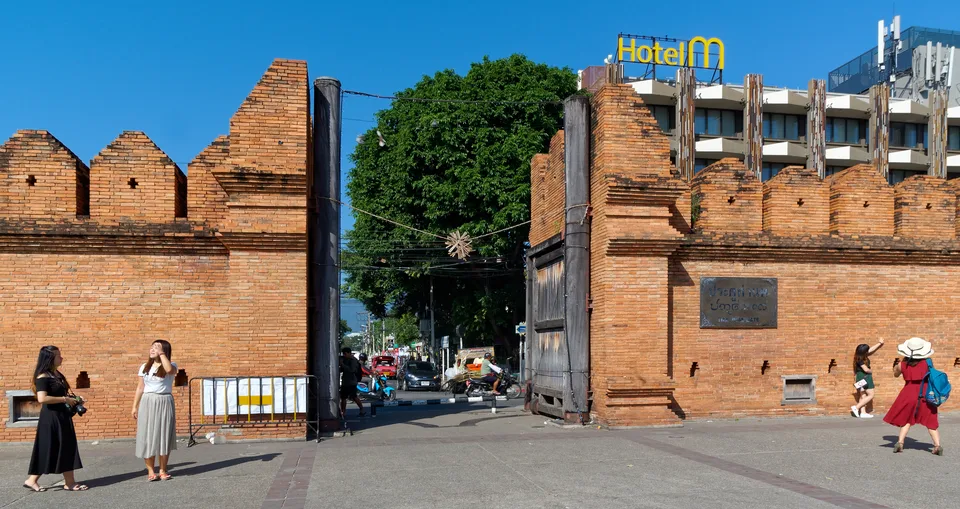
Tha Phae Gate marks a useful starting point on the old city's eastern side. The Tourism Authority's Sunday Market introduction identifies Ratchadamnoen Road, beginning at the gate, as the evening walking-street route. Use the gate as a meeting point and orientation stop, then continue into the streets rather than spending the whole outing at the entrance.
If Sunday shopping matters, arrange the itinerary around it instead of expecting the same market every night. Check current local announcements for changes and road access. Crowds can slow a simple walk considerably, especially when children or older companions need a break. Choose a clear reunion point before separating to browse. For a quieter appreciation of the old-city layout, explore earlier in the day and return later only if the market itself appeals.
Look closely at Wat Phra Singh
The official Wat Phra Singh visitor listing locates the temple on Samlan Road within the old city. Wihan Lai Kham, its murals, the library and other buildings offer several reasons to pause beyond the first courtyard view. Look at the relationship between carved details, rooflines and the spaces used by worshippers.
Plan a respectful visit with clothing that covers shoulders and knees, and follow the signs governing footwear and photography in each building. Visitor access can differ from the hours during which a religious site is active. Check admission arrangements at the designated entrance rather than relying on an old quoted fee. Allow space for worship, avoid interrupting ceremonies and ask before photographing identifiable people. Combining this temple with nearby old-city streets is more satisfying than immediately departing for a distant attraction.
Give Wat Chedi Luang its own visit
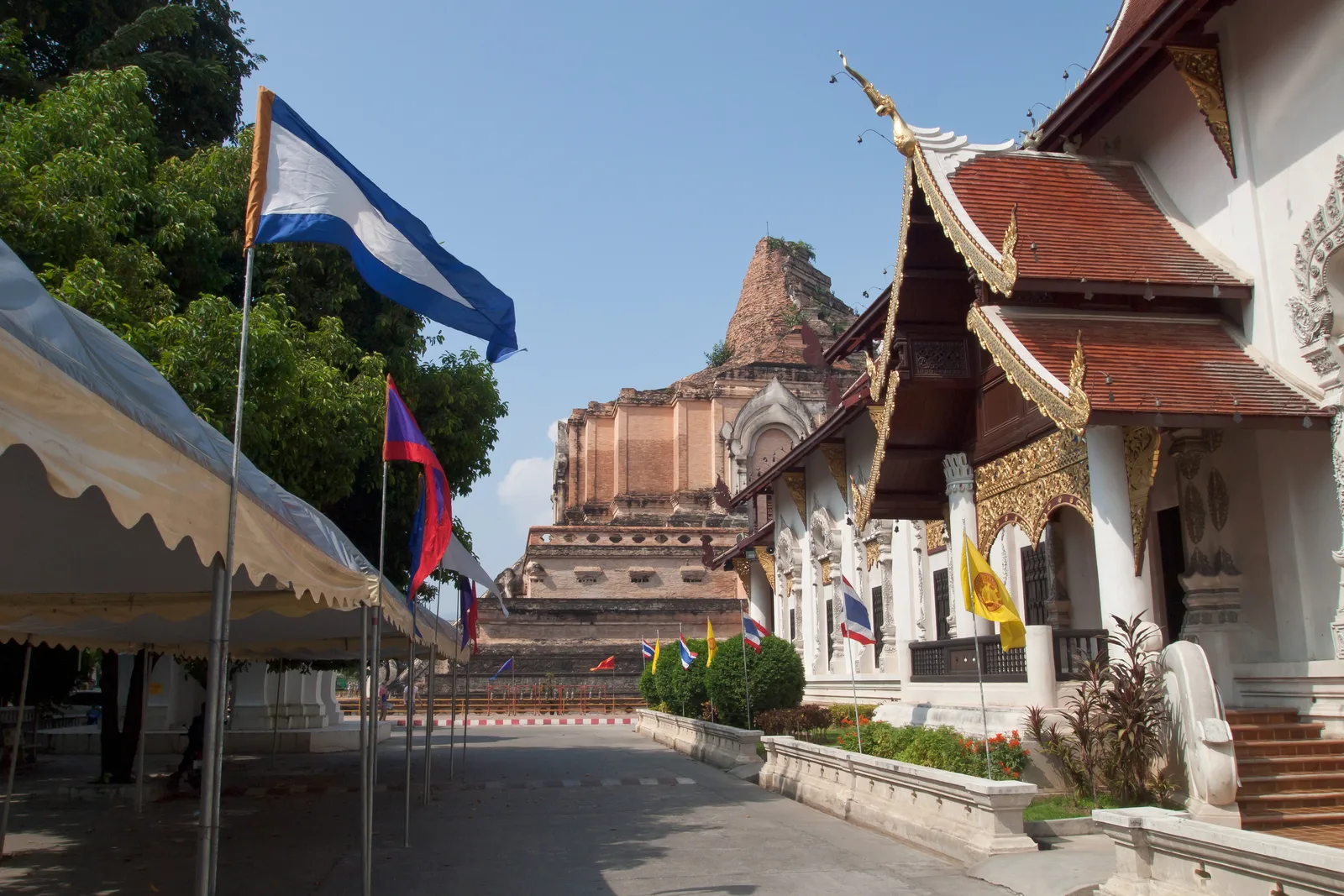
Wat Chedi Luang's substantial brick chedi creates a different impression from the halls and finer decorative details at Wat Phra Singh. The Tourism Authority's Wat Chedi Luang information identifies the city temple on Phra Pokklao Road. Check that name and location carefully when researching: similarly named temples elsewhere in northern Thailand are different destinations.
Walk around the permitted parts of the compound and observe the contrast between the large historic structure and the buildings serving religious life today. Take current barriers seriously; an attractive ledge is not an invitation to climb. This is a useful second temple for a first visit, but it need not become the start of an exhaustive checklist. Leave time afterwards for lunch or a cultural exhibition. Current visitor charges and access should be checked locally before joining a queue.
Use the municipal museum to connect the details
The Chiang Mai Arts and Cultural Centre provides a structured introduction to the city's development, culture and relationship with its surroundings. Its exhibitions can help explain subjects that are easy to overlook during a temple walk, including water systems, trade and the organisation of the old city.
The centre's English visitor page publishes Wednesday–Sunday opening, 08:30–16:30, including public holidays, with closure on both Monday and Tuesday. Confirm special notices for your date. Published admission information differs between language versions, so check the category applicable to your party before budgeting. A museum morning works particularly well when heat or rain makes continuous walking unattractive. Read a few subjects carefully rather than trying to absorb every display, then return outdoors with particular details to look for.
Set aside a separate outing for Doi Suthep
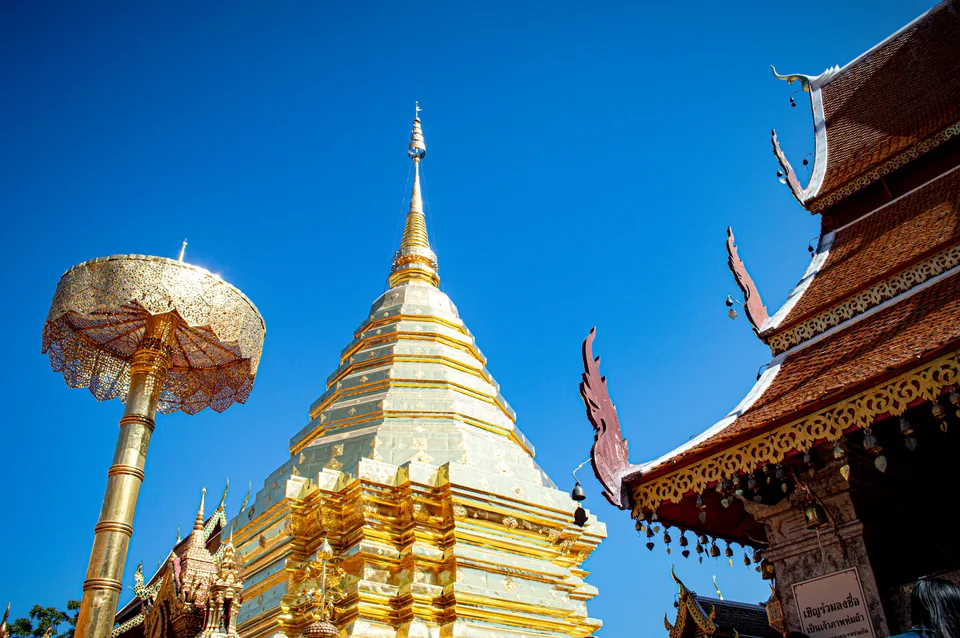
Wat Phra That Doi Suthep stands outside the old-city walking circuit. Its golden chedi, naga-lined approach and mountain setting make it a distinct outing. Arrange transport for both directions, including a clear meeting place and what happens if the visit takes longer than expected.
Check the practical route through the site if steps, slopes or prolonged standing are difficult. Do not assume that an advertised vehicle transfer includes admission or every internal access option. Mountain weather and visibility can change; the religious architecture remains worthwhile even when a broad city view is unavailable. Plan one substantial activity around this journey rather than attaching several distant province attractions to the same afternoon. Before adding a trail or national-park stop, verify that area's separate access conditions and current weather notices.
Arrive with a complete airport-transfer plan
Check the airport code CNX on bookings for Chiang Mai International Airport. Before flying, save the accommodation's full address and contact details, and establish how reception handles a delayed arrival. A pre-arranged transfer can be useful with substantial luggage, provided the meeting point and total charge are clear.
The airport operator's ride-hailing information says pickups must use designated areas. Follow the current in-app instructions and airport signs rather than accepting an unsolicited offer. Ask a taxi counter or driver how the fare is calculated and which charges are included. Airport-bus information circulating online spans different service periods; confirm today's route, operating hours and boarding point before planning around a specific bus. Keep an alternative transfer available if arrival is late or service information cannot be confirmed.
Compare rail with the journey you actually want
For an overland arrival, use State Railway of Thailand's D-Ticket booking guidance and its linked booking system. The instructions identify Chiang Mai with the Northern Line and show how to compare dated services, available carriage types and the detailed fare. Sleeper accommodation is a specific booking choice, not something included with every train ticket.
Compare the entire journey with flying: departure-station access, the class you can actually buy, arrival time and onward transfer to the hotel. Do not assume every Bangkok departure uses the same station. Keep the issued ticket and its conditions accessible, and check amendments directly through the operator. An overnight train can be an attractive part of a trip when the available berth and schedule suit you; it is less useful if an inconvenient arrival consumes the following day.
Get around without assuming a fixed urban fare
The tourism authority's Chiang Mai transport overview describes local options including songthaews, buses and tuk-tuks. Red songthaews are recognisable shared passenger vehicles, but a shared ride and an exclusive charter are different arrangements. Tell the driver the precise destination and agree whether the quoted amount covers one person or the whole party before boarding.
For a booked car, compare the displayed pickup point with where you are standing, especially around busy gates. Walking is useful within selected old-city areas, but crossings, uneven surfaces, heat and rain can change the effort involved. Build short walks around nearby sights rather than assuming the whole urban area is pedestrian-friendly. Motorbike hire should be a considered decision based on appropriate licensing, experience and insurance; a rental shop's willingness to hand over keys does not establish that all requirements are met.
Make room for khao soi and ordinary meals
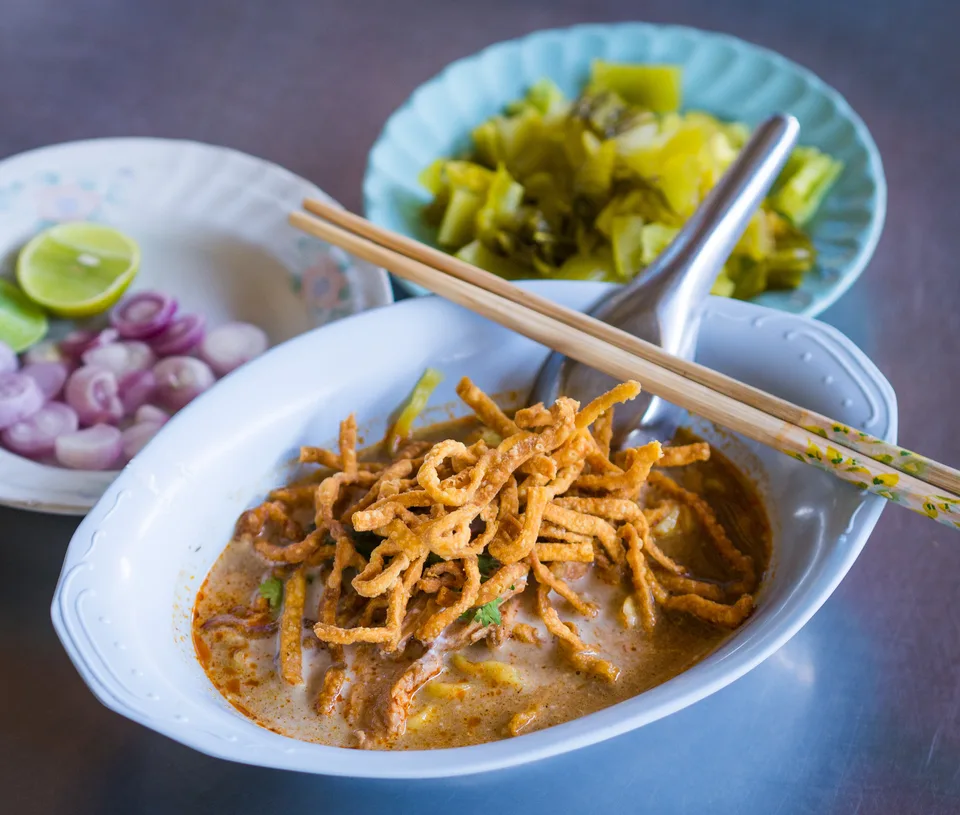
Khao soi is a practical starting point for exploring Chiang Mai's food. The tourism authority's local khao soi listing describes rich curry noodles with a crisp noodle topping. Accompaniments and the choice of meat vary, so ask what is in the particular bowl rather than assuming the dish always follows one recipe.
For allergies, vegetarian requirements or halal needs, ask specific questions about broth, meat, garnishes and preparation. A dish's familiar appearance cannot answer them. Combine a food stop with the day's district instead of travelling repeatedly across town for individual recommendations. Compare the displayed meal price with drinks, service charges or extras before ordering. A cooking class can provide another worthwhile experience, but check the actual menu, group size, transport arrangements and handling of dietary restrictions before paying.
Shop differently at Warorot and the evening markets
The official Warorot Market listing places this market, also called Kad Luang, in Chang Moi and highlights local foods including green chilli paste, fermented pork sausage and preserved produce. Ton Lam Yai flower market is nearby. The Chiang Mai Night Bazaar listing identifies a separate shopping area on Chang Khlan Road. The Sunday walking street is another distinct event: choose the market that fits your interests and available evening.
For textiles or handicrafts, ask where an item was made, what material it uses and how it should be cared for. A seller's description is a claim to assess, especially when a handmade or antique label affects the price. Compare similar goods before deciding, keep receipts where available and check baggage limits for bulky purchases. Leave room in the itinerary to browse without needing to buy. A market is also a working place; keep access clear and ask before taking close photographs of people or their stalls.
For food gifts, check the destination country's import requirements before buying; sealed packaging does not establish permission. Agree packaging and delivery charges before paying for anything that needs shipping.
Build a useful budget from your own choices
Start with dated accommodation quotations and include taxes, cancellation terms, breakfast and any deposit. Then price airport transfers, the outings requiring a vehicle, meals and individually ticketed visits. A room that looks inexpensive can lose its advantage if every day begins and ends with a long paid journey.
Keep a small cash reserve for situations where your preferred payment method is unavailable. A QR-payment sign does not prove that your particular foreign banking app can use it. For longer stays, separate monthly rent from electricity, water, internet, laundry and cleaning. Ask for written billing arrangements and a sample bill before comparing properties. Avoid treating an online monthly-cost estimate as a promise: household size, cooling use, transport and the standard of accommodation can change the total substantially.
Choose dates with heat and rain in mind
The Thai Meteorological Department's historical Chiang Mai station data illustrates the seasonal contrast. For its 1981–2010 baseline, January's average daily maximum was 29.8°C and minimum 14.9°C; April's average maximum reached 36.5°C. These are historical averages, not forecasts for the week you travel.
The department's explanation of Thailand's seasons places the cooler season roughly from mid-October to mid-February, the hot season to mid-May, and the rainy season to mid-October. Timing varies between years and regions. Cooler-season walking can be appealing, while hot-season days call for shorter exposed outings and indoor breaks. Rain need not prevent a city visit, but it can complicate mountain journeys and road connections. Consult the current Chiang Mai forecast before deciding on the next day's outing, and keep at least one museum or other indoor option available rather than filling every day with weather-dependent plans.
Treat air quality as a separate planning question
Comfortable temperatures do not guarantee clear air. Before booking a long stay, consider how you would respond to a period of poor air quality, including changing outdoor plans or accommodation. Avoid assuming that one previous visitor's dates establish conditions for another year.
Use the Pollution Control Department's Air4Thai reports for current monitoring information. Check the relevant station, pollutant and reporting time; a blank result is missing information, not proof of clean air. Someone with a health condition should discuss personal precautions with an appropriate clinician. For accommodation, ask about windows, ventilation and any filtration equipment actually supplied. These practical checks matter particularly when a stay combines work or study with outdoor activities that cannot easily be moved to a different week.
A realistic three-day introduction
On day one, orient yourself at Tha Phae Gate, explore part of the old city and choose Wat Phra Singh or Wat Chedi Luang for an unhurried visit. Add the other only if the pace and weather suit everyone. Keep lunch nearby and leave the evening flexible.
On day two, visit the Arts and Cultural Centre when its calendar allows, then explore a market area and plan a khao soi meal. Shift the museum to another day if this falls on Monday or Tuesday. Reserve day three for Doi Suthep, with a clear return arrangement and time afterwards to rest or explore Nimman. If a Sunday walking-street visit is important, rearrange the evenings accordingly. A fourth day creates room for a separate excursion; it should not be squeezed into an airport-departure morning.
Test everyday life before choosing a home
For relocation, begin with temporary accommodation and test the journey to the actual workplace, school or campus at the hours you will use it. A holiday near temples answers different needs from a household managing groceries, laundry, school runs and regular appointments. Inspect the route as well as the room.
Ask the landlord or agent to establish their authority to let the property, and obtain a written inventory, deposit terms, maintenance responsibilities and termination arrangements. Check cooling, water pressure, cooking facilities, waste disposal, security and emergency exits. Test internet and mobile reception inside the unit. For families, confirm school availability and the real daily journey before paying a long advance. Visit after dark to judge noise, lighting and access; an attractive daytime viewing gives only part of the picture.
Check utilities, healthcare and household administration
The Provincial Electricity Authority's official service apps provide billing and outage-related services, while the Provincial Waterworks Authority's Chiang Mai branch is a local water-service resource. Establish who holds each account and how your landlord calculates charges. Photograph opening meter readings and retain payment records.
Plan healthcare around your circumstances and insurance. Maharaj Nakorn Chiang Mai Hospital's emergency department publishes round-the-clock operation and uses triage; that does not guarantee an immediate consultation or free treatment. Identify suitable routine care as well as emergency access, and check what your policy covers. Households should also confirm the nearest useful grocery options, pharmacy, laundry arrangements and delivery access. These everyday details often affect a long stay more than proximity to a single landmark. Keep copies of insurance details and essential prescriptions accessible, and confirm ongoing medicine availability before depending on a local replacement.
Separate tourism, residence and arrival reporting
Use the official Thai e-Visa website and the responsible Thai embassy or consulate to establish the category appropriate to your passport, location and activities. The Foreign Ministry's May 2026 visa announcement describes changes tied to formal implementation; older exemption lists should not be treated as a permanent entitlement. Confirm the rules that apply on your travel date.
Tourism, employment, study and permanent relocation require different planning. A long accommodation booking or a course advertisement does not itself authorise the intended activity. Separately, the Thailand Digital Arrival Card FAQ explains the free TDAC, generally submitted within the three days before arrival, including arrival day. It is an arrival declaration rather than a visa. Children also require cards unless exempt; airside transit without passing immigration is treated differently.
Understand reporting during a longer stay
Chiang Mai Immigration's official website provides local procedures and service information. Confirm the requirements attached to the permission actually granted to you, including expiry, extensions and any applicable address reporting. The office's 90-day notification services should not be confused with permission to extend a stay.
The government explanation of TM30 reporting describes a separate obligation for the house owner, landlord or hotel manager to report a foreign guest's arrival within 24 hours. Ask your accommodation provider how it handles this and retain relevant confirmation. TDAC, accommodation reporting and 90-day notification serve different purposes; completing one does not automatically satisfy the others. Before accepting work or paying substantial study fees, establish the relevant immigration and employment conditions using official resources or appropriately qualified advice.
Consider the surrounding area without overfilling the trip
Wiang Kum Kam's government visitor introduction offers a nearby historical counterpoint to the old city, associated with an earlier settlement and the Ping River landscape. Plan a distinct journey and check current arrangements locally rather than relying on old quoted tour prices. For mountain villages or national parks elsewhere in the province, allow a separate day and verify road, weather and access conditions.
For a broader Thailand trip, compare onward destinations with the time available. VisaWand's Bangkok city guide provides a different urban option. The Thailand country guide offers wider context; the Thailand location directory identifies other places. The Thailand destination page and consultant listings can help you compare professional support. Review an adviser's credentials, fees and written scope before booking a consultation.
Official planning resources
Reviewed 15 October 2026. Use the official resources linked throughout this guide for admission, transport, housing and immigration decisions. Prices, services and rules can change; confirm the details relevant to your dates. Photography illustrates the locations and is not a live view.
View all official resources
- Tourism Authority of Thailand: Chiang Mai
- Airports of Thailand: Chiang Mai designated ride-hail pickup
- Thai Immigration: TDAC FAQ
- Ministry of Foreign Affairs: May 2026 visa revision
- Official Thai e-Visa
- Chiang Mai municipal Arts and Cultural Centre
- Tourism Authority Japan: Chiang Mai Sunday Market
- Tourism Authority: Wat Phra Singh
- Tourism Authority Japan: Wat Chedi Luang
- Tourism Authority: Wat Phra That Doi Suthep
- Thai Government: Wiang Kum Kam
- Thai Meteorological Department: Chiang Mai historical normals
- Thai Meteorological Department: Chiang Mai forecast
- Thai Meteorological Department: seasons
- Chiang Mai Immigration
- Thai Government: TM30 accommodation-reporting rules
- Provincial Waterworks Authority: Chiang Mai branch
- Chiang Mai University: Maharaj hospital emergency department
- Tourism Authority: Chiang Mai khao soi listing
- Pollution Control Department: Air4Thai
- State Railway of Thailand: D-Ticket booking help
- Provincial Electricity Authority: official mobile services
- Tourism Authority: Warorot Market
- Tourism Authority: Chiang Mai Night Bazaar
- UNESCO World Heritage Centre: Chiang Mai Tentative List record
- Tourism Authority Malaysia: Chiang Mai transport overview
Plan the next part of your journey
Explore the Thailand guide, browse other cities or compare consultants for your travel and relocation questions.