Visa
Taipei: trading streets, towers and hot-spring culture
A useful Taipei visit can move between trading streets, religious places, modern commercial architecture and hot-spring culture without making any one of them stand for the entire city. Dadaocheng gives historical commerce a street-level setting. Wanhua combines traditional religious and shopping interests with Ximending's different retail character. Xinyi presents major business and architectural landmarks; Beitou adds a reason to travel beyond those central sightseeing priorities.
That variety rewards a selective itinerary. Someone visiting chiefly for food and street life may give Raohe and older districts more time, while an architecture or business trip can make Xinyi the organising point. The same distinction matters when considering a move: the place that provides an enjoyable afternoon may be far from your regular commitments. Treat this guide as a way to choose experiences and compare practical arrangements, then use your actual travel dates, workplace or campus to settle the details.
Dadaocheng puts trading history into the street scene
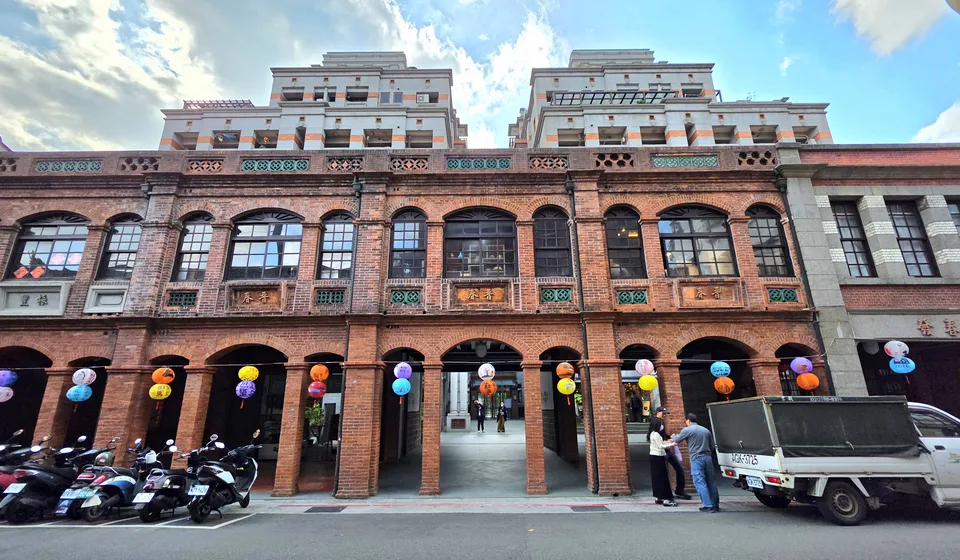
Dadaocheng occupies the southern part of Datong, on the eastern side of the Tamsui River. The city government's account of Datong connects the area's development with nineteenth-century trade, including tea exports. That history gives a walk here a different focus from the skyline: look at the storefronts and the relationship between commercial streets and the river rather than treating every old facade as an isolated photo stop.
Dihua Street is the district's best-known architectural and shopping reference point. The city describes distinctive Baroque-style buildings and a Lunar New Year shopping tradition involving dried foods and other provisions. This is a worthwhile area for someone interested in how the city traded and shopped before its office districts expanded. Allow time to browse without making a souvenir purchase the objective of every stop, and distinguish a public street from the separate businesses along it when planning opening hours.
Wanhua combines Ximending with older religious streets
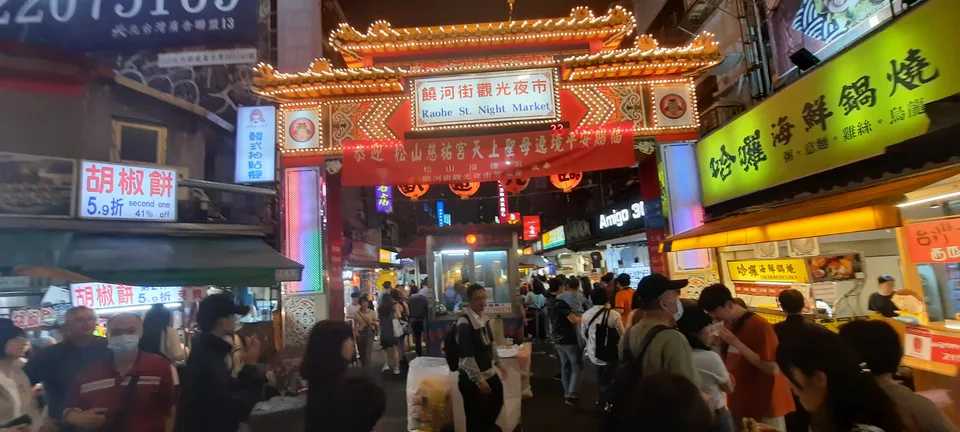
Wanhua offers more than one kind of visit. In the north, Ximending is associated with youth-oriented shopping; central Wanhua includes Longshan Temple and traditional streets. The official Wanhua district overview also identifies the Red House, Herbal Lane and Huaxi Street Tourist Night Market. These places belong to a broader district rather than one interchangeable entertainment zone.
For a first visit, choose between a shopping-led walk and a slower route around religious and traditional commercial settings, or give each its own part of the day. A temple visit deserves a different pace from browsing shop windows: leave worshippers room and follow instructions at the entrance. If accommodation listings use Ximending as their selling point, map the actual property rather than assuming that every Wanhua address puts the same streets outside your door. The district's variety makes the location of an individual room more meaningful than the neighbourhood name alone.
Xinyi suits an architecture, shopping or conference-led stay
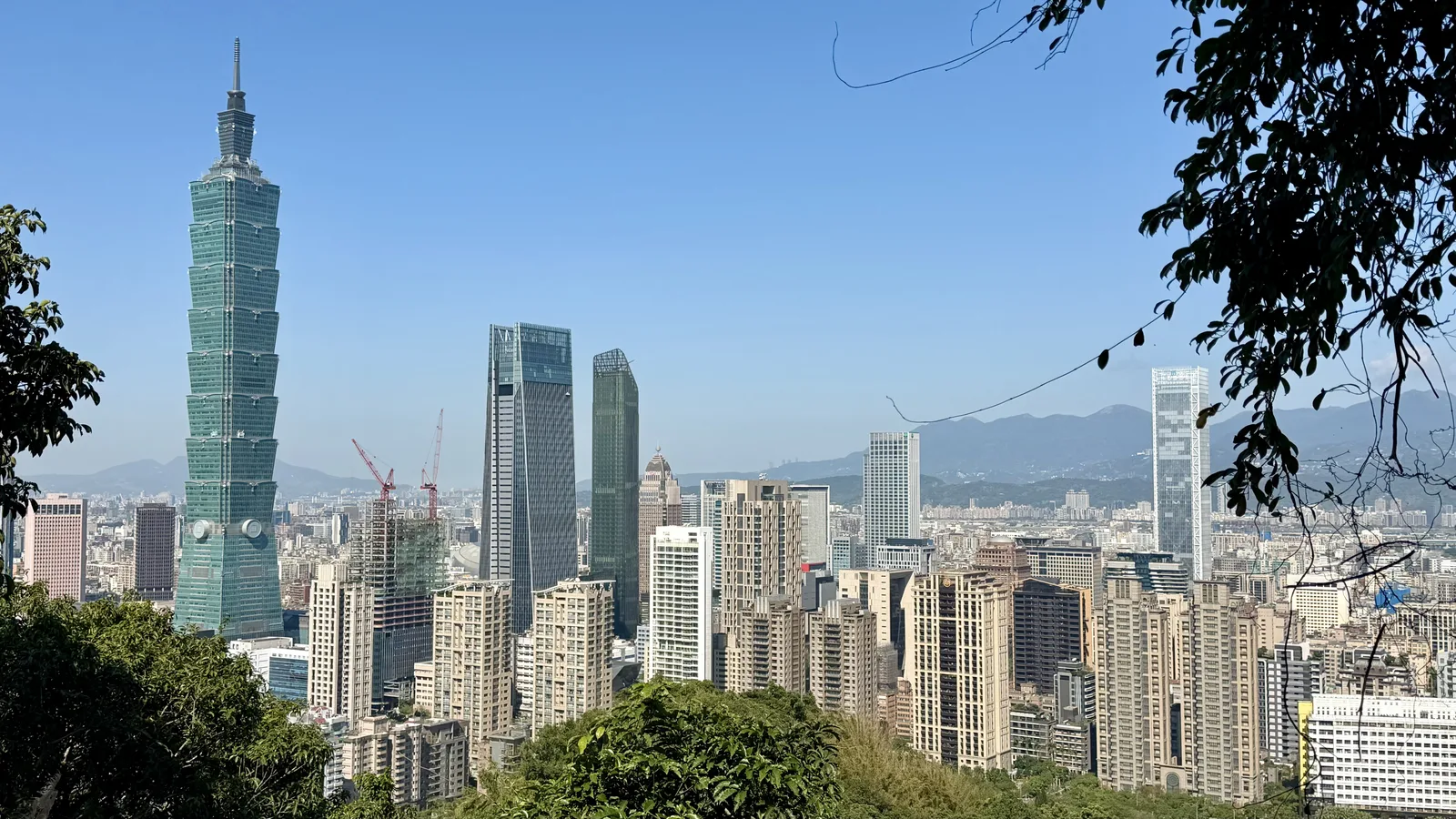
Xinyi concentrates several of modern Taipei's major landmarks. The district office's description of Xinyi places Taipei 101, City Hall, the World Trade Center and conference facilities within its account of a business and exhibition district. A traveller attending an event here has a different starting point for choosing accommodation from someone whose main interest is the older western districts.
Use the event venue or attraction entrance as the anchor for a hotel search, then compare the route to the rest of your itinerary. A nearby landmark does not by itself establish that a hotel room has a view, or that reaching a specific hall is a short walk. For leisure visitors, Xinyi can form a distinct modern-city day, with time allocated to the tower and shopping rather than hurriedly attaching them to an already full heritage route. Keep the commercial district and the individual attraction's admission arrangements separate when budgeting.
Taipei 101: planning an observatory visit
Taipei 101 is a landmark and a shopping destination, but entering its commercial spaces should not be confused with an observatory visit. The tower's official visitor information publishes observatory hours of 10am to 9pm and directs visitors to the office building's first-floor observatory ticket counter. That current instruction is more useful than relying on an old guide's remembered entrance.
Choose the observatory product by its listed floor access and conditions. A ticket name, promotional photograph or mention of the tower does not establish that an outdoor area or every viewing floor is included. Allocate this as a deliberate paid attraction rather than an automatic add-on to shopping, and judge its value against the visibility you want from the visit. The mall publishes separate operating hours, so an evening shopping plan and a tower admission plan should be checked independently.
Beitou Hot Spring Museum: culture and opening hours
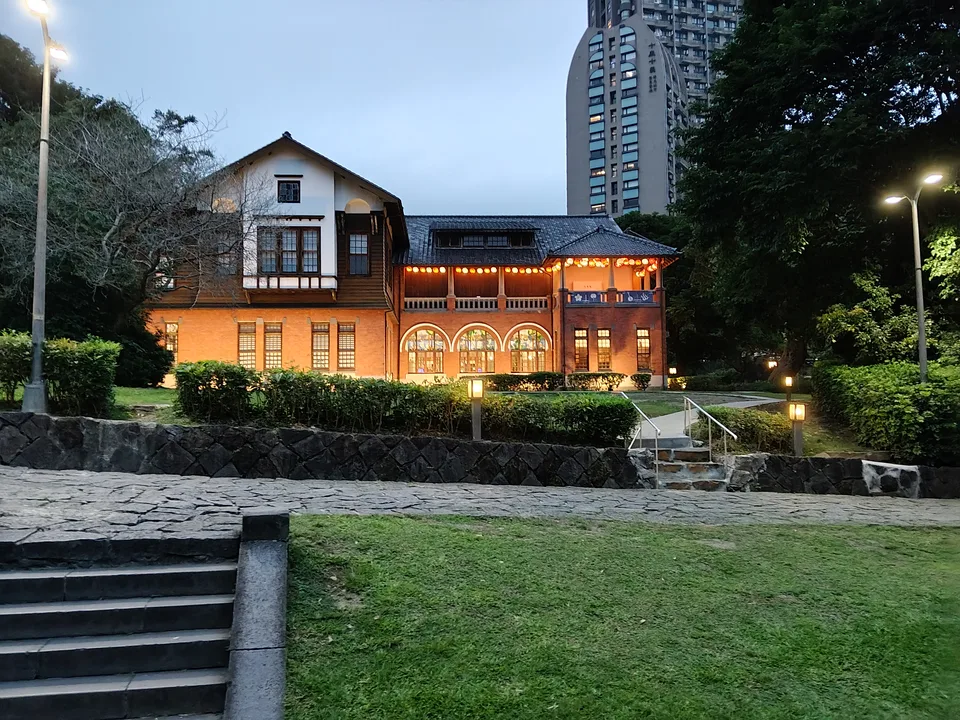
The name can mislead a hurried visitor: Beitou Hot Spring Museum does not offer hot-spring bathing. It displays cultural artefacts, making it a different commitment from booking a bath or a room at a spring property. If bathing is the reason for travelling to Beitou, arrange that experience separately and leave the museum as an additional stop rather than assuming its free admission includes water access.
The museum's published hours are Tuesday to Sunday, 10am to 6pm, with last admission at 5.45pm; Monday is its closure day. Visitors normally change into the supplied slippers, and the building's capacity limit can mean waiting. Anyone who needs an alternative to changing footwear should contact staff for assistance. The museum warns that narrow halls and thresholds hinder wheelchair and stroller access. Contact staff about the specific needs of your group before organising the visit.
The National Palace Museum: art, admission and a quieter day
The National Palace Museum's Northern Branch in Shilin provides an indoor alternative to shopping and skyline views. Its current exhibition programme includes ceramics, jades, bronzes, painting and calligraphy, alongside changing displays. Choose themes rather than expecting a short visit to exhaust the collection. Exhibition dates and objects on display matter if a particular artwork is your main reason for going.
Regular admission to Exhibition Hall I is NT$350; visitors of all nationalities aged seventeen and under qualify for free entry. A ticket plus a NT$150 Metro One-Day Pass totals NT$500 before meals or any transport outside the pass's coverage. The published hours are Tuesday to Sunday, 9am to 5pm, with ticket sales ending at 4.30pm and specified extra Monday openings. Use the current calendar: a selected Monday opening does not mean every Monday is available.
Choosing between Ximending, Xinyi and Beitou accommodation
Select an area first, then examine the room itself. Ximending and the wider Wanhua district suit a trip centred on shopping and older western streets; Xinyi is a more relevant starting point for a conference or a tower-led visit. For a Beitou stay, decide whether the spring experience is the main purpose of the trip or an excursion from a different base. An appealing district name cannot settle the practical question of your repeated journeys.
Use the Tourism Administration's official accommodation search when checking the property you intend to book. Compare the listing's name and address with the booking offer, then read the actual room conditions: window, bed configuration, bathroom, cancellation terms and any access needs. A hotel, hostel dormitory and private apartment offer different degrees of privacy and household convenience. Compare the total for the same dates and occupancy rather than treating a headline nightly rate as a like-for-like comparison.
Taoyuan Airport MRT: terminals and tickets
Taoyuan Airport MRT links A1 Taipei Main Station with A12 Airport Terminal 1 and A13 Airport Terminal 2. The operator's station-specific timetable distinguishes express trains from the stopping service; its express stopping pattern includes A1, A3, A8, A12 and A13. Confirm the terminal and service when looking at a departure, rather than treating every train on the airport railway as the same journey.
A train to Taipei Main Station still leaves the transfer or walk to your accommodation, which matters with luggage. The airport railway's single-journey ticket conditions specify purchase at token machines or information counters and validity during service hours on the purchase date. Unused tokens are refundable only that day; the exit gate collects the token. Keep it until the journey is complete. City Metro passes are a separate purchase unless a named combined product explicitly includes the airport railway. Use the actual timetable for your return flight rather than assuming this railway runs overnight.
Choosing a Metro pass
Taipei Metro sells two short-stay products that sound similar but behave differently. Its official travel-pass table lists the One-Day Pass at NT$150: activation starts unlimited travel until the end of service that same day. The NT$180 24-hour pass instead lasts 24 hours from activation. A visitor arriving in the evening and travelling again the following morning should compare the rolling product with individual fares rather than buying a calendar-day pass on its name alone.
The operator also lists 48-hour and 72-hour passes at NT$280 and NT$380. These products cover Taipei Metro and the New Taipei Metro Circular Line; their listed coverage should not be treated as an airport-transfer bundle. Choose a pass around the journeys you will actually make, leaving walking time between nearby stops in the itinerary.
Raohe makes a focused evening food outing
Raohe Street Tourist Night Market is in Songshan, near Ciyou Temple and Rainbow Bridge. The Market Administration Office's introduction to Raohe describes a roughly 600-metre market with food alongside clothing, bags and household goods. Its examples include oyster omelettes, xiaolongbao and grass jelly: enough variety to build an evening around several small purchases rather than committing to a full meal before arriving.
Choose by what is being prepared and by the ingredients you can establish, rather than assuming a queue proves that a dish suits your diet. Start with one or two items, then decide whether you want more savoury food or dessert. Prices belong to individual vendors; an overall reputation for inexpensive eating is not a reliable quote for everything sold. Keep a separate allowance for drinks and purchases beyond food.
Metro tickets, stored-value cards and budgeting
The Tourism Administration's current Taipei Metro travel information describes QR single-journey tickets, available through station machines, counters and the Taipei Metro Go app. It notes a purchasing exception at the Circular Line's machines. Scan the ticket at entry and exit; a stored-value EasyCard instead provides a reusable balance, with top-ups available at Metro stations and convenience stores. A reusable card is useful if you prefer paying for each trip rather than committing to an unlimited pass. Compare your expected trips before buying either product. Keep drinks and snacks for outside the posted no-food-or-drink zones; the rule includes chewing gum.
For wider planning, see VisaWand's Taiwan country guide, Taiwan destination page, Taiwan location directory and consultant listings. The Hong Kong city guide offers another regional city to consider.
Summer heat, winter rain and a flexible sightseeing plan
Taipei's season matters most when it changes the amount of walking you will enjoy. The Central Weather Administration's summer overview identifies high heat and the regional mechanisms associated with typhoons. A summer itinerary should leave room for shorter outdoor stretches and indoor time, rather than requiring a long exposed walk between every attraction. Weather disruption can also make a prepaid view or outdoor excursion a less dependable centrepiece.
Winter brings a different planning problem. The agency's winter monsoon explanation describes northeasterly winds and rainfall affecting northern and northeastern Taiwan, alongside colder air arriving from the continent. Cooler conditions therefore do not guarantee dry sightseeing in Taipei. Bring layers and rain protection, and retain an indoor alternative for a day organised around streets or a viewpoint. These are seasonal patterns, not a forecast for your dates. Decide when to travel around your tolerance for heat and wet weather, then use the current forecast to choose the order of activities.
A realistic three-day itinerary
On the first day, make the western districts the focus. Choose a Dadaocheng walk for trading streets and architecture, or Wanhua for a combination of traditional streets and Ximending shopping. Leave enough time for the chosen area rather than racing between both solely to collect place names. A meal and a pause to browse are part of the visit.
Use day two for modern Taipei. Give a booked Taipei 101 visit a clear place in the day, with Xinyi shopping or the surrounding business district as the additional interest. An evening at Raohe can provide a separate food experience; it is an onward journey, not part of the tower's admission.
On day three, choose Beitou if hot-spring culture is a priority. Schedule the museum on an open day and arrange any bathing separately. If the weather makes the tower view unattractive, swap that part of the itinerary rather than forcing the original sequence. This plan deliberately leaves meals, transfers and rest in the day, and gives each visit a reason beyond its popularity.
Tamsui is a New Taipei outing with a riverfront focus
Tamsui belongs to New Taipei City, rather than Taipei City itself. The official Tamsui Old Street guide distinguishes the traditional shopping streets from the outer riverside walkway. This makes it an alternative outing when you would rather combine browsing and a waterfront walk than add another city-centre admission ticket.
The tourism office identifies local foods including a-gei, fish balls and iron eggs. A-gei is stuffed tofu containing noodles and sealed with fish paste, so its appearance should not be taken as evidence that it is vegetarian. Browse the street and choose food according to the ingredients and portion you want; there is no need to follow an invented list of favourite vendors. Allow the outing its own travel time. A public street's all-day accessibility does not establish that every shop is open throughout the day, and a hoped-for sunset remains dependent on the weather.
Housing and commuting for a longer stay
For a move, begin with the commute to the actual workplace or campus, then inspect properties within a route you can sustain. A holiday room near an attraction says little about storage, cooking, laundry or working from home. Walk from the proposed building to the station you would use and note how much of the journey involves transfers, stairs or an exposed approach. Test that routine before committing to an address because its district sounds familiar.
Taipei's Land Administration publishes resources for foreign tenants, including standard rental-contract material. Use that as a starting point for understanding a proposed agreement, and obtain help with terms you cannot read confidently. Record the rent, deposit, included furnishings, repair responsibilities and separately billed services in writing. Compare the full monthly obligation and the cost of ending the tenancy, rather than relying on an advertisement's rent alone.
Utilities, waste collection and household setup
Before taking a tenancy, establish how the building handles refuse and recycling. Taipei's environmental department supplies collection-route and recycling resources, including English classification material and information about designated garbage bags. Use the address-specific arrangements and building instructions instead of assuming a communal bin takes every type of household waste. The collection routine is part of living at the property, particularly if your working hours make fixed collection times difficult.
Also establish whether water, electricity, internet and any management charges are included in rent or billed separately. Record whose name is on each account, how bills are received, and who handles a fault. Inspect the cooking and laundry provision you will actually use; a furnished listing need not supply every appliance your routine requires. Keep an inventory and initial condition record, with a clear channel for reporting repairs. These are questions to resolve for the particular property, not promises about a universal Taipei lease.
Health coverage for foreign residents
Moving to Taipei involves establishing eligibility and the correct route into Taiwan's health system. The National Health Insurance Administration's guidance for foreign residents distinguishes enrolment through employment from the residence-period rules applicable to other categories. Do not assume that booking a long stay, receiving a visitor allowance, or renting an apartment automatically starts public health coverage.
Ask the employer, educational institution or relevant insurance office which enrolment unit applies to your status, what documents it needs and when coverage begins. The timing is particularly important if you are arriving with ongoing prescriptions or dependants. Keep appropriate cover for any period before enrolment, and organise medication records so a new clinician can understand your existing treatment. A household budget should allow for the actual insurance contribution and care arrangements rather than treating public coverage as an immediate benefit available to every newcomer.
Tourist entry and passport requirements
Taipei uses Taiwan's national entry framework. The Bureau of Consular Affairs visa-exempt entry rules specify different permitted stays for different nationalities, alongside passport and departure-ticket conditions. A 90-day allowance is not universal: other eligible passports receive 30 or 14 days, and some concessions have expiry dates. Read the entry for your nationality and travel document before buying a non-refundable journey.
Passport validity also has exceptions, so a single six-month rule cannot accurately describe every traveller. The official page sets out the general requirement and the different treatment of United States and Japanese passports. Entry eligibility is a separate question from permission to take employment, enrol on a course requiring residence, or establish a long-term household. A visitor exemption should not be used as proof that a proposed move is legally workable.
The online Taiwan Arrival Card
Taiwan's National Immigration Agency moved the arrival card fully online from 1 October 2025. Submission is free. The current Taiwan Arrival Card application instructs travellers to complete and submit it within seven days before arrival. That live instruction supersedes the three-day window in the agency's original 2025 launch announcement. The arrival form does not grant a visa or change immigration eligibility.
Use the agency's official application rather than paying a third-party intermediary for a routine form. Have your actual travel and accommodation details ready, and read the application's eligibility instructions for your situation. The agency says the system sends a confirmation email and retrieves the submitted information when an officer reads the passport. A successful form submission should not be mistaken for advance approval to enter Taiwan or permission to undertake work.
Work and study: the appropriate legal route
Someone offered employment should establish the applicable work-permit and residence process before arranging a move around the start date. The Workforce Development Agency explains applications to employ foreign professional workers and directs employers to its online permit platform. That is a route tied to the proposed employment and its eligibility requirements, not a general promise that every foreign applicant can accept any role in Taipei.
Students should use the Bureau of Consular Affairs guidance for full-time foreign students and coordinate with the admitting institution. The listed documents include admission, financial support, academic records and a health certificate, with authentication requirements for documents produced abroad. A school offer does not guarantee a resident visa. The guidance also distinguishes entry on a visitor visa specifically for foreign students from visa-free entry; do not assume that arriving as a tourist lets you convert status for a course. Admission, residence documentation and permission to work concern different decisions. Keep accommodation flexible while the relevant approvals remain outstanding.
Official planning resources
Reviewed 14 October 2026. Use the official resources linked throughout this guide for admission, transport, housing and immigration decisions. Prices, services and rules can change; confirm the details relevant to your dates. Photography illustrates the locations and is not a live view.
View all official resources
- Taipei Metro travel-pass prices and validity
- Official Taiwan visa-exempt eligibility and conditions
- Beitou Hot Spring Museum visitor information
- National Immigration Agency online arrival-card announcement
- Taipei City Government Datong district history
- Official Wanhua district character and landmarks
- Official Xinyi district geography and business character
- Taipei 101 official visitor information
- Taoyuan Airport MRT station-specific timetable
- National Health Insurance enrolment for foreign residents
- Official Raohe night-market location and food overview
- Central Weather Administration summer climate
- Central Weather Administration winter monsoon
- Tourism Administration accommodation search
- Taipei Land Administration resources for foreign tenants
- Workforce Development Agency foreign professional applications
- Official resident visas for full-time foreign students
- New Taipei City official Tamsui Old Street guide
- Taipei environmental department recycling and collection resources
- Tourism Administration current Taipei Metro ticket methods
- Taoyuan Airport MRT single-journey ticket conditions
- National Palace Museum official Northern Branch admission
- National Palace Museum official opening hours
- National Palace Museum current exhibitions
- Official Taiwan Arrival Card application and current submission window
Plan the next part of your journey
Explore the Taiwan guide, browse other cities or compare consultants for your travel and relocation questions.