Visa
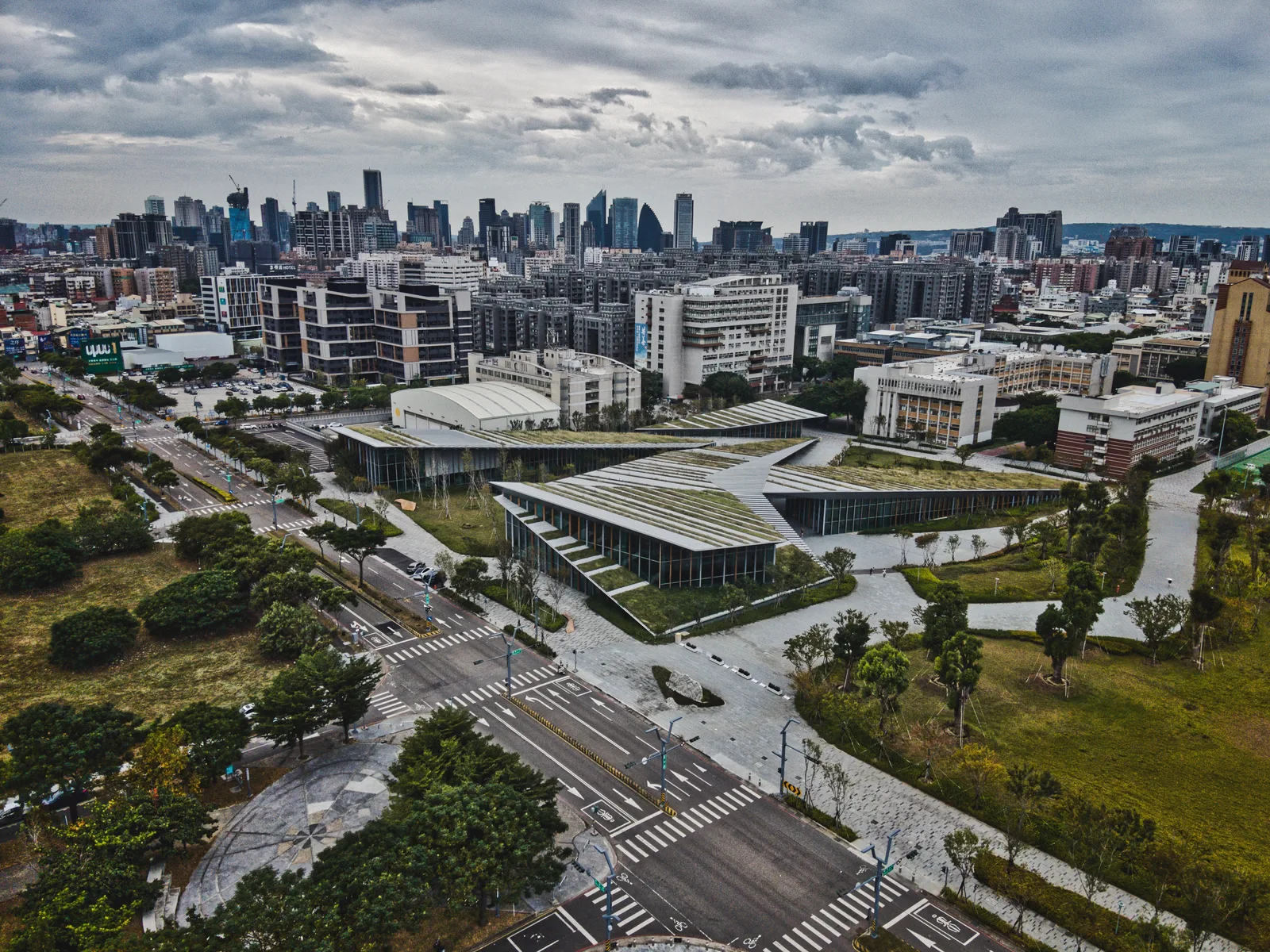
A city best explored in several pieces
Taichung rewards a visit organised around neighbourhoods: breakfast in an old market, an afternoon among galleries and green spaces, then an evening of street food or performance. Its appeal lies in that combination of everyday city life and substantial cultural attractions. You can build a satisfying short break here without treating every meal or museum as a stop on a race across central Taiwan.
The geographical catch is scale. Downtown Taichung, the high-speed railway station and the coastal wetlands are separate places requiring separate travel plans. Allow three nights if you want the urban sights and a coastal outing without rushing. Two nights work well for a more selective city visit. For broader planning, read VisaWand’s Taiwan country guide alongside this destination guide, particularly before booking an international flight or deciding whether to extend your stay.
Understand the geography before booking
Taichung stands in central western Taiwan, but the municipal boundary covers much more than its built-up centre. The city government’s introduction explains that the former city and county merged in December 2010; the resulting municipality contains 29 districts. A hotel advertised as being in Taichung may therefore be far from the markets and museums you intend to visit.
For a first stay, distinguish the older centre around Taichung railway station from West District’s cultural corridor and Xitun’s theatre, department stores and Fengjia area. Wuri contains the HSR interchange; Qingshui contains Gaomei Wetland. These names are useful when comparing addresses. Pin the actual property entrance and your intended evening destination before choosing a room. A cheap rate can lose its advantage if every return journey needs a taxi, while staying beside the HSR station makes most sense when onward rail travel is your priority.
Read the city through its changing streets
Taichung’s older streets and newer cultural buildings tell different parts of its story. The Tourism Administration’s account of the city highlights the importance of transport development during Japanese colonial rule and the surviving grid of historic streets. Markets, temples and commercial buildings provide more useful historical context than a succession of isolated photo stops.
That history continues in reused spaces. Shen Ji New Village began as housing for auditing-office employees and now accommodates creative businesses, studios and shops. Visit for a compact browse rather than expecting a large historic village. Weekend creative markets are occasional events, so check the programme before travelling specifically for one. Combining this area with a gallery visit gives a clearer picture of how Taichung reuses older places while investing in contemporary culture. Neither the colonial-era centre nor the modern skyline alone represents the whole city.
Start with the old centre and Second Market
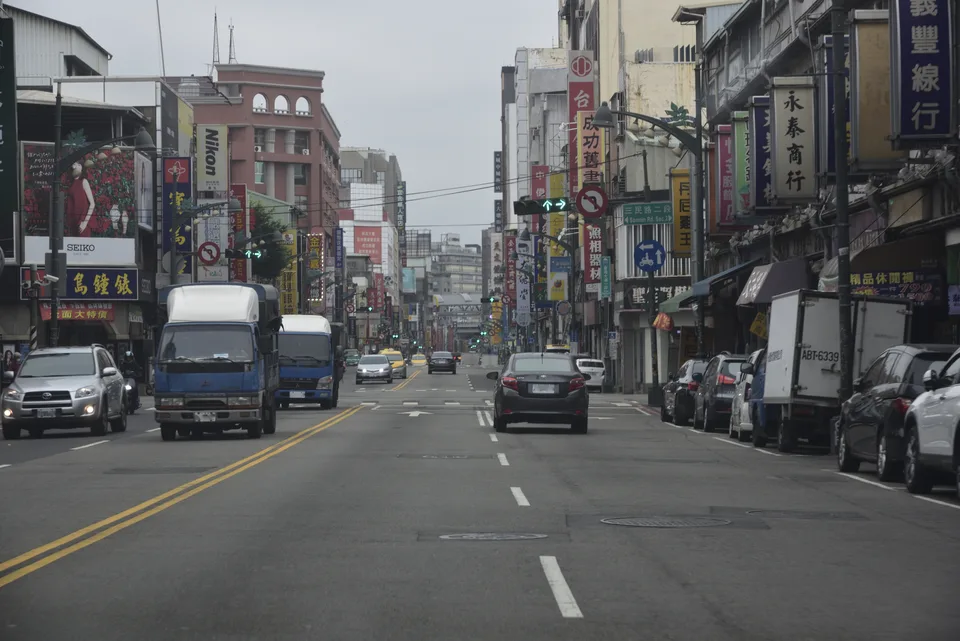
Begin a downtown morning at Second Market, on Sanmin Road beside Taiwan Boulevard. Its historic hexagonal centre is a reminder that this was a working place for distributing everyday goods, not a purpose-built visitor food court. Look for a meal you actually want to eat: braised pork rice, noodles, soup or black tea offer an approachable start.
Keep the rest of the morning flexible. Walk a manageable section of the surrounding streets, allow time for shops that interest you and return to the market area when hungry rather than ordering everything at once. Individual vendors keep their own hours; a market visit should not depend on one stall being open. This part of town suits travellers who value traditional commerce and railway access. When choosing accommodation nearby, check the final walking route after dark as carefully as the daytime distance from the station.
Use the greenway to join up a cultural day
The Calligraphy Greenway links a series of urban spaces between the National Museum of Natural Science in the north and the National Taiwan Museum of Fine Arts in the south. The tourism bureau describes a 3.6-kilometre corridor incorporating Civic Square, Park Lane by CMP and cultural venues. Think of it as a framework for a day, with choices along the way.
You do not need to cover its whole length. Choose one museum, a stretch of outdoor walking and a meal nearby, then add shopping if your energy allows. This is a useful area for travellers who prefer a less compressed day than a sequence of cross-city transfers. Outdoor access does not mean every gallery, shop or museum opens at the same time. In hot or wet weather, shorten the walking sections and use the museum visit as the centrepiece rather than forcing the full route.
Make time for the National Taichung Theater
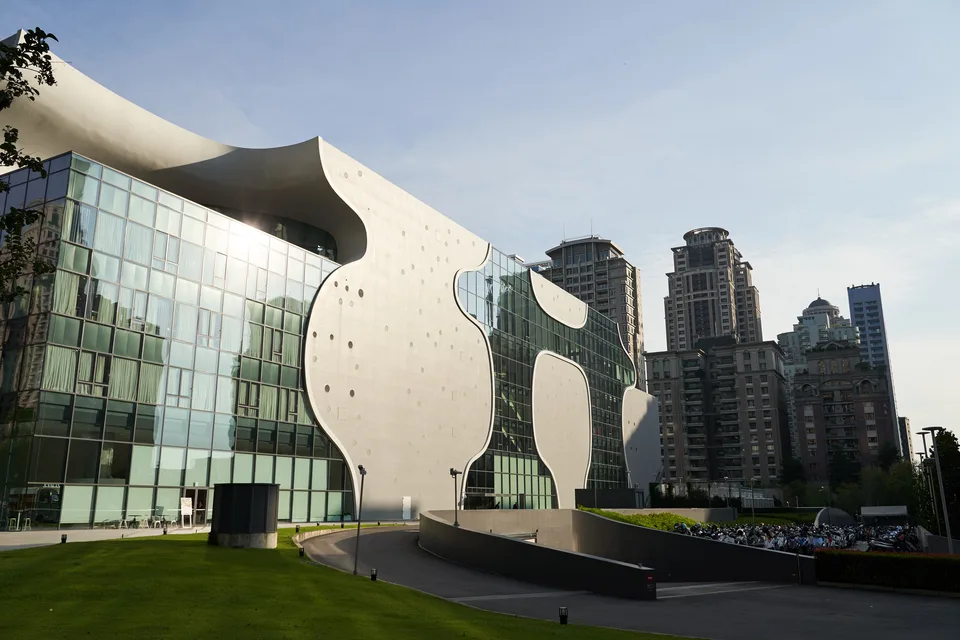
The National Taichung Theater in Xitun deserves attention even if your itinerary does not include a performance. Its sculptural exterior and interior spaces give contemporary Taichung a distinctive architectural focus. Use the theatre’s visitor and tour information to decide whether an architectural visit, an audio guide or a booked English-language tour best suits your time.
Published building hours are generally 11:30–21:00 from Tuesday to Sunday and on national holidays, with Monday closure. Check announcements and performance arrangements before setting out. Access to public areas does not imply free admission to a show, and an English-language tour should be arranged rather than assumed available on arrival. Leave room around a performance for dinner and the journey home. A late finish in Xitun can make a nearby hotel more convenient than a room chosen solely for proximity to downtown railway attractions.
Choose the right museum for your interests
The National Museum of Natural Science admission page lists adult gallery admission at NT$120. Its Space Theater costs NT$100 and the tropical rainforest greenhouse NT$20; these are separate components, so the gallery price is not an all-access ticket. Decide what interests your group before buying. The museum’s regular published hours are Tuesday–Sunday, 09:00–17:00, subject to announcements.
For art, the National Taiwan Museum of Fine Arts lists free admission, with regular hours of 09:00–17:00 Tuesday–Friday and 09:00–18:00 at weekends. Mondays are normally closed, with public-holiday exceptions. There are also date-specific changes: its November 28, 2026 election-day notice specifies opening from 13:00 to 18:00 that day. Choose the museum that matches your interests; attempting both in depth, the entire greenway and the theatre in one day leaves little time to appreciate any of them.
Give Gaomei Wetland a separate afternoon
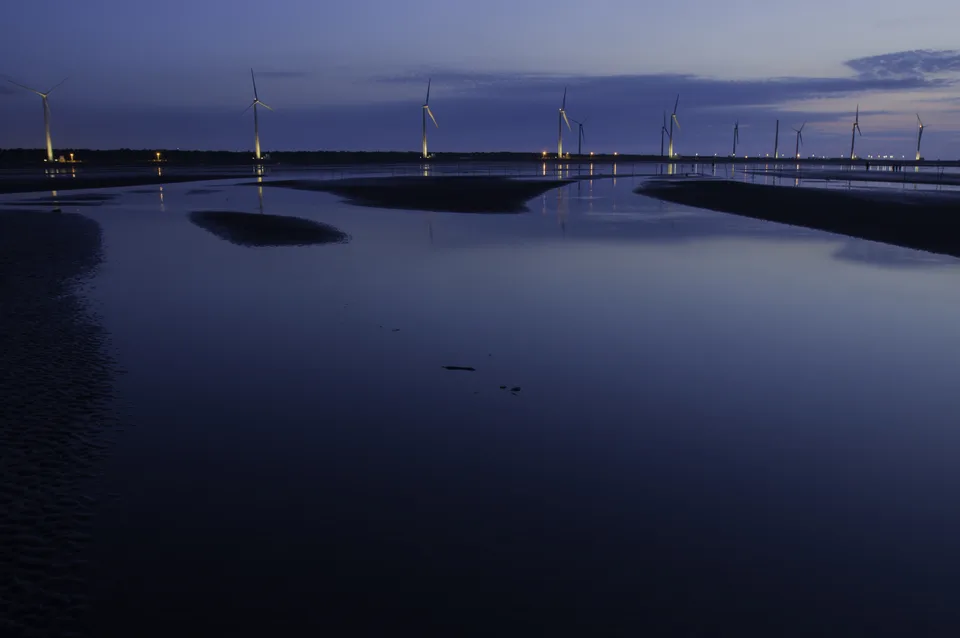
Gaomei Wetland lies in Qingshui, south of the Dajia River mouth. Its sand-and-mud habitats and visiting migratory birds, especially in autumn and winter, offer a very different experience from downtown Taichung. Treat it as a coastal excursion with weather and return transport to organise, rather than a quick addition after several urban attractions.
The official route 309 information connects downtown and Taiwan Boulevard stops with the coastal area, including a stop identified for Gaomei near No. 18 Wind Turbine. Check the current departure pattern, direction and final usable return before leaving. Leave time to walk from the stop. Wind, rain and changing water levels affect the experience; follow posted access instructions and remain within permitted areas. A dramatic sunset is a possibility, not something a booking can guarantee. If conditions deteriorate, keep the afternoon for an indoor city activity instead.
Eat and shop with a district in mind
Fengchia Night Market, also commonly written Fengjia, spreads around the university area in Xitun. It makes sense as an evening destination in its own right. Arrive with time to browse, order a few things you can finish and keep some cash available instead of assuming every small vendor accepts your usual card or mobile wallet.
For a different rhythm, eat breakfast or lunch in the older centre and save department-store browsing for the theatre side of the city. This reduces unnecessary backtracking. Ask about ingredients when allergies or dietary requirements matter; a photograph or short translated explanation can help, but should not replace a clear answer from the vendor. For gifts, consider how food will travel, its ingredients and the import rules at your next destination. A busy stall or attractive package does not settle those practical questions.
Choose accommodation around your evenings
For a first visit, shortlist three bases: the railway-station area for downtown walks and conventional rail journeys, West District for museums and the greenway, or Xitun for the theatre and Fengjia evenings. Compare the full journey to your preferred sights, including walking at each end, rather than choosing by the district name alone.
Use the accommodation search linked from the official first-visit planning page to check registered lodging, then confirm the room’s actual features with the property. Families may need lift access and laundry; light sleepers should ask about road noise and room position. Check whether a low advertised price covers your dates, occupancy, taxes and cancellation needs. For a week or longer, a slightly better location can matter more than a larger room. For one night between trains, convenient onward access may reasonably take priority over being in your favourite neighbourhood.
Arrive with the correct station in your plan
Taichung International Airport is RMQ; Taiwan Taoyuan International Airport is TPE. The city’s official transport overview explains options for reaching Taichung from Taoyuan, including transfers to high-speed rail and intercity buses. Compare actual flight arrival time, immigration, luggage and the last onward connection. An advertised train journey is only one part of an airport-to-hotel trip.
HSR Taichung is in Wuri, separate from downtown Taichung railway station. The MRT operator’s HSR interchange information identifies connections to the high-speed railway and TRA Xinwuri station. Choose your onward service according to the hotel address. The Green Line serves the City Hall area, while a downtown railway journey involves a different destination. Keep the Chinese address available and allow a connection margin when buying onward tickets. This distinction is particularly important for a short visit, when arriving at the wrong station can consume a meaningful part of the day.
For arrivals late in the day, work backwards from check-in. Ask the hotel about its latest reception time, luggage access and a fallback journey if the planned connection is missed. Save the booking and address offline, including the district and street number. Taichung’s station names and English spellings can look similar on a small screen, particularly when switching between an airline itinerary, a rail booking and a map. Confirm the destination on each leg separately. Travellers carrying a pushchair or several bags should also compare the number of changes, not simply the shortest quoted running time.
Use transport passes selectively
Taichung’s MRT is useful where its route matches your plans; buses and walking fill important gaps. The operator’s ticket guide lists stored-value options including EasyCard, iPASS and icash2.0. A one-day MRT pass costs NT$120 and lasts through that service day, while 24-hour and 48-hour passes cost NT$150 and NT$250. These products cover the MRT, not every train, bus or airport journey.
Do not assume Taichung buses are free for all visitors. The transport bureau’s resident-discount notice describes eligibility and card registration; qualifying permanent residents with a Taichung address were included from January 2025. Buying an ordinary transport card does not automatically confer that benefit. Compare passes with the journeys you will actually make, check the correct boarding direction and keep enough balance for the return. A taxi can be useful for a difficult final connection, but agree how the fare will be calculated before setting off.
Build a budget from confirmed components
Start with accommodation for your exact dates, then add intercity travel and the activities you intend to book. As a checked example, two adults entering the science museum galleries pay NT$240; adding the Space Theater for both brings those admissions to NT$440. Meals, other museum components and transport remain additional. Free admission at the fine arts museum can balance a day with paid activities elsewhere.
There is no single reliable nightly rate or market-meal price covering all districts and seasons. Compare live hotel quotes and displayed menus rather than treating an old budget as a promise. Keep a separate allowance for an unplanned taxi or changed coastal excursion. For longer stays, distinguish recurring monthly costs from arrival costs: a deposit, household purchases and temporary lodging can make the first month much more expensive than subsequent months. Price those items before deciding that a move is affordable.
Plan around weather and disruption
Choose dates according to the activities you value, then retain an indoor alternative. Museum-based days are easier to adapt than a coastal sunset outing. Hot, humid conditions make long walking schedules tiring; carry water, allow shaded breaks and avoid combining the greenway’s full length with an ambitious outdoor excursion simply because they fit on a map.
Taiwan’s typhoon risk also matters to Taichung trips. The current government travel advice identifies July–September as the most active period, while noting risk outside those months. Follow official forecasts and transport announcements rather than assuming the city’s position protects every journey. Mountain roads and coastal plans need particular flexibility after severe weather. For a short visit, avoid making the only important attraction dependent on your final afternoon. Reserve a changeable slot so weather disruption does not undermine the whole trip.
A realistic three-day itinerary
Day one: settle in, explore the old centre and eat at Second Market when vendors are open. Keep the afternoon for nearby streets and independent browsing. Choose dinner near your hotel rather than adding a long transfer immediately after an international arrival. This is also a useful day to learn your nearest bus stops and test your transport card.
Day two: choose the science museum or fine arts museum, walk part of the greenway and visit Shen Ji if its shops suit your interests. Put the theatre on this day only if you have a booking or are comfortable dropping another stop. Alternatively, make Xitun and Fengjia the afternoon and evening focus.
Day three: use suitable weather for Gaomei, with the outward and return services checked beforehand. If conditions are poor, substitute the other museum. Move museum visits away from Monday closures and leave enough time to collect luggage before onward travel.
Test daily life before committing to a move
A holiday can help you assess Taichung, but evaluate a longer stay through ordinary routines. Travel between a prospective home and the actual workplace or campus at commuting time. Check the last part of the route on foot, the return journey after evening commitments and whether a disrupted bus connection would create a daily problem.
Inspect housing in person where possible. Ask for a written breakdown of rent, management fees, electricity, water, internet and any shared charges. Check cooling, ventilation, damp, hot water, laundry and cooking arrangements, then record existing damage before moving in. The city’s introductory rental advice discusses contracts, agent charges and communication; it is an older resource, so verify current terms independently. Have a competent reader explain any contract you cannot understand. Confirm who handles repairs and deposit returns before transferring money, and retain receipts and written agreements.
Organise healthcare and household needs
For a longer stay, locate groceries, a pharmacy, laundry and suitable medical services near the home you are considering. Ask the building manager how rubbish, food waste and recycling are collected, and whether you must meet a collection vehicle or use a shared facility. Check internet availability at the actual address and the documents required for a phone plan or utility account.
Health coverage depends on status. The National Health Insurance Administration’s eligibility guidance distinguishes employed residents, other qualifying residents and exceptions for certain professionals and families; do not assume everyone waits six months or that a visitor is automatically insured. Arrange suitable cover for any gap. For visitors, the government healthcare advice recommends insurance and accessible funds for treatment; the ambulance number is 119. Confirm language support and any ongoing treatment needs before arrival, especially when choosing accommodation for several months.
Separate a visit from work and residence
Check the Bureau of Consular Affairs’ visa-exempt rules for your passport, purpose and intended stay. Eligible periods differ, and some nationality arrangements are temporary. Passport-validity requirements also have exceptions. Do not copy another traveller’s permitted stay or assume permission to visit authorises employment. Check onward-ticket and supporting-document requirements before departure.
The official Taiwan Arrival Card portal says submission is free and should be completed within seven days before arrival for travellers required to submit it. This is separate from obtaining a visa. For employment, use the Workforce Development Agency’s permit guidance for the relevant job category. For study, agree the correct entry and residence arrangements with your institution. The National Immigration Agency’s residence guidance explains ARC procedures, including the deadline after entry on a residence visa. Permanent residence has separate eligibility rules; renting a home or making repeated visits does not by itself establish it.
Compare a regional outing with another city day
Taichung can be a base for seeing central Taiwan, but each outing needs a transport plan of its own. The Tourism Administration’s regional overview distinguishes Changhua’s historic and culinary attractions from Nantou’s lake and mountain landscapes. Lukang Old Street and Tianhou Temple offer a heritage-focused alternative; Sun Moon Lake answers a different wish for waterside scenery. Neither belongs to downtown Taichung.
Choose according to the experience you want and the usable time left after travelling. For a day trip, establish where you arrive, how you reach the attraction and how you return, rather than stopping your research at the intercity station. For an overnight extension, compare moving luggage with paying for an extra room in Taichung while away. Families and travellers with limited mobility may find a slower outing more rewarding than adding several places to one circuit. If only one day remains, an unhurried museum and market day is a strong option.
Decide what to add after Taichung
Keep enough time in Taichung before adding distant stops. The Taiwan destination directory helps compare other locations, while the Taipei destination page provides a useful starting point if you want a capital-city stay alongside central Taiwan. Compare onward stations and luggage arrangements before deciding whether a new base is worthwhile.
Within greater Taichung, a coastal day and a mountain-area stay answer different interests and have different transport needs. Choose one that adds something you actually value. If the trip is partly research for relocation, retain a day for housing visits and ordinary errands instead. For questions about your own immigration route, use VisaWand’s Taiwan consultant listings to identify appropriate help, then confirm advice against the relevant official authority. The best extension is one that fits your time, transport and purpose rather than simply increasing the number of places visited.
Official planning resources
Reviewed 24 October 2026. Use the official resources linked throughout this guide for admission, transport, housing and immigration decisions. Prices, services and rules can change; confirm the details relevant to your dates. Photography illustrates the locations and is not a live view.
View all official resources
- Taichung City: geographical and historical introduction
- Tourism Administration: Taichung history and character
- Taichung Tourism: Shen Ji New Village
- Taichung Tourism: Second Market
- Taichung Tourism: Calligraphy Greenway
- National Taichung Theater: tours and opening
- National Museum of Natural Science: admission
- National Taiwan Museum of Fine Arts: hours and admission
- National Taiwan Museum of Fine Arts: November 2026 exception
- Taichung Tourism: Gaomei Wetland
- Taichung Tourism: route 309 to Gaomei
- Taichung Tourism: Fengchia Night Market
- Taichung Tourism: first-visit page
- Taichung Tourism: official transport directory
- Taichung MRT: HSR station connections
- Taichung MRT: ticket types and passes
- Taichung Transport Bureau: resident bus discount eligibility
- UK government: seasonal disruption advice
- Taichung City: renting a house
- National Health Insurance Administration: foreign resident enrollment
- UK government: visitor healthcare in Taiwan
- BOCA: visa-exempt entry requirements
- National Immigration Agency: Taiwan Arrival Card
- Workforce Development Agency: foreign professional permits
- National Immigration Agency: residence and ARC applications
- Tourism Administration: Central Taiwan
Plan the next part of your journey
Explore the Taiwan guide, browse other cities or compare consultants for your travel and relocation questions.