Visa
Hong Kong beyond the skyline
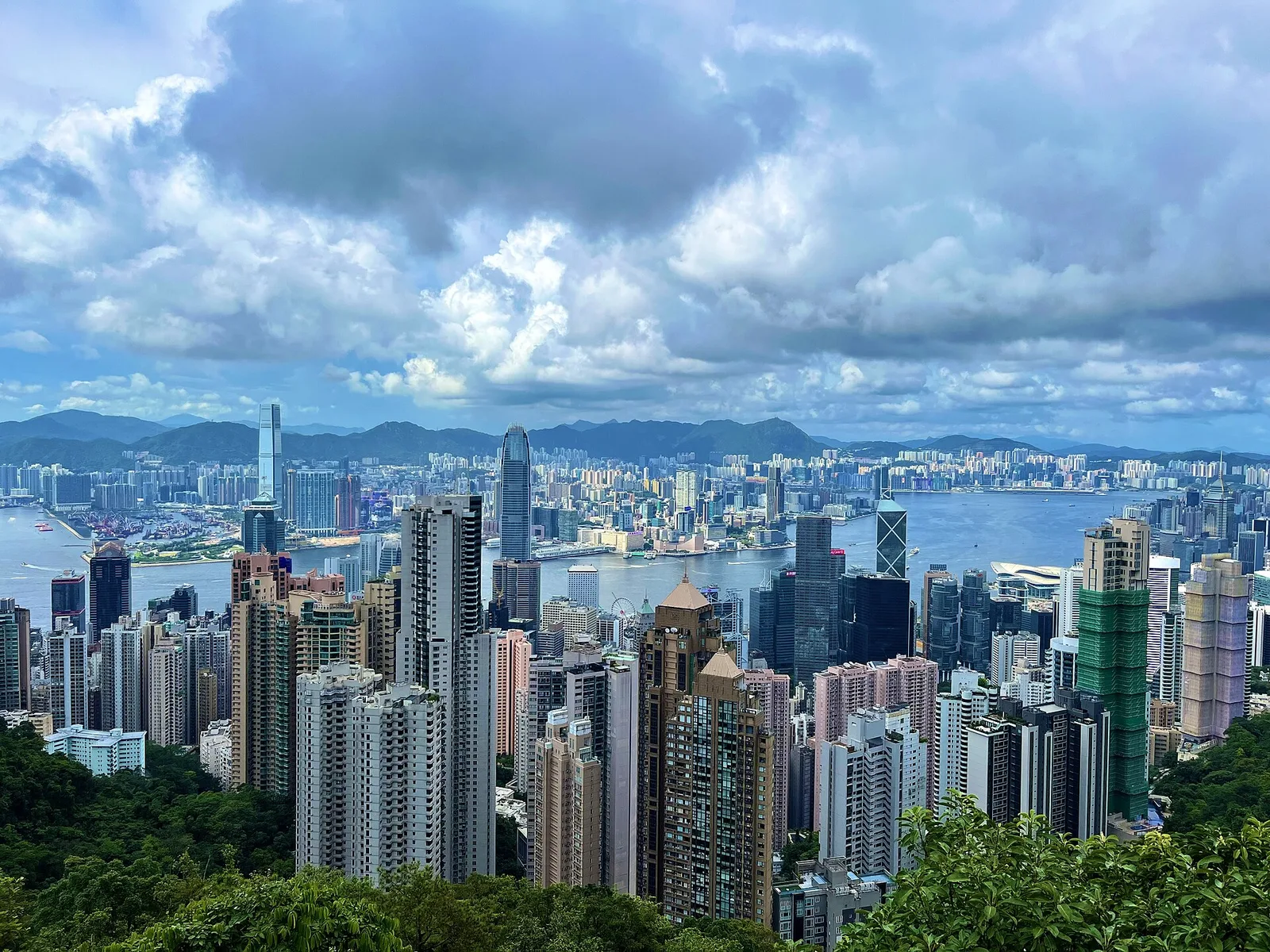
Hong Kong rewards a visit that leaves room between the landmarks. A harbour crossing can be a journey and an experience at once; a morning among restored buildings can lead naturally into an afternoon of contemporary art. The practical challenge is choosing a base and a pace. Distances on a map can conceal hills, station passages and a change of transport, while an ambitious outdoor day can become uncomfortable in humid weather.
This guide treats Hong Kong as the destination identified by VisaWand’s Hong Kong record, including the surrounding territory where relevant. Hong Kong Island, Kowloon, the New Territories and outlying islands offer different experiences. Choose a few connected areas rather than trying to cover everything. For entry planning, begin with VisaWand’s Hong Kong country guide and the official resources linked here; mainland China and Macao have separate entry arrangements.
History you can explore on foot
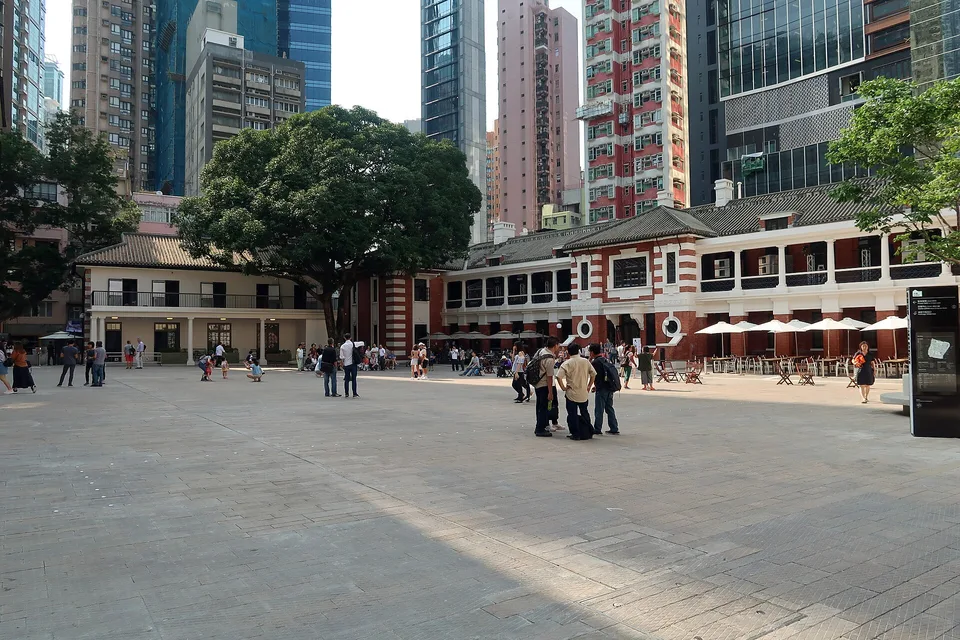
Tai Kwun makes a useful starting point for understanding the city’s changing fabric. The government’s account of the former Central Police Station compound identifies three historic groups: the police station, Central Magistracy and Victoria Prison. Built across the nineteenth and early twentieth centuries during British colonial rule, the compound now accommodates heritage and arts activities. Its courtyards and surviving institutional buildings offer a different scale from the commercial towers around them.
Set aside time to read interpretation rather than treating the site solely as a photographic backdrop. The contrast between former public institutions and their present cultural use gives the visit substance. Check the operator’s programme for exhibition access, tours and any temporarily restricted spaces. A photograph from an earlier year records the architecture at that moment; it cannot confirm today’s events or opening arrangements.
For a broader historical introduction, the revamped Hong Kong Story exhibition at the Hong Kong Museum of History opened on 1 April 2026 with free admission. Older descriptions saying the permanent exhibition remains closed are outdated. Its thematic galleries offer an alternative to an outdoor walk when the weather changes. Read the museum’s current visitor information before allocating a particular morning, especially around public holidays.
Choose your base by the journeys you will make
Start with your likely destinations, then compare accommodation addresses against the transport routes linking them. Central works well for a visit focused on Hong Kong Island, heritage streets and harbour crossings. Tsim Sha Tsui is worth comparing for a Kowloon base, particularly if the waterfront and museums are central to your plans. Neither choice eliminates travel: a room’s convenience depends on its actual entrance, the nearest usable station exit and the places you want to reach.
Wan Chai and Causeway Bay are alternatives for exploring the Island’s tram corridor. Jordan, Yau Ma Tei and Mong Kok can suit a visit with more time devoted to Kowloon streets and food. These are areas to investigate, rather than promises that every hotel is quiet, inexpensive or accessible. Examine the immediate surroundings and ask about noise, lift access and luggage storage before booking.
An outlying-island or New Territories stay changes the rhythm of a trip. It may suit someone who wants to spend substantial time locally, but repeated journeys into the central urban areas can consume the time saved by a lower room quote. Compare the final evening connection as carefully as the morning one. For a short first visit, a well-connected base usually makes a flexible itinerary easier to maintain.
Hotels, guesthouses and the real room bill
Hong Kong’s official accommodation finder distinguishes hotels and resorts from licensed guesthouses and offers filters including accessible and family rooms. Use it to narrow the search, then confirm the room directly with the property. Check whether the quoted photographs represent your booked category, whether the bathroom is private, and whether there is enough space for the people and luggage travelling together.
Ask for the final payable price, cancellation conditions and any deposit or card hold. The Hotel Accommodation Tax rules impose a 3% tax on relevant accommodation charges from 1 January 2025, with exemptions and special treatment for qualifying long stays. Service charges are separate from the tax base. A headline nightly rate can therefore be an incomplete comparison; use the same dates and the same inclusions when evaluating properties.
A stay of at least 28 consecutive nights in the same hotel can qualify for long-term treatment under the tax rules, but confirm the arrangement before relying on it. Leaving earlier may alter the calculation. For an exploratory relocation visit, a flexible temporary booking can be more useful than immediately committing to a permanent tenancy. Give yourself time to inspect homes and test the commute in person.
Arriving from Hong Kong International Airport
The airport’s official transport information is the starting point for comparing rail, buses and taxis. Choose the connection to your accommodation rather than automatically buying a ticket to the best-known terminal station. Consider the complete journey: the airport leg, any onward rail or road connection, and the walk with your bags. An arrival late in the evening needs its own timetable check.
The Airport Express fare table shows why payment method matters. For an adult travelling between the airport and Hong Kong station, the listed fare is HK$120 with Octopus, eligible contactless payment or QR payment, compared with HK$130 for a single smart ticket. Kowloon and Tsing Yi have different fares. Check the option you intend to use; a price for one station or payment product is not a universal airport fare.
Bank-card contactless payment charges the adult fare, so families should examine child ticket options separately. Return products also have validity conditions. Before buying, decide whether your departure journey will use the same station and whether the dates fit. Keep a usable payment method and the accommodation address available offline; airport connectivity is convenient, but your first transfer should not depend on recovering a booking email at the ticket gate.
Octopus, rail and street trams
Octopus can simplify everyday payments, but the purchase price includes components that should not be confused. The standard adult on-loan card starts at HK$200: a HK$50 refundable deposit and HK$150 stored value. Refunds remain subject to the operator’s conditions. The airport is excluded from the listed issuing centres for this standard product; other cards sold there have different costs and terms.
Treat a card as a payment tool, rather than assuming it provides unlimited travel. Plan rail journeys using the operator’s current information, checking changes and the exit closest to your destination. For accommodation or a future workplace, the walk from the station matters as much as the station name. A route involving stairs or a steep final approach may be unsuitable even when the rail portion is straightforward.
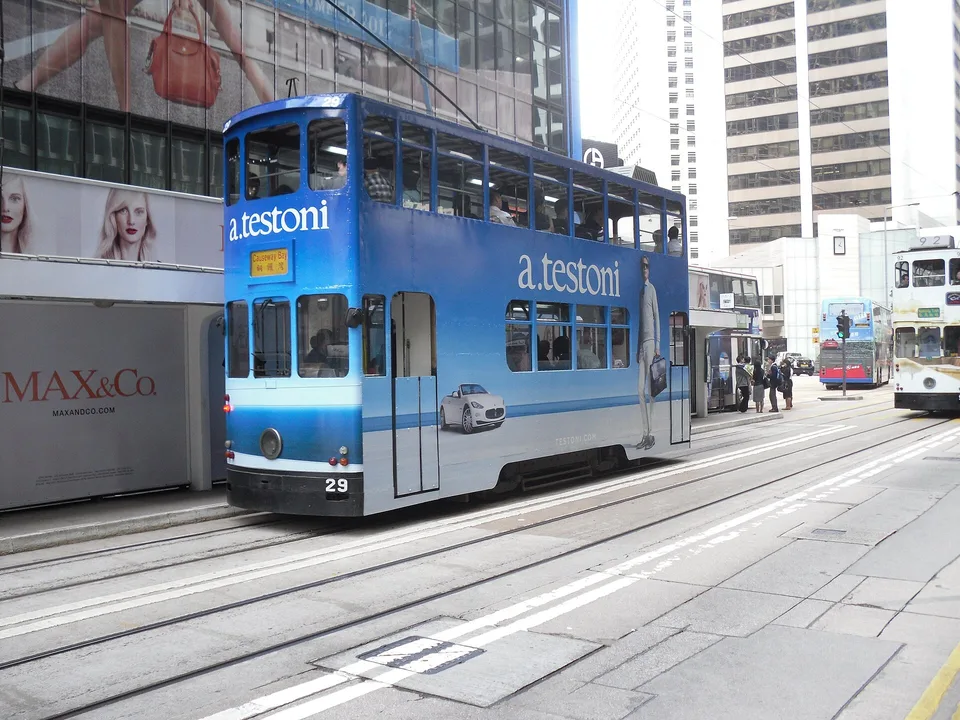
The Hong Kong Tramways route planner offers another way to explore the northern side of Hong Kong Island, including Central, Wan Chai, Causeway Bay and districts farther east and west. Street trams are distinct from the Peak Tram and do not form a Kowloon network. Choose them when the street-level journey is part of the outing, and allow time rather than expecting a rail-style trip duration.
Cross the harbour with a purpose
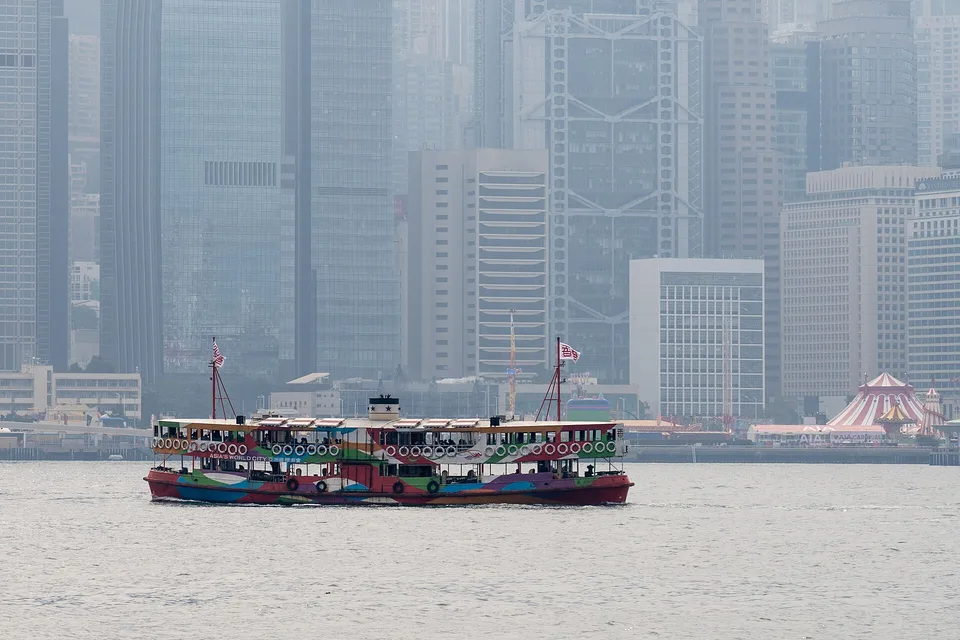
The Star Ferry links Central and Tsim Sha Tsui, with another regular service between Wan Chai and Tsim Sha Tsui. A crossing fits naturally between an Island morning and a Kowloon afternoon. It also gives the harbour a different perspective from the waterfront: buildings become a backdrop to an everyday transport service. Leave space to enjoy the journey instead of attaching an appointment immediately to the advertised departure.
On the operator’s current fare and service page, an adult Central–Tsim Sha Tsui upper-deck trip costs HK$5 on weekdays excluding public holidays and HK$6.50 on weekends and public holidays. Lower-deck fares are HK$4 and HK$5.60 respectively. A HK$50 four-day tourist pass covers the two regular routes within its conditions. It is a different product from a sightseeing harbour tour. Compare it with the crossings you actually expect to make.
Wheelchair access is route and deck dependent. The Central–Tsim Sha Tsui lower deck has a stated wheelchair capacity, so confirm arrangements directly if that affects your journey. Do not assume every deck of every service is step-free. Weather and operational changes can affect the experience; check the operator’s notices before using a crossing as an essential connection.
Make room for a museum afternoon
West Kowloon offers two substantial but different museum choices. M+ visitor information lists standard admission at HK$190, while some spaces, including the Mediatheque and roof garden, are free to enter. Decide whether you want a gallery visit or a shorter look around the publicly accessible areas. Free access to part of the building does not make every exhibition free.
M+ normally closes on Mondays, but its calendar includes exceptions. It has announced a closure on 31 October 2026 and a special opening on Monday 2 November. Check the calendar for your exact date rather than relying solely on the weekly pattern. Friday’s later opening can help with planning, provided the exhibition you want is included in your ticket and the last-entry time allows a worthwhile visit.
The Hong Kong Palace Museum lists a regular adult general-admission ticket at HK$70 and a flexible general-admission ticket at HK$90. Special exhibitions have separate products, and temporary gallery closures can alter what is available. Choose by the collection or exhibition that interests you, rather than by proximity alone. With only three days, one carefully planned museum visit can be more rewarding than hurriedly buying admission to both.
Food and shopping without guesswork
The tourism board’s tea-restaurant introduction offers a practical starting point for cha chaan teng culture, including milk tea, pineapple buns and egg tarts. Try a meal that fits your day rather than making every stop a destination in itself. A café breakfast or a snack between neighbourhood walks can introduce a different side of Hong Kong from a formal restaurant reservation.
For dim sum, compare the actual menu and service format before ordering. Ask about tea charges, service charges and portion sizes, particularly when several people share dishes. Dietary requirements need direct confirmation: a familiar dish name does not establish its ingredients or preparation. Named venues on tourism-board lists are researched suggestions from that organisation, not accounts of meals personally experienced by VisaWand’s writers.
Shopping deserves the same attention to the final bill. Compare the exact model, warranty territory, returns policy and payment currency before an expensive purchase. Keep receipts and clarify any delivery arrangements. A useful souvenir need not require a separate cross-city journey; fit browsing into the neighbourhood already on your route, and reserve luggage space before buying bulky items.
Build a budget from the trip you want
Accommodation is easiest to compare using actual quotes for your dates. Add the airport journey, everyday transport, the attractions you choose, meals and a contingency for changes. The published ferry and museum prices above provide concrete starting points, but they do not establish a universal daily budget. A traveller choosing free cultural spaces and regular ferry crossings will spend differently from someone booking special exhibitions and private transfers.
Keep stored-value credit separate from expenditure when comparing costs. Buying an Octopus card includes money available for later purchases and, depending on the product, a deposit or card cost. Likewise, a return airport ticket only represents a saving if its conditions match your journeys. Check whether an attraction bundle includes the particular experience you want before treating the advertised discount as useful.
Seasons, visibility and outdoor plans
The Hong Kong Observatory’s climate account describes a subtropical climate with hot, humid summers. November and December often offer comfortable conditions for walking, while winter cold fronts can bring genuinely cool days. March and April can be humid and foggy. May through August brings more demanding heat, and most annual rainfall falls between May and September. Choose clothing and a daily pace suited to the season.
Tropical cyclones can affect Hong Kong from May to November, with greater frequency between July and September. Seasonal averages cannot predict your particular week. Check current warnings and operator notices, especially before a ferry journey or an exposed outdoor outing. Allow a museum or another indoor activity to replace a hilltop view when visibility or weather makes the original plan unattractive.
For a countryside walk, use AFCD’s hiking guidance and choose a maintained, signed route appropriate to your experience. Bring water, navigation and a charged phone, and establish the return connection before setting out. Do not improvise along closed or unmaintained paths. Hong Kong’s country areas are a separate undertaking from a short urban stroll, even when the starting point is reachable by public transport.
A realistic three-day introduction
For day one, concentrate on Central and Tai Kwun, allowing time for heritage interpretation and a meal nearby. Take a Star Ferry crossing to Tsim Sha Tsui later in the day and explore the waterfront before returning. This is an editorial itinerary suggestion, not a timed tour: adjust it to the weather, your arrival fatigue and the programme at Tai Kwun.
On day two, choose M+ or the Palace Museum as your main visit. Book the right ticket and leave enough time for the exhibitions, then spend the rest of the afternoon exploring one Kowloon neighbourhood rather than racing across several. If that date is a museum closure, exchange the day with another part of the plan. Avoid making a paid booking dependent on an unusually tight connection.
Use day three for an Island tram journey and a slower neighbourhood walk, or replace it with a properly planned countryside outing. A Peak visit is another possibility in clear weather; check the operator’s current tickets and access arrangements before committing. Keep the final evening compatible with your airport departure. An extra day is more useful for an island excursion than forcing one into this already varied introduction.
Moving: inspect the home and test the commute
Begin a housing search with the workplace or study location and your household’s needs. Compare actual units by usable space, layout, lift access, ventilation, storage and travel time. Inspect the property before committing, and obtain written terms covering rent, deposit, management charges, government rates, repairs and termination. A district name or an attractive photograph cannot establish whether a particular flat suits daily life.
The Inland Revenue Department’s tenancy guidance explains that agreements ordinarily need stamping within 30 days of execution. Landlord and tenant can both be liable; the contract’s allocation of costs should be clear. Stamping is not a substitute for checking ownership, the agent’s authority and the agreement itself. Where a clause or property arrangement is unclear, obtain qualified advice before transferring a substantial deposit.
Test the commute at the time you expect to travel, including the walk between home and station and any changes. For shift work, compare the final connection after the shift. A cheaper flat may be a reasonable choice, but only after adding its transport costs and assessing the time it takes from the household. Temporary accommodation can make these checks possible before a long commitment.
Utilities, schools and healthcare
Confirm which services remain in the landlord’s name and which require your own account. The Water Supplies Department’s application forms cover taking up consumership, changing accounts and closing an account with a deposit refund. Record meter readings and agree the handover date. For electricity, establish the supplier for the actual address; CLP’s residential name-transfer guidance applies to its service area and explains identity, address and approval requirements.
Families should investigate school placement before choosing a permanent home. The Education Bureau’s resources for newly arrived children provide a starting point for placement and support enquiries. Ask individual schools about available places, language support, admission documents and fees. A nearby school building does not guarantee a place or a suitable curriculum, and commuting arrangements need to fit the child’s day as well as the parents’ work.
Healthcare costs depend on eligibility. Under the Hospital Authority’s 2026 fee schedule, accident and emergency attendance is HK$400 for eligible persons, subject to stated exemptions, and HK$2,100 for noneligible persons. Confirm your status and insurance cover instead of assuming that arriving in Hong Kong grants subsidised care. Keep insurance details and necessary records accessible, and budget for services outside your policy’s coverage.
Visiting, employment and study are separate permissions
Check the Immigration Department’s visitor requirements for your nationality and travel document before booking. Permission and allowed stay vary. Visitor conditions restrict employment, including unpaid work, and study, with limited expressly permitted activities. Do not assume that a holiday entry authorises taking a job or continuing any proposed working arrangement. Hong Kong’s permissions also do not establish your entitlement to enter mainland China or Macao.
For a job, examine the General Employment Policy or the separate route applicable to your circumstances. A genuine offer and relevant qualifications matter, and Mainland Chinese residents have a distinct admission scheme. For a course, consult the study-entry requirements and the institution. Confirm any work or internship conditions expressly; student status is not a blanket entitlement to employment. VisaWand’s consultant directory can help locate professional support for an individual application.
Identity documents and longer-term residence
New residents should check Hong Kong identity-card registration information and book the required appointment for their circumstances. Keep the immigration permission, passport and requested supporting documents ready. An identity card, permission to stay and permanent-resident status serve different purposes; possessing one should not be treated as proof that every other entitlement follows.
The right-of-abode eligibility rules include a route for qualifying non-Chinese applicants based on seven continuous years of ordinary residence and additional conditions, including establishing Hong Kong as their permanent home. It requires an application and assessment. It is not an automatic citizenship or passport promise. Preserve records of residence and check the relevant category rather than planning around a simplified seven-year slogan.
Extend the trip thoughtfully
Macao can provide a different cultural itinerary, with the Macao Government Tourism Office outlining heritage walks, Taipa and Coloane experiences. Compare entry requirements, transport and the return journey before adding it. VisaWand’s Macau location page is a directory reference rather than a completed travel guide. Shenzhen’s location page offers another mainland destination to investigate, with separate Chinese entry requirements.
You can also use VisaWand’s Hong Kong location directory and Hong Kong destination page to explore related places and services. For a short stay, extending time in a neighbourhood you enjoy may be more worthwhile than another border crossing. Choose the additional journey for what you want to experience, and leave enough time for the practicalities around it.
Official planning resources
Reviewed 13 October 2026. Use the official resources linked throughout this guide for admission, transport, housing and immigration decisions. Prices, services and rules can change; confirm the details relevant to your dates. Photography illustrates the locations and is not a live view.
View all official resources
- Tai Kwun heritage conservation
- Hong Kong Story reopened April2026
- Hong Kong accommodation finder
- Hotel Accommodation Tax questions
- Hong Kong International Airport transport
- MTR Airport Express fares
- Standard on-loan Octopus
- Hong Kong Tramways journey planning
- Star Ferry services and fares
- Plan an M+ visit
- Hong Kong Palace Museum tickets
- Hong Kong tea restaurants
- Hong Kong Observatory climate
- AFCD hiking safety
- Stamping tenancy agreements
- Water Supplies Department forms
- CLP residential account name transfer
- Education Bureau newly arrived children
- Hospital Authority fees and eligibility
- Hong Kong visit and transit permission
- General Employment Policy
- Study permission
- Hong Kong identity card information
- Right of abode eligibility
- Macao Government Tourism Office
Plan the next part of your journey
Explore the Hong Kong guide, browse other cities or compare consultants for your travel and relocation questions.