Visa
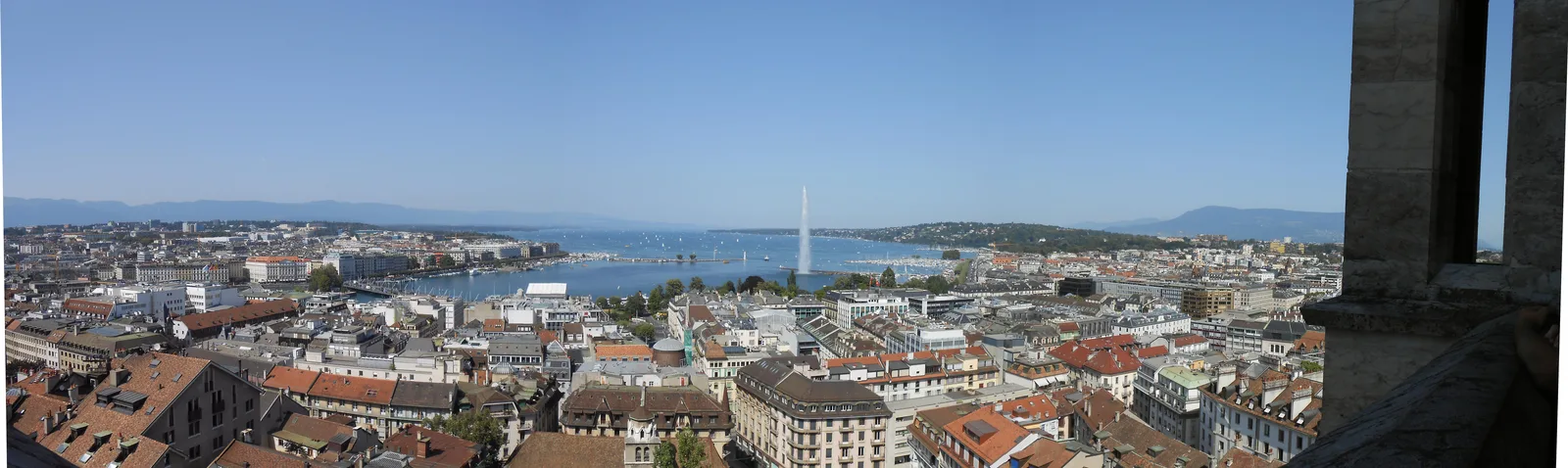
Geneva works best when you look beyond the lakefront
Geneva sits where Lake Geneva narrows towards the Rhône, with an old town above the water and a much larger international working world beyond the postcard views. It rewards travellers interested in history, science, humanitarian affairs and everyday lakeside life. The Jet d’Eau supplies the recognisable image; the more revealing experiences might be an afternoon at CERN, a museum about humanitarian action or a walk through Carouge’s streets.
Two full days cover a useful introduction. Three make room for a substantial institutional visit without rushing the centre; longer stays allow a regional excursion. Visitors considering relocation should add time for neighbourhoods, housing appointments and actual commuting journeys. VisaWand’s Switzerland country guide provides wider context, while the Switzerland location directory helps you explore other places without implying every listing has a completed guide.
Understand the city through religion, diplomacy and science
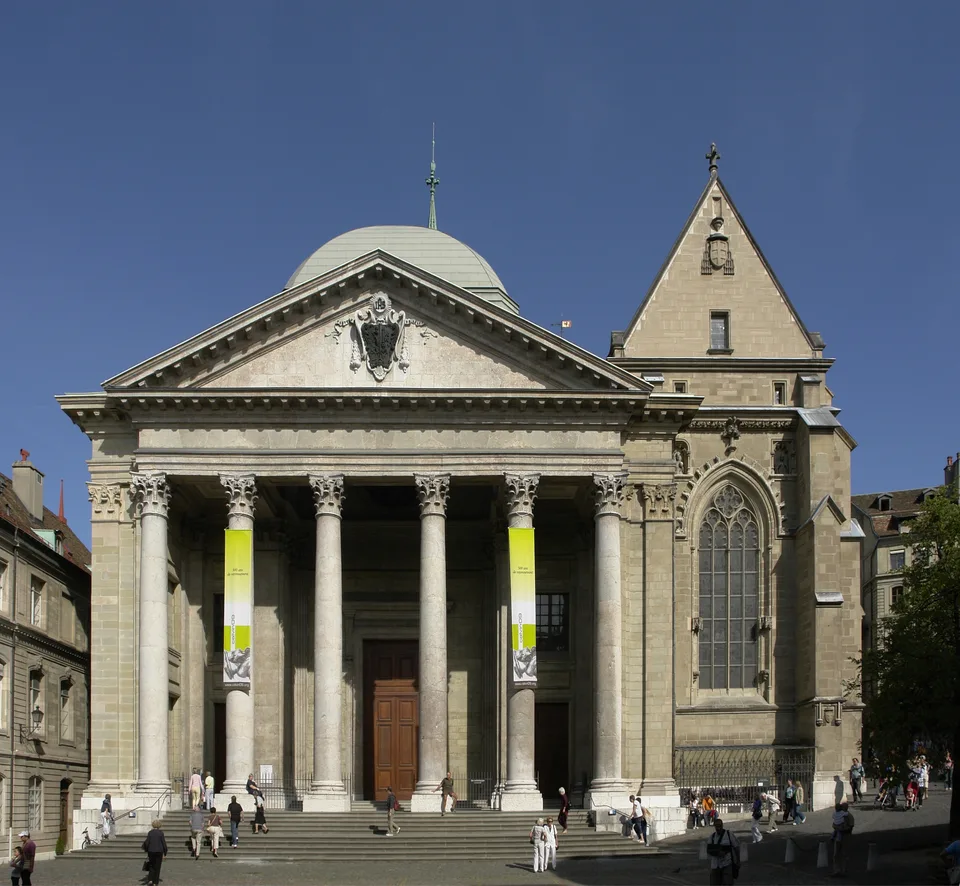
Geneva’s historic core centres on Saint-Pierre Cathedral, closely associated with the Protestant Reformation. The hilltop streets and squares make that past physically legible: this is a different environment from the broad lakefront promenades or the international district. Geneva Tourism’s Old Town introduction provides background for a walk around the cathedral and Place du Bourg-de-Four. Treat its celebrated passages carefully: some have restricted access, rather than functioning as permanently open shortcuts.
The Palais des Nations adds the legacy of the League of Nations and the present work of the United Nations. CERN supplies another expression of international cooperation, through particle-physics research. These institutions are workplaces with visitor arrangements, not freely accessible campuses to wander at will. Understanding that distinction helps you decide which experience matters enough to reserve and which exterior sights can remain flexible.
Match your base to a neighbourhood and a journey
Cornavin, the main railway station, is practical for arrival and onward rail travel. Nearby Pâquis offers a lively, mixed urban setting between the station and lake; compare the exact street and room orientation if quiet sleep matters. The Old Town suits a history-led visit, although gradients and cobbled surfaces deserve attention with luggage or limited mobility. Eaux-Vives combines the eastern lakeshore with parks and residential streets.
Plainpalais and the Quartier des Bains offer a different cultural and evening focus. The international district can suit a stay centred on meetings or a UN visit, but does not replace the central waterfront experience. Geneva Tourism’s district overview helps compare these areas. Carouge is a neighbouring municipality within the canton, often grouped with Geneva’s visitor districts; that practical grouping should not be confused with the city’s administrative boundaries.
Start with a lake walk and a flexible Jet d’Eau stop
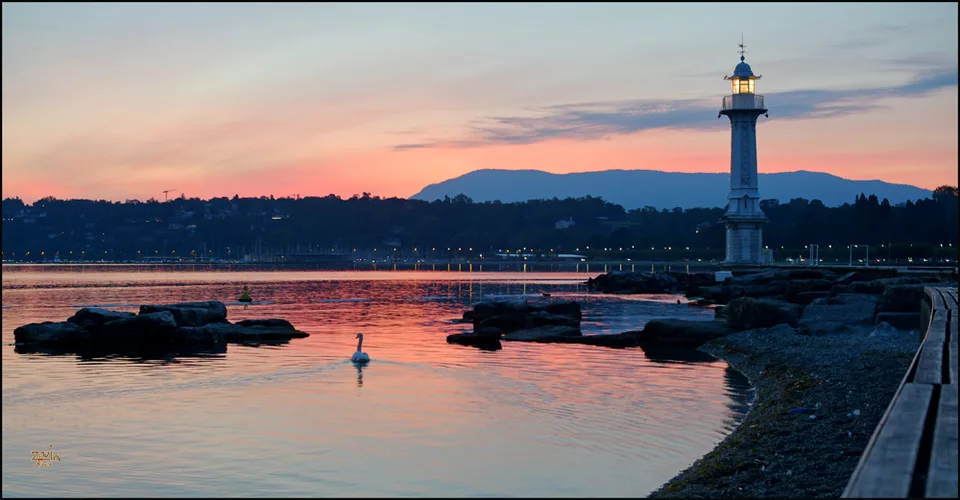
The waterfront makes an easy first introduction after arriving. Walk a manageable stretch rather than trying to circle the entire harbour immediately. Look back towards the Old Town, identify the crossing points and decide whether a short boat journey would improve the day. Leave time to stop: the lake is part of Geneva’s daily public life, not merely a background for photographs.
The Jet d’Eau began with the city’s hydraulic infrastructure before becoming its emblem. Its operator, Services Industriels de Genève, explains the history and operation. Strong wind, low temperatures or maintenance can interrupt the fountain, so avoid making its operation the condition for enjoying the walk. Follow signs at the jetty and keep spray in mind when approaching with a camera, luggage or clothing you need dry for the rest of the day.
Visit Saint-Pierre with the right ticket and expectations
Saint-Pierre Cathedral gives the Old Town a clear focal point. Separate a visit to the church from climbing the towers or exploring the archaeological site. At review, the adult tower ticket is CHF 7; a combined tower and archaeological-site ticket is CHF 12. The cathedral’s own practical information (source unavailable) also lists other combinations and concessions, so choose the experience before paying rather than assuming one admission covers the entire complex.
The towers close thirty minutes before the building. Winter and summer hours differ, and Sunday sightseeing starts later because of worship. The tower climb involves stairs; an accessible entrance to the cathedral does not establish step-free access to its viewpoints. Allow a quiet pause in the church and time for the surrounding streets. A clear-weather climb can be worthwhile, but poor visibility is a good reason to prioritise the interior and archaeology instead.
Make the United Nations a planned appointment
A Palais des Nations tour is one of Geneva’s distinctive experiences, provided you secure a place. Renovation limits availability and can alter the route. At review, adult admission is CHF 25 plus booking-platform fees, and the official service releases the following month’s individual dates on the twentieth. Use the UN Geneva visitor website rather than assuming a general city tour or an exterior stop includes admission.
After receiving a ticket, each participant must complete the linked access-badge registration. Bring the required valid passport or accepted Schengen identity card and arrive thirty minutes before the meeting time for screening. The stated route involves roughly two kilometres of walking, with renovation-related access constraints. Discuss mobility needs before booking. Meetings or operational changes may affect rooms visited, so a ticket should not be understood as a guarantee of a particular conference chamber.
Pair international Geneva with the Red Cross Museum
The International Red Cross and Red Crescent Museum provides a more reflective encounter with humanitarian action. It works well as the main museum visit in the international district, particularly when a UN tour is unavailable. Adult combined admission to permanent and temporary exhibitions is CHF 15, with a CHF 2 audioguide rental; under-twelves enter free. Check the museum’s current prices, hours and access information for concessions and holiday exceptions.
The normal schedule closes on Mondays and includes a later Thursday opening. Importantly, the permanent exhibition is being renewed in phases between 2026 and 2028 while the museum remains open. The museum’s explanation of the redesign is more useful than an old description promising a fixed sequence of rooms. Give the subject adequate attention, then take a break rather than attaching several demanding collections to the same afternoon.
Treat CERN exhibitions and laboratory tours separately
CERN’s Science Gateway makes particle physics accessible without requiring specialist knowledge. Families and individual parties of one to eleven can now reserve a visit online up to a month ahead. The official booking explanation distinguishes this reservation from activities with limited capacity. Plan around the exhibitions and available science presentations, with enough time for the journey and the particular interests of your group.
Guided tours and laboratory workshops still require an additional on-site reservation. Individual tours are offered subject to availability, with bookings opening two hours ahead; arriving early does not guarantee a place. CERN recommends the guided tour from age fourteen and states that families and individuals cannot visit the Large Hadron Collider tunnel. Read the individual-tour conditions before promising children an underground adventure. The free visitor experience remains worthwhile even if a laboratory tour is full.
Discover Carouge without calling it another country
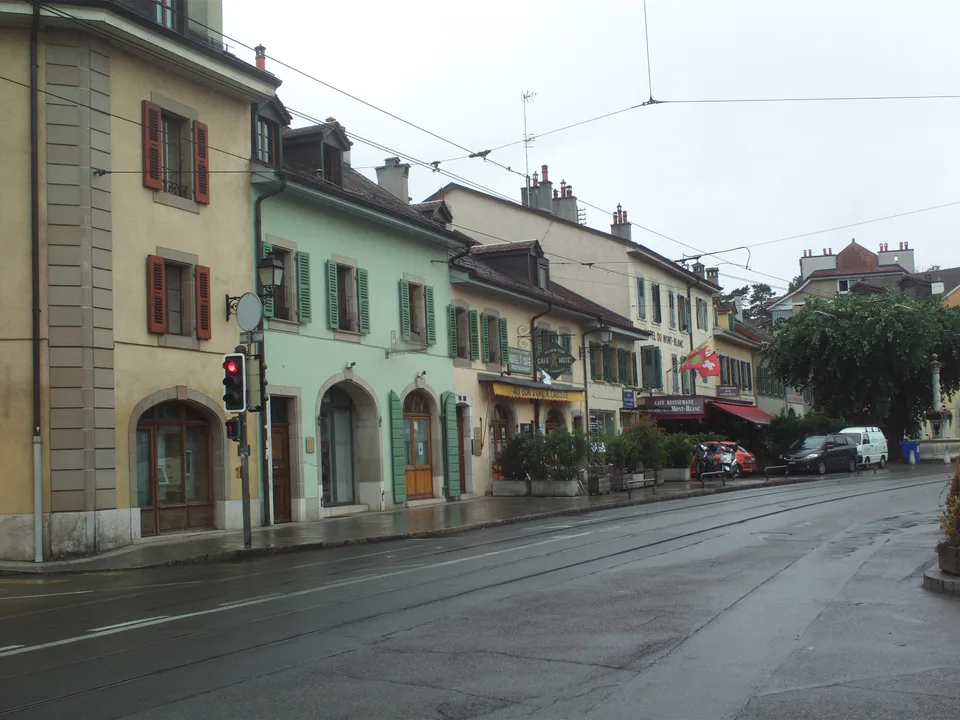
Across the Arve, Carouge offers a distinctive streetscape and a slower walking circuit among shops, studios and cafés. Its character has historical roots: the town developed under Sardinian rule and received royal-town status in 1786. The City of Carouge’s history explains that background more accurately than treating the architecture as evidence that you have crossed into Italy or France.
Use a few streets as an invitation to browse rather than a shopping checklist. Independent businesses have individual opening days, and a courtyard that looks inviting may remain private. A tram journey followed by an unhurried walk makes Carouge a useful half-day choice. On a relocation visit, compare the actual route to work and the evening atmosphere instead of assuming a pleasant visitor afternoon proves that every nearby address will suit everyday life.
Give the Bains des Pâquis their own practical planning
The Bains des Pâquis connect swimming, a lakeside setting, food and winter wellness. Choose the activity you intend to use, because a waterside meal and sauna admission are separate arrangements. The current wellness season runs from 20 September 2026 to 23 May 2027. Admission is CHF 22 except Mondays at CHF 15; Tuesdays are reserved for women, with mixed access on other days. Confirm the operator’s seasonal rules before setting out.
A September 2026 rule excludes synthetic fabrics from the sauna. Cotton covering cloths are available, so nudity is not imposed; the operator also explains towel requirements and rules in other spaces. Do not rely on an older review describing swimwear conventions. Swimming remains a separate judgement about conditions and your ability. A heated facility beside the lake should not be interpreted as a promise that the water is suitable for every visitor.
Choose accommodation with transport eligibility in mind
A hotel around Cornavin can simplify a short stay with luggage. Lakefront rooms trade on position and outlook; an apartment or hostel may suit a longer visit or a tighter budget. Compare the actual final quote, including breakfast, cleaning, cancellation and late-arrival terms. For families, usable cooking facilities, sleeping arrangements and lift access can matter more than the property’s category or the size of its reception area.
Ask whether the property participates in the Geneva Transport Card scheme before booking. Approved accommodation in Geneva can provide the personal digital card for local public transport during your stay. A cheaper property across the French border should not be assumed to offer the same benefit. Calculate the daily journey, ticket coverage and any border-related requirements alongside the room price. Obtain written confirmation of reception hours if your arrival depends on a late flight.
Arrange the airport connection before leaving arrivals
Geneva Airport has rail and bus connections, with Cornavin the central rail reference point. The airport’s public-transport guidance explains where to find stops, buy tickets and use an eligible accommodation transport card for the airport journey. Allow for baggage collection, walking and the onward connection from the station when comparing a train transfer with a direct bus. A short rail journey does not equal a short door-to-door arrival.
Contact your accommodation about the digital card before departure. Depending on the property, an email link becomes available up to three days before arrival, allowing the card to cover the journey into town. If you have not received it, check with the provider rather than boarding on an assumption. For a very early return flight, investigate the airport’s dedicated early-morning services and their conditions; ordinary daytime frequency is not evidence of an overnight connection.
Know what zone ten covers
Geneva’s integrated unireso zone ten brings together local buses, trams, relevant trains and the Mouettes shuttle boats. At review, the standard second-class adult ticket costs CHF 3 for sixty minutes. A day card costs CHF 10; the after-nine option costs CHF 8. The TPG fare table explains the conditions. Crucially, these day cards expire at five the following morning, rather than offering an unrestricted rolling twenty-four hours.
The free Geneva Transport Card is personal and non-transferable. Confirm coverage before extending an outing into France or elsewhere around the lake: central-zone validity does not mean every regional service is included. Mouettes are practical short crossings, while a sightseeing cruise is a separate product. Check the route and service operating that day, and keep the required ticket or digital proof accessible throughout the journey.
Decide whether the paid City Pass earns its place
The Geneva City Pass covers participating activities, with some free and others discounted, over twenty-four, forty-eight or seventy-two hours. Versions with and without public transport are available. If your accommodation already supplies the transport card, avoid buying transport twice without a reason. Use the current City Pass page to check the selected version, price, activity list and conditions immediately before purchase.
Activation starts with the first activity, and each included service may be used once. The tourism office warns that closures or a mistaken date do not create an entitlement to cancellation or refund. Add only visits you expect to make, checking opening days and reservation requirements. Free CERN activities and an afternoon walking through Carouge produce a very different calculation from several paid museums and an included cruise. A pass should support the itinerary rather than dictate a rushed one.
Eat and shop with a few specific priorities
Fondue and chocolate make useful starting points, but Geneva’s food choices extend beyond a single Swiss menu. At the Bains des Pâquis, the buvette’s own information describes seasonal cooking, daily dishes and fondue au Crémant, with reservations recommended. Confirm the current menu and ingredients directly, especially for dietary needs. The food operation is managed separately from the baths, so do not assume a wellness booking also reserves a table.
Balance a meal you particularly want with groceries, a bakery stop or accommodation breakfast. For shopping, Carouge’s crafts and independent boutiques offer a different experience from a high-value watch purchase. Check opening hours before travelling specifically for a small business. Price gifts by what you will use or enjoy, not by the assumption that everything bought in Switzerland is locally made. Keep bulky packaging and temperature-sensitive chocolate in mind when planning the journey home.
Build a budget from verified components
Use Swiss francs for the initial calculation, then account for your own conversion charges. The official currency and language information explains the local context: Geneva is French-speaking, even though many visitor-facing situations accommodate international travellers. Learning a few basic greetings helps, while an employment search may demand much more language preparation than a weekend visit.
A simple adult sightseeing example is CHF 7 for the cathedral tower plus CHF 15 for the Red Cross Museum and CHF 10 for a zone-ten day card: CHF 32 before food and accommodation. An eligible accommodation transport card removes that last purchase; a UN tour adds its own admission and fees. This is an arithmetic example, not a universal daily budget. Price your actual room dates first, because accommodation can change the total far more than a small admission saving.
Choose the season for your main activities
Summer suits lakefront evenings, parks and swimming plans, with outdoor events adding variety. Geneva Tourism’s summer overview helps identify options, but boats and bathing depend on conditions rather than the calendar alone. Keep sun protection, drinking water and a rain layer available. A museum makes a useful alternative on a wet afternoon, provided you have checked its opening day.
Winter favours a combination of cultural visits, cafés and shorter outdoor walks. The winter planner offers ideas without establishing that Geneva itself will have settled snow or that mountains will be visible from town. Spring and autumn can work well for a city-led itinerary when you are comfortable adjusting walks around the forecast. For a mountain excursion, check the destination’s conditions and operating information separately: a city-centre weather report is insufficient preparation.
A workable three-day first visit
Day one: explore the waterfront and Old Town, placing the cathedral tower around visibility and opening hours. Allow time for lunch and the gradients between the lake and historic streets. Leave the Jet d’Eau stop flexible. If arrival is late, keep the first evening to a short walk and move the cathedral to another day.
Day two: organise the international district around a confirmed UN tour, if available, and the Red Cross Museum. Avoid placing this museum on Monday. Day three: choose CERN for a substantial science visit, or Carouge and the Bains des Pâquis for a less structured day. A fourth day makes room for the omitted option or a regional excursion. With only two days, remove a major outing instead of trying to fit every institution between meals and transfers.
Moving starts with a tenancy you understand
For relocation, test the journey from an actual address to work or study at the hours you will use. Check transfers, the final walk, groceries and household needs. Geneva’s cantonal housing guidance identifies property-search channels and documents such as residence and debt-register certificates. Student and international-organisation housing support have eligibility conditions; they are not general guarantees of accommodation for every newcomer.
The Federal Housing Office’s renting guide explains that a residential security deposit is capped at three months’ rent and belongs in a special account in the tenant’s name. Understand the lease, service charges and termination arrangements before signing. Record defects during handover and clarify laundry, pets, storage and furnished items. Keep temporary accommodation in the initial budget if viewings and paperwork take time, rather than making a permanent decision solely from attractive photographs.
Arrange utilities, insurance and registration together
Clarify which heating and water costs form part of the rental charges and which accounts you must organise. SIG’s moving guidance asks for at least four working days’ notice when arranging utility changes. Confirm internet availability for the specific building, not merely the neighbourhood. Ask the caretaker or property manager about recycling containers and bulky waste; shared laundry and common areas also have building-specific arrangements.
Follow the canton’s newcomer-registration instructions promptly, with the relevant arrival reporting generally required within fourteen days. Health insurance deserves immediate attention: the cantonal insurance FAQ states that compulsory cover must be arranged within three months of taking residence, independently of whether the residence permit has been issued. Check exemptions and your particular status with the authorities. Waiting for a permit letter is not a sound reason to ignore the insurance timetable.
Keep tourism, employment and study permissions separate
Swiss entry rules depend on nationality and purpose. For visitors subject to the standard Schengen short-stay framework, the ceiling is usually ninety days within any rolling 180-day period across the area; a visa can authorise less. The Swiss migration authority’s entry questions are the starting point. Crossing into neighbouring France does not reset that shared allowance.
Employment follows different rules. SEM’s work guidance distinguishes EU/EFTA arrangements from the employer-led, restricted route for third-country nationals. Study requires the appropriate Geneva student-permit process, and should not be treated as unrestricted work permission. Long-term and permanent residence have separate conditions, explained through the official residence-permit overview. Living in France while working in Geneva introduces another legal and administrative situation. A VisaWand consultant listing can help locate professional support, while authorities decide applications and eligibility.
Choose one regional excursion rather than collecting destinations
Lausanne offers another Swiss lakeside city; Annecy provides a French old-town and lake outing. Geneva Tourism’s regional excursion overview helps compare the possibilities. Check the complete transport plan, return service and national entry requirements before leaving. A Geneva local transport card does not turn every lake journey or cross-border excursion into an included trip.
Use VisaWand’s Lausanne location page and Annecy location page to explore those destinations, or consult the Switzerland destination page for wider planning. Keep a regional day separate from an appointment-heavy Geneva schedule. The city is most rewarding when the lake, historic streets and international institutions each receive enough time to reveal their different character.
Official planning resources
Reviewed 15 October 2026. Use the official resources linked throughout this guide for admission, transport, housing and immigration decisions. Prices, services and rules can change; confirm the details relevant to your dates. Photography illustrates the locations and is not a live view.
View all official resources
- Geneva Tourism: free Transport Card
- TPG: current unireso fares
- Geneva Airport: public transport
- Geneva Tourism: City Pass conditions
- CERN: individual guided tours
- CERN: online Science Gateway reservations
- United Nations Geneva: official tours
- Saint-Pierre Cathedral: hours and tower tickets (source unavailable)
- Bains des Pâquis: current wellness rules
- Bains des Pâquis: buvette
- SIG: Jet d’Eau operation and heritage
- Geneva Tourism: Old Town
- Geneva Tourism: visitor districts
- City of Carouge: local history
- Red Cross and Red Crescent Museum: visiting
- Red Cross Museum: exhibition renewal
- Canton of Geneva: housing and household services
- Federal Housing Office: renting in Switzerland
- Canton of Geneva: compulsory health insurance
- SIG: moving and utility accounts
- Swiss migration authority: working in Switzerland
- Swiss migration authority: entry and short stays
- Canton of Geneva: student residence permits
- Swiss authorities: residence permits
- Geneva Tourism: summer
- Geneva Tourism: winter
- Geneva Tourism: regional day trips
- Canton of Geneva: reporting arrival
- Geneva Tourism: currency and language
Plan the next part of your journey
Explore the Switzerland guide, browse other cities or compare consultants for your travel and relocation questions.