Visa
A city best understood between the hill and the lake
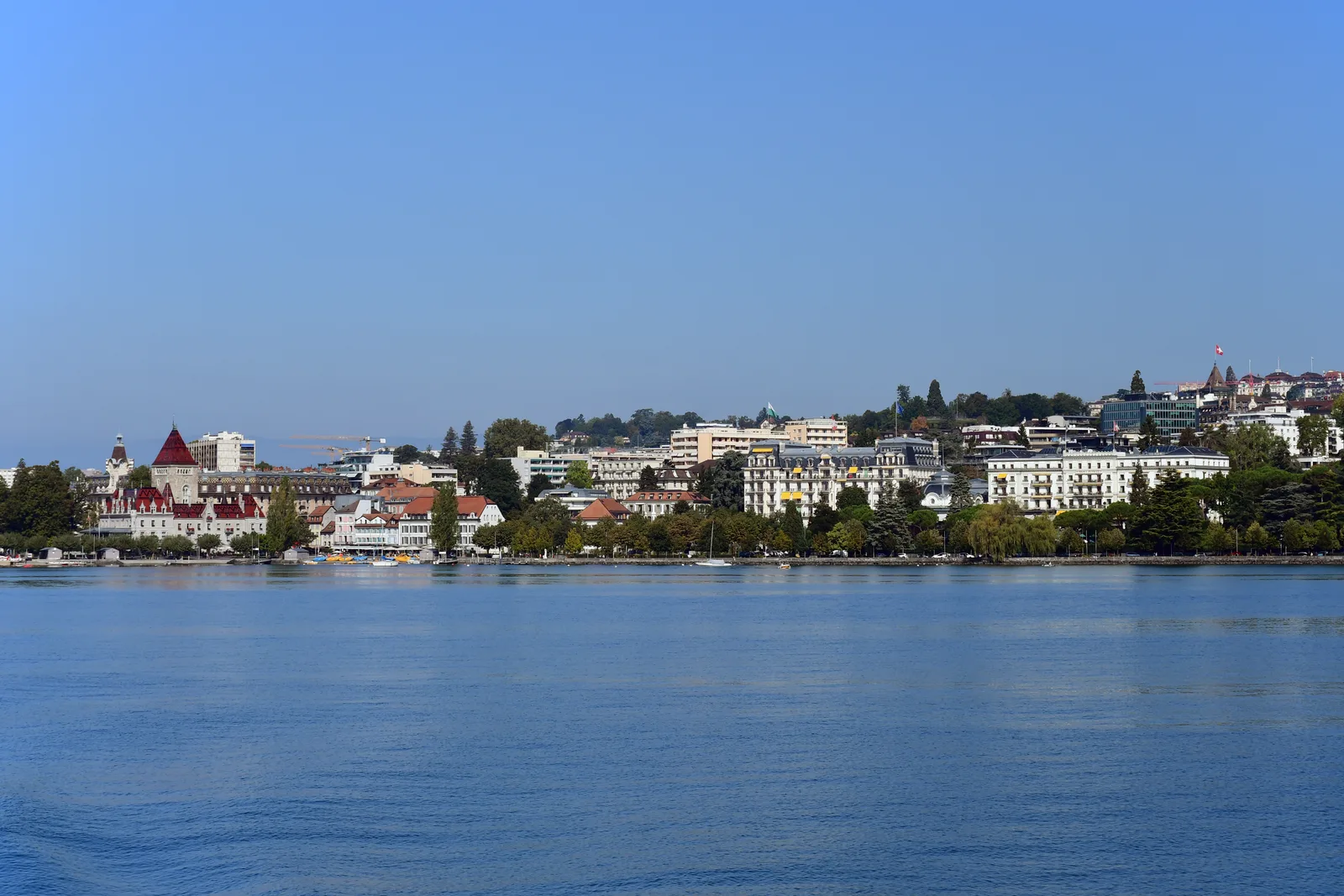
Lausanne offers two different first impressions: the cathedral and older streets above the centre, and the waterfront at Ouchy below. Between them lies a working city of museums, shops, restaurants and neighbourhoods whose gradients matter as much as their distance on a map. In Switzerland’s canton of Vaud, on Lake Geneva, it rewards visitors who combine cultural stops with time outdoors.
Allow two full days for an introduction, or longer for several museums and a regional excursion. For a prospective move, add ordinary weekdays. Test the commute, inspect housing and compare household costs. A holiday and a household relocation require different assessments.
Read the history through contrasting places
Lausanne’s official history and architecture account traces its origins to Roman Lousonna near the lakeshore, with the later medieval settlement developing higher up. That change helps explain why the city does not revolve around a single flat historic centre. The cathedral district and the waterfront belong to different chapters of the same place.
Use those contrasts to structure a walk. Compare the cathedral streets with Flon’s architecture and former warehouse setting. Modern museum buildings near the railway station add another layer. Follow public routes, respect residential entrances and choose a few buildings to examine carefully rather than rushing between photographs.
Begin in the Cité and at the cathedral
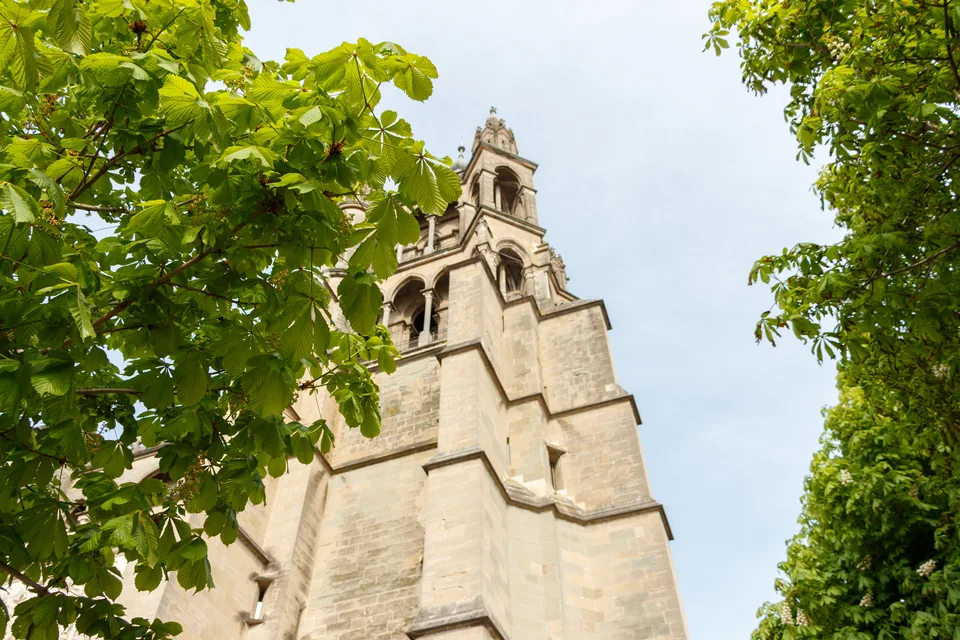
The cathedral gives an effective starting point for understanding the upper city. Explore its surroundings and the connecting streets at a pace that leaves time to notice carved details and changes in level. The current cathedral visitor information also contains an important limitation: restoration of the south transept’s vaults makes the rose window and its stained glass inaccessible until spring 2027.
Cathedral entry is free. The tourism office lists a separate tower charge of CHF6 for adults aged twenty-six and over, with younger visitors admitted free under the published category. Do not confuse church access with the tower’s last admission: the final ascent is tied to the tourist-information counter’s closing time. Check the day’s arrangements and any service restrictions before planning a climb. A visitor unable to manage stairs can still build a worthwhile upper-city outing without making the tower essential.
Use Flon for a different side of the centre
The Flon district’s own information provides a useful introduction to its shops, restaurants, cultural activity and events. This is a different atmosphere from the cathedral streets, with a mix of contemporary architecture and public spaces. Browse the current programme if an exhibition, performance or seasonal installation is part of your reason for coming.
Flon is also a useful reference point when comparing accommodation and evening plans. Check the precise route from your room to the station or restaurant rather than assuming every central address is equally convenient. If noise matters, ask about the room’s position and nearby late-opening venues. A district associated with entertainment can be enjoyable for an evening without being the right base for someone who needs an early start. Build the decision around your schedule and the property itself.
Leave time for Ouchy and the public waterfront
Ouchy’s official visitor information introduces the lakeside promenades, harbour and nearby gardens. It is a natural contrast to the upper city: use it for an unhurried walk, a pause between museum visits or a meal with the water in view. The Denantou, Elysée and Olympic park areas provide different ways to extend an outing.
Decide on the return journey before walking farther along the shore. A pleasant downhill route from elsewhere in the city does not guarantee an equally appealing climb back after dinner. Keep walking and cycling movements in mind on shared routes and check any local restrictions before entering the water. The presence of a beach or landing stage is not evidence of safe swimming conditions that day. A forecast, current signs and your own ability matter more than a photograph of a sunny afternoon.
Visit the Olympic Museum for the stories behind sport
The official tourism listing for the Olympic Museum places it at Quai d’Ouchy 1 and describes its role in presenting the Olympic movement. It makes a focused cultural stop beside the lake, particularly for visitors interested in athletes, sporting history and the organisation of the Games. Allow enough time to engage with the interpretation rather than treating it as another waterfront viewpoint.
The published adult price is CHF20 from age sixteen, with accompanied children up to fifteen admitted free. The normal 2026 schedule is Tuesday–Sunday, 9am–6pm, with holiday exceptions and specified year-end closures. Check your actual date, especially for a Monday visit. Eligible Lausanne Transport Card holders have a listed adult discount, but the card and museum ticket remain separate questions. Confirm concession documentation before relying on a reduced rate for the entire group.
Plan Plateforme 10 around three different museums
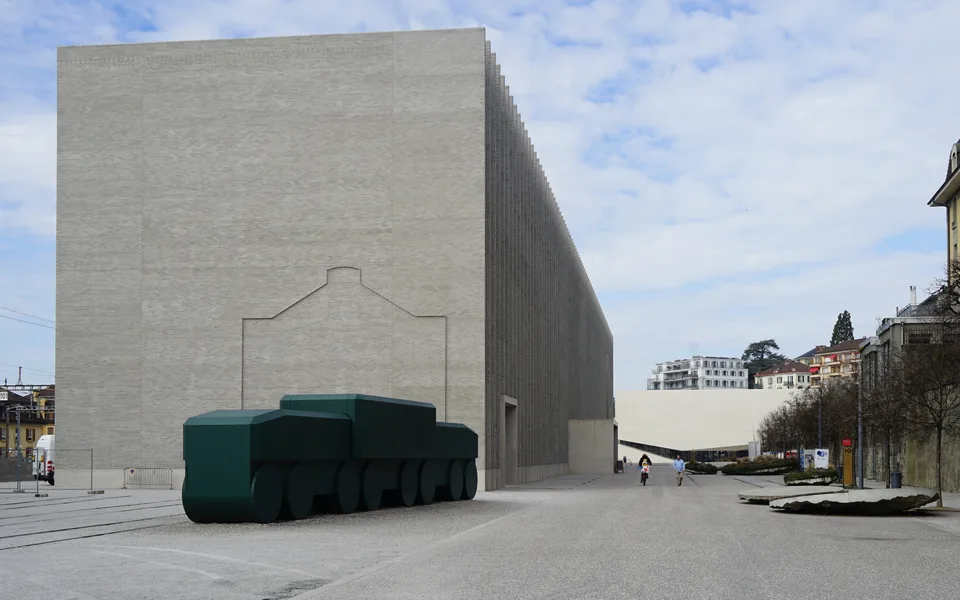
Plateforme 10’s practical information brings together MCBA, mudac and Photo Elysée near the railway station. Their subjects—fine art, design and photography—make it possible to choose by interest rather than attempting every exhibition. Check the current programmes before deciding whether the complex needs a short visit or a substantial part of the day.
The closure pattern matters: MCBA normally closes on Mondays, while mudac and Photo Elysée close on Tuesdays. The published three-museum ticket costs CHF25 for adults aged twenty-six and over and allows one visit to each museum’s major temporary exhibitions within three months. It is not an unlimited-entry pass. Under-twenty-sixes have free admission under the listed terms. The site describes lifts within the buildings and an access lift from Avenue Ruchonnet; check individual exhibition arrangements if you have specific access requirements.
Separate MCBA’s collection from temporary exhibitions
At MCBA, the museum’s own visitor page distinguishes its free collection route, Espace Focus and Espace Projet from paid temporary exhibitions. Visitors still need to pass through reception. That distinction is useful when deciding how much time and money to allocate, especially if you mainly want an introduction to the collection.
Read the exhibition descriptions before choosing a ticket. A single temporary-exhibition admission and the combined Plateforme 10 product serve different plans. MCBA normally opens Tuesday–Sunday, with a later Thursday closing, but special dates can override the weekly pattern. Choose works or themes that interest you, allow a break and avoid adding another museum merely because it stands nearby.
Give the Collection de l’Art Brut a separate visit
The Collection de l’Art Brut’s visitor information lists normal opening from Tuesday to Sunday, 11am–6pm, with certain public-holiday exceptions. Its programme offers a different perspective from the museums at Plateforme 10. Read the exhibition introduction and approach the work on its own terms rather than reducing artists’ lives to unusual biographical details.
Standard adult admission is CHF12. The listed ticket is valid for three days across the Art Brut Collection, Historical Museum and Roman Museum; this is a municipal museum arrangement, not the Plateforme 10 ticket. Check free-entry categories and any documentation required. The operator also advertises a limited February promotion, which should not be read as the standard price for an October trip. Leave room in the day to reflect on the visit rather than arranging several contrasting collections back to back without a break.
Choose a base according to your daily route
The cathedral and central districts suit a visit focused on older streets, shopping and restaurants. A station-area base can simplify regional rail journeys and Plateforme 10, while Ouchy suits a stay built around the waterfront and Olympic Museum. Compare the approach to each property, including gradients, stairs and the final walk from public transport.
For a longer stay, add the workplace or campus to the map before choosing an area. A central address is not automatically the most convenient for every commute. Test the journey at the time you expect to travel, with any necessary changes included. Ask whether the accommodation has a lift, where luggage can be dropped and whether a late arrival is possible. A room description that says “near the station” does not explain the entrance, the slope or the route with a suitcase.
Check accommodation and transport-card eligibility together
Hotels, serviced apartments, hostels and other accommodation types can produce very different total costs. Compare breakfast, laundry, kitchen facilities, local charges and cancellation conditions, then assess transport separately. A lower nightly price can be less useful if it creates inconvenient daily journeys or excludes facilities you need.
The Lausanne Transport Card’s current conditions make eligibility important. The card is personal, non-transferable and valid for a maximum of fifteen days, covering second-class public transport in specified Mobilis zones. The tourism office identifies hotels, serviced apartments, youth hostels and campsites as eligible accommodation, while private flats and rooms are excluded. Confirm with the provider before budgeting around it. The card is not a national rail pass or a blanket entitlement to free travel from Geneva Airport. Check the zone map and keep identification available for inspection.
Arrive from Geneva Airport with the onward journey included
Geneva Airport’s railway information confirms that its station is beneath the terminal and that direct services connect with Lausanne via Genève-Cornavin. This can make a rail arrival straightforward, but use a dated journey planner for the train you intend to take and the final connection to your accommodation.
Be careful with airport transport summaries: the advertised seven-minute journey and Geneva zone-10 fare refer to central Geneva, not Lausanne. Compare the complete ticket, travel time and change conditions before purchasing. Allow for baggage and any immigration formalities, and avoid relying on a tight connection after an international flight. For an early departure, check the first useful service rather than assuming the daytime frequency continues overnight. A final night nearer the airport may be worth comparing if the flight would otherwise require a difficult start.
Use local transport to manage the gradients
Metro, bus and rail connections can turn a demanding walking day into a comfortable combination of shorter routes. Start with the tl ticket shop and zone information, entering the actual journeys you need. Grand Lausanne uses Mobilis zones 11 and 12, while trips farther out may require additional zones.
If you have an eligible visitor card, compare its coverage with the route before buying another ticket. If not, choose a product that covers both zones and duration correctly. A day ticket can be useful for several journeys, but does not automatically include every excursion around Lake Geneva. Save the full stop name and check changes, service notices and the return after an evening event. For relocation, compare a season ticket against your real work pattern; a visitor’s transport benefit is not a permanent household commuting arrangement.
Eat with a sense of Vaud
The tourism office’s regional food account introduces papet vaudois, a preparation of leeks and potatoes traditionally served with cabbage sausage. It is a useful starting point for understanding Vaud’s food culture, alongside regional cheeses, wines and fish dishes. Ask about the actual preparation if dietary requirements matter; a vegetable-based accompaniment does not establish that the whole meal is vegetarian.
Balance a special meal with simpler lunches and food shopping. Compare menu prices, portions and any separate charges before ordering, and make reservations where a particular restaurant matters to the plan. Wine is part of the surrounding region’s culture, but tastings need an appropriate transport arrangement. For shopping, ask about origins rather than assuming every product sold in a tourist area was made locally. Check ingredients and travel restrictions before buying food gifts, especially when crossing another border on the way home.
Use markets as a practical part of the visit
The Grancy market’s current schedule lists Monday and Thursday mornings, 7am–noon, on Boulevard de Grancy. Fresh produce, cheeses, fish and charcuterie make it a useful stop if your accommodation allows self-catering. Those days differ from the central market pattern, so check the particular location before planning breakfast around it.
For a short trip, buy only what you can store and use. A market is also a way to assess an area for a longer stay: compare the walk home, nearby everyday shops and the opening hours that fit your routine. Do not assume a weekly market replaces a full household shopping plan. If you arrive late or over a holiday, establish where an initial meal and basic supplies will come from before reaching the property. That small preparation can make the first evening considerably easier.
Build the budget from actual choices
Use Swiss francs as the working currency and separate accommodation, arrival travel, local journeys, meals and admissions. Published museum prices provide useful anchors, but your total depends on which exhibitions you choose and which concessions apply. A visitor card may reduce some costs without covering the entire itinerary.
Add transport to each attraction and check whether a meal is included in any advertised package. Keep shopping outside the essential daily allowance. For a longer stay, budget health-insurance premiums, housing deposits and recurring transport separately. Real room quotes and your chosen activities give a firmer basis for deciding affordability than a universal daily spending estimate.
Choose the season around your priorities
The official seasonal visitor information reflects Lausanne’s mix of city culture, lakeside outings and regional excursions. A summer visit can make outdoor time a larger part of the day, while a winter stay may put more emphasis on museums and shorter walks. Spring and autumn can work well for a mixed itinerary, provided you check the activities available on your dates.
Use a current forecast rather than treating a season label as a guarantee. Bring layers and suitable walking shoes, and retain an indoor alternative for rain or poor visibility. A lakeside view can change substantially with cloud and wind. Check the actual event programme before booking around a festival or celebration; older tourism articles may remain online after the event has passed. For a possible move, visit in the conditions you are least familiar with, not only during your preferred holiday season.
Add Sauvabelin when conditions suit a climb
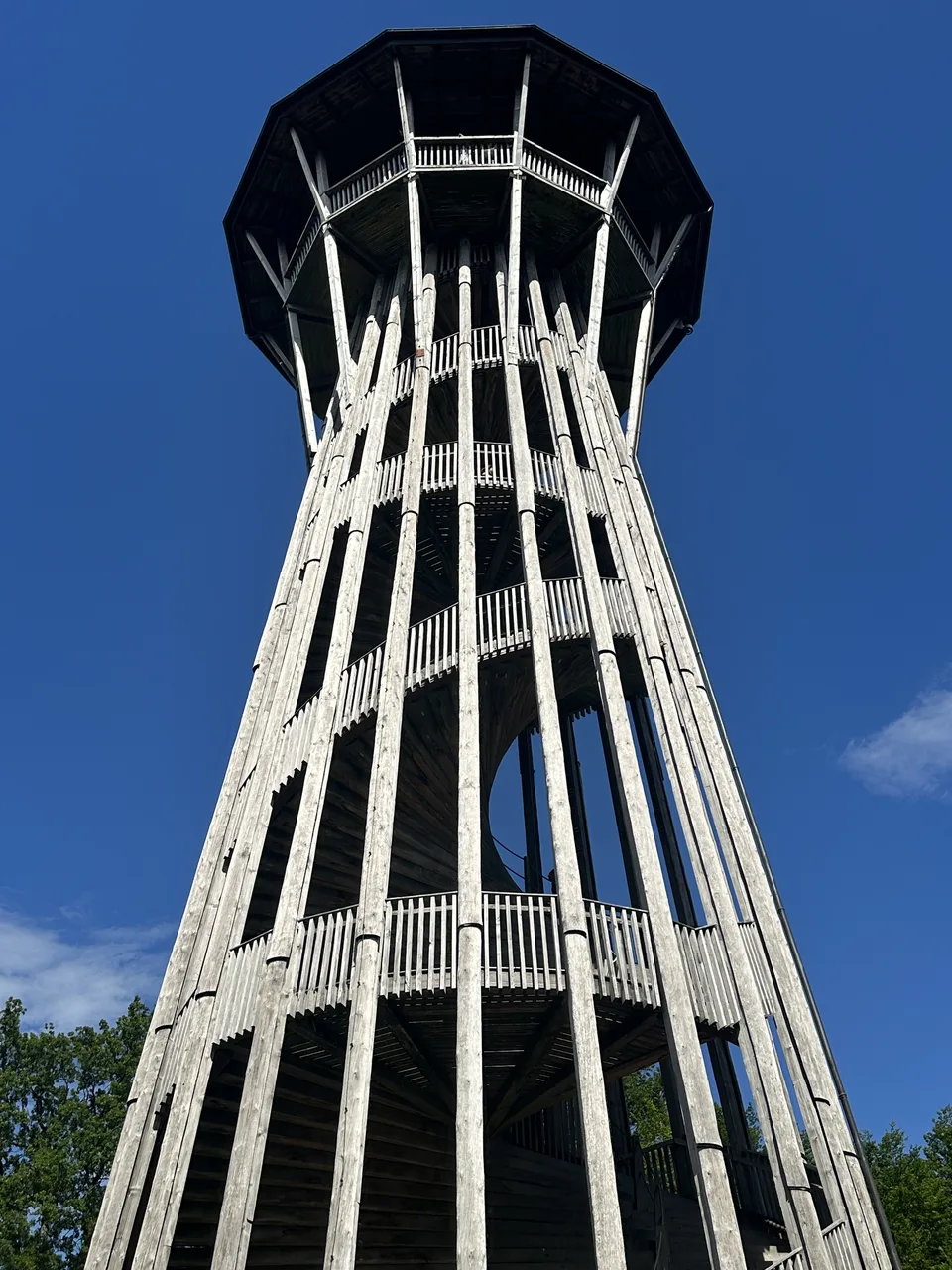
The official Sauvabelin tower website gives a different perspective on the city from its wooded upper slopes. The timber tower is an option for visitors who enjoy climbing to a view, while the surrounding area can provide a break from museum interiors and central streets. Choose an approach that suits the group and the time available.
Check current access before leaving: the tower closes for dangerous weather, including storm winds, snow or ice. The website’s status display has its own timestamp, so read it rather than assuming an old “open” message proves today’s access. Consider the climb and return journey together. A photograph shows the structure and setting, not the conditions of the steps during your visit. If the tower is unsuitable, keep the outing flexible instead of treating reaching the observation deck as essential to enjoying Lausanne.
A two-day introduction with room to choose
Use day one for the cathedral district and central streets, allowing for restoration and any service restrictions. Continue through Flon, then choose an afternoon museum according to its opening day and your interests. Leave time for a meal rather than adding another collection simply to complete a list.
On day two, head towards Ouchy for the Olympic Museum and a waterfront walk. Adjust the sequence to the weather and the museum’s schedule. If contemporary art, design or photography is your main interest, give Plateforme 10 more time and shorten another part of the plan. Add Sauvabelin or a regional excursion only if the available time and conditions support it. This is a suggested pace for two full days, not a promise that every museum opens on the same weekday or that every traveller will enjoy the same amount of walking.
Investigate housing before committing to a move
Begin with Lausanne’s municipal housing advice, then compare actual properties and tenancy terms. Establish what the application requires and verify the landlord or agent. View the home where possible, inspect its condition and obtain a written agreement explaining rent, charges, deposit and responsibilities. Do not assume a short-stay booking can become a residential tenancy.
Test noise, daylight, heating, ventilation, laundry arrangements and internet inside the property. Repeat the journey to work, school or essential appointments. Ask how repairs are reported and what operating costs are included or reconciled later. Compare several addresses on the basis of the complete monthly commitment, rather than the rent alone. There is no verified current local rent average supplied here; recent listings and written offers are more useful than a precise-looking figure with an unclear definition of property size and location.
Arrange healthcare and everyday services deliberately
For a household, clarify electricity, heating, internet and water billing before handover, record relevant readings and keep the condition report. Check deliveries and waste arrangements with the property manager. Families should confirm school or childcare places, language needs and the daily route before choosing housing around an assumed enrolment.
The Swiss federal health-insurance guidance generally requires residents to obtain insurance within three months of taking up residence, with exceptions under applicable coordination rules. Each family member needs individual cover. Timely enrolment normally means coverage and premiums run from the start of residence; the deadline is not three months of free healthcare. Compare approved insurers and the relevant model, deductible and cost-sharing conditions. Establish how to access routine care and necessary prescriptions, and confirm coverage directly rather than assuming travel insurance will meet every requirement of a longer stay.
Treat arrival registration and immigration as distinct steps
Lausanne’s municipal arrival form cites an eight-day notification requirement when a stay exceeding three months is foreseeable. Contact the residents’ office promptly about the applicable documents and appointment. A lease or host attestation can be relevant, but accommodation alone does not create a right to live in Switzerland.
For entry, consult the State Secretariat for Migration’s nationality-specific guidance. Short visits, work and studies follow different rules. The EU/EFTA employment guidance requires registration within fourteen days and before starting relevant longer-term employment; do not use that federal timeframe to postpone the municipal arrival step. Third-country employment conditions involve a different authorisation process. Students should follow the Vaud study-permit resources and their institution’s instructions. Permanent settlement is a separate status. Compare relevant professional experience through VisaWand’s consultant directory if individual advice is needed.
Extend into Lavaux or choose another city carefully
The UNESCO-listed Lavaux vineyard terraces offer a nearby cultural landscape shaped by centuries of wine growing. Choose a defined walk and transport plan, respect working vineyards and arrange any cellar visit in advance. A clear day can favour the landscape; unsuitable weather may make another city museum a better use of limited time.
For travel on the lake, use CGN’s current timetable and disruption information, checking the particular landing stage and return. Crossings to France add an international border to the itinerary. VisaWand’s Switzerland country guide supplies national context, while its Switzerland country page helps compare locations. The Switzerland destination consultant listings serve a separate advisory purpose. Consider the Geneva city page or Montreux city page when weighing another stop. Each transfer uses time; a longer list of destinations is not automatically a more satisfying trip.
Official planning resources
Reviewed 17 October 2026. Use the official resources linked throughout this guide for admission, transport, housing and immigration decisions. Prices, services and rules can change; confirm the details relevant to your dates. Photography illustrates the locations and is not a live view.
View all official resources
- Tourism city history and architecture
- Cathedral current access and tower prices
- Flon district operator
- Ouchy official neighbourhood information
- Official tourism Olympic Museum information
- Plateforme10 official practical information
- MCBA visitor information
- Collection de l’Art Brut hours and prices
- Lausanne Transport Card terms
- Geneva airport railway access
- tl official ticket shop
- Official regional food account
- Grancy market current schedule
- Official seasonal visitor planning
- Official Sauvabelin tower information
- Municipal Lausanne housing advice
- Federal Swiss health insurance requirements
- Municipal Lausanne arrival form and legal extract
- Swiss migration entry FAQ
- SEM EU EFTA residence and employment
- SEM working in Switzerland
- Vaud study and residence application resources
- UNESCO Lavaux Vineyard Terraces
- CGN current services and disruptions
Plan the next part of your journey
Explore the Switzerland guide, browse other cities or compare consultants for your travel and relocation questions.