Visa
Choose Basel for culture with room to wander
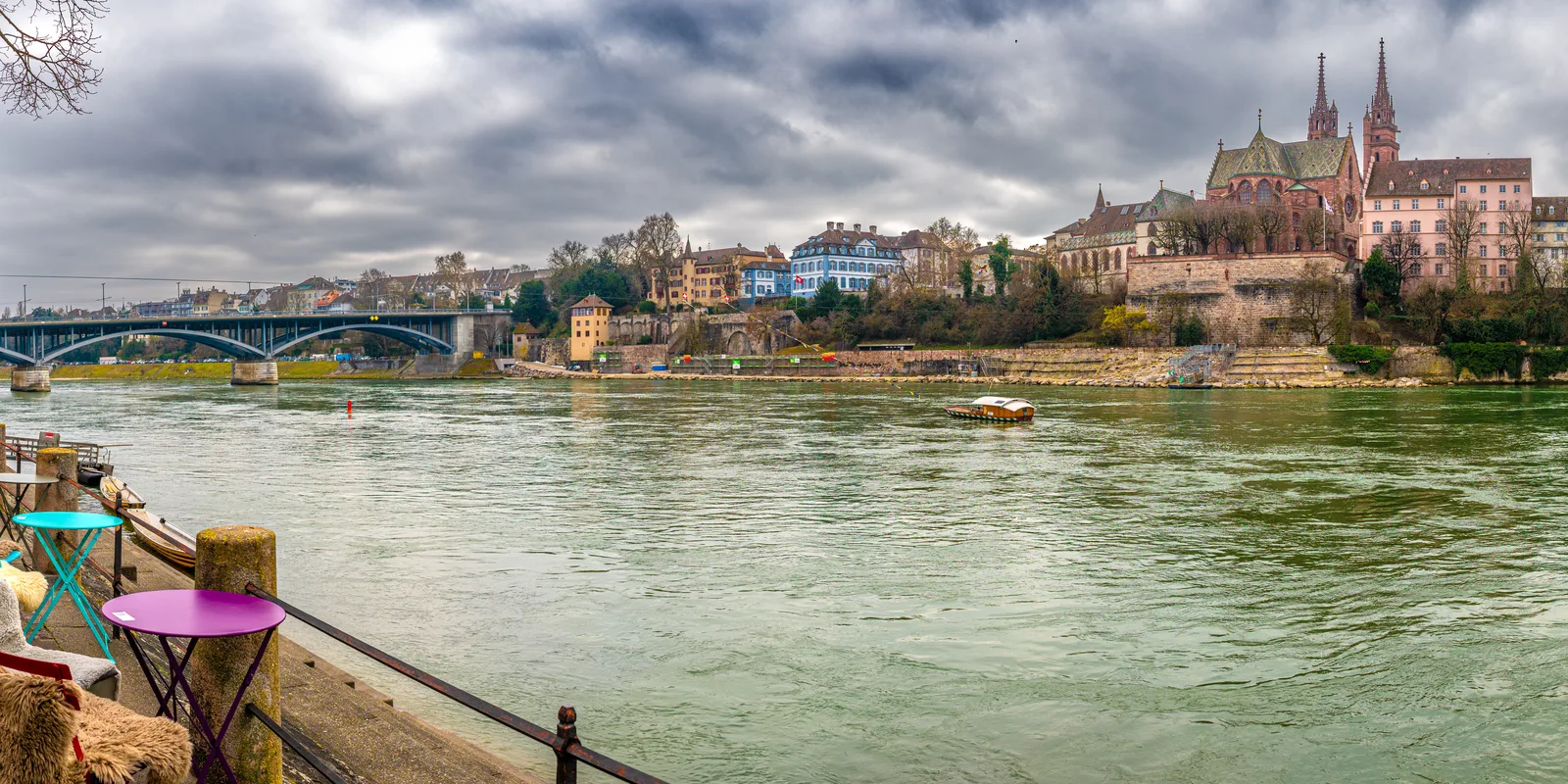
Basel is a city where a museum visit and an ordinary riverside afternoon belong comfortably in the same trip. The Rhine gives the centre a strong sense of direction, while the cathedral, painted Town Hall and streets around them make exploring on foot rewarding. Art is a major reason to come, but you need not spend every hour inside a gallery to enjoy the city.
Its international setting also shapes practical decisions. Basel is in Switzerland, beside France and Germany; a hotel marketed for the Basel region may be across a national border. That can change the journey, currency, guest-card entitlement and administrative arrangements. Read the address before comparing the headline price.
Read the city through its history
The canton's history of Basel places the city within a long story of religion, trade, scholarship and industry. The cathedral was consecrated in 1019, the university was founded in 1460 and Basel joined the Swiss Confederation in 1501. These dates are useful anchors for understanding why a relatively compact centre contains such a substantial cultural inheritance.
The earthquake of 1356, the growth of printing and the presence of figures such as Erasmus and Holbein add further layers. Rather than attempting to absorb every period in a single walk, choose a theme. Cathedral architecture, art collections and the older streets can each provide a different route into the past.
Choose a neighbourhood for the right reasons
Grossbasel's historic centre suits visitors who want old-town sightseeing close at hand. Across the Rhine, Kleinbasel offers another part of the city to explore rather than simply a viewpoint looking back. The official district overview also distinguishes St. Alban, St. Johann, Wettstein and other areas that accommodation searches may group under a broad Basel label.
The tourism board's southern-district guide introduces Gundeldingen, often called Gundeli, alongside Bruderholz and Dreispitz. These places have different characters, so inspect the exact address and route to your main destination. Being near a station on a map does not establish that the entrance, crossing or luggage route will be convenient.
For a short trip, compare walking access and direct public transport with the room price. For a longer stay, test shopping, evening noise and the commute at the hours you will actually travel. Avoid treating whole districts as uniformly quiet, cheap or suited to every household. The block and building can matter as much as the neighbourhood name.
Start with the cathedral and its surroundings
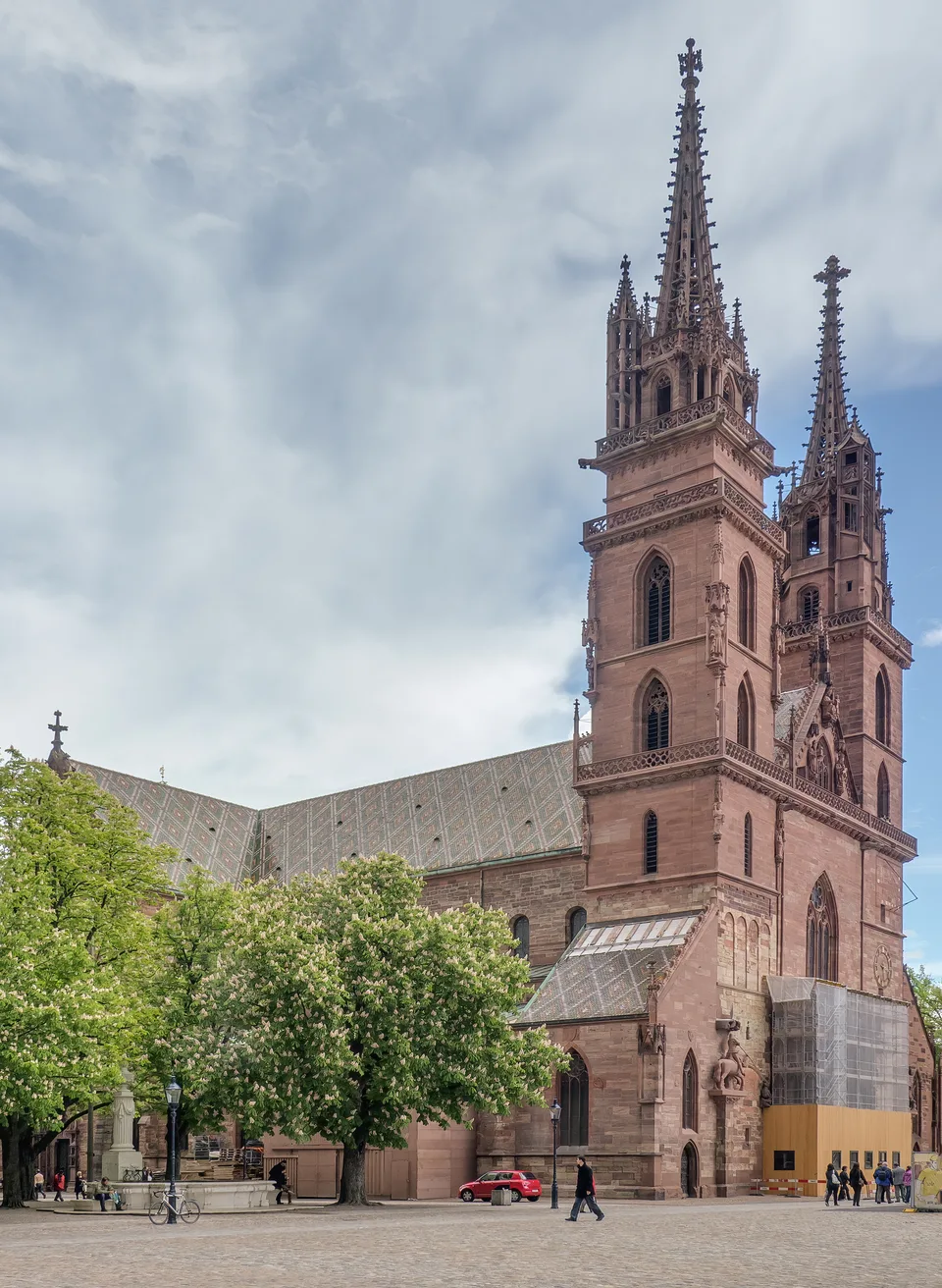
Basel Minster provides a clear focus for an introductory walk. Spend time around the building and its setting before deciding whether to enter or climb. It is a working religious site, and the cathedral's opening information distinguishes summer, winter and Advent arrangements; Sunday access can depend on the duration of services.
The tower-climb page describes roughly 250 steps on a narrow stairway for each tower. Standard admission was CHF 6 at the October 2026 check. Entry requires at least two people, visitor numbers are limited and the final admission is half an hour before cathedral closing. Tower entry is also suspended during the stated midday prayer period.
Let Marktplatz anchor an old-town walk
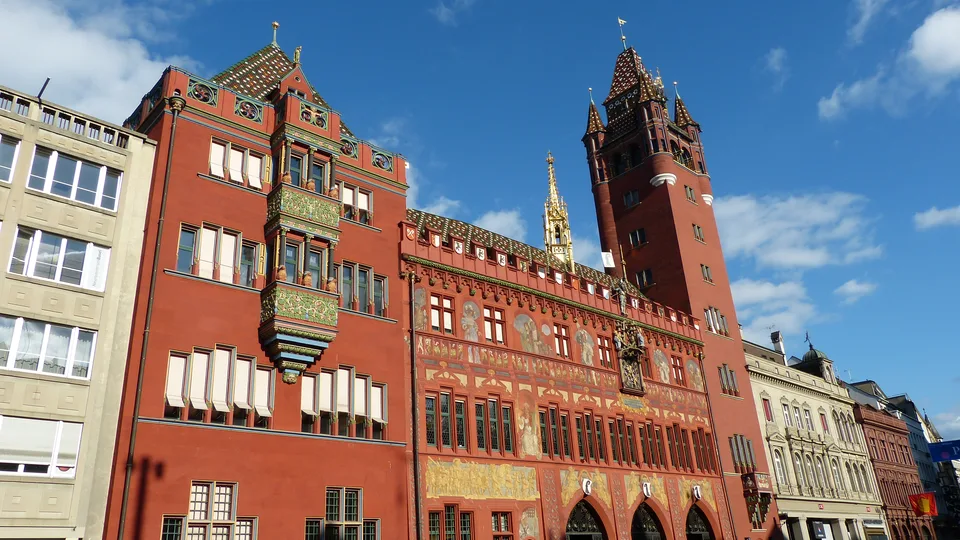
The red Town Hall façade makes Marktplatz a memorable landmark, and it is a useful place to orient yourself before walking further through the centre. Look at the details rather than rushing straight to the next photograph. A short route with time to pause often provides a stronger impression than a long checklist of buildings.
Combine the square with nearby old-town streets and a riverside section, adjusting the route to your energy and the weather. Historic centres can involve changes of level, uneven surfaces and busy crossings. If access needs are important, plan a suitable route and ask an accommodation provider about the practical approach to its entrance.
Allow browsing and food stops to emerge naturally, but check the hours of any particular shop you want to visit. A building that photographs well from outside is not necessarily open for unrestricted interior sightseeing. Keep the walk useful even if an interior, market stall or café is unavailable when you arrive.
Give the Kunstmuseum a proper place in the day
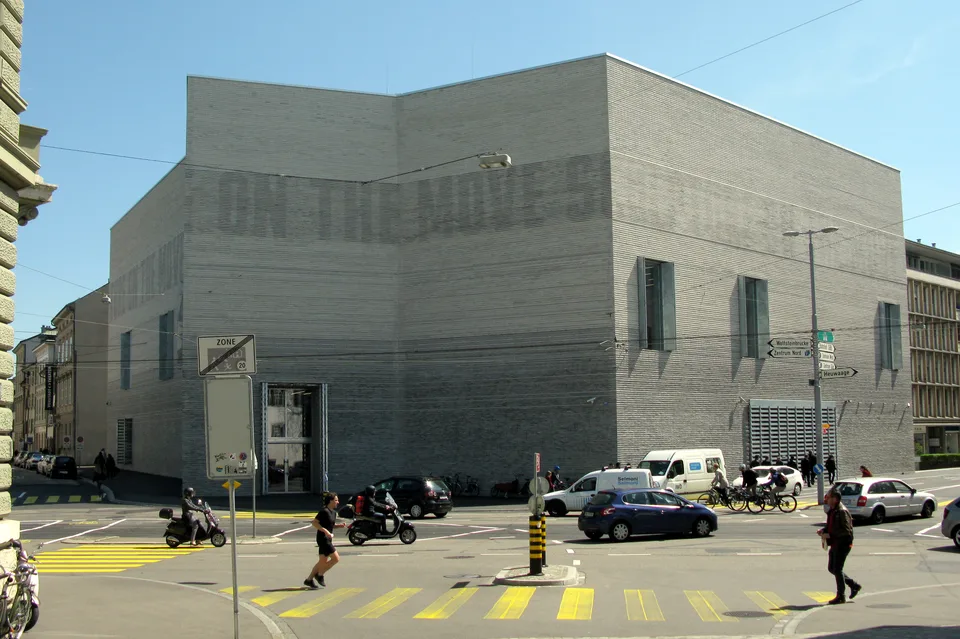
Kunstmuseum Basel rewards a deliberate choice of ticket and venue. Its visitor information lists a CHF 25 adult collection-and-exhibitions ticket, while the special exhibition “Van Gogh, Hodler, and a Cabriolet” has a CHF 30 ticket including the collection and exhibitions. At the October 2026 check, the corresponding BaselCard prices were CHF 18.75 and CHF 22.50.
Do not assume that a free collection period includes every special exhibition. The museum publishes free collection hours on Tuesday, Thursday and Friday from 17:00 to 18:00, Wednesday from 17:00 to 20:00, excluding holidays, and on the first Sunday of the month. Check the current programme and ticket terms before planning around them.
An hour before closing may be useful for a focused return visit, but a substantial first visit deserves more space. Choose the collection or exhibition that interests you most, then leave time to look carefully. Buying the broadest ticket is not necessarily good value if your schedule leaves little opportunity to use it.
Check which museum building is open
The museum's three-building identity can conceal an important planning detail. Its current opening information lists Hauptbau and Neubau as open Tuesday and Thursday through Sunday, 10:00–18:00, with Wednesday extending to 20:00 and Monday closed. Gegenwart is listed as closed through 27 November 2026 inclusive, before a new exhibition begins on 28 November.
There is also a separate Hauptbau renovation project. The museum states that work will begin in 2029 at the earliest, subject to the political process and approvals. That proposed future closure should not be confused with Gegenwart's current closure or used to imply that the whole institution is unavailable now.
For any art-focused visit, recheck the building and exhibition immediately before travel. Temporary installations, maintenance and programme changes can affect what is accessible. Keep the address of your selected venue available, and avoid scheduling a tightly timed onward connection straight after the visit. A little flexibility is especially useful when an exhibition is the principal reason for the trip.
Experience the Rhine without making swimming compulsory
Walking beside the Rhine is one of the easiest ways to understand Basel's setting. You can enjoy the river, views and everyday activity without entering the water. That is a worthwhile option for families, less confident swimmers and anyone visiting outside suitable conditions.
If swimming interests you, read the canton's current Rhine safety guidance first. It advises that only strong swimmers enter, never alone, and warns about shipping, currents and prohibited harbour and lock areas. It also prohibits flotation aids and jumping from bridges or landing stages. A swimming bag should not be tied around the body.
Check water quality, temperature, levels and weather rather than following people already in the river. A photograph or a warm afternoon does not establish safe conditions. Inexperienced swimmers should choose an appropriate alternative. The river is a working waterway as well as a leisure setting, and treating it as a carefree attraction would give visitors the wrong basis for a decision.
Pay separately for a ferry crossing
A ferry can make a river crossing part of the experience, but it should not be confused with an ordinary tram journey. The St. Johann Ueli ferry operator lists CHF 2 per adult crossing and explicitly states that TNW tickets, SBB tickets and the BaselCard are not valid on board.
Its timetable changes with the clock season. Summer operation is listed daily from 11:00 to 19:00; winter weekday service is much shorter and dependent on sunny weather, with different weekend and holiday hours. Check the open-or-closed signs at the landing stages and the operator's current information rather than assuming continuous service.
Use those details for Ueli specifically, rather than transferring them to every Basel ferry. If travelling with a wheelchair, pram or bicycle, confirm the relevant boarding arrangements. High water can stop operations. Keep a bridge-based alternative in mind if you have a time-sensitive appointment, and treat the crossing as a pleasant addition to the day rather than an indispensable connection.
Compare accommodation across the actual border
A central hotel can make a short museum-and-old-town visit straightforward. A property near Basel SBB may suit early rail departures, while an apartment can be useful for a household needing separate rooms, laundry or a kitchen. Confirm what is included inside the unit and what is shared elsewhere in the building.
Ask for a final quote covering breakfast, cleaning, parking, local charges and cancellation conditions. The official city-tax page lists CHF 4.20 per person per night for the principal accommodation categories in Basel-Stadt. Other cantons and neighbouring countries have their own arrangements; a regional search label does not establish entitlement to Basel-Stadt's guest benefits.
When comparing a cross-border stay, include the daily fare and journey time, especially after an evening out or before an early flight. Check whether the property issues the card you expect. A cheaper room can still be the right choice, but that conclusion should follow a complete comparison rather than an assumption that every nearby address works identically.
Use the BaselCard under its current terms
The official BaselCard page currently advertises 25% discounts on participating attractions, not the 50% still found on some older pages. Discounts are generally available once per attraction and cannot be combined with others. Read the individual offer before paying, particularly if another concession or museum pass may be relevant.
Eligible overnight guests receive the card through their accommodation. It includes second-class public transport in TNW zones 10, 11, 13/EuroAirport, 14 and 15 during the stay, up to 30 days. The booking confirmation serves for the initial airport or station transfer to the accommodation under the published conditions.
Coverage is not unlimited across the surrounding international region. The page excludes the journey to the Vitra Design Museum, France and the Reigoldswil-Wasserfallen cable car from the transport area. Establish the extra ticket needed before crossing beyond validity. Keep your confirmation and card available offline so that a weak connection or depleted phone battery does not complicate an otherwise simple journey.
Make the airport exit part of the plan
The EuroAirport transport page identifies bus 50 from the Swiss-side arrivals forecourt to Basel SBB. It gives an approximate journey time of 20 minutes, but the actual connection should be checked against the current BVB timetable and your flight. Allow time for arrivals formalities and luggage before calculating an onward train.
The terminal also has connections from its French side towards Saint-Louis and other destinations. Follow signs for the journey you have actually booked. A route appropriate for a hotel in France may differ from one to central Basel, and the airport's name should not lead you to assume that every exit serves the same transport.
For a late arrival, check the last usable connection and a fallback before travelling. If arranging a taxi or transfer, request a written price and meeting instructions. When continuing by rail, distinguish Basel SBB from Basel Badischer Bahnhof. Those names identify different stations, so copy the exact one from your ticket or journey planner.
Budget in francs and price the things you value
Build the budget in Swiss francs, starting with accommodation, meals, transport outside any included area and the attractions you genuinely intend to visit. The museum, tower and ferry prices above provide useful reference points; they do not establish a universal daily cost for every traveller.
Museum enthusiasts may benefit from comparing existing pass coverage with individual admissions. A visitor mainly interested in architecture and river walks will have a different spending pattern. Avoid buying additional passes simply because their list of benefits is long. Count the admissions you can realistically fit into your stay and compare those totals.
For meals, check a current menu and whether drinks, breakfast or a set lunch changes the total. Self-catering is most useful when the accommodation provides the equipment you need and shops are open when you arrive. Keep some flexibility for poor weather or a changed exhibition plan. A modest contingency is more useful than treating every quoted price as permanent.
Taste Basel through specific specialities
Basler Läckerli provide an accessible introduction to the city's food traditions. The tourism board's guide to Basel and Swiss specialities describes the biscuits' honey, almonds and candied fruit. Check ingredient labels for allergies and dietary needs rather than assuming that every maker uses an identical recipe.
Other foods belong more closely to particular occasions. The same guide associates Mässmogge and Magenbrot with the autumn fair, flour soup with Carnival, and Fastenwähe with the period from mid-January to Easter. Looking for a seasonal speciality can add interest to a visit, provided you do not expect every bakery to sell it throughout the year.
For a broader meal choice, the official southern-district guide describes Markthalle near the SBB station as a venue with international food stands. That makes it a different proposition from a conventional fresh-produce market. Compare current opening hours and menus, then choose according to your appetite, budget and available time. No personal dining experience or restaurant endorsement is implied here.
Choose a season and keep an indoor alternative
Basel's continental setting brings warmer summer conditions and colder winter days. The official weather and webcam page links to a current forecast; use that for packing and daily decisions. A seasonal description is not a promise about the particular week you book, and occasional winter snow does not make Basel an Alpine resort.
Summer allows more time to organise a visit around outdoor riverbank activity, while museums can anchor a trip in less comfortable weather. In colder months, plan shorter outdoor sections between indoor stops. Ask about room cooling if heat would affect your comfort rather than relying on a general claim that summer temperatures are always pleasant.
If a festival, fair or special exhibition is the main reason for travelling, verify its exact dates before booking. Those occasions can change accommodation availability and the atmosphere of the centre. A flexible itinerary should still work if rain rules out a long walk, a ferry is closed or the view from a tower is disappointing.
Put together a manageable three-day visit
Use the first day for the historic centre: Marktplatz, the cathedral surroundings and a walk towards the Rhine. Add the tower only if opening times, capacity and the group's abilities suit. Finish with a straightforward meal rather than committing to a complicated transfer after arrival.
Give the second day to the Kunstmuseum collection or a chosen exhibition, checking the correct venue and ticket beforehand. Keep the rest of the day relatively open for another neighbourhood, a café or a riverside walk. A museum visit should not feel like a race to catch the next attraction.
On day three, explore the opposite riverbank or one of the districts that caught your interest. Include an operating ferry if its schedule fits, with a bridge alternative available. For a shorter stay, combine selected elements rather than compressing every suggestion. Swimming is optional and condition-dependent, while a distant cross-border excursion should replace part of this programme rather than simply being added to it.
Test everyday life before signing a lease
A possible move deserves an ordinary working-day trial. Travel from a shortlisted address to the actual workplace, then check groceries, medical appointments, childcare and the evening return. A pleasant holiday route may not work as well for a shift pattern or a household carrying shopping in bad weather.
For housing, request a written breakdown of rent, ancillary charges, heating, electricity, deposit and any parking. Inspect the property and clarify its permitted use, tenancy period, notice conditions and inventory. Ask about laundry arrangements, storage, ventilation and internet availability at that exact address. A furnished holiday apartment should not automatically be assumed suitable for indefinite residence.
No verified local rental median is offered here. Compare like-for-like current properties instead of using a single listing as a city average. Cross-border living adds separate residence, tax, insurance and work-permission questions. Obtain advice for the particular household and employment arrangement before treating a nearby foreign address as an uncomplicated way to reduce costs.
Register and organise household services promptly
The canton's new-resident information generally requires registration within 14 days. It also directs families to school and childcare information and residents to transport subscriptions. Establish the correct process for your status; the visitor BaselCard is not a substitute for planning ongoing commuting costs.
For utilities, IWB's moving guidance explains meter readings and tenant-change reporting. Existing customers are asked for account information, while a new arrival should clarify the appropriate process with the provider and property manager. Record readings at handover, establish which bills are your responsibility and arrange internet separately where necessary.
Healthcare needs its own budget. The Federal Office of Public Health generally requires residents to obtain insurance within three months, with each family member insured individually. When arranged on time, coverage and premiums are backdated to the beginning of residence: this is not three premium-free months. Exceptions and cross-border arrangements need assessment. Compare the applicable cover, deductibles and access arrangements, and bring useful medical records and prescription information.
Keep visiting, working and studying distinct
Use the State Secretariat for Migration's entry guidance to check nationality, documents and purpose. Short visitor stays generally fall within the Schengen 90-days-in-180 framework, subject to the permission actually granted. Entering Switzerland does not restart time already spent elsewhere in Schengen, and visitor entry does not authorise employment or permanent settlement.
The official work guidance distinguishes EU/EFTA nationals from third-country applicants. EU/EFTA workers have registration and, where applicable, notification or permit procedures. Third-country recruitment generally involves employer applications, qualification requirements and limited permits. Confirm authorisation before starting work; proximity to France or Germany does not remove Swiss requirements.
For study, consult the University of Basel's visa and residence information alongside the competent authorities. Admission, residence and permission for student employment are separate matters. A plan to settle permanently needs its own assessment rather than an assumption that study or a temporary job automatically provides that status. VisaWand's Switzerland country guide and Switzerland consultant listings can help organise questions for individual advice.
Compare other Swiss bases before extending the trip
Basel works well when art, the historic centre and the Rhine are your priorities. For a different Swiss city experience, compare VisaWand's existing Bern city guide or Lucerne city guide. Check the rail journey for your dates before dividing a short break between bases.
Use the Switzerland destination directory to explore further locations. A directory listing is a starting point for research, rather than proof that every location already has a completed guide. Leave enough time in Basel to enjoy the places you selected instead of losing the visit to repeated check-ins and connections.
Official planning resources
Reviewed 24 October 2026. Use the official resources linked throughout this guide for admission, transport, housing and immigration decisions. Prices, services and rules can change; confirm the details relevant to your dates. Photography illustrates the locations and is not a live view.
View all official resources
- History of Basel – Canton Basel-Stadt
- Basel districts – official tourism board
- Southern districts – Basel Tourism
- Basel Minster opening hours – cathedral operator
- Basel Minster tower climb – cathedral operator
- Kunstmuseum Basel visitor information
- Kunstmuseum Basel current venues and opening hours
- Kunstmuseum Hauptbau renovation project
- Rhine safety – Canton Basel-Stadt
- St Johann Ueli ferry – operator fares and schedule
- City tax – official Basel Tourism
- BaselCard – official Basel Tourism
- EuroAirport public transport – airport operator
- Basel and Swiss specialities – official tourism board
- Basel weather and webcam – official tourism board
- New in Basel – Canton Basel-Stadt
- Moving and meter readings – IWB
- Compulsory health insurance – Federal Office of Public Health
- Entry requirements – State Secretariat for Migration
- Working in Switzerland – State Secretariat for Migration
- Visa and residence for students – University of Basel
Plan the next part of your journey
Explore the Switzerland guide, browse other cities or compare consultants for your travel and relocation questions.