Visa
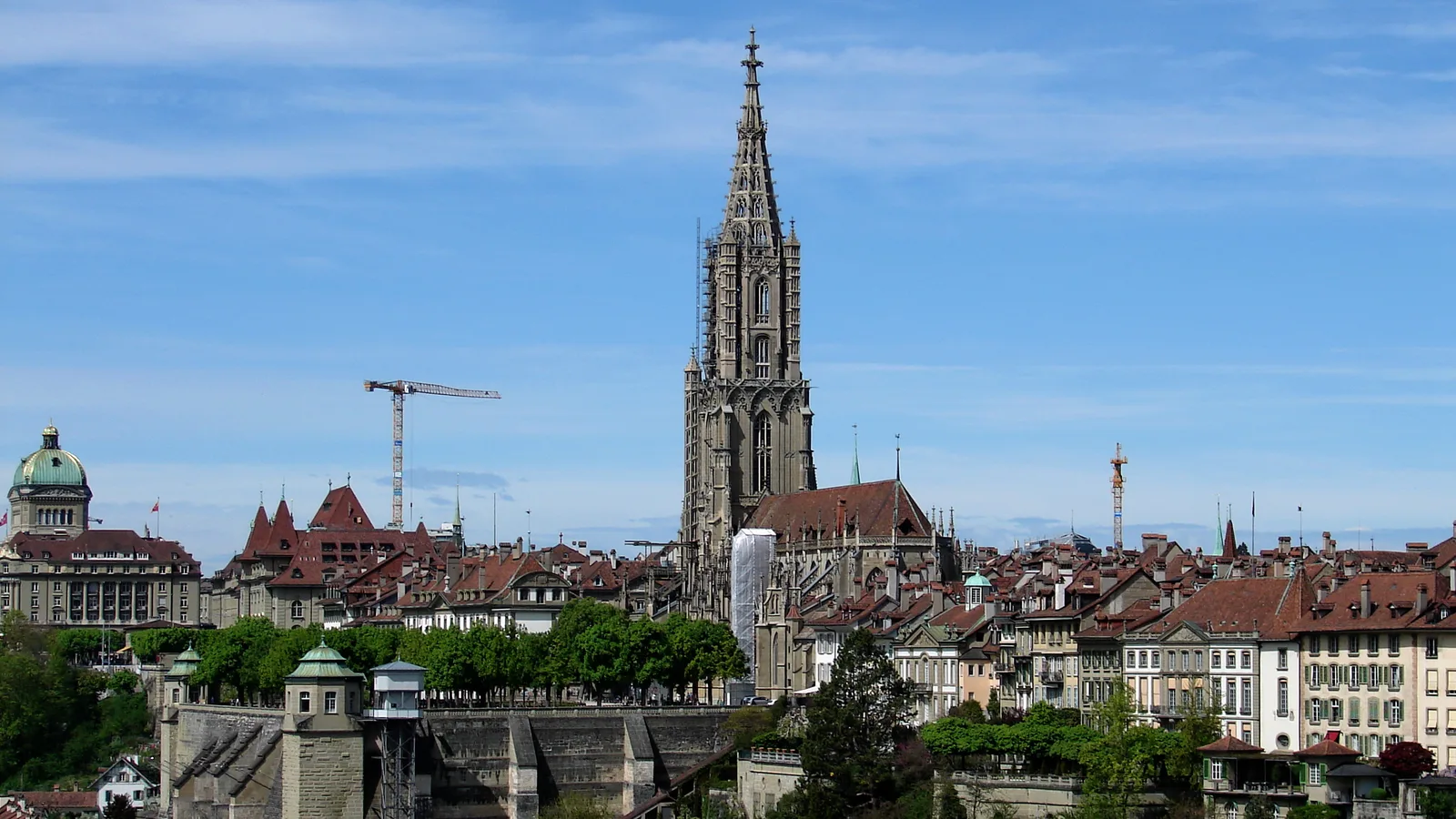
Bern works best at walking pace
Bern gives a city break a strong sense of place without demanding a frantic itinerary. Arcaded streets lead towards a clock tower; bridges reveal the Aare below; a museum or a parliamentary visit changes the subject without requiring a change of city. The pleasure is in connecting these experiences, with enough time left to sit down, eat properly and notice how a working city occupies its historic setting.
This is Switzerland's federal city and the capital of Bern canton, on the Swiss plateau between the Jura and the Alps. It is not a mountain resort, even when distant peaks enter the view. Keep Bern city separate from the much larger canton and the wider regions promoted by its tourism office. VisaWand's Switzerland city and settlement directory helps place it within a broader journey.
Allow two full days for the Old Town and a chosen museum, or three for a less hurried combination with the Gurten or another outing. For someone considering a move, add ordinary weekdays: test the commute, inspect accommodation and establish what the household will actually cost. A beautiful view and a manageable monthly budget answer different questions.
Read the Old Town as a living place
The UNESCO Old City of Berne record explains why the streets belong together. Founded in the twelfth century on a hill surrounded by the Aare, the city retained its medieval planning structure through later rebuilding. Fifteenth-century arcades and sixteenth-century fountains form part of an ensemble renewed substantially in the eighteenth century. Bern's character comes from this continuity, rather than from every building remaining unchanged since the Middle Ages.
Start with a walk from the station towards the older streets, leaving time around Marktgasse, the Zytglogge and Kramgasse. The official Bern Welcome visitor portal is useful for selecting tours and current cultural programmes. Choose a few interiors that interest you instead of treating every landmark as a required admission. Arcades provide shelter along parts of a walk, but crossings, squares and approaches remain exposed to the weather.
Look beyond the obvious façades: changes of level, views between buildings and the relationship with the river explain the city as well as its monuments do. Keep residential entrances clear, respect worship and working hours, and check before entering courtyards. The historic centre is also somewhere people live, shop and go about their day.
Choose your base by the journeys it simplifies
An Old Town address can make a short visit easier, especially if your main interests are central walks and evening meals. Check the exact entrance, stairs and room position before booking. A historic building may have a lift serving some floors but still involve steps elsewhere. Ask where a taxi can stop and how far you will carry luggage from there.
For an early train or repeated regional journeys, proximity to the main station can matter more than a picturesque street. For a university, hospital or work visit, start with the destination's actual address and test its connection. Compare the return journey after dinner as well as the morning route. A location convenient for sightseeing is not automatically convenient for a daily commute.
The city's official district information distinguishes areas including Länggasse-Felsenau, Kirchenfeld-Schosshalde and Breitenrain-Lorraine. Use those names to narrow a housing search, then investigate the individual street and building. District boundaries are useful geography, not evidence of a particular rent, atmosphere or level of safety. Accommodation outside Bern municipality may also have different guest-ticket arrangements, so confirm eligibility before counting a transport benefit in the price.
Decide whether to go inside the Zytglogge
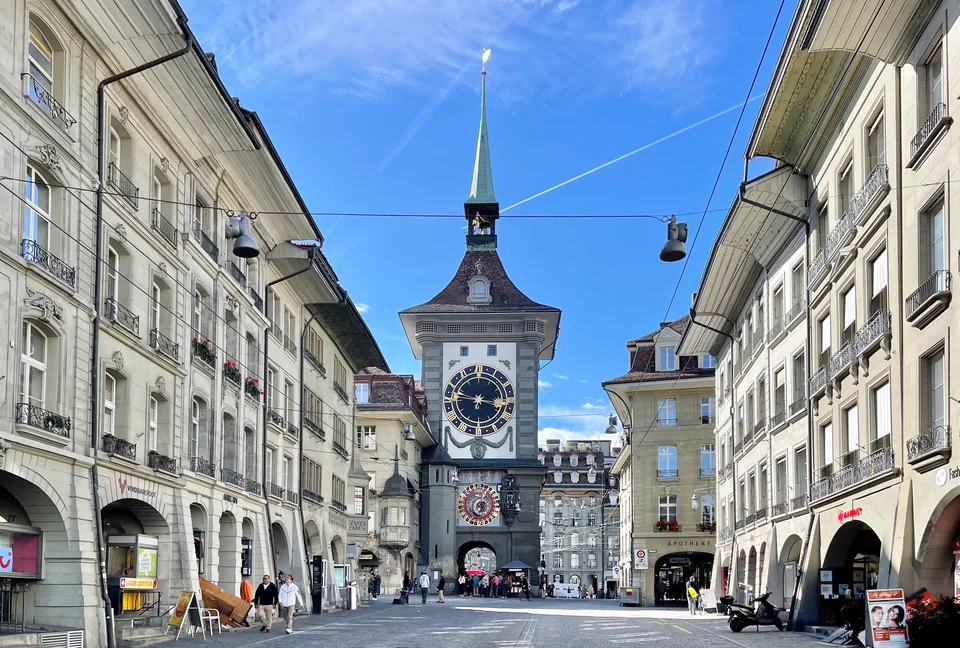
The Zytglogge clock tower is a useful anchor for a central walk. Once a city gate, it acquired different roles as Bern expanded, and its clockwork and figures make it more than a decorative backdrop. You can see the exterior during an ordinary walk; a website's round-the-clock landmark listing does not mean that the interior is freely accessible at any hour.
The official clock-tower tour lasts about an hour and involves roughly 130 steps to the viewing platform. Published public-tour admission is CHF25 for adults and CHF12 for children aged six to sixteen. The meeting point is on the Kramgasse side. Choose a dated departure and check its language rather than assuming that every advertised language is offered at every time.
This is a good choice for visitors interested in mechanisms and the building's changing history. Anyone who finds stairs difficult can keep the exterior on the itinerary and spend the tour allowance elsewhere. Leave a margin before another timed booking: meeting, climbing and dispersing all take longer than simply passing beneath the tower.
Plan Parliament around booking and security
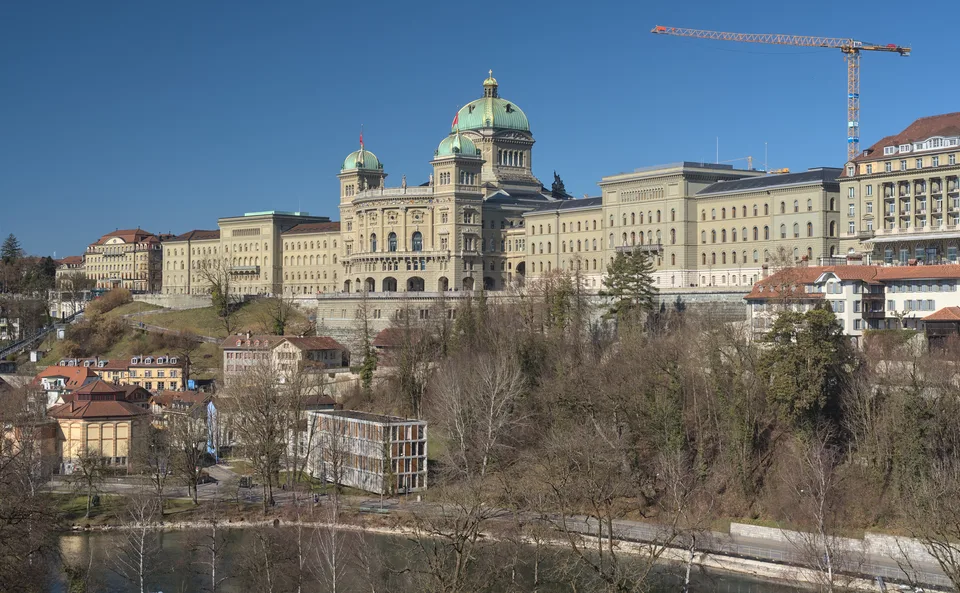
The Parliament Building adds political context to the historic streets. An exterior visit can fit into a central walk, while an interior tour needs its own reservation and a little preparation. Look at the actual parliamentary calendar before designing the day around entry. Free admission does not remove the need to book or guarantee that a place will be available.
The Parliament's current guided-tour information lists free tours outside parliamentary sessions, lasting up to an hour. Individual visitors and groups of up to nine can reserve at the earliest three days before the visit; this differs from the arrangements for larger groups. Confirm the language and current availability in the booking system rather than relying on an old timetable.
Arrive at least twenty minutes before the tour for identity and security checks. Visitors aged sixteen and over need an accepted official photo identity document; follow the instructions supplied with the booking. Bags and personal items are screened. If your dates coincide with maintenance or parliamentary business, retain an alternative museum or outdoor plan instead of assuming another tour will run later that day.
Give Zentrum Paul Klee time beyond a photograph
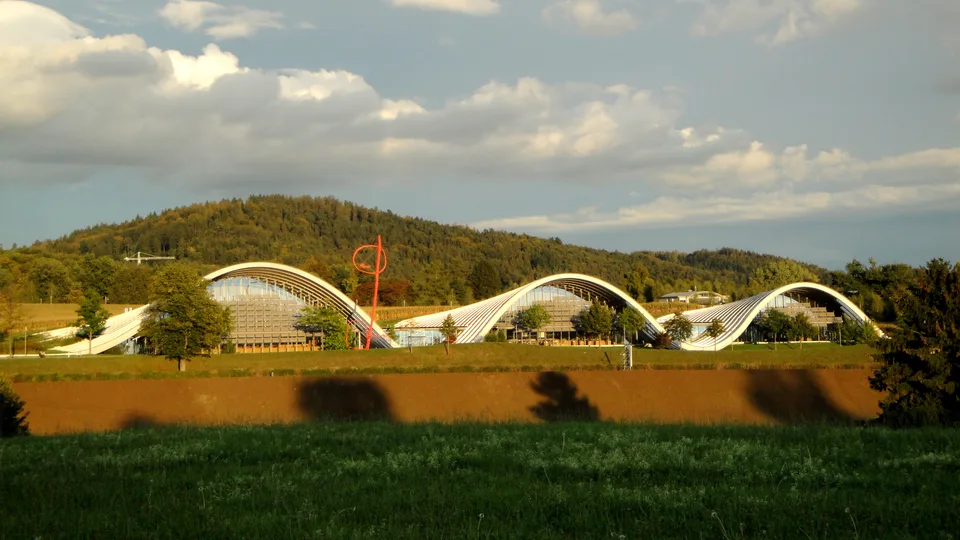
The wave-shaped roofs of Zentrum Paul Klee make the building a destination in their own right, but the exhibitions deserve a separate decision. Its official visitor website presents the Paul Klee collection alongside temporary exhibitions, music and creative activities. Check the programme for your dates; possession of an extensive collection does not mean every work will be displayed on your visit.
Published general opening is Tuesday to Sunday, 10:00–17:00, with Mondays closed. The address is Monument im Fruchtland 3. Plan the journey as well as gallery time, and check the admission product you need. A workshop or guided-tour price is not necessarily the price of general exhibition entry; confirm the current ticket and any additional activity before paying.
For families, compare the creative programme with children's ages and interests rather than assuming that all activities are drop-in or included. For a shorter adult visit, choose the exhibition that most appeals and leave room to look at the building and its surroundings. Do not attach a timed central appointment immediately afterwards without checking the connection back.
Use parks and viewpoints to change the pace
The Rosengarten visitor information describes a public park above the Old Town, with a viewpoint that helps make sense of the city's shape. Spring blossom, summer flowers and autumn foliage give different reasons to visit, but a particular flowering date cannot be guaranteed. Check the forecast and allow for the approach rather than treating a viewpoint as a flat extension of the arcaded streets.
The BearPark and Dählhölzli visitor information needs careful reading because it covers distinct places. The BearPark is free to view, and a panorama lift connects its upper area with the riverbank. That does not make every part of the wider animal park free, nor does public access guarantee that bears will be visible whenever you arrive. Let animal behaviour and current operating arrangements set expectations.
The Gurten outing information offers another way to spend time above the city. Work out the journey to the funicular's valley station and check the return before going up. Treat it as a deliberate outing, with suitable clothing and walking plans, rather than an automatic extra after a full museum day. Its ticket rules differ between transport products.
Enjoy the Aare without assuming swimming is simple
The river is central to Bern's appeal, and a walk beside it can be satisfying without entering the water. The city's Aare swimming safety information warns about strong currents, murky water and difficult exits, and links to the lifesaving society's river map and rules. A river swim requires suitable ability and knowledge of conditions; following other people into the water is not a safety assessment.
Current construction also affects planning. The municipal flood-protection project's water-sports notice identifies the section along Aarstrasse between Dalmazibrücke and Badgasse as an active construction area from 9 September 2026 through spring 2028. It asks swimmers and boaters to avoid the marked area because machinery in and beside the water creates a serious risk. Read the latest notice and signs before approaching the river.
Do not interpret a restriction on one section as a description of every part of the Aare, or an older reopening notice as clearance for a different section. For an unfamiliar visitor, a riverside walk and an organised visit to a swimming facility are separate options. Build the itinerary around the one that suits your experience and the day's conditions.
Make food and shopping part of the walk
Bern's official farmers' market introduction identifies Tuesday and Saturday markets, with regional produce, bread, cheese, meat, flowers and honey. Bundesplatz, Bärenplatz and Münstergasse are among the places to investigate. Go in the morning if the stalls are your purpose, and check changes around holidays, events or work in the squares rather than expecting an identical layout every week.
Buy according to what you can use. A picnic needs less equipment than cooking a full meal in a small apartment, and a food gift may require storage or face import restrictions at home. Ask about ingredients and quantities before ordering, especially with allergies or dietary requirements. A market setting does not establish that every product is inexpensive or suitable for every visitor.
For restaurant meals, compare actual menus and the final bill you expect, including drinks. Plan one meal around something you particularly want to try and keep another flexible. When shopping beneath the arcades, look at opening hours before returning for a particular purchase. A covered shopping street is not a promise that its businesses remain open whenever you walk through it.
Arrive with the whole connection in mind
The official arrival guide identifies Bern's central railway station and airport options including Bern-Belp, Zurich, Geneva and Basel. Compare the entire journey from your starting point, not just the distance between airport and city. Flight choice, arrival time, baggage and the final connection to your accommodation can matter more than choosing the geographically nearest airport.
Use SBB's official timetable and booking portal for the actual date and time, including airport-to-Bern journeys and onward connections. Zurich and Geneva airports have integrated rail stations, but check the service that works with your flight. Avoid relying on a single advertised journey duration or assuming a late arrival has the same options as midday.
For coaches, verify the exact stop on the operator's current booking confirmation. Visitor pages can describe different locations, so do not arrange collection merely at the bus station without an address. Keep accommodation check-in instructions and the final route available offline. If arriving outside reception hours, obtain a clear entry arrangement before departure rather than resolving it on the pavement with luggage.
Understand the guest ticket before buying more transport
The Bern-Ticket information for overnight guests says qualifying stays in accommodation within Bern municipality include travel in Libero zones 100/101. The ticket also includes the Gurten and Marzili funiculars and the Mattelift. Ask your provider about activation and obtain the code; the personal ticket must be shown with official identification when required. Its maximum validity is thirty days per stay.
The booking confirmation serves for the arrival journey to the accommodation under the published conditions. Bern Airport access has specific arrival- and departure-day provisions; this does not include the long journey from Zurich or Geneva airports. Check the precise coverage before assuming a hotel booking removes every transport cost from the trip.
If buying a separate product, read its conditions independently. The Libero Bern day-pass page states that its zones 100/101 day pass runs until 05:00 the following day, rather than for a rolling twenty-four hours. It includes the Marzili funicular and Matte platform lift, but excludes the Gurtenbahn. Two tickets serving the same central zones can still have different benefits.
Build a budget from the stay you intend
Start with accommodation, meals, local transport and selected admissions, then add regional journeys separately. Obtain a complete room quote for your dates, including any taxes, cleaning fees and cancellation conditions. A lower room price outside the municipality may change the guest-ticket calculation; a central room may reduce paid journeys but have other compromises. Compare the total rather than one attractive figure.
The clock-tower tour's CHF25 adult price is a usable confirmed activity cost, while a free Parliament reservation offers a different kind of visit. Do not turn a workshop price into a museum-entry estimate or combine unrelated prices into a supposed package. Where an admission varies with the exhibition or activity, check the dated product before setting your limit.
For a longer stay, the Libero Bern season-ticket table lists a standard second-class monthly subscription for zones 100/101 at CHF82. Compare it with your route and any existing travel entitlement. Housing, health insurance and utility bills require separate allowances; holiday spending multiplied by thirty is a poor substitute for a household budget. Keep a margin for the costs due when moving in.
Choose a season around the experience
Spring and early summer suit a plan built around gardens and walks, while autumn can combine viewpoints with more time indoors. The Rosengarten's seasonal appeal changes rather than disappearing outside rose season. Check current conditions before organising an evening around a distant view: cloud and visibility matter, and a mountain outline in a promotional photograph is not guaranteed scenery.
Summer makes the riverbank and outdoor breaks appealing, but warm weather does not establish that the Aare is suitable for your swim. Winter can work well for central streets, exhibitions and seasonal events, with clothing and footwear appropriate to the forecast. Snow is not a reliable foundation for a Bern city itinerary, and a city forecast should not be used to plan an Alpine excursion.
For every season, retain one indoor alternative on an operating day and check the current event programme. Museum Mondays and timed tours affect the choice as much as the month. Pack for the actual forecast and changing conditions rather than a simplified national image of Switzerland. If weather is your main reason for travelling, keep bookings flexible enough to respond to it.
A realistic three-day introduction
Use day one for a central orientation from the station through the Old Town, with the Zytglogge as a landmark. Add an interior tour only if the departure and stairs suit you. Continue towards a river viewpoint, then return for dinner without filling every hour. A morning market fits naturally on an operating day, but it should replace another stop rather than extend an already crowded programme.
On day two, make Zentrum Paul Klee the main cultural visit, allowing time for the journey and current exhibition. Return for a slower central walk or the Rosengarten if conditions suit. A confirmed Parliament tour can take a central slot on another day; arrange the itinerary around its actual booking rather than assuming a convenient departure will appear.
Day three can be for the Gurten or a place you wanted to revisit. Choose a shorter programme if travelling with children or someone who needs regular rests. With two days, retain the Old Town and one substantial cultural visit, then choose between the viewpoints and hill outing. Bern's scale permits flexibility, but travel and timed-entry requirements still consume real time.
Test housing and household arrangements before moving
Inspect the particular home and make the commute at the time you will actually travel. Check heating, ventilation, internet, laundry arrangements, storage and the route from the entrance to the room. Ask for the rent breakdown and any additional operating charges, and obtain written information about the deposit, inventory and responsibility for repairs before transferring money.
The city's English housing and household information links to rental guidance, listings and tenant advice, including cantonal arbitration services offering legal guidance on rental questions. It also explains where to investigate waste arrangements and household broadcasting charges. Use it to understand an agreement rather than assuming that a familiar-looking apartment comes with familiar legal or billing arrangements.
Energie Wasser Bern's moving service asks customers to report electricity and water account changes early, at the latest ten days before moving. Clarify which accounts you control and which the landlord handles. Follow the city's resident-registration instructions for your nationality and arrival situation; a holiday booking, a lease and permission to reside are different parts of the process.
Keep tourism, work and residence separate
The Swiss State Secretariat for Migration entry guidance (source unavailable) bases requirements on nationality, purpose and duration. Its short-stay calculation rules (source unavailable) explain the usual third-country limit of ninety days within a rolling 180-day period across Schengen; a visa can authorise less. Check your own circumstances before booking and count relevant time in other Schengen countries as well as Switzerland.
The official working-in-Switzerland guidance distinguishes EU/EFTA arrangements from the more restrictive admission of other nationals. Employment can require a permit or a specified notification procedure; visitor entry is not permission to begin work. Check your exact arrangement, including remote work, with the responsible authority. The city's study-residence information separately covers educational stays and documents, with conditions governing student employment.
For relocation, the Federal Office of Public Health's resident-insurance guidance generally requires enrolment within three months of taking up residence, subject to exceptions. Timely enrolment means both cover and premiums run from residence's start; it is not three free months. Permanent status has its own requirements. Use VisaWand's consultant listings to compare professional assistance where useful, checking credentials, scope and fees before engaging anyone.
Add another destination for a clear reason
Before adding a day trip, decide what Bern is missing from your preferred holiday: another city, a lake, a mountain journey or more time outdoors. Use the current railway timetable and destination's own visitor information to test the outing, including the return. A day spent travelling is worthwhile only if the experience matters more to you than another day in Bern.
For wider comparisons, see VisaWand's Zurich city guide, Lucerne city guide and Switzerland destination page. Keep the federal city, surrounding canton and high-mountain destinations distinct when comparing costs and seasons. Bern rewards a focused stay; extra places should add a different experience rather than simply make the route longer.
Official planning resources
Reviewed 16 October 2026. Use the official resources linked throughout this guide for admission, transport, housing and immigration decisions. Prices, services and rules can change; confirm the details relevant to your dates. Photography illustrates the locations and is not a live view.
View all official resources
- UNESCO Old City of Berne record
- Official Bern Welcome visitor portal
- City of Bern districts and statistical areas
- Bern Welcome Zytglogge landmark
- Official Zytglogge tour booking information
- Swiss Parliament current guided tour information
- Zentrum Paul Klee official visitor information
- Bern Welcome Rose Garden visitor information
- Bern Welcome BearPark and Daehlhoelzli information
- Bern Welcome Gurten outing
- City of Bern Aare swimming safety
- Bern flood protection project current river restrictions
- Bern Welcome farmers markets
- Bern Welcome arrival information
- SBB official railway timetable and booking portal
- Official Bern Ticket for overnight guests
- Libero Bern day pass
- Libero Bern season tickets
- City of Bern housing and household information
- Energie Wasser Bern moving registration
- City of Bern moving and resident registration
- Swiss State Secretariat for Migration entry requirements (source unavailable)
- SEM Schengen short-stay calculation (source unavailable)
- SEM working in Switzerland
- Bern municipal study residence process
- Federal Office of Public Health resident insurance requirements
Plan the next part of your journey
Explore the Switzerland guide, browse other cities or compare consultants for your travel and relocation questions.