Visa
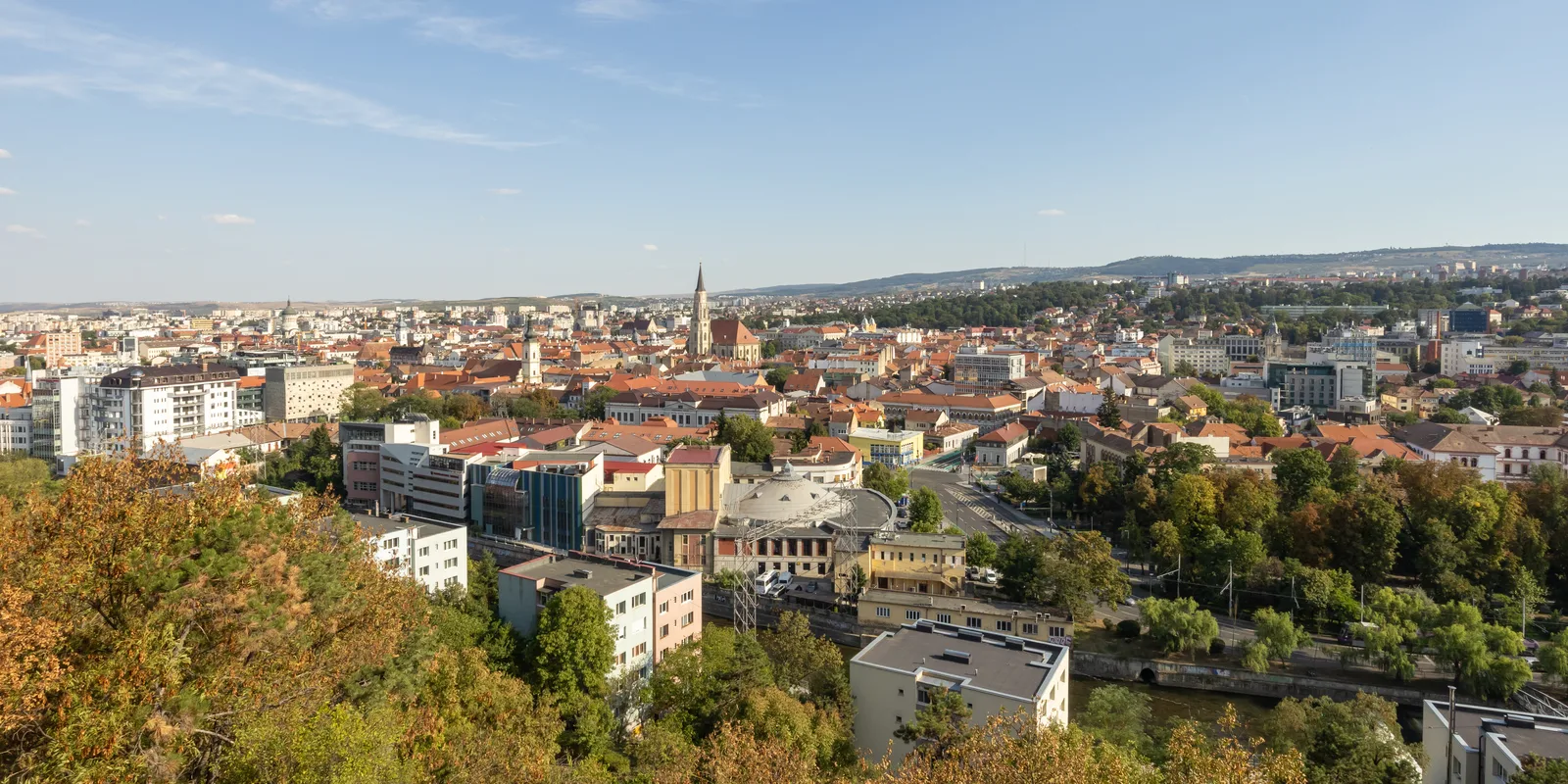
Choose Cluj for a city break with room to wander
Cluj-Napoca is a good place to slow down between journeys through Transylvania. Its appeal lies in the combination: a Gothic church in a broad central square, art inside a Baroque palace, a university botanical garden and walks that lead towards the Someșul Mic. A visit need not revolve around a single monument or an excursion out of town.
Allow three nights if you want to see the centre, visit a museum and spend time outdoors without hurrying between opening hours. A longer stay lets you add Turda or investigate Cluj as a possible home. Those are different projects: an enjoyable central weekend tells you little about a winter heating bill, a weekday commute or your permission to work in Romania.
Understand the layers behind the present city
Cluj-Napoca is in northwestern Romania, within Transylvania. The river through the city is the Someșul Mic, as the county tourism office explains. It should not be confused with the larger river system when reading distances or regional descriptions. Hills and changing levels also matter when an accommodation listing makes everything sound equally close.
The municipal tourism history describes Roman Napoca and the privileges granted to the medieval city in 1316. Later buildings reflect other periods of political and cultural influence. Let the architecture reveal those changes rather than reducing Transylvania to castles and folklore.
Romanian and Hungarian cultural histories both belong in the account. The Art Museum’s national gallery explicitly highlights the multicultural character of Transylvanian art. Churches, university life and public squares offer different ways into that story; none needs an invented legend to make it interesting.
Match your accommodation to your daily journeys
For a first visit, compare properties within a comfortable walk of Piața Unirii and the streets you expect to use at night. Staying centrally reduces the number of separate transport decisions, particularly when you have only a weekend. Ask about street noise, room orientation and late check-in rather than assuming a historic address guarantees a quiet room.
For a longer stay, compare residential addresses against your workplace or campus. Mănăștur, Gheorgheni, Grigorescu and Zorilor are names worth locating on a map, not interchangeable labels for cheap accommodation. Test the precise route, including the walk from the stop. A nearby suburb may require metropolitan transport arrangements rather than an ordinary city ticket.
Do not choose solely from the property’s distance to the centre. A steep final approach, an unreliable parking arrangement or a connection that finishes too early can matter more than a small difference in kilometres.
Hotels and guesthouses suit arrivals where reception, luggage storage and a clearly arranged check-in matter. With an apartment, establish who supplies the key if your flight is delayed and whom to contact if heating or hot water fails. Ask whether a lift reaches the actual room without additional steps. For families, confirm sleeping arrangements, cot availability and laundry rather than inferring them from the maximum guest count.
Start in Piața Unirii and look above the shopfronts
Use Piața Unirii as your first point of orientation. St Michael’s Church and the surrounding façades make the square rewarding even before you enter an attraction. Walk around it slowly, noticing how the scale and decoration change between buildings. The square is a place to return to at another hour, rather than something finished after one photograph.
The official heritage entry for St Michael’s distinguishes the medieval Gothic church from its later neo-Gothic tower. That distinction helps you read the building instead of assigning every visible feature the same age. Check visitor access locally and respect worship; a heritage listing is not confirmation of daily tourist opening or tower admission.
Continue into adjacent central streets with enough time for a café stop. This opening walk establishes where you are in relation to your room, the museum and public transport, making the following days easier to arrange.
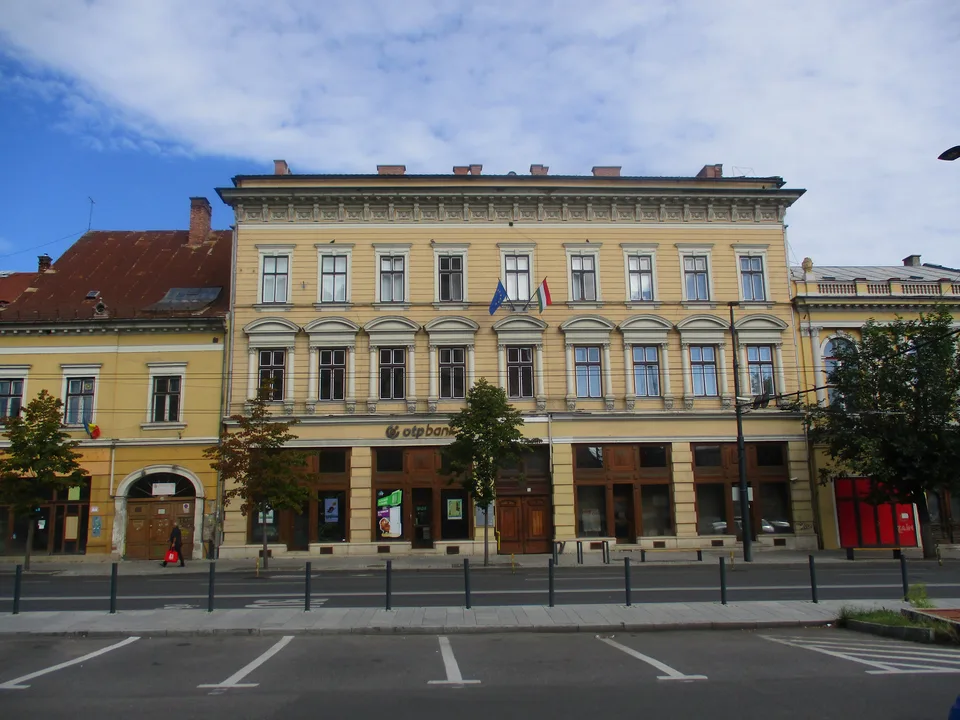
Make the Art Museum a visit to both building and collection
The Art Museum occupies Bánffy Palace on Piața Unirii. Its account of the building dates construction to 1774–1785, designed by Johann Eberhard Blaumann for Count György Bánffy. Look at the courtyard arrangement and the decorated façade as part of your visit, rather than treating the palace as a neutral container for pictures.
The 2026 National Gallery presentation traces several centuries of art with particular attention to Transylvania. Choose that permanent display if you want an introduction with historical context; inspect the temporary exhibition programme if a particular artist or medium interests you.
The published admission schedule lists 16 lei for the permanent exhibition, 12 lei for temporary exhibitions and a separate three-exhibition option. These are different products. Visiting hours are Wednesday–Sunday, 10:00–17:00, with last exhibition entry at 16:30. Avoid leaving the museum until your final Monday or Tuesday.
Give the botanical garden an unhurried morning
Babeș-Bolyai University’s Alexandru Borza Botanical Garden deserves a distinct place in the plan. It offers a change from the stone surfaces and façades of the centre, with enough variety to reward attention to plants and planting rather than a brisk circuit. Wear shoes suitable for walking and leave room in the schedule to pause.
The garden’s admission information lists an adult ticket at 21 lei when the greenhouses are open, or 14 lei when they are closed. Concessions require the relevant evidence; free access for UBB students and staff does not mean every university student enters free. The university tariff list corroborates those distinctions.
Decide whether the greenhouses are a priority before choosing a time. Arriving late for the cheaper outdoor-only period may suit a repeat visit, but it is a poor saving if the indoor plant collections were the main reason you came.
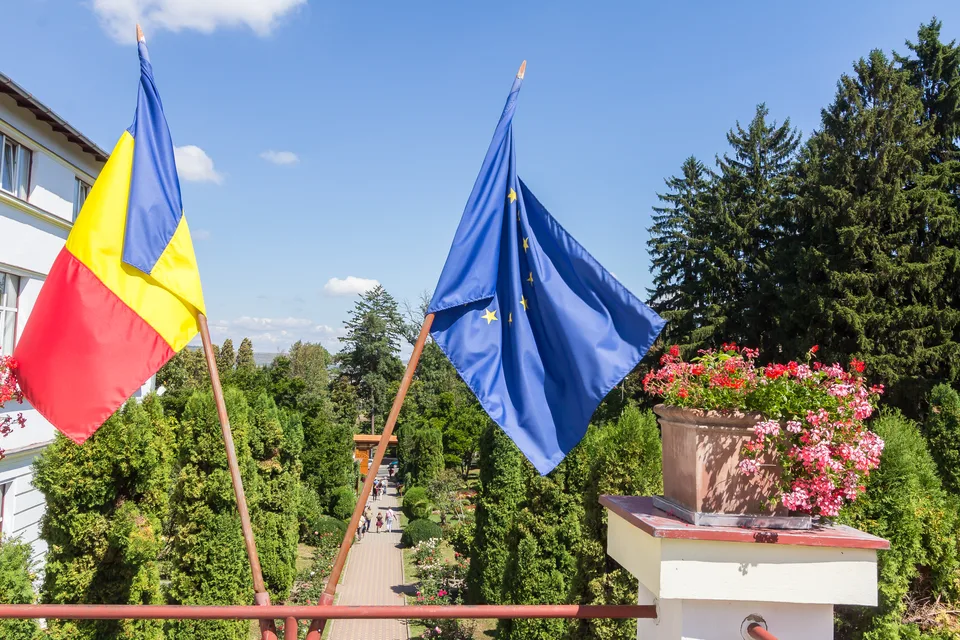
Read the garden calendar before setting out
The 2026 opening schedule distinguishes the garden from its greenhouses. In October the garden opens 09:00–19:00 and the large greenhouses 09:00–17:00; November and December have shorter hours. The greenhouse maintenance closure falls on the first two Mondays of each month. Other holiday closures also apply.
Garden ticket sales finish one hour before closing, while greenhouse ticket and entry cutoffs are earlier than the final closing time. Check the relevant date and arrival deadline, not simply the largest time printed on the page. The Botanical Museum has its own weekday schedule.
Pets, bicycles and scooters are prohibited under the published visitor rules. If anyone in your party has mobility requirements, ask about the intended route and facilities before arrival. A large green space should not automatically be understood as a uniformly level or step-free attraction.
Take the uphill view from Cetățuia selectively
Cetățuia, north of the historic centre, gives you a broader understanding of Cluj’s setting. The official visitor account describes a hilltop park occupying the area of an eighteenth-century Habsburg fortification. Surviving structures provide context, but the view is an equally good reason to go.
Choose a period with useful visibility, and judge the climb against the weather and your own mobility. Allow more time than the straight-line distance suggests. In poor conditions, an indoor visit can be a better use of the afternoon than reaching a viewpoint with little to see.
Carry what you need for the walk and plan the return before daylight fades. For visitors who cannot manage steps or gradients, ask locally about a suitable approach rather than following a walking route simply because an online map marks it as short.
Eat with an interest in regional dishes
The tourism office’s introduction to varză a la Cluj is a useful starting point for local food. This cabbage dish comes in several versions; the name alone does not establish its ingredients or whether it suits a vegetarian diet. Ask what is in the restaurant’s preparation before ordering, especially if avoiding meat or dairy.
Other regional leads include tarragon soup, goulash, vargabeles and plum dumplings. Use those names to explore a menu rather than expecting every traditional restaurant to serve the same selection. There is also room for an ordinary bakery breakfast or an uncomplicated lunch between visits.
Check portion descriptions and prices, then decide whether you want a full meal or a smaller stop. Discuss allergies directly with staff. Neither a tourism listing nor a dish’s traditional reputation confirms how a particular kitchen manages ingredients and cross-contact.
Build a budget in lei from the things you will buy
Keep your working budget in Romanian lei. A useful verified example is one adult botanical garden ticket with greenhouse access, the Art Museum’s permanent exhibition and two ordinary electronic city rides: 21 + 16 + 7 makes 44 lei, before meals and accommodation. This is an illustration of specific purchases, not an all-inclusive daily allowance.
Add airport transport separately, and use your actual room quotation for the dates. Compare the full cost including cleaning charges, breakfast, parking and cancellation conditions. A kitchen can be valuable on a longer stay, but only if you expect to use it often enough to justify the property’s price and location.
For shopping, distinguish everyday supplies from gifts that need transport home. Consider packaging and import rules when buying food. Keep some budget flexibility for a wet afternoon, an unexpected taxi or a missed connection rather than spending every available leu in advance.
Compare payment options in the currency offered, including your own bank’s charges, before accepting a conversion at a terminal. Keep receipts for important purchases and save booking terms offline. If a proposed activity has several separate charges, calculate the total for your whole party before deciding that its entry price fits the budget.
Check refund conditions before paying for a weather-dependent outing.
Compare airport buses by stop and ticket rules
Cluj’s airport publishes information for the A1E, 5 and 8 services. Read the route and timetable for your actual arrival day, including where the stop is relative to the terminal. The airport’s approximate travel-time estimate should be treated as an estimate, especially when a flight arrival leaves little room for delay.
The A1E express has its own ticket arrangements. Do not board assuming an ordinary city pass or a ticket bought for another service will cover it. Check the current fare and purchase instructions before travelling, then confirm that any onboard payment has succeeded.
For a late arrival or early departure, identify the last or first workable connection before booking your room. With bulky luggage, children or a mobility need, compare the complete journey from terminal to door. The cheapest fare may be less useful than an arrival arrangement you can reliably manage.
Understand CTP fares before buying a pass
The current CTP urban tariff table lists a 3.50 lei electronic single journey and a 7 lei paper ticket containing two journeys. It also lists urban time-based products and longer passes, with different purchase channels. Choose the product you actually need instead of treating every ticket as interchangeable.
Night services have a separate 6 lei fare in the published table, which states that other fare products are not valid on those night journeys. Airport express and metropolitan journeys also need their own checks. An urban “all lines” label should not be expanded into an unlimited regional travel promise.
The operator’s contactless instructions say an approved payment is confirmed on the validator’s screen; a declined payment requires another method. For more than one passenger, use the dedicated option rather than repeatedly tapping without checking what the machine is doing. Keep access to the card used for payment.
Spend a slower afternoon in Central Park
Central Park, named for Simion Bărnuțiu, offers a useful break between more structured visits. The county tourism description traces its public use to 1830 and identifies the lake and Casino building as principal features. Leave time simply to walk and sit rather than requiring another paid activity to make the visit worthwhile.
Its value is especially clear on a multi-day stay: you can return without repeating a museum circuit or travelling outside the city. Combine a park visit with a modest stretch towards the river if conditions and your route suit you. Keep practical needs such as shade, toilets and the return journey in mind.
Event use can change access and atmosphere, so consult the current programme before expecting a particular part of the park to be quiet. A historic photograph or an older festival listing is not confirmation of the activities available on your date.
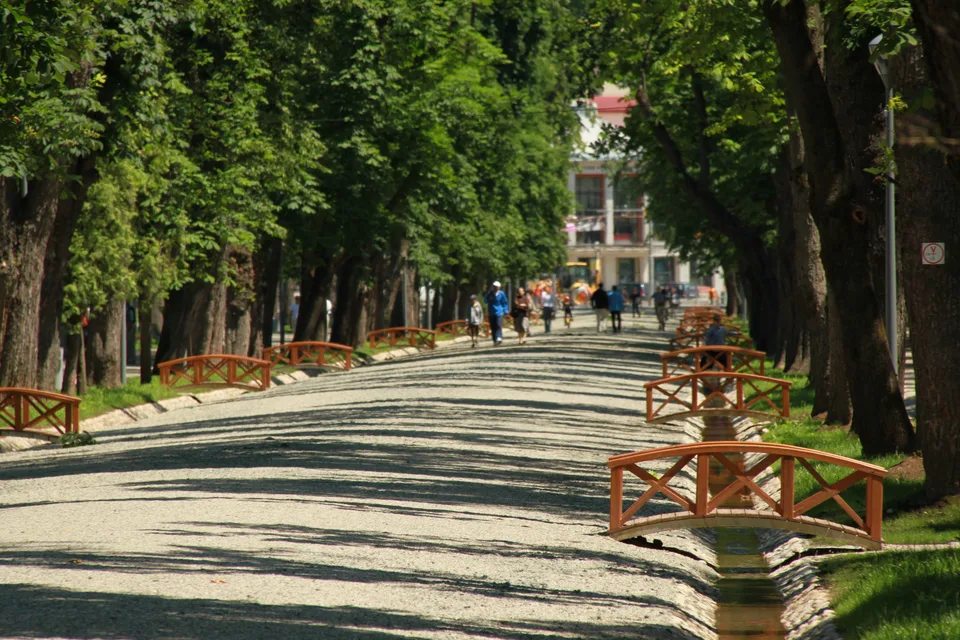
Choose seasons by the trip you want
For a trip built around gardens and long outdoor walks, compare the attraction calendars as well as the weather. The botanical garden publishes longer summer opening and shorter winter days, so an identical arrival time can produce very different visits. Summer heat also makes pauses and access to drinking water more important.
A cooler-season visit can work well when art, architecture and meals are the priorities. Bring layers and footwear suited to wet or potentially slippery surfaces; shorten hill walks when conditions warrant it. Use the Romanian meteorological service for forecasts and warnings close to travel rather than turning a seasonal expectation into a guarantee.
For a short break, keep one flexible indoor period and one flexible outdoor period. Check accommodation availability against major events and university-related demand for your dates. A quieter-looking week on a calendar does not establish a particular hotel price.
Use three days to see the city before adding an excursion
On day one, settle in and walk around Piața Unirii and the nearby central streets. Visit St Michael’s only when access is appropriate, then choose a meal that introduces a regional dish. Use the evening to learn the route back to your accommodation rather than scheduling another distant stop.
On day two, make the botanical garden your main morning visit, choosing a time when the greenhouses are open if they matter to you. Later, visit the Art Museum, provided the day fits its Wednesday–Sunday calendar. Avoid squeezing either attraction into its final entry period.
On day three, use clear weather for Cetățuia and a slower period for Central Park. If the forecast reverses that order, adapt. With an additional day, consider Turda; without one, protect time for an unhurried departure rather than trying to combine the salt mine with every remaining city stop.
Plan Salina Turda as a separate visit
Salina Turda turns former salt workings into an underground visitor attraction. Treat it as an excursion requiring its own transport and time allowance. The operator’s published schedule is daily 09:00–17:00, with last entry at 16:20. Adult admission is 75 lei on weekdays and 90 lei on weekends and public holidays. Activities and parking carry extra charges.
Read the official access conditions before paying. Visitors with neuromotor mobility impairments use the entrance on Strada Salinelor 54B, and the accessible visit is limited to specified galleries and rooms. It is not a promise of access to every underground level. The operator also publishes medical-approval requirements for certain visitors; discuss relevant conditions before setting out.
Check the connection from your Cluj accommodation to the entrance, including the final local leg and return service. Do not assume that reaching Turda town means you have reached the salt mine.
Investigate a possible home during an ordinary week
A relocation visit should extend beyond the historic centre. Travel to the actual workplace or campus at the hours you expect to use, then repeat the return after an evening activity. Check whether the journey needs an urban or metropolitan fare and what happens when the last convenient service has gone.
Inspect a prospective flat for heating, ventilation, damp, window condition and the practical state of the bathroom and kitchen. Ask for a clear explanation of utilities and building charges, ideally supported by recent bills covering colder months. Establish whether internet is already connected and what service is available at the address.
Before transferring a deposit, confirm who is entitled to let the property, the contract’s duration and termination conditions, and how the property’s condition will be recorded. Obtain written terms for rent, deposit return, repairs and included furnishings. A holiday rental quotation does not establish the cost or availability of a year-round home.
Arrange healthcare and household needs deliberately
Identify the services your household will need before choosing an address. For children, contact the relevant school or childcare provider about admission and language arrangements. For anyone with a regular prescription, establish how continuing care and medication will be arranged rather than assuming a familiar product will be supplied identically.
The Romanian Health Ministry’s patient-information page links to insurance-status checks and information for foreign citizens. Confirm your own entitlement and contribution position with the responsible institution or employer, and keep suitable cover while arrangements are being resolved. Residence, employment and insurance documentation serve different purposes.
Ask utility and communications providers what identification and payment arrangements they require. Record meter readings and the condition of the property at handover. If your Romanian is limited, have someone explain the actual contract before signing; an informal summary of “bills included” leaves too many questions unanswered.
Separate a visit from permission to live and work
Romania became a full Schengen member in January 2025, as the European Commission explains. The Schengen short-stay framework generally allows affected non-EU visitors up to 90 days in any 180-day period, subject to their permission. Time in Romania counts alongside other Schengen stays; crossing into another member state does not restart the allowance.
Use the Romanian Ministry’s visa document guidance for the relevant purpose and nationality. Employment, qualifying study and digital-nomad applications have separate conditions. A short visit, a job offer or an overseas laptop-based income is not itself permission for permanent relocation. The immigration authority’s employment information and government student procedures explain different routes and documentation.
EU, EEA and Swiss citizens follow a different framework: IGI’s admission guidance requires residence registration for stays exceeding three months. Temporary residence is not guaranteed permanent residence. VisaWand’s Romania country guide, destination page and consultant listings can support planning alongside official decisions.
Compare another Romanian base before committing
For a wider journey or relocation shortlist, consult VisaWand’s Bucharest destination page and Brașov destination page. Compare your actual priorities: the job or course, preferred transport, access to nature and the cost of an address that works for daily life. A pleasant central weekend cannot answer those questions for any city.
The Romania location directory provides further places to explore; it is a directory rather than a completed travel guide for every entry. If Cluj is the destination you choose, leave room for repeat experiences. A second walk through the square, another garden visit or an ordinary afternoon in the park can tell you more about its appeal than one additional hurried excursion.
Official planning resources
Reviewed 28 October 2026. Use the official resources linked throughout this guide for admission, transport, housing and immigration decisions. Prices, services and rules can change; confirm the details relevant to your dates. Photography illustrates the locations and is not a live view.
View all official resources
- County Someșul Mic information
- VisitCluj city history
- St Michael church heritage
- Bánffy Palace museum building
- National Gallery2026
- Cluj Art Museum admission
- Cluj Art Museum visiting hours
- Botanical garden operator prices
- UBB2025–2026 botanical garden prices
- UBB botanical garden2026 opening
- Cetatuia park visitor information
- VisitCluj local food
- Cluj Airport public transport
- CTP urban fare table
- CTP contactless use
- County Central Park information
- Romanian meteorological service
- Salina Turda visitor prices
- Salina Turda access restrictions
- Romanian Ministry insured patient information
- EU Romania Schengen membership
- EU Schengen short stays
- Romanian Ministry supporting visa documents
- IGI employment and posting
- Romanian government student procedure
- IGI EU EEA Swiss admission
Plan the next part of your journey
Explore the Romania guide, browse other cities or compare consultants for your travel and relocation questions.