Visa
A capital best understood at street level
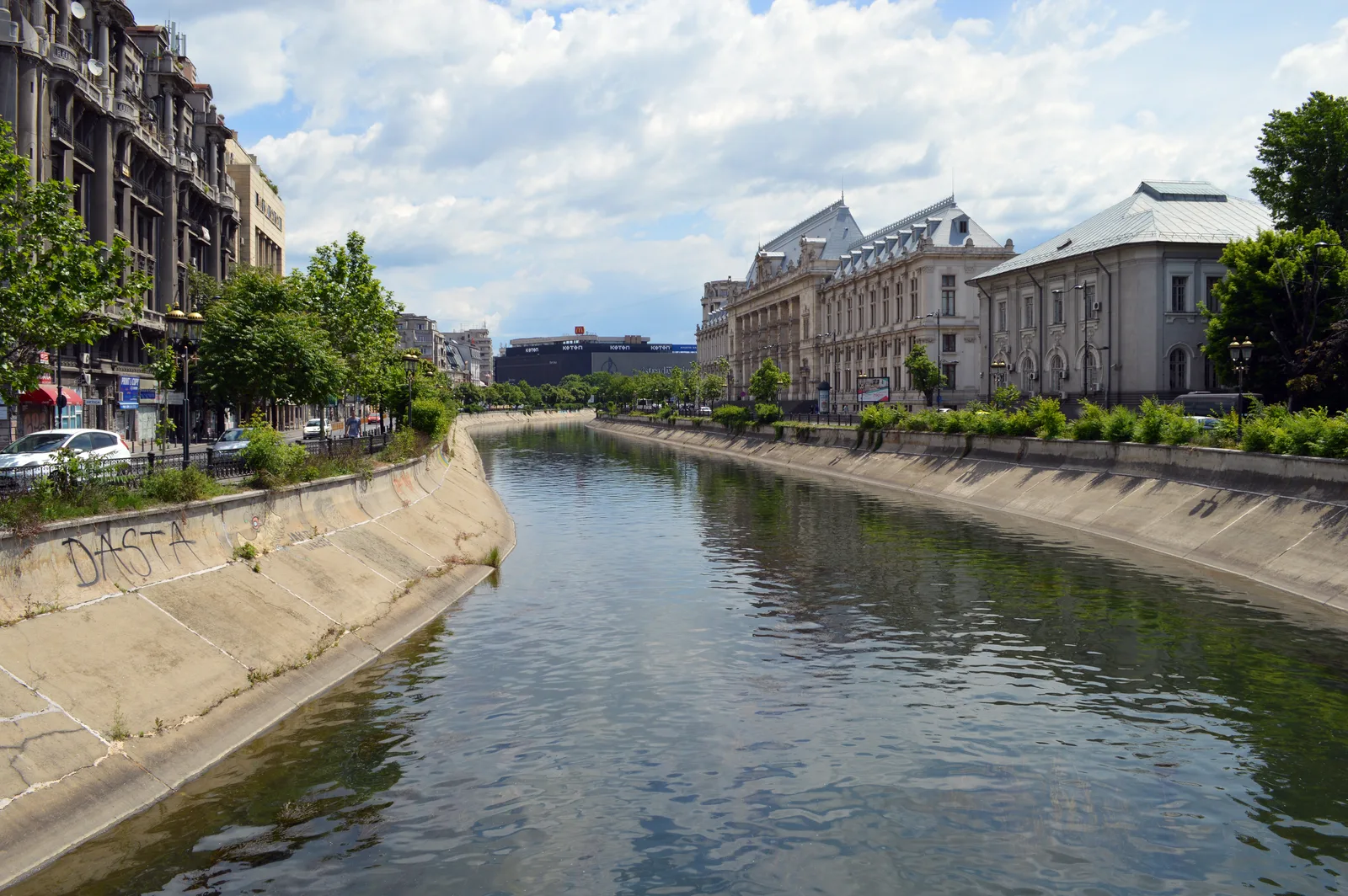
Bucharest rewards attention to contrasts. A small monastery courtyard can sit a few steps from a busy restaurant street; a river walk brings you past formal civic buildings, while the enormous Palace of Parliament changes your sense of the city's scale. Romania's capital offers museums, architectural walks and generous stretches of parkland, but its attractions are spread across a working metropolis.
Allow three days for a first introduction. That gives you time for the historic centre, a substantial museum visit and the northern parks district without treating every journey as a race. If you are investigating a move, add ordinary weekdays for housing visits and commuting. VisaWand's Romania country guide provides national context; the Romania location directory helps identify other places to compare.
Read the layers behind the buildings
The city's documented history reaches back to a charter issued by Vlad Țepeș on 20 September 1459. Bucharest's municipal museum explains the surviving documentary evidence, including its facsimile of that charter. The date records a written mention, rather than the beginning of all settlement on the site.
Trade helped shape the lanes around the princely court. Later grand buildings and avenues added a different scale, followed by the profound changes imposed under Nicolae Ceaușescu. Parliament's account of its construction describes the demolition associated with the new political and administrative centre in the Uranus area.
Walk the Old Town without assuming everything is open
Begin around Lipscani and the surrounding historic streets. The municipality's Lipscani history connects the name with merchants bringing goods from Leipzig, once known locally as Lipsca. The trading background gives a useful perspective on streets now associated with restaurants, bars and visitors.
Follow smaller lanes toward Strada Franceză and the old court area, then return along a different street rather than retracing every step. The historic centre is compact enough for a relaxed walk, but its pavements, deliveries and restaurant terraces require attention. Wear shoes that work on uneven surfaces.
Do not build your day around entering Curtea Veche: the Old Princely Court Museum's visitor page currently reports closure for consolidation and restoration. Nearby historic buildings remain useful orientation points, but a visible façade or open-looking gate does not establish public access to the whole property.
Pause at Stavropoleos
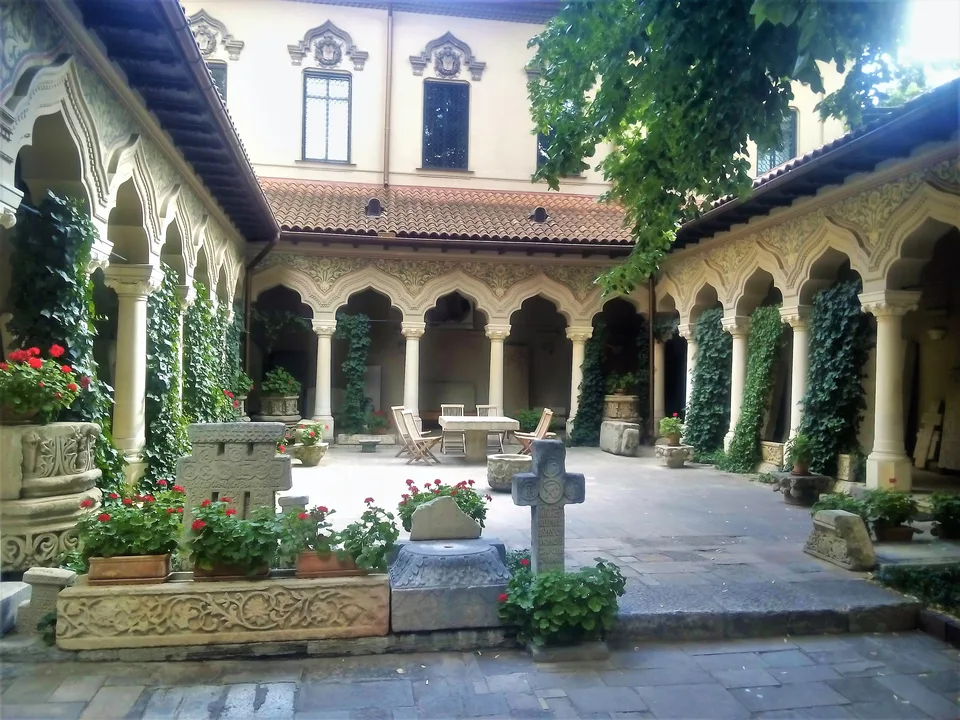
Stavropoleos brings the scale down after the surrounding streets. The municipal heritage record dates the church to 1724 and distinguishes it from the later courtyard enclosure designed by Ion Mincu in the early twentieth century. The ensemble therefore contains different periods, rather than being an entirely unchanged eighteenth-century complex.
Look closely at carved details and the relationship between the church and its courtyard. Keep your visit quiet and accommodate worshippers; this is a religious place, not simply a photographic set. Entry arrangements can change around services. If a door is closed, appreciate the accessible exterior and return at an appropriate time instead of treating a published sightseeing itinerary as permission to enter. Combining this stop with nearby streets makes more sense than travelling across the city for a hurried photograph.
Reserve Parliament before arranging the rest of the day
The Palace of Parliament needs advance planning. The official visiting instructions list standard adult admission at 85 lei. For one to nine visitors, bookings are made by telephone at least twenty-four hours ahead; larger groups have a different advance email procedure. Buy tickets at the official on-site point, and distinguish that admission from a reseller's package.
Bring an original physical passport or accepted identity card; a driving licence is not accepted. Arrive fifteen minutes early for security. Liquids are prohibited, and the visitor rules currently exclude elevator access. Confirm the route's physical demands before reserving if stairs or extended walking are difficult.
The Romanian instructions also state that terrace and basement options are unavailable. Do not assume that an older photograph or tour description guarantees access to those areas. Plan a substantial interval for arrival, checks and the visit, then leave the next appointment flexible.
The official site was intermittently unavailable during our checks; reconfirm the price and visit rules by telephone before arranging your day.
Choose a museum for what it actually displays
The National History Museum occupies a useful position on Calea Victoriei near the historic centre. Its current visitor information lists the Historical Treasury, the Trajan's Column reproduction and the Lapidarium among its permanent displays. This is a more accurate basis for choosing a visit than expecting every period of Romanian history to be presented through a complete sequence of open galleries.
Standard adult admission is 32 lei. Regular opening is Wednesday to Sunday, 10:00–18:00, with Monday and Tuesday closed. The museum asks wheelchair visitors to give forty-eight hours' notice, so contact it before arrival.
For a different emphasis, the National Museum of Art's visitor programme offers another central museum option. Choose art or historical objects according to your interests rather than squeezing both into a short afternoon. Check the particular galleries, temporary exhibitions and ticket combination before buying. MNAR announces closure of its main building on 18 October 2026 and of the Historic Rooms and Oriental Art Gallery on 15–17 October.
Give the Village Museum a proper outdoor interval
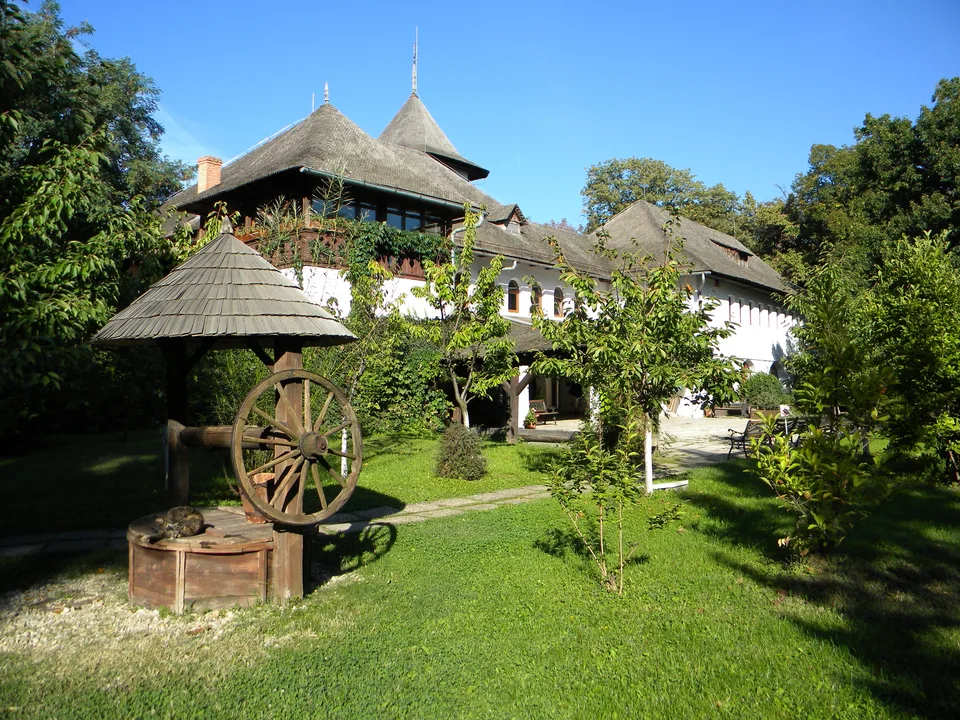
The Dimitrie Gusti National Village Museum brings traditional buildings and rural material culture into a large outdoor setting on Șoseaua Kiseleff. It makes a useful contrast with central Bucharest: allow time to move between buildings, examine construction details and take breaks rather than treating it as a single indoor exhibition.
Current admission information lists 40 lei for adults, with documented concession categories. Ordinary entry does not require a reservation. Monday and Tuesday admission is reduced because most building interiors are closed; that is a different experience from visiting when interiors are staffed.
The museum's seasonal timetable places interior access on Wednesday through Sunday. Main-gate hours vary between summer and winter, and the last ticket is sold an hour before closing. Use the schedule for your dates, particularly for an afternoon visit. A cheaper Monday ticket is poor value if the interiors are your main reason for going.
Use parks to change the rhythm
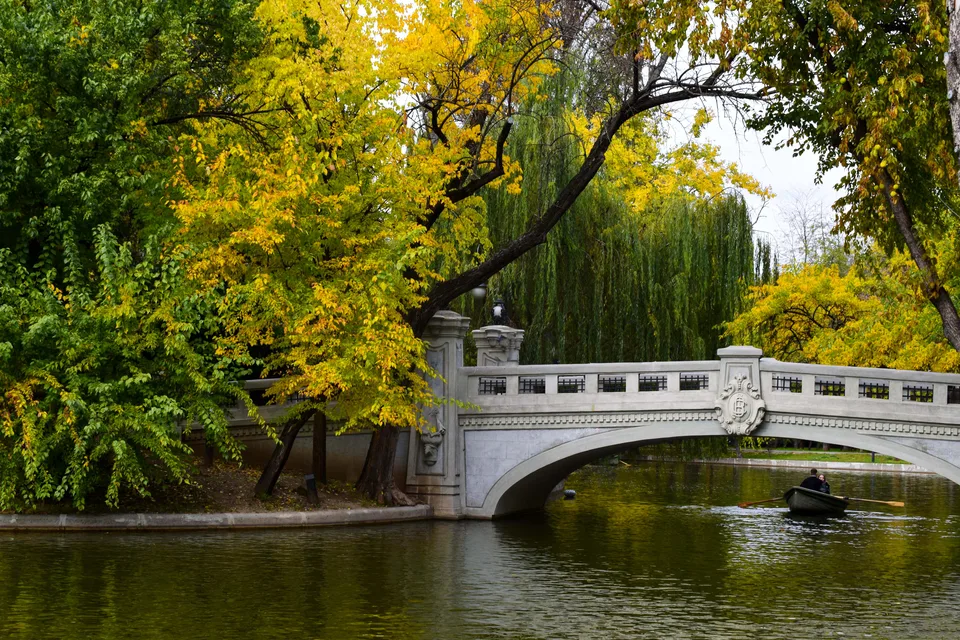
Cișmigiu offers a central pause between streets and museums. Its development as a public garden belongs to the nineteenth century; the parks authority's landscape assessment records its formal opening in 1854. Today, the attraction of a visit can be as simple as a shaded path, a bench and a slower hour outdoors.
The northern Herăstrău area, also called King Michael I Park, pairs geographically with the Village Museum, but check conditions before planning activities around the lake. The parks administration has published a lake-drainage and bank-rehabilitation warning, with entry into the exposed lakebed prohibited. Confirm whether works affect your dates, and follow barriers and local instructions. Do not assume boating, uninterrupted waterside routes or every seasonal service is available. A photograph showing water is a dated illustration, not evidence of today's operating conditions.
Choose accommodation by its evening and morning journeys
For a short first visit, compare properties around the historic centre, University Square and the Calea Victoriei corridor. These provide different starting points for central sightseeing. An Old Town address can be convenient for evenings out, but ask whether the bedroom faces a bar street, a courtyard or a busy road.
A property nearer the northern museums may suit a quieter sightseeing emphasis, while accommodation near Gara de Nord can simplify a particular rail connection. Neither advantage automatically makes it the best base for the whole visit. Map the actual entrance, closest useful stop and final walk with luggage.
Compare hotels, guesthouses and serviced apartments on total price and facilities. Ask about lifts, air conditioning, late check-in and luggage storage. In an apartment, establish whether laundry, cooking equipment and cleaning charges meet your needs before assuming self-catering saves money.
Check which airport is on the booking
Bucharest has two airports under the airport company's management: Henri Coandă and Băneasa. Read the airport name and code on your flight confirmation, and give the same details to anyone arranging a transfer. Advice for Henri Coandă should not be applied automatically to a Băneasa arrival.
For Henri Coandă, the airport's current rail information describes a service to Gara de Nord operating around the clock, generally every forty minutes, with an approximately twenty-minute train journey. Include waiting, terminal access and onward travel when comparing it with a road transfer.
Construction affects the pedestrian route: the airport currently directs railway access through the arrivals terminal's ground floor. Follow its signs rather than an old screenshot. Check your departure and actual fare with the rail operator. Gara de Nord is an interchange, not the doorstep of every central hotel.
Find the airport bus at the current stop
The airport's bus notice is particularly important during construction. Routes 100 and 442 currently use the departures stop named Aeroport Henri Coandă and no longer stop at arrivals. Ticket facilities remain at the arrivals ground floor, so buying a ticket and locating the bus are separate tasks.
Route 100 links the airport with the city centre. The airport lists daytime intervals of about fifteen minutes and night intervals of about thirty minutes; consult the current timetable rather than treating those intervals as a guaranteed connection. The surface ticket costs 3 lei for ninety minutes.
Do not wait for an airport metro: the airport's metro page explicitly says line M6 is under construction. For a late arrival, bulky luggage or limited mobility, compare an arranged transfer's total quote and meeting point with the bus's final walk to your accommodation.
Understand the ticket before boarding
Bucharest combines a metro with surface buses, trams and trolleybuses. Choose a route from your exact start and finish points, including transfers and walking. A nearby station is useful only if its line takes you where you need to go.
STB's surface fare table lists a ninety-minute metropolitan ticket at 3 lei. Ten surface journeys cost 25 lei. Validate according to the product's instructions, including on subsequent vehicles when using the transport-card system; possession of a card alone does not establish a valid journey.
STB explains the available payment methods, including bank-card payment. Keep surface-only products distinct from integrated metro tickets and railway fares. Check the current Metrorex tariff before choosing a metro or combined product. This matters especially for a longer stay, when a pass can look attractive but still exclude the journey you use most often.
Build a budget around your choices
Use Romanian lei, shown as RON, when comparing prices. Start with accommodation quotes for your dates, including the provider's explanation of taxes and additional charges. Then calculate the specific admissions and journeys you intend to buy instead of relying on an unsourced daily average.
For example, adult Parliament admission at 85 lei, a 32-lei History Museum ticket and two separate 3-lei surface journeys total 123 lei. That excludes meals, accommodation and any different transport product. Visiting the Village Museum on a standard full-price day adds 40 lei, but spreading these attractions across several days makes a more realistic itinerary.
For shopping, compare the maker, materials and practicality of taking an item home. Keep receipts and leave room for incidental purchases, weather changes or an unplanned transfer. A low room price can lose its advantage if every day begins with an inconvenient paid journey.
Match the season to the trip
Summer can bring heat that makes long exposed walks tiring; winter can bring cold, ice and shorter outdoor days. Spring and autumn offer a different balance between outdoor time and museum visits, with weather that still requires flexibility. Avoid arranging every major sight as an uninterrupted walking circuit.
Check Romania's meteorological service for the actual forecast and warnings. A historic seasonal description cannot tell you whether a particular afternoon suits a park visit. Keep a museum alternative, water and suitable footwear in your plan.
Prospective residents should look beyond pleasant sightseeing weather. Ask how the apartment is heated and cooled, how much direct sun the workroom receives and whether the walk to public transport remains practical in poor conditions. A visit during a less comfortable season can reveal housing and commuting needs that a fine weekend conceals.
A practical three-day introduction
On day one, walk the Old Town, pause at Stavropoleos and include the National History Museum if its opening day fits. Continue along part of Calea Victoriei, with time for a meal rather than a second large museum. Keep Curtea Veche as a historical reference rather than a promised interior visit.
On day two, use your confirmed Parliament reservation as the fixed appointment. Allow time around the official entrance and security, then choose a lighter afternoon in central streets or Cișmigiu. Avoid placing another non-refundable timed booking immediately afterwards.
On day three, visit the Village Museum and explore the northern park area where access permits. Wednesday through Sunday works better if building interiors matter to you. This is an editorial sequence, not a scheduled tour; change the order for closures, forecast conditions and your arrival day. Add a separate day for a substantial excursion.
Inspect the building as carefully as the apartment
Begin a move with temporary accommodation while you inspect longer-term options. Ask for a written lease you understand, evidence of the landlord's authority, a clear inventory and the complete recurring cost. Record deposit deductions, notice requirements and which repairs each party handles.
Building condition deserves particular attention in Bucharest. Consult the municipal register of assessed buildings, whose page was updated on 6 October 2026, and request documentation for the exact address. A newly painted façade is not a structural assessment. Equally, absence from a published list does not establish that a building has been assessed and found safe.
Compare entrance security, stairs, lift condition, ventilation and storage as well as the photographs of the living room. If the assessment or proposed works are unclear, obtain qualified advice before committing. A holiday preference for characterful architecture needs additional scrutiny when it becomes your household's permanent setting.
Price the household and test the commute
Ask whether heating and hot water come from district services or an individual system, and request recent winter and summer bills. Clarify building charges, internet installation, appliance responsibilities and meter readings at handover. The municipal heating company's Termoalert information explains notifications associated with service interruptions; check the system serving the actual address.
Test the weekday commute at the times you would travel. Include the stop-to-door walk, transfer and return after an evening commitment. For a household with two workplaces or a school journey, compare the combined routine rather than optimising only one person's route.
Contact schools or childcare providers about places, admissions and language arrangements before signing on the assumption that a nearby institution can accommodate your child. Ask an employer or university which administrative steps it supports, then budget time and money for those that remain your responsibility.
Arrange healthcare before it becomes urgent
Visitors should confirm medical cover before travelling and keep essential prescription details accessible. Eligible European Health Insurance Card holders can use covered care through providers contracted with the Romanian insurance system; the European Commission's Romania guidance explains the arrangements and possible additional costs. Do not assume every private clinic accepts the card.
An EHIC is not a substitute for comprehensive travel insurance or for arranging resident coverage when moving. Ask your employer, university or the relevant health-insurance authority how your status affects registration and contributions. Confirm continuity for regular medication and specialist treatment instead of waiting until an existing prescription runs out.
For emergencies, call 112. Save your accommodation's full address and entrance instructions where they remain available without mobile data. For routine care, identify an appropriate provider and check its appointments, fees and language arrangements in advance.
Separate a visit from permission to live and work
Romania's official eVisa categories distinguish short Schengen visits from national long-stay purposes. The usual short-stay limit is ninety days in any 180-day period across the Schengen area, subject to nationality and individual circumstances. Crossing into Romania does not restart the allowance after a visit elsewhere in Schengen.
Employment, study, family residence and remote work require examination of the relevant route. Tourist entry should not be treated as permission to take a Romanian job. The Immigration Inspectorate's employment residence information is an essential companion to the visa process; permission to enter and permission to remain for employment are different stages.
For EU, EEA and Swiss citizens, the residence-registration framework is different: stays longer than three months require registration with the territorial immigration authority. Permanent residence has separate conditions. Use VisaWand's consultant listings for relevant assistance while confirming eligibility and documents with the responsible authority.
Check the digital-nomad route in its own terms
Romania provides a route for qualifying digital nomads working remotely for a company registered abroad or through their own foreign company. It is not a general permission for every visitor with a laptop to undertake any kind of work.
The official supporting-document requirements include evidence of qualifying activity and income of at least three times Romania's average gross monthly salary for each of the preceding six months and the period covered by the visa. Other evidence, including insurance and accommodation, is also required. Use the official formula and current application requirements rather than an old euro conversion quoted elsewhere.
Assess immigration and tax questions separately before committing to a lease. The existence of a route does not establish that your employment arrangement qualifies, that an application will be approved or that Romanian tax obligations disappear.
Add an excursion with a workable return
Sinaia offers a different setting for a longer stay, with the Peleș museum complex as a principal reason to go. Check the museum's actual calendar before buying transport: Peleș is scheduled to close from 2 November to 1 December 2026, while Pelișor's closure runs from 28 September to 3 November. The two buildings have different arrangements.
Plan the full return journey, including movement between station and attraction. VisaWand's Sinaia location page and Brașov location page are directories for comparing places, rather than completed guides. Brașov merits consideration as a separate stay if your interests extend beyond the capital. Use the Romania destination page to connect wider travel plans with consultation options, and keep enough time in Bucharest for the experiences that first brought you there.
Official planning resources
Reviewed 15 October 2026. Use the official resources linked throughout this guide for admission, transport, housing and immigration decisions. Prices, services and rules can change; confirm the details relevant to your dates. Photography illustrates the locations and is not a live view.
View all official resources
- Palace of Parliament: visits and admission
- STB: surface and integrated transport tariffs
- STB: payment methods
- Henri Coanda Airport: CURRENT bus connections and stop changes
- Henri Coanda Airport: CURRENT railway access
- Henri Coanda Airport: metro information pending body
- Village Museum: current admission
- Village Museum: seasonal opening hours
- National History Museum: visits and guided tours
- National Museum of Art: visitor learning
- Municipal district heating: Termoalert
- Romanian National Meteorological Administration
- Romanian Ministry of Foreign Affairs: visa types
- Immigration Inspectorate: EU residence registration
- Immigration Inspectorate: employment residence and EU Blue Card
- Stavropoleos: municipal heritage record
- Lipscani: municipal heritage record
- City parks administration: works and notices
- Peles National Museum: visit calendar and prices
- European Commission: using EHIC in Romania
- Romanian eVisa: supporting documents
- Municipal assessed-building register
- Bucharest Museum: historical documents
- Parliament: building history
- Old Princely Court Museum: closure and history
- Caru cu bere: September 2026 food menu
- Parks authority: Cismigiu landscape assessment
Plan the next part of your journey
Explore the Romania guide, browse other cities or compare consultants for your travel and relocation questions.