Visa
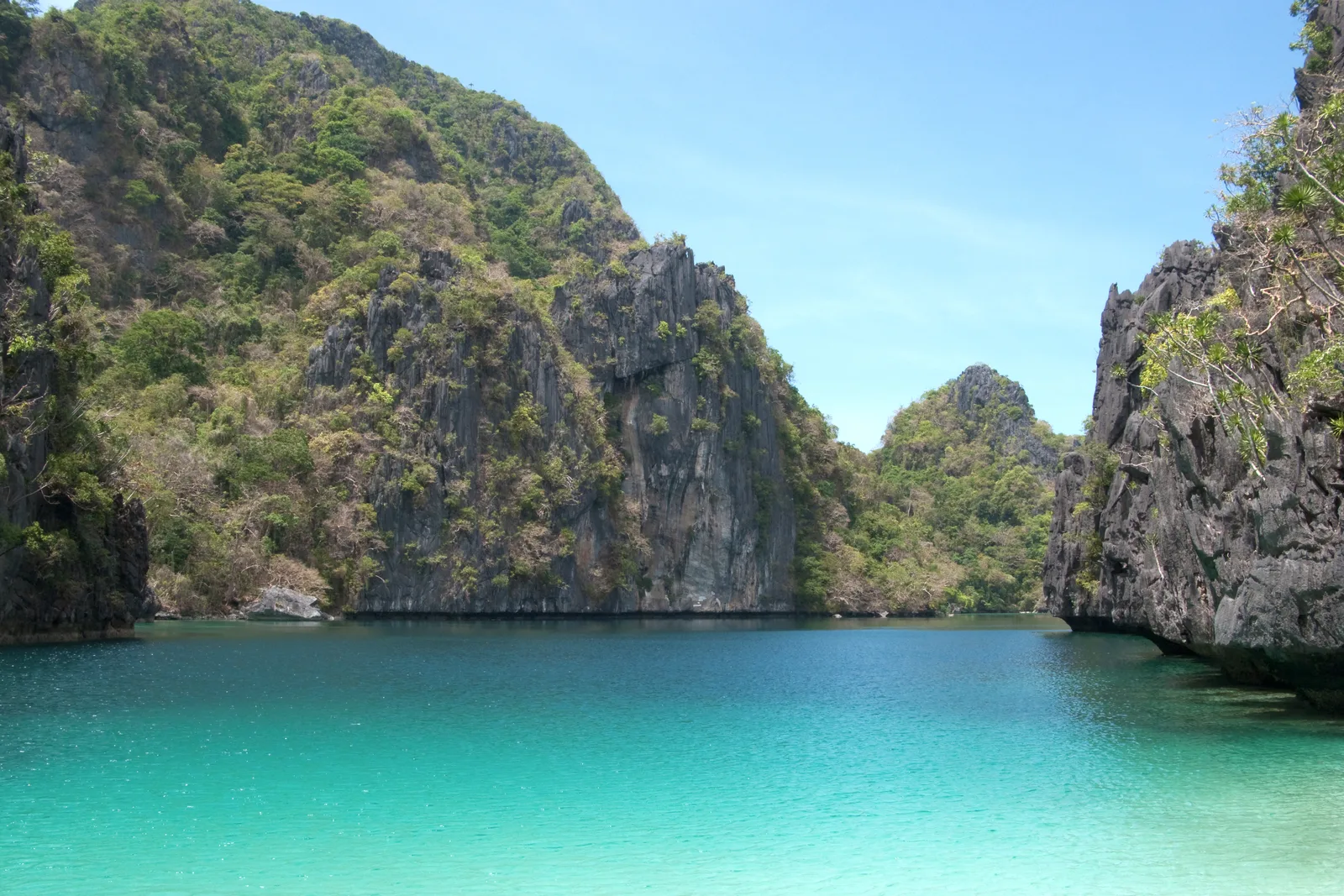
A small town with an enormous seascape
El Nido rewards people who leave space in their plans. Limestone walls rise above green water, boats thread between islands, and a single lagoon can occupy the better part of a morning. The practical challenge is deciding how much of that seascape to attempt, where to sleep between excursions, and how to reach northern Palawan without exhausting the holiday in transit.
This is a municipality and a coastal town, rather than a large Philippine city. The Department of Tourism’s El Nido overview places it in northern Palawan and describes the surrounding islands and limestone scenery. Hotels advertised under the same destination name can occupy very different settings. A room in town, a mainland beach resort and an offshore island property are not interchangeable bases.
For a first visit, consider four or five nights if the journey allows. That is an editorial planning suggestion: it creates room for a boat day, a mainland outing and a weather contingency. A brief stay can work, but it makes every disruption more consequential.
Bacuit, bird nests and a working community
The name has a specific history. Republic Act 1140, approved on 17 June 1954, changed the municipality’s name from Bacuit to El Nido. The tourism department connects the Spanish name with swiftlet nests. Bacuit remains an important geographical name when discussing the bay and its islands.
The landscape should not obscure the people maintaining it. The El Nido Foundation describes work involving reef restoration, water resources, farming and livelihoods, with community development activities dating from 1994. Tourism here shares space with households, conservation projects and local businesses.
That context changes how to explore. Ask permission before photographing residents at work, use guides who can explain access arrangements, and treat coastal villages as communities rather than free attractions. Buy a locally made object because its maker and materials interest you, rather than assuming every souvenir carries a conservation benefit.
Choose town for departure-day convenience
If several boat excursions are the priority, start by asking operators where their particular tours meet. A central room can reduce morning transfers, but proximity on a booking map is less useful than the actual walking route, luggage access and departure point.
Ask accommodation providers about the room itself: street-facing or rear-facing, stairs, windows, air conditioning, water supply and noise after dark. A photograph of the waterfront does not establish the outlook from the cheapest category. Families should request the actual bed configuration and child occupancy conditions before paying.
Town is also a sensible first base when you want to compare tours in person. Keep the first afternoon lightly scheduled, walk the route to the meeting place and arrange breakfast around the following morning’s check-in. Do not assume every booking includes collection from your hotel.
An offshore resort needs a separate set of questions. Establish the last available arrival transfer, whether it is shared, and the consequences of a delayed flight. Check which meals and activities are included and whether returning to town for dinner is practical. Ask about medical assistance and evacuation arrangements, particularly if someone in the party has a continuing health need. The value of an island stay depends on enjoying the property itself; it is an awkward choice if your preferred programme requires daily mainland errands.
Corong-Corong and Lio offer different compromises
For a waterfront property with road access, compare Corong-Corong. Doublegem’s own accommodation information locates it beside the National Highway and describes rooms, a pool, restaurant and backup power. These are useful examples of facilities to compare, not a guarantee that every nearby property provides them. A beach address also does not establish safe swimming conditions outside your room.
Lio has a different development history. Ayala Land’s account of Lio Beach describes an estate developed with accommodation and commercial space, beginning in 2014. Consider this setting if you prefer to choose accommodation around an estate environment rather than a town-centre street.
For either area, compare the complete cost of staying there: transfers, breakfast, meals, tour meeting points and the return trip after dinner. Ask whether a shuttle is actually operating on your dates, who may use it, and whether it requires a reservation. An old reference to a free service is not a current timetable.
Nacpan is worth treating as a separate beach stay
Nacpan appears among the outlying northern accommodation areas in a local transfer provider’s destination list. This matters when a booking platform groups it with central El Nido. Before choosing a property, obtain the transfer price and confirm the exact drop-off point, road access and arrangements for the return journey.
Make the choice around your intended days. If you want to wake up near the beach and spend an afternoon reading, a separate beach stay may be worthwhile. If you plan early town departures on consecutive mornings, repeated transfers can consume the benefit.
For a day visit, agree the return time before leaving. Judge the water on the day and follow local warnings; a clear photograph says nothing about currents. Bring drinking water, sun protection and a dry change of clothing, and keep an alternative plan if weather makes the outing unattractive.

Book a named lagoon, not just a tour letter
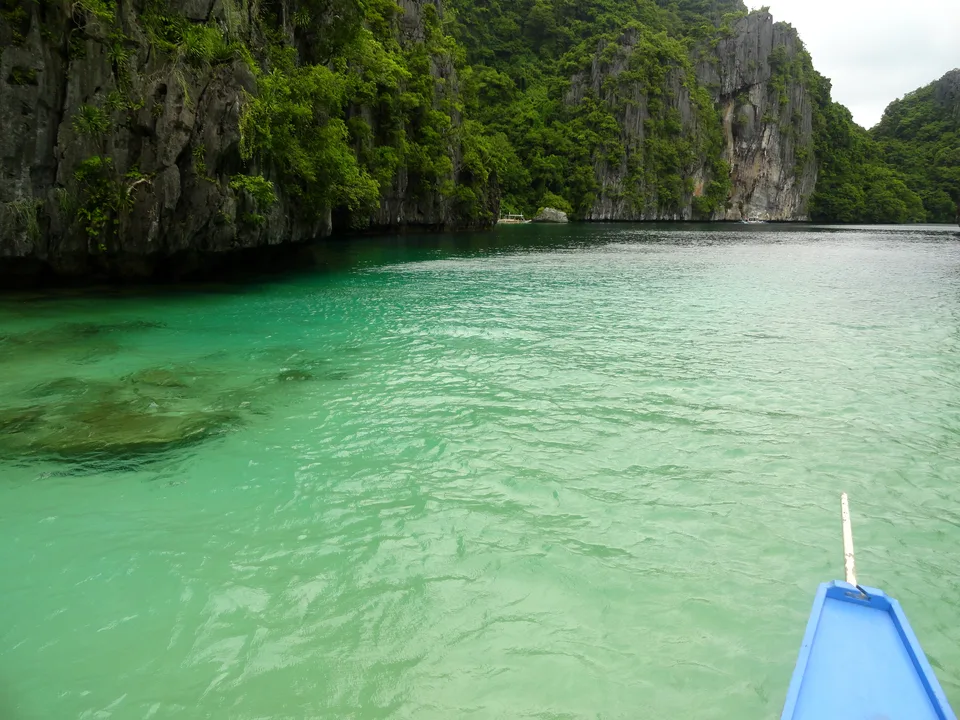
Tour A is a useful starting point for comparing lagoon excursions. The current El Nido Paradise booking page lists Big Lagoon, Secret Lagoon, Shimizu Island and Seven Commando Beach. Its advertised starting price is ₱1,500 per person, with bento lunch, water and snorkelling equipment listed; hotel transfers are excluded. These are that seller’s terms, checked in October 2026.
Treat the itinerary as a proposal subject to permission, conditions and the operator’s final confirmation. Ask which lagoon admission has been arranged and whether kayaking is optional or practically necessary for your group. A boat reservation and a protected-site entry arrangement should be clarified separately.
Choose one excursion for the experience you want, rather than chasing every photograph. Explain swimming confidence, mobility needs and children’s ages before booking. Ask about boarding, shade, toilets, life jackets and the procedure for anyone who prefers to remain aboard at a stop.
Compare beach and cave routes before adding another boat day
For a different emphasis, the same provider’s Tour B booking page advertises Snake Island, Entalula Beach, Cudugnon Cave and snorkelling stops from ₱1,600 per person. It lists a separate ₱150 cave entry charge, subject to change. Confirm the final payable amount rather than assuming the headline price covers every landing.
Its Tour C offer starts at ₱1,700 and lists Helicopter Island, Matinloc Shrine, Secret Beach, Talisay Beach and Hidden Beach. Those named stops help you compare proposals; they do not promise that every approach will be accessible on a particular day.
After one boat excursion, decide whether another offers enough variety. A rest day can be more satisfying than repeating a rushed sequence of transfers, swimming stops and lunch. Private boats may offer flexibility, but ask what is actually customisable and what remains governed by site access and safety decisions.
Environmental fees belong in the budget
The ETDF board’s December 2025 fee bulletin announced a ₱400 rate for visitors from outside Palawan, with different categories for some other visitors. The current Tour A seller also lists a ₱400 ETDF charge and a separate ₱200 lagoon environmental user fee. Check your applicable category and obtain receipts; this guide does not assume a particular receipt-validity period.
As an illustrative calculation, that advertised ₱1,500 excursion plus those two charges totals ₱2,100 before transport or optional rentals. Kayaks are separately payable; establish the current charge and how many people it covers before setting off.
Ask the organiser to itemise package cost, government charges, equipment and optional extras in writing. Bring a reusable water container and ask how drinking-water refills are supplied. Avoid touching coral or feeding wildlife, and take rubbish back with you. A low quote is poor value if it leaves basic responsibilities unclear.
Flying in now requires attention to airport codes
Arrival advice changed materially in 2026. Cebu Pacific’s airport-transfer advisory says the relevant Cebgo and AirSWIFT Manila services, including El Nido, moved from NAIA to Clark on 29 March 2026. Clark, coded CRK, and Manila’s NAIA, coded MNL, are different airports. An international arrival at NAIA therefore needs a separately planned connection if the next flight leaves Clark.
The airline’s AirSWIFT-to-Cebgo transition notice adds another change: from 1 July 2026, former AirSWIFT operations transitioned to Cebgo, using DG flight numbers. Older guides and booking references may retain the previous brand. Search your travel dates and inspect the operating airline, airport, baggage entitlement and connection conditions on the actual itinerary.
For an airport change, compare a generous surface-transfer allowance with an overnight stop. Genesis publishes point-to-point bus information for its airport network, but verify the relevant stop, departure and fare directly. Do not build a tight connection around an unconfirmed free shuttle.
Puerto Princesa is an alternative arrival gateway
Flying to Puerto Princesa introduces a substantial overland leg. The tourism department’s older overview gives a broad five-to-eight-hour road estimate; treat that as a planning range rather than a promised journey time. Flight delays, departure arrangements, stops and your final hotel location all affect the day.
For a concrete comparison, the private van provider checked for this guide advertises ₱9,000 per vehicle for up to ten people, with additional charges for some outlying locations. Ask how luggage affects comfortable capacity, whether airport waiting is included, and what happens if your flight arrives late.
Compare the whole journey with flying into El Nido: airfare, bags, transfer, meals en route and usable holiday time. A cheaper flight can still be the right choice, especially for a group sharing a vehicle. Avoid arranging a distant international departure immediately after a long road transfer without a realistic contingency.
Local journeys need clear pickup agreements
For short road trips, ask your accommodation to explain the available vehicle options and current local charges. Agree whether a quote covers the whole vehicle or each passenger, one way or return, waiting time and luggage. Save the driver’s contact details and the hotel’s map pin before leaving.
For longer outings, comfort matters more than the smallest fare difference. Check seat belts, child arrangements and weather protection. If considering a rented scooter, establish licence requirements, insurance coverage and your own experience before choosing it as the default way to explore.
Make your luggage part of the transport discussion. A quoted vehicle capacity may not describe a comfortable journey with large suitcases, diving equipment or a folded pushchair. Keep essentials in a small bag that stays with you, label checked bags clearly and ask where they will travel. If changing accommodation between town and a beach, arrange the handover before checkout rather than assuming an early room will be available at the next property.
Accessibility deserves a conversation before arrival. Ask for current photographs of steps, paths and bathrooms, and explain any difficulty transferring between a beach and a boat. A property describing itself as accessible may not be able to solve every part of an excursion. Reserve transport that fits the person, rather than assuming someone can improvise on departure morning.
Food connects the bay with its inland communities
El Nido’s food story extends beyond a seafood dinner. The El Nido Heritage culinary-mapping publication identifies Nido Soup as a municipal signature and documents dishes associated with individual barangays. Examples include manla, a mud crayfish linked with Manlag, and Barotuan’s linapay, vegetables wrapped in taro leaves and cooked with coconut milk. These are documented traditions, not a promise that a particular restaurant serves them daily.
Ask a guide or host whether a community meal can be arranged appropriately. Confirm availability, ingredients, preparation and the price beforehand. Dietary restrictions need specific discussion, including fish sauce, shellfish, coconut and shared cooking equipment; a dish’s name alone is not an ingredient list.
For ordinary meals, compare posted menus and ask whether seafood is priced by portion or weight. Check service charges before ordering. On tour days, confirm lunch arrangements and drinking water with the actual organiser, particularly when older descriptions and current booking terms disagree.
Spend on the experience, then control the extras
Use a simple trip budget with separate lines for accommodation, travel days, boat days, meals and contingency. Enter actual room quotations for your dates rather than a destination-wide average. Divide shared room and vehicle costs only by the number of people who will really contribute.
For shopping, ask who made an item and where. Ayala Land’s historical Lio account describes woven goods associated with the Sibaltan Women Weavers Association; verify today’s stock and seller rather than assuming that an old retail location remains open. Avoid wildlife products or souvenirs whose materials and lawful origin cannot be explained.
Ask hotels and operators which payments require cash and which accept cards, including any surcharges. Keep enough accessible money for agreed balances and an unexpected transfer, with a separate reserve. Save receipts and booking confirmations offline so that a weak connection does not become an argument over what was included.
Seasons guide expectations; forecasts decide tomorrow
PAGASA’s national climate overview describes a broadly dry December-to-May period and rainy June-to-November period, with March to May the hotter part of the dry season. This is national context, not a guarantee for El Nido or its sea conditions. Weather and safe access can interrupt boat plans in any month.
Choose dates around your tolerance for uncertainty. If seeing the lagoons is the central reason for travelling, leave spare days and read cancellation terms before paying. During unsettled weather, an inexpensive room does not compensate for a programme built entirely around the water.
Each evening, check the next day’s forecast and the organiser’s instructions. Move activities when necessary and accept a cancelled sailing as a change to the itinerary. Keep essential medication, documents and electronics protected from rain, and allow time to dry clothing between outings. Sun protection and drinking water still matter on overcast days.
A five-day plan with room to change
Day one: arrive, check the room and settle transport arrangements. If energy permits, take a short orientation walk near your accommodation. Confirm the next morning’s meeting point, lunch and additional charges, then leave the evening unhurried.
Day two: use your preferred safe-weather window for the lagoon excursion. Keep the evening flexible rather than adding another prepaid activity. Review what the group enjoyed before committing to a second boat tour.
Day three: make a mainland beach outing, with an agreed return journey, or spend the day around your chosen accommodation. Travellers assessing a move can use part of it to inspect everyday shopping and a potential commuting route.
Day four: take a contrasting beach-and-cave excursion if conditions and energy suit, or use it as the replacement day for a cancelled trip. A meal arranged through a knowledgeable local host can add context without another full day aboard.
Day five: depart with the appropriate airport or road-transfer margin. If your schedule allows only three days, choose one principal excursion and protect the arrival and departure journeys instead of compressing this entire programme.
A trial stay should test ordinary life
Moving to El Nido requires a different inspection from choosing a holiday resort. Begin with temporary accommodation and test the routines you would repeat: groceries, drinking-water supply, laundry, waste collection, work calls and travel after dark. Evaluate the area on an ordinary working day, not only during a beach afternoon.
For housing, request a written breakdown of rent, deposit, electricity, water, internet, cleaning and maintenance responsibility. Inspect the specific unit for ventilation, damp, drainage, pests and secure access. Ask what happens during an interruption to power or water and which appliances any backup system can support.
Do not convert a resort’s nightly rate into an assumed long-term rental market. Reliable representative rent data was not available for this guide. Obtain several current quotations, verify the person’s authority to let the property, and make payment conditions explicit before transferring a deposit.

Work, schooling and healthcare need separate checks
Test internet performance inside the actual room at the times you need it. Ask whether the connection is shared, what the backup arrangement covers and whether mobile reception supports a second connection. A speed claim on a listing is less useful than a successful call from the proposed workspace.
Families should contact schools directly about places, language, curriculum, fees and transport before choosing a lease. For healthcare, the provincial government’s hospital directory lists El Nido Community Hospital. That listing does not establish every specialist service or insurance arrangement. Discuss continuing treatment and referral needs with providers before relocating.
Keep the Palawan government emergency directory available offline and confirm local contact arrangements with your host. Review insurance provisions for the activities you actually plan and for a possible transfer elsewhere for treatment. A nearby facility’s existence and a suitable treatment plan are different questions.
Tourism permission does not settle a relocation plan
Entry depends on nationality, documents and purpose. Check VisaWand’s Philippines visa destination information alongside official requirements before booking. The government eTravel FAQ states that registration is free and may be completed within 72 hours before arrival; save the QR code. It is a travel registration, not a visa or permission to work.
The Bureau of Immigration’s tourist-extension page describes an initial 29-day extension for eligible visitors originally admitted visa-free for 30 days. Eligibility is not universal, and the page’s fee table carries an old update date, so request current charges and requirements directly.
Employment requires its own immigration and labour assessment. Formal study has a separate student visa category, while family-based residence may involve routes such as the marriage-based immigrant visa. Neither renting a home nor repeatedly extending a tourist stay establishes permanent residence. Resolve your lawful status before treating a trial stay as a move.
Combine destinations without losing the holiday to transfers
Use the Philippines country guide for wider planning and the Philippines city and settlement directory to compare locations. Manila’s city guide can help with a stop before or after Palawan; Cebu City’s guide provides another urban comparison. Check actual transport for your dates rather than assuming a connection exists because two places look close on a map.
Elsewhere in Palawan, consider a separate stay around Puerto Princesa or investigate a longer route towards Coron. Verify any proposed sailing directly, including cancellation arrangements, before joining it to an onward flight. Give each place enough nights to justify its transfer.
For immigration advice, use the consultant directory to identify relevant professional help, then check credentials and scope. The strongest El Nido plan is specific about its base, travel days and permissions, while leaving enough freedom to enjoy the bay when conditions cooperate.
Official planning resources
Reviewed 16 October 2026. Use the official resources linked throughout this guide for admission, transport, housing and immigration decisions. Prices, services and rules can change; confirm the details relevant to your dates. Photography illustrates the locations and is not a live view.
View all official resources
- Department of Tourism: El Nido visitor overview
- Supreme Court: Republic Act 1140
- El Nido Foundation: community and conservation
- Doublegem: Corong-Corong accommodation and facilities
- Ayala Land: development of Lio Beach
- El Nido Paradise: private Puerto Princesa transfer
- El Nido Paradise: current Tour A booking terms
- El Nido Paradise: Tour B booking terms
- El Nido Paradise: Tour C booking terms
- ETDF board bulletin: revised environmental fee
- Cebu Pacific: transfer of Manila services to Clark
- Cebu Pacific: AirSWIFT transition to Cebgo
- Genesis: point-to-point airport bus information
- El Nido Heritage: initial culinary map
- PAGASA: Philippine climate
- Palawan government: provincial hospitals
- Palawan government: emergency assistance directory
- Philippine eTravel: official registration FAQ
- Bureau of Immigration: tourist stay extensions
- Bureau of Immigration: student visa
- Bureau of Immigration: marriage-based immigrant visa
Plan the next part of your journey
Explore the Philippines guide, browse other cities or compare consultants for your travel and relocation questions.