Visa
Begin by deciding which Manila you need
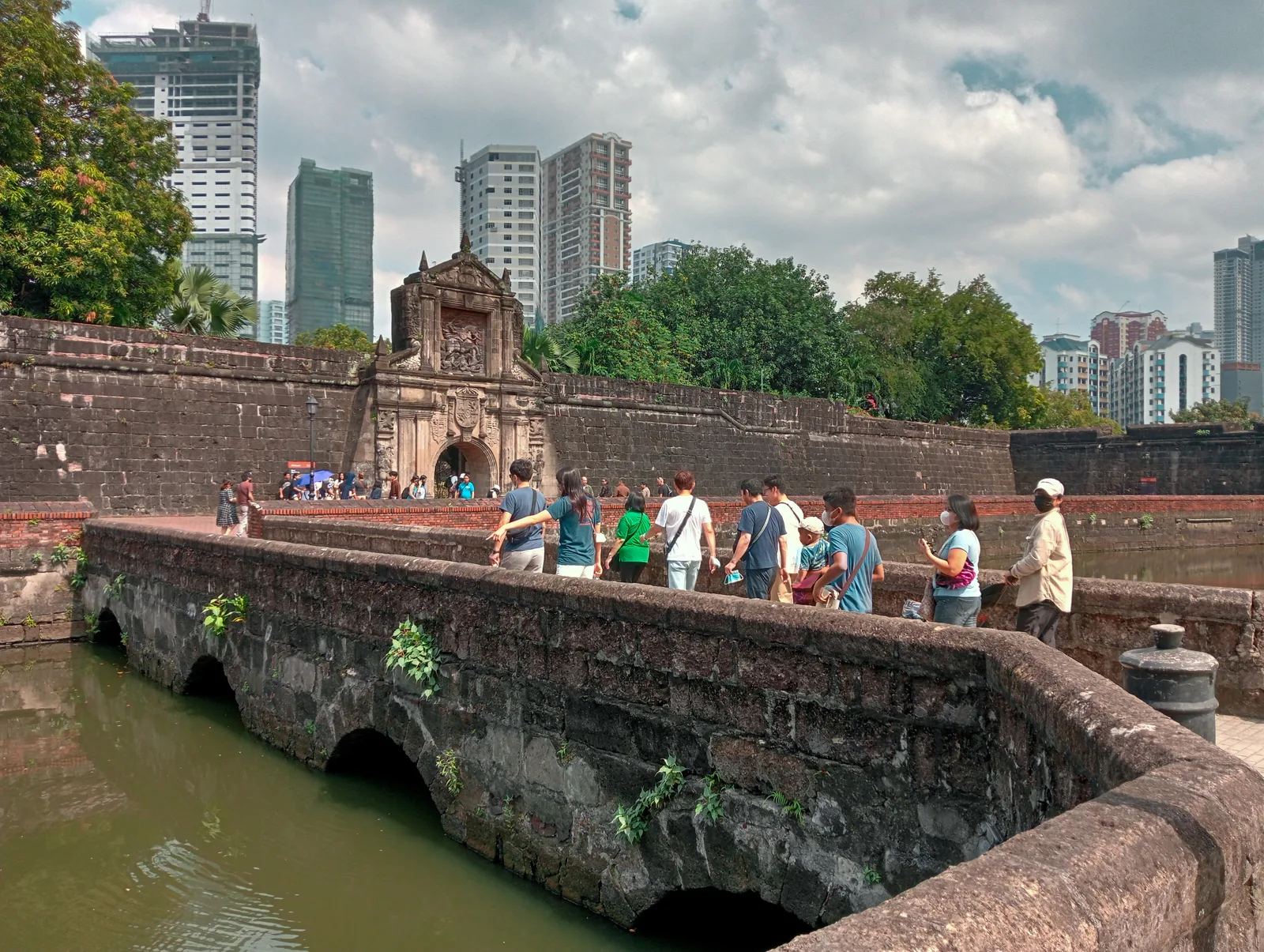
Manila rewards a visit organised around its own geography. Inside Intramuros, stone walls and restored buildings frame the story of colonial government, trade, war and reconstruction. Across the Pasig River, Binondo offers another historical and commercial perspective. Around Rizal Park, the national museums provide substantial reasons to stay indoors for more than a passing break from the heat.
The City of Manila is one part of a much larger metropolitan region. A hotel advertised as being in Manila may actually be in another city, and a workplace in Makati or Taguig creates a different daily routine from one near the historic centre. Start with the places you will actually visit, then compare accommodation and transport. For wider entry and relocation context, consult VisaWand’s Philippines country guide.
Read Intramuros as a history of rebuilding
The Intramuros Administration’s historical account identifies the walled district as the historic core of present-day Manila. Spanish colonial Manila was established here in 1571 on the site of Rajah Soliman’s kingdom. Its institutions and fortifications developed over centuries, linked to trade across the Pacific as well as colonial rule. Later expansion brought neighbouring districts into the city.
Wartime destruction is essential to understanding what you see. Intramuros suffered devastation during the Second World War, and the administration responsible for its restoration was created in 1979. Avoid reading every historic-looking façade as an untouched survival. Walk a manageable route, pause to read the interpretation and distinguish an original structure, a restored monument and a museum presenting an earlier way of life.
Give Fort Santiago time beyond its gateway
The official Fort Santiago visitor resource provides a starting point for understanding the fort, its defences and its association with José Rizal. The gateway is visually striking, but entering only for a photograph misses the opportunity to place it within the wider history of Intramuros. Allow time to move through the grounds and read the exhibits, with breaks appropriate to the weather.
The current Intramuros hours and fees list regular Fort Santiago admission at PHP75. Pay attention to last entry as well as closing time: the late-evening provisions differ between weekdays and weekends, and specified later access is linked to particular bookings. Check the arrangement for your date rather than assuming that a site advertised as open until ten admits every walk-in visitor until then.
Choose a museum rather than attempting every building
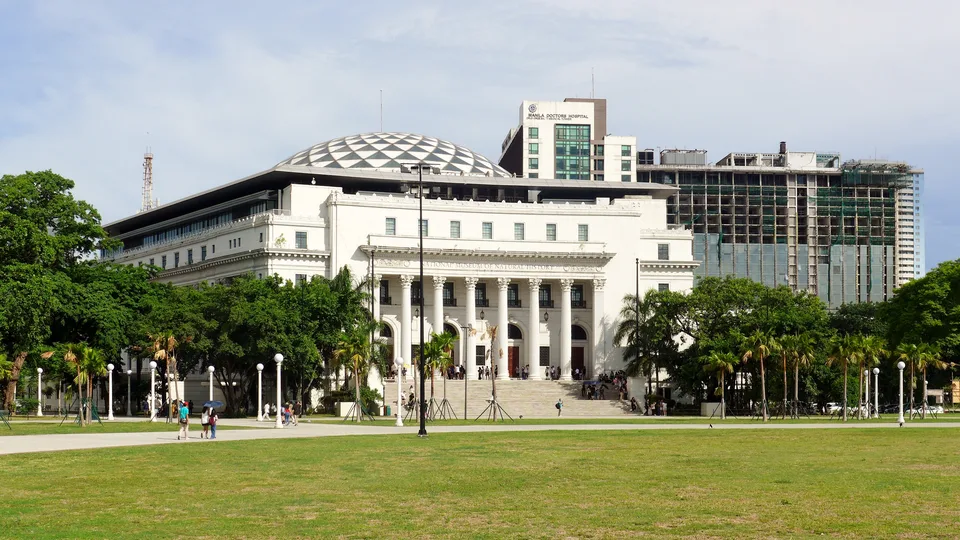
The National Museum’s central complex contains separate Fine Arts, Anthropology and Natural History museums. Select a main interest and give it a substantial part of the day. The Spoliarium Hall collection page identifies Juan Luna’s painting and the works displayed alongside it, making Fine Arts a purposeful visit rather than merely a convenient air-conditioned stop. Another building can wait for a return visit.
The current central-complex visitor guidelines confirm free admission and walk-in access, with opening Monday–Sunday, nine to six, except selected religious holidays. Arrive at least thirty minutes before closing. Groups of twenty or more need advance arrangements under the published rules. Bring identification and travel lightly for security and baggage checks. These instructions supersede older pandemic-era advice about mandatory bookings for every individual visitor.
Add Casa Manila and San Agustin thoughtfully
The Casa Manila museum introduction describes the domestic life of an affluent Filipino family during the late Spanish colonial period. Approach it as an interpreted household, with furnishings and spaces that explain a particular social world. It offers a different scale from the fort, and can make a useful second visit when you want more than military and political history.
Nearby San Agustin belongs to the UNESCO-listed Baroque Churches of the Philippines, a serial property containing churches in several places. The designation does not cover every building in Intramuros. Check the church and museum’s own visitor arrangements, including worship or event restrictions. Casa Manila normally closes on Mondays, so choose the order around actual opening rather than assuming neighbouring attractions share one schedule.
Let Rizal Park connect the history
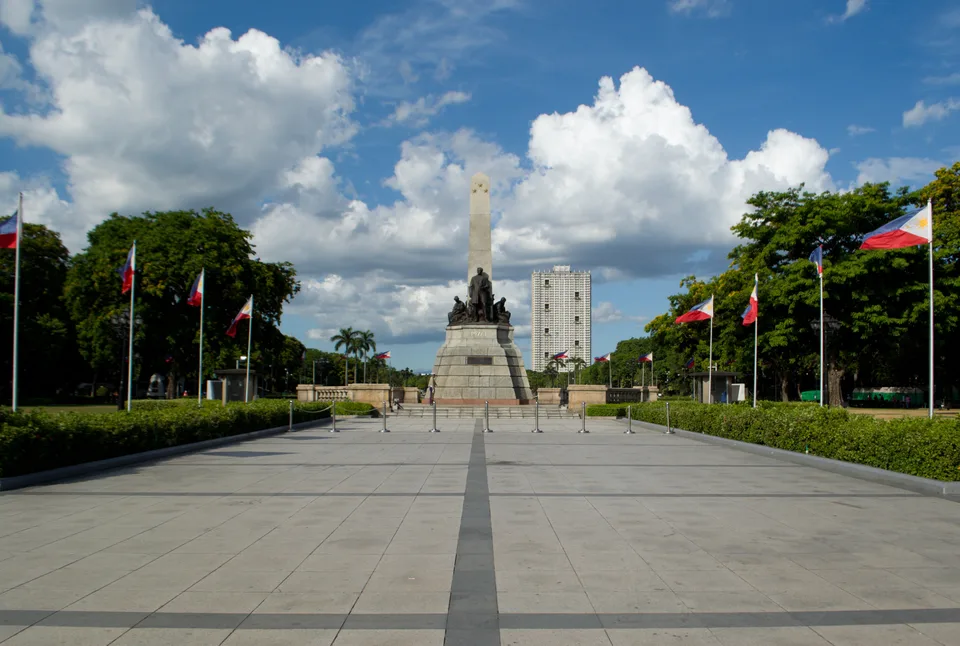
The National Parks Development Committee’s Rizal Park guide explains the park’s role in remembrance as well as recreation. Use it to connect a museum day with time outside, rather than treating the lawns and monuments simply as a route to the next building. José Rizal’s execution in 1896 and the commemoration of his life give the setting particular national significance.
Choose a modest walking circuit with a break when needed. The monument, surrounding gardens and public spaces reward a slower pace, but conditions vary with heat, rain, events and access arrangements. Confirm any performance or special presentation before planning around it. A park visit need not become an exposed midday march: adjust the length and timing to the forecast and your group’s needs.
Explore Binondo with a short, flexible route
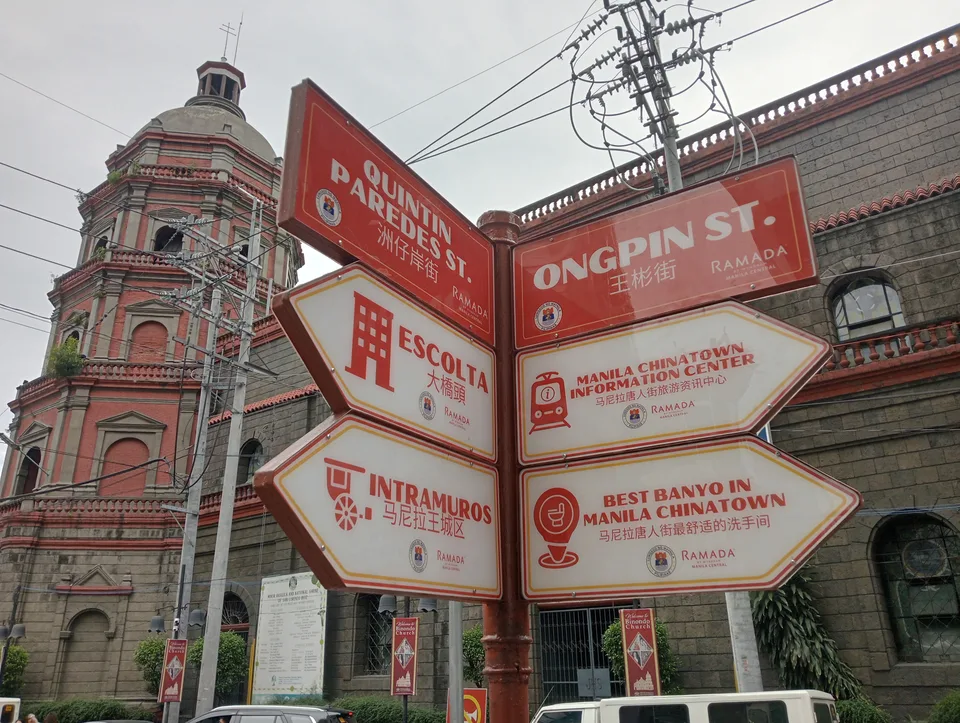
Across the Pasig from Intramuros, Binondo adds a different set of streets, shops and landmarks to a city visit. Around Ongpin and Quintin Paredes streets, allow time to look at the urban setting instead of moving directly between food stops. Keep the route short enough to enjoy the details, with a clear meeting point if travelling in a group.
Check individual opening hours, bring practical footwear and plan where to pause indoors. Busy commercial streets and road crossings make an ambitious walking circuit less appealing when carrying shopping or travelling with young children. If visiting a church or another religious site, respect its activities and access rules. Let the neighbourhood’s everyday commerce remain part of the experience, without treating residents or traders as scenery for photographs.
Choose food for curiosity and convenience
Binondo is a useful place to explore Chinese-Filipino food, from a planned sit-down meal to pastries to take away. Eng Bee Tin’s own product information provides one direct source for hopia and other bakery products; check its current offer and branch details if those interest you. A named business is a verifiable option, not evidence that every item suits every visitor.
Compare the actual menu, serving sizes and total bill, and ask about ingredients where allergies or dietary restrictions matter. Buy less at first if you want to sample several things. Elsewhere in Manila, choose a meal near the day’s main activity rather than repeatedly crossing the metropolis for restaurant lists. Keep enough time for lunch before an extended museum visit and carry small denominations for smaller purchases.
Match accommodation to the journey you will repeat
For a visit centred on Intramuros and the national museums, compare properties in or near those areas before choosing a room in another metropolitan city. Ermita and Malate are useful names to include in a search, but inspect the precise street, entrance and transport connections. A broad neighbourhood label does not establish noise, comfort or how easy the final walk will be.
Hotels may simplify reception and luggage storage; serviced apartments or other rentals can help with cooking, laundry and a longer stay. Compare final charges, cancellation terms, stairs, lifts and check-in hours. Ask whether a room faces a busy road and whether internet and cooling suit your needs. For a relocation trial, convenience to the workplace or school can matter more than a tourist-facing address.
Plan NAIA arrivals by terminal
Use the airport operator’s current transport page alongside your airline’s terminal information. NAIA’s terminals require distinct pickup plans, and a booking described as Manila does not mean the airport is beside Intramuros. Save the accommodation’s exact address and check the arrival instructions before departure, including the practical arrangement if your flight lands late.
The operator lists metered and coupon taxis, ride-hailing, rental cars and bus services. Taxi passengers are advised to retain their dispatch slip. For app-based or arranged transfers, follow the current booking’s meeting point and compare the complete quoted cost. Avoid a fixed journey-time assumption: the terminal, destination, road conditions and time of day all affect the transfer. Leave a substantial margin when planning the journey back for a flight.
Distinguish a city bus from a terminal shuttle
The airport’s transport information lists UBE Express links including Robinsons Manila and other metropolitan destinations. Consult UBE Express directly for the route, operating date, fare and luggage conditions you need. A bus serving another city can still leave a significant final journey, so compare its complete connection with a direct transfer rather than considering only the first fare.
The free NNIC inter-terminal shuttle is described as a service for passengers with connecting flights who present their tickets. Do not assume it is a general sightseeing connection or that it removes the need to plan a terminal change. Confirm the current departure arrangement with airport staff. When choosing a connecting itinerary, account for the transfer, any baggage collection and the airline’s check-in requirements.
Use rail where the route actually helps
LRT-1 and LRT-2 are useful planning tools, but a nearby line does not place every attraction directly beside a station. Compare the complete walk, interchange and final connection. The LRT-1 operator’s fare resource and LRT-2 ticket guidance are better references than an old generic Manila fare range. Check station information when choosing the ticket or loading a card.
LRT-2’s current guidance describes a fifty-percent fare discount introduced in March 2026 for LRT-2 and MRT-3, applied through its stated ticketing arrangements. Do not extend that claim to LRT-1 or assume every other transport mode participates. Route-specific prices and concessions need their own checks. Keep a reserve for a different return journey if weather, fatigue or the day’s plans make the original route inconvenient.
Budget in pesos and separate the large costs
Use Philippine pesos, PHP, for comparisons. Fort Santiago’s checked regular admission is PHP75, while the three central National Museum buildings offer free general admission under their published guidelines. Those facts make a history-focused visit possible without a long list of paid attractions. They do not establish the price of a complete day, which also depends on transfers, meals and accommodation.
Build a budget from your room quote, airport journeys and the activities you actually want. Add allowances for mobile data, laundry and changes of plan on a longer stay. Compare shopping prices and return terms before buying, and confirm whether advertised accommodation charges include taxes or other fees. A low headline room rate can lose its advantage when the repeated journey to your main destination is costly or awkward.
Choose a season and keep a weather alternative
PAGASA’s climate guidance describes a broadly rainy June–November period and a dry December–May period, with cooler dry months around December–February and hotter dry months around March–May. These are planning patterns, not a promise of weather on a particular Manila weekend. Use the current forecast and official advisories close to travel, especially before a substantial outdoor outing.
For walking-heavy days, schedule shorter circuits and breaks, with an indoor alternative nearby. Rain can change both comfort and transport plans, so avoid stacking appointments that depend on uninterrupted road travel. If moving, inspect the building’s drainage, access and arrangements during severe weather. A sunny viewing provides little evidence about the route or property after heavy rain, and a broad district reputation cannot replace address-level checks.
Day one: Intramuros at a comfortable pace
Begin with Fort Santiago and give its grounds and interpretation proper time. Continue through a manageable part of Intramuros, leaving a break for lunch before choosing another interior. Casa Manila or a separately arranged church and museum visit can add variety, but the day should reflect opening arrangements and the interests of the people travelling with you.
Keep the later afternoon adaptable. Return to a place that caught your attention, stop for a drink or shorten the walk if conditions are uncomfortable. Do not turn the first day into a test of how many exposed streets you can cover. If this is an arrival day, reduce the programme further and settle the practical matters of luggage, transport and the next morning’s departure before making additional timed commitments.
Day two: a museum and the park
Choose Fine Arts, Natural History or Anthropology as the main morning visit, based on your interests. Arrive with identification and manageable belongings, following the current visitor guidelines. Give the collections room rather than setting a target to finish all three buildings before lunch. A focused visit leaves time to notice what the objects and interpretation actually tell you.
After lunch, add a suitable part of Rizal Park or another museum if energy and conditions permit. Check access and event notices for the selected date. The day works well as a counterpoint to Intramuros because it moves from the history of one district to broader national collections. Keep the evening flexible enough that a particularly engaging gallery does not force you to rush the final rooms.
Day three: Binondo or an ordinary weekday
Use a third day for a short Binondo walk, lunch and a few deliberate purchases. Select a starting point, one or two food interests and a practical return route instead of following an oversized checklist. If the weather turns, shorten the walk and spend longer at a suitable indoor stop. The purpose is to enjoy a different part of Manila without repeated cross-city transfers.
Someone investigating relocation should replace part of this programme with a commute trial, a viewing and essential errands. Visit a grocery shop, identify a pharmacy and test the walk from a transport stop to a prospective home. Record the full cost and timing, including the return after work. That evidence is more useful for a housing decision than the ease of a single off-peak taxi ride.
Decide whether another metropolitan city fits better
Makati, Taguig, Pasay and Quezon City are other cities in the wider metropolitan area, not neighbourhoods to relabel as the City of Manila. They may be relevant because of employment, school, accommodation or an onward transport connection. If most commitments lie in one of them, investigate staying there rather than assuming that the historic capital is the most convenient base. VisaWand’s Makati City location page is one directory starting point.
Treat a visit elsewhere as a separate part of the itinerary, with current venue and transport information. Avoid describing a shopping or business district across the metropolis as a short stroll from Intramuros. VisaWand’s Philippines location directory can help identify other places to investigate. A directory entry provides location and consultant information; check whether a completed guide exists before relying on it for detailed travel planning.
Search for housing with a complete written quote
Begin with the address you need to reach most often, then compare homes within a realistic journey. Ask for a written breakdown covering rent, building or association dues, electricity, water, internet, parking and any recurring service charge. A furnished unit may still require substantial initial household purchases. Keep those separate from the deposit and any advance rent when calculating the money needed to move in.
View the property where possible and establish who is authorised to let it. Understand the lease period, repair responsibilities, notice provisions and deposit-return conditions before transferring funds. Get help with unfamiliar wording rather than relying on a verbal summary. Photographs should show the specific unit you will occupy. Retain the agreement, receipts, inventory and handover photographs, along with written confirmation of any promised work.
Check the address and the building together
Use HazardHunterPH’s government hazard-assessment tool as one input when investigating an address, alongside building records, local information and an inspection. An online result is not a guarantee of a property’s condition or a substitute for professional assessment where needed. Ask about flooding of the entrance and approach roads as well as the floor on which the unit sits.
Inspect ventilation, cooling, lifts, emergency exits and the arrangements for essential services during interruptions. A higher-floor apartment can still depend on shared systems and an accessible ground-level route. Test mobile reception and confirm broadband availability for that unit. For a household relying on remote work, ask how equipment and connectivity will be maintained. Include the cost of any necessary backup arrangements in the comparison between homes.
Settle utility responsibility before handover
Meralco’s service-application guidance is the appropriate starting point if a new electricity service is required. Many rental decisions instead concern an existing connection, so clarify whose name is on the account, how bills will be supplied and who resolves arrears or account issues. Record the meter reading and understand whether electricity is individually metered or allocated through a building arrangement.
For water, confirm the property’s provider and billing method; Maynilad’s customer information offers direct guidance for its accounts. Ask about supply, storage and building charges rather than assuming the rent includes everything. Arrange internet installation or transfer early and confirm any minimum contract term. Keep official payment records, and use verified provider channels when account changes require identity or tenancy documents.
Arrange healthcare and schooling deliberately
Check health-insurance arrangements before a move, including the cover available through an employer and any conditions affecting dependants. PhilHealth’s foreign-member information is a starting point for checking eligibility, not evidence that every newcomer automatically receives comprehensive treatment without further cost. Ask the insurer and chosen provider about benefits, exclusions, direct billing and the process for routine or urgent appointments.
Families should contact schools before committing to accommodation. Confirm admission requirements, places, language of teaching, fees and the actual daily journey. Study permission can be relevant to a foreign child’s circumstances and should be checked with the school and immigration authorities. Keep records of prior education and any requested translations. A place that appears conveniently located on a metropolitan map may create a tiring or unreliable school run.
Treat visitor entry and eTravel as separate steps
The Bureau of Immigration’s visitor information describes admission categories that depend on nationality and circumstances. Many eligible nationals receive a thirty-day initial visit, but that should not be presented as universal. Check your passport’s requirements with the Philippine authorities and responsible consular post, including any visa, onward-travel or document conditions, before making non-refundable bookings.
The official eTravel FAQ says registration is free and completed within seventy-two hours before arrival or departure where required. It is a travel declaration, not a visa or a guarantee of admission. Follow the current eligibility and exemption instructions and retain the confirmation. If considering an extended visit, establish the applicable extension procedure before the permitted stay ends; a tourist extension does not itself confer employment or permanent-residence rights.
Establish the correct route for work or study
The pre-arranged employment visa resource explains a route distinct from a temporary visitor stay. Work plans require the appropriate immigration and employment permissions, with the employer involved in establishing the applicable requirements. Do not assume that an extended holiday, a local lease or an offer of payment makes work lawful. Check the current checklist and process for your actual occupation and situation.
The student-visa information addresses qualifying higher education, while the visa and special-permit directory identifies other study arrangements, including Special Study Permits. Ask the institution which route applies before enrolling. Permanent or family residence has separate qualifying conditions too. VisaWand’s consultant listings can help compare professional support, but keep control of your documents and confirm any application advice against the official requirements.
Official planning resources
Reviewed 15 October 2026. Use the official resources linked throughout this guide for admission, transport, housing and immigration decisions. Prices, services and rules can change; confirm the details relevant to your dates. Photography illustrates the locations and is not a live view.
View all official resources
- Intramuros opening hours and admission
- Casa Manila visitor introduction
- Fort Santiago historical and visitor information
- National Museum of Fine Arts
- National Museum of Natural History
- Current National Museum central-complex visitor guidelines
- LRT-2 current ticket and fare guidance
- NAIA Terminal 3 transport hub announcement
- PAGASA climate guidance
- Bureau of Immigration visitor questions
- Official eTravel requirements and registration
- Immigration visa and special-permit directory
- Intramuros history and restoration
- National Museum Spoliarium Hall collection
- Current NAIA transport options
- Pre-arranged employment visa information
- Student visa information
- Meralco service applications
- PhilHealth foreign-member eligibility information
- Maynilad water-account guidance
- LRT-1 operator fare resource
- Rizal Park official visitor and historical information
- Eng Bee Tin bakery products and branch information
- UNESCO: Baroque Churches of the Philippines
- HazardHunterPH government hazard assessment
- Family immigrant visa requirements
- Rizal Monument history
- UBE Express airport bus information
Plan the next part of your journey
Explore the Philippines guide, browse other cities or compare consultants for your travel and relocation questions.