Visa
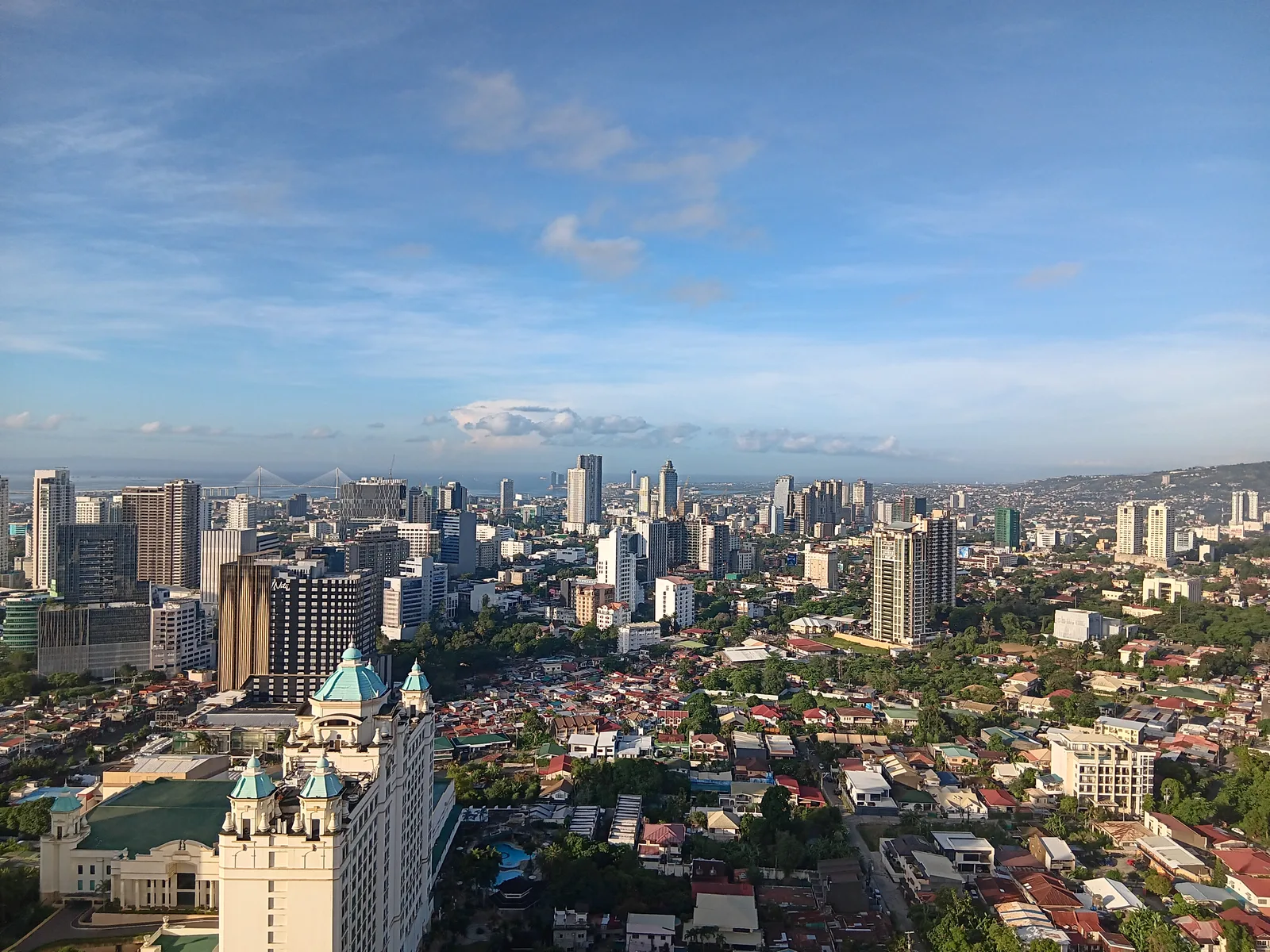
A city worth more than an airport stop
Cebu City rewards travellers who give it a few days of its own. Stone churches, a colonial fort, house museums and a working port tell one story; office districts, shopping centres and hillside viewpoints tell another. Food makes a persuasive connection between them. Come for urban history and a practical introduction to the central Philippines, then decide how much island travel belongs in the same trip.
Keep the geography clear from the start. Cebu City, Cebu island and the wider metropolitan area are different things. Mactan-Cebu International Airport is in Lapu-Lapu City on neighbouring Mactan. A beach resort advertised as “Cebu” can therefore be a very different base from a hotel near the city’s heritage district. Three nights is a useful starting allocation for a first visit, with additional nights for destinations beyond the city.
Read the history beyond the colonial landmarks
The provincial government’s history of Cebu describes a trading community with overseas connections before Spanish colonisation. The European encounter of 1521 and the establishment of the Spanish settlement in 1565 belong within that longer history. They do not mark the beginning of life or commerce here.
The surviving landmarks offer different kinds of evidence. A fort explains military power; a church reveals continuing religious devotion; a merchant’s house shows domestic life and social change. Looking at all three produces a more useful picture than treating downtown as a collection of interchangeable old buildings. Modern Cebu also remains a place where people work, study, worship and trade. Expect traffic and ordinary business around the monuments, and leave room to notice the living city between scheduled stops.
Choose a base by the journeys you will repeat
Downtown is the area to investigate for repeated visits to the basilica, Magellan’s Cross, Fort San Pedro and the port-side museum. Parian adds house museums and another layer of commercial history. A convenient heritage address can reduce transfers, but inspect the immediate street, room noise and access after dark rather than assuming every downtown property offers the same experience.
Cebu Business Park and the IT Park area suit a different routine of offices, dining and contemporary accommodation. The Holiday Inn’s own location information places its city hotel in Cebu Business Park near Ayala Center Cebu; that establishes a location, rather than a personal recommendation. Lahug and the roads towards Busay become relevant for hillside outings. Compare your actual destination addresses before choosing between these areas. “Central Cebu” is too broad to settle a daily commute.
Give Fort San Pedro time for more than a photograph
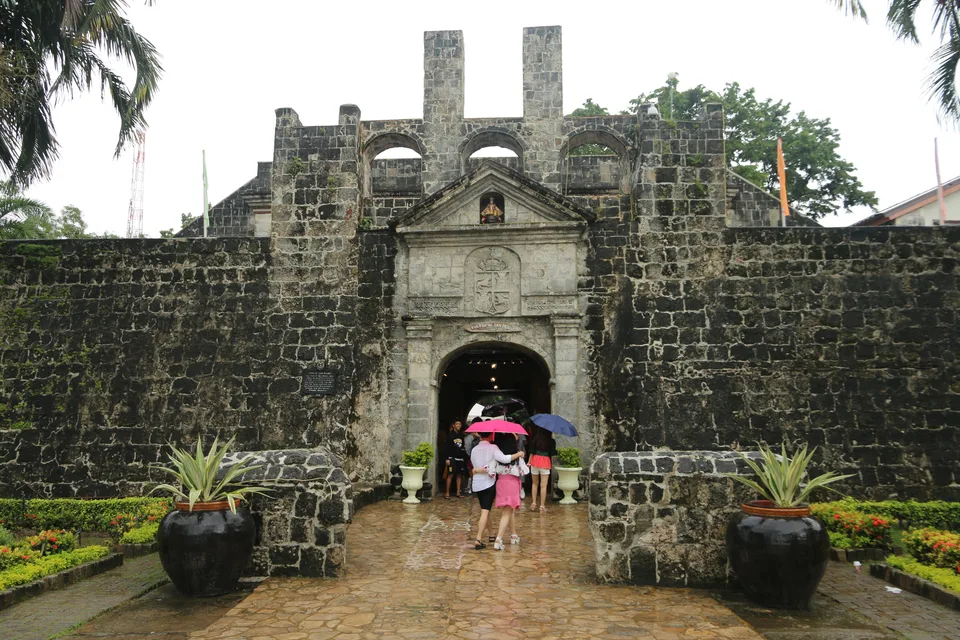
Fort San Pedro is a manageable introduction to the old port district. The National Historical Commission’s registry reproduces a marker describing a triangular stone-and-mortar fort in an official report of 1739. That is a stronger basis for understanding the visible structure than assuming every wall dates from the first Spanish landing. The marker’s own 1939 date records its installation.
Read the interpretation available on site and look at the relationship between the gateway, walls and surrounding open space. Check current admission and access arrangements locally; a long-repeated online ticket price is not necessarily today’s charge. Combine the visit with nearby heritage stops, allowing a break from outdoor walking. A compact cluster on a map still involves heat, crossings and time spent inside buildings. Travellers with limited mobility should ask which parts of the fort are accessible before planning a complete circuit.
Use the National Museum to widen the story
The National Museum’s Cebu branch occupies the former Customs House in the port and heritage district. Its account traces the building to 1910 and describes its later conversion into a museum. Exhibitions give the visit a wider purpose than admiring the exterior: this is a place to investigate Cebu’s natural and cultural heritage alongside the city’s better-known religious monuments.
Use the Cebu-specific visitor guidelines for planning. They list free admission and opening from 9am to 5pm daily, except selected religious holidays, and ask visitors to arrive at least 30 minutes before closing. Walk-ins are welcome; groups of 20 or more need advance arrangements. Bring identification for registration. The document prohibits camera flash and requires prior approval for commercial photography. Check the official regional museum booking page for changes before setting your itinerary. Its Cebu booking guidance limits group slots to 35 visitors and schedules group tours on Wednesdays and Fridays. A larger party may need to divide into smaller groups. Reserve at least three working days ahead and distinguish a confirmed guided booking from an ordinary walk-in visit.
Step into Parian through Casa Gorordo
Casa Gorordo Museum provides a more intimate counterpoint to the fort and national museum. The house dates from the 1850s and preserves the form of a tiled-roof home shaped by Filipino, Spanish and Chinese influences. The institution connects its family history with changes in Cebuano society rather than presenting furniture as isolated decoration.
Its setting matters. Parian developed through migration and trade, and a guided visit can help make sense of the household, architecture and neighbourhood together. Ask about the current tour, admission and language arrangements before arriving. The museum’s website lists daytime hours, but confirm your date directly, especially around holidays. Avoid fitting a guided house visit into the final spare minutes before departure. It is better to understand one home properly than rush through several heritage addresses without hearing what their rooms were used for.
Approach the basilica as a working place of worship
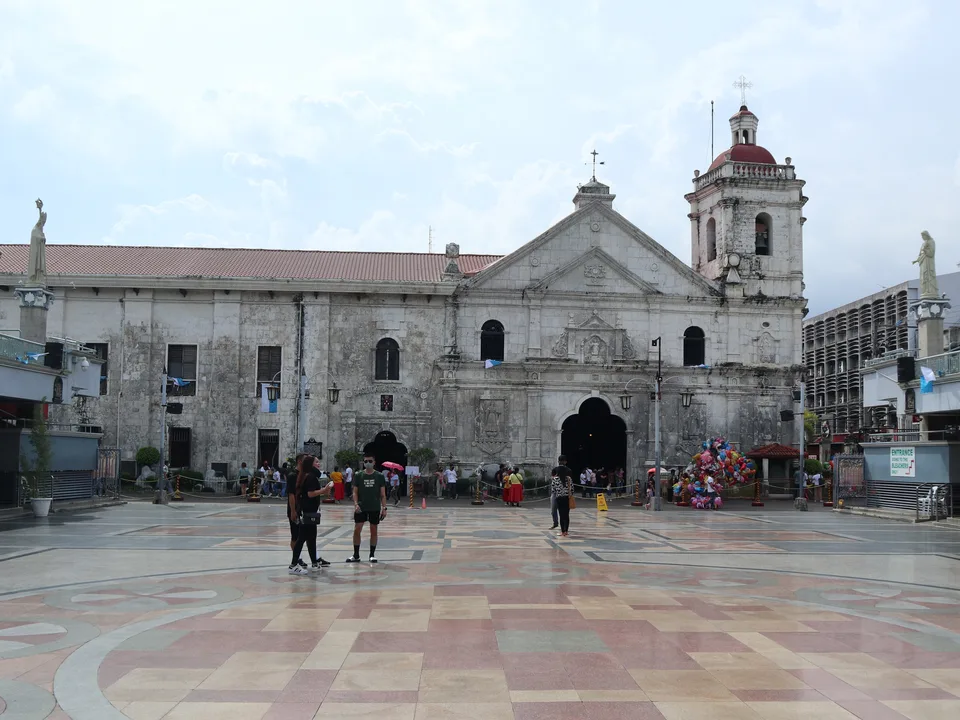
The Basilica Minore del Santo Niño’s own history distinguishes its foundation in 1565 from the later church building. That distinction helps visitors read an institution whose importance comes from continuing devotion as well as architecture. The Santo Niño image and the people who come to venerate it are central to understanding the place.
Check services and visitor arrangements before entering. Dress appropriately, keep voices low and avoid obstructing worshippers for photographs. A sightseeing plan should accommodate a service or queue rather than assume unrestricted access at every hour. If the main purpose of your visit is religious, allow enough time for that purpose instead of treating it as an addition to a packed tour. If you are visiting chiefly for history, observe the same courtesy. Public access to a religious building does not make every part of it a photography setting.
Understand what Magellan’s Cross commemorates
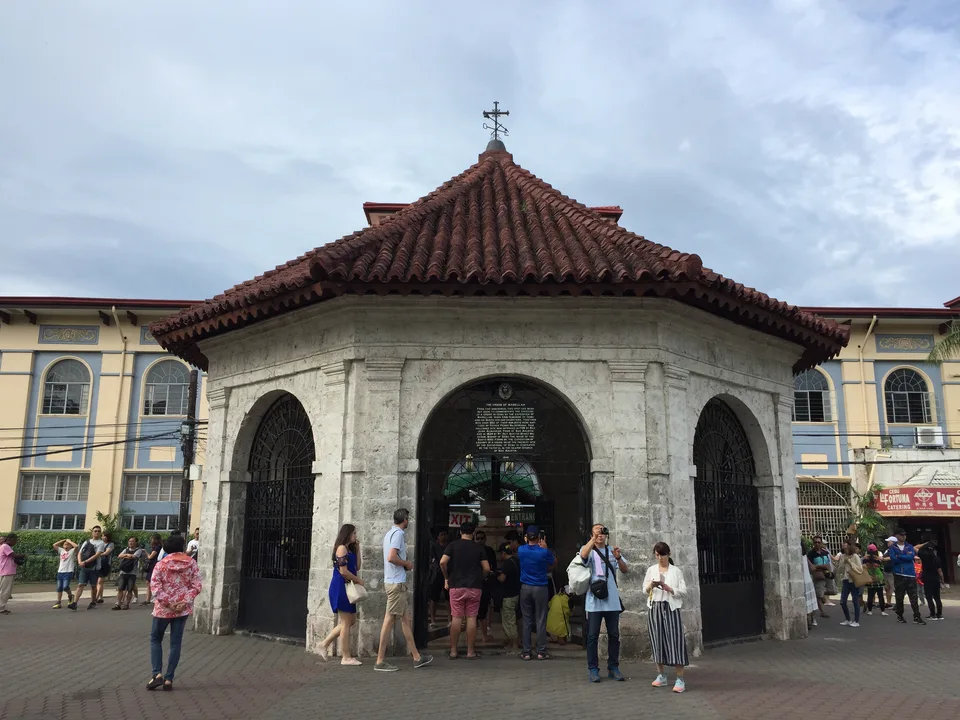
The pavilion of Magellan’s Cross stands within the same heritage cluster, but the story deserves a separate reading. The basilica’s account of the cross explicitly discusses historical debate over whether the original cross survives. Describe the shrine as commemorating the 1521 event rather than claiming that every piece of visible timber has a proven continuous history from Magellan’s expedition.
Look at the pavilion and its painted ceiling, then consider how commemoration, religious practice and historical evidence overlap here. No invented legend is needed to make the site interesting. Give other visitors space, follow any barriers and resist pressure to turn an unsolicited offer into a purchase. A short visit can be worthwhile without purchasing anything. Together, the basilica, pavilion, fort and museums form a coherent downtown day when paced around opening times and your tolerance for heat.
Take the hills as a separate outing
TOPS in Busay offers a different perspective on the city. Its official ticket information lists regular entrance at PHP100 and entrance with the round-trip shuttle at PHP200. The shuttle departs from the IT Park Transport Terminal on Geonzon Street in Lahug. Confirm the current boarding and return arrangements rather than assuming a city taxi will wait throughout your visit.
Although the park advertises 24-hour opening, transport and dining have their own hours. The operator’s amenities page lists a shuttle operating window beginning at 7am from IT Park, with returns from TOPS running until 3am. Check the actual timetable on your day. Visibility depends on weather, so a sunset booking cannot guarantee a clear panorama. Allow time to enjoy the view and return without adding every other hillside attraction to the same afternoon. Travellers needing assistance can ask about the limited wheelchairs and the golf-cart transfer between the parking building and entrance for senior visitors and people with disabilities. Confirm the whole route for your needs. The operator lists Wi-Fi as a paid service, so download return instructions beforehand rather than depending on an included connection.
Make accommodation choices concrete
City hotels, guesthouses and apartments serve different needs. For a short visit, compare the total room price with breakfast, taxes, cancellation conditions and the transfers your location will require. Confirm whether a pool, gym or laundry is included rather than reading a facilities list as a promise of unrestricted access.
For longer stays, an apartment may offer useful cooking and working space, but inspect the actual unit or obtain detailed current information. Ask about refrigeration, utensils, desk space, cleaning and minimum stay. A kitchenette description can cover very different arrangements. Families should check bedding and occupancy rules directly; travellers with mobility needs should ask about the route from the street to the room, not merely the presence of a lift. Choose a Mactan resort when beach time is the priority, while recognising the separate journey to Cebu City’s attractions.
Plan the airport transfer around Mactan
The airport’s location makes the onward journey part of the accommodation decision. Keep the exact hotel address available offline and check your flight’s terminal with the airline. The airport authority’s Cebu Connect information concerns terminal connections; it should not be mistaken for a direct service to every city hotel.
Grab’s airport transfer page describes app-based pickup and upfront fares, with an exception for GrabTaxi. Check the actual product, pickup instructions and live quote before booking. A published average journey time is not a reliable departure-day deadline. Traffic, weather and the final address all matter. If using an airport bus, confirm the current destination, operating hours, luggage arrangements and onward connection at the terminal. For a prebooked car, agree whether waiting for a delayed flight is included and how the driver will contact you.
Keep local travel plans realistic
Plan sightseeing in clusters. Downtown heritage, Business Park, IT Park and Busay are sensible units for different parts of a stay; repeatedly crossing between them consumes time that a map’s short distances do not explain. Save the exact entrance or meeting point, especially when a building has several street frontages.
Jeepneys and buses require more route knowledge than a direct car journey. Confirm the destination and boarding point locally, carry manageable luggage and avoid making your first unfamiliar connection under pressure to catch a flight or ferry. Walk the heritage cluster in comfortable stages, checking crossings and surfaces rather than assuming a continuous pedestrian route. For an evening outing, decide how you will get back before leaving. Someone testing a future commute should repeat the journey at the working hour they would actually use, including any late shift.
Eat Cebuano food without chasing a superlative
Lechon, roasted pork, is a prominent part of Cebu’s food identity. Humba, a braised pork dish, offers another way into local cooking. The provincial government also identifies dried mangoes and otap, a flaky sweet pastry, among regional food traditions. These are useful things to seek out without declaring an unvisited restaurant the city’s best.
Build meals around your route rather than a distant recommendation that adds another long transfer. Ask whether a quoted lechon price is per portion or weight, and check what accompanies it. Seafood requires the same clarity about price and preparation. Vegetarian, halal and allergy requirements need direct questions about ingredients and shared preparation; a dish’s name may not provide the answer. Choose food that is freshly prepared and handled appropriately, and keep drinking water available during outdoor sightseeing. A food stop can be a proper break, not another timed attraction.
Shop for something you can use or take home
Carbon Market offers a different shopping experience from a mall, while packaged mangoes, pastries and local crafts make practical souvenirs to investigate. Ask what an item is made from, where it was produced and whether the price is fixed or negotiable. Check packaging and expiry dates for food gifts.
Leave space for purchases in your luggage and check your destination’s food-import rules before buying meat, fish or fresh produce for the journey home. For musical instruments or larger craft pieces, establish transport and protective packaging before paying. Prospective residents can use shopping time more practically: compare the groceries, household supplies and laundry options close to a possible address. A shopping centre nearby does not establish that everything needed for an ordinary week is within an easy walk. Test that assumption with an actual shopping list.
Budget with the costs you can establish
Use Philippine pesos consistently when comparing local costs. The National Museum’s free admission and TOPS’ published PHP100 entrance or PHP200 shuttle-inclusive ticket provide concrete planning points. Neither establishes the price of a whole day. Add accommodation, meals, local transport and any guide or activity you choose.
Compare a hotel near your main activities with a cheaper room requiring repeated paid journeys. For a group, compare a vehicle quote with the combined individual fares and the convenience it provides. Keep some accessible funds for small purchases and disruption, while confirming which larger payments your card can cover. There is no defensible single daily budget for every traveller without knowing room category, group size and route. Build your own from dated bookings and current quotes, then leave a reserve for changes rather than filling a spreadsheet with unsupported averages.
Choose seasons using local climate evidence
PAGASA’s 1991–2020 climate normals for Mactan Airport provide a nearby reference, rather than a forecast for every Cebu neighbourhood. Average daily maximum temperatures range from 29.7°C in January to 32.8°C in May. The same table records April as relatively dry, while July and October each average more than 200mm of rain.
A relatively dry month still allows rain, and hillside conditions can differ from the airport. Plan outdoor walking earlier, keep an indoor alternative and check the current forecast before a viewpoint or boat outing. The government travel advice on transport and natural hazards explains why storms can disrupt journeys. Keep a buffer before an international departure when returning from another island. A flexible final night near your departure point can be more useful than squeezing one last excursion into a tightly connected itinerary.
Decide whether Sinulog is the purpose of the trip
The Sinulog Foundation’s history connects January’s festival with devotion to the Santo Niño and the movement of its characteristic dance. The principal celebration falls on the third Sunday of January. Treat it as a different kind of visit from a quiet heritage weekend, with religious observances, crowds and changing movement around the city.
Check the relevant year’s official programme before booking accommodation or spectator arrangements. A previous parade route or venue is not proof of the next one. Choose a base around the events you intend to attend and ask how road restrictions affect arrival. Carry only what you can comfortably manage in a crowd, protect valuables and arrange a meeting point if travelling together. Visitors who mainly want museums and unhurried urban exploration may prefer dates away from the main celebrations.
A three-day plan with room to breathe
On day one, begin in the heritage district with the basilica and Magellan’s Cross, accommodating worship and queues. Continue to Fort San Pedro, break for lunch, then use the National Museum for a slower indoor afternoon. If the museum is closed for a religious holiday, move it to another day rather than replacing it with a rushed distant excursion.
Use day two for Parian and a prearranged Casa Gorordo visit, followed by time for food and shopping. On day three, explore the modern city around the area where you are staying, then consider TOPS if visibility looks worthwhile. Keep the return transport settled. This sequence deliberately leaves spare time for weather, traffic and discoveries. If arriving late or leaving early, count those as travel days rather than pretending they contain full sightseeing days. Add beach or island nights separately.
Move by testing an ordinary working week
Start a possible relocation with temporary accommodation. Inspect homes around your actual workplace or school, testing noise, cooling, mobile reception and internet at the hours you will use them. Ask about water storage, backup electricity and how building management handles interruptions. A holiday room’s comfort does not establish the reliability of a residential building.
Read a written lease before paying: identify the authorised owner or agent, rent, deposit, advance payments, repair responsibilities, notice and return conditions. Record furniture and existing damage. Establish whether electricity and water are individually metered or billed through management. Visayan Electric’s customer information provides a direct starting point for electricity support and billing questions. Seek independent advice for a property purchase; neither renting nor buying a home establishes immigration rights. Compare the total household cost with the commute rather than selecting on advertised rent alone.
Set up healthcare, schooling and lawful status separately
Confirm school admission, curriculum and transport before committing a household to an address. Identify routine healthcare and how payment or insurance works. The official health advice highlights insurance for treatment and evacuation, mosquito-borne illness and emergency planning. The emergency number is 911. For ongoing treatment, check medication availability and appropriate clinical support before moving.
Match immigration permission to the activity. The official Philippine visa policy lists nationality-dependent entry conditions; visa-free entry is not universal. The free eTravel declaration is separate and can be completed within 72 hours before arrival. Some qualified visa-free visitors can request extensions, but the portal specifically says issued e-visas cannot be extended or converted. Work and study require their own assessment through the Bureau of Immigration. Permanent relocation needs an appropriate residence basis. Use VisaWand’s Philippines guide and consultant listings to organise questions.
Give nearby destinations their own time
Mactan is the nearby alternative for a resort-led stay. Farther afield, Moalboal, Bantayan and Malapascua involve additional land or sea travel; their appeal does not make them effortless additions to a city afternoon. Choose according to the experience you want and the available nights, then verify the actual connections.
For Bohol, consult OceanJet’s current routes and booking information rather than relying on an old published timetable. Check your departure port, baggage conditions and weather arrangements before linking a ferry to another booking. A separate island stay often makes a more realistic comparison than an ambitious day tour. VisaWand’s Manila city guide provides another urban option, while the Philippines location directory and Philippines destination page help identify other bases. A directory entry is a starting point for research, not evidence of a completed guide.
Official planning resources
Reviewed 15 October 2026. Use the official resources linked throughout this guide for admission, transport, housing and immigration decisions. Prices, services and rules can change; confirm the details relevant to your dates. Photography illustrates the locations and is not a live view.
View all official resources
- Cebu provincial government: history and heritage
- NHCP: Fort San Pedro historical marker
- Basilica Minore del Santo Niño: history
- Basilica: Magellan’s Cross
- National Museum of the Philippines: Cebu
- National Museum: regional museum booking and visitor guidelines
- National Museum Cebu: visitor guidelines
- Casa Gorordo Museum: official visitor information
- TOPS: tickets and park information
- TOPS: accessibility and shuttle amenities
- PAGASA: Mactan Airport climate normals,1991–2020
- Grab: Mactan-Cebu airport transfers
- OceanJet: ferry routes and bookings
- Philippines eVisa: official entry policy
- Bureau of Immigration: visa questions
- Bureau of Immigration: student visa9F
- Philippines eTravel: official FAQs
- UK government: health advice for the Philippines
- UK government: transport, water safety and natural hazards
- Visayan Electric: customer support
- Sinulog Foundation: festival history
- MCIAA: Cebu Connect terminal transfers
- Holiday Inn Cebu City: location and accommodation
Plan the next part of your journey
Explore the Philippines guide, browse other cities or compare consultants for your travel and relocation questions.