Visa
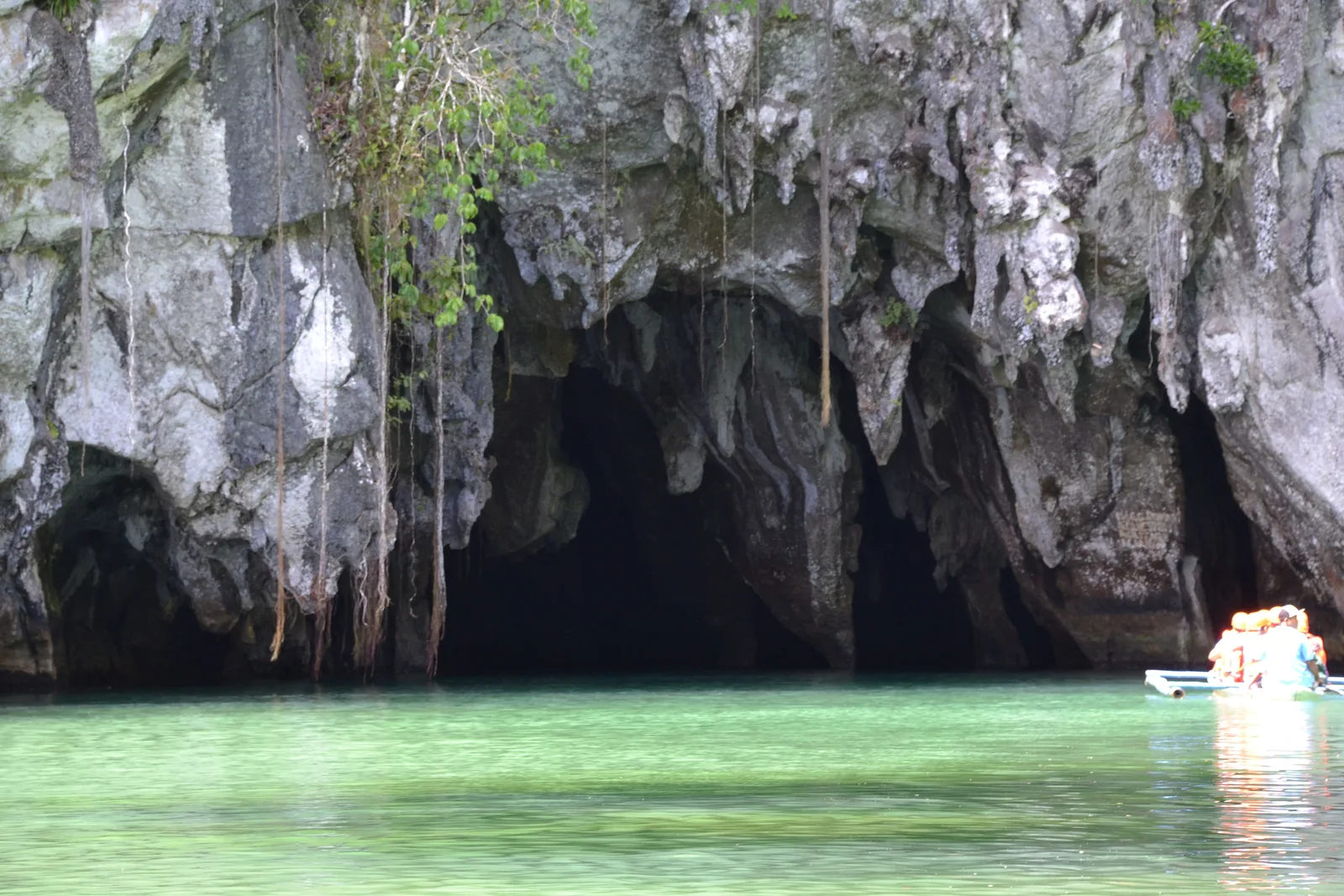
Give Puerto Princesa more than a transfer stop
Puerto Princesa is often treated as the place where a Palawan journey begins rather than a destination in its own right. That misses the contrast that makes it useful: an urban base for meals and everyday services, a departure point for islands and river trips, and a city whose administrative territory reaches far beyond its built-up centre.
The first planning decision is therefore geographical. A hotel described as being in Puerto Princesa might suit a city break, a beach holiday or an Underground River visit, but rarely all three equally. Choose your base around the days you actually want, then check the distance from the airport and the operator’s pickup boundary.
For a first introduction, allow three full sightseeing days if possible, with arrival and departure arranged around them. This is a suggested pace, not a minimum requirement. It leaves room for the river, a different water-based outing and time in the city without turning every evening into preparation for another early start.
Understand the city’s unusually broad footprint
The city government’s geographical profile places Puerto Princesa on Palawan, between San Vicente and Roxas to the north and Aborlan to the south. Its territory faces the Sulu Sea on the east and the South China Sea on the west. Urban and rural barangays belong to the same city, so the administrative name conceals substantial differences in setting.
Think of three separate bases: the urban area for restaurants and practical errands, the Honda Bay departure area around Santa Lourdes, and Sabang on the western side for the Underground River approach. The right address matters more than the word “central” in a hotel description.
The geographical record attached to this destination is not a current census of the walkable centre. Population comparisons can be misleading when they combine dense neighbourhoods, forest and distant coastal communities. For an accommodation decision, use the actual property pin, road journey and services nearby.
A port history with a difficult wartime chapter
City tourism’s historical account dates the Spanish colonial settlement to 4 March 1872 and describes the port’s role in naval operations. Puerto Princesa became a city in 1970. These dates explain its administrative and maritime character; they should not be read as the beginning of human life on this part of Palawan.
Make room for the city’s wartime history. The National Historical Commission’s Plaza Cuartel record commemorates American prisoners of war killed by Japanese soldiers on 14 December 1944. Approach it as a memorial, with time to read the interpretation rather than treating it as another quick photograph.
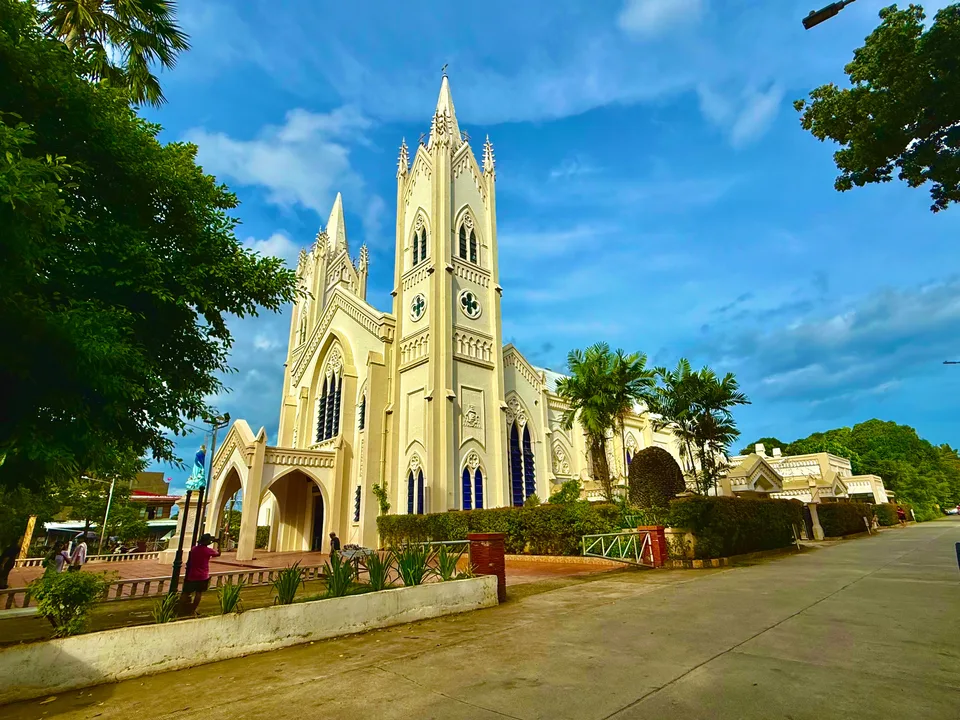
For a nearby architectural reference, city tourism identifies the Immaculate Conception Cathedral on Rizal Avenue and dates its present building to 1961. Confirm current access to both sites locally, including any works or services. A heritage listing establishes significance, not that every part of a site is open today.
Choose an urban base for varied days
An urban hotel is the most straightforward starting point when your plans mix excursions, meals out and errands. Before reserving, send the address to each tour company and ask whether collection is included. Some shared excursions explicitly limit pickup to the city proper, despite the wider administrative boundary.
Check the room category rather than judging the property from its best photograph. Useful questions include window position, stairs, street noise, air conditioning, breakfast time and the availability of a place to dry wet clothing. Travellers arriving early should establish whether luggage can be held before the room is ready.
Keep the first evening close to your accommodation. Find the entrance your driver will use the next morning, identify breakfast arrangements and save contact details offline. For a short stay, this small amount of preparation is more valuable than crossing the city to tick off one additional attraction after a flight.
Resort rooms and Sabang are different holidays
For a resort-based stay near the urban side, compare the specific facilities you will use. Princesa Garden’s room information lists accommodation in Bancao-Bancao and distinguishes pool-access rooms, suites and water villas. It notes that tidal fluctuations mean the water villas are not always surrounded by water. That is a useful reminder to ask what a room’s name actually promises.
Sabang is a separate decision. Marriott locates Four Points Palawan on Sabang Beach and gives its distance from Puerto Princesa International Airport as approximately 70 kilometres. A stay there can support a slower beach-and-park programme; it should not be mistaken for a convenient nightly base for downtown errands.
Compare room price, meals, transfers and excursion arrangements together. Ask about the actual vehicle, child seats and waiting charges for an airport pickup. If splitting a stay, put the urban nights around the journeys or appointments that need them, rather than moving luggage every day.
The Underground River is an ecosystem, not just a cave
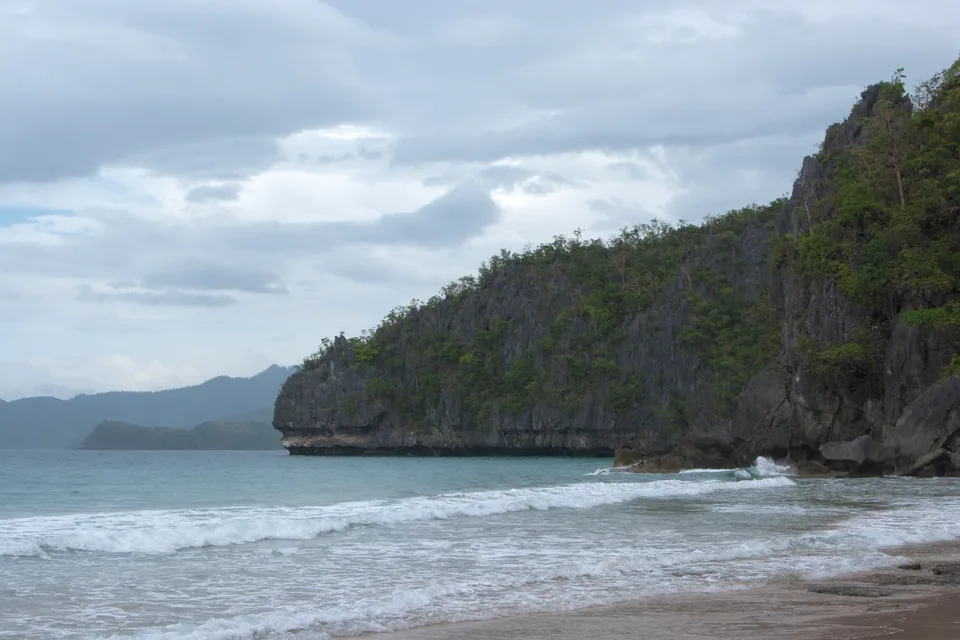
UNESCO’s account of the Subterranean River National Park describes limestone karst, forest and an underground river flowing directly into the sea. Its lower section experiences tidal influence. The property was inscribed on the World Heritage List in 1999 and protects a mountain-to-sea ecosystem.
The river’s total length, commonly given as 8.2 kilometres, is not the length of the ordinary tourist boat trip. Ask the organiser to explain the standard visitor route and what your booking includes. A large number in a destination description should not become an expectation of spending hours travelling through the entire system.
Allow a full day from an urban base. The experience includes getting to the departure area, completing visitor procedures and making the boat movements, as well as the cave visit itself. Do not judge its value solely by the time spent underground. The surrounding forest, coast and conservation explanation are part of the reason to go.
Secure the permit before relying on the itinerary
The park’s entry notice states that a Visitor Entry Permit is required and lists a daily carrying capacity of 900 visitors. It also explicitly warns that travelling directly to the park or staying overnight in Sabang does not guarantee a permit. A room confirmation and a tour admission are separate arrangements.
The February 2026 visitor-handling advisory names the Mendoza Booking Office for obtaining permits before proceeding to Sabang Wharf. Its illustrated instructions also describe a Sabang Information Office counter for specified local accommodation guests and walk-ins. That provision should not be interpreted as assured same-day availability.
Ask for confirmation of the visit date, permit arrangements and what identification you must carry. Make sure names match the documents used for the booking. If travelling independently, confirm current counter procedures directly before setting off. An older tourism page naming a different booking office is insufficient evidence that the earlier arrangement still applies.
Separate the river tour price from additional charges
One current Underground River package advertised by El Nido Paradise starts at ₱2,800 per person. It lists urban hotel pickup, van and boat transfers, a guide, entrance charges, audio material and lunch. It separately excludes a ₱150 Puerto Princesa eco-fee. On those published terms, the example totals ₱2,950 before any other agreed extras.
That is a supplier’s offer checked in October 2026, not a universal official admission tariff. Obtain a final quotation for your date and hotel. The same seller cautions against joining its shared trip on the day of a flight arrival, because delays can prevent participation.
The park’s wharf instructions distinguish boat fees, audio-guide services and environmental charges. Ask which have already been paid and retain the receipts. Clarify cancellation and rescheduling terms before sending a deposit, particularly if you have only one available day. “Entrance included” is less informative than a clear list of each component.
Honda Bay offers a contrasting island day
City tourism’s Honda Bay information identifies the Santa Lourdes departure area and community boat operators. It describes island outings and Pambato Reef interpretation. This is a different landscape and activity from the enclosed river trip: compare it as a day of beaches and snorkelling rather than a substitute cave excursion.
A current seller’s Honda Bay itinerary generally names Starfish, Luli and Cowrie islands, with changes possible because of conditions. It lists transport, boat, lunch, entry charges and a life vest, while excluding a mask and snorkel. Its page contains conflicting prices, so request a written total rather than relying on the cheapest number displayed.
Ask which islands are actually scheduled, the available shade and toilets, and whether anyone can comfortably stay aboard during a swimming stop. Explain mobility needs and swimming confidence before paying. Keep distance from marine life and avoid standing on coral. Choose a manageable programme rather than assuming more landings always make a better trip.
Give an evening to the riverbanks
Firefly watching offers another way to experience the area without adding a second full island day. The city tourism office identifies the Iwahig Community Ecotourism Association as an operator of this experience. Treat it as a quiet wildlife outing, with conditions determining what is visible.
For a price reference, El Nido Paradise’s Iwahig firefly offer lists ₱1,200 per person, including city-proper hotel transfers, guides, paddle boat, entrance and life vest. Its published pickup window is between 5.30pm and 6.30pm. Confirm timing and inclusions for your booking rather than using that window as a general public schedule.
Bring a light layer and insect protection appropriate to your needs, and ask how to protect equipment from rain. Follow the guide’s instructions about lights, noise and photography. Do not buy the experience on a promise of a specific number of insects or a photograph matching promotional images. Its appeal is observing a living river environment.
Balance excursions with time in the city
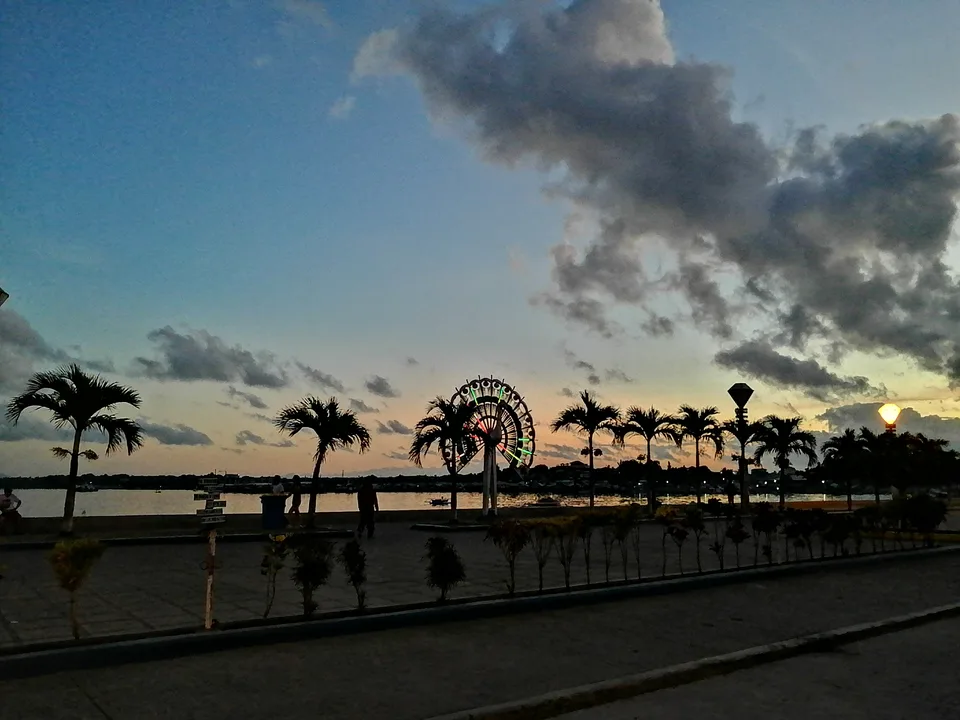
The Baywalk can provide a simple change of pace after a structured excursion. City tourism describes a waterfront promenade and food stalls. Visit with flexible expectations about vendors and activity on the particular day, and allow yourself time to sit rather than immediately move to the next stop.
For something more active, the tourism office describes the climb and zipline at Ugong Rock in Barangay Tagabinet. Establish current opening arrangements, physical demands, equipment and charges before adding it to a river excursion. An optional activity should fit the group’s energy and the day’s schedule, not become an obligation because it lies along a tour route.
Keep one part of the visit unscheduled. It can absorb a delayed return, a rainy afternoon or the desire to repeat a meal. When assessing a possible move, use that time for ordinary errands and a commuting trial. The daily experience of a city emerges through those routines as much as through its headline sights.
Find the Vietnamese connection at the table
Puerto Princesa’s food has a story beyond an island lunch. The city tourism office’s cultural overview links Vietnamese settlement at Vietville with rice noodles known locally as chao long. Trying a bowl creates an opening to learn about that connection without reducing local food to a list of novelty dishes.
Ask a host for currently operating places near your route and compare menus before ordering. Check the broth, meat and condiments if you have dietary restrictions. An apparently simple noodle dish can contain ingredients that are not obvious from its name. Make allergies explicit and ask whether separate preparation is possible.
For fish and other seafood, establish whether the displayed price is per portion or by weight and whether cooking attracts another charge. On a tour, confirm whether lunch is included and when it is served. Carry drinking water and choose food appropriate to your health needs. There is no requirement to sample a raw or unfamiliar ingredient to have a worthwhile local meal.
Budget by day type rather than a single average
Build separate budgets for an urban day, a river day and an island day. Start with your actual accommodation quotation, then add transport and activities for each date. The published river and firefly examples above are useful comparison points; they do not establish the price of every provider or the cost of an entire holiday.
Look closely at family room terms. Princesa Garden’s published occupancy information distinguishes children sharing a room from breakfast entitlement. Ask every property to quote the total for the actual ages and sleeping arrangements, including any extra bed, meals and transfers. A room apparently fitting the family may still have additional costs.
For shopping, buy items whose maker, materials and price you can establish. Check airline baggage limits before purchasing bulky souvenirs or food gifts. Ask sellers about card charges and keep some cash for agreed balances. Retain a contingency for rescheduling or an extra night instead of spending the full budget on prepaid activities.
Fly into PPS and plan the onward journey
Philippine Airlines’ Manila–Puerto Princesa route page provides a direct place to check dated flight availability. The airport code is PPS. Confirm the operating flight, baggage allowance and terminal shown on the itinerary; an airline’s route page does not guarantee your preferred departure or a particular fare.
Arrange the first ground transfer using the property’s exact address. A short urban hotel journey and a Sabang transfer are different products. Request a quotation that identifies the vehicle, luggage capacity, waiting allowance and destination, especially when arriving late or with children.
If you are continuing through Palawan, compare the complete route rather than airfare alone. A cheap arrival can still require a long road day and an overnight stop. Keep flight connections and major excursions on separate days where possible. Save the hotel contact, booking details and arrival instructions offline so that a connection problem does not leave you searching at the terminal.
Local transport should follow the day’s geography
City tourism describes tricycles, hired vehicles and public road services for journeys around the area. Its older published fares are not treated here as current tariffs. Ask the accommodation or transport provider for the present charge, including whether it applies to one passenger or the vehicle.
For a sightseeing day, group stops by direction and agree the duration, waiting time and return point. A low one-way quote tells you little about the cost of a vehicle that waits through several visits. For Sabang, the tourism office’s access description confirms the separate road and boat stages; allow for both rather than treating the park as an urban attraction.
Accessibility needs specific arrangements. Explain difficulties with steps, balance, prolonged sitting or transfers between shore and boat before booking. Ask for current photographs if an entrance or bathroom matters to your decision. Hotel accessibility and excursion accessibility must each be checked; one cannot stand in for the other.
Choose seasons with both coasts in mind
The city’s geographical profile describes different rainfall patterns on its two coasts: a longer drier period around November to April on the western side, and a shorter dry period around January to April on the east. It identifies March, April and May as warmer months. These are broad climatic patterns rather than a forecast for your stay.
Plan water activities around the conditions and operating advice on the day. A sunny interval does not establish safe sea access, and a rainy morning does not tell you what every part of the city will experience. Leave room to exchange the order of excursions.
Pack for heat, humidity and rain without bringing so much that transfers become difficult. Protect documents and medication, and make drying space a practical accommodation consideration. If a particular excursion is the main reason for travelling, understand its cancellation policy and leave a replacement day rather than expecting the season to eliminate uncertainty.
A four-night visit with three full days
Arrival evening: settle into an urban base, eat nearby and confirm the following day’s arrangements. Avoid attaching a shared river tour to a flight arrival. Keep the first evening useful and restful.
First full day: visit the Underground River with the required permit and a complete understanding of the charges. Leave the evening free after the return journey. If the trip cannot operate, use a city day and move the excursion when availability allows.
Second full day: choose Honda Bay if an island outing appeals, or make a more relaxed programme around heritage and food. Consider firefly watching on an evening when the group has enough energy, rather than automatically adding it after the longest day.
Third full day: take the remaining city visits, follow a particular food interest or spend time around the accommodation. This also functions as a contingency day. Before departure, confirm the vehicle and airport timing. If staying in Sabang instead, rebuild the itinerary around that base rather than repeating daily transfers to the urban area.
Test housing, utilities and commuting before moving
A relocation trial should answer ordinary questions: where you will shop, how you will travel to work, how bills are paid and what happens when a service is interrupted. Choose temporary accommodation first, then inspect a potential home at different times of day and after rain if possible.
Request the proposed lease, deposit conditions and a clear division of maintenance responsibilities. Verify the exact unit, landlord’s authority, meter arrangements and outstanding bills. Representative current rental data was not available for this guide, so a destination-wide monthly rent estimate would give false precision.
For electricity, PALECO publishes connection requirements through its members’ services process. Ask which arrangements already exist and which the owner must complete. The Puerto Princesa water district’s payment guidance lists its centres and partner channels, including timing requirements before due dates. Confirm service at the actual property, water storage and drinking-water arrangements; a utility account alone does not answer every household question.
Healthcare, schooling and immigration are separate decisions
Test internet access from the proposed home during your working hours and confirm a backup suitable for essential calls. Families should obtain written school information on places, curriculum, fees and transport before committing to a neighbourhood.
Palawan Coop Hospital describes a 24-hour emergency service, triage and referral arrangements. Discuss ongoing treatment and insurance directly with providers. A hospital’s presence does not establish immediate specialist availability or cashless cover for a particular policy.
For international arrivals, official eTravel registration is free and can be completed within 72 hours before arrival. It is separate from immigration permission. Tourist extensions, student status and marriage-based residence have distinct official procedures; employment also needs the appropriate immigration and labour assessment. Resolve the correct route before turning a trial stay into a move.
Use VisaWand’s Philippines country guide and visa destination information for wider planning. Compare El Nido’s guide and Manila’s guide, or browse the city and settlement directory. For individual immigration questions, the consultant directory can help identify relevant professional assistance; check credentials and the proposed service before engaging anyone.
Official planning resources
Reviewed 16 October 2026. Use the official resources linked throughout this guide for admission, transport, housing and immigration decisions. Prices, services and rules can change; confirm the details relevant to your dates. Photography illustrates the locations and is not a live view.
View all official resources
- City government: geography and climate
- City tourism: Puerto Princesa history
- NHCP: Plaza Cuartel historical marker
- Princesa Garden: room categories and occupancy terms
- Marriott: Four Points Palawan in Sabang
- UNESCO: Puerto-Princesa Subterranean River National Park
- Underground River park: entry-permit notice
- Underground River park: February 2026 wharf procedure
- El Nido Paradise: Underground River tour terms
- City tourism: Honda Bay and community boat operators
- El Nido Paradise: Honda Bay tour inclusions
- City tourism: community experiences and Baywalk
- El Nido Paradise: Iwahig firefly tour
- City tourism: heritage and Vietnamese food connections
- Philippine Airlines: Manila–Puerto Princesa flights
- City tourism: Underground River access and Sabang
- PALECO: electricity connection requirements
- Puerto Princesa water district: billing and payment
- Palawan Coop Hospital: emergency services
- Philippine eTravel: official registration FAQ
- Bureau of Immigration: tourist stay extensions
- Bureau of Immigration: student visa
- Bureau of Immigration: marriage-based immigrant visa
Plan the next part of your journey
Explore the Philippines guide, browse other cities or compare consultants for your travel and relocation questions.