Visa
Give Lima time beyond the airport
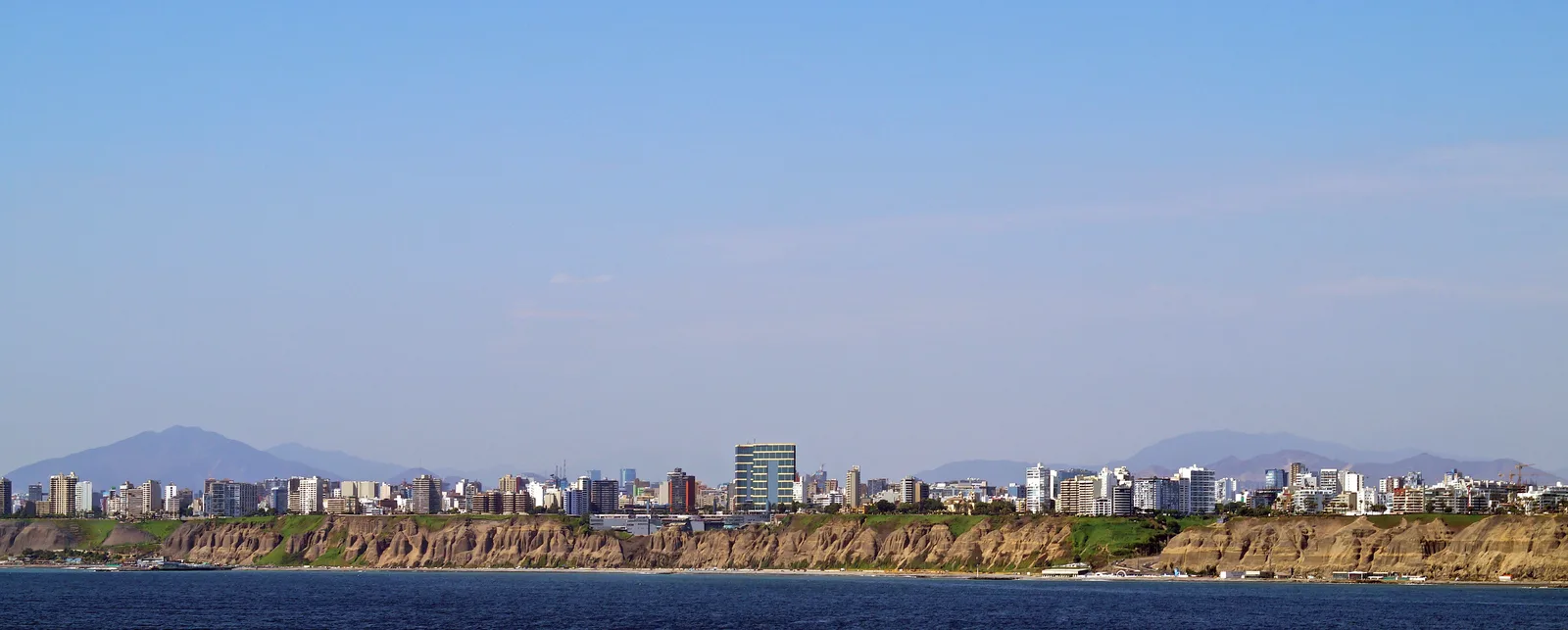
Lima rewards travellers who leave space between meals, museums and the ocean. An adobe pyramid rises among apartment blocks in Miraflores; colonial balconies overlook the historic centre; Barranco’s bridge leads towards cafés and galleries. The ingredients for a memorable visit are close together on a list, but spread across a substantial, busy metropolis. Choosing a sensible base matters as much as choosing attractions.
Allow three full days for a satisfying introduction, or four if archaeology and art are priorities. A single overnight connection usually permits one district and a meal, rather than a comprehensive city tour. Use VisaWand’s Peru country guide for national planning alongside this city guide. Lima is also a practical place to investigate a longer stay, provided housing decisions follow the actual commute rather than a holiday itinerary.
Understand the capital’s geography
Peru’s capital occupies the Pacific coast, with its historic centre in the Rímac valley. Callao, where Jorge Chávez International Airport is located, belongs to the connected metropolitan area but has its own administrative identity. A booking described simply as “Lima airport” therefore tells you little about its usefulness for a Miraflores holiday or a central business appointment.
Think in clusters: the historic centre for colonial architecture, Pueblo Libre for Museo Larco, Miraflores for coastal walks and visitor services, and Barranco farther south for art and evening outings. San Isidro supplies another accommodation option. VisaWand’s Peru location directory helps locate other places; it is a directory, rather than a promise that every listed destination already has a completed guide.
Read the history in the buildings
Spanish Lima was founded in January 1535 on territory already occupied by the Rímac chiefdom. Its later position as the Viceroyalty of Peru’s capital brought religious institutions, administrative power and elaborate architecture. That colonial narrative sits above a much longer history, visible in archaeological sites embedded within the modern city.
The UNESCO Historic Centre of Lima record explains the collaboration between local craftspeople and European builders, and the repeated rebuilding after earthquakes. Look for enclosed wooden balconies, courtyards and contrasts between heavy lower walls and lighter upper construction. The World Heritage inscription dates to 1988, with a major extension in 1991. These dates refer to the heritage property, rather than the age of every building surrounding the main square.
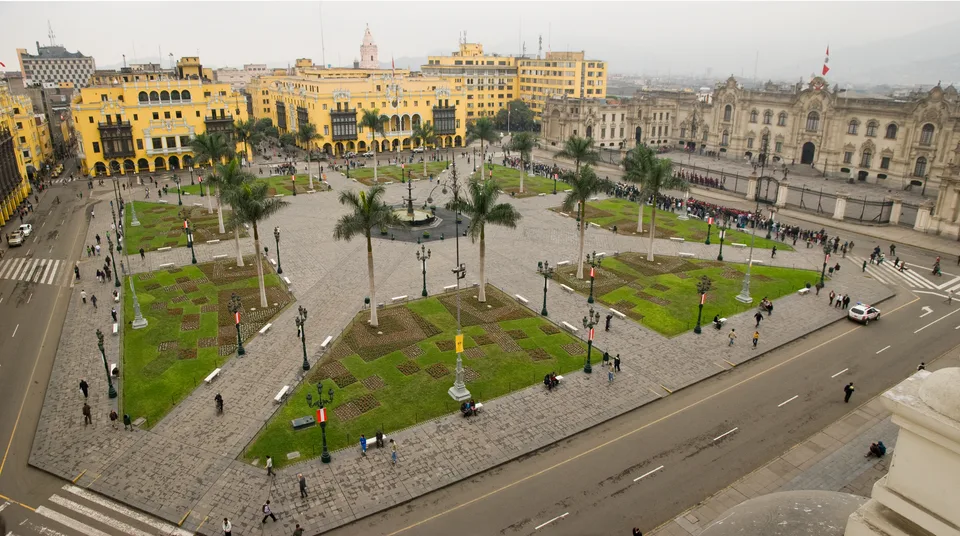
Explore Plaza Mayor and the historic centre
Begin around Plaza Mayor, also called Plaza de Armas, where the cathedral and surrounding civic buildings establish the scale of colonial Lima. Continue through nearby streets towards the San Francisco ensemble. Concentrating on this area allows time to notice doorways and balconies instead of spending the morning repeatedly entering vehicles.
Keep access plans flexible. Worship, official activity, demonstrations and security measures can affect the streets and individual buildings. Choose the interior visit that interests you most and confirm its opening before travelling across town. A square seen from outside and a paid museum or church visit are different experiences. Reserve additional time for the latter, and avoid assuming that a photograph of an open doorway establishes public admission that day.
Choose a visitor base in Miraflores
Miraflores makes an approachable first base when the priority is restaurants, accommodation choices and walks above the Pacific. Parque Kennedy and the Larco corridor offer a different setting from the clifftop malecón: the first suits everyday errands, while the second suits unhurried sea views. Check the exact address against the places you expect to use.
The official Lima visitor overview identifies Miraflores among the main accommodation districts. That convenience does not remove traffic or street-crime risks. Ask about nighttime noise, window orientation and the route from your airport-bus stop. A room close to a busy restaurant street can be convenient for dinner but less suitable for light sleepers or an early departure. Ocean-facing accommodation also does not necessarily provide easy beach access.
Visit Huaca Pucllana with its earlier history in mind
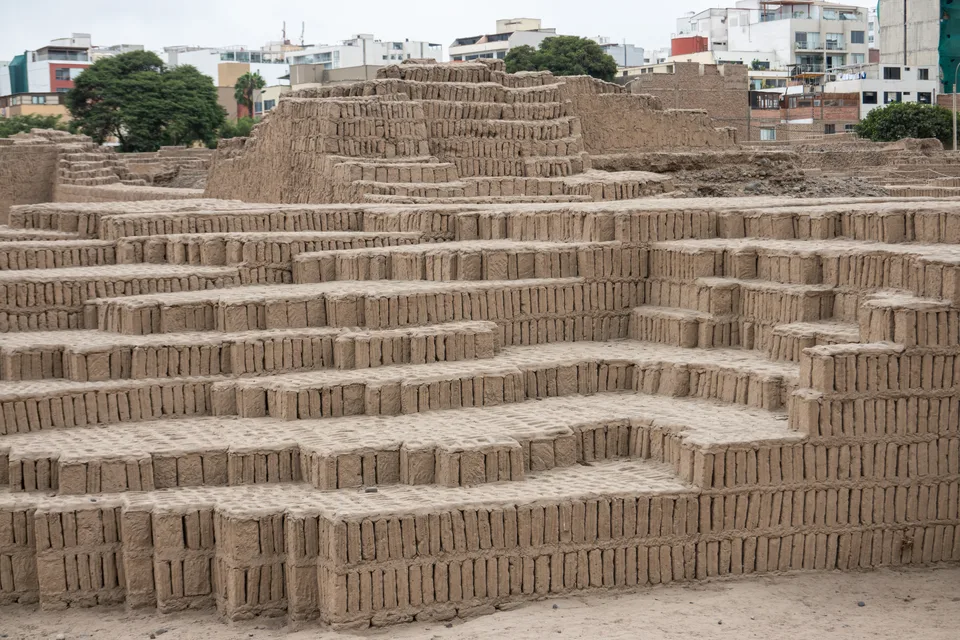
The municipal Huaca Pucllana visitor page dates this Lima-culture ceremonial centre to roughly AD 450–650, with later Wari and Ychsma use. Its ranks of handmade adobe bricks make the city’s precolonial history tangible. A guided archaeological circuit provides more context than simply photographing the pyramid from outside.
General admission is S/15 for a daytime visit and S/17 at night. Daytime opening is normally 9am–5pm, with Tuesday closed. Evening visits require reservations; official pages differ slightly about their starting time, so confirm the appointment directly rather than arriving at an assumed opening. Ask about the walking surface and accessible alternatives when booking. An accessible interpretive space does not mean that every archaeological terrace can accommodate every visitor’s mobility needs.
Let Barranco occupy an afternoon and evening
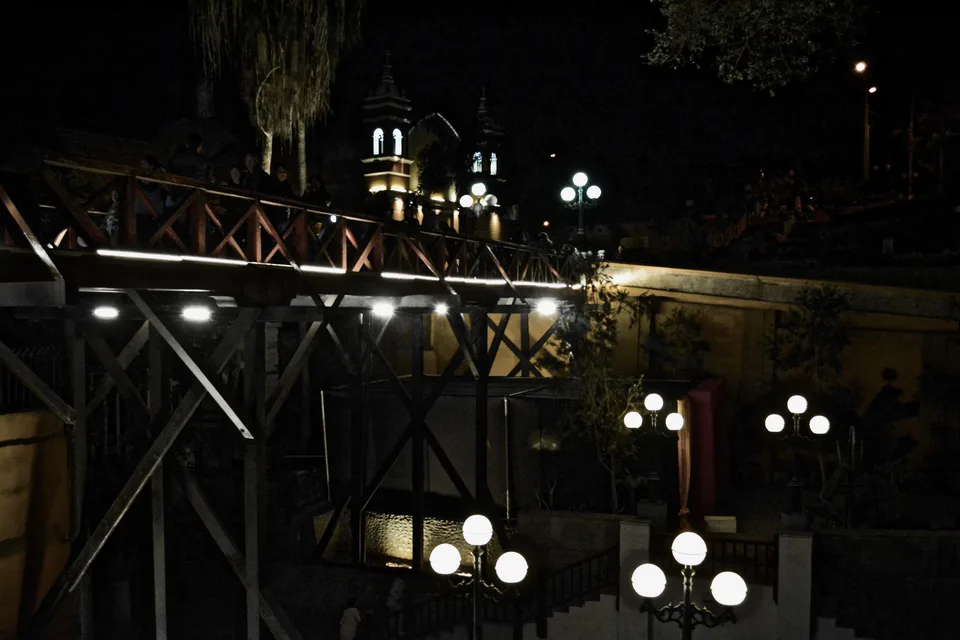
Barranco suits a slower change of pace: murals, galleries, older houses and places to stop for coffee. Around the Puente de los Suspiros and Bajada de los Baños, the attraction is the relationship between the bridge, pedestrian route and surrounding streets. Give yourself permission to linger rather than turning the district into a rapid photograph stop.
Visit the neighbourhood in daylight first, then stay for dinner if its atmosphere appeals. Choose a return journey before the evening becomes late. Gallery exhibitions and opening days vary, so select a specific venue only after checking its programme. Walking between nearby sights is straightforward to plan; walking back across unfamiliar stretches of the wider city after dark requires a different judgement. Use a booked vehicle where appropriate.
Make Museo Larco a deliberate excursion
In Pueblo Libre, Museo Larco’s visitor information lists a collection spanning ancient Peruvian cultures, visible storage and the Checan gallery. Its gardens offer a break between rooms. Grouping these experiences into one excursion is more rewarding than squeezing the museum between distant appointments.
The museum normally opens daily, 9am–7pm. General admission is S/50 on site and S/45 online. At review, its website reported online-ticketing problems and offered the online rate at the ticket office; check whether that arrangement remains in place. Holiday hours need separate confirmation. The entrance is on Navarra Street, off the museum’s Simón Bolívar address. Ramps, accessible toilets and loan wheelchairs are listed, useful details to discuss directly if assistance is needed.
Use MALI to connect the artistic timeline
The Museo de Arte de Lima visitor page places MALI in Parque de la Exposición, with access from the Central Metropolitano station area. Its collections and temporary exhibitions provide a broader artistic framework alongside the archaeological emphasis of Pucllana and Larco. Choose this museum when understanding changes across periods matters more than adding another monument.
Foreign general admission is S/40; the S/15 general rate applies to Peruvians and residents. Do not build a visitor budget around the resident price without qualifying. Normal hours are Tuesday–Sunday, 10am–6pm, with Saturday closing at 5pm and Monday closed. There are holiday exceptions. The museum lists ramps, lifts and adapted bathrooms. Check the current exhibitions before deciding how much of the day to allocate.
Consider San Isidro for a different daily rhythm
San Isidro is worth comparing when your meetings or intended home lie there. Its Bosque El Olivar park offers a useful green-space reference point, but the whole district should not be treated as one interchangeable accommodation zone. A property near your workplace can be more useful than one chosen only for its district name.
Compare walking routes to groceries, cafés and transport, then inspect the streets at the hours you would actually use them. Miraflores may fit a first sightseeing visit better; Barranco may appeal for galleries and evenings out. For an extended stay, proximity to a particular school, office or regular appointment can outweigh the appeal of either. Test those journeys before committing to a lease.
Arrive at the correct airport terminal
Jorge Chávez’s new terminal entered full operation on 1 June 2025, with access through Morales Duárez rather than the old terminal approach on Faucett. The official tourism agency’s airport information establishes that change. Confirm the current vehicle entrance and meeting point with your driver; saved instructions from an earlier visit may direct you to the wrong place.
Use Lima Airport’s official passenger website for current flight and terminal notices. Allow a substantial margin for immigration, baggage collection and road congestion. A short advertised driving time is unsuitable as a guaranteed connection window. For an overnight transfer, compare a genuinely convenient airport-area property with the cost and time of travelling to the coastal districts, especially if your next flight leaves early.
Compare airport buses with a booked transfer
Airport Express Lima’s stop directory lists four Miraflores stops, including the Marriott opposite Larcomar and Parque Kennedy. Select the stop nearest your actual accommodation, then check the travel-day timetable: airport-bound weekday and weekend schedules differ. Leave room for the final walk or short vehicle connection with luggage.
The operator’s ticket page advertises fares from S/15 under a promotion requiring at least two passengers with boarding passes for the same flight. A solo traveller should check the applicable fare rather than assume that headline price. ATU’s AeroDirecto route information describes six services linking the airport with other parts of Lima and Callao. They are different routes from the Miraflores coach; compare the destination and any onward transfer before choosing.
Plan city journeys around routes rather than distance
The Metropolitano bus system can be useful between the coastal districts and central Lima, depending on the station and service. ATU lists a general trunk fare of S/3.20 and an integrated trunk-plus-feeder fare of S/3.50. Check the appropriate card and route before entering, especially if you are unfamiliar with express services.
Rail, Metropolitano and other buses should not be assumed to share one universal visitor ticket. Use the relevant operator’s current information for the journey you need. For a booked taxi, confirm the destination and pickup point before boarding. Travel across town at the time of a planned appointment if testing a future commute. A short distance on the map can still represent a demanding daily journey.
Follow the coast without promising a beach holiday
The clifftop malecón provides a different perspective on Lima from the historic centre. Plan a stretch in Miraflores, with pauses for the Pacific view, rather than setting an unnecessarily long distance target. Sea mist can change visibility, and the route above the cliffs is distinct from the shoreline below.
Surfing is among the activities promoted by Peru’s official Lima tourism page. If you want a lesson, check the operator’s supervision, equipment, conditions and insurance requirements directly. A coastal address alone does not establish suitable swimming conditions. For visitors using a wheelchair, travelling with a pushchair or avoiding steep climbs, confirm the precise access route before descending towards a beach. Allow enough energy and daylight for the return.
Eat across Lima’s different culinary traditions
Lima’s food makes sense as a conversation between coastal ingredients and Indigenous, African, European and Chinese influences. The official overview of Lima cuisine explains dishes such as ceviche, tiradito, causa, anticuchos and arroz chaufa. Anticuchos commonly use beef heart; asking about ingredients is more useful than assuming every skewer is familiar grilled meat.
Build meals around variety: seafood on one occasion, a chifa meal on another, then a simpler café or neighbourhood lunch. Visitors who avoid raw fish can choose cooked dishes without losing the opportunity to explore local food. Explain allergies clearly and ask about stocks, sauces and preparation. Reserve any particular restaurant you consider essential through its own booking channel, and check the full menu price before arranging the rest of the day around it.
Shop with provenance and luggage space in mind
Barranco’s galleries and boutiques suit browsing for contemporary design, while Miraflores offers convenient retail and everyday shopping. Separate a work sold by its maker from a mass-produced souvenir. Ask what a textile contains, who made an object and whether the seller can provide a receipt explaining the purchase.
Avoid buying apparent archaeological objects or anything whose legal export status is unclear. Choose modern work with a straightforward provenance instead. For gifts, consider how fragile ceramics, framed pieces or food products will travel, and check your destination’s import rules before paying. Longer-stay visitors should also explore ordinary shops near a prospective home: access to groceries, toiletries and household supplies matters more frequently than access to souvenir stalls.
Budget by the days you actually plan
Use soles when comparing local charges, and keep transport, meals and accommodation as separate budget lines. As a concrete example, a foreign adult paying standard on-site rates for daytime Pucllana, Larco and MALI would spend S/105 on those three admissions. That total excludes transport, food, special tours and any eligible discount.
Hotel and restaurant prices depend on the room, date and menu, so obtain quotes for your own stay rather than rely on an unsupported citywide daily average. Compare whether breakfast, taxes, cancellation and airport transport are included. Carry small notes for modest purchases and use cards where accepted. A lower room rate across town can lose its advantage through repeated vehicle journeys, particularly for a short visit with limited time.
Match the season to your priorities
Lima’s coastal setting produces a different seasonal experience from Peru’s mountains. Summer generally brings warmer, brighter conditions; the cooler part of the year is associated with coastal cloud and fine garúa drizzle. A grey morning does not invalidate a museum-and-food itinerary, but it can change the appeal of a day devoted to ocean views.
Check SENAMHI’s Lima and Callao forecast close to departure. Its 2026 coastal outlook warned of temperatures well above normal during winter, a reminder that seasonal expectations are not a precise forecast. Pack layers and sun protection, then adjust outdoor plans to actual conditions. If continuing to the Andes or Amazon, prepare for those destinations separately rather than treating Lima’s weather as representative of the whole country.
A realistic three-day introduction
Day one: settle into Miraflores, walk a manageable section of the malecón and visit Pucllana if its opening day fits. Keep the evening close to your accommodation after an international arrival. Day two: devote the morning to the historic centre and choose one interior visit, then add MALI only if your energy and its schedule allow.
Day three: visit Museo Larco in Pueblo Libre, return towards the coast and spend the later afternoon in Barranco. This involves transfers, so keep dinner arrangements flexible. With a fourth day, slow the programme or choose a separate excursion. Move museum visits around Monday and Tuesday closures. If you have only one full day, choose either the historic centre or the Miraflores–Barranco area rather than racing through both.
Look at housing through the commute
For a move, start with temporary accommodation and inspect homes in person. Record the door-to-door journey to work or study, including walking, waiting and transfers. Repeating that test during a normal working day reveals more than a weekend viewing or an optimistic journey planner.
Check the landlord’s identity and authority to rent; SUNARP’s information on property-record checks offers a starting point for understanding registered ownership. Read the lease’s currency, deposit, notice, repair and inventory terms with appropriate professional help. Compare total housing costs, including building maintenance, parking and utilities. Inspect ventilation, damp, water pressure, lift access and street noise. Ask which furnishings and appliances remain, and document their condition before accepting responsibility for them.
Compare a serviced apartment with an ordinary furnished rental when the length of your stay remains uncertain. Ask whether visitors, pets, laundry and working from the property are permitted. For any apartment, check the entrance from the street as carefully as the photographs of the living room. Someone arriving with children, luggage or limited mobility needs a workable route through the lobby, lift and final doorway, including when assistance is unavailable.
Set up essential services before settling in
Ask the landlord to show recent electricity and Sedapal water-account bills and explain how charges are divided within the building. Establish whether internet is already installed, which company serves the address and whether the service supports your actual work needs. Confirm mobile activation documents with an authorised operator; OSIPTEL’s identity-check rules mean visitors should not assume any passport automatically secures a local line.
For families, investigate school language, admissions and travel arrangements before choosing a long lease. Identify a suitable clinic through SUSALUD’s authorised healthcare-facility register, then separately confirm your insurance network. Keep prescriptions and records available. Legal residence, school admission and healthcare coverage are separate arrangements; completing one does not automatically settle the others.
Distinguish tourism from work, study and residence
Check the Peruvian Foreign Ministry’s tourist-visa requirements for your nationality and documents. Where passport entry applies, Migraciones advises at least six months’ passport validity, plus a visa when required. Some regional arrangements allow other identity documents, so confirm the rules that apply to you rather than generalising from another traveller’s experience.
The actual authorised stay recorded at entry matters; an upper limit of 183 days is not a promise that every visitor receives it. Official extension wording is inconsistent, so confirm directly with Migraciones before relying on additional time. Employment, study, family residence and permanent residence follow separate immigration categories. A tourist admission or property lease does not itself authorise working. Use VisaWand’s consultant listings to find professional assistance and check the adviser’s relevant credentials.
Build practical safety into the itinerary
The FCDO’s Peru security advice notes crime in tourist districts and possible restrictions around demonstrations in central Lima. Keep valuables discreet, avoid checking your phone at the roadside and use a reputable booked vehicle for late journeys. At the airport, use official transport desks rather than unsolicited approaches. Check local notices before a historic-centre excursion.
For a longer stay, follow INDECI’s earthquake-preparation guidance and learn the building’s evacuation arrangements, with particular attention to coastal tsunami routes where relevant. Keep an emergency kit suited to the household. Arrange insurance and follow current health advice on food, water and necessary treatment. The medical emergency number is 106. Ask about accessible facilities and assistance in advance rather than assuming that every museum, pavement or vehicle can meet the same needs.
Choose the next destination for a different experience
South of the central visitor districts, Pachacamac’s official museum website introduces the archaeological sanctuary in Lurín. Give it a dedicated excursion with transport arranged and current access checked. Do not confuse this extensive sanctuary with the urban site at Pucllana, or assume the museum’s advertised activities all operate every day.
Caral’s official visitor introduction provides another archaeological option north of Lima, requiring its own substantial travel allowance. Avoid combining northbound and southbound excursions into an implausible sightseeing day. For a wider trip, compare destinations through VisaWand’s Peru destination page and its location pages for Cusco and Arequipa. These are location listings, with separate travel, weather and health planning required. Lima works best when given its own days, with meals and museums treated as reasons to stay rather than gaps between flights.
Official planning resources
Reviewed 15 October 2026. Use the official resources linked throughout this guide for admission, transport, housing and immigration decisions. Prices, services and rules can change; confirm the details relevant to your dates. Photography illustrates the locations and is not a live view.
View all official resources
- PROMPERÚ: Lima destination information
- UNESCO: Historic Centre of Lima
- Miraflores municipality: Huaca Pucllana visits
- Ministry of Culture: Pucllana site museum
- Museo Larco: current tickets, access and opening
- MALI: admission, exhibitions and accessibility
- PROMPERÚ: Barranco Bridge of Sighs
- PROMPERÚ: Barranco arts and coastal walks
- San Isidro municipality: Bosque El Olivar
- Lima Airport: official passenger information
- PROMPERÚ: new airport terminal and Morales Duárez access
- Airport Express Lima: tickets and promotion conditions
- Airport Express Lima: Miraflores stops
- Airport Express Lima: travel-day timetables
- ATU: six AeroDirecto routes operating in 2026
- ATU: Metropolitano fares and card rules
- PROMPERÚ: Lima cuisine and ingredients
- SENAMHI: Lima and Callao forecasts
- SENAMHI: unusually warm coastal winter in 2026
- Foreign Ministry: tourist visa applications
- Migraciones: passports and authorised tourist stays
- Migraciones: resident visas by activity
- SUNARP: checking registered property ownership
- Sedapal: water accounts and service information
- SUSALUD: checking authorised healthcare facilities
- INDECI: earthquake preparation
- FCDO: security, taxis and travel disruption
- FCDO: health planning and emergency treatment
- Ministry of Culture: Pachacamac museum
- PROMPERÚ: Caral archaeological destination
- OSIPTEL: mobile-service identity checks
Plan the next part of your journey
Explore the Peru guide, browse other cities or compare consultants for your travel and relocation questions.