Visa
Let Arequipa be a destination in its own right
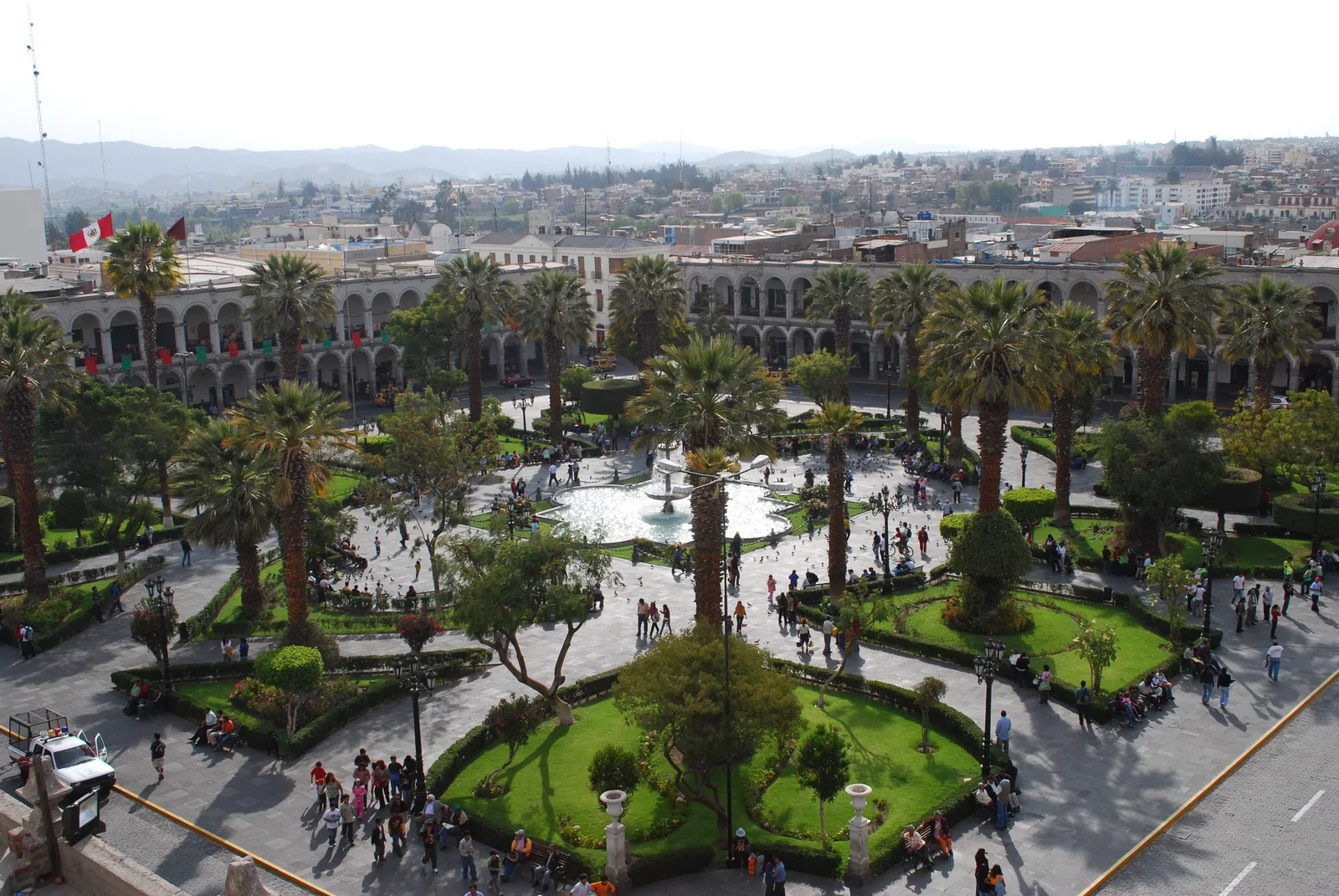
Arequipa's appeal begins with its setting: a substantial southern Peruvian city, volcanic scenery and a historic centre whose pale stone changes character as the light moves across it. The Plaza de Armas, religious courtyards and regional cooking can comfortably fill several days. Visitors who treat it only as a departure point for Colca risk seeing little beyond a hotel reception and an early-morning tour vehicle.
Plan the city stay first, then decide whether to add a separate valley or mountain journey. A central base suits someone interested in museums, meals and walking; a longer stay needs closer attention to traffic, housing and everyday services. VisaWand's Peru guide supplies wider country context, while the Peru destination page provides a starting point for visa and consultation information. This guide focuses on the choices that matter on the ground, without treating a holiday booking as a route to employment or residence.
Read the city through its stone and courtyards
The UNESCO account of Arequipa's historic centre explains the integration of European designs and Indigenous building skills in volcanic sillar, including white and pink stone. The centre entered the World Heritage List in 2000. Its thick walls, vaults, courtyards and decorated facades reflect cultural exchange and the demands of an earthquake-prone setting. The Spanish foundation in 1540 followed earlier communities farming the valley.
That history gives a walk more substance than a sequence of attractive facades. Pause at the relationship between a street entrance and the courtyard beyond, and notice how carved details sit within heavy masonry. Buildings remain places of worship, work and daily activity, so access varies and a doorway is not automatically an invitation inside. A guided walk can help interpret the craftsmanship and social history. Choose one that explains its route and language, and allow time afterwards to revisit the places that particularly interest you.
Choose a base according to the journeys you want
For a short first visit, accommodation within a comfortable walk of the Plaza de Armas can reduce the time spent arranging rides. Check the actual street and entrance rather than judging solely by a “historic centre” label. A courtyard hotel may have stairs, an upstairs room or noise from shared areas; an old building's character does not establish its accessibility or sound insulation.
San Lázaro offers another part of the historic urban fabric to investigate. Across the river, Yanahuara provides a different setting and viewpoint; farther residential areas may suit a particular workplace or institution better than sightseeing. These choices depend on the precise address, not a blanket ranking of districts. Mark your essential destinations and compare a normal day's journeys. For a longer stay, test the trip at the time you would actually commute. A lower rent can lose its advantage when every meal, appointment or class requires another ride.
Begin with the Plaza de Armas and nearby streets
The official PROMPERÚ destination page places the Plaza de Armas at the start of a classic city visit, with the cathedral and arcaded buildings forming its central scene. Use the square as an orientation point, then explore in short loops rather than attempting every monument immediately. It is worth returning at a different time of day to see the same architecture under different light.
Church access and museum visits need separate consideration: worship, visitor admission and a guided tour may follow different arrangements. Ask before entering restricted spaces or taking interior photographs. Build in time for a drink or meal instead of treating each stop as a quick photograph. If walking is tiring, keep the first route short and arrange a return before fatigue makes the decision for you. Uneven surfaces, steps and busy crossings matter more to a day's enjoyment than the straight-line distance between attractions on a map.
Give Santa Catalina a substantial part of the day
Santa Catalina deserves time for its internal streets, courts and contrasting colours. The monastery's official hours and prices list foreign adult admission at S/50 and admission for foreign visitors aged seven to 18 at S/30; children under seven enter free with an adult. The published daily schedule is 9am–5pm, with extended Tuesday and Wednesday visits until 8pm and last entry at 7pm on those evenings. It closes on Good Friday, Christmas Day and New Year's Day.
The same page suggests around one and a half to two hours for an independent visit. Arrive with enough time to enjoy the sequence of spaces rather than relying on the final admission time. Photography is permitted, with no flash indoors. Use the monastery's visitor information and contact team for specific access requirements, including steps and suitable routes. Compare guided and independent arrangements before buying, and establish any additional guiding charge. A historical complex can be rewarding without every visitor following exactly the same route.
Choose a museum for its subject, not just its proximity
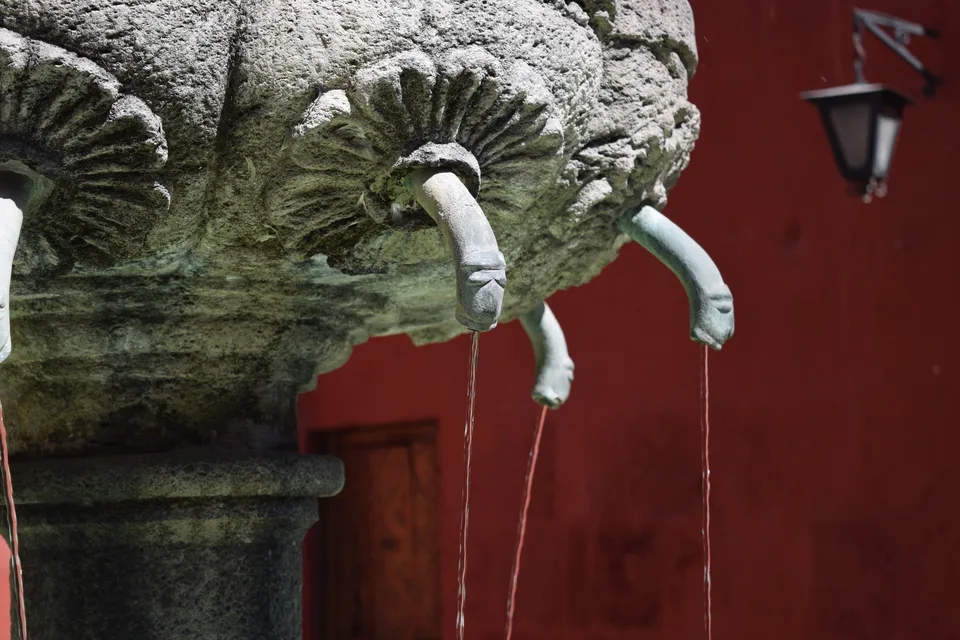
Arequipa offers different ways to explore the past. PROMPERÚ's official museum overview highlights Juanita, associated with Inca high-altitude ritual, as well as religious and colonial collections. Santuarios Andinos is an appropriate place to investigate that archaeological subject; Santa Teresa offers a different emphasis through religious art. Choose according to your interests rather than assuming all museum visits tell the same story.
For Santuarios Andinos, confirm the current display, guided arrangements, language, opening and admission directly before going. A familiar photograph or an older account does not guarantee that a particular object is on view throughout the year. Human remains deserve a thoughtful approach, with attention to the person, cultural context and archaeological interpretation. Do not assume photography is allowed. No reliable current museum tariff was established for this guide, so it is better to budget from the institution's answer than repeat an old price as though it were today's admission.
Cross to Yanahuara for a different perspective
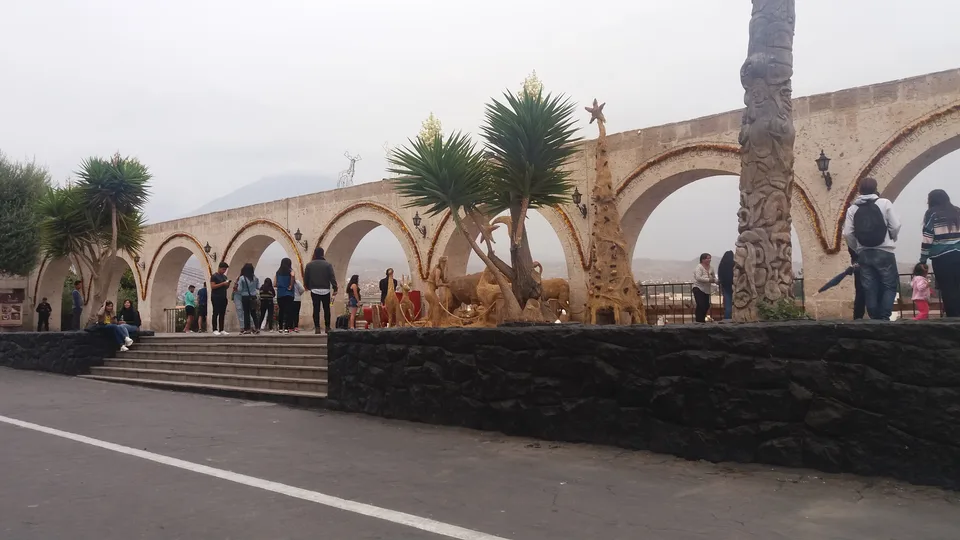
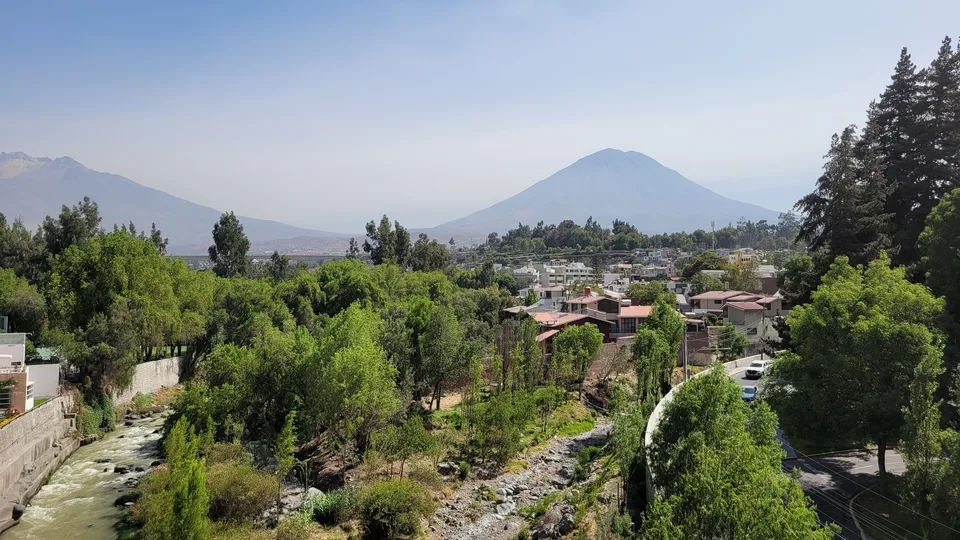
The official Yanahuara viewpoint information describes views over the city toward Misti and identifies San Juan Bautista church nearby. Its sillar arches provide a recognisable foreground, but visibility depends on weather and the time of your visit. The setting is also a reason to spend some time in the surrounding area rather than arrive only for a photograph and immediately leave.
Choose a walking route or ride according to your fitness, the weather and your starting point. Allow for the return journey and crossings; an estimated drive in a tourism page is not a guaranteed travel time. Ask before photographing worshippers or entering church areas, and keep steps clear for other visitors. If the volcano is hidden, the visit can still offer a useful contrast with the central square. Avoid repeatedly chasing a clearer view at the expense of the rest of your day. A flexible afternoon works better than a fixed photographic appointment.
Make a picantería meal part of the cultural visit
The Sociedad Picantera de Arequipa's account of the picantería tradition describes establishments that developed from chicherías into important places for food and social life. The tradition received national cultural-heritage recognition in 2014. This is a living culinary culture, shaped by cooks and customers, rather than simply a restaurant theme to sample between attractions.
Regional dishes introduced by PROMPERÚ include rocoto relleno with potato cake, adobo, ocopa and chupe de camarones. Ask what is available that day and how large the portions are before ordering several substantial dishes. Explain allergies and dietary needs clearly: a dish name alone does not establish its ingredients or suitability. Check the bill's currency and any additional service charge. To choose an establishment, use the practitioners' own information and current menus, then confirm opening. This guide does not invent a local favourite or claim a personal meal; the useful decision is which kitchen, menu and setting fit your interests and requirements.
Accommodation needs a practical inspection
Historic hotels, smaller guesthouses and self-catering apartments offer different combinations of atmosphere, space and independence. Compare the room actually offered, including window position, ventilation, bedding, bathroom and the route from reception. Ask about hot water and heating if those matter to you, rather than infer them from the building's appearance or a property category.
For an apartment, check cooking equipment, laundry arrangements and whether internet is private to the unit or shared. A family needs clear sleeping arrangements and a safe route through stairs or balconies; a traveller with reduced mobility needs precise access information. Establish the full price, taxes, deposit, payment currency and cancellation terms in writing. If a property is mainly a sightseeing base, paying more for a convenient address may save money and effort elsewhere. If it is a temporary home, a quieter room and reliable household facilities may matter more than a rooftop view or proximity to one monument.
Flying in: arrange the final part of the journey
Arequipa's Alfredo Rodríguez Ballón airport operator places the airport approximately eight kilometres from the centre. That distance does not establish a fixed journey time or taxi fare. Compare flights against the whole itinerary, including any Lima connection, baggage conditions and the time needed to reach your accommodation after arrival.
The operator's passenger FAQs say authorised taxis are found outside the terminal and identify drivers through an identification card carrying the AAP logo. Arrange a known pickup or use the authorised service, agree the destination and price, and keep your booking details available offline. For departure, the operator recommends arrival two hours before domestic flights and three before international flights, subject to airline instructions. Leave a separate allowance for the road journey. If travelling through Lima on separate tickets, consider the consequences of a delay rather than assuming the onward airline must accommodate a missed connection.
Long-distance buses require a realistic time allowance
A bus journey from Lima is a substantial part of a trip, not a short overnight transfer. Cruz del Sur's Lima–Arequipa route page currently advertises fares from S/142 and journey times around 17 hours 15 minutes to 20 hours, with the final fare depending on date and availability. It identifies Javier Prado as the Lima departure terminal and Terrapuerto Arequipa as the arrival point. Check the terminal and service shown on your actual ticket.
Compare the saving with the time and rest you need afterwards. Confirm luggage allowances, boarding identification and the service's facilities before booking. Keep your passport and essentials with you, arrange the terminal-to-accommodation journey, and avoid planning a demanding excursion immediately after arrival. Road conditions or disruption can change the timetable. An onward flight or prepaid tour needs an appropriate margin; a published arrival time is not protection against a missed separate booking. Check your operator's current message before leaving for the terminal.
Keep local transport simple and accountable
For a visitor concentrating on the centre, short walking circuits combined with arranged rides can make a practical starting point. Match each route to its conditions: daylight, crossings, gradients and how you feel. For destinations farther away, obtain a clear pickup point and destination address, especially when a property entrance lies away from the main road.
The UK safety guidance for Peru warns about criminals posing as taxi drivers and recommends licensed telephone or app-based services or a hotel-arranged ride. Confirm the driver and vehicle, agree the fare where appropriate and keep the booking visible. Local buses may be useful once you understand the route, but do not infer an urban service or fare from an intercity ticket. Ask about the exact stop and return arrangement. For a household move, test transport on an ordinary weekday with the belongings or companions you would normally have, not only during a quiet sightseeing afternoon.
Budget around the things you actually want to do
Use Peruvian soles, shown as S/, as the common unit for your local comparison. Keep accommodation, meals, transport and admission separate so that package inclusions remain clear. Two foreign adults visiting Santa Catalina would set aside S/100 at the tariff checked for this guide, before guiding or other extras. Obtain current quotations for museum visits and outings rather than attaching a falsely precise daily total to everyone.
A central room can reduce ride costs; an apartment can help with meals if its kitchen is usable and groceries convenient. Compare total prices before choosing. For clothing or textiles, ask about fibre content and care rather than equating every alpaca label with the same material or quality. Keep receipts for significant purchases and avoid buying objects represented as archaeological artefacts. Carry modest everyday cash and keep other payment options and emergency funds available. Check card charges and exchange arrangements with your provider instead of assuming every displayed foreign-currency conversion is favourable.
Plan for cool evenings and changing conditions
SENAMHI's Arequipa weather page combines a current forecast with climate information. Its normals summary identifies February as the wettest month and July as the month with the lowest temperature figure. It also contains a clearly dated March 2020 tourism note, which should not be mistaken for present conditions. Consult the current forecast near departure and again before outdoor plans.
Take layers for a day that can include sun, shade and a noticeably cooler evening. Sun protection, comfortable footwear and a light rain layer are more useful than packing for a single idealised image of the city. Weather in Arequipa is not a forecast for a high pass or canyon route. Ask an excursion provider about conditions across the whole journey and its cancellation policy. If your time is limited, retain a museum or shorter walk as an alternative instead of making every day dependent on clear mountain views.
A three-day city itinerary with room to adjust
Day one: arrive, settle in and make a short orientation walk around the Plaza de Armas. Keep the route comfortable and leave time for a meal and rest. A late arrival is a reason to move sightseeing, not squeeze it into the remaining daylight. Learn the return route to your accommodation before you need it.
Day two: devote a substantial visit to Santa Catalina and choose one additional museum or nearby historic area according to your interests. Add a picantería meal if opening and availability fit. Day three: spend time around Yanahuara, then return for places in the centre you have not yet explored. Use the afternoon for a relaxed visit or practical errands rather than automatically adding a distant excursion. This outline leaves space for different walking abilities and weather. If adding Colca, extend the trip and plan it separately; do not pretend three city days also contain a restful canyon journey.
Treat Colca and mountain trips as separate journeys
PROMPERÚ's Colca visitor information distinguishes the road to Chivay from the additional travel to canyon viewpoints. It gives reference journeys of about three and a half hours from Arequipa to Chivay and another hour onward. Actual routes, stops and conditions vary. A viewpoint visit, a community stay and a trek into the canyon involve different time commitments and physical demands.
Ask for the full itinerary, highest points crossed, accommodation altitude, walking profile and emergency arrangements. Do not rely on a wildlife promise: condors are not obliged to appear for a tour. Ticket prices labelled “reference” also need current confirmation. For volcanic terrain, use CENVUL's official alert information alongside local instructions. Seeing Misti from town is entirely different from attempting a climb. Select an appropriately qualified provider and obtain advice on fitness, acclimatisation, equipment and insurance before considering a mountain undertaking. A short city stay does not by itself establish readiness.
Health and disruption can affect the wider route
The UK health advice for Peru identifies altitude sickness as a serious concern in places including Colca, Cusco and Puno, and gives 106 as the ambulance number. Discuss relevant medical needs before travel, and confirm insurance for the itinerary and activities you intend to undertake. Do not treat a night in Arequipa as a guarantee against problems on a higher route.
Peru's current safety guidance also describes unpredictable protests, roadblocks and transport disruption, including in the Arequipa region. Check your provider's current information, avoid demonstrations and keep essential medicine, documents and contact numbers accessible. Foreign travellers should not participate in political demonstrations. Build flexibility into a multi-stop itinerary and establish who will help if a route closes. For a longer stay, identify appropriate healthcare at the actual place you will live and how payment works. A nearby clinic on a map is not proof of access to a particular specialist or treatment.
Tourism, study and work have different permissions
Check Peruvian entry rules for your nationality and purpose. The UK entry guidance for British citizens describes visa-free tourism for that passport category, normally up to 90 days in a 180-day period, with immigration officers able to grant up to 183 days in a 365-day period. Those figures are not an entitlement for every passport or a promise about your individual admission. Verify the authorised stay in the digital TAM record and meet your own document requirements.
For employment, Migraciones' worker-resident visa guidance addresses qualifying employment or service relationships and supporting requirements. Its overseas application route differs from an in-country change. The official residence-category page separately links worker, formation or study, family and other procedures. Confirm the applicable route before starting activities. Overseas income or a remote employer does not automatically settle the immigration question. VisaWand's consultant directory can help identify assistance; establish the adviser's qualifications, written scope and relevant Peruvian experience before relying on advice.
Moving to Arequipa means investigating an ordinary household
A relocation decision begins with lawful status and a sustainable routine. Migraciones' permanent-residence guidance describes qualifying routes involving three consecutive years in specified resident categories and additional conditions. It is not an automatic result of three years of tourism or buying a home. Review your own eligibility before paying for a long commitment.
For housing, obtain independent legal advice and check ownership and authority to rent. SUNARP's registry information service is a starting point for property checks, rather than a substitute for reviewing the agreement. Compare actual suitable homes; no verified current Arequipa rent median is supplied here. Inspect water, hot-water provision, electricity, internet, ventilation, security and maintenance responsibilities. Test the commute and confirm school admission or essential appointments directly. Record deposits, bills, existing defects and early-departure terms in writing. A holiday neighbourhood can be attractive while still being inconvenient for the work, study or care that would shape everyday life.
Choose the next stop by purpose and geography
Use the Chivay location page to orient a Colca extension. Compare the Cusco location page for a different Andean city stay and the Lima city guide for the capital's districts and practical planning. Travel distances, route conditions and altitude mean these should be deliberate itinerary choices rather than automatic additions.
The Peru location directory provides further geographical starting points. For a longer stay, make a short list of the daily services and journeys you must have, then assess the exact address against them. For a holiday, keep enough time to enjoy Arequipa's streets and food before leaving for another landscape. The strongest reason to stay is the fit between your interests and the city itself, not the number of onward excursions you can compress into the booking.
Official planning resources
Reviewed 17 October 2026. Use the official resources linked throughout this guide for admission, transport, housing and immigration decisions. Prices, services and rules can change; confirm the details relevant to your dates. Photography illustrates the locations and is not a live view.
View all official resources
- UNESCO: Historical Centre of Arequipa
- PROMPERÚ: Arequipa destination information
- Santa Catalina: official admission prices and hours
- Santa Catalina: visitor planning
- PROMPERÚ: museums in Arequipa
- PROMPERÚ: Yanahuara viewpoint
- Sociedad Picantera de Arequipa: picantería tradition
- Aeropuertos Andinos del Perú: Arequipa airport
- Aeropuertos Andinos: taxis and passenger FAQs
- Cruz del Sur: Lima–Arequipa route
- UK Government: Peru safety and transport
- SENAMHI: Arequipa forecast and climate normals
- PROMPERÚ: Colca Canyon and Chivay
- IGP CENVUL: official volcanic alerts
- UK Government: altitude and healthcare in Peru
- UK Government: Peru entry rules for British citizens
- Migraciones: worker resident visa application
- Migraciones: residence category changes
- Migraciones: permanent resident status
- SUNARP: Conoce Aquí registry information
Plan the next part of your journey
Explore the Peru guide, browse other cities or compare consultants for your travel and relocation questions.