Visa
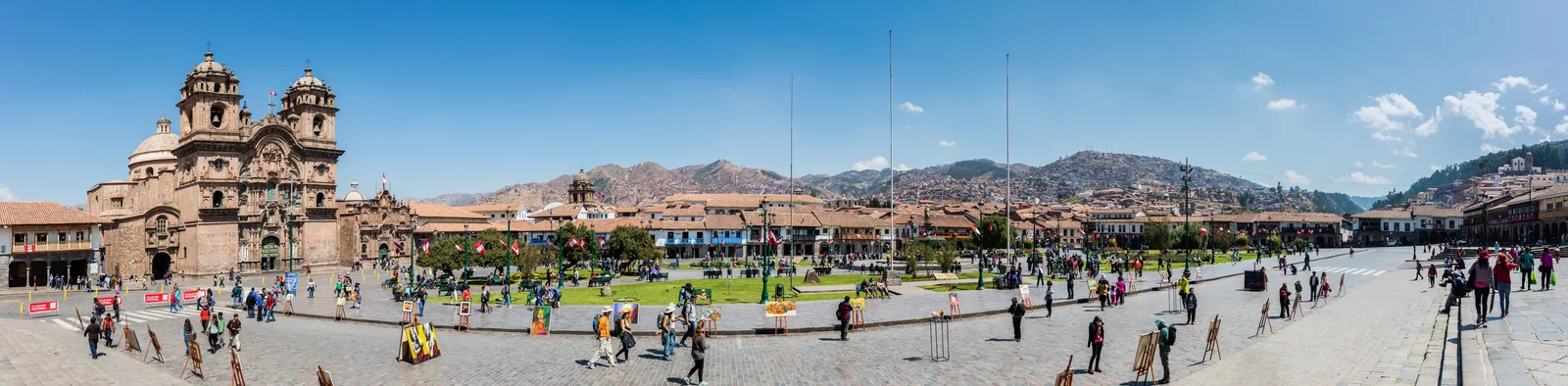
Give Cusco time beyond the onward journey
Cusco rewards a slower booking decision. Around the Plaza de Armas, Inca masonry supports later buildings, church towers rise above tiled roofs, and steep lanes lead towards workshops and hillside viewpoints. This is a substantial Andean city with its own markets, homes and working routines, as well as a gateway to archaeological sites across the region.
The first practical distinction is geography: Cusco city, the Sacred Valley and Machu Picchu are separate destinations. A hotel advertised as being in the Cusco region may be far from the historic centre. Use PROMPERÚ’s historic-centre overview to identify the city sights, then decide how much travelling you want between overnight stops. Three city days provide a useful introduction; adding Machu Picchu needs additional planning rather than another pin squeezed onto the same afternoon.
Read the city through its surviving layers
Cusco was the capital of the Inca Empire, with a particularly important transformation under Pachacutec in the fifteenth century. Following the Spanish conquest, churches and houses rose over earlier structures while much of the urban framework survived. UNESCO’s account of the City of Cuzco, inscribed in 1983, explains why the street pattern and stonework matter as much as individual monuments.
Look closely at the junction between a precisely fitted stone wall and the building above it. It makes the history tangible without reducing Cusco to an abandoned Inca site. Religious buildings remain places of worship, and residential streets remain lived in. Avoid blocking doors for photographs or treating people in traditional clothing as scenery; ask before taking a portrait and agree any payment beforehand.
Make altitude part of the booking
At roughly 3,400 metres, Cusco requires more than comfortable walking shoes. The CDC’s altitude guidance recommends mild exercise and avoiding alcohol during the first 48 hours. Fitness does not remove the risk of altitude illness. Discuss your ascent with a clinician before travel, particularly if you have a relevant medical condition or previous difficulties at altitude.
Keep arrival day light and leave room to change plans. Headache with nausea or dizziness after ascent deserves attention; worsening symptoms, confusion or breathlessness at rest require urgent medical assessment. Do not continue ascending with symptoms. A quiet afternoon is useful scheduling, but it does not guarantee acclimatisation. Ask your clinician whether sleeping lower before returning to Cusco would suit your itinerary; this decision is better made before paying for consecutive strenuous excursions.
Choose a base by the walk home
The streets around Plaza de Armas put the main historic sights close together and suit a first visit focused on walking. Compare rooms on an actual map: a short distance uphill can feel very different from the same distance along a gentler street. Ask whether your room faces a busy public space or an internal courtyard, rather than assuming central means quiet.
San Blas offers narrow lanes, artisan workshops and an atmospheric hillside setting. It is appealing for unhurried exploration, but steps and slopes matter if you are carrying luggage or managing limited mobility. Around San Pedro, the market gives a different anchor for daily errands. For each option, check the route after dark and the point where a vehicle can actually drop you and your bags.
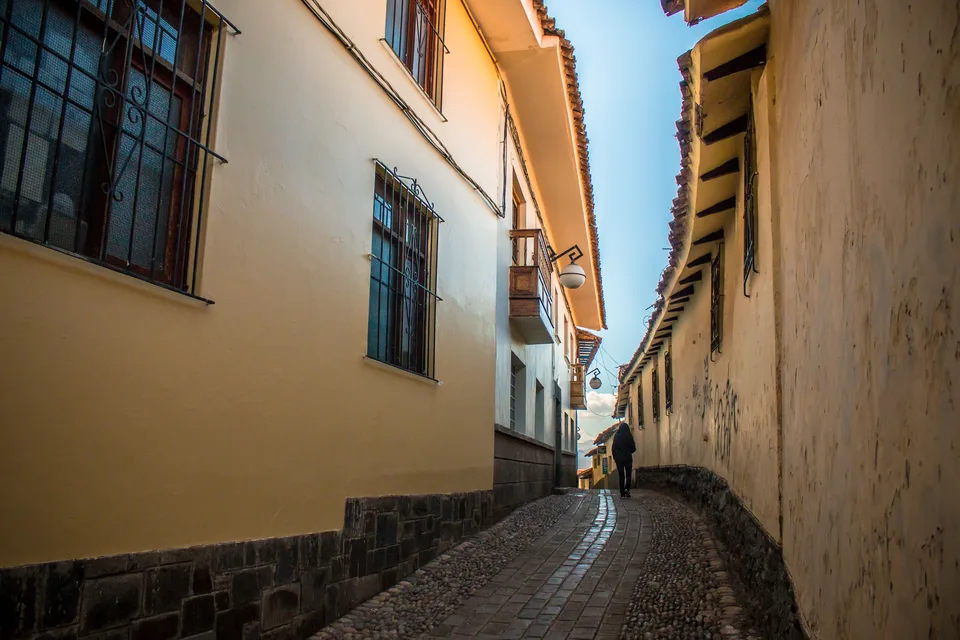
Book the room, not just the photograph
Cusco accommodation ranges from shared hostel rooms and guesthouses to serviced apartments and hotels in historic buildings. Compare bathroom arrangements, hot-water availability, room heating, bedding and window position. A handsome courtyard photograph tells you little about the temperature of the bedroom at night. Confirm lift access or the number of stairs if either affects your stay.
Ask about luggage storage when you leave for the valley or Machu Picchu, including its cost and collection hours. Check whether an early departure can be supported without assuming the advertised breakfast will be ready. Book flexible arrangements where your transport or altitude response remains uncertain. For longer stays, a usable kitchen and reliable laundry arrangements may be worth more than an impressive reception area.
Before committing to a longer reservation, request the precise room category and cancellation deadline in writing. If you need a taxi for the final climb every evening, include that in the accommodation comparison. A slightly higher room rate on a convenient street may work out better than a cheaper hillside room with repeated transfers.
Separate the tourist ticket from other admissions
The official COSITUC tariff lists the foreign-adult integral Boleto Turístico at S/130 with ten days’ validity. Partial tickets cost S/70: Circuit I covers the four archaeological sites above Cusco for one day; Circuits II and III each have two days’ validity for their respective groups. Student categories have eligibility and identification requirements, so confirm yours before budgeting for a discount.
Two foreign adults buying integral tickets therefore spend S/260 on these admissions alone. Two separate S/70 partial circuits would cost S/140 per adult, making the integral option worth comparing. The ticket FAQ says validity begins on purchase day, tickets are personal, and transport and guiding are excluded. It describes in-person sales, including Avenida El Sol 103; do not mistake an unofficial online tour bundle for the official ticket itself.
Explore the centre without racing between monuments
Start around Plaza de Armas, then take a short route towards Hatunrumiyoc to see the celebrated twelve-angled stone. These streets offer an introduction to the relationship between Inca foundations and later architecture. Return another day for the interiors that interest you rather than buying everything because you have reached the first ticket desk.
The cathedral and other religious sites deserve time and respectful dress. Confirm their admission arrangements independently: the Boleto Turístico is a defined list of places, not a universal city pass. Worship, conservation work and visitor access can overlap. If an interior is unavailable, use the time for a nearby square or café instead of pursuing a hurried substitute across town. Keep a little space in the schedule for simply noticing doors, balconies and stonework.
Give Qorikancha its own visit
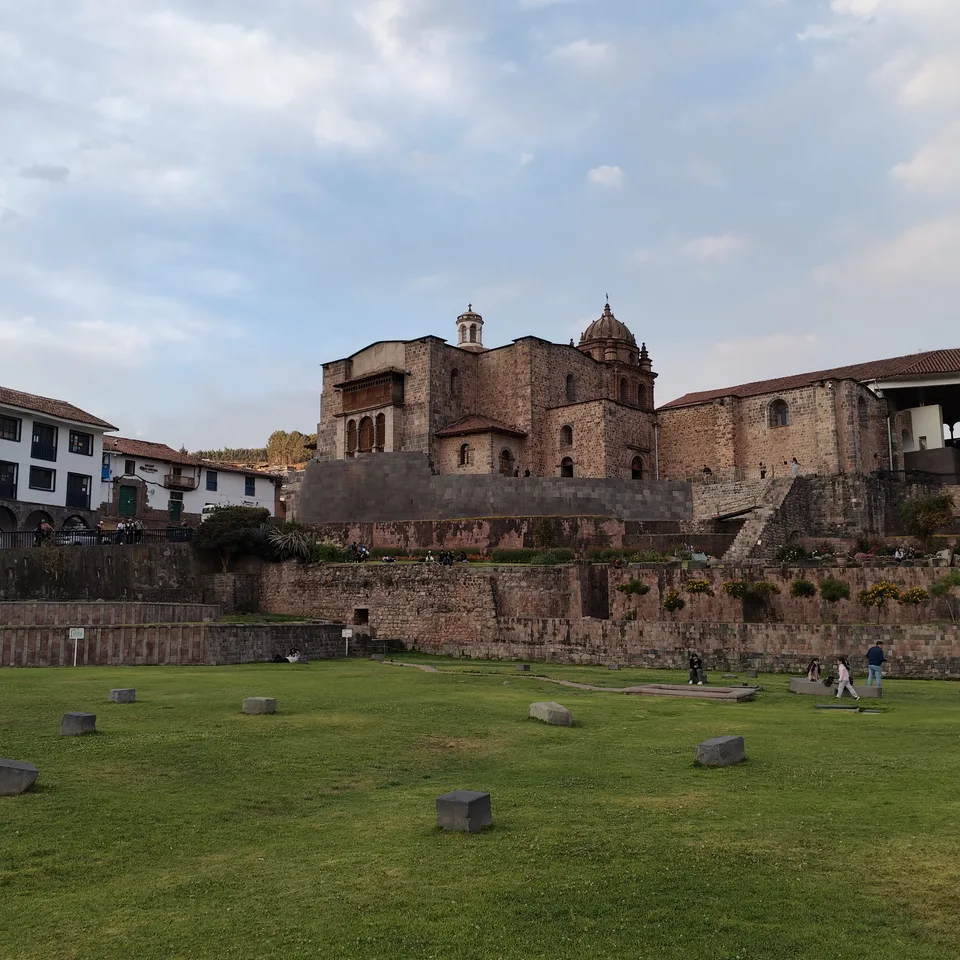
Qorikancha makes Cusco’s architectural layers especially clear. The Dominican Convent of Santo Domingo occupies the earlier Inca religious complex associated with the Temple of the Sun. Its combination of surviving stonework and later construction is a reason to visit deliberately, rather than treating it as a quick photograph on the way to a tour bus.
There is a consequential ticket distinction here. The Museo de Sitio Qorikancha listed by COSITUC is a museum with archaeological collections; its inclusion does not mean the temple and convent visit is covered. Confirm the entrance and charge for the place you intend to see. Published descriptions and older museum directories can point to different operations, so use the institution’s current contact details before relying on a fee or opening time.
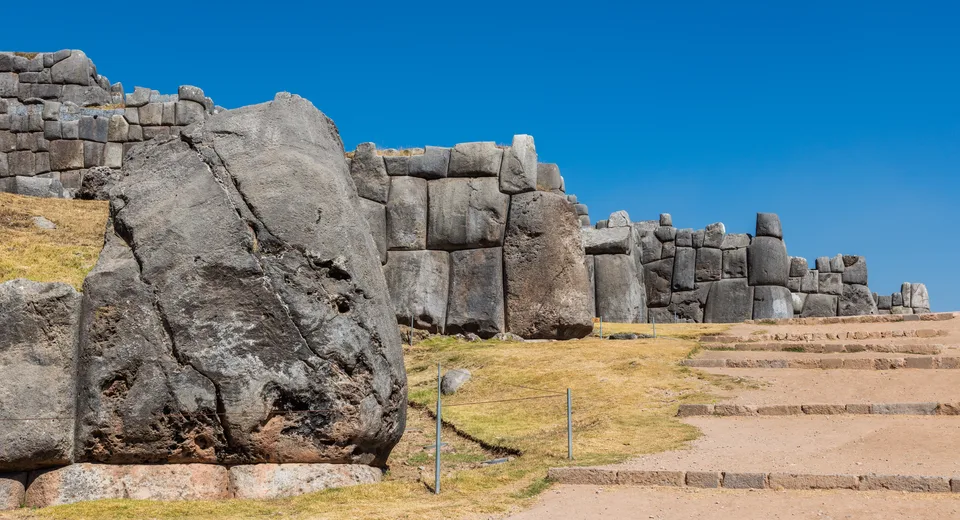
See Saqsayhuaman when you are ready for the hills
Above the city, Saqsayhuaman is known for enormous fitted stones and zigzag walls. Its position adds a different perspective to the tightly enclosed streets below. Go when you feel ready for the additional altitude and walking, rather than making the uphill approach your first test immediately after landing.
Circuit I also includes Q’enqo, Puka Pukara and Tambomachay. Decide whether you want the complete circuit or a more concentrated visit before arranging a vehicle and guide. Agree the stops, waiting time, return point and any walking involved. A driver’s quoted circuit is not evidence that every entrance is included. Within archaeological areas, follow the designated route and barriers; the most useful photograph rarely requires climbing onto ancient masonry or crossing a protected edge.
Let San Blas be an unhurried afternoon
San Blas works best with time to wander rather than a fixed shopping deadline. Browse workshops, compare styles and ask what an object is made from and who produced it. For textiles, a detailed explanation of fibre and manufacture is more useful than a broad claim that everything in the neighbourhood is locally handmade.
Take the slopes seriously when choosing your route. You can explore part of the neighbourhood and turn back without reaching every viewpoint. Carry a light layer and choose shoes with grip for uneven paving. If you plan to return after dinner, work out the final approach to your accommodation beforehand. The same lane can be a pleasure for a short visit and an inconvenient daily climb for someone staying a month.
Use San Pedro as a working market
San Pedro market brings together produce, bread, cheeses, coffee, chocolate, flowers and handicrafts. It offers a useful look at the ingredients behind the restaurant menus and can also help longer-stay visitors understand their everyday shopping options. Walk through before making purchases so you can compare products and avoid buying the first souvenir you see.
Carry manageable cash, keep valuables close and ask before photographing a stallholder. Food choices should reflect hygiene and your own dietary needs; an attractive display is not a guarantee of safe preparation. For groceries, consider what you can wash, cook and store properly at your accommodation. If your kitchen consists only of a kettle, a large purchase of fresh ingredients may create more waste than savings.
Order with an understanding of the ingredients
Cusco cooking draws on potatoes, maize, quinoa and a range of meats. PROMPERÚ’s guide to Cusco dishes describes chiri uchu, especially associated with Corpus Christi, alongside dishes such as chairo and fried trout. Cuy is guinea pig; it should not arrive as a surprise to someone expecting a familiar kind of poultry.
Ask about broth, sauces and garnishes if you avoid meat or have an allergy. A vegetable dish can still contain animal ingredients, while a mixed celebratory plate may include several allergens. Compare the full menu price, portion and accompaniments before ordering. Alternate a planned restaurant meal with simpler meals that suit your appetite and budget; there is no need to turn every day into an expensive tasting itinerary to engage with local food.
Build a budget around the expensive decisions
The major variables are the room, airport and regional transfers, archaeological admissions, guiding and the Machu Picchu journey. Keep these separate from daily meals and shopping. That makes a package easier to compare: a low headline price can exclude the ticket or transport segment that matters most.
Use soles when comparing local quotes and check which currency a booking platform actually charges. Record cancellation terms, payment surcharges and whether a quoted transfer is private or shared. No single daily figure can honestly cover a dormitory stay and a hotel itinerary with private excursions. Obtain dated quotes for your own dates, then keep a reserve for altered transport or an extra night. Buy fewer, well-understood souvenirs rather than assuming every purchase is a bargain.
Arrive at the correct airport
Cusco’s established airport is Alejandro Velasco Astete. The transport ministry’s January 2026 rehabilitation announcement describes maintaining operations while the future Chinchero airport is awaited; a June 2026 regional statement still discusses financing for completing Chinchero. Do not plan a transfer from the future airport on the strength of an old predicted opening date. Check the airport shown on your actual flight reservation.
Arrange arrival transport with a clearly identified provider and confirm the destination, total charge and luggage allowance. Give the accommodation your flight details and ask for written meeting instructions. Road traffic and the last approach to a pedestrian or narrow street can change the journey. Avoid attaching an inflexible paid excursion to the afternoon of arrival, even when the flight schedule looks convenient.
For connections through Lima, inspect whether your flights share one protected booking or are separate purchases. Leave time for the actual connection requirements and your baggage arrangements. A cheap fare becomes less attractive if a delayed arrival leaves you responsible for buying a replacement onward ticket and another hotel night.
Treat regional transport as a separate journey
Within the centre, walking connects many sights, but slopes and vehicle access complicate simple map estimates. For a taxi or arranged car, agree the destination and fare before departure and retain the provider’s details. Check a local bus route and boarding point with a current local source before relying on it for a time-critical connection.
For Machu Picchu, PeruRail’s bimodal service combines a bus from Cusco’s Wanchaq station with a train connection. Transfer stations differ by service, and operational changes can apply. Read the station and reporting time on your own ticket rather than assuming every train leaves directly from central Cusco. Compare the entire outward and return journey, including the final connection to your hotel, before choosing the cheapest available departure.
Book Machu Picchu as its own trip
Machu Picchu is not included in the Cusco tourist ticket. Use the Ministry of Culture’s Tu Boleto booking platform and match the available date, entry time and route to your transport before paying for the rest. The ministry’s September 2026 sales announcement describes changes to direct payment, illustrating why old instructions about holding reservations can be unreliable.
Check the selected route’s current conditions and visitor restrictions directly; different tickets are not interchangeable promises of the same experience. Include the journey to Machu Picchu Pueblo, onward access to the archaeological entrance, accommodation if needed and the return in your comparison. A tour advertised from Cusco can conceal a very early start and a late finish. An additional night may make a better trip than a compressed day.
Match the season to the visit you want
PROMPERÚ’s climate overview distinguishes the drier Andean period from the wetter months broadly around November to March. These are seasonal patterns, not a forecast for a particular week. Pack for cold evenings as well as daytime sun, with rain protection even when your itinerary falls in the usually drier part of the year.
Rain changes the appeal of long outdoor circuits and the condition of steps and paths. Keep a museum or indoor visit available without filling every wet hour with another paid activity. If a festival is central to your plans, check the actual year’s programme and accommodation conditions before booking. For mountain excursions, seek current local weather and operating information rather than projecting the conditions in Cusco’s streets onto a much higher destination.
A realistic three-day introduction
Day one is for arrival, a short orientation near your accommodation and an early night. If you are comfortable, spend a little time around Plaza de Armas; leave uphill walks and long excursions for later. This is a suggested pace, not medical clearance to proceed if you feel unwell.
On day two, visit Qorikancha and choose one historic-centre interior, with proper breaks between them. Keep exercise mild during those first 48 hours. On day three, if you feel well, arrange Saqsayhuaman and whichever other Circuit I sites interest you, then leave the afternoon flexible for San Blas or San Pedro. Switch days or shorten the plan when needed. Add separate days for the Sacred Valley and Machu Picchu rather than counting either as a spare city afternoon.
Test daily life before signing a lease
A successful holiday base is not automatically a suitable home. Take temporary accommodation first and test the journey to your workplace or school, grocery shopping, laundry and medical appointments at the times you would actually travel. Look beyond the historic centre if the daily destination is elsewhere, while checking the specific street rather than relying on a district’s reputation.
Inspect damp, ventilation, hot water, heating arrangements, kitchen equipment and street noise. Ask for recent utility bills and a written explanation of what the rent includes. Check the landlord’s authority to let the property, inventory, deposit conditions and notice requirements before transferring money. A remote photograph cannot establish water pressure, a usable desk or the reliability of an internet connection during your working hours.
For remote work, arrange a real video call from the proposed accommodation before committing to a month. Ask how outages are handled and what alternative connection you could use. Keep business, tax and immigration advice separate from a landlord’s reassurance that previous guests worked online; their circumstances may have been different from yours.
Confirm household services at the address
SedaCusco’s official service directory provides water-bill, connection and interruption information. Establish whose name is on the account, whether payments are current and how a fault will be reported. For electricity, use Electro Sur Este’s official information and confirm the supply arrangement for the property. Do not assume a furnished rental includes either bill without a written agreement.
Test mobile reception and internet in the actual room. Families should confirm school availability, language, admissions documents and the practical school run before choosing a lease. Identify suitable healthcare providers and check how payment or insurance authorisation works. The municipal citizen-services portal is a starting point for local administrative matters. Keep the city’s attractive historic setting in perspective: ordinary household logistics determine whether a longer stay works.
Distinguish visiting from permission to live and work
Tourist entry depends on nationality and individual circumstances. Check Peru’s official tourist-visa guidance and the period actually granted at entry; do not assume every visitor receives the maximum possible stay or an automatic extension. Keep your entry record accessible through the Tarjeta Andina de Migración information. A rental agreement or onward booking does not itself establish immigration permission.
Paid work requires the appropriate authorisation. Migraciones publishes separate procedures for worker residence and resident study status, with different conditions and application circumstances. Confirm whether your case requires an application from abroad or a change of status within Peru. Permanent residence is a further conditional route, not an automatic result of a long holiday or property purchase. VisaWand’s consultant listings can help you seek individual advice; verify credentials and scope before engaging anyone.
Study plans also need coordination with the receiving institution. Ask for the admission documents and course dates required for your immigration case, and confirm whether accompanying family members need separate applications. Keep copies of official decisions and expiry dates alongside the school paperwork, rather than relying on a course receipt as proof of residence.
Compare the valley before extending your stay
The Sacred Valley offers a different balance of archaeology, landscape and town life. Consider an overnight stop rather than repeated drives from Cusco. Compare VisaWand’s location pages for Urubamba and Ollantaytambo to place the towns geographically; these directories should not be mistaken for completed travel guides. Choose according to your onward route and the activities you genuinely want.
For a broader journey, use the Peru country guide, Peru destination page and Peru location directory together. Cusco deserves its own place in that plan: enough time to understand the streets, enough flexibility for the altitude, and enough separation between city days and distant excursions to enjoy both. Extending the stay is most rewarding when it improves the pace rather than simply increasing the number of bookings.
Official planning resources
Reviewed 15 October 2026. Use the official resources linked throughout this guide for admission, transport, housing and immigration decisions. Prices, services and rules can change; confirm the details relevant to your dates. Photography illustrates the locations and is not a live view.
View all official resources
- PROMPERÚ: historic centre of Cusco
- UNESCO: City of Cuzco World Heritage listing
- CDC Yellow Book: altitude travel and illness
- COSITUC: official Cusco tourist ticket tariff
- COSITUC: purchasing and using the tourist ticket
- COSITUC: Saqsayhuaman archaeological complex
- Dominicans of Peru: Santo Domingo convent in Cusco
- COSITUC: Qorikancha site museum
- PROMPERÚ: San Pedro market
- PROMPERÚ: traditional dishes of Cusco
- PROMPERÚ: Peru climate and seasonal patterns
- MTC: rehabilitation of Cusco airport, January 2026
- Cusco regional government: Chinchero completion financing, June 2026
- PeruRail: Cusco bus-and-train bimodal service
- Ministry of Culture: Tu Boleto official tickets
- Ministry of Culture: Machu Picchu sales pilot, September 2026
- Peru government: tourist visa guidance
- Migraciones: worker residence application
- Migraciones: resident study status
- Migraciones: change to permanent residence
- SedaCusco: water connections, bills and service information
- Electro Sur Este: official electricity service information
- Cusco municipality: citizen services
- Migraciones: Tarjeta Andina de Migración information
- PROMPERÚ: Sacred Valley visitor information
Plan the next part of your journey
Explore the Peru guide, browse other cities or compare consultants for your travel and relocation questions.