Visa
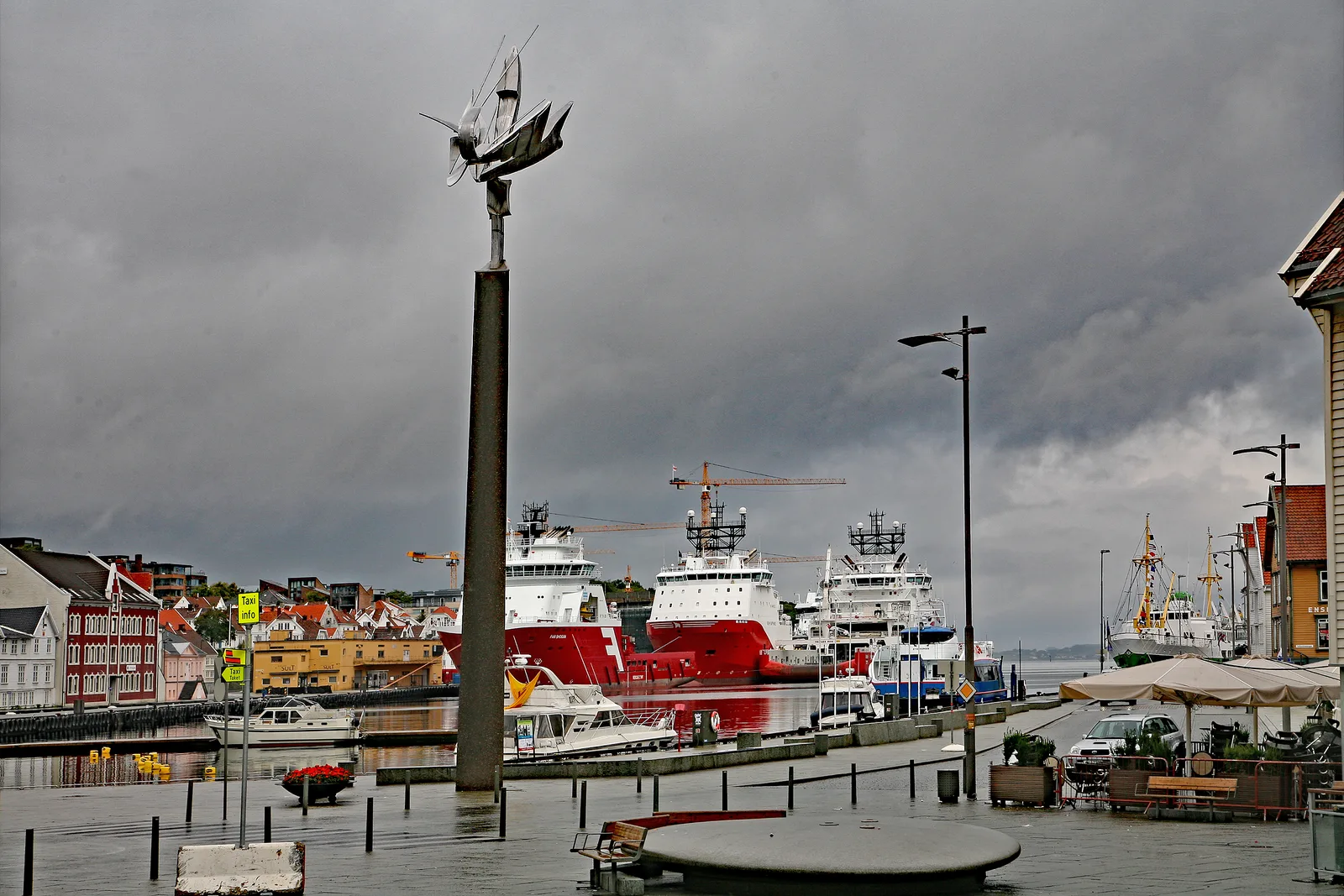
A coastal city with more than one story
Stavanger makes a useful Norwegian base because the city itself rewards time between excursions. Around Vågen harbour, painted timber buildings face working vessels; nearby, a medieval cathedral, former canning premises and an offshore petroleum museum explain very different sources of prosperity. You can spend a satisfying short break here without climbing a mountain. Equally, a longer stay can combine the compact centre with a carefully planned journey into the Lysefjord area.
The main decision is how much of your trip belongs to the city and how much to the surrounding landscape. Allow two days for central streets and museums, then protect another day for an excursion if conditions permit. For relocation, a different map matters: your workplace or campus, the actual bus connection and the housing contract. A hotel beside the harbour does not tell you what a daily commute to Forus will involve.
Read the history in three contrasting places
Start with the cathedral, then look at the domestic scale of Gamle Stavanger and the industrial stories told at IDDIS. Together they prevent the city from becoming simply an introduction to fjord photographs. The official Pilgrim Routes account of Stavanger Cathedral places its origins in the first half of the twelfth century and records its reopening in August 2024 after restoration. Older descriptions saying that it remains closed are obsolete.
The waterfront and museum collections add fishing, manufacturing and energy to that religious history. The Petroleum Museum is especially useful for understanding why offshore activity matters beyond the platforms themselves. Rather than treating each period as a separate sightseeing stop, notice how industry affected buildings, employment and the uses of the waterfront. This gives a rainy museum afternoon a purpose beyond escaping the weather.
Choose a base around your daily movements
For a first visit, the centre around Vågen and Breiavatnet offers a straightforward relationship between sightseeing, meals and onward transport. Compare the walking route from the station with the actual entrance to your accommodation. A short map distance can still include slopes, steps or awkward paving when you are carrying luggage.
Gamle Stavanger, west of the harbour, suits a slower walk among older houses; treat it as a lived neighbourhood. Across the central streets, Øvre Holmegate offers a more concentrated café and bar setting. Ask accommodation providers about evening noise rather than assuming every picturesque street is quiet. Stavanger Øst is worth considering if a specific cultural event draws you there. For work or study, begin with the destination of the commute instead of choosing an address entirely for its holiday atmosphere.
Walk Gamle Stavanger without intruding
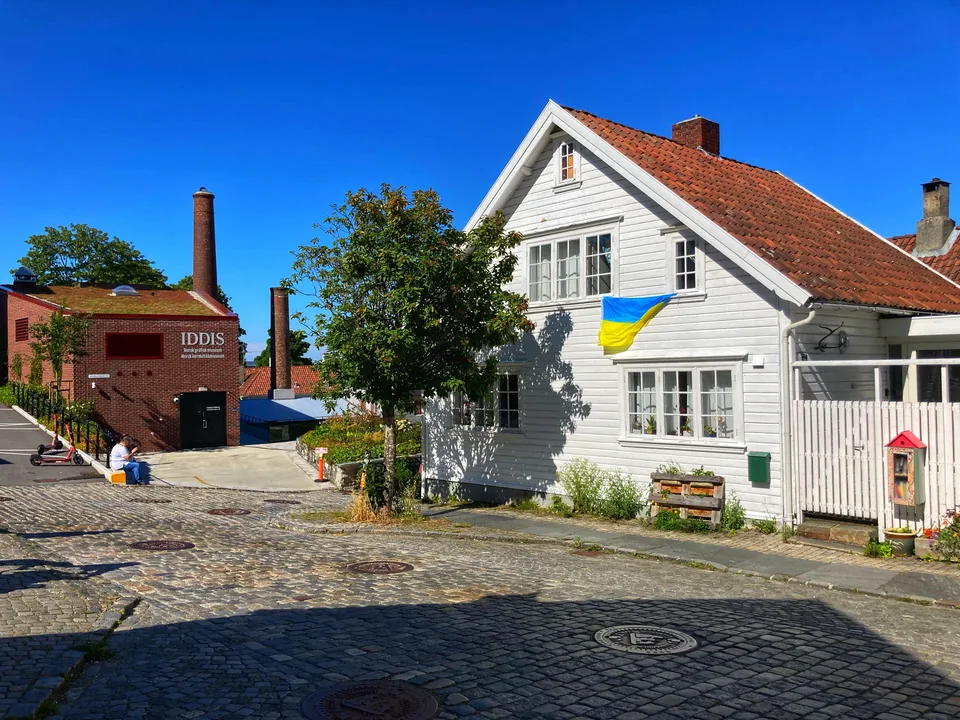
The regional tourism board describes Gamle Stavanger's timber streets as a group of 173 wooden houses, predominantly from the late eighteenth and early nineteenth centuries. Their small scale, pale façades and closely arranged streets make a rewarding contrast with the waterfront's larger structures. Walk slowly enough to notice doors, rooflines and the relationship between houses and lanes.
Keep entrances clear and photograph from public space. A residential window is not an invitation to look inside, and a photogenic doorstep may be somebody's daily access. Combine the walk with IDDIS if its opening day suits you, but distinguish the freely accessible streets from ticketed interiors. This is also a sensible place to reconsider footwear: shoes comfortable on a museum floor may be less pleasant on uneven paving after rain.
Visit the cathedral with its calendar open
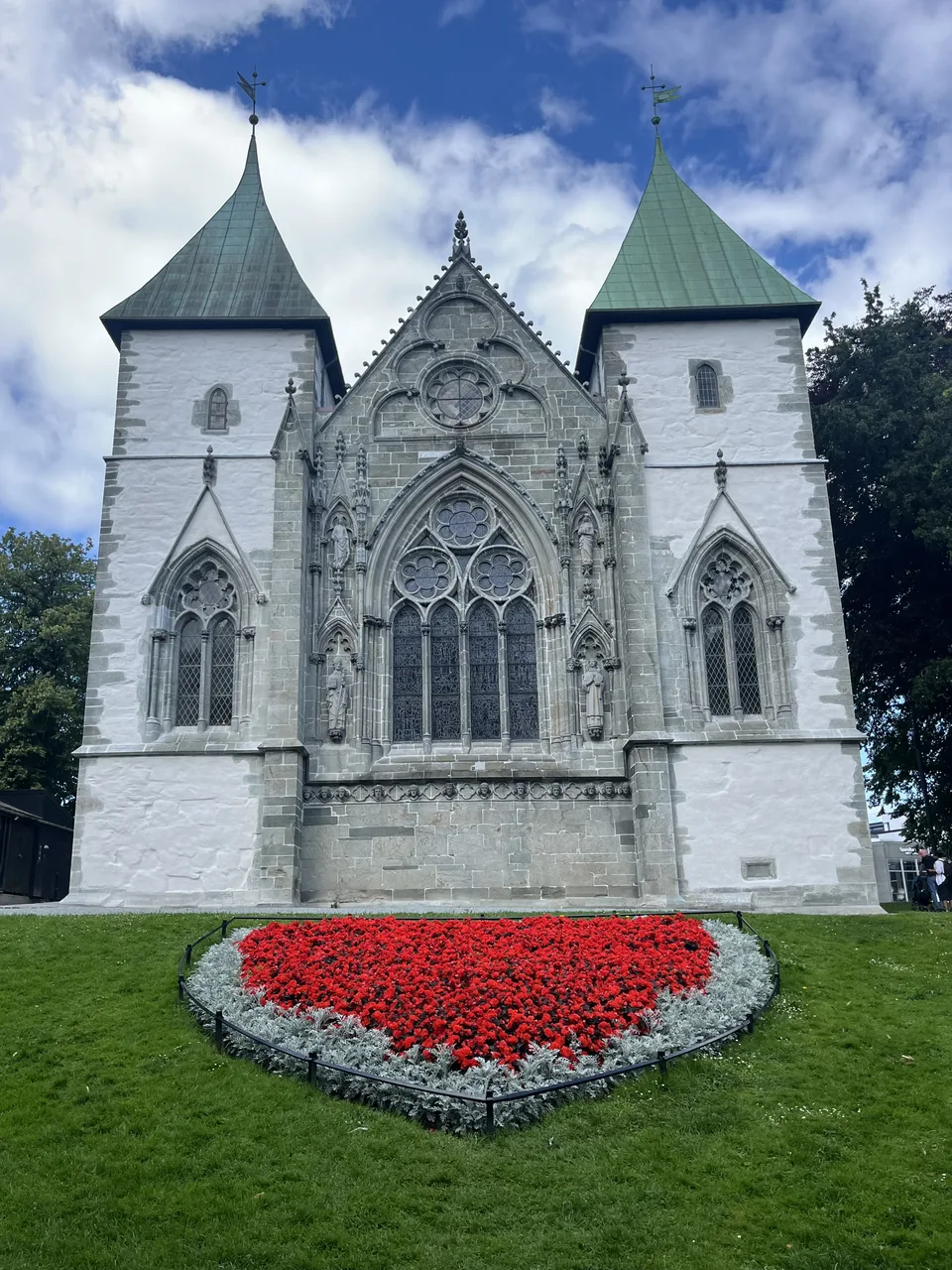
Consult the parish's current cathedral visitor information before setting a fixed appointment. The general pattern is Monday to Saturday, 10:00–15:00, with Sunday access connected to services. Rehearsals, weddings and other events can interrupt visiting. The listed visitor admission is NOK 75 per person; the parish separately states that regional residents enter free.
Allow time to look at the building outside even if an event changes your interior visit. If you attend worship, follow the congregation's arrangements rather than treating the service as a sightseeing slot. For wheelchair access, confirm the approach and any assistance directly before travelling. A reopened historic building can still require more planning than a modern attraction, and an office address on a parish website should not automatically be treated as the visitor entrance.
Understand the working city at the Petroleum Museum
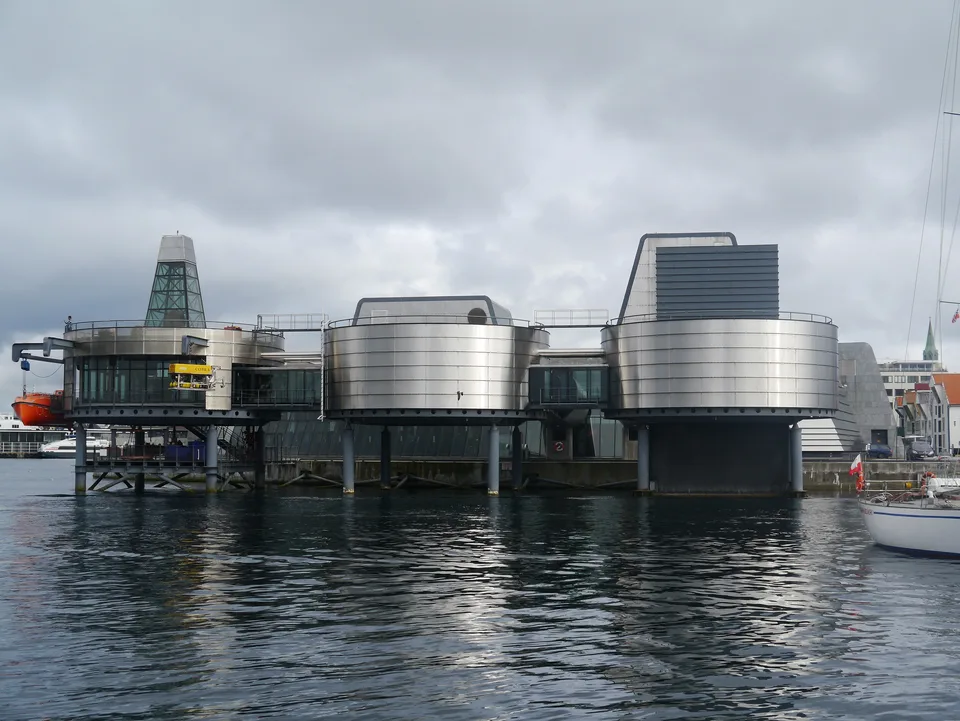
The Norwegian Petroleum Museum connects oil and gas formation with offshore technology, working life and the wider effects of Norway's petroleum economy. Its objects, models, films and interactive displays also address society and climate. This is a stronger reason to visit than simply recognising the distinctive waterfront building: the exhibition helps explain a continuing national debate.
The museum's admission and seasonal hours list adult entry at NOK 180 and student entry at NOK 90. From September through May, ordinary hours are Monday–Saturday 10:00–16:00 and Sunday 10:00–18:00; June–August has longer daily opening. Check holiday exceptions. Allow a substantial part of an afternoon if you want more than a quick circuit. The museum currently reports its restaurant closed while a new operator is sought, so make a separate lunch plan.
Follow the label from canning to printing
IDDIS's practical visitor page brings together the Norwegian Canning Museum and Norwegian Printing Museum. It provides a different industrial perspective from petroleum, with production, packaging and printed labels offering an accessible way into the city's working history. Use the exhibits to connect the modest houses outside with the businesses that shaped local life.
Ordinary opening is Tuesday–Sunday, 11:00–16:00. Adult admission is NOK 170; the museum lists free admission for visitors aged 0–18 and for students with valid identification. Its ticket can cover other open MUST museums on the same day, but does not include the independently operated Petroleum Museum. Accessibility is partial, with restrictions in some upper rooms and the historic house. Ask about your intended route before buying if stairs are a concern; do not assume every part shares the entrance's access arrangements.
Make room for colour and contemporary culture
Øvre Holmegate, known as Fargegaten, is a small, colourful pedestrian street with cafés, bars and shops. Its painted façades are an easy addition to a central walk, particularly when you have only a short interval between a museum and dinner. The colour scheme was an organised renewal project, rather than an untouched medieval streetscape.
For a different evening, check the Tou cultural centre's programme in Stavanger Øst. Tou occupies former brewery premises and supports artistic production as well as public events. Choose something actually listed for your dates; arriving at an office opening time does not guarantee an exhibition or performance. This part of the trip works best when led by an event that interests you, rather than a vague promise that an entire district is always lively.
Pick accommodation by its full cost
Compare central hotels with apartments or rooms offering cooking facilities, and check what each rate includes. Breakfast, cancellation terms, bedding, cleaning charges and parking can change the comparison substantially. For an example of a central hotel, Thon Hotel Maritim overlooks Breiavatnet and lists complimentary breakfast. Its published room prices are starting offers, not a dependable citywide average or a guarantee for your dates.
For a short break, paying for a convenient location can remove several transport decisions. For a longer stay, a kitchen and laundry may matter more than a view. Confirm whether an advertised apartment has a private kitchen or shared facilities. Anyone needing step-free access should ask about the specific room, bathroom and street entrance. Keep a cancellable first booking if your arrival depends on a connection that could change.
Check the total for every night rather than comparing the lowest advertised rate. A room that suits two adults may not accept an additional child without a different booking category. If you arrive before check-in, ask about luggage storage before planning a museum visit with bags. For an apartment, establish how keys are collected and whom to contact if a delayed flight leaves you outside the stated arrival window.
Arrive through Sola with a clear onward plan
Avinor's Stavanger Airport transport page distinguishes the airport express from local buses. Flybussen takes approximately 20–30 minutes on its airport connection, subject to route and traffic. Check your stop against the accommodation address and the operator's current timetable before purchasing. A headline journey time does not include the wait for departure or your final walk.
Local bus 42 serves a corridor through places including Sola, Forus and Sandnes; it is not a direct substitute to central Stavanger. Use a journey planner for the complete connection, especially late in the evening or with luggage. Do not plan around an airport railway station. If arriving by train or continuing elsewhere in Norway, check the dated itinerary separately rather than assuming the airport ticket includes rail travel or the next operator's service.
Match local tickets to actual journeys
The Kolumbus single-ticket rules list adult one-zone travel at NOK 49. A one-zone ticket is valid for 60 minutes, with additional time for extra zones, and must be valid when boarding. Buying from the driver or crew adds NOK 20 for an adult. Work out the required zone before paying; a central-city example is not a promise that every regional outing costs the same.
A 24-hour adult ticket starts at NOK 133 for one zone. Three NOK 49 journeys would cost NOK 147, so the day ticket can make sense when those journeys fall within its validity and coverage. For residents, the 30-day adult pass starts at NOK 550 for one zone. These tickets cover specified buses, trains and ferries within the purchased zones, with exceptions. Do not assume they cover the airport express, sightseeing cruises or every boat departing the harbour.
Build a budget from verified components
Two adult one-zone single journeys and Petroleum Museum admission total NOK 278 at the listed prices: NOK 98 in transport plus NOK 180 entry. That example excludes meals, accommodation, airport transfers and any additional zones. Adding IDDIS on another day adds NOK 170 for an adult, unless you qualify for a concession. Check eligibility instead of assuming an overseas student card automatically works everywhere.
Separate a city-day budget from an excursion-day budget. A guided hike or boat trip may introduce transport, equipment and cancellation costs that a museum day does not have. For a couple, compare a double room with the total price of two individual places; for a family, check actual sleeping arrangements and age limits. Use Norwegian kroner consistently while comparing offers, then allow for your card provider's conversion charges rather than relying on a fixed exchange rate.
Let the weather shape the order of your days
Keep an indoor plan available and carry layers and a waterproof outer shell. Conditions suitable for a short harbour walk do not establish safe conditions on an exposed mountain route. Consult Yr's Stavanger forecast, provided through NRK and the Norwegian Meteorological Institute, near departure, then check the forecast for the excursion location itself. Look at wind and warnings as well as temperature.
Summer gives more room in the schedule for outdoor excursions and longer museum opening at the Petroleum Museum. An autumn or winter stay can still work for food, streets and culture, but needs tighter planning around daylight and individual opening days. Do not build a whole trip around a single fixed hiking date. Keeping the city activities movable is often more useful than trying to identify one supposedly perfect month with guaranteed weather.
Treat Preikestolen as a separate undertaking
The national tourism board's Preikestolen guidance describes an approximately eight-kilometre return hike, around four hours of walking and roughly 500 metres of ascent. Rough, steep sections make this a different proposition from exploring Stavanger on foot. Allow for reaching the trailhead, breaks and a return connection in addition to the walking estimate.
Read the Preikestolen Foundation's seasonal advice before committing. Summer is the busiest period; colder-season trips require appropriate equipment and may warrant a qualified guide. Strong wind, heavy rain, fog or dangerous trail conditions can make turning back or cancelling the correct decision. Do not schedule the summit as an obligatory photograph. A traveller who prefers a boat excursion should check the actual operator's itinerary, mobility requirements and weather policy rather than assuming a cruise reproduces the hiking experience.
A three-day itinerary with a weather alternative
Day one: arrive, settle in and walk around Breiavatnet and Vågen. Visit the cathedral if its calendar permits, then explore Øvre Holmegate before dinner. Keep the first evening flexible if you have travelled a long distance. The central walk helps you orient yourself before adding transport or timed activities.
Day two: walk Gamle Stavanger, visit IDDIS on an opening day and leave time for lunch. Spend the afternoon at the Petroleum Museum, checking its closing time before lingering elsewhere. If that is too much indoor material for your interests, choose one museum and keep the other as a rainy-day reserve. A listed Tou event can provide an evening option.
Day three: take your prearranged excursion only if conditions and fitness suit it. Otherwise revisit the central streets, spend longer in the museum you skipped or simply leave room for a slower meal. Travelling with children, limited mobility or an early departure may justify keeping all three days in the city.
Moving here starts with the commute
Before signing a lease, test journeys to the actual workplace, campus or school at the times you will travel. An address described as Stavanger may not have the same convenience as a central hotel. Compare frequency, the last evening connection and the walk from the stop. A lower rent can lose its advantage if it creates a difficult daily journey.
Ask what rent includes: electricity, heating, internet, furniture and laundry arrangements should be explicit. Check storage and the practicalities of drying wet outdoor clothing. Record the property's condition at handover and obtain a written agreement covering notice and the lease period. Private rents vary with property and date; this guide does not present an unsupported average as a current market quotation. Start with temporary accommodation if you need to inspect housing in person.
Housing deposits and student rooms need separate checks
The Norwegian Consumer Council's deposit guidance says a tenancy deposit belongs in a separate bank account in the tenant's name, not the landlord's personal account or a cash payment. The maximum is six months' rent, and the landlord pays the account-opening charge. Read the contract before transferring money and resolve the account arrangements through the bank.
Students should consult both SiS housing applications and the University of Stavanger's accommodation guidance. Eligibility and deadlines matter, and the university does not guarantee accommodation for every international student. Do not assume student housing is open to a visiting tourist or an employed newcomer. Check what furnishings are supplied: bedding and kitchen equipment may need buying on arrival. Verify the offered contract's duration and termination terms before treating a room as a flexible short stay.
The university warns that international students normally receive only one housing offer; rejecting it means making other arrangements. Its guidance also describes restrictions on ending the initial months of a contract. Read those conditions alongside the academic calendar, especially if your course or exchange finishes before the tenancy does. An accommodation application and an accepted study place are separate steps, so retain written confirmations for both rather than assuming one automatically completes the other.
Arrange registration and essential services in order
Use the Tax Administration's moving-to-Norway instructions to establish whether you must report your move and what identification process applies. Population registration, a tax card and immigration permission are different matters. The Service Centre for Foreign Workers in Stavanger can help with relevant processes, but police and Tax Administration appointments must be booked; an information-desk visit is not a substitute.
After securing suitable housing, work through banking, connectivity, healthcare eligibility and household arrangements against your own circumstances. Ask the property manager about waste collection and shared responsibilities. For urgent illness that cannot wait for a regular doctor, Stavanger's medical service asks people to call 116117 before attending. Call 113 for a life-threatening medical emergency. Visitors should keep appropriate travel cover; moving to an address does not by itself establish every healthcare entitlement.
Keep visits, employment and residence distinct
Begin with Norway's official visitor and residence information and the UDI application selector. Short visits fall under Schengen rules, including the usual 90 days in a 180-day period where applicable; whether you need a visa depends on nationality and circumstances. Count time spent elsewhere in Schengen too. A booked apartment does not create permission to remain indefinitely.
Employment, study, family immigration and longer residence have their own routes. Select the correct nationality and purpose before relying on a checklist, and follow the conditions of the actual permission granted. Do not assume tourist entry authorises taking a local job or unrestricted remote work. EU/EEA arrangements also need their own checks. VisaWand's Norway guide provides broader context, while consultant listings for Norway can help identify professional assistance; the authorities make the immigration decision.
Compare the wider region before extending your stay
For a nearby urban alternative, consult the Sandnes destination page and compare the precise location with your transport needs. Sola's destination page can help distinguish the airport area from central Stavanger. These are location listings, not promises of completed travel guides or verified accommodation availability. Use the Norway destination directory to explore other places before fixing a longer itinerary.
If you are comparing entirely different city bases, consider Bergen's destination page and Oslo's destination page. Decide whether you want Stavanger's combination of compact streets, industrial history and access to the surrounding region, or a different balance of activities and onward travel. Give each transfer a realistic allowance. The strongest itinerary leaves enough time to understand one place rather than turning every additional location into another hurried arrival.
Official planning resources
Reviewed 28 October 2026. Use the official resources linked throughout this guide for admission, transport, housing and immigration decisions. Prices, services and rules can change; confirm the details relevant to your dates. Photography illustrates the locations and is not a live view.
View all official resources
- Pilgrim Routes Stavanger Cathedral history
- Fjord Norway Old Stavanger
- Stavanger Cathedral parish visitor hours
- Norwegian Petroleum Museum visitor information
- Petroleum Museum hours and admission
- IDDIS practical visitor information
- Fjord Norway Fargegaten visitor information
- Tou cultural centre official programme
- Thon Hotel Maritim official accommodation details
- Avinor Stavanger Airport ground transport
- Kolumbus single fares and validity
- Kolumbus 24-hour tickets
- Kolumbus 30-day tickets
- Fisketorget official fish soup listing
- Yr Stavanger weather forecast
- Visit Norway Preikestolen hiking guidance
- Preikestolen Foundation seasons and conditions
- Norwegian Consumer Council tenancy deposit guidance
- SiS student housing application process
- University of Stavanger accommodation
- Norwegian Tax Administration moving to Norway
- Service Centre for Foreign Workers appointments
- Stavanger emergency medical service
- Norway official visitor visa and residence information
- UDI immigration application routes
Plan the next part of your journey
Explore the Norway guide, browse other cities or compare consultants for your travel and relocation questions.