Visa

Bergen makes a rewarding base when you leave time between journeys
Bergen brings together a historic harbour, substantial cultural institutions and mountain viewpoints within a city that also serves as a departure point for western Norway. It works particularly well when you want both urban time and an excursion into the surrounding landscape. The mistake is to spend every daylight hour transferring somewhere else and leave Bergen itself as little more than an overnight stop.
Allow three full days for a useful introduction: one for the old harbour and museums, one with a flexible mountain visit, and one for a chosen excursion or more cultural time. A fourth day creates room for weather changes and a less hurried regional outing.
For prospective residents, the important map is different: home, workplace or campus, everyday shopping and the route between them. This guide uses primary information checked in October 2026. Prices are in Norwegian kroner, abbreviated NOK, and should be compared in that currency before conversion.
Understand Bryggen beyond the colourful frontage
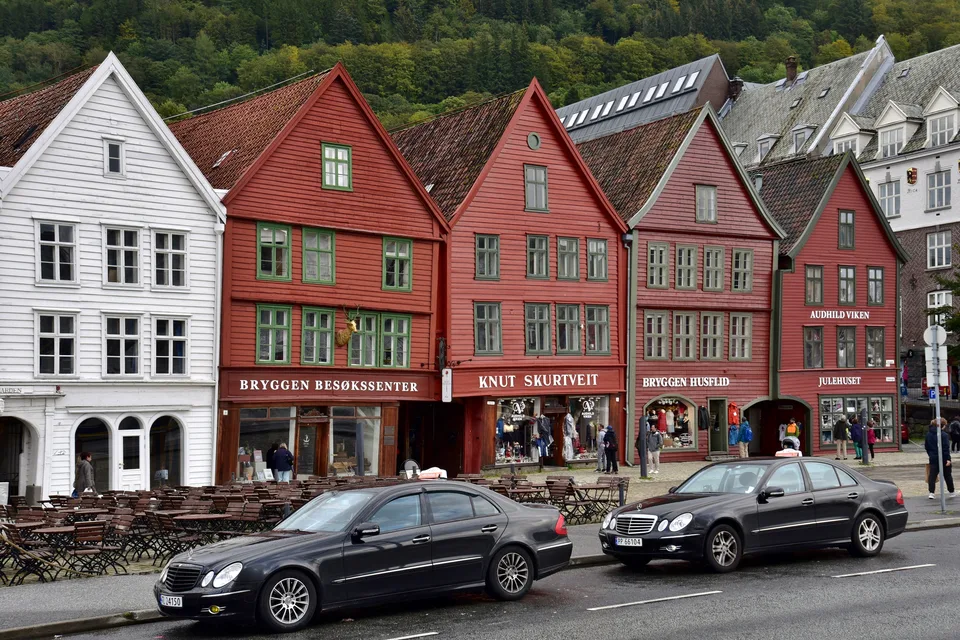
Bryggen is the old wharf, rather than a name for the entire city. UNESCO’s World Heritage description explains its importance within the Hanseatic trading network and the relationship between the harbour-facing buildings and narrow passages behind them. Its current appearance reflects repeated rebuilding, especially after the 1702 fire, while preserving an older pattern of land use and construction.
Look beyond a photograph of the gables. The long rows, passages, former storage spaces and assembly rooms explain how merchants organised daily work and life. Not every timber building is an untouched medieval original; the continuity of the urban pattern is a more useful way to understand what survived.
Take your time in the passages, respect barriers and working premises, and keep entrances clear. Bryggen is a fragile historic environment with businesses and ongoing conservation needs. A guided visit can add context, while a quiet independent walk is worthwhile even if you choose no paid attraction.
Divide the centre into walks rather than a checklist
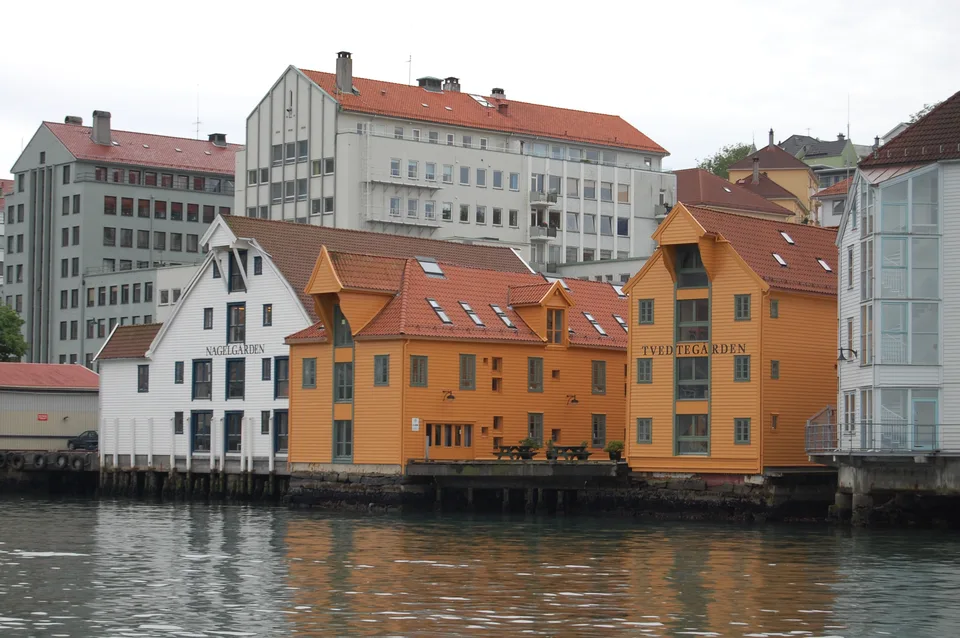
The official guide to central neighbourhoods provides a useful framework for exploring beyond the wharf. Choose a harbour walk first, then a separate outing through Nordnes or towards the university area around Sydnes. Sandviken offers another direction from the historic waterfront. Each adds something different from another circuit of the same central streets.
For a short stay, group sights that sit along a coherent route. A museum visit, a meal and a neighbourhood walk make a satisfying day without constant transfers. Leave time to stop when the weather clears rather than filling every gap with another reservation.
Visit the right Hanseatic museum entrance
The Bryggen Foundation’s museum information says the historic Hanseatic Museum building is closed for extensive rehabilitation. Schøtstuene provides the visitor programme during that work. Avoid planning a visit around an assumed reopening date: use the current museum instructions and the address of the operating venue.
Museum Vest lists Schøtstuene at Øvregaten 50. Its published opening calendar distinguishes May–October 2026 from the following winter. The warmer-season programme includes daily guided visits in several languages, with advance reservation requested. Winter opening varies, including reduced January availability and holiday closures. Check your actual day rather than applying a summer timetable to a winter trip.
This visit is especially useful if the merchant history interests you. Choose a language and time that you can comfortably reach, and leave space afterwards to revisit the passages with that context. A museum name covering several premises does not mean every historic building is currently accessible.
Choose archaeology or art for a substantial indoor visit
Bryggens Museum offers a different route into the past through archaeological remains and objects illustrating medieval life. Its Below Ground exhibition makes a useful companion to the streets outside. Book the admission or guided product you actually want; a walking tour and an ordinary museum ticket may involve different arrangements.
For art, Kode’s visitor information brings together several venues and composer homes. Do not treat them as a single building with one opening schedule. The Rasmus Meyer collection is a strong choice for Norwegian painting, including Edvard Munch and artists such as Harriet Backer and J. C. Dahl. Choose according to the collection or exhibition that interests you, then confirm that venue’s opening day.
Read Kode’s ticket conditions before relying on a pass or concession. Its Bergen Card benefit changes by season: free admission October–April and a 25 per cent discount May–September under the published conditions. Concerts and special products need their own check.
Keep a clear-weather opportunity for Fløyen
Fløibanen gives access to a viewpoint above the city without requiring an uphill walk. The operator’s fare table lists an adult return at NOK 145 during January–March and October–December, and an adult single at NOK 80. April–September has different prices: an adult return is NOK 200 through the app, website or ticket machine, compared with NOK 220 at the ticket office.
Choose a return ticket if you want the option of descending by funicular. Buying only the uphill journey commits you either to buying another fare or walking down, which may be less appealing after rain or a tiring day. The ticket office and transport service have different hours, so check both if you need assistance buying a particular product.
Once above the city, decide how much walking suits the conditions and your group. A viewpoint visit can be worthwhile without becoming a long hike. Keep the visit flexible when possible: visibility matters more than completing it at a predetermined hour.
Treat Vidden as a mountain day
The Ulriken operator’s Vidden route guide describes roughly 13 kilometres between Ulriken and Fløyen, commonly taking four to six hours. That makes it a substantial outing, with exposed terrain and conditions that can change quickly. It should not be added casually to an afternoon of museums or treated as a longer version of a central neighbourhood stroll.
Assess the forecast, daylight, equipment and the least experienced person in your group. Carry food, suitable layers and a means of navigating; do not rely on a distant view from town as proof of conditions across the plateau. Allow for reaching the start and getting home afterwards, as well as the walking itself.
If the conditions or your experience do not fit, choose a shorter outing near the viewpoint or stay in the city. A funicular ticket provides transport, not a guarantee that a particular mountain route is suitable that day.
Make the fjord excursion fit the time available
A fjord cruise can add a different landscape without changing hotels. Rødne’s Mostraumen cruise information describes a three-to-three-and-a-half-hour return from Zachariasbryggen, by the Fish Market. It is a sightseeing voyage without a stop to go ashore during the trip. That distinction matters if your aim is to explore a village rather than watch the coastline from a boat.
The operator lists an ordinary 2026 adult/student fare of NOK 890, with separate 2027 prices. Confirm the date-specific checkout and cancellation terms before purchasing. Routes can change because of conditions, including ice. A covered lounge does not make every departure or route unconditional.
Read the accessibility information carefully. The operator flags boarding difficulties linked to tides and the need to negotiate access and stairs; contact it before booking if you use a wheelchair or have limited mobility. Allow time at the correct quay before departure, then keep the rest of the day comparatively light.
Choose accommodation for the arrival and the return home
A central base makes a short first visit easier when you intend to walk around the harbour and visit museums. Compare properties around the station with those nearer your preferred evening area. The useful question is how you will manage luggage and return after dinner, not simply how close a listing appears to Bryggen.
An airport hotel may suit an early flight but creates a different pattern of city journeys. A room farther out can work well when it has a convenient connection; price the transport and time before deciding that the lower room rate is a saving. Check the final stretch from the stop to the entrance.
For families or longer stays, compare extra-bed rules, kitchen equipment, laundry, breakfast and cancellation terms. Ask directly about lifts, steps and bathroom access if needed. A scenic address may still involve practical compromises, and a property’s general accessibility label cannot answer every individual requirement.
Compare the airport options by the whole journey
The official airport-to-city comparison identifies Bybanen line 1 as the light-rail connection from Bergen Airport Flesland to the centre, taking about 45 minutes. Its lower fare can be useful when the onward walk is manageable. Airport coaches offer a different route and may suit accommodation nearer one of their stops.
Compare waiting time, the stop closest to your room and the amount of luggage you will handle. A headline travel time excludes finding the platform, waiting for a departure and reaching the final address. For an early flight or late arrival, check the actual service operating on your date rather than assuming a frequent daytime pattern continues overnight.
Keep the airport coach and ordinary Skyss tickets separate in your calculation. Buying a city ticket does not automatically cover a privately operated express service. For taxi travel, request a clear price and confirm what journey it covers before setting off.
Use Skyss fares and zones deliberately
The current Skyss fare table lists an adult one-zone single at NOK 51 and a one-zone 24-hour ticket at NOK 136, under its May 2026 tariff. Three separately paid adult singles would total NOK 153, so the day ticket deserves consideration when you expect several journeys. Check whether your routes remain within the zone purchased.
The single-ticket rules give 60 minutes of validity in one zone and allow combinations of bus and light rail within the conditions. Some boats and train journeys are covered, but the details matter. A zone A single is not a general rail pass for excursions towards Voss.
Arrange a valid ticket before travelling and retain proof of any concession. The operator publishes family and student arrangements, but eligibility must be checked for the people actually travelling. Compare those products in the app before buying several adult tickets; an international student card or a child’s appearance alone may not settle every inspection question.
Calculate the Bergen Card against your chosen visits
The current Bergen Card page lists adult prices of NOK 400 for 24 hours, NOK 500 for 48, NOK 600 for 72 and NOK 700 for 96. Older downloadable brochures can show different figures. Use the current product and checkout when making a purchase.
The card includes specified Skyss services and the airport light rail, with free or discounted admission at participating venues. It does not cover Vy trains, express coaches or regional boat and ferry routes generally. A discount on an excursion is different from having its full fare included.
Write down the attractions you would otherwise pay for, apply the benefits for your season, and compare that saving with the card’s cost. Activate the digital card when you are ready to start its countdown; an internet connection is needed at activation. Discounted Fløibanen purchases use the dedicated process linked from the card information, rather than the standard ticket checkout.
Eat at the harbour without letting the location choose the price
The official Fish Market information distinguishes the year-round indoor Mathallen from the outdoor market, which closes in winter. Individual traders have their own hours. Plan a winter food stop around an operating business rather than expecting the full summer arrangement of stalls.
Browse before ordering and establish what the displayed price buys: a portion, a weight of seafood, a takeaway dish or a seated meal. Ask about accompaniments and preparation if they are not clear. A market setting is an interesting place to eat, but it does not establish that every purchase is inexpensive.
For the rest of the trip, balance the meals you particularly want with simpler options. Check menus near your accommodation before committing your evening budget to one area. If self-catering, verify kitchen facilities and shopping hours. Discuss allergies with the business preparing the food rather than relying on a broad description of Norwegian cuisine or a translated dish name.
Shop and budget with the total cost in view
Build the budget from a real room quote, your transport choices and the paid experiences selected for your dates. Leave separate amounts for meals and optional purchases. A mountain viewpoint, a museum and a fjord excursion have different costs and time requirements; buying all available experiences is not necessary for a useful introduction to Bergen.
When shopping around historic streets, ask about materials and origin if they influence what you are willing to pay. Larger purchases need a luggage or shipping plan.
Keep the working budget in kroner and check your payment provider’s currency-conversion terms. For bookings, read cancellation deadlines and what happens if the operator changes the programme. For a prospective move, separate holiday spending from recurring household costs: a few days of restaurants and hotel accommodation cannot establish a credible monthly living budget.
Plan for weather rather than waiting for a perfect season
Bergen’s coastal setting makes flexible planning valuable. The official visitor weather information links to Yr forecasts; use current conditions and warnings when deciding on a mountain outing or exposed waterfront walk. A forecast for central Bergen does not remove the need to assess the route above it.
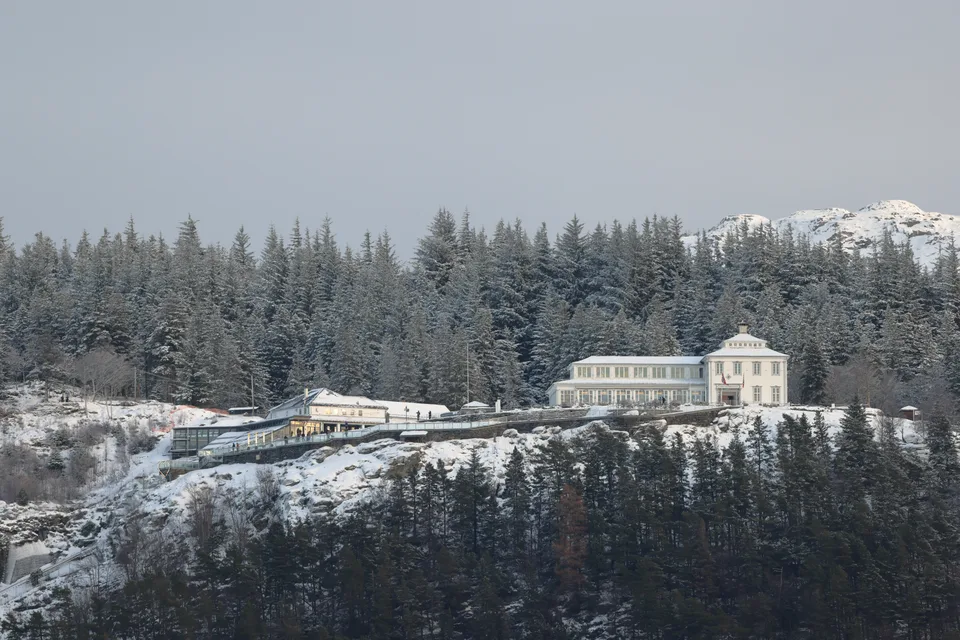
Longer summer daylight offers more room for outdoor plans and evening walks, while winter requires more care with daylight and seasonal opening. The official winter guide makes clear that a visit can involve rain and wet streets as well as snow. Do not book expecting a guaranteed white landscape like a photograph taken on a particular December day.
Pack a waterproof outer layer and footwear that suits damp surfaces. Keep an indoor option available, and avoid making every major reservation depend on the same fine-weather afternoon. For a short visit, choosing a museum when visibility is poor can preserve the clearer interval for the viewpoint.
A realistic three-day first visit
Day one: settle in, walk the harbour and spend time in Bryggen’s passages. Choose Schøtstuene or Bryggens Museum for a deeper visit rather than trying to give both a cursory look. Finish with dinner in an area that leaves an easy route back to your accommodation.
Day two: use the clearer part of the day for Fløyen, keeping the extent of walking appropriate to conditions. Pair it with a neighbourhood walk or art visit, rather than automatically extending it into Vidden. If the weather is poor, reverse the order and begin indoors.
Day three: choose the fjord cruise or another cultural day. A longer regional circuit needs its own realistic timing and can justify an additional night. This framework deliberately leaves choices open. Museum calendars, departure times and your own travel day should determine the final sequence, with time for meals and pauses between booked activities.
Arrive by rail with current service information
Vy’s journey planner and timetable page covers the Bergen Line from Oslo and regional services towards Voss and Myrdal. Rail can turn the journey to Bergen into part of the trip, but check the actual service and any planned replacement transport before booking a tightly timed onward connection.
Use the live journey planner for your date rather than treating an old timetable download as definitive. Compare whether a booking is a through journey and read the terms relevant to connections, luggage and bicycles. A scenic route still needs a practical arrival plan at the station.
Choose a home around the weekday you will actually live
Assess housing using your workplace, campus and household needs. Map the full commute at the time you expect to travel, including walking, changes and the return after a late finish. A home that suits a holiday itinerary may be awkward for work on the other side of the city.
Compare written offers by contract duration, included services and total monthly cost. Ask about heating, electricity, internet, laundry, storage and bicycle parking. Inspect for damp and ventilation issues, document existing defects, and verify the person or business offering the home. Avoid using an unverified online average as a substitute for comparing actual available properties.
Keep temporary accommodation in the arrival budget if permanent housing is unresolved. Students should follow their institution’s accommodation instructions and deadlines. Municipal housing is a service with eligibility conditions, not a general promise of a home to anyone moving to Bergen. Check the terms of any scheme before relying on it.
Put the rental deposit and household services in order
The Norwegian Consumer Council’s deposit guidance says a rental deposit belongs in a separate account in the tenant’s name. The landlord cannot require it to be paid into their private account or handed over in cash. Establish the proper arrangement before transferring money, rather than relying on a promise to formalise it later.
Use a clear written agreement. The Consumer Council’s contract resources include a residential tenancy template in English, useful for understanding the matters that need recording. Confirm the inventory, responsibility for utilities and the procedure for ending the tenancy.
The City of Bergen’s newcomer page provides links for schools, kindergarten applications, healthcare, waste services and transport. Work through the services your household actually needs, including how refuse is handled at the address and which electricity arrangements you must organise. Verify school and childcare processes early; having a rental address does not itself complete an application.
Separate immigration permission from resident administration
For many non-EU/EEA visitors, the UDI visitor-visa guidance uses the rolling limit of up to 90 days in any 180 across Schengen. A visa can authorise less than that maximum. Check nationality-specific requirements and the permission actually issued. Tourism does not itself confer permission to take employment, study long term or settle permanently.
Use the separate skilled-worker route or study-permit instructions where relevant. Qualifications, an eligible job or admission offer and the applicable supporting requirements need individual checking. EU/EEA residence rules provide a different framework; do not apply the same visitor checklist to everyone.
Skatteetaten’s move-registration service helps establish the administrative requirements for a planned stay, normally including notification for residence of at least six consecutive months. Follow its circumstances-based instructions. For healthcare, use Helsenorge’s guidance for foreign visitors and residents to establish coverage and access. Registration, insurance and immigration permission answer different questions and should all be resolved before relying on a permanent move.
Compare Bergen with the region and other Norwegian bases
The official regional excursions directory is useful for comparing a coastal outing, Voss or a longer fjord-and-rail programme. Start with the experience you want and work backwards through the connections. A full-day circuit can be rewarding, but it should replace other plans rather than sit on top of a crowded city day.
For a longer stay, compare work or study opportunities, actual housing offers and regular journeys alongside the appeal of the landscape.
VisaWand’s Norway guide and Norway destination page provide wider planning context. Use the Norwegian city directory, Oslo city page and Stavanger city page to explore other locations. If you need individual immigration advice, the consultant directory lets you compare providers; check qualifications, the written scope of service and fees before arranging support.
Official planning resources
Reviewed 17 October 2026. Use the official resources linked throughout this guide for admission, transport, housing and immigration decisions. Prices, services and rules can change; confirm the details relevant to your dates. Photography illustrates the locations and is not a live view.
View all official resources
- UNESCO Bryggen World Heritage description
- Visit Bergen city-centre districts and neighbourhoods
- Bryggen Foundation Hanseatic Museum restoration notice
- Museum Vest Schøtstuene current opening calendar
- Bymuseet Bryggens Museum exhibitions and visits
- Kode venue hours and access information
- Kode Rasmus Meyer collection and Edvard Munch exhibition
- Kode official tickets and Bergen Card conditions
- Fløibanen official seasonal fares and ticket products
- Ulriken operator Vidden route and conditions
- Rødne Mostraumen cruise practical information
- Visit Bergen airport transport comparison
- Skyss current bus and light-rail fares
- Skyss single ticket validity and coverage
- Visit Bergen current Bergen Card conditions
- Visit Bergen indoor and outdoor Fish Market information
- Visit Bergen weather planning and Yr forecast links
- Visit Bergen winter trip information
- Vy journey planner and current train timetables
- Norwegian Consumer Council rental deposit rules
- Norwegian Consumer Council rental contract templates
- City of Bergen newcomer services
- UDI visitor visa and Schengen stay rules
- UDI skilled worker application route
- UDI study permit routes
- UDI EU and EEA residence rules
- Norwegian Tax Administration move registration
- Helsenorge health rights for foreign visitors and residents
- Visit Bergen regional excursions
Plan the next part of your journey
Explore the Norway guide, browse other cities or compare consultants for your travel and relocation questions.