Visa
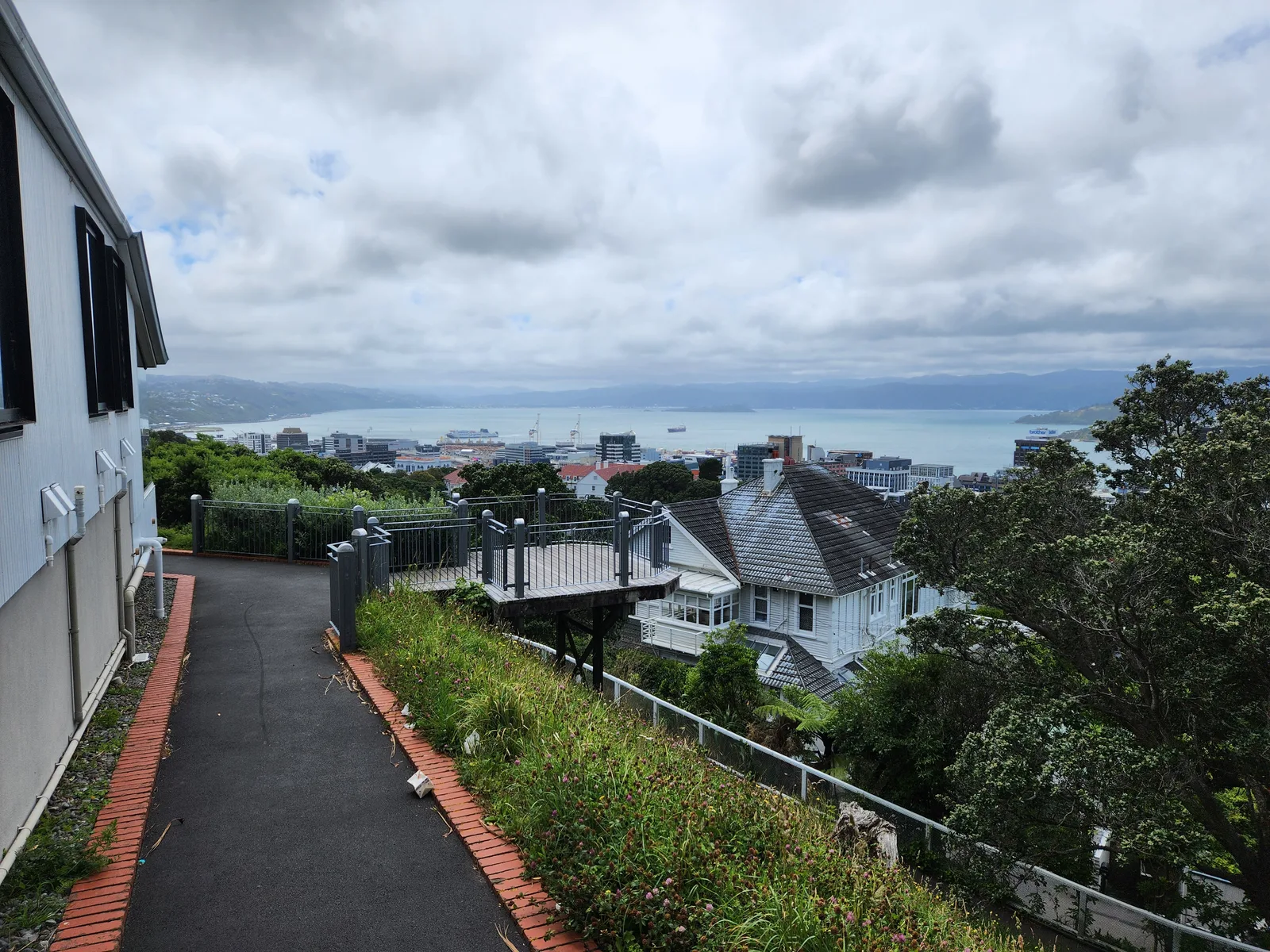
A harbour capital best explored at street level
Wellington makes a strong case for slowing down between larger journeys. The harbour gives the centre an open edge, while the hills draw your eye upwards from shops, cafés and office streets. A museum morning, a short funicular ride and time beside the water can form a satisfying day without a car. The reward comes from choosing a few experiences and allowing the city between them to matter.
For a first visit, decide whether your priority is national history, food, wildlife or walking. Three nights provide a useful introduction, with enough flexibility to move an outdoor outing when conditions change. Trying to fit every major attraction into a single day leaves little room for the practical business of arriving, finding entrances and enjoying a meal.
Wellington is also a place where the difference between visiting and living becomes clear quickly. A hillside view may involve stairs and a demanding journey home; an attractive central address may not suit your work hours. Read VisaWand’s New Zealand country guide for the national framework, then use this guide to investigate the particular trip or household you have in mind.
Understand the harbour before the landmarks
Wellington stands on the northern side of Cook Strait, at the southern end of the North Island. The government’s Te Ara account of the region describes a city constrained between harbour and hills. That geography helps explain both its compact centre and the importance of the surrounding settlements. Wellington City, the wider urban area and the Wellington region are different geographical units; a population figure is meaningful only when its boundary and date are clear.
The harbour has a much longer history than the capital’s government buildings. Te Ara’s account of Te Āti Awa connects Te Whanganui-a-Tara with the ancestor Tara and describes migrations and continuing interests in the region. The council’s coastal cultural context recognises the enduring connections of Taranaki Whānui and Ngāti Toa. These are living relationships, rather than a historical introduction to be left behind once sightseeing begins.
Wellington became the national capital in 1865, replacing Auckland. Government helped shape its architecture and working life, but the city’s appeal also lies in smaller spaces: a café, a gallery, a hillside path or a street where the evening feels different from the morning. Leave time to notice those changes.
Choose an address around your daily route
Start with the places you expect to visit most often. Lambton Quay provides access to the Cable Car and the northern commercial centre. Te Aro and Cuba Street suit a trip built around food and browsing, while the Thorndon side is useful to investigate for Parliament and the National Library. Kelburn offers a different hillside perspective, with the journey to and from the centre part of the decision.
WellingtonNZ’s city overview is a helpful orientation to its cultural life and central layout. Use its map alongside your accommodation’s actual entrance. A straight-line distance conceals gradients, steps and the route you will take with luggage. If walking is difficult for somebody in your party, ask the property for a precise description of access rather than accepting “close to town” as sufficient.
For a longer stay, repeat the exercise with the workplace or education provider, supermarket and likely evening destinations. Try the return journey at the hour you would normally travel. Being near a bus route is useful only when the direction, frequency and final service suit your routine. Compare the complete journey before deciding that a more distant room offers better value.
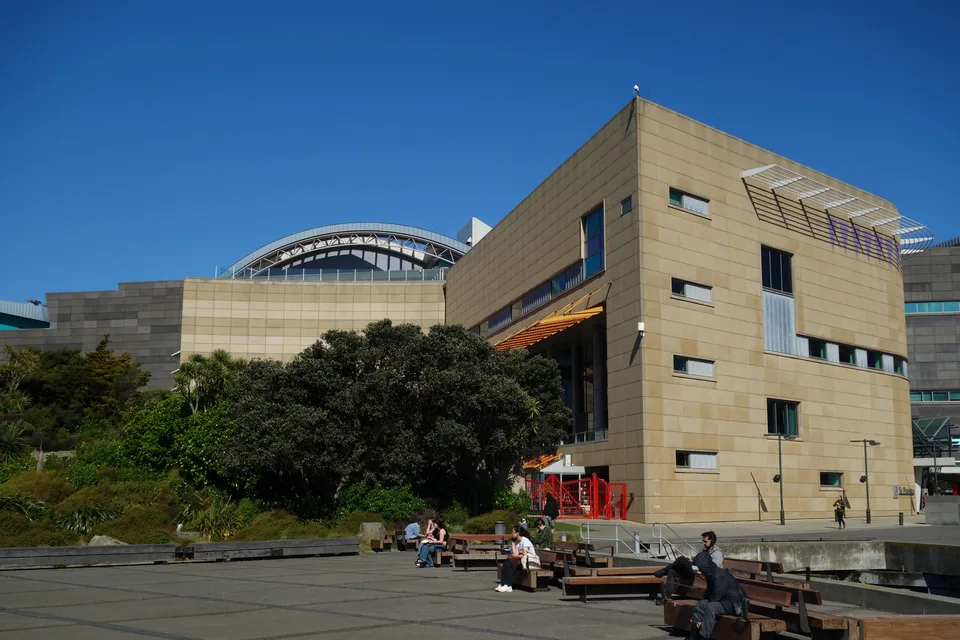
Make time for Te Papa rather than rushing through
The Museum of New Zealand Te Papa Tongarewa is a substantial reason to visit Wellington. Choose a few themes or galleries you want to understand and leave space for an unexpected discovery. A national museum is easier to appreciate when the day allows you to pause, read and discuss what you have seen, rather than continuously checking the time for the next booking.
The museum’s official admission information lists entry at NZ$35 for international visitors aged sixteen and over, with the ticket valid for forty-eight hours. Children under sixteen enter free. General entry is free for New Zealand citizens and people holding visas to study, work or live in New Zealand. Guided tours and some exhibitions are separate purchases, so check the specific product before comparing totals.
Published museum hours are 10am–6pm daily except Christmas Day. If you qualify for the forty-eight-hour international ticket, splitting your attention across two visits may be more comfortable than trying to see everything in one session. Check identification requirements if your eligibility is unclear, and contact the museum about access or assistance that your group needs before arrival.
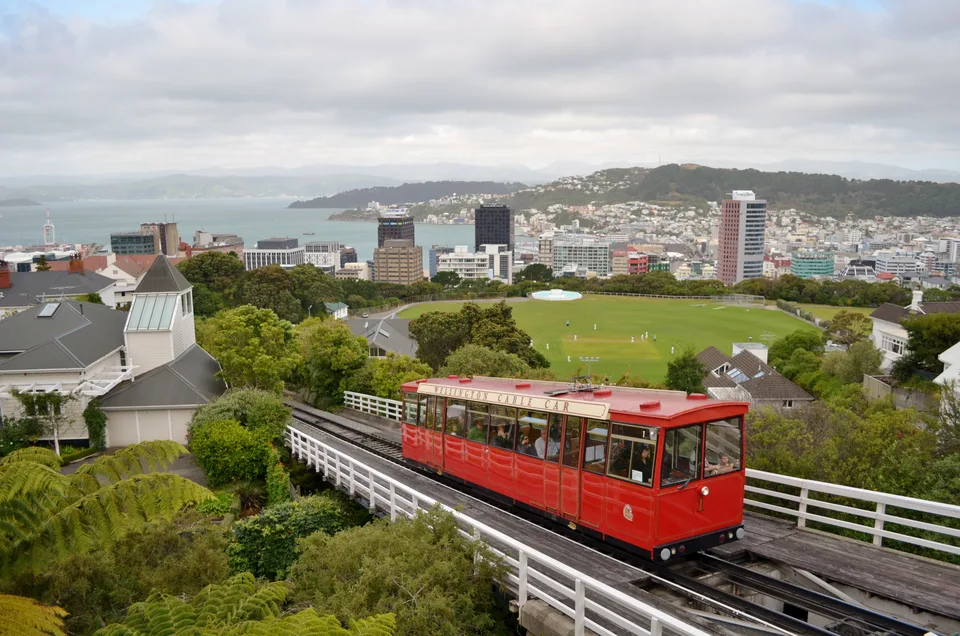
Take the Cable Car for the journey as well as the view
The Wellington Cable Car began operating in 1902 as a connection between Kelburn and the city centre. Its official history and terminal information explains the funicular’s continuing role and places the lower ticket office at the end of Cable Car Lane off Lambton Quay. The ride offers a quick change in perspective, with time at the top better left open than planned to the minute.
The published visitor fare is NZ$7 one way or NZ$13 return for an adult. Children aged five to fifteen pay NZ$3.50 or NZ$6.50 respectively, and children under five travel free. Cars normally run every ten minutes. This is a separate ticketed service: Snapper has not been accepted as payment since October 2023.
Choose a one-way ticket only if the rest of your route suits your party. Walking through the Botanic Garden can be an appealing continuation, but it is not the same task as stepping onto a flat waterfront path. Check gradients, exits and daylight before setting off. If you prefer to return by funicular, confirm the last service for that particular day, especially around holidays.
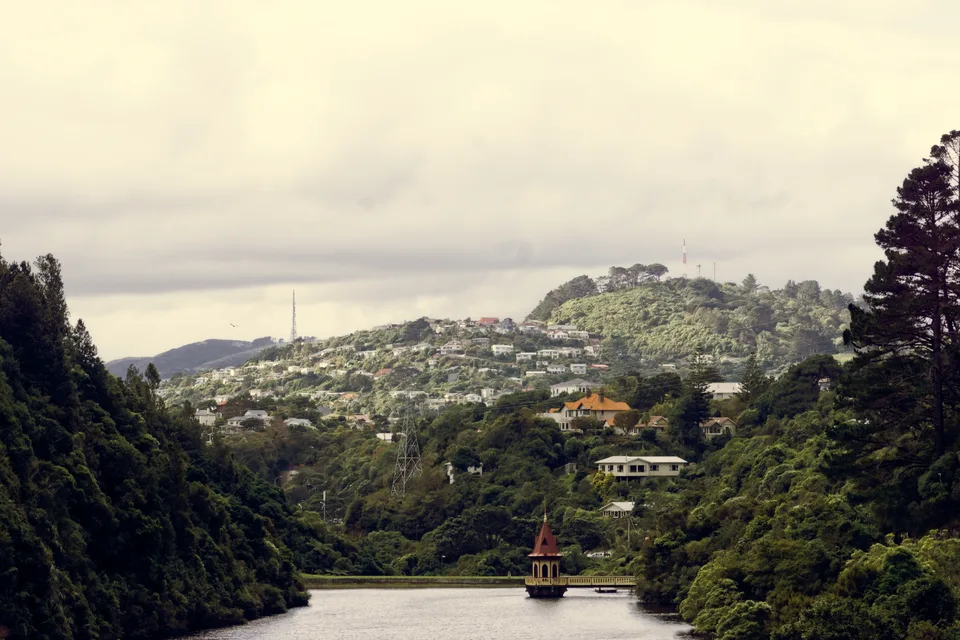
Visit Zealandia with enough time to stop and listen
Zealandia Te Māra a Tāne brings a regenerating forest and native wildlife experience close to the city. Its official visitor information describes a fully fenced sanctuary, open during the day from 9am–5pm, with last entry at 4pm, except Christmas Day. A visit works best as an outing of its own, rather than a hurried addition after everything else.
Current general admission prices distinguish New Zealanders from international visitors. The adult rates are NZ$27 and NZ$39 respectively; children aged five to seventeen pay NZ$11 or NZ$18. General admission is for self-guided visits and is valid on two consecutive days. The operator’s New Zealander category includes people living in New Zealand, so confirm your category directly if needed rather than assuming every attraction uses identical definitions.
The sanctuary advises that visitors commonly spend two to three hours, with routes ranging from accessible options to steeper tracks. Let the time include standing still and listening. Wildlife is not a performance with guaranteed sightings, and a good visit does not depend on seeing every species named in the publicity. Select a route that matches your footwear, energy and interest.
Check sanctuary notices and the shuttle home
Read Zealandia’s current track updates before choosing your route. At the October 2026 check, Western Firebreak was closed because of a slip, and Valley View, Morningstar, Tīeke and Kārearea tracks were closed. The Ara Kawau electric boat was out of service for maintenance. These are changing operational notices, so follow the live page and staff advice rather than treating this list as permanent.
The operator’s wildlife precautions also ask visitors not to feed wild birds or touch sick or injured wildlife, and to tell staff about an affected bird inside the sanctuary. Its updated notice says Zealandia remains open. Follow the current instructions on arrival; an older paragraph within the same evolving notice should not be mistaken for the latest position.
The free daytime shuttle serves Tākina at 217 Wakefield Street and the top of the Cable Car. It has limited capacity, with priority for Zealandia by Day tour ticket holders, and cannot guarantee space for everyone. Check the timetable in both directions and have a fallback. The shuttles do not currently have a wheelchair lift, so arrange suitable transport if you cannot comfortably transfer into a seat.
Add He Tohu to a northern city walk
He Tohu at the National Library offers a different encounter with national history. The exhibition presents the 1835 He Whakaputanga Declaration of Independence, the 1840 Te Tiriti o Waitangi and the 1893 Women’s Suffrage Petition. Free entry makes it a useful cultural stop, but its value lies in understanding the documents and their continuing significance, rather than simply seeing old signatures.
The published hours are 9am–5pm Monday to Friday and 9am–1pm Saturday. It opens on Waitangi Day and closes on other public holidays. Plan around those shorter Saturday hours and avoid assuming a Sunday visit is available. The National Library is at Molesworth and Aitken streets, on the Thorndon side of the centre.
Nearby, Parliament’s visitor tours provide another way to explore how the country is governed. Check the official booking link and the conditions for your date before building the day around a tour. Leave a gap between appointments so that time spent reading or a slower walk does not turn the morning into a race between entrances.
Let Cuba Street shape a food-and-shopping afternoon
The tourism board’s Cuba Street guide describes a roughly nine-hundred-metre stretch of road and pedestrianised street with cafés, restaurants, shops and bars. It is a useful area to explore when you would rather choose by looking at menus and shop windows than spend the entire afternoon following a fixed schedule. Begin with an appetite and enough time to change your mind.
For a practical food budget, compare the actual menu you expect to order. Breakfast, a coffee stop, lunch and an evening drink can add up differently from one substantial restaurant meal. If a venue matters to your trip, verify its opening day and book where appropriate. A food directory helps you discover options, but does not establish present availability or guarantee that a kitchen can accommodate an allergy.
Shopping deserves the same attention to detail. Decide whether you are browsing for an everyday item, a book, clothing or an artwork, and check provenance when it matters. Ask about shipping and return terms before buying something awkward to carry. Keep a quiet interval after lunch if the morning has included a major museum; Wellington’s cafés can be part of the visit rather than merely a break between attractions.
Arrive knowing which Airport Express stop you need
The airport’s official bus information directs passengers through Door E on the ground floor to the Airport Express. The service connects the airport with Wellington Railway Station, calling through the central city. The airport gives an indicative station-to-airport journey of twenty-five to thirty-five minutes, depending on traffic. Build in additional time for your flight rather than treating that estimate as an appointment guarantee.
Check the stop closest to your accommodation before boarding. If you have heavy luggage or access needs, compare the final walk with a taxi or pre-booked transfer quote. For a late arrival, confirm both the operating timetable and the property’s check-in arrangement.
Metlink’s current Airport Express fare table lists an adult fare of NZ$12 cash or on the dedicated contactless terminal, compared with NZ$9.23 using Snapper. Airport Express has no ordinary off-peak discount or free transfer to another service. With Snapper, tag on and off. The dedicated contactless terminal uses a different process, so identify the correct reader and follow the driver’s guidance.
Use ordinary public transport on its own terms
Wellington’s regular bus and train fares depend on zones and the way you pay. The Metlink fare page lists a one-zone adult Snapper fare of NZ$2.12 at peak times and NZ$1.70 off-peak. Contactless Visa or Mastercard payments on the ordinary network carry a 1.5 per cent fee. Check the journey planner for your actual trip rather than treating one central fare as a price for the whole region.
Tag on and off as instructed, and keep the payment method consistent. The Snapper mobile app manages a physical card and top-ups; it is not itself a ticket that you can present instead of the card. Special services, including Airport Express and harbour ferries, have their own rules. Ask about concessions before travelling if age, study or another eligibility category affects your fare.
A prospective resident should test the commute rather than merely calculate it. Work out how a missed service changes arrival time and what happens when a shift ends late. If you expect to combine modes, inspect the interchange and the walk at either end. Reliability and the effort required on a wet evening matter as much as the cheapest possible fare.
Be realistic about walks beyond the centre
A compact city does not make every named walk short. WellingtonNZ describes the City to Sea Walkway as 14.3 kilometres, taking six to seven hours between the central city and Island Bay. It includes stairs, uphill sections and exposed ridges. This is a separate day’s walking, not a gentle extension to a museum afternoon.
You can choose stages, but decide where to leave the route and how you will return. Take adequate footwear, water, food and weather protection, and consult current conditions before setting out. If your group wants a much easier outing, choose a shorter route with a clear turnaround rather than committing to the full trail because its name sounds inviting.
Treat viewpoints in the same way. Plan around what you can comfortably walk down as well as climb up, and leave daylight for the return. With mixed abilities, a shared shorter outing can be more enjoyable than separating the group across a route somebody did not expect.
Choose accommodation and season together
Compare accommodation using the complete bill and your likely routine: room occupancy, parking, breakfast, kitchen equipment, laundry and late arrival. For a short central stay, car parking may be a cost without much benefit. For a longer visit, a usable kitchen or laundry may matter more than an impressive lobby. Read cancellation conditions in the same local time as the booking.
Wellington’s regional climatology explains the influence of Cook Strait and rugged terrain, with substantial variation across the region. Wind is a practical consideration for exposed outings, and conditions elsewhere in the wider region can differ from the city. Use the climatology to understand the setting and a current forecast to make the day’s decision.
Summer, December to February, provides the southern-hemisphere summer travel window; winter falls in June to August. Pick dates around your priorities and budget rather than expecting a particular view or a wind-free day. Pack layers and suitable outerwear, and keep one indoor alternative that you actually want to visit. A flexible half-day is often more useful than another booking that cannot move.
A three-day introduction with room to adjust
Day one: arrive, settle in and walk part of the central harbour edge. Find the relevant bus stops and the next morning’s entrance before choosing dinner around Cuba Street. If you arrive late, shorten the outing and preserve your energy instead of trying to rescue every planned hour.
Day two: give Te Papa the main part of the day, with lunch and time to return to a gallery that catches your interest. On a suitable afternoon, take the Cable Car for the view and decide whether to return by funicular or continue along a route you have checked. Avoid adding a long walk merely because you are already above the city.
Day three: make Zealandia the principal outing, checking admission, track notices and the return shuttle. If your preferred dates put He Tohu within its opening hours, arrange a separate northern-city interval rather than squeezing it in after closing. A fourth day makes the plan more comfortable and allows for weather changes or a visit beyond central Wellington.
Moving here starts with the home and the hill
Inspect potential homes and test the journey to the actual workplace or place of study. Ask about steps from the road, carrying groceries, bicycle storage and parking. Check heating, ventilation and signs of dampness. The Healthy Homes requirements and the property’s compliance statement provide a framework, including any applicable exemption, but the viewing should answer practical questions about how you will use the rooms.
For an ordinary tenancy, the general bond limit is four weeks’ rent and rent in advance is limited to two weeks. Separate pet-bond rules may apply. Establish whether you are a named tenant or a flatmate, since your legal arrangements differ. Put payment, notice and shared-household responsibilities in writing, and record the condition when you move in.
Before buying, investigate property hazard and LIM information and obtain appropriate independent building, legal and insurance advice. Regional mapping may not establish the conditions of a particular property. For household setup, confirm which utilities are included, organise communications and insurance, and ask how rubbish and recycling work at the address. Check school or childcare availability directly. Healthcare eligibility depends on your circumstances, with changes taking effect on 1 December 2026.
Keep the purpose of your stay clear
Use Immigration New Zealand’s Visitor Visa and NZeTA information to establish the requirements for your passport and purpose. The validity of a travel authority is not the permitted duration of a stay. Entry requirements and the conditions attached to permission still matter after you have booked accommodation or received an invitation.
Many travellers must pay the NZ$100 International Visitor Levy, with exemptions determined by nationality and visa circumstances. Check the official total rather than adding a levy twice. The New Zealand Traveller Declaration is free and required for arriving travellers, including those holding a visa or NZeTA. Use the official service and allow time to prepare the information it requests.
Visitor permission does not authorise taking a local job. Some overseas remote work is allowed under conditions, while work, study and residence pathways address different intentions. VisaWand’s New Zealand destination information and consultant directory can help you prepare questions for advice. Work out the lawful route before making commitments that depend on remaining in Wellington.
Look beyond the centre without overfilling the trip
Petone offers another harbour perspective, with Jackson Street shops and food, the Esplanade and local history. It makes a useful outing when you want to understand the wider urban area as well as the capital’s central attractions. Check the journey and allow time to walk rather than turning it into a quick stop between bookings.
For a broader itinerary, compare VisaWand’s Auckland guide and Christchurch guide, or explore the New Zealand location directory. A directory entry does not necessarily contain a completed travel guide. Choose the next place according to the experience and travel time you want; Wellington is most rewarding when its harbour, cultural spaces and everyday streets have room to stay in the memory.
Official planning resources
Reviewed 16 October 2026. Use the official resources linked throughout this guide for admission, transport, housing and immigration decisions. Prices, services and rules can change; confirm the details relevant to your dates. Photography illustrates the locations and is not a live view.
View all official resources
- Te Ara Wellington history and geographical context
- Te Ara Te Āti Awa of Wellington
- Wellington City Council coastal cultural context
- WellingtonNZ city overview
- Te Papa admission and visitor services
- Wellington Cable Car history and terminals
- Wellington Cable Car official fares
- Zealandia official sanctuary information
- Zealandia general admission
- Zealandia current track updates
- Zealandia visitor wildlife precautions
- Zealandia transport and limited-capacity shuttle
- National Library He Tohu exhibition
- WellingtonNZ Parliament visits
- WellingtonNZ Cuba Street food and shops
- Wellington Airport Airport Express information
- Metlink Airport Express fares and payment
- Metlink current fares and payment rules
- WellingtonNZ City to Sea Walkway
- NIWA Wellington regional climatology
- Tenancy Services healthy homes standards
- Tenancy Services general rental bond
- Tenancy Services rent in advance
- Tenancy Services tenants and flatmates
- Greater Wellington property hazard information
- Tenancy Services utility bills
- Health New Zealand eligibility
- Ministry of Health eligibility changes
- Immigration New Zealand Visitor Visa
- Immigration New Zealand NZeTA
- Immigration New Zealand visitor levy
- Official New Zealand Traveller Declaration
- Immigration New Zealand work options
- Immigration New Zealand study options
- Immigration New Zealand residence options
- WellingtonNZ Petone visitor information
Plan the next part of your journey
Explore the New Zealand guide, browse other cities or compare consultants for your travel and relocation questions.