Visa
A city worth more than an airport night
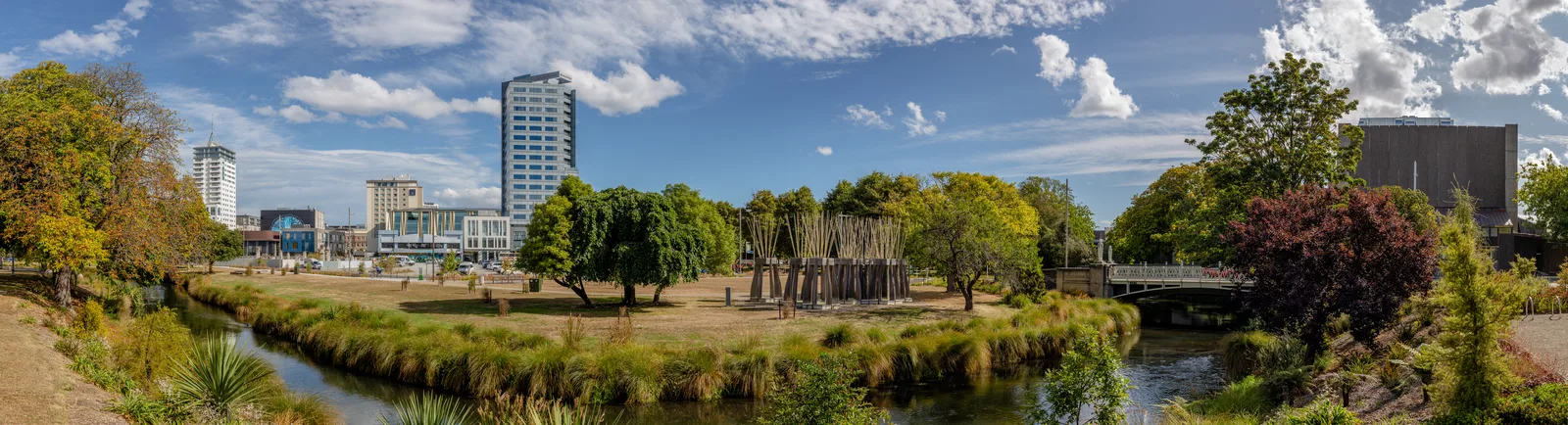
Christchurch rewards a little curiosity and a pair of comfortable shoes. The Ōtākaro Avon River winds through its centre, gardens interrupt the streets, and cultural stops sit close enough together to make an unhurried day practical. You can build a visit around art, architecture and food, then give a separate afternoon to the coast or the hills. It is a useful starting point for a South Island journey, but deserves time of its own.
The best first decision is whether you want a city break or a base for excursions. For the former, stay near the centre and keep the car question open until you have mapped your plans. For the latter, compare departure points and driving requirements before choosing a hotel. An inexpensive room loses some appeal when every morning begins with an awkward connection.
If you are considering moving here, use the holiday to investigate ordinary life as well. Try a likely commute, inspect homes and notice what your household would need through winter. VisaWand’s New Zealand country guide supplies the national context; the decisions below focus on Christchurch itself.
Understand Ōtautahi and the city’s scale
The City Council’s facts and history connects the name Ōtautahi with the Ngāi Tahu chief Tautahi and settlements beside the river. The planned colonial settlement followed in 1850, and Christchurch received its city charter in 1856. Those dates describe one chapter of the place, rather than the beginning of its human history.
The same council source estimates 419,200 people in Christchurch City at June 2025. That figure refers to the area governed by the council, not simply the central streets a visitor walks. Keep the geographical definition in mind when comparing housing, population or transport figures with another city. A municipal statistic is useful context, but cannot tell you how a particular neighbourhood will feel.
The 2010 and 2011 earthquakes are essential to understanding present-day Christchurch. Make room for their human impact rather than treating reconstruction as an architectural theme alone. A visit can take in contemporary buildings and restored heritage while also listening to the accounts of people whose homes, workplaces and lives were changed.
Match the neighbourhood to your plans
ChristchurchNZ’s accommodation precinct guide distinguishes Central City/Cashel Street, New Regent Street, the Arts Centre area and Hagley Park/Riccarton. Central accommodation suits a visit built around walking, dining and city departures. New Regent Street adds a compact concentration of colourful 1930s Mission-style buildings and access to the performing-arts precinct.
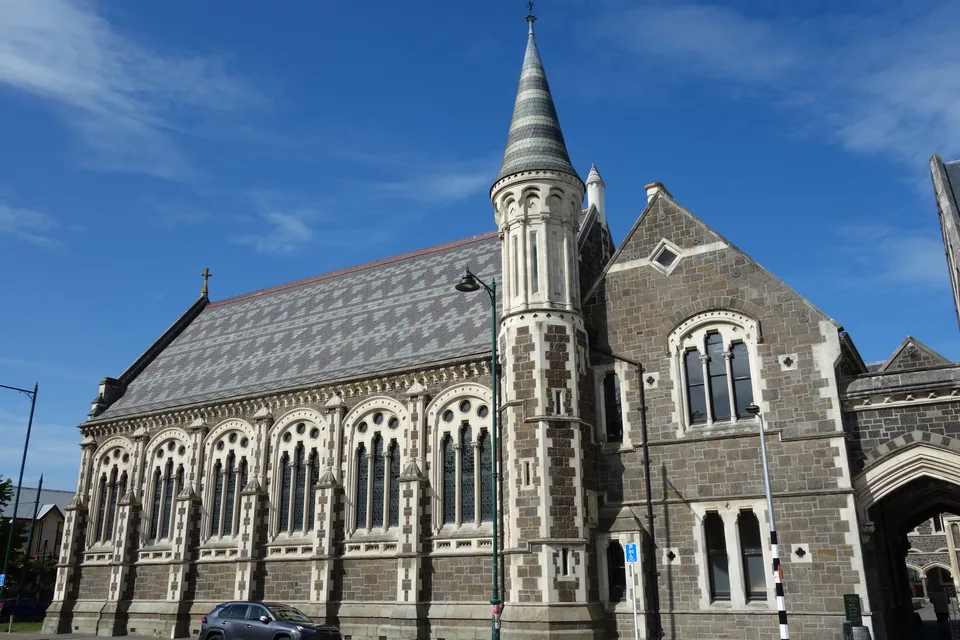
The Arts Centre area offers a different setting around Gothic Revival buildings, while the Hagley Park/Riccarton side is worth investigating if green space is high on your list. These descriptions are starting points, not promises that every room in an area is quiet or convenient. Read the actual address against the places you plan to visit.
Choose the entrance you will use, not just the map pin. Check the walk from your arrival stop, the crossing points and whether late check-in is possible. If you are attending an event, ask about the journey back after it finishes. For a longer stay, make the supermarket, workplace or education provider part of the comparison rather than assuming a central visitor address is automatically the best home base.
Give the Botanic Gardens a proper morning
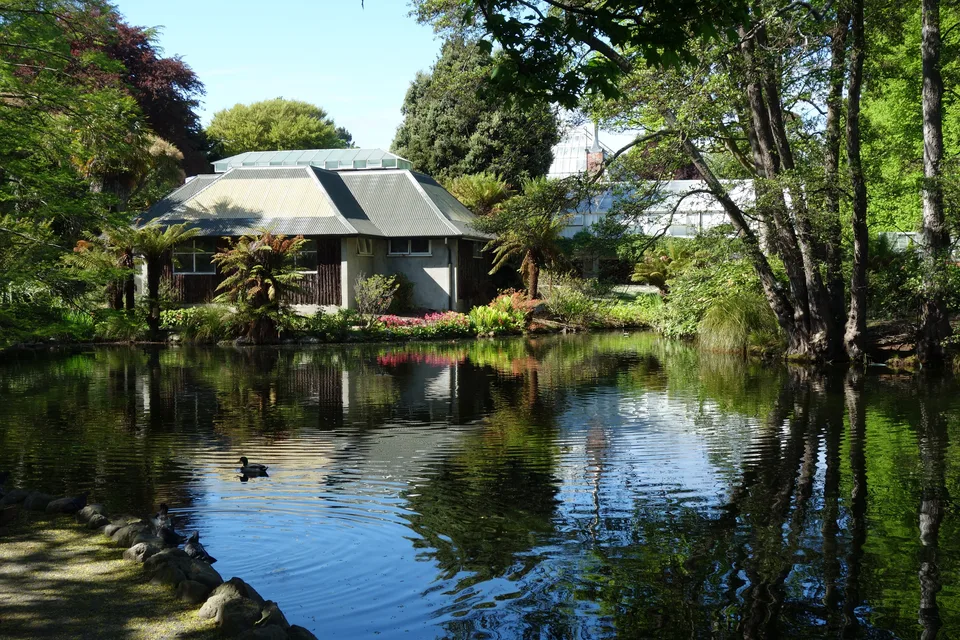
The Christchurch Botanic Gardens provide a substantial free outing, with different ways to spend time depending on your interests and energy. You do not need to buy a tour simply to enter. Start with the current visitor information and choose a manageable route, allowing time to stop rather than setting yourself a task of covering every path.
Opening times need careful reading. The grounds open at 7am, with closing times varying through the year: 6.30pm from April to September, 8.30pm in March and October, and 9pm from November to February. The conservatories keep shorter daily hours, 10am–4pm. An evening walk in the grounds therefore does not imply that the indoor collections will still be accessible.
This is a useful first full morning after travelling, or a quieter interval between ticketed experiences. Take water and a layer, and decide on a meeting point if your group separates. Check the relevant entrance and facilities for mobility needs. If plants are a major interest, leave enough time for the conservatories within their own opening window instead of arriving as they close.
Combine the Arts Centre with the public gallery
Te Matatiki Toi Ora The Arts Centre is a place to explore rather than a single attraction to tick off. Its central city block lies between Worcester Boulevard, Rolleston Avenue, Hereford Street and Montreal Street, close to the Gardens and Christchurch Art Gallery. That arrangement makes a day on foot practical without requiring continuous walking.
The Arts Centre’s visitor information distinguishes its general hours from the hours of individual galleries, retailers, museums and eateries. Check the particular venue or performance you want, especially around public holidays. Leave time to look at the buildings, then choose one exhibition or event that interests you instead of rushing through several unrelated spaces.
At Christchurch Art Gallery Te Puna o Waiwhetū, general entry is free. Its published hours are 10am–5pm daily, with Wednesday evenings extending to 9pm. The entrance is at Worcester Boulevard and Montreal Street. Check the current programme for any separately ticketed activity, and use a gallery visit as a considered part of your trip rather than merely a substitute when the weather turns.
Check the museum address before setting out
Canterbury Museum’s familiar Rolleston Avenue buildings are closed during redevelopment. The operator’s current visitor page directs visitors to its pop-up at 66 Gloucester Street, where collection highlights and changing exhibitions are available. Older itineraries can still lead you to the wrong building, so check the current exhibition and address before planning a visit around them.
Quake City is a separate earthquake exhibition at 299 Durham Street North, on the corner of Armagh Street. Its published opening hours are 10am–5pm daily except Christmas Day, and admission charges apply. It is an appropriate place to seek context for the city’s earthquake experience, rather than trying to interpret everything from streets and building sites.
Allow time to absorb what you see. If the subject is personally difficult for somebody in your group, discuss that before arriving and leave the following hour flexible. A museum or exhibition visit is more useful when you can linger with an account or object that changes your understanding, rather than measuring success by how many stops fit into the afternoon.
Decide whether the tram or a punt suits you
The Christchurch Tram is a paid sightseeing experience with commentary, rather than a substitute for the regular public bus network. An adult day ticket is NZ$42; children aged five to fifteen pay NZ$10, with younger infants free. The full circuit takes approximately fifty minutes, with eighteen stops and the ability to get on and off during the ticket’s day of validity.
It can suit visitors who want an introduction before choosing where to spend more time. Work out which stops you actually intend to use, and ask about boarding assistance or a particular tram’s suitability if you have mobility equipment. Read the current fare table: an old review describing free children’s travel does not override today’s published child ticket.
Punting on the Avon offers a shorter river experience: the operator lists thirty-minute outings at NZ$45 for an adult and NZ$30 for a child aged five to fifteen. Antigua Boat Sheds and Worcester Bridge have different operating calendars. Book against the actual boarding location, and keep weather and cancellation arrangements in mind. Neither activity is compulsory; choose the perspective you would enjoy most.
Use a clear day for the gondola
The Christchurch Gondola has its base at 10 Bridle Path Road and rises to a summit station on Mount Cavendish. The operator advises allowing one to two hours for a visit and advertises adult tickets at NZ$45, children aged five to fifteen at NZ$22 and infants free. These are published October 2026 prices, not a guarantee for every future booking.
This outing needs transport beyond the central sightseeing circuit. Check the current shuttle timetable or plan your independent journey before buying a combination ticket. If accessibility is important, contact the operator about the cabin and assistance arrangements; its own information states that the Gondola Shuttle is not wheelchair accessible.
Choose a day when the views are likely to justify the journey, and keep a warmer layer for time away from sheltered streets. Decide in advance whether you want only the gondola visit or a separate walk. Seeing a track from a summit station is not enough information to assess its gradient, duration or suitability for your group.
Make Sumner a separate change of pace
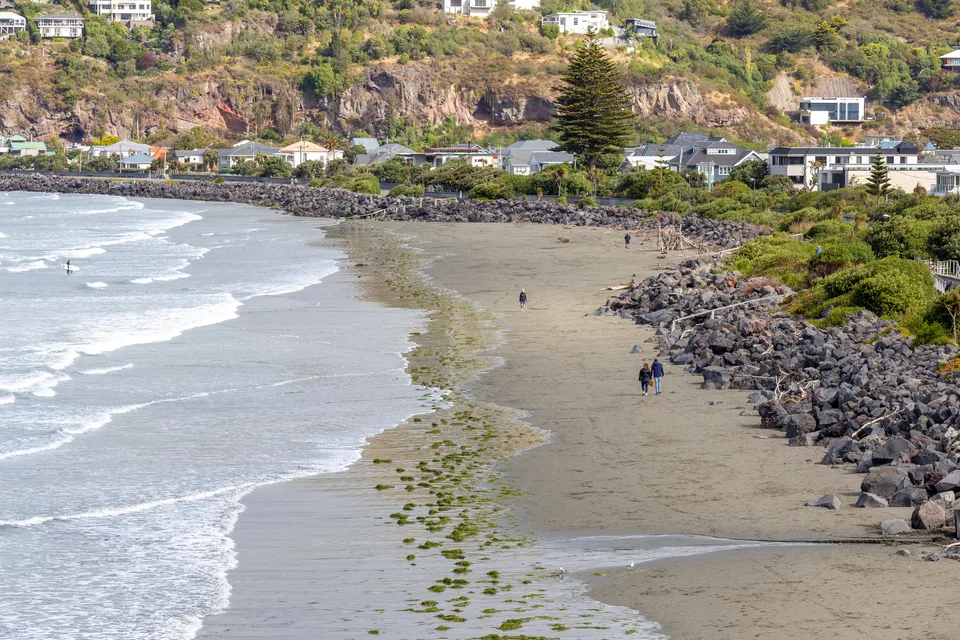
Sumner offers a seaside interval from the central city. The council’s Sumner Promenade information describes a 1.25-kilometre route from beside Cave Rock to Scarborough Park, taking about twenty minutes one way. It lists the promenade as suitable for wheelchairs and buggies, with toilets at Scarborough Park.
That is a useful basis for a relaxed outing: walk one way, pause, and allow for the return rather than treating the quoted time as a complete circuit. Bring appropriate clothing for an exposed coastal setting, and choose your turnaround according to energy and weather. A walk beside the beach does not require making swimming or climbing part of the day.
If you are travelling by bus, check the destination and final return service before leaving the centre. Plan a meal around your actual return time, or leave the evening open. For visitors who are comparing places to live, use the outing to assess the practical journey as well as the appeal of the waterfront; holiday atmosphere and a daily commute answer different questions.
Get from the airport to the right part of town
The airport’s public transport page places departing buses at the northern end of International Arrivals, beside the Novotel, through Door 9. It lists route 3 towards Sumner via the city and route 29 to the city via Fendalton, alongside other services. Check your exact destination rather than boarding the first bus whose sign includes a familiar place name.
Use the live journey planner for your arrival date and time. Allow for collecting luggage and completing border formalities when relevant, then compare the final walk with what your party can comfortably manage. A taxi or pre-booked transfer may be a better fit for an awkward arrival or substantial luggage; obtain a current quote rather than relying on an old fare estimate.
For a South Island road trip, consider collecting a rental car when you actually need it. Ask about collection hours, return arrangements and the full price including any parking at your accommodation. Keep the first drive realistic after a long flight. A night’s rest and a central-city day can be a more comfortable start than immediately adding a demanding onward journey.
Pay correctly on the changing Metro network
Metro’s current standard bus fare is NZ$3 with Motu Move contactless payment, a Motu Move card or a Metrocard, compared with NZ$4 cash. Standard bus caps are NZ$6 per day and NZ$30 per Monday–Sunday week when you use the same eligible payment method. Ferry fares and caps differ, and concessions require their own eligibility checks.
The contactless payment rules matter for families: everyone aged five or over needs their own payment method, and you cannot pay twice with one contactless card or device. Keep using the same method to receive the applicable transfers and caps; a physical bank card and its digital-wallet version are treated as different methods. Metro currently says tagging off is not required, but advises that this will change later.
The payment transition also has a firm date. Cash and Metrocard payments remain available in October 2026 but will be retired from 23 November 2026. Use the operator’s latest instructions for travel on or after that date. This is a material change for a future visitor, so avoid planning around an old leaflet or a previous trip’s payment routine.
Eat, browse and budget around your priorities
Riverside Market is an indoor market beside the Avon, with local produce, baked goods, coffee and food outlets; the adjoining Riverside Lanes add retail options. It makes a useful place to compare what you feel like eating before committing to a sit-down meal. Check the individual business for its current menu and hours.
Keep the daily budget concrete. Price your room for the actual dates, add the airport journeys, then choose which paid experiences justify their cost to you. Free general admission at the Gardens and public gallery can balance a ticketed outing without making the day feel like a cost-cutting exercise. Allow separately for meals, drinks, shopping and changes to the plan.
A kitchen is valuable only if it suits how you intend to travel. Check the equipment before buying groceries, and distinguish a kitchenette from facilities that can handle a family dinner. For dietary requirements, ask the business directly about preparation and cross-contact. When buying art or a substantial souvenir, confirm provenance, delivery and return arrangements rather than deciding only on the display price.
Stay somewhere that makes the whole visit easier
Compare hotels, motels, apartments and shared accommodation by the conditions that affect your own party. Confirm beds and room occupancy, parking, laundry, kitchen access and whether breakfast is included. A listing’s attractive nightly amount may exclude services you would otherwise need to buy. For a short stay, the time saved by a useful address can be worth more than a small room discount.
Read cancellation conditions against your flight and excursion bookings. Check the deadline and local time, and ask what happens if you arrive after reception closes. If quiet matters, ask about the specific room’s position rather than assuming an entire neighbourhood has the same sound levels. For mobility requirements, request concrete information about steps, lifts, doorways and bathrooms.
A prospective resident should separate this booking from a housing commitment. Temporary accommodation gives you time to inspect possible homes and understand the city’s journeys. Leave a budget for that transition instead of assuming that a holiday rental, an employer’s room or a friend’s spare bed will be available for as long as you need.
Plan for the season and keep one day flexible
ChristchurchNZ’s seasonal guides highlight summer’s longer warm days, autumn foliage, winter’s cooler outings and spring blossom. Choose the season around the experience that matters most, then check the actual dates and operating calendar. A photograph of a flowering avenue or a clear summit view is an illustration, rather than a promise for your visit.
Layering helps when a day includes the Gardens, a gallery and an exposed viewpoint or beach. Check a current forecast before leaving, and avoid making every hour dependent on dry weather. If your trip continues into the wider South Island, assess the conditions along the onward route separately from those in Christchurch.
For a three-day introduction, spend day one on the river and central streets, with time to settle in. On day two, combine the Gardens, Arts Centre and public gallery, adjusting indoor and outdoor time to the weather. Use day three for the gondola or Sumner, with a museum visit if it fits comfortably. Add an extra day for a substantial excursion rather than squeezing it into the hours before departure.
Moving here means checking the individual home
Begin with the address and the journey to your actual workplace or place of study. Test the trip at the relevant hour, including the return after a late finish. The council’s bike map identifies different kinds of cycle route, including separated paths and quieter streets; examine the entire journey rather than assuming every connection has the same level of separation.
When inspecting a rental, ask about heating, ventilation, storage and responsibility for shared spaces. Read the Healthy Homes compliance information and the property’s statement, including any applicable exemption. For an ordinary tenancy, the general bond is limited to four weeks’ rent, while rent in advance is limited to two weeks. Separate pet-bond rules may apply.
Understand whether you will sign as a tenant or join as a flatmate, since the legal arrangements differ. Put bills and responsibilities in writing, including which utilities are included. Photograph the condition and provided items at handover. Compare current properties of similar size and location rather than treating a citywide historical rental average as the price you will pay.
Before buying, investigate the council’s LIM and property records and obtain appropriate independent advice about the building, land and insurance. A record search does not replace an inspection. For everyday setup, check the address-specific collection arrangements, organise communications and household insurance, and confirm school or childcare availability directly. Public healthcare eligibility depends on your circumstances; check the changes effective from 1 December 2026 for your arrival date.
Separate visiting from permission to work or settle
Check Immigration New Zealand’s Visitor Visa and NZeTA information against your passport and purpose. A travel authority’s validity is different from the permitted length of a stay, and border entry requirements still apply. Use the official process early enough to make informed booking decisions rather than assuming permission will arrive by a particular date.
Many travellers must pay the NZ$100 International Visitor Levy, with exemptions depending on nationality and visa circumstances. Check the total shown for your application before adding anything separately. The New Zealand Traveller Declaration is free and required for arriving travellers, including those who already hold a visa or NZeTA.
Taking a local job requires appropriate permission. Some overseas remote work is allowed under visitor conditions, but that exception is not a general right to work in New Zealand. Investigate work routes, study permission or residence pathways for your actual intention. VisaWand’s New Zealand destination information and consultant directory can help you prepare questions for advice. A rental agreement or an enjoyable holiday does not establish immigration eligibility.
Choose the next stop with travel time in mind
Akaroa and Banks Peninsula offer harbour scenery and a different pace; ChristchurchNZ gives an indicative ninety-minute drive from the city centre. Treat that as a starting estimate and allow time for stops and conditions. Confirm transport and an activity before departing, and avoid promising yourself wildlife sightings simply because they appear in promotional material.
For a wider itinerary, compare the mountain setting in VisaWand’s Queenstown guide or the northern arrival options in its Auckland guide. The New Zealand city and settlement directory provides further geographical options. Leave enough time for each place to become more than a transfer: Christchurch works especially well when the river, gardens and cultural spaces are allowed to set the pace.
Official planning resources
Reviewed 16 October 2026. Use the official resources linked throughout this guide for admission, transport, housing and immigration decisions. Prices, services and rules can change; confirm the details relevant to your dates. Photography illustrates the locations and is not a live view.
View all official resources
- Christchurch City Council facts and population
- ChristchurchNZ neighbourhoods and accommodation
- Christchurch Botanic Gardens visitor information
- Christchurch Botanic Gardens opening hours
- The Arts Centre location and access
- The Arts Centre general visitor information
- Christchurch Art Gallery visitor information
- Canterbury Museum current locations
- Quake City earthquake exhibition
- Christchurch Tram operator information
- Punting on the Avon operator information
- Christchurch Gondola operator information
- Christchurch City Council Sumner Promenade
- Christchurch Airport public transport
- Metro Christchurch current fares
- Metro contactless payments
- Metro Christchurch getting started
- Riverside Market official information
- ChristchurchNZ seasonal guides
- Christchurch City Council bike map
- Tenancy Services healthy homes standards
- Tenancy Services general rental bond
- Tenancy Services rent in advance
- Tenancy Services tenants and flatmates
- Tenancy Services utility bills
- Christchurch City Council property LIM information
- Christchurch City Council collection services
- Health New Zealand eligibility
- Ministry of Health eligibility changes
- Immigration New Zealand Visitor Visa
- Immigration New Zealand NZeTA
- Immigration New Zealand visitor levy
- Official New Zealand Traveller Declaration
- Immigration New Zealand work options
- Immigration New Zealand study options
- Immigration New Zealand residence options
- ChristchurchNZ Akaroa day trips
Plan the next part of your journey
Explore the New Zealand guide, browse other cities or compare consultants for your travel and relocation questions.