Visa

A lake town with a much bigger playground
Queenstown puts an unusually large range of outdoor experiences within reach of a small town. Its setting beside Lake Whakatipu, in the southern South Island, explains much of the appeal: mountains are part of the view from the waterfront, rather than somewhere you need a separate expedition to glimpse. The practical question is how much adventure you actually want to buy, and how much time you want to leave for the place itself.
A first visit works best with a few deliberate choices. Pick one expensive experience that matters to you, reserve space for weather changes, and resist treating every mountain, lake and neighbouring settlement as a compulsory stop. Three nights can introduce the town; a longer stay gives you room to change plans without losing the activity you came for.
Queenstown also deserves a different calculation if you are considering living here. A holiday address beside the lake says little about your daily journey to work, winter heating needs or tenancy arrangements. Use this guide alongside VisaWand’s New Zealand country guide, then investigate the particular street, job and household you would actually be joining.
Read the landscape and its history together
Queenstown sits in Otago, with a built-up centre at the lake and residential areas extending into the surrounding basin. That geography rewards attention to an address: a property described as Queenstown accommodation may require a bus journey or a substantial uphill walk from the waterfront. A map becomes much more useful when you add gradients and your planned return time.
The area’s human history long predates its resort identity. Queenstown Lakes District Council’s Māori history identifies Tāhuna, now Queenstown, and Te Kirikiri, now Frankton, as important settlement sites. Southern Māori travelled through and gathered resources in this inland landscape; Kāi Tahu connections remain part of the district’s present, as well as its past.
The nineteenth-century gold rush changed the economy dramatically. Destination Queenstown’s historical account credits Jack Tewa with finding gold by the Arrow River in 1862 and describes the subsequent transformation from pastoral activity towards mining and hospitality. Knowing that background makes the district’s old hotels, river settlements and surviving miners’ buildings more meaningful than a sequence of attractive photo stops.
Choose your base before choosing a room
For a short stay focused on restaurants, departures and walking around town, start your search centrally. For airport convenience, consider Frankton; Fernhill and Sunshine Bay offer elevated settings, while Kelvin Heights and Arthurs Point provide further alternatives. These are distinct bases with different journeys, not interchangeable names for the town centre. Destination Queenstown’s accommodation overview outlines the areas and the available mix of hotels, hostels, motels, apartments and lodges.
Compare the complete stay rather than the room headline. Ask whether parking, breakfast, laundry and late arrival are included. An apartment with a kitchen can suit a family planning several meals at home, but check that the listing provides cooking equipment rather than only a kettle and microwave. Hostel guests should distinguish a shared dormitory bed from a private room when comparing prices.
Before paying, trace the route from the actual entrance to your bus stop or meeting point. Confirm steps, lift access and luggage storage directly if they matter to your group. Read the cancellation deadline in local time, especially when a mountain activity is your main reason for travelling. A cheaper non-refundable room can become an expensive choice if the rest of the trip needs flexibility.
Start with the waterfront and Gardens
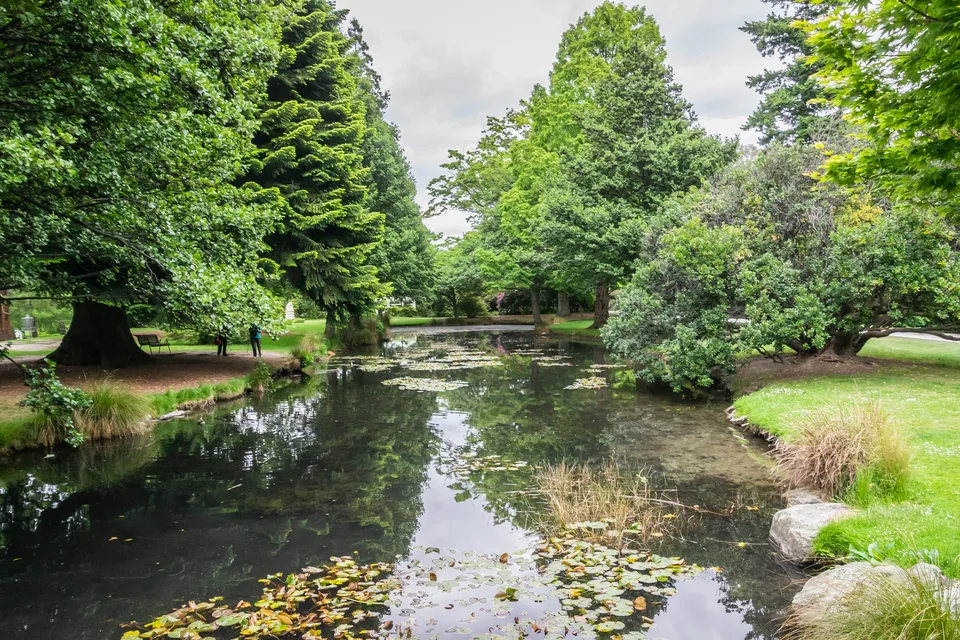
A gentle first outing helps you understand the town before booking departures elsewhere. Walk the waterfront, locate your activity meeting points and continue towards Queenstown Gardens. The tourism board’s walking overview places the Gardens on the small peninsula beside downtown and distinguishes this easy introduction from steeper outings such as Queenstown Hill.
Give this part of the visit unhurried time. It is useful after a flight, between organised activities, or when somebody in the group wants a quieter day. Bring a layer rather than assuming that sitting beside the water will feel as warm as walking through sheltered streets. Choose a turning point that leaves enough energy for the journey back to your accommodation.
The lakefront also makes a sensible place to compare how the town fits your priorities. Notice where you would buy breakfast, where you would meet a tour, and whether you prefer staying close to evening activity or travelling in from a quieter address. Those observations are more useful for choosing a second visit than trying to see everything on the first afternoon.
Decide what you want from the gondola
Skyline offers a straightforward way to reach an elevated viewpoint without committing to an alpine hike. Its gondola ticket page lists adult tickets at NZ$69 and children aged six to fourteen at NZ$48, checked in October 2026. Adult pricing starts at fifteen. Check your party’s ages and the live booking calendar before purchasing.
Packages need a separate comparison. The operator’s current package list advertises gondola entry with three Luge rides at NZ$99 for an adult and NZ$68 for a child. A multi-day upgrade is an addition to an eligible ticket, so do not mistake the upgrade amount for the cost of a first visit. Dining and other combinations have their own inclusions.
Choose the simplest ticket that covers what you intend to do. A viewpoint visit can be enough; buying more activities only makes sense if everybody wants them and you have time to use them. If cloud obscures the surrounding peaks, consider rearranging the viewpoint outing within your booking conditions. Ask the operator about accessibility, assistance and any ride-specific restrictions before committing money for a mixed-ability group.
See the lake from TSS Earnslaw
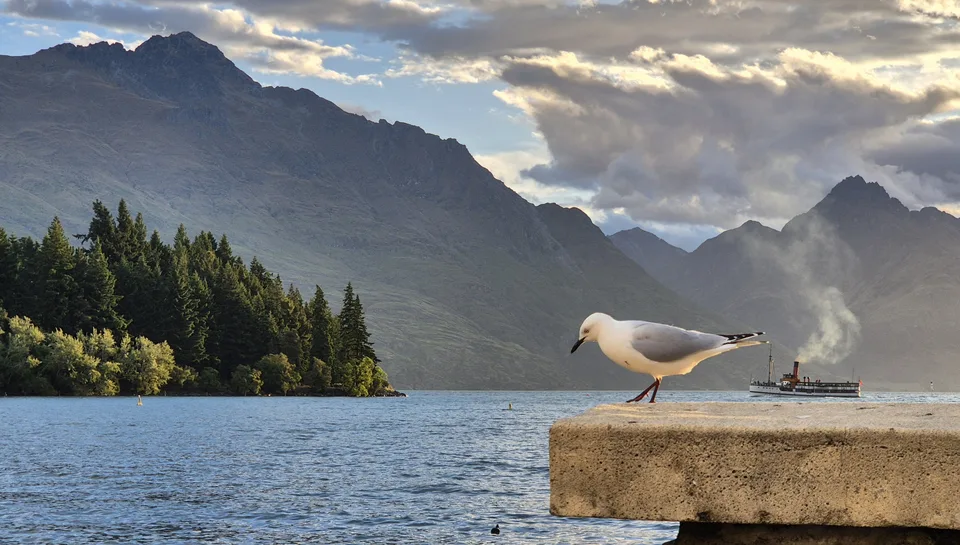
The TSS Earnslaw lake cruise offers a different perspective from walking beside the water. RealNZ describes a ninety-minute cruise aboard its 1912 coal-fired steamship, with adult fares advertised from NZ$129. Sailings depart from Steamer Wharf at 88 Beach Street. The historical machinery is part of the experience, rather than simply transport to another attraction.
Read the product name carefully. Walter Peak farm visits and dining experiences are separate packages or upgrades; a basic lake cruise should not be assumed to include them. The operator’s published May–June 2026 maintenance period has already passed, so use the current calendar for availability instead of interpreting that old notice as a present closure.
For planning purposes, allow time on either side of the advertised sailing for check-in and an unhurried return. Take photographs without spending the entire journey behind a screen, and have a warmer layer available on deck. If you are balancing this against another paid attraction, choose the experience that better suits your interests rather than assuming that every Queenstown visit needs both.
Before booking any adventure activity, compare the practical restrictions with the people travelling. Ask about age, height or weight limits where relevant, what clothing is supplied, and whether transport and photographs are included. Read the weather-cancellation policy separately from the policy for changing your mind. An advertised experience price is only useful when you know the final amount and what happens if it cannot operate.
Treat Ben Lomond as a mountain day
The proximity of the mountains can disguise the scale of a walk. DOC describes the Ben Lomond Track from Queenstown as a demanding fourteen-kilometre return hike taking six to eight hours, with 1,438 metres of elevation gain. High fitness is required. The summit is only the halfway point of the day’s effort.
Even the option starting from the gondola’s upper complex is substantial: DOC gives three to four hours return for the seven-kilometre walk to the saddle. Beyond the saddle, the summit route becomes steeper and rougher, with exposed sections and additional danger from snow and ice. Winter requires alpine equipment, and rapid weather changes can create serious cold exposure even in summer.
Check the latest conditions, your equipment and your group’s ability before setting out. Carry sufficient water, food, weather protection and a means of getting help; tell someone your plan and expected return. If that preparation is beyond the trip you intended, choose a shorter established walk. Turning back is a practical decision, and a gondola ticket does not make the mountain beyond it an easy stroll.
Give Arrowtown time beyond its main street
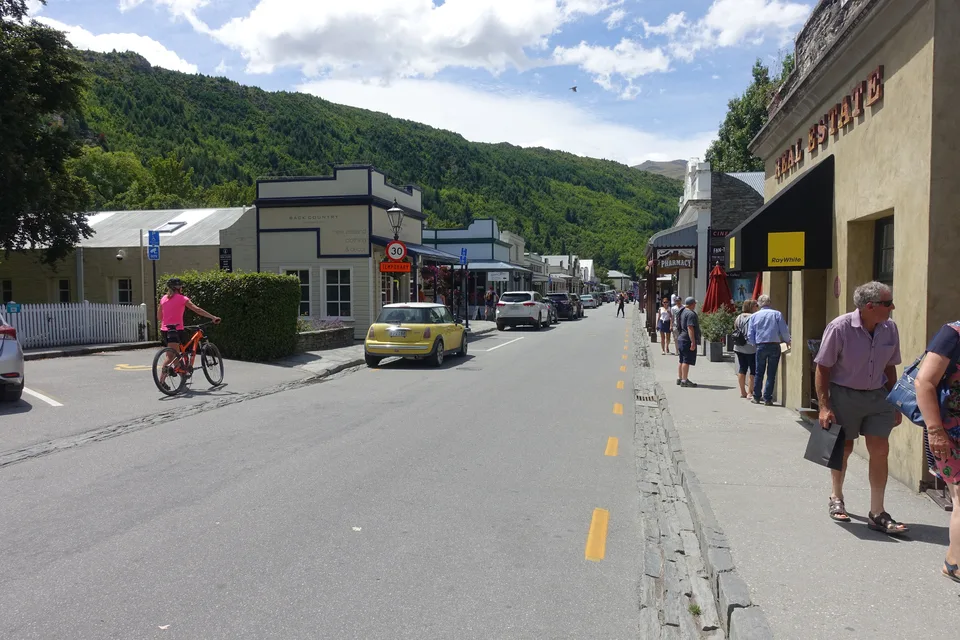
Arrowtown provides a worthwhile change of scale. Its official visitor information describes a historic gold-mining settlement beside the Arrow River, with Buckingham Street, miners’ cottages, shops and the Lakes District Museum among the main points of interest. Build the visit around its history and riverside setting, then leave space for browsing or lunch.
The Arrowtown Chinese Settlement adds an essential perspective. DOC’s partially restored site and interpretation explain the lives and contribution of Chinese miners and business people, including the discrimination they faced. The principal old dray track is suitable for wheelchairs and buggies; the side tracks have different gradients and surfaces. Check access against your needs rather than assuming the entire site has the same conditions.
Combining these places makes a more rounded visit than photographing the main street and immediately leaving. Read the interpretation before deciding which buildings to photograph, and respect the reconstructed structures. If you want to stay locally, VisaWand’s Arrowtown destination page provides geographical context; it is a location page, rather than a completed travel guide.
Arrive with a transport plan
Queenstown Airport has public buses, taxis, rideshare and pre-booked shuttle options. Its transport information is the appropriate starting point for current terminal arrangements and onward connections. Compare a private transfer against the whole party’s needs, including luggage, mobility, arrival time and the distance from the final stop to your door.
The official arrival overview lists domestic connections through Auckland, Wellington and Christchurch, alongside Australian routes. Check the operating airline and your date before building an international itinerary around a connection. On separate tickets, consider the consequences of a delay and the time required to collect bags and complete any onward check-in.
For road travel, leave room for conditions rather than relying on a map’s fastest estimate. New Zealand drives on the left, and winding roads, winter ice or snow can affect the journey. Plan stops before you become tired. A car can be useful for trips beyond town, but compare the rental, parking and driving effort with a bus-based stay and one organised excursion.
Understand Bee Card fares before boarding
Otago Regional Council’s current Queenstown fare table lists adult bus trips at NZ$2.50 with a Bee Card or NZ$4 cash. The airport cash fare is higher, at NZ$10 for an adult, while the Bee Card fare remains NZ$2.50. These October 2026 operator figures supersede older tourism pages still advertising different fares.
Buses accept cash or Bee Card, not bank or credit cards. A new Bee Card costs NZ$5, with a minimum NZ$5 top-up; buying one from a driver requires cash. Eligible Bee Card transfers require tagging off and boarding the next bus within forty-five minutes, with exclusions including ferries and cash fares. Check the operator’s concession rules for children rather than applying adult figures to everyone.
For a longer stay, test the actual commute at the time you expect to travel. Find the correct stop in each direction, check the final service and work out a backup for an early shift or late finish. A property can be geographically close to work while still requiring an inconvenient journey when your hours fall outside the timetable.
Eat well without losing track of spending
Queenstown’s official food and drink directory covers cafés, bakeries, takeaways, restaurants, cellar doors and breweries. It is a useful starting list for finding menus and checking opening days. Central Otago pinot noir features prominently in the region’s food-and-wine offering, but there is no need to make wine tasting the centre of a visit if it does not interest you.
Build your budget from actual bookings: accommodation, airport journeys, ordinary meals, the selected paid experience and a reserve for changes. Use supermarket meals or a properly equipped kitchen where that suits your household. For restaurant bookings, compare the menu you intend to order, any set-menu requirement and the cancellation terms, rather than relying on an old per-person estimate.
Shopping works better with the same discipline. Decide whether you want an everyday purchase, an artwork or a souvenir, then check provenance and delivery arrangements before paying. For dietary requirements, contact the venue directly and explain the specific issue; a menu label alone cannot establish how food will be prepared. Reserve an evening meal only after checking when your excursion actually returns.
Choose a season around your main activity
The official seasons overview places summer in December–February, autumn in March–May, winter in June–August and spring in September–November. Long summer days favour outdoor exploration, autumn brings changing foliage, and winter shifts attention towards snow sports. Spring is a transition rather than a promise that every summer trail and winter activity will operate together.
Choose dates around the activity that would most disappoint you to miss. Check the relevant operator’s calendar, then price accommodation for those same dates before buying flights. Snow conditions, cloud and wind cannot be guaranteed by a seasonal description. Keep an alternative that your group would enjoy, rather than treating poor weather as a day with nothing to do.
Packing should reflect the range of outings, not just the town forecast. Carry layers for time beside the lake and suitable protection for exposed viewpoints. For any mountain walk, use the specialist track information and a current forecast. Allowing a flexible day can be more valuable than squeezing an extra destination into a tightly connected itinerary.
A realistic three-day introduction
Day one: arrive, settle in and use the waterfront and Gardens to orient yourself. Locate the next morning’s departure point before dinner. If your flight arrives late, shorten the walk and protect your sleep rather than trying to recover every planned hour.
Day two: choose the lake cruise or the gondola as the main paid outing, with the rest of the day left for town and a relaxed meal. Avoid attaching a demanding hike simply because its starting point is nearby. If mountain weather makes the viewpoint unsuitable, use your booking conditions to decide whether another day is possible.
Day three: visit Arrowtown, combining the historic centre with the Chinese Settlement and time to read its interpretation. Return with sufficient margin for your onward journey. Experienced walkers wanting Ben Lomond should substitute a properly prepared full mountain day, not add it to this schedule. For families or a slower visit, keep an extra night and spread these outings across four days.
Consider the household before committing to a move
Start a relocation decision with a verified employment or study plan, a lawful immigration route and a housing budget you can sustain. Inspect potential homes and test the journey to the actual workplace. Ask about winter sun, heating equipment, storage, parking and laundry. Photograph the condition at handover and make sure the written inventory matches what is provided.
For an ordinary tenancy, the general rental bond can be no more than four weeks’ rent; separate pet-bond rules may apply. Tenancy Services also limits rent in advance to two weeks. Keep these amounts distinct from the ongoing weekly payment, and confirm the lawful agreement before transferring funds.
Check the Healthy Homes requirements, including the compliance statement and any applicable exemption. Heating, insulation, ventilation, moisture control and draught stopping deserve attention during the viewing. If you will be a flatmate rather than a named tenant, different legal protections apply; put your agreement in writing and understand who is responsible for the rent.
Ask which bills are included and arrange any required power, internet and household insurance before arrival. Investigate school enrolment and childcare directly for your address and immigration status. For healthcare, use Health New Zealand’s eligibility information and arrange appropriate insurance. Eligibility changes take effect on 1 December 2026, so check the rules applying to your arrival date rather than assuming every resident or visitor receives identical coverage.
For an initial household budget, write down the costs you would still face during a quiet week: rent, heating, groceries, commuting and insurance. Add the cost of temporary accommodation while you inspect homes, and avoid assuming a holiday rental will be available indefinitely. If employment includes accommodation, ask what happens to the room when the job ends. That single condition can affect both your savings buffer and your ability to change employers.
Keep a visit separate from work, study and residence
Use Immigration New Zealand to establish whether you require a Visitor Visa or are eligible to travel with an NZeTA. Passport, purpose and circumstances matter. NZeTA validity is not permission to remain for that entire period, and entry permission and the conditions of your stay still apply. Allow time for the official process before committing to inflexible travel.
Many visitors must pay the NZ$100 International Visitor Levy, with exemptions determined by nationality and visa circumstances. Check the official total for your application so you do not add a levy twice. Use the free official Traveller Declaration service for the required arrival declaration.
Visitor permission does not authorise taking a local job. Rules permitting some overseas remote work have conditions, and longer study needs separate consideration. Investigate work visa options, study permission or residence pathways according to your actual intention. A job offer, rental agreement or enjoyable holiday does not establish eligibility. VisaWand’s New Zealand destination information and consultant directory can help you organise questions for advice.
Leave room for the wider region
Glenorchy offers a lake-head setting northwest of Queenstown, with lagoon walks and access towards substantial backcountry tracks. Treat it as its own outing: a scenic road journey does not remove the preparation needed for a hike. Choose the experience and transport first, then check how much daylight and energy remain.
For a broader national itinerary, compare the practical needs of a mountain-town stay with VisaWand’s Auckland city guide. The New Zealand location directory helps you explore other destinations without implying that every listed settlement already has a full guide. Before adding another stop, compare the extra driving and packing with the time you would otherwise spend enjoying the lake or understanding one settlement properly. Queenstown is most rewarding when your choices leave enough time to notice where you are.
Official planning resources
Reviewed 16 October 2026. Use the official resources linked throughout this guide for admission, transport, housing and immigration decisions. Prices, services and rules can change; confirm the details relevant to your dates. Photography illustrates the locations and is not a live view.
View all official resources
- Queenstown Lakes District Council Māori community
- Destination Queenstown historical background
- Destination Queenstown accommodation areas
- Destination Queenstown walks
- Skyline gondola tickets
- Skyline Queenstown packages
- RealNZ TSS Earnslaw lake cruises
- DOC Ben Lomond Track
- Destination Queenstown Arrowtown
- DOC Arrowtown Chinese Settlement
- Queenstown Airport transport options
- Destination Queenstown arrival planning
- Otago Regional Council Queenstown fares
- Destination Queenstown food directory
- Destination Queenstown seasons
- Tenancy Services general rental bond
- Tenancy Services rent in advance
- Tenancy Services healthy homes standards
- Tenancy Services tenants and flatmates
- Tenancy Services utility bills
- Health New Zealand eligibility
- Ministry of Health eligibility changes
- Immigration New Zealand Visitor Visa
- Immigration New Zealand NZeTA
- Immigration New Zealand visitor levy
- Official New Zealand Traveller Declaration
- Immigration New Zealand work options
- Immigration New Zealand study options
- Immigration New Zealand residence options
- Destination Queenstown Glenorchy
Plan the next part of your journey
Explore the New Zealand guide, browse other cities or compare consultants for your travel and relocation questions.