Visa

Give Dunedin time beyond its famous station
Dunedin combines a substantial historic centre with a coastline that can occupy an entire holiday. The useful contrast is between a morning among civic buildings and museums and a day following Otago Peninsula towards its wildlife sites. Allow three full days for an introduction, rather than treating the city as a photograph stop between longer drives. Extra nights make sense if wildlife, walking or a possible move is your main interest.
This is also a place where a little preparation changes the visit. Hills affect accommodation choices, peninsula appointments determine the day's route and wildlife activity varies with the season. A car helps with some excursions, while a central stay can reduce the need to drive for every meal or museum. Use VisaWand's New Zealand country guide for the wider journey, then plan Dunedin around what you want to do here.
Understand the city through more than one history
Ōtepoti Dunedin sits beside Otago Harbour, with Otago Peninsula separating sheltered bays from the Pacific coast. The official Otago Peninsula visitor information places Māori settlement and Pukekura within that landscape. Approach it as a place with continuing cultural significance, rather than imagining the region's history begins with the buildings visitors most often photograph. Guided interpretation can help connect a particular site with the people and stories associated with it.
The Scottish settlement scheme from 1848 is an important part of Dunedin's later history, reflected in collections at Toitū. Its built heritage provides another route into that story, from civic architecture to the railway station's ambitious stonework. Contemporary Dunedin also includes a university community, working neighbourhoods and everyday shopping streets. The value of a visit lies in moving between these layers without reducing the city to a single colonial image.
Choose your base around hills and daily journeys
The central area around the Octagon is a practical starting point for a first visit. Compare accommodation using the actual walking route to meals, museums and your bus stop. A short distance on a flat map may include a climb, which matters with luggage, a pushchair or limited mobility. Check where a property's entrance sits and whether the room requires stairs even when the listing describes a central location.
North Dunedin can be relevant for university visits and time around Tūhura Otago Museum. St Clair offers a different setting around the esplanade and coast, with a journey back to central attractions. A peninsula stay can suit an unhurried wildlife itinerary but requires attention to evening food and transport. For a move, test the commute to the specific workplace or campus building instead of choosing solely by neighbourhood reputation.
Read the railway station as a piece of city history
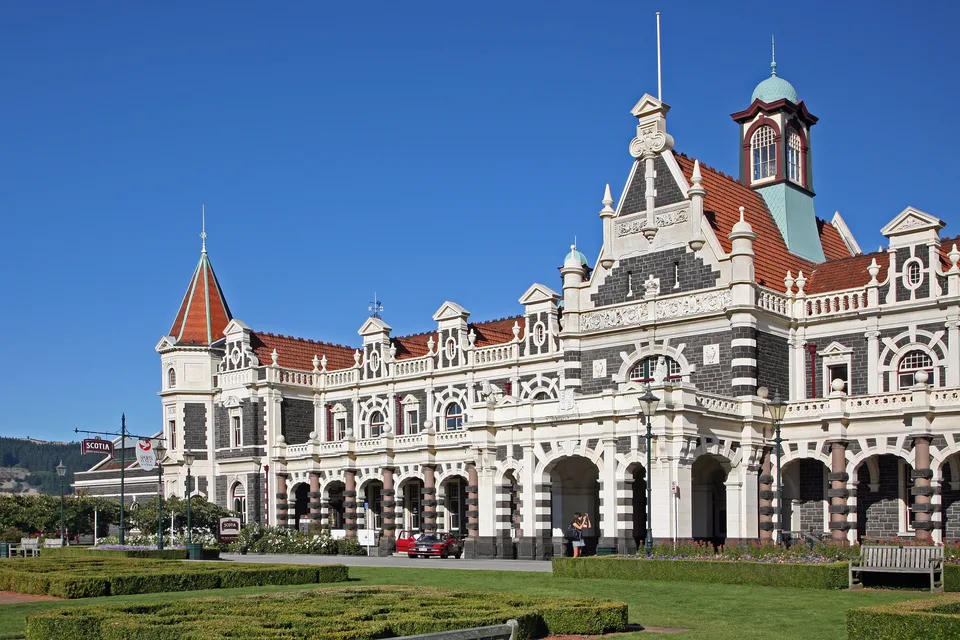
The Ministry for Culture and Heritage's railway-station account dates the landmark building to 1906 and identifies architect George Troup. Its contrasting stone, roof forms and elaborate detailing communicate the importance rail once held in the city. Look closely at the facade, then check current public access before planning an interior visit. It is worth understanding the building before moving on to the next attraction.
A handsome station is not proof of a comprehensive present-day passenger network. Treat a scenic rail excursion as a separate booking, with its own departure date, route and conditions, rather than assuming the station provides a commuter service or an onward train wherever you need to go. The historical account itself contains descriptions written years ago, so use it for architecture and history, not today's opening hours for businesses inside.
Start the museum visits with Toitū
Toitū Otago Settlers Museum offers a useful introduction to the people who have shaped Dunedin and Otago. Although its origins and early collections focused on settlers associated with the Scottish scheme, the museum describes a wider present-day collecting purpose. That makes it a worthwhile place to consider migration, daily life and the changing city, alongside the architecture encountered outside.
The museum lists free admission and opening from 10:00 to 17:00 daily, closing on Christmas Day. Give it enough time to follow the subjects that interest you instead of visiting solely because it is free. Its location at Queens Garden also makes it a sensible partner to a central-city outing. Check exhibitions and events separately if a particular display is the reason for your visit.
Check the right admission category at Tūhura
Tūhura Otago Museum has seven permanent galleries covering material culture, natural history and local life. Its collections provide another way into the region, with galleries including Tangata Whenua, Tangata Moana and Nature. It is a different institution from Toitū, with different admission arrangements. A description of one as free should not be carried over to the other.
Under the museum's international pricing, visitors aged 18 and over pay NZD20 for a gallery pass; children can enter the galleries free. Paid attractions have separate categories. The current international adult all-access pass is NZD35, but check what is operating before buying: at this review, the tropical forest is closed for maintenance, with reopening expected in early December. An expected date is not a confirmed reopening. The museum lists daily hours of 10:00 to 17:00.
Give Otago Peninsula a day of its own
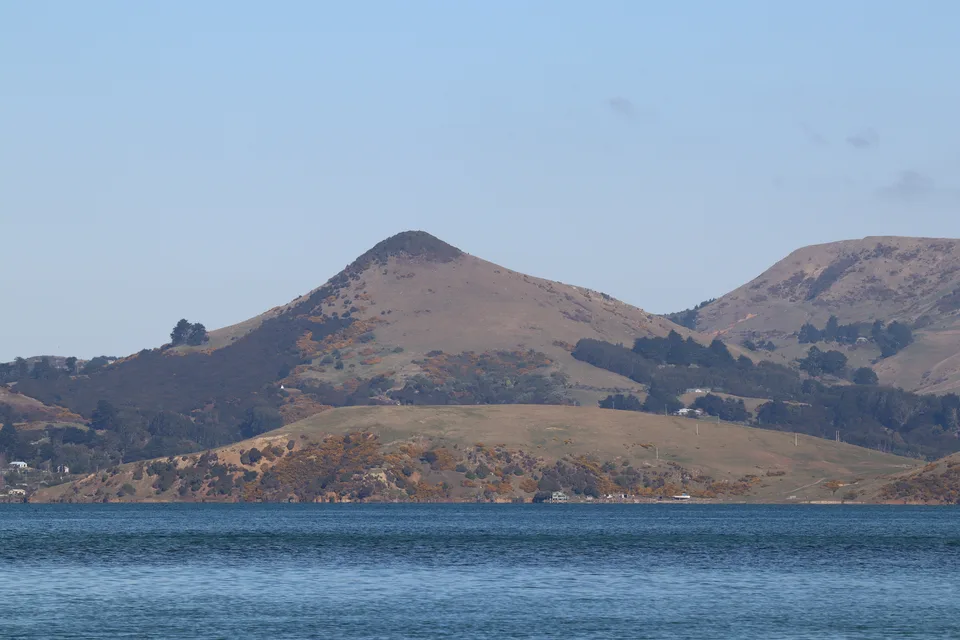
The peninsula deserves a day organised around a small number of stops rather than a fast circuit. Macandrew Bay, Broad Bay and Portobello provide different harbourside settings on the way towards Pukekura/Taiaroa Head. Choose your booked wildlife visit first, then decide what fits around it. A winding scenic drive and a timed tour leave less spare time than the distance on the map may suggest.
Portobello Road and the higher route offer different perspectives; check current conditions before selecting a route. Keep stops to suitable parking places and leave room for other road users. A waterfront cycling route does not automatically make a complete loop around the harbour: any boat connection needs its own operating schedule and booking. On foot, follow current access notices rather than assuming every track named in an older visitor article remains open.
Plan albatross viewing around the breeding cycle
The Royal Albatross Centre's Albatross Classic is a guided hour including an introduction, a walk uphill and viewing from a glassed observatory. Its published adult price for ages 18 and over is NZD71.55 at this review. Confirm the final amount and category when booking, and arrive for the requested check-in time. Bring warm, waterproof layers for the exposed headland, even if the city feels comfortable.
October requires particular care with expectations. The operator explains that departing chicks and returning adults create a period when a tour may see no albatross. Flight activity also varies with the conditions. Choose the visit for its interpretation as well as a hoped-for sighting, and ask about current opportunities before committing. Do not schedule an airport departure immediately afterwards or assume the entire peninsula drive takes only the tour's advertised duration.
Keep wildlife viewing quiet and at a distance
The Department of Conservation's wildlife guidance calls for at least 20 metres between people and seals or sea lions. Keep their route to the sea clear and use a camera's zoom rather than approaching for a closer photograph. Resting animals need that time on land, and disturbing one can affect others nearby. Give nesting birds space and obey any additional restrictions at the particular site.
Penguin viewing is better planned through an appropriate managed experience than by pursuing birds along a beach. Follow the guide's instructions about lights, photography and movement, and check dog restrictions before leaving home. A successful visit does not require a guaranteed encounter with every species. If an animal appears injured or in trouble, seek the appropriate conservation advice instead of handling it or attempting to move it yourself.
Choose the Larnach visit you actually want
Larnach Castle's current admission page distinguishes castle-and-gardens entry from gardens-and-grounds only. Prices valid from 1 October 2026 to 30 September 2027 list NZD50 for castle-and-gardens admission at age 15 and over, compared with NZD25 for gardens only. Children have different categories. Decide whether interiors and the tower matter to you before buying the lower-priced option.
The published opening times distinguish the summer and winter schedules and last admission from the time you should expect to finish. Confirm the applicable arrangements when combining the castle with a wildlife booking. Leave time to explore instead of arriving just before last entry. Café opening is a separate consideration, particularly on public holidays, and a meal or high-tea booking should not be assumed to include every admission option.
Enjoy St Clair without rushing into the sea
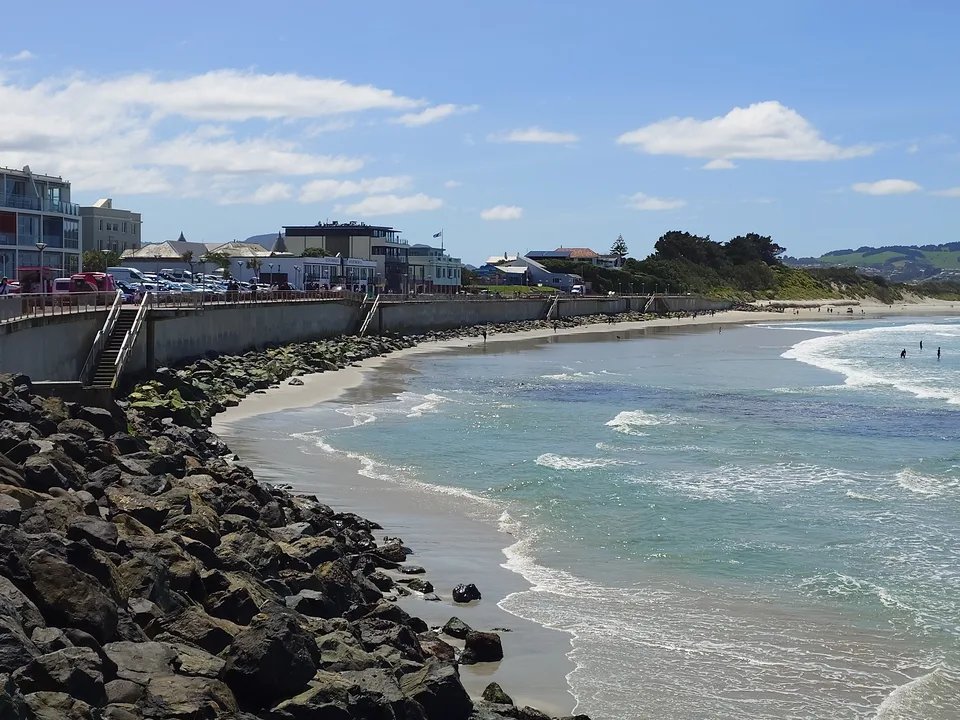
St Clair provides a change of pace from the central city's museums. The esplanade and coastal setting make it a useful place for a walk or a meal with time to watch the waves. The official Dunedin beach information describes St Clair, St Kilda and the intervening coast, but its broad visitor description should not replace a same-day assessment of conditions.
If swimming is part of your plan, check current patrol information and follow the flags and lifeguards. Surf, weather and wildlife can affect what is sensible on a particular day. A sunny photograph does not establish safe water conditions, and a walk beside the sea can be enjoyable without entering it. Allow for the journey back to your accommodation and bring a layer if you expect to stay into the evening.
Use Saturday morning for Otago food
The Otago Farmers Market operates on Saturdays from 08:00 to 12:30 in the railway station's northern car park. Regional produce, baking, coffee and prepared food make it a useful breakfast stop as well as a place to shop. Its food focus is different from a general craft market, so visit with an appetite and room for purchases you can realistically use.
The operator advises bringing cash, although many vendors accept electronic payment. Ask about ingredients and storage, especially if buying food for a later drive. Gluten-free or vegan choices somewhere in the market do not establish that every stall suits a particular allergy. For a longer stay, use the morning to compare the ingredients you normally buy and the route from your prospective home, then check what still requires a supermarket visit.
Arrange airport transport before the arrival day
Dunedin Airport's transport page recommends booking a shuttle before arrival and lists taxis, rideshare and other licensed providers. Compare the quote for your party and actual destination. A shared shuttle may involve different waiting and stopping arrangements from a private transfer, while a listed operator's fixed price should not be treated as the fare charged by every taxi.
Confirm a return pick-up that gets you to check-in in time, using your airline's requirements. If hiring a vehicle, establish where to collect it, whether your arrival is covered by the desk hours and how late returns work. Do not assume a local city-bus fare covers airport transport. The airport's list of transport businesses is a starting point for a real booking, rather than proof that each service departs whenever your flight lands.
Understand the bus zones and payment methods
The Orbus fare page lists an adult Bee Card journey within the Dunedin zone at NZD2.50, or NZD3 cash. From 1 November 2026, longer journeys across the regional zones have different prices; the local one-zone adult fare remains the same. Check your route and date instead of applying the former flat fare to every regional trip.
A Bee Card costs NZD5, with a minimum NZD5 top-up. The council says direct bank-card payment is not available on the bus; buy or load a card, or carry the required cash. Transfer concessions have conditions, including tagging on and off, so read them before building a budget around a free connection. Check the current timetable and return service too: a fare table does not establish frequency, evening coverage or a convenient connection to a booked tour.
Compare accommodation through sleep and access
A central hotel can make short visits straightforward, while a motel or apartment may provide parking, cooking or laundry facilities useful for families and longer stays. Check the actual room configuration and total cost for your dates. A kitchenette is only useful if its equipment matches the meals you intend to prepare, and parking needs confirmation rather than an assumption based on the property type.
Ask about heating, noise, stairs and late check-in. A peninsula property suits a different routine from an address near central museums, while a beach stay adds transport decisions to an otherwise walkable day. If visiting the university, compare the location with the specific purpose of your trip. For students, the University of Otago accommodation service explains residential colleges, rental options and support for different circumstances; availability still needs an application or direct enquiry.
Plan spending with the admission differences visible
Use New Zealand dollars when comparing costs. Two international adults buying Tūhura gallery passes would pay NZD40 at the listed rate. Adding two adult castle-and-gardens tickets at NZD50 each brings those admissions to NZD140 before transport, meals or accommodation. That is a useful comparison with a day involving free Toitū entry, a central walk and a market visit with individually chosen purchases.
Price wildlife activities separately and read whether transport is included. A self-drive tour price may leave a significant journey to organise. Keep refundable deposits, cancellation fees and optional additions visible when comparing bookings. For a move, separate the first month's setup costs from ordinary spending: temporary accommodation, a rental bond and essential household purchases should not be mistaken for a reliable monthly cost-of-living average.
Pack for a coastal city in every season
Dunedin's temperate setting has four seasons, but the practical advice is to plan for changing conditions rather than expect a consistently warm beach holiday. Summer can suit longer outdoor days; cooler months put more weight on warm accommodation and flexible plans. Wildlife interests may point to a different month from a general sightseeing trip, so consider the species and operator's seasonal guidance alongside the weather.
Use MetService forecasts and warnings close to departure and again before a peninsula outing. Carry layers and a waterproof outer garment, and exchange an exposed walk for a museum when conditions warrant it. Forecasts should also inform a longer road journey out of the city. An itinerary that depends on a perfect-weather morning, a tight wildlife appointment and a long afternoon drive has little room for adjustment.
Spend three days with one main area each day
On day one, orient yourself around the Octagon, visit the railway station and allow a substantial period at Toitū. Fit lunch and a central walk around those visits. If this is Saturday, begin with the farmers market before it closes, then adjust the indoor visits afterwards. Keep the first evening simple if you have arrived after a long drive or flight.
Use day two for Otago Peninsula and a prebooked wildlife visit. Add Larnach only if the admission times and driving leave enough time to enjoy both. On day three, visit Tūhura and spend part of the afternoon at St Clair if conditions suit. With two days, choose between a fuller central visit and multiple peninsula attractions. Cutting a stop is more realistic than assuming every drive, meal and tour will join together perfectly.
Inspect a rental through the winter routine
Begin a possible move with enough temporary accommodation to inspect homes and test the commute. Look at heating, insulation, ventilation, signs of dampness and the cost of running the systems provided. A bright room during a sunny viewing does not answer how it feels on a cold evening. Ask for the relevant healthy-homes compliance information, including any applicable exemption, before signing.
Read Tenancy Services' guidance for new tenants carefully. A tenant who signs an agreement and a flatmate living under someone else's arrangement do not have the same legal position. The general bond can be up to four weeks' rent, with lodgement requirements; confirm any separate pet arrangements and other permitted costs. Keep a signed agreement, a condition record and receipts. Compare the complete household budget rather than relying on an unsupported citywide rent figure.
In shared accommodation, agree how bills, cleaning, visitors and notice to leave will work before moving in. Establish which person is responsible for each payment and keep the arrangement in writing, particularly when household members have different course or employment dates.
Settle household needs alongside the accommodation
For daily life, compare an address against groceries, school or childcare enquiries, healthcare and the transport you will actually use. Confirm electricity and internet arrangements, the equipment included and how maintenance is reported. Families should establish school placement, enrolment documentation and any fees for their circumstances before assuming a chosen rental solves the education question. Students should coordinate accommodation dates with the course and their immigration permission.
Check the Ministry of Health's public-healthcare eligibility information for your status. Eligibility and the funding of a particular service are separate questions, and some services may require a contribution. Ask providers about enrolment, appointments and payment, and arrange appropriate insurance. The ministry also identifies targeted changes taking effect in December 2026, so someone moving later should recheck the rules for their arrival date.
Distinguish a visit from local employment or residence
Use Immigration New Zealand's NZeTA guidance to check whether your passport, travel method and purpose require an authority or a visa. An NZeTA's validity is different from the period you may stay on a visit, and entry permission remains a separate decision. For local employment, consult the appropriate category, such as the Accredited Employer Work Visa, rather than assuming a job offer alone allows you to begin.
New Zealand's visitor remote-work rules permit qualifying work for overseas employers or clients under the relevant visitor conditions. They exclude work for a New Zealand employer and certain locally rewarded activity; tax questions also remain separate. Study has its own requirements, including the Fee Paying Student Visa where applicable. None of these automatically grants permanent residence. For individual help, compare consultants listed for New Zealand and verify credentials and the scope of advice offered.
Compare the next destination before extending the drive
Dunedin can fit a wider South Island journey, but the next stop should reflect your interests and the time available. Use VisaWand's Queenstown guide to compare an inland, activity-focused stay, and the Christchurch guide for a larger urban base farther north. Choose realistic overnight stops instead of treating a day with a major excursion as spare driving time.
For the south, Invercargill's destination page provides a geographical starting point rather than a completed travel guide. The New Zealand destination directory helps locate other alternatives. Before adding nights elsewhere, check transport, accommodation and the season together. Staying longer in Dunedin may be the better choice if it lets you visit the peninsula in suitable conditions and experience the city without repeatedly packing and moving on.
Official planning resources
Reviewed 28 October 2026. Use the official resources linked throughout this guide for admission, transport, housing and immigration decisions. Prices, services and rules can change; confirm the details relevant to your dates. Photography illustrates the locations and is not a live view.
View all official resources
- DunedinNZ Otago Peninsula visitor information
- Ministry for Culture and Heritage Dunedin Railway Station
- Toitu Otago Settlers Museum
- Tuhura Otago Museum current visitor information
- Tuhura Otago Museum international admission
- Royal Albatross Centre Albatross Classic tour
- Department of Conservation wildlife distances
- Larnach Castle admission from October 2026
- Larnach Castle opening times
- DunedinNZ beaches and St Clair
- Otago Farmers Market visitor information
- Dunedin Airport ground transport
- Orbus fares and zones
- University of Otago accommodation support
- MetService forecasts and weather warnings
- Tenancy Services healthy homes compliance
- Tenancy Services guidance for new tenants
- Ministry of Health public healthcare eligibility
- Immigration New Zealand NZeTA information
- Accredited Employer Work Visa
- Immigration New Zealand remote work on visitor visas
- Fee Paying Student Visa
Plan the next part of your journey
Explore the New Zealand guide, browse other cities or compare consultants for your travel and relocation questions.