Visa
Choose Utrecht for a city stay at walking pace
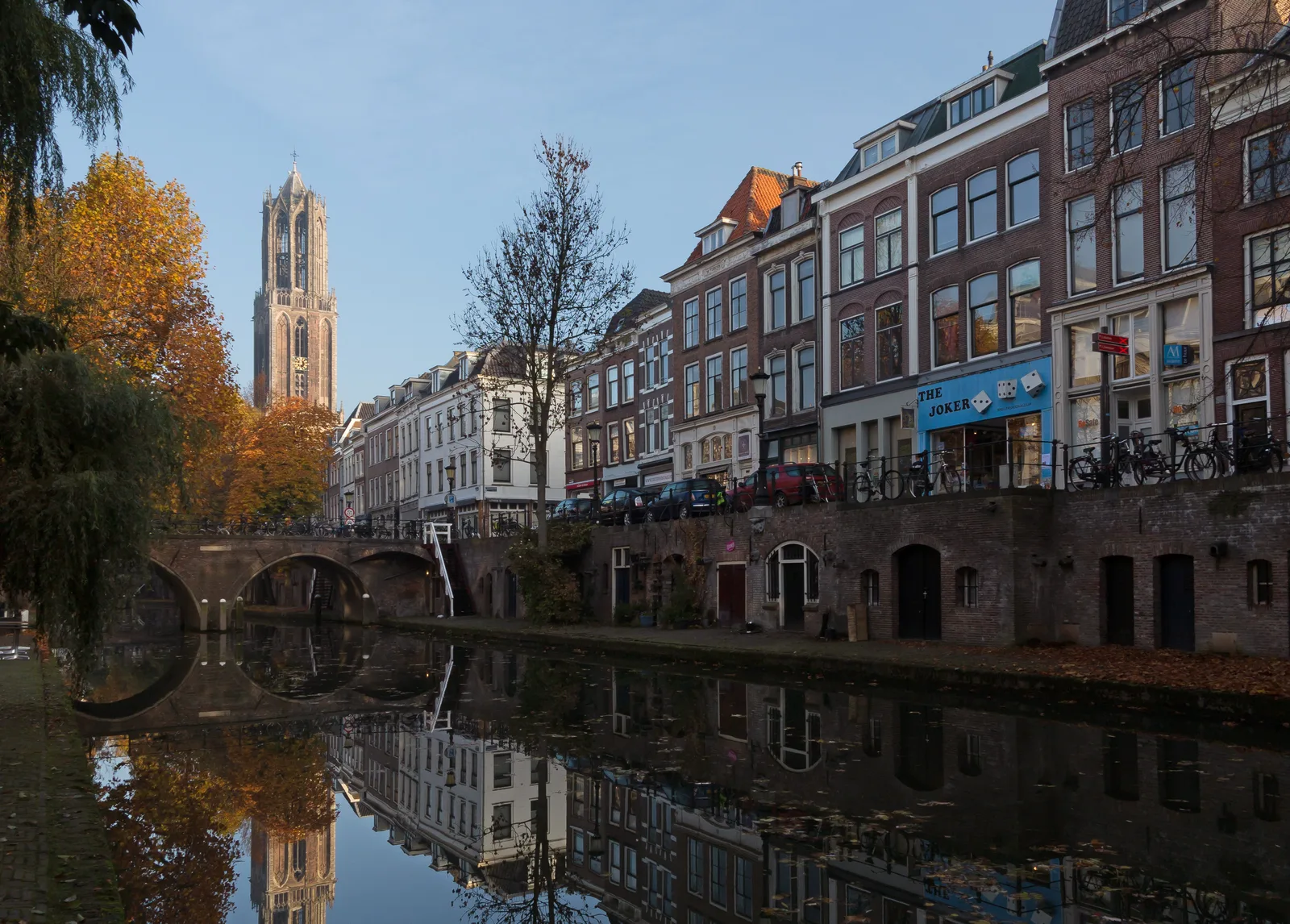
Utrecht's most distinctive introduction is a change of level. Beside the Oudegracht, the street sits above lower wharves, where cellar entrances and terraces face the canal. Look up and Dom Tower gives the city a recognisable skyline; look down and the water reveals a different rhythm of movement. Those relationships make an ordinary walk as worthwhile as a scheduled attraction.
This is a Dutch city with its own cultural life, university activity and residential neighbourhoods, rather than simply a quieter place to sleep while visiting Amsterdam. It can work as a short break, a rail-based stop or a longer stay, but each choice needs different planning. Start with the places you want to reach and the kind of day you enjoy.
Understand the working history of the canals
The regional visitor board's Oudegracht history links Utrecht's city rights in 1122 with the development of a navigation route through the city. Merchants used the difference between the raised streets and lower canal quays to connect landing places with storage cellars beneath the roadway. It was a practical trading arrangement before it became a setting for café tables and photographs.
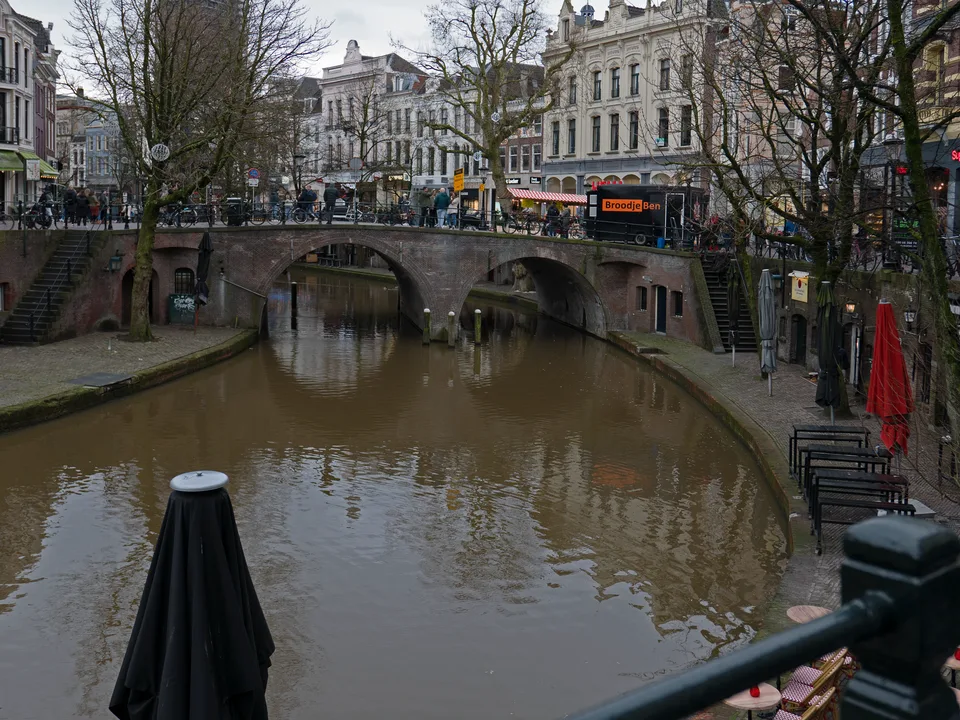
That history explains why a walk here feels different from simply following a canal railing. Bridges, wharf levels and cellar doors form part of the same system. Notice how buildings relate to the water, then compare the view from above with the lower route where access is available.
Do not assume that every stretch is open, level or equally accessible. Maintenance, private entrances and the design of individual premises can affect your route. Someone who prefers to avoid steps can still enjoy the streets and bridges, while checking a particular restaurant's entrance before booking. Choose the route for the people travelling, not just for the view.
Pick a base around your real destinations
The historic centre suits a short visit focused on Domplein, the canals and central museums. Before booking, establish the route from Utrecht Centraal to the property's actual door. A canal address can be attractive without being convenient for rolling luggage, a late arrival or a traveller who needs a lift.
Lombok offers a different introduction close to the station's western side. The official Lombok neighbourhood page describes Kanaalstraat's international food shops, greengrocers, bakeries and other everyday businesses. It is worth exploring for its own character rather than treating the district only as an alternative accommodation search area.
For a stay tied to a job, course or conference, map the specific building first. A university-related visit does not automatically mean that all appointments are in the historic centre. Compare the complete door-to-door journey, including walking, transfers and evening returns. For families or remote workers, ask about noise, workspace, laundry and nearby provisions as carefully as the distance to an attraction.
Make Domplein a useful first stop
Domplein is a natural place to orient yourself before exploring further. Begin at ground level and decide whether a tower visit suits your group, rather than making the climb an obligation. The Dom Tower operator identifies the tourist information centre at Domplein 9 as the meeting point for guided tours, which is useful when calculating arrival time.
Check the operator's booking information for the current product and price. At the research check, its pages contained conflicting standard and combination-ticket figures, so this guide does not select one as a verified fare. Compare the actual offer for your chosen date, including language, meeting instructions and what the ticket includes.
The same information says that handbags are not permitted inside the tower and that lockers are provided. Leave time for this before a tour. If members of your party choose different activities, agree on a meeting place and allow for the scheduled visit's duration. A flexible start around the square avoids turning an arrival delay into a missed booking.
Ask precise questions about tower access
The Dom Tower accessibility page describes a stair-based visit and provides specific arrangements for visitors accompanied by assistance dogs, companions or interpreters. It also identifies the tourist information premises as wheelchair accessible. Those are different facilities, so access to the information desk should not be mistaken for access to the tower itself.
The site's general ticket wording also mentions a lift visit, while the dedicated accessibility text describes stairs only. If step-free tower access is essential, obtain confirmation from the operator for the particular date before buying. A general mention elsewhere on the site is not sufficient evidence that a suitable lift service is operating.
Ground-level sightseeing remains worthwhile if a climb is unsuitable. Build the day around what everyone can comfortably enjoy, with an optional separate visit for those who want it. Check toilet arrangements too. Historic buildings often need more detailed access planning than a broad description such as central location or suitable for visitors suggests.
Hear the machinery at Museum Speelklok
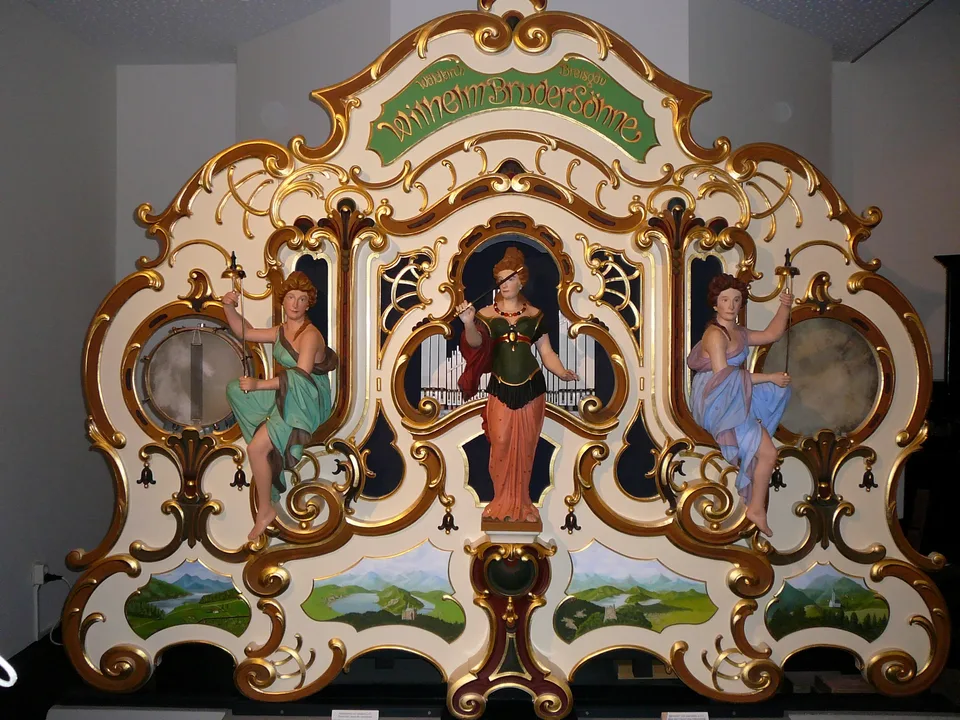
Museum Speelklok's visitor information describes a collection ranging from small music boxes to large organs that play mechanically. It offers a change of subject from tower views and canal architecture, and is particularly useful when you want an indoor visit with a clear connection between objects, movement and sound.
At the October 2026 check, adult admission was €18.50, with separate student, youth and child categories. Regular opening is Tuesday to Sunday, 10:00–17:00. The museum lists additional Monday opening during official school holidays and specific public-holiday exceptions; it is closed on New Year's Day, King's Day and Christmas Day.
Allow time for a demonstration or guided tour rather than expecting every instrument to play continuously. Check the current programme and accessibility information for your party. Combination tickets exist, but the published prices differed between participating attractions during research, so compare the current offer before deciding whether it saves money. A useful visit depends on the experience you want, not merely buying the broadest ticket.
Give Centraal Museum its own time
The Centraal Museum brings together art, design, fashion and city history. That breadth makes it a useful choice if you want to understand more than the city's outward appearance. Select a current exhibition or collection interest before arriving, then leave enough time to look carefully rather than treating the museum as a quick addition between other bookings.
Its published regular hours are Tuesday to Sunday, 11:00–17:00, at Agnietenstraat 1. Check the current visit page for exceptions and ticket arrangements. An old exhibition listing in a search result should not be taken as evidence that the same display is still running.
If you also want to see another related attraction, establish whether it needs a separate reservation, ticket or journey. Do not assume that an institution's association with a collection gives unrestricted entry to every site. For a short stay, one well-chosen museum can be more satisfying than several hurried visits, particularly when you want time for lunch and an unplanned walk afterwards.
Compare accommodation using the final price
Hotels can simplify a short visit, while apartments may suit travellers who need a kitchen, separate sleeping space or laundry. Check whether facilities are inside the unit, shared or available for an additional charge. Ask about lift access, check-in arrangements and luggage storage when those details determine whether the property works for you.
Utrecht's 2026 tourist-tax ordinance sets the rate at 10% of the taxable overnight-stay amount defined in the regulation. Older pages still mention 8.5%, while proposals for future rates are a separate matter. Request an itemised final quote rather than applying an old figure or assuming the tax is included in the advertised nightly price.
For an apartment, clarify cleaning, linen, utilities, deposits and cancellation terms. For a hotel, compare breakfast and any parking charge with the alternatives. A slightly higher room rate can still offer better value when it removes journeys or extra fees, but the calculation should use the services you will actually use rather than a long list of nominal benefits.
Arrive by train with a complete onward plan
Utrecht University's arrival guidance describes the rail connection from Schiphol Airport to Utrecht Centraal, with the airport station at Schiphol Plaza. It gives a journey of approximately half an hour. Treat that as a planning estimate and use the current NS journey planner for your date, especially for late flights, engineering work or an onward connection.
Build in time for arrivals procedures, baggage and finding the platform. The train journey is only one part of reaching the accommodation. Establish the correct exit at Utrecht Centraal and the final walk, bus, tram or taxi leg before travelling, particularly if you are carrying substantial luggage.
The university's page includes older payment wording, so use the transport operator's current ticket guidance rather than assuming that a particular plastic card is compulsory. If buying a ticket in advance, read its conditions and keep it readily accessible. For a late arrival, check the last usable onward service and a fallback rather than relying on daytime frequencies.
Check in and out with the same payment method
NS's contactless payment guidance confirms that a suitable debit card, credit card or mobile device can be used to check in and out. No prior activation is required for the described process. The default rail journey is second class without a discount, which matters when comparing it with a concession or subscription product.
Use the same card or device at both ends. A physical bank card and its phone-wallet version should not be casually substituted during a journey. Remove the intended card from your wallet to avoid presenting another payment method by mistake, and check that the reader confirms your action.
Contactless travel does not mean that every related service is automatically available. NS distinguishes services such as OV-fiets and bicycle storage from ordinary payment-card rail journeys. Check the product you need before relying on it. If travelling with children or a group, review the appropriate fares and payment arrangements rather than assuming that one adult's bank card solves everyone's ticketing.
Walk first and cycle when comfortable
Walking makes a practical introduction to the centre because it gives you time to understand bridges, crossings and the difference between street and wharf levels. Keep cycle routes clear when stopping to look at a map or take a photograph. Where the layout is unfamiliar, pause somewhere out of the main flow before deciding which way to go.
Cycling can be useful for longer everyday journeys, but hire a bicycle only if you are comfortable with local traffic conditions and the route. Ask about lights, a lock, theft responsibility and permitted parking. A short test ride is sensible before setting out with luggage or attempting a busy journey at commuting time.
For visitors who prefer public transport, plan the actual trip rather than assuming that every bus or tram serves the same part of the city. Check the return service as well as the outward one. A convenient rail hub does not remove the need to understand the last kilometre, especially after an evening event or when mobility needs limit walking.
Shop for food with the market calendar in mind
The official Utrecht market overview identifies food stalls at Vredenburg and distinguishes the Friday organic farmers' market from other market activity. It also lists the Saturday fabric market on Breedstraat and the flower market at Janskerkhof. Choose the market for what you want to buy, then confirm the day and current arrangements.
Food shopping can make an apartment stay more flexible, while a market snack can break up a sightseeing day. Compare displayed prices, ask about ingredients and avoid assuming that a particular product is unique to Utrecht simply because it is sold here. Dietary requirements need specific answers from the vendor, especially for prepared food.
For another shopping area, explore Kanaalstraat in Lombok. The visitor board describes its mix of food businesses and international ingredients, but individual opening hours still need checking. Plan an initial meal or grocery stop before a late arrival rather than discovering that the kitchen you paid for cannot be used until shops reopen.
Build a budget around your own priorities
Start with the full accommodation quote, including tourist tax, then add transport and the attractions you intend to visit. A museum-focused stay will cost differently from a weekend spent mainly walking, browsing shops and eating. The verified Speelklok price provides one reference point; conflicting tower-ticket figures are deliberately not turned into a confident budget estimate.
Check current menus before choosing a restaurant, and decide whether breakfast at the accommodation is useful. Include drinks, luggage storage or any late-arrival transport that could materially change the total. For self-catering, compare cleaning fees and shopping needs as well as the nightly rate.
There is no verified universal daily budget or rental average offered here. An itemised plan based on current quotes is more useful than an unsupported city-wide figure. Keep a modest contingency for a changed activity, an unexpected shower or a missed connection. Spending slightly less on the number of paid attractions can leave more time to enjoy the ones that matter most.
Choose dates with an indoor alternative available
Match the season to how you want to spend the day. Longer outdoor walks and time beside the canals need a different plan from a museum-led short break. Check the current weather forecast close to departure, then pack for rain and changing conditions rather than relying on a photograph taken in another month.
In colder or wetter weather, shorten outdoor sections and choose indoor stops that are genuinely open. Monday deserves particular attention because both museums discussed here publish regular schedules beginning on Tuesday, with specific exceptions. A rainy-day plan is useful only if it works on your actual dates.
If an event or exhibition is the main reason for visiting, verify its programme before booking non-refundable travel. Keep a little flexibility around any timed tour, and avoid making every meal dependent on a terrace being usable. For a summer visit, ask about room ventilation or cooling if heat would affect your comfort. The best time to visit depends on your priorities rather than one season being right for everyone.
Spend three days without rushing the city
Use day one for Domplein and an introductory canal walk. Add a booked tower visit if the confirmed arrangements suit your group, allowing time for the meeting point and lockers. Keep the evening simple so that a delayed arrival does not undermine several reservations.
Choose one museum as the focus of day two. At Speelklok, make room for the demonstration programme; at Centraal Museum, select the exhibition or collection that interests you. Leave the remainder of the day for a meal, browsing and another short walk rather than scheduling a second major attraction automatically.
On day three, explore Lombok or return to a part of the centre you enjoyed. A market visit can fit if its day and opening hours align. For a shorter stay, combine selected elements instead of compressing the full programme. A further regional excursion should replace part of this plan, since connections and travel consume time even when the destination looks close on a map.
Secure housing before treating a move as settled
The municipality's housing-search guidance distinguishes social housing, middle-rent homes and private-sector rentals. Some categories involve eligibility or a housing permit. Registering with a housing platform does not mean that a suitable property will be available when you need it, and social housing should not be treated as an immediate fallback for a new arrival.
The same page warns that there are not enough rooms and homes for all students. Start early and verify the property, landlord and contract before transferring money. Request a written breakdown of rent, service charges, energy, deposit and any furnishing. Check the permitted use and whether you can complete the required address registration.
Inspect the commute to the actual workplace or teaching building, including evening returns. Ask about insulation, heating, internet, storage and laundry rather than choosing solely for a canal view. If considering another town, calculate the complete travel cost and time. Admission to a course or an offer of employment should not be mistaken for a housing guarantee.
Register and arrange the practical household details
For a stay longer than four months, Dutch government registration guidance generally requires municipal registration within five days of arrival. Utrecht's registration-from-abroad page explains the local appointment process and warns about demand. Contact the municipality ahead of time and check the required documents. A citizen service number, or BSN, does not replace immigration permission.
At handover, record meter readings and establish which bills are yours. Vitens' moving guidance distinguishes new customers from existing customers reporting a move and asks for dated readings and address details. Check the arrangement for your property rather than assuming that every tenant needs an individual water account.
Health insurance also depends on your situation. Government guidance generally requires people coming to live or work in the Netherlands to arrange Dutch cover promptly, within four months, with coverage from arrival. Students and some cross-border employment arrangements need separate assessment. Do not interpret the deadline as four months of free cover; establish the applicable policy, premiums and ongoing medication arrangements before moving.
Match permission to visiting, employment or study
The government's visitor-duration guidance distinguishes nationality and visa status. Visa-exempt visitors from outside the EU/EEA and Switzerland generally have a maximum of 90 days within 180 across Schengen; visa holders must follow the actual days and validity granted. A short visit does not automatically authorise a job or a permanent move.
IND guidance for EU/EEA and Swiss citizens describes different residence and work rights, with conditions for longer stays. Other workers need the appropriate route. The highly skilled migrant category, for example, requires a recognised sponsoring employer and specified conditions; it is not a permit available for every employment offer.
For higher education, the IND student-residence guidance describes an institution-led application, accredited full-time study and progress requirements. Employment has separate conditions, including an employer's work permit where required. Permanent relocation needs its own status assessment. VisaWand's Netherlands country guide and Netherlands consultant listings can help organise individual questions, while official authorities decide applications.
Compare other bases before adding journeys
If your plans centre on Amsterdam, compare VisaWand's existing Amsterdam city guide with staying in Utrecht and travelling. For a different Dutch city experience, read the Rotterdam city guide. Check actual journeys and accommodation totals before assuming that changing base saves money.
Use the Netherlands destination directory to explore further locations. A directory helps you find places; it does not mean that every listed destination already has a completed guide. For a short Utrecht visit, fewer transfers can leave more time for canals, museums and the ordinary discoveries that give the city its character.
Official planning resources
Reviewed 24 October 2026. Use the official resources linked throughout this guide for admission, transport, housing and immigration decisions. Prices, services and rules can change; confirm the details relevant to your dates. Photography illustrates the locations and is not a live view.
View all official resources
- Oudegracht and wharves – official regional visitor board
- Lombok district – official regional tourism board
- Dom Tower prices – official operator
- Dom Tower accessibility – official operator
- Museum Speelklok visitor information
- Centraal Museum – official museum
- Utrecht tourist tax ordinance 2026 – official local law
- Arriving in Utrecht – Utrecht University
- Contactless train travel – NS
- Utrecht markets – official Utrecht & Partners
- Finding housing – Municipality Utrecht
- Municipal registration – Government of the Netherlands
- Registering from abroad – Municipality Utrecht
- Moving water supply – Vitens
- Dutch health insurance – Government of the Netherlands
- Visitor duration – Government of the Netherlands
- EU/EEA and Swiss residence – IND
- Highly skilled migrant – Dutch Immigration and Naturalisation Service
- Student residence – IND
Plan the next part of your journey
Explore the Netherlands guide, browse other cities or compare consultants for your travel and relocation questions.