Visa
Rotterdam rewards a different kind of city break
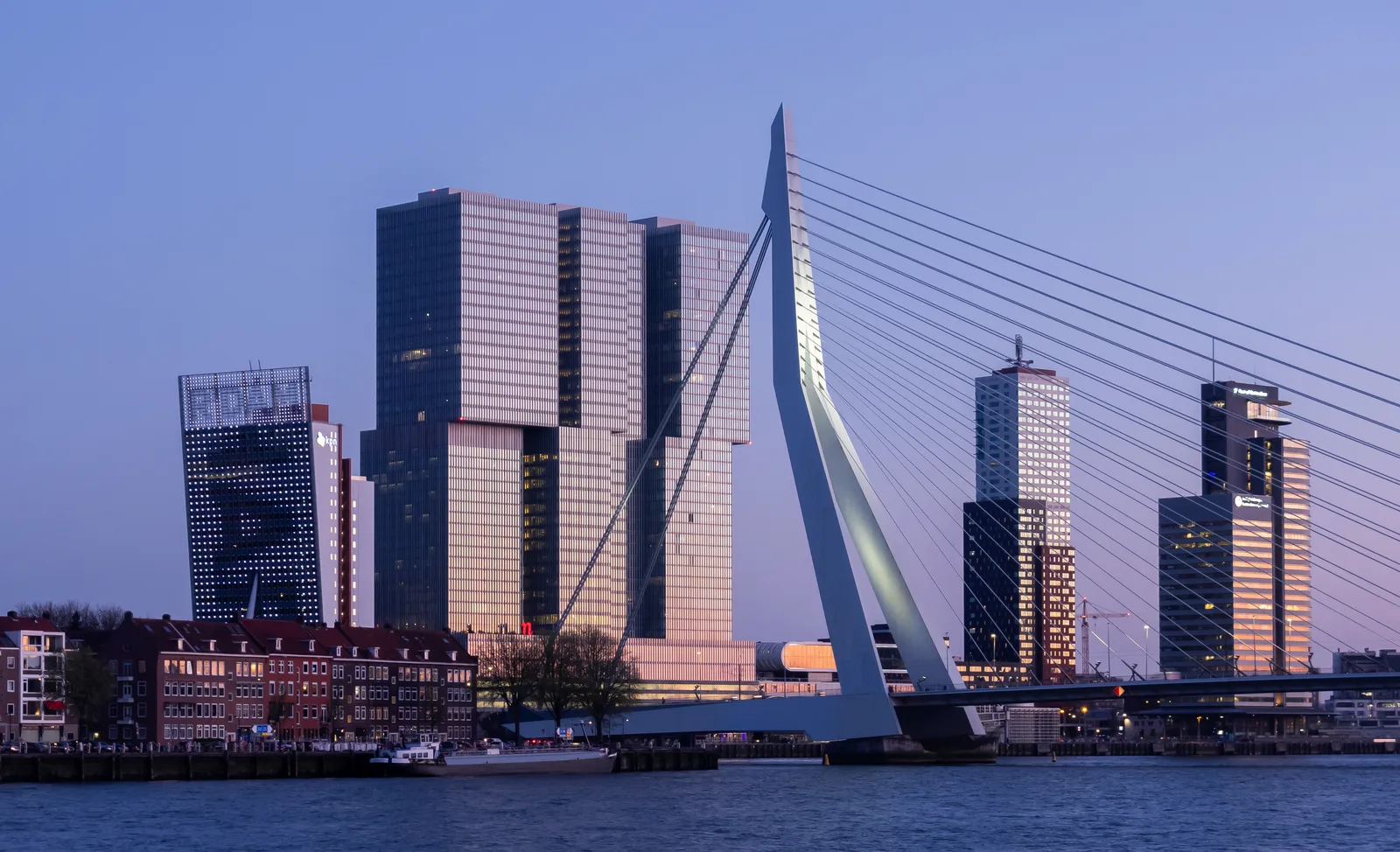
Rotterdam makes its first impression with space: wide streets, large buildings and a river that gives the skyline room to breathe. Come for architecture, museums and the working waterfront, then leave time for the smaller encounters between them. A harbour view, a meal beneath the Markthal's enormous roof and an afternoon in a historic neighbourhood make a more convincing introduction than a race between observation decks.
This is a city in South Holland, in the European Netherlands. The Nieuwe Maas runs through its urban landscape; the port and the municipality extend far beyond the central sights. A short waterfront cruise does not cover the entire industrial port, and a reference to Rotterdam's beach need not mean somewhere within walking distance of your hotel. VisaWand's Netherlands city and settlement directory helps put the destination in its wider geographical context.
Allow two full days for a first visit, or three if you want a substantial museum visit and an outing beyond the centre. People considering a move should add ordinary working days for housing viewings and trial commutes. Rotterdam's appeal as a visitor destination and its suitability for a particular household deserve separate consideration.
Understand the city before judging its skyline
The official architecture guide explains the relationship between the destruction of the city centre in 1940 and the rebuilding that followed. Broad spaces and modern buildings are part of that story, but innovation did not begin after the war. Earlier experiments in housing and industrial architecture helped establish a willingness to build differently.
Look for contrasts rather than expecting a uniformly modern city. The surviving Town Hall, Laurenskerk and Schielandshuis give points of reference among later buildings. A walk becomes more interesting when you ask how each place serves the city: housing, shops, public space and transport matter as much as a striking outline. Architecture is something people use here, rather than simply a collection of objects to photograph.
For a first orientation, connect Rotterdam Centraal with the centre and the Blaak area, then make a separate waterfront walk. Allow for crossings and stops when adding the south bank.
Choose an area that fits your actual journeys
For a brief stay with an early train, a hotel near Rotterdam Centraal can simplify arrival and departure. Compare the route from the station entrance to the property, including luggage and late check-in. A central address closer to Blaak can suit visitors prioritising the Markthal, Cube Houses and older harbour setting. Neither option removes the need to plan journeys to attractions elsewhere.
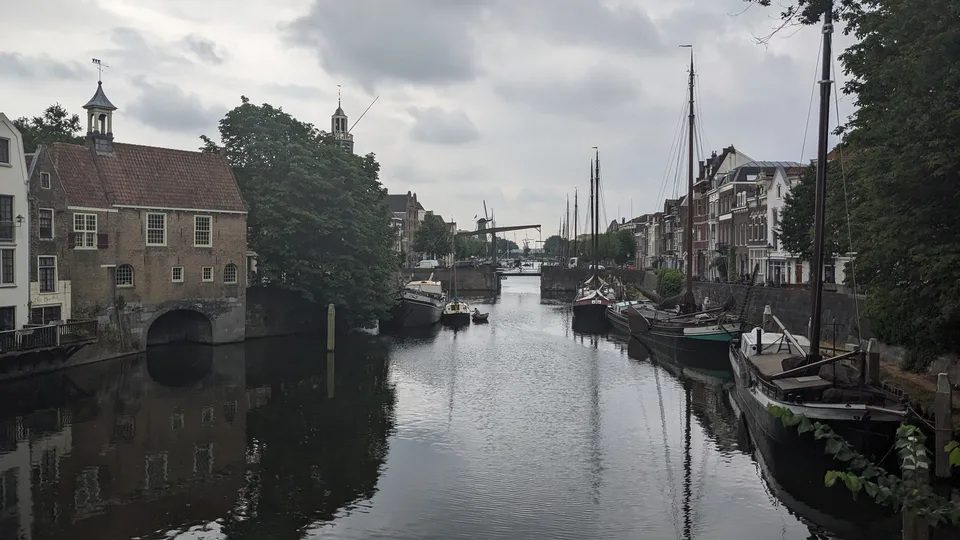
The official neighbourhood overview offers useful contrasts. Historic Delfshaven has a harbour setting that survived the 1940 bombardment; the Oude Noorden has nineteenth-century streets beside the Rotte. Katendrecht brings maritime and migration history into a different urban setting. These are reasons to explore, rather than evidence that every street has the same atmosphere, prices or housing conditions.
For a river-facing base, investigate Kop van Zuid and its connections. For a university, hospital, event or workplace visit, begin with the exact destination rather than the city's best-known hotel district. Test the evening return as carefully as the morning trip. A cheaper room can lose its advantage if it adds repeated transfers or an expensive journey after public transport finishes.
Start around Blaak, the Cube Houses and the Markthal
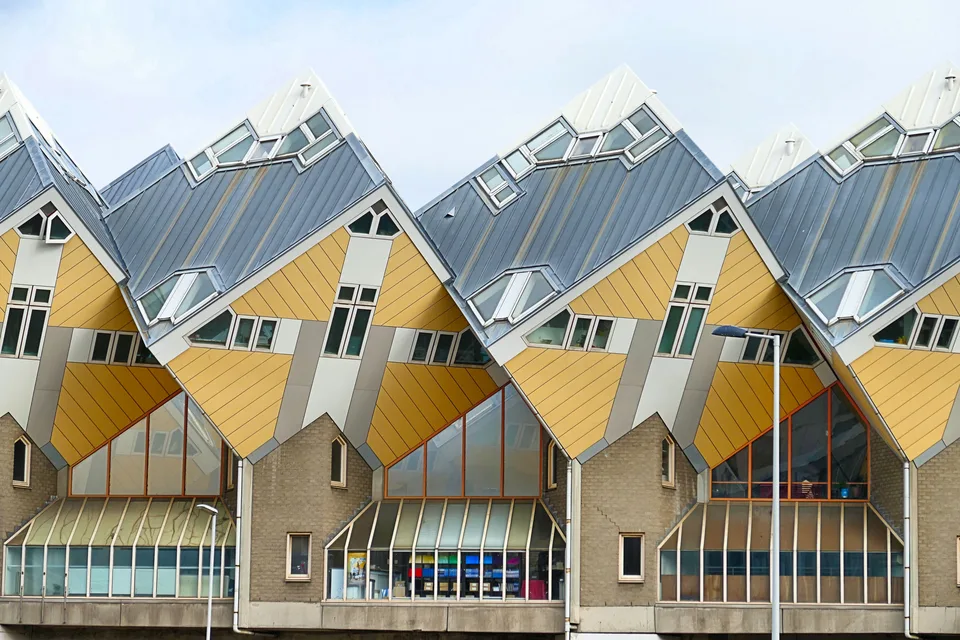
The yellow Cube Houses make more sense when considered as homes. Piet Blom's design asks residents to work with angled walls and unusual spaces. The Kijk-Kubus museum-house operator describes a furnished example that shows how those shapes can be used; the houses date from 1984. Exterior viewing and entry to the museum house are different experiences.
The operator's language versions currently contain inconsistent opening information, including older notices. Confirm the museum-house hours directly before making an interior visit essential to your day. Expect stairs rather than assuming that the small building offers the same access arrangements as a large museum. Respect the surrounding homes and keep entrances clear while taking photographs.
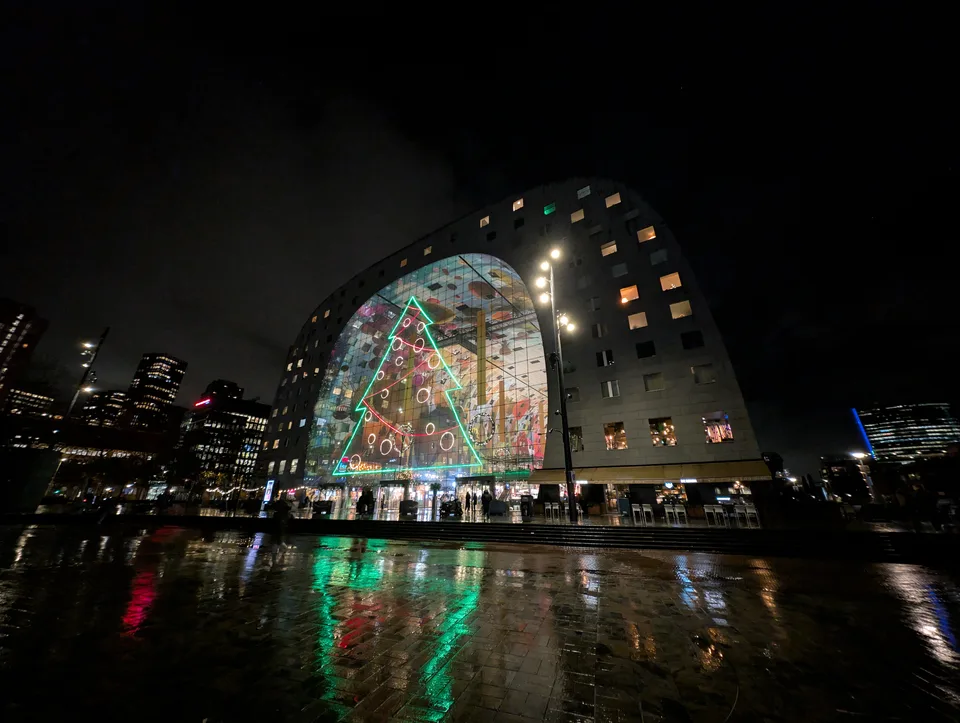
Nearby, the Markthal visitor page gives the hall's hours and distinguishes them from the supermarket and restaurants with separate entrances. Sunday opening starts later than on other days. Treat the hall as a place to compare food stalls, buy something you want and look at the building, rather than assuming that every option is inexpensive. Check individual menus and portions before ordering.
Cross the river with a purpose
Kop van Zuid offers a useful second chapter after the centre. On the Wilhelminapier, the relationship between old waterfront buildings and contemporary towers is especially clear. The official Kop van Zuid guide identifies Hotel New York as the former Holland America Line headquarters, in a building dating from 1917. De Rotterdam and the nearby cultural venues add later layers to the area.
Build the walk around a specific interest: architecture, a film or concert at LantarenVenster, a meal, or the connection towards Katendrecht. That gives the river crossing a destination beyond a photograph. Wilhelminaplein is the public-transport approach described by the visitor office; allow for the walk from the stop to the waterfront.
A room with a skyline view may be attractive for a weekend, but investigate the practical details behind the image. Ask about room orientation, opening windows, cooling, breakfast and the route back after dinner. For a longer stay, check nearby everyday shopping and the commute rather than paying for a view you will mostly see after dark.
Give Fenix time for the stories inside
Fenix is a strong reason to spend time on the south side. Its migration-focused exhibitions connect the setting of departures and arrivals with individual stories. The museum's planning page currently lists adult admission at €15, with a €7.50 rate for ages nineteen to twenty-five and free admission through age eighteen. Reserve the appropriate ticket and check any conditions attached to a concession.
Regular exhibition hours are Tuesday to Sunday, 10am–5pm, with specified holiday exceptions. The museum has announced that The Family of Migrants exhibition will close for maintenance from 27 October to 6 November 2026. That is an exhibition closure, rather than a notice that the entire museum will shut. Check the programme if that display is your main reason for visiting.
Keep luggage elsewhere: exhibition spaces permit handbags only up to A4 size, with lockers for larger bags. The museum also publishes accessibility information and offers a companion ticket for visitors who cannot visit independently. Ask about the arrangements you need before booking, particularly when combining the visit with a boat journey or a long walk.
Separate the Depot from the closed Boijmans museum
Museum Boijmans Van Beuningen's main building remains closed for renovation. The nearby Depot is a separate visitor experience, so do not plan a conventional visit to the main museum's galleries on the strength of seeing tickets advertised under the same institutional name.
The Depot visitor information lists Tuesday–Sunday opening, 11am–5pm, and a starting time for admission. The full adult base price is €20, with free entry through age eighteen. During Marisol, a €2.50 supplement applies to ordinary adult admission: budget €22.50 before any applicable discount. The ticket page dates that exhibition period from 9 October 2026 to 29 March 2027 and lists exemptions.
Choose the visit because the storage building and the care of a collection interest you. Check what is accessible on your chosen date rather than assuming every stored work is on display. The Depot has lifts and publishes access information. It is also cashless, so have a working payment card or compatible payment app. Keep the rest of the afternoon flexible enough to enjoy Museumpark without adding another timed appointment immediately afterwards.
See the working waterfront at the right scale
A boat trip helps explain why the city faces the river. Royal Spido's Rotterdam Highlights and Harbour Tour lasts seventy-five minutes and combines city views with part of the working port. The published adult fare is €18.75. Its departure point is Willemsplein 85, so check the boarding location rather than simply heading to whichever river landing is nearest.
This introduces part of the port, without reaching the outer container terminals. High water can change the route, and winter departures are less frequent. Choose a sailing before booking a museum time. The operator takes card payments and prohibits consuming your own food or drinks aboard.
The Maritime Museum's opening information also matters seasonally. Historic ships are closed from 1 November to 31 March, while the jetty and pavilion workshops remain accessible. Indoor exhibitions have their own visiting arrangements. Decide which part interests your group before buying tickets, especially if children are expecting to board historic vessels.
Get to Rotterdam without overlooking the final connection
Rotterdam The Hague Airport is connected to the city by public transport, but the metro does not take you directly into the terminal. The airport's transport instructions describe metro E to Meijersplein followed by bus 33, or bus 33 directly between Rotterdam Centraal and the airport. Use a dated journey plan for your flight, including the walk and the last available service.
Schiphol is another possible arrival airport. Compare the complete journey with the flight price: rail fare, any supplement, late arrival and the location of your accommodation all affect the result. NS confirms that an Intercity direct supplement is relevant to the faster Schiphol Airport–Rotterdam journey. Check the ticket conditions for your chosen service rather than assuming a city transport pass covers the train.
If arriving by international train or coach, use the operator's actual arrival station or stop. Allow time for onward travel and hotel access instead of placing a paid attraction immediately after arrival. For a departure morning, a simple connection can be worth more than squeezing one additional neighbourhood into the previous evening.
Match the transport ticket to the day
Walking works well within selected clusters; public transport connects them. The official local transport overview explains RET buses, trams and metro services, together with separate water transport options. Contactless OVpay is available with supported cards or devices. Use the operator's instructions for checking in and out, and confirm the payment method before travelling as a group.
The 2026 RET one-day ticket conditions set a €12 price for unlimited RET bus, tram and metro travel. It excludes night buses and other transport companies. Each traveller needs a separate ticket, with check-in and check-out required, including transfers. Its validity follows the day's timetable and ends no later than 4am the following morning; it is not a rolling twenty-four-hour ticket.
The Rotterdam City Card with transport currently starts at €17.50 for one day. It adds participating discounts to RET travel; it does not include NS trains, Waterbus or water taxis. Compare the attractions you will actually buy, their discount conditions and the travel you expect to make. A discount card is useful only when its savings exceed its extra cost for your particular plans.
Eat and shop without letting convenience set the budget
The Markthal is an easy introduction, but leave space for meals elsewhere rather than arranging every lunch around one building. Compare a sit-down meal with a takeaway option and check what drinks add to the bill. Ask about ingredients and preparation when an allergy or dietary requirement matters; the name of a dish alone cannot establish suitability.
For browsing beyond the main sights, the Oude Noorden's shops and creative businesses offer a different outing from the central architecture walk. Combine shopping with an area you intend to explore. Check individual business hours, especially around holidays.
For accommodation, compare the final payable total, including taxes, breakfast, cancellation terms and any deposit. A serviced apartment can be useful if cooking and laundry will reduce daily spending, but verify the equipment rather than assuming it from the category name. A cheap nightly headline can be a poor deal once compulsory charges and repeated transport are included.
Build a budget from clear choices
Check transport, museum entries and cruises before arrival, then confirm dated checkout totals. Hotel rates, dining choices and family composition can change the budget substantially.
Decide which purchases matter most. One substantial museum visit and a waterfront walk may be more satisfying than several hurried admissions. If the budget is tight, keep architectural exteriors and neighbourhood walks in the plan, while reserving money for the interior or boat trip that best matches your interests. Do not buy a pass simply because the list of participating venues is long.
Keep a small allowance for a disrupted connection, an extra meal or luggage storage. Families should compare age bands across tickets rather than assuming one definition of a child applies everywhere. For a longer stay, separate recurring costs from arrival expenses: a housing deposit, furniture and initial household purchases can make the first month very different from later ones.
Choose a season and retain a weather alternative
Spring and autumn suit a programme mixing walks with museums; summer offers longer daylight for exploring the waterfront. Winter can work well for cultural visits, provided you plan around shorter days and seasonal access. None of these choices guarantees a dry weekend. Bring layers and a weatherproof outer garment, with shoes suitable for sustained walking.
Check the KNMI weather forecast before committing to an exposed river walk, cycling day or beach outing. Wind and rain can change how comfortable a route feels, even when the map suggests a short distance. Keep an indoor option in the same broad area so that changing plans does not require crossing the city again.
Seasonal timetables deserve as much attention as the forecast. Boat departures can be fewer in winter, museum ships have a seasonal closure, and school holidays can change Monday opening. Review the actual dates of your stay rather than relying on a generic claim that an attraction is open daily. For households considering a move, revisit in a less favourable season if you can.
A realistic three-day introduction
Day one: begin with Rotterdam Centraal and the central streets, then make Blaak, the Cube Houses and the Markthal your main cluster. Choose whether to enter the museum house after confirming access. Have lunch without rushing, then continue towards the older harbour setting. Leave the evening for a meal near your accommodation rather than another compulsory crossing.
Day two: choose the Depot as the main interior visit, with time around Museumpark. Book an appropriate starting time and check the current exhibition supplement. If a harbour cruise is a priority, fit a confirmed sailing around the museum rather than assuming boats leave continuously. Keep enough time between them for the journey and boarding.
Day three: explore Kop van Zuid, then give Fenix an unhurried visit. Check the announced exhibition closure against your dates. If you prefer historic streets to another museum, substitute Delfshaven; if this is a reconnaissance trip for a move, use the day for housing viewings and a trial commute. These are alternatives, not extra tasks to add to an already full day.
Test the housing before committing to a move
Start with the workplace or study address, then compare actual homes and their connections. Ask what the rent includes, whether utilities are individually metered, what furnishings remain and how heating works. Check ventilation, noise, stairs, bicycle storage and internet availability. A photograph cannot tell you whether a room suits daily work, sleep and ordinary household routines.
Rotterdam's municipal moving resources link to tenant information and a free rent check. Use them when assessing an offer, and verify the landlord or agent's authority before paying a deposit. Confirm that the property's intended use and registration arrangements match your circumstances. A holiday booking is not proof that you can establish a household at that address.
Some streets require a housing permit for renting, a rule introduced in its current form from December 2025. Check the municipality's housing-permit requirements before signing. Investigate the process alongside the tenancy. For families, also establish school arrangements and access to everyday services before treating the move as settled.
Arrange registration, healthcare and the household separately
The first-registration page explains the appointment route for people arriving from abroad for a stay exceeding four months, with details for different circumstances. Returning residents and short-term non-residents have other routes. Registration is free, but depends on the required documents and immigration position. A BSN is an administrative identifier; it does not replace permission to live or work in the Netherlands.
Check official health-insurance requirements for your circumstances promptly. Where Dutch insurance is compulsory, the four-month arrangement period is not four months of free cover: timely insurance runs from the applicable start date and premiums follow. Students and people covered by cross-border employment arrangements need to check which system applies rather than automatically buying the same policy as an employed resident.
Before arrival, identify how you will obtain routine healthcare and continuing medication. At handover, record the condition of the property and meter readings, then establish electricity, water, heating and internet responsibilities in writing. Use the municipal waste information for the address. These ordinary arrangements deserve space in the relocation budget alongside rent and commuting.
Keep a visit separate from work, study and settlement
Use NetherlandsWorldwide's permitted-stay guidance for nationality-specific visiting rules. For many non-EU visitors, the limit is ninety days in any rolling 180-day Schengen period; a visa can grant less. Count previous Schengen travel too. The IND short-stay page explains documentation and notes that work, including some unpaid activities, may require separate authorisation.
EU, EEA and Swiss citizens have different rights, including access to work without a TWV, but conditions apply to longer residence. For other nationals, investigate the route that fits the actual purpose. The highly skilled migrant route requires a recognised employer sponsor and other conditions; it is not available simply because a job is advertised in Rotterdam.
The university student residence route is handled through an eligible educational institution. Permanent relocation is a further question: IND permanent residence requirements include conditions beyond merely spending time in the country. Do not infer work rights from a visitor admission, or residence rights from a lease. VisaWand's Netherlands destination page and consultant directory can support finding individual advice while official authorities remain the source for application rules.
Add a nearby destination for a clear reason
Kinderdijk offers a different subject: windmills and water management rather than an urban skyline. Its official ticket information distinguishes access to visitor locations and the on-site boat experience. Transport from Rotterdam is a separate planning decision. Check the outward and return journey before booking, especially if you intend to travel by water or have an evening connection afterwards.
VisaWand's Delft location page and The Hague location page offer other destinations to investigate when you have more time. Choose one and give it a proper share of the day. Compare the cultural interest with the effort of moving accommodation. A single Rotterdam base can be practical, provided the connections match your plans.
Rotterdam benefits from time between appointments. Another river walk or an extra hour with an exhibition may be more rewarding than a rushed additional stop.
Official planning resources
Reviewed 16 October 2026. Use the official resources linked throughout this guide for admission, transport, housing and immigration decisions. Prices, services and rules can change; confirm the details relevant to your dates. Photography illustrates the locations and is not a live view.
View all official resources
- Rotterdam architecture and reconstruction
- Explore Rotterdam neighbourhoods
- Kijk-Kubus museum house
- Markthal opening hours and visitor address
- Kop van Zuid and Wilhelminapier
- Fenix visitor information and tickets
- Boijmans museum renovation
- Depot Boijmans visitor planning
- Depot timed tickets and exhibition supplement
- Royal Spido city and harbour cruise
- Maritime Museum opening hours and harbour access
- Rotterdam The Hague Airport transport
- NS Intercity direct supplement
- Local transport and water connections
- RET one-day ticket conditions for 2026
- Rotterdam City Card prices and conditions
- KNMI official weather forecast
- Rotterdam municipal moving and tenant resources
- Rotterdam housing permit for specified rental streets
- First municipal registration in Rotterdam
- Dutch government health insurance for arrivals
- Official permitted visit duration
- IND short-stay requirements
- IND EU EEA and Swiss residence rights
- IND highly skilled migrant route
- IND university student residence
- IND permanent residence requirements
- Kinderdijk visitor tickets
Plan the next part of your journey
Explore the Netherlands guide, browse other cities or compare consultants for your travel and relocation questions.