Visa
A city break with a coastline
The Hague rewards a visit that makes room for two landscapes: the formal streets around the Hofvijver and the open North Sea coast at Scheveningen. You can spend a morning looking closely at a Vermeer, then travel out for sand, sea air and a completely different horizon. Neither experience explains the whole city.
For a first visit, allow two full days and choose your accommodation according to whether museums or the beach matter most. For a possible move, add time to inspect housing and test the journey to your actual workplace. The Hague’s international institutions make it an obvious place to investigate, but their presence does not remove the practical questions of rent, employment eligibility and everyday travel.
Use VisaWand’s Netherlands country guide for the national context alongside the city decisions below.
Understand the government city
The Hague is in South Holland, on the Netherlands’ western coast. Den Haag is the name you will encounter on railway screens and local addresses. It is the seat of national government and a royal residence; Amsterdam is the national capital. Confusing those roles can make both the city’s history and an immigration search unnecessarily muddled.
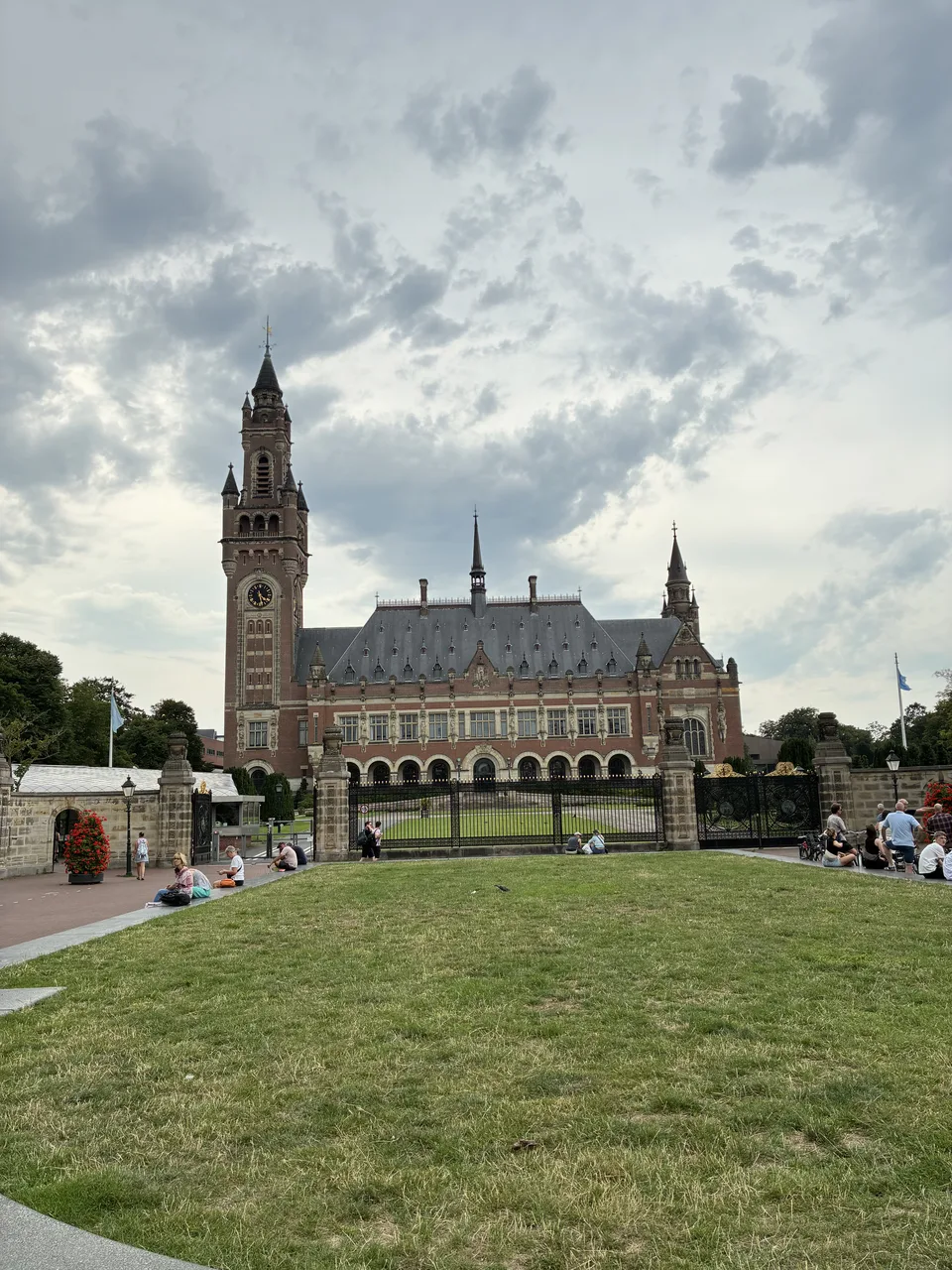
The official tourism history traces its development to the Counts of Holland and the thirteenth-century Binnenhof. Court, government and diplomatic life helped shape the city around that nucleus. The Peace Palace opened in 1913 and houses the International Court of Justice and Permanent Court of Arbitration. The International Criminal Court is a separate institution, not another name for the court inside the palace.
That background explains why an attractive building may be a working institution with controlled access. Approach the city as a lived-in administrative and cultural centre rather than a collection of interiors automatically open to tourists.
Find your bearings before choosing an area
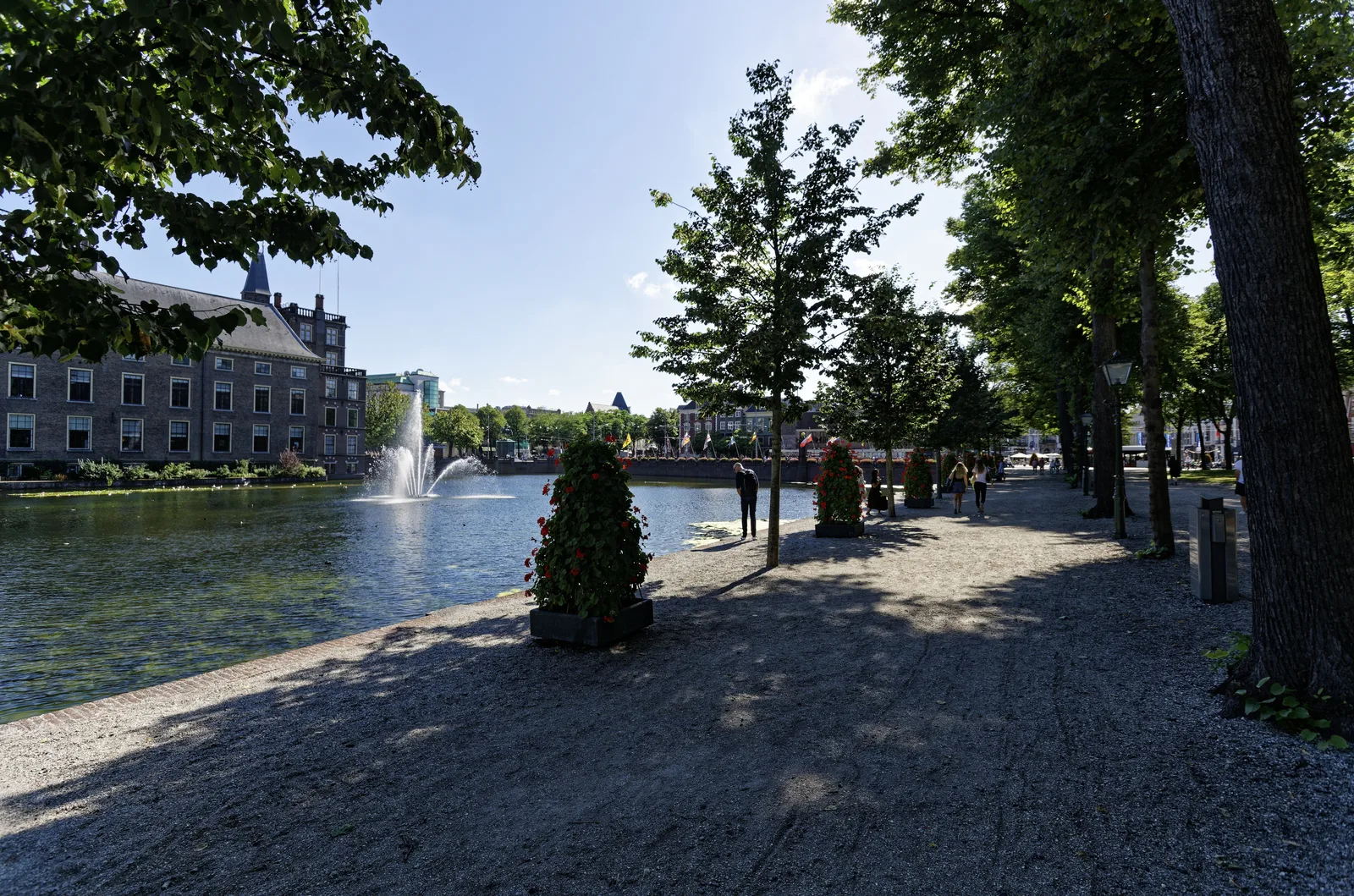
Begin with the Hofvijver, Buitenhof and the streets around the Mauritshuis. This is a useful centre for an initial walk, with Lange Voorhout and Noordeinde offering further routes through the historic city. Keep the beach as a separate journey rather than expecting sand immediately beyond the old centre.
West of the centre, Zeeheldenkwartier offers a different scale: shopping streets, squares and nineteenth-century housing. The tourism board dates much of its development to 1870–1890. It is worth exploring if your idea of a useful neighbourhood includes errands and cafés as well as monuments.
Scheveningen has several identities of its own, including the resort frontage and harbour surroundings. Kijkduin is another coastal choice. On a short trip, select one coastal outing; on a housing search, compare the exact street, nearest stop and services instead of treating every seaside address as equivalent.
Walk around the Binnenhof, with the closure in mind
The Binnenhof remains central to understanding The Hague, but its renovation changes how you experience it. The municipality’s renovation information states that the complex is closed to the public and pedestrians and cyclists cannot pass through it. Do not build a route around cutting across the courtyard or assume that the Ridderzaal interior is available.
Instead, take an exterior walk around the Hofvijver and adjoining streets, following current signs and any construction diversions. This still gives you a sense of the relationship between government buildings, water and the historic centre. Older photographs show the setting before the works, not a promise of today’s unobstructed view.
Leave flexibility in the route if you are using a wheelchair or pushing a buggy. A blocked shortcut matters more when the alternative involves extra crossings or a substantially longer approach.
Give the Mauritshuis your attention
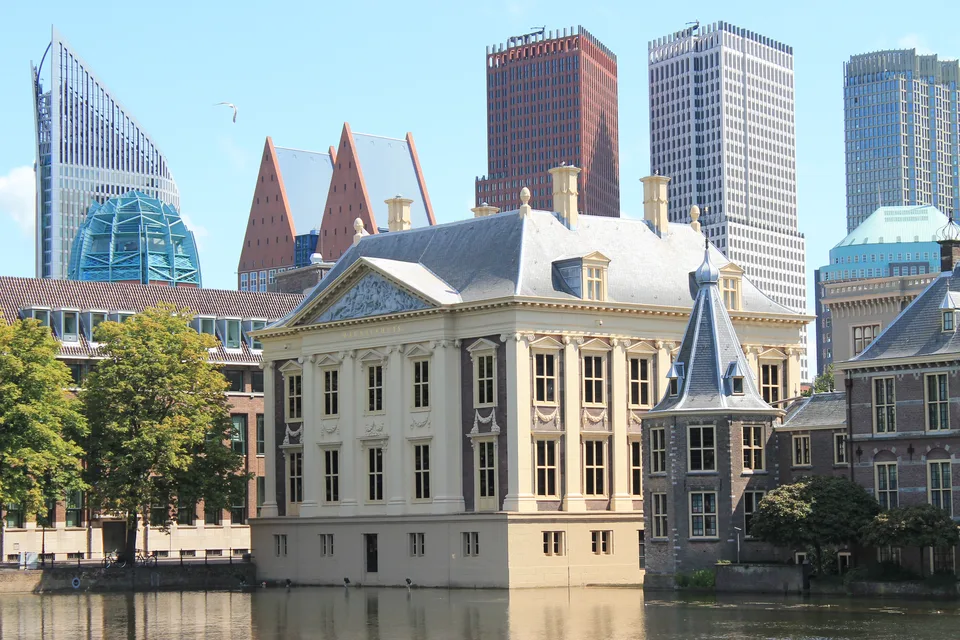
The Mauritshuis visitor page lists adult admission at €21 and free admission for visitors under 19. Its Dutch and Flemish seventeenth-century paintings include Vermeer’s Girl with a Pearl Earring and Rembrandt’s The Anatomy Lesson of Dr Nicolaes Tulp. Check the current programme if one particular work is the reason for your journey.
Normal hours are Monday 13:00–18:00 and Tuesday–Sunday 10:00–18:00, with last entry half an hour before closing. Reserve an entry slot, including when using a qualifying card. A smaller collection can still justify an unhurried visit: plan around looking, rather than counting rooms.
One discount needs particular care. The museum’s late-afternoon offer costs €4 from 16:00, but is restricted to Netherlands residents and sold at the museum. Overseas visitors should budget for the ordinary applicable ticket rather than assuming that everyone receives this reduction.
Choose between Escher and a larger art museum
Escher in The Palace brings graphic illusion into a former palace on Lange Voorhout. It normally opens Tuesday–Sunday, 11:00–17:00. The official ticket shop lists adults at €14.50, ages 13–17 at €11 and ages 7–12 at €8. Museumkaart is not accepted, an important distinction when comparing museum costs.
The Kunstmuseum’s visitor information lists adult admission at €22, with free entry for those under 19. Its Berlage building and collections of modern and contemporary art, fashion and applied arts make it a different proposition from the compact historic centre museums. The museum is associated particularly with Mondrian; consult the exhibition programme before choosing a day.
Treat these as alternatives if you have limited time. Two carefully chosen museums, with a meal and a walk between them, will usually produce a more satisfying weekend than three rushed admissions.
See a historical coast at Panorama Mesdag
The Panorama of Scheveningen was painted in 1881 by Hendrik Willem Mesdag with Sientje Mesdag-van Houten and other artists. Its circular coastal scene is an absorbing counterpoint to visiting the modern seafront. It also supplies a reason to look beyond the city’s better-known painting collections.
Museum Panorama Mesdag is at Zeestraat 65 and normally opens Tuesday–Sunday, 10:00–17:00, with exceptions for national holidays. The official tickets list adults at €17.50 and free entry for children through age 18.
The museum warns that the panorama’s viewing platform is reached by a spiral staircase. Travellers who need step-free access should discuss their particular requirements with the museum before booking. Do not assume that access to the ground-floor galleries establishes access to the elevated viewing experience.
Plan the Peace Palace as a booked visit
Start with the distinction between the free Peace Palace visitor centre and entry to the palace grounds. The centre normally opens Wednesday–Sunday, noon–17:00, and provides an introduction to its institutions. It is useful even when no interior tour fits your dates.
The palace’s visit information explains that access to the grounds requires an authorised guided visit. Tour availability is normally released roughly two weeks ahead. A photograph at the gates does not indicate unrestricted garden access.
For an inside tour, the listed adult price is €17.50 and the visit lasts about 50–60 minutes. Availability depends on the courts’ work calendar. Bring the original accepted identification specified in your booking, arrive early for security and expect to leave bags, phones and cameras in lockers. Mobility restrictions also apply. Confirm the actual session before travelling across town for it.
Choose your stretch of coast
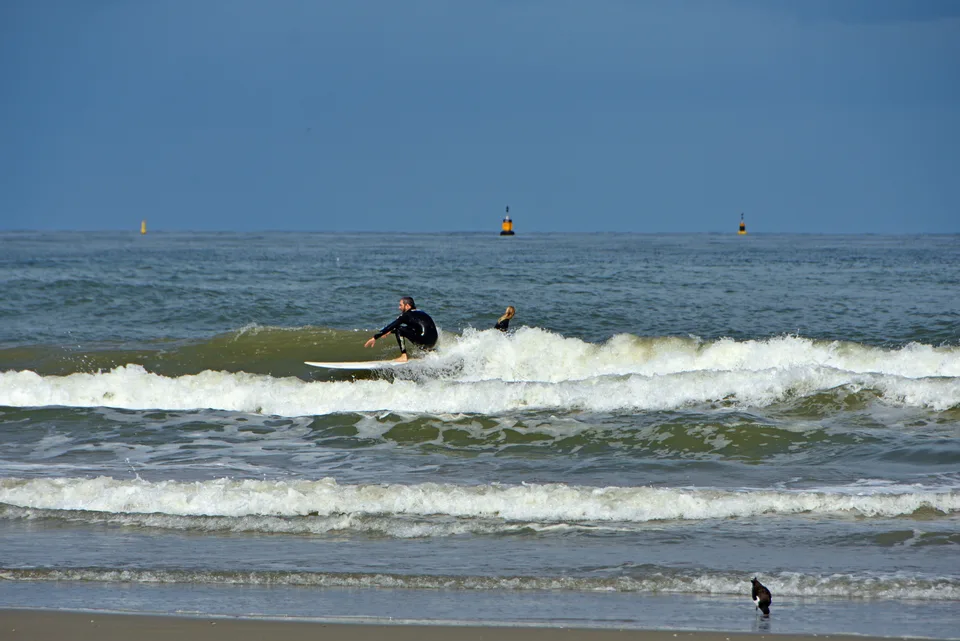
The official beach overview distinguishes Scheveningen, Kijkduin and Zuiderstrand along The Hague’s coastline. Scheveningen is the obvious choice when you want a resort outing; a different stretch may suit a quieter walk. Select the area for the experience you want rather than simply searching for “The Hague beach”.
Keep a city alternative ready if wind or rain makes a long seafront visit unattractive. A beach afternoon need not involve swimming, and a sunny view does not establish safe water conditions. Follow flags and lifeguard instructions; the visitor information on Scheveningen and Kijkduin highlights rip currents and other coastal precautions.
Check local signs for dogs, smoking zones and other restrictions. Pavilion openings and services can vary with the season. For families, confirm toilets, shelter and the return journey before settling on a remote part of the coast.
Match accommodation to the trip
The official hotel directory includes central properties such as Hotel Des Indes on Lange Voorhout and Hotel Indigo near Noordeinde, alongside coastal options including the Kurhaus. These are useful geographical reference points, not a claim that any particular room is the best value on your dates.
Choose the centre for a museum weekend with dinners and evening walks nearby. Choose Scheveningen if waking beside the sea is the main attraction, accepting the extra journey for city appointments. Zeeheldenkwartier can be worth considering when neighbourhood surroundings matter more than being beside the principal sights.
Compare the complete booking price, cancellation terms, breakfast, parking and room access. For longer stays, establish whether cooking and laundry facilities are actually included. If accommodation will become your home, ask about lawful residential use and registration; a holiday booking alone does not settle those questions.
Ask a property to confirm the route from the street to your room, including lifts and any unavoidable steps. “Accessible” can describe different arrangements. With children, check the booked room’s occupancy limit, sleeping configuration and whether breakfast charges depend on age. Get important answers in writing before a non-refundable reservation.
Arrive by rail or through the airports
Den Haag Centraal and Den Haag HS are distinct stations. Search the NS journey planner for The Hague using your accommodation address and arrival time, rather than assuming that every convenient train calls at the same one. Include the final tram, bus or walking leg when comparing routes.
Schiphol has its own railway station. Use the NS Schiphol travel information to plan the onward connection for your date, including engineering work and late arrivals. Buy the ticket for the itinerary you will actually use rather than copying an undated fare or platform number.
From Rotterdam The Hague Airport, the public transport connection involves bus 33 between the terminal and Meijersplein, then metro E towards Den Haag Centraal. The operator’s roughly 30-minute reference concerns the metro leg, not the whole airport transfer. Allow for the bus, waiting and luggage; the metro does not serve the terminal directly.
Use local transport without buying the wrong ticket
HTM trams and buses are useful for combining the centre with museums and the coast. Its €8.60 day ticket covers HTM services for the day, not a rolling 24-hour period. It does not include NS trains or RET metro journeys. An airport connection may therefore require a separate product.
Follow the instructions for the version you buy. A ticket in the HTM app must be activated before use and does not require tapping in; physical or card-loaded products have their own validation requirements.
For occasional journeys, HTM’s OVpay guidance explains contactless payment. Check in and out with the same card or device, and give each traveller their own payment medium. A phone wallet and its underlying physical card are treated separately. Taking one card out of your wallet avoids accidentally presenting a different one on the return tap.
Eat beyond the museum café
Indonesian and Indo-Dutch food is an important part of the city’s food culture. The tourism board’s Indonesian restaurant and toko overview connects it with the community shaped by migration after the Second World War and Indonesian independence. Use the listings to investigate menus rather than treating every place as interchangeable.
A rijsttafel can be a sociable meal, but check whether the menu is priced per person and requires a minimum number of diners. A toko may be more useful when you want food to take away. Ask directly about allergens, vegetarian dishes and ingredients rather than relying on a dish’s translated name.
For a longer stay, investigate an ordinary grocery shop near the accommodation as well as a destination restaurant. The ability to buy breakfast or prepare a simple evening meal may matter more to your weekly budget than finding another celebrated dining room.
Shop and build a budget from actual choices
The Haagse Markt normally trades Monday, Wednesday, Friday and Saturday, 09:00–17:00, with holiday exceptions. It is not a daily stop to place indiscriminately into an itinerary. Go with room to browse and a realistic plan for carrying purchases back.
Build your sightseeing budget from the tickets you intend to use. At the standard adult prices checked for this guide, Mauritshuis and Escher together cost €35.50; adding one HTM day ticket brings that example to €44.10. Accommodation, food, intercity travel and other spending remain additional. Card eligibility can change the calculation.
For rooms and meals, obtain current quotes instead of relying on a citywide average that hides dates, location and inclusions. Separate unavoidable costs from optional ones: an exterior walk and time by the sea can balance a paid museum day without filling the schedule with purchases.
Let the weather shape the order
Use summer when you want the coast to occupy a substantial part of the trip, while remembering that a beach holiday still needs an indoor alternative. Spring and autumn work well for a city-focused visit with outdoor time fitted around conditions. Winter favours shorter walks between museums, cafés and accommodation.
Near the sea, choose layers and a wind-resistant outer jacket rather than judging the day only by the temperature. Check KNMI’s South Holland warnings and forecast links before committing to a long coastal walk. A seasonal expectation is not a forecast for your dates.
Museum closing days can be as important as weather. If Monday falls inside a short break, review each opening calendar before booking. The Mauritshuis’s Monday afternoon opening does not mean that Escher, Panorama Mesdag or Kunstmuseum follow the same pattern.
A realistic first day in the centre
On a Tuesday-to-Sunday visit, begin around the Hofvijver and follow the accessible exterior route beside the government quarter. Keep a reserved Mauritshuis visit as the day’s main appointment, with time afterwards for lunch rather than immediately adding another timed entry.
Spend the afternoon around Lange Voorhout and Noordeinde. Choose Escher if graphic art is a priority, or leave the time free for streets and shops. A late-afternoon museum reservation should reflect the ticket conditions described above, not an assumed universal discount.
End with dinner in the centre or Zeeheldenkwartier according to where you are staying. This first day deliberately leaves breathing space: queues, construction diversions and a painting that holds your attention are all easier to accommodate when every hour is not spoken for.
A second day between institutions and the sea
Start with a confirmed Peace Palace visit, or use its visitor centre when open. If neither fits, substitute Panorama Mesdag and make the historical coastal scene your introduction to the afternoon. Reserve the Kunstmuseum for a longer art-focused trip or choose it instead of another museum.
After lunch, travel to Scheveningen for a seafront walk. Check the return connection before deciding whether to stay for dinner. In poor coastal weather, remain in the city and put the longer indoor visit here instead.
With only one day, keep the centre and one principal museum. Trying to include all the major collections, the palace and the beach would turn the visit into a succession of transfers. With three days, add one nearby city rather than repeating the same central circuit.
Investigate housing and the commute together
Begin a possible move with a temporary base and a written list of needs: bedrooms, school access, registration, bicycle storage and the journey to work. Test the commute at the hour you would actually travel. An address convenient for Centraal may still be inconvenient for a workplace elsewhere in the city.
Use the municipal housing information to check the rules that apply to a property. Ask for a contract showing basic rent, service charges, deposit and which utilities are included. Inspect heating, ventilation, stairs and noise before committing to a long tenancy.
The municipal housing-permit rules cover qualifying rental homes according to regulated points and rent criteria, with eligibility conditions and exceptions. Check the specific dwelling before signing; neither a high advertised rent nor a landlord’s assurance establishes exemption. A housing permit is separate from BRP registration and from immigration permission.
Register and organise household essentials
The municipality provides different arrival and registration procedures for first-time residents, returning residents, students and people with particular international statuses. Choose the applicable route promptly rather than booking an appointment designed for somebody else.
For a first-time EU, EEA or Swiss resident without a BSN, the city specifies BRP registration for residence of four months or longer; shorter stays use a different registration route. Bring the required identification and proof of occupancy. First-time residents from outside those countries must also establish lawful residence. The city says processing usually takes four weeks, so do not assume an immediate BSN.
Before moving in, clarify energy, water, internet and meter readings. Use the address-specific waste calendar for the actual street. Check Dutch health-insurance requirements, arrange a suitable policy where required and investigate a local GP. Students and other special circumstances require an individual insurance check.
For a household move, keep a practical inventory of what the tenancy supplies. Curtains, lighting, furniture and appliances should be checked item by item rather than inferred from photographs. Record the property’s condition at handover and retain the inventory with your contract and payment records.
Separate a visit from work, study and settlement
For tourism, consult the IND short-stay rules and the nationality-specific application information they link to. The general Schengen allowance is 90 days in any 180 across the area, subject to applicable exceptions and the permission actually granted. A return from Belgium does not create a fresh Dutch allowance.
EU, EEA and Swiss citizens have different residence and work rights, with conditions applying to longer residence. For other nationals, identify the route before accepting work. The highly skilled migrant scheme involves a recognised employer and specific requirements; it is not a general permission attached to every job offer.
The higher-education student residence route is normally handled through a recognised institution. Admission, immigration permission, work conditions and housing are separate checks. Permanent residence also has its own requirements. VisaWand’s Netherlands consultant listings and consultant directory can help locate advice; official authorities decide applications.
Consider the wider region
For an additional day, consider Delft, Leiden or Rotterdam’s city page, choosing one destination and checking the train connection. The official Netherlands tourism website is useful for comparing cultural visits, canals and different urban settings. Avoid squeezing several towns into the time that one museum and an unhurried lunch would occupy.
If your route continues to the national capital, consult the Amsterdam city page separately. It serves a different role from The Hague and should have its own accommodation and transport calculation.
For relocation, compare nearby options through the same practical questions: the real commute, a suitable home, access to services and your legal basis for staying. VisaWand’s Netherlands country page provides another starting point for exploring locations. A promising weekend is useful evidence, but ordinary weekday routines deserve equal attention before a permanent decision.
Official planning resources
Reviewed 17 October 2026. Use the official resources linked throughout this guide for admission, transport, housing and immigration decisions. Prices, services and rules can change; confirm the details relevant to your dates. Photography illustrates the locations and is not a live view.
View all official resources
- The Hague tourism history
- Official tourism Zeeheldenkwartier information
- Municipal Binnenhof renovation information
- Mauritshuis current visitor information
- Mauritshuis FAQ discount conditions
- Escher museum operator
- Escher official ticket prices
- Kunstmuseum current prices
- Panorama of Scheveningen history
- Panorama Mesdag visitor information
- Panorama Mesdag official tickets
- Peace Palace visitors centre
- Peace Palace visitor routes
- Peace Palace inside tour conditions
- Official The Hague beaches
- Official beach practical guidance
- Official Hague hotel directory
- NS The Hague stations and journeys
- NS airport rail planning
- Rotterdam The Hague Airport public transport
- HTM day ticket rules
- HTM contactless payment rules
- Official Indonesian food cultural context
- Haagse Markt opening days
- KNMI South Holland weather warnings
- Municipal housing resources
- Municipal affordable housing permit
- Municipal arrival registration routes
- First BRP registration EU EEA Swiss
- First BRP with residence permit
- The Hague address-specific waste calendar
- Dutch government health insurance
- IND short-stay holiday and business requirements
- IND EU EEA and Swiss residence
- IND highly skilled migrant requirements
- IND higher education residence permit
- Official Netherlands tourism information
Plan the next part of your journey
Explore the Netherlands guide, browse other cities or compare consultants for your travel and relocation questions.