Visa
A coastal city with more than a day trip’s worth of history
Kamakura offers a distinctive combination: Buddhist temples in wooded valleys, a major Shinto shrine, a working coastal railway and beaches within the same small city. It makes a rewarding excursion from Tokyo, but an overnight changes the experience. You can visit one area properly, stop for lunch and leave another district for the following morning.
Choose Kamakura if you enjoy exploring on foot and want historical places alongside ordinary streets, shops and sea air. Choose your route carefully if steps, summer heat or crowded trains would make the day difficult. This is a lived-in city, not a single heritage enclosure.
Understand the samurai capital behind today’s streets
The tourism association’s historical introduction explains Kamakura’s role as the seat of a samurai government from the late twelfth century until 1333. Minamoto no Yoritomo received the title of shogun in 1192; the Hojo family subsequently became central to its politics. Chinese trade and Zen Buddhism helped shape the city’s cultural life.
That history survives through religious institutions and archaeological places rather than a complete medieval cityscape. Later restoration, rebuilding and residential development also belong to the story. In the nineteenth century, seaside recreation, villas and literary residents added another identity. Read a few site descriptions before arriving: the difference between a shrine, a Zen monastery and a later holiday residence gives each stop more meaning than simply recognising its photograph.
Start with the station area and two different approaches
Kamakura Station is a useful organising point. From its east side, Komachi Street runs towards Tsurugaoka Hachimangu, parallel to Wakamiya-oji. Shopping, meals and coffee make it an easy introduction, but it is also a place where a casual stroll can expand to fill the morning. Save a browsing stop for later if you have a particular temple opening in mind.
Use the station’s west side deliberately too, especially when connecting with Enoden or arranging baggage storage. Check the exit on a hotel or meeting-point instruction rather than assuming every address is immediately accessible from either side. For a first visit, learn the main approach and your return route before branching into smaller streets. That keeps an enjoyable detour from becoming an inconvenient search with luggage.
Visit Tsurugaoka Hachimangu as a working shrine
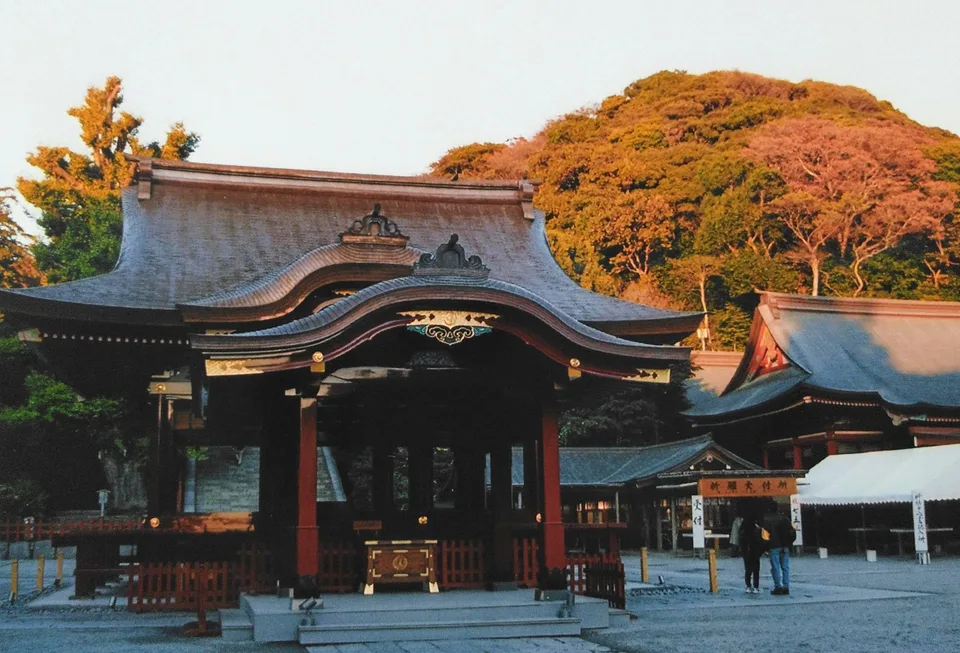
Tsurugaoka Hachimangu is closely connected with Yoritomo and the development of Kamakura. The shrine was moved from its earlier coastal setting to the present site, and later patrons included the Hojo and Tokugawa families. Its approach and buildings help explain why this remains a central landmark rather than simply another stop on a temple list.
Allow time to observe the precinct without blocking worshippers or ceremonies. The main gate hours published by the tourism association are 06:00–20:00; museum and treasure facilities keep separate schedules. An open gate does not mean every interior can be visited. If mobility is a concern, ask about the route appropriate to the part you want to reach, rather than assuming a view of the main staircase describes the whole precinct.
Kita-Kamakura: build a morning around one or two temples
Kita-Kamakura provides another entry point to the city’s religious landscape. Engakuji is approximately a minute’s walk from its JR station. Adult admission is ¥500, with entry from 08:30; the published admission window ends at 16:30 from March through November and 16:00 in winter. Departure deadlines are thirty minutes later.
Treat the temple as an active institution. Its rules prohibit commercial use of photographs without permission, and visitors should not photograph monks without consent. Keep out of private areas and moss gardens. Instead of choosing every nearby temple, decide whether you want a detailed visit or a broader walk. A smaller selection gives you time to read, look and pause before another admission fee and another set of steps.
Kenchoji and the difference between old and original
Kenchoji’s Sanmon gate is a useful reminder that historic places change. The current gate dates to 1775, replacing an earlier structure lost to fire. Its scale and religious purpose are worth attention in their own right; describing every building as unchanged from the thirteenth century would obscure the history of repair and renewal.
The temple’s visiting information lists 08:30–16:30 hours and ¥500 adult admission, paid in cash. Hikers entering through the grounds also pay. The published wheelchair access extends to the area before the Karamon gate; it does not establish accessibility throughout the hills beyond. If you want both the temple and a walk, plan them as separate commitments and check the trail conditions before making the higher route essential to your day.
Hase and the Great Buddha
Hase works well as a focused half-day, combining Kotoku-in with nearby Hasedera rather than repeatedly crossing the city. At Kotoku-in, the bronze Great Buddha’s casting began in 1252. The enclosing hall was subsequently lost to storms and tsunami damage, leaving the familiar open-air setting. Allow time to look at the statue and precinct instead of arriving only for a quick photograph.
Adult admission is ¥300; entry to the statue’s interior costs another ¥50. Grounds open at 08:00, closing at 17:00 from October through March and 17:30 from April through September, with entry ending fifteen minutes earlier. The interior closes at 16:30, with its own last-entry time. These separate windows matter if you reach Hase late in the afternoon.
Check access arrangements before visiting Kotoku-in
There is a practical change worth checking directly: Kotoku-in’s current notices say its accessible parking arrangement has ended. Older visitor material still describing a reservable space should not be used to organise an essential arrival. Contact the temple about your needs and confirm any nearby parking independently.
Some parts of the grounds have changes in level. A plan that works for one wheelchair user or family may not work for another, especially when including the journey from Hase Station. Discuss the whole visit rather than only the entrance. The temple also requires advance permission for commercial photography. Follow its instructions about food, smoking and equipment, and remember that a visitor’s photograph is not evidence that every form of filming is permitted.
Hasedera: Kannon, gardens and the view
Hasedera adds a different experience to a Hase visit. Its official introduction describes the eleven-headed Kannon, flower gardens and an upper observation area looking over the town towards the sea. The story of its founding includes religious legend; it should be understood as the temple’s tradition rather than presented as independently documented travel across the ocean.
The current admission page lists ¥400 for adults. Ordinary entry is 08:00–16:30, with closing at 17:00; April–June extends each deadline by thirty minutes. Plan for the ascent between lower and upper areas, and check specific access needs before booking your day around the view. June hydrangeas are a seasonal attraction, but flowering, crowd arrangements and any special admission requirements need checking for the actual year of your visit.
Take the bamboo garden as a distinct eastern outing
Hokokuji lies on the eastern side of the sightseeing area. Founded in 1334, this Rinzai Zen temple is known for its bamboo garden. The published garden admission is ¥400, with matcha and a dry sweet costing another ¥600. Tea is an optional addition, not included automatically in the garden ticket.
Opening is 09:00–16:00, while tea’s last order is 15:30. The temple closes from 29 December through 3 January and may close in bad weather. Bus access is via Jomyoji, followed by a short walk; leave a margin for road traffic. Pair this district with a modest eastern route rather than squeezing it between Hase and a distant sunset stop. Quiet conduct and the rules on equipment, plants and fences are part of the visit.
Let the coast be more than a transfer
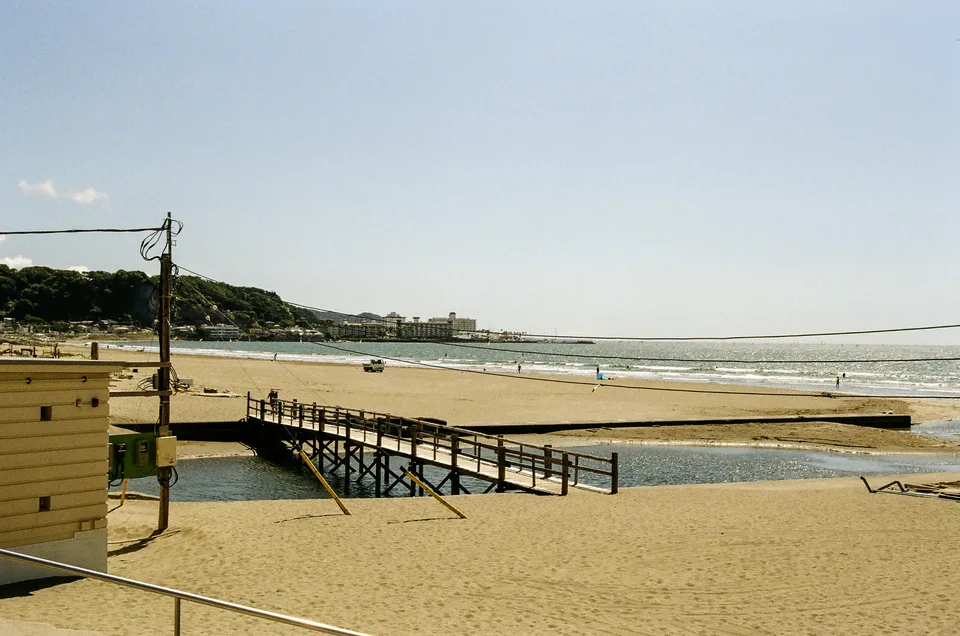
The coastal side of Kamakura changes the mood after temple visits. Hase, Yuigahama, Inamuragasaki and Shichirigahama are useful names to distinguish before choosing a walk or accommodation. A shoreline view on a hotel page does not tell you whether the beach, station and room are connected by a convenient pedestrian route.
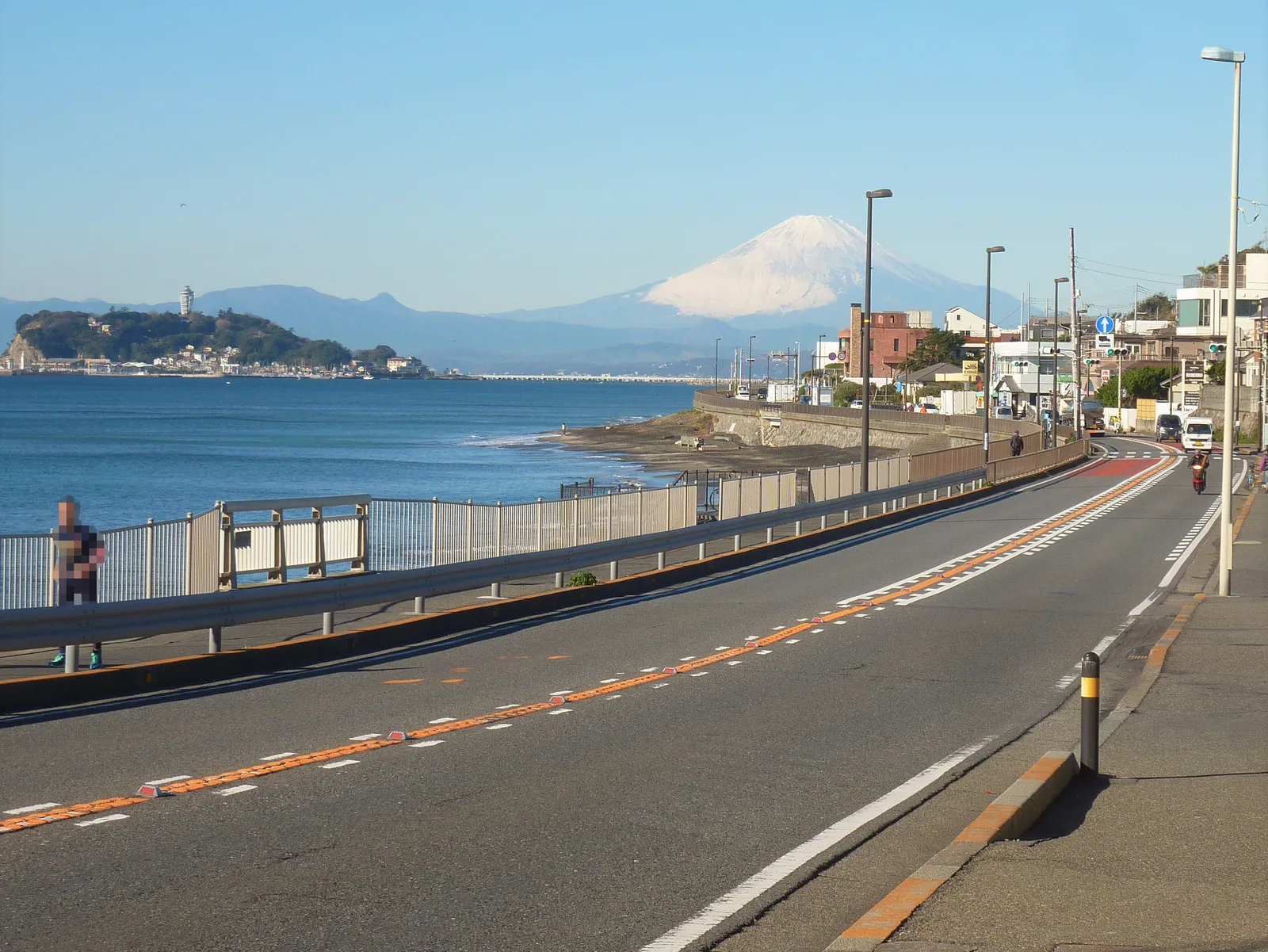
Choose a section that fits the time and conditions rather than assuming the whole coast needs covering. Leave room to sit, have a meal or simply watch the water. Swimming is a separate decision: check the designated area, current seasonal arrangements and local warnings. A scenic beach photograph does not establish safe water conditions. Coastal views towards Mount Fuji are dependent on visibility and should remain a possible pleasure rather than the sole reason for a tightly timed excursion.
Use Enoden with a realistic pass calculation
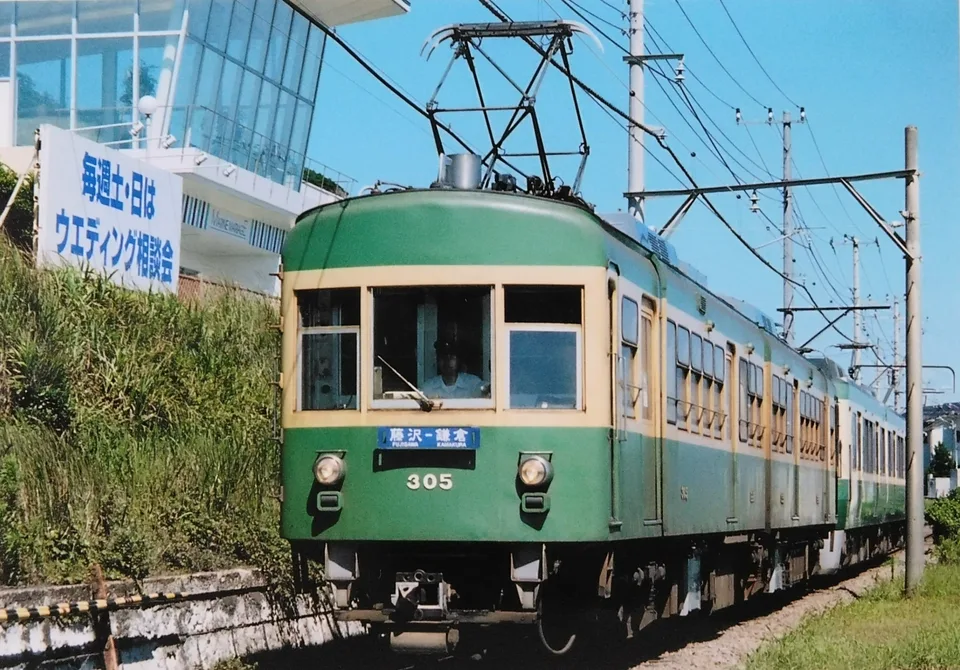
Enoden links Kamakura’s western and coastal districts towards Fujisawa. Riding a section can be both useful transport and part of the experience, but remember that local residents also depend on it. Keep bags manageable, allow people off before boarding and follow station instructions when the platforms are busy.
The operator’s Noriorikun one-day ticket costs ¥800 for adults and ¥400 for children. It permits unlimited journeys on the Enoden line for its valid day; it does not turn into a general JR or bus pass. Compare your planned journeys with individual fares before buying. Selected attraction and business benefits have their own conditions. A pass can encourage flexibility, but it is poor value if it pushes you into unnecessary journeys simply to feel you have used it enough.
Getting to Kamakura from Tokyo and the airports
The official access guide gives approximately an hour from Tokyo on the JR Yokosuka Line and about twenty-five minutes from Yokohama. These are broad planning times, not a guarantee for your departure. From Haneda, its suggested rail connection uses Keikyu to Yokohama and then JR towards Kamakura.
From Narita, check a train’s actual destination and connection; the tourism guide describes Narita Express to Ofuna followed by the Yokosuka Line. Allow separately for immigration, baggage and transferring between services. Reserved airport trains and local trains have different ticket requirements. For an arrival with a large suitcase, compare the convenience of your accommodation’s final approach as carefully as the airport rail journey. A simpler first night can be preferable to navigating an unfamiliar residential lane after dark.
Check November rail works against your travel date
JR East’s tunnel-work notice identifies 7 November 2026 as a date when Yokosuka/Sobu Rapid services between Tokyo and Shinagawa are suspended all day. Narita Express also has changes between Tokyo and Ofuna/Shinjuku around that work, including the preceding evening and following morning. Consult the dated tables for your specific train.
The notice describes particular work dates, not an uninterrupted closure throughout autumn. Avoid turning it into a general claim that Kamakura is inaccessible. The affected section and alternative journey depend on where you start. Build extra transfer time into a flight connection and recheck the operator’s planner before travelling. A normal-looking route in an older itinerary is not sufficient evidence that the same through service operates on a maintenance day.
Store bags before starting a walking route
The tourism association’s luggage service is a useful alternative when station lockers are unavailable. Its office is on the fourth floor of the Enoden Building by Kamakura Station’s west exit. Published hours are 09:00–17:00, without advance reservation. Small pieces cost ¥300; a piece with any side exceeding forty centimetres costs ¥700, with handles and other fittings included in measurement.
The collection deadline matters. After 17:00, additional charges apply and return is the following day, rather than an evening pickup. The service closes over the year-end holidays. Check arrangements before leaving anything needed for onward travel. Store only what you can collect comfortably within the operating window, then plan the final sightseeing stop so you are not racing back across the city for your passport and suitcase.
Choose a base for the stay you actually want
Accommodation near Kamakura Station suits visitors who value convenient arrival and an easy return after exploring different districts. A Hase or coastal address may better suit someone prioritising the sea and western sights. Kita-Kamakura deserves consideration for a temple-focused stay; Ofuna is another base to compare when rail connections matter most.
Compare hotels, ryokan and guesthouses by room arrangements, bathroom access, meals and check-in rules. Ask about stairs and the walk from the correct station exit. For an apartment-style stay, establish how keys, waste and noise expectations are handled. An attractive nightly rate does not show the complete cost if breakfast, baggage storage or repeated transfers are extra. Choose a location that supports your interests, rather than selecting a room first and trying to make every subsequent journey fit.
Food, shopping and deciding where to spend
Kamakura’s food identity includes seafood from Sagami Bay and locally grown vegetables. Look for a meal that matches your appetite and budget, then read the actual menu rather than treating a local ingredient as a guarantee of quality or availability. Ask about allergens and preparation when a dish’s ingredients are not clear.
Komachi Street offers a concentrated shopping and eating route, but you do not need to sample every snack to enjoy it. Set aside time for a seated meal if you have been walking all morning. For souvenirs, compare materials, weight and usefulness before buying. Keep food secure outdoors, where birds may approach it, and dispose of packaging responsibly.
Budget from admissions and your chosen route
A basic Hase plan provides a concrete starting point: adult entry to Kotoku-in and Hasedera totals ¥700 before transport, food or the Buddha interior. A bamboo-garden visit with tea has a different cost, while adding both northern temples introduces further admissions. Use these components to build your own budget rather than relying on an unexplained city-wide average.
Keep return transport, accommodation and essential meals separate from optional shopping. Carry some cash, particularly for Kenchoji’s cash-only admission, and check payment arrangements elsewhere individually. For a family, use each site’s actual age categories rather than assuming a universal child discount. Compare dated room quotations on the same meal and cancellation basis.
Pick a season for your priorities
The tourism association’s seasonal guide highlights spring blossom, June hydrangeas and autumn foliage, often most striking from late November into early December. These are useful planning patterns, not promises for a particular week. If flowers are the main reason to travel, check current reports before making a non-refundable booking.
Summer calls for a different pace. Allow for heat, rain and the effort of steps; start with the most demanding walk while you are fresh and leave space for indoor breaks. Winter still requires warm clothing, especially when standing near the sea. Wet weather can affect both walking comfort and access. A good itinerary has an alternative that interests you, rather than depending entirely on a distant view or one trail remaining suitable.
Choose trails and public spaces considerately
A hill route can complement the city, but it needs the preparation of a walk rather than a shortcut between attractions. Check the map, footwear, daylight and return option. The tourism board’s March 2026 update confirms that the Tenen section affected by a fallen tree reopened on 10 March; older closure notices should not be mistaken for current instructions.
Recheck conditions near departure, particularly after bad weather, and respect barriers. The Respect Kamakura guidelines also ask visitors to keep traffic moving, stay on designated paths and take rubbish away. They do not establish a blanket ban on eating anywhere outdoors. Choose a place where you can stop without obstructing people. Railway crossings, residential entrances and narrow lanes remain functional public spaces, even when they appear frequently in travel photographs.
A two-day itinerary with time to look
For day one, start around Kamakura Station, walk towards Tsurugaoka Hachimangu and leave time for lunch. Choose either the eastern bamboo-garden outing or a slower exploration of the central streets afterwards. Browse Komachi Street when it fits, then settle into your accommodation without trying to append the whole coast to the afternoon.
On day two, concentrate on Hase: Kotoku-in and Hasedera make a coherent pairing. Continue to a manageable coastal stretch if the weather and your energy suit it, then return with time to retrieve bags. Travellers particularly interested in Zen temples can replace the eastern afternoon with a separate Kita-Kamakura morning. With only one day, select two neighbouring areas.
Moving here: test the weekday journey first
The seaside and temple setting can make Kamakura appealing as a home, but a holiday does not test a commute. Compare an address near Kamakura, Kita-Kamakura or Ofuna with the full journey to your actual workplace. Include the walk, transfer, crowding and return after a late evening, not simply the fastest station-to-station result.
Inspect housing for daylight, ventilation, damp, heating and storage. Check the final approach in rain and the distance to groceries, medical services and school. Use the city’s 2026–27 living handbook to locate the relevant administrative services, and review its hazard-map and disaster-information resources for the specific address. Coastal and hillside settings deserve different questions; a general statement that the city is pleasant cannot establish suitability for one household or property.
Set up the household before treating it as home
Japan’s official apartment-search guidebook explains rental procedures and possible charges such as deposits, key money, agency fees and guarantee arrangements. Request an itemised quotation and clarify renewal, repairs and move-out responsibilities. A low monthly rent does not describe all the money needed to begin a tenancy.
Confirm utilities, address registration, insurance and school procedures with the appropriate offices. Kamakura’s English waste guide for April 2026 onward is especially relevant: combustible-waste collection arrangements changed citywide, with different instructions for detached homes and apartment premises. Check your precise collection point and district calendar. For help finding everyday information in English and other languages, use Multilingual Support Center Kanagawa. It can help identify services; it does not replace a clinician, immigration authority or the terms of your lease.
Keep a visit distinct from permission to live and work
Before booking, compare your nationality and passport conditions with Japan’s official short-stay exemption information. Visiting Kamakura does not itself confer work permission. A scouting trip can help you decide whether a place suits you, but employment plans require the correct status for the actual activity.
Prospective employees should consult the working-visa guidance with their employer; students should follow the student-visa requirements and their institution’s instructions. Other circumstances belong under the relevant long-term category, while permanent residence requires its own assessment. Owning or renting a home does not settle that eligibility. VisaWand’s Japan guide and consultant listings can help organise your questions before you seek guidance specific to your circumstances.
Compare Kamakura with other places in your journey
For a wider visit, compare Kamakura with a base in Yokohama or Tokyo, where your other commitments may make staying put more convenient. Hakone’s town guide explains a different kind of mountain and hot-spring break. Enoshima and Fujisawa are additional possibilities along the coastal transport corridor; adding them should depend on your available time rather than proximity alone.
Use the Japan location directory to explore alternatives and the Japan destination page for wider planning. Before committing to Kamakura, decide which district deserves your time, how you will arrive and where you will stay. Those decisions leave room for the discoveries that make a walk memorable without making the whole trip depend on perfect weather or an overfilled timetable.
Official planning resources
Reviewed 16 October 2026. Use the official resources linked throughout this guide for admission, transport, housing and immigration decisions. Prices, services and rules can change; confirm the details relevant to your dates. Photography illustrates the locations and is not a live view.
View all official resources
- Kamakura Tourism: history and character
- Kamakura Tourism: Komachi Street
- Kamakura Tourism: Tsurugaoka Hachimangu
- Engakuji: visitor information and access
- Kenchoji: the Sanmon gate
- Kenchoji: admission and access
- Kotoku-in: official admission, access and notices
- Kotoku-in: current visitor notices
- Hasedera: temple and gardens
- Hasedera: current admission and access in Japanese
- Hokokuji: bamboo garden, tea and access
- Enoden: Noriorikun one-day pass
- Kamakura Tourism: rail and airport access
- JR East: Yokosuka Line tunnel works
- Kamakura Tourism: luggage storage at the west exit
- Kamakura Tourism: seasons and flowers
- Kamakura Tourism: Tenen closure lifted
- Kamakura Tourism: responsible visiting
- Kamakura City: 2026–27 living handbook
- Kamakura City: disaster information and hazard maps
- MLIT: Apartment Search Guidebook in English
- Kamakura City: 2026 waste sorting guide in English
- Kanagawa International Foundation: multilingual support
- Japan foreign ministry: short-stay visa exemptions
- Japan foreign ministry: working visas and Certificates of Eligibility
- Japan foreign ministry: student visa
- Japan foreign ministry: work and long-term visas
Plan the next part of your journey
Explore the Japan guide, browse other cities or compare consultants for your travel and relocation questions.