Visa
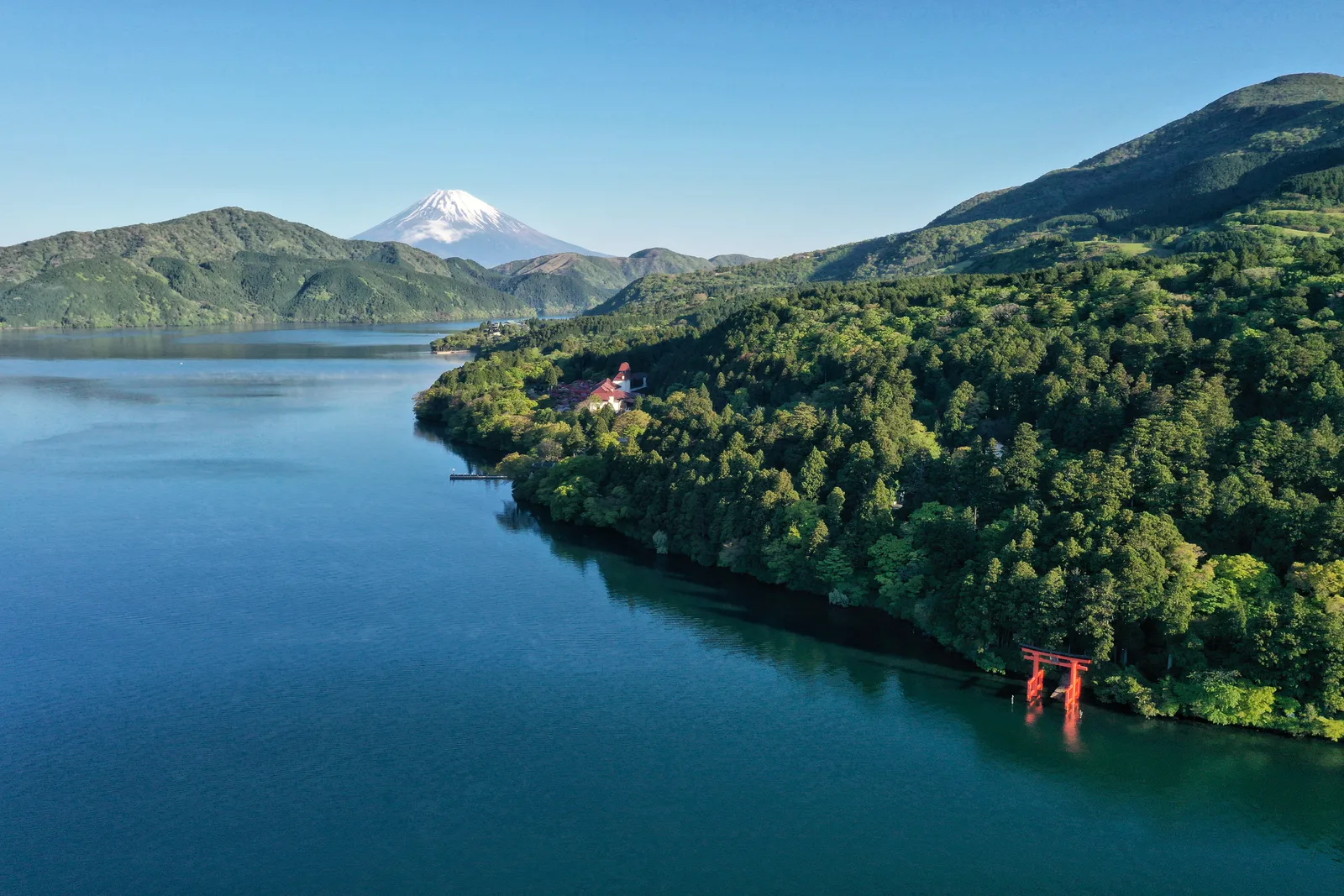
Choose Hakone for mountains, baths and a slower overnight
Hakone works best when the journey is part of the visit. A mountain train, a lake crossing, a museum and a hot-spring inn can make a satisfying short break without filling every hour. The difficulty is geographical: this is a mountain town spread across separate districts, rather than a compact city with everything around one central square.
Come for wooded slopes, Lake Ashi, art and an overnight stay with time to unwind. Treat Mount Fuji as a possible bonus: a hotel reservation cannot reserve visibility. Travellers wanting late-night dining, effortless level walking or a dense urban neighbourhood should compare Hakone with a city base before committing several nights. One overnight usually gives the visit more breathing room than a hurried circuit from Tokyo.
Read the landscape before choosing a route
Hakone is in Kanagawa Prefecture. Its volcanic terrain explains the steep changes between the railway entrance, higher settlements and lakeside districts. The town’s environmental plan describes Lake Ashi as the result of a landslide blocking the Hayakawa roughly three thousand years ago. The landscape has a geological history beyond its postcard views.
That geography matters when booking. Two properties marketed simply as “Hakone” may require quite different connections. Compare the actual station or bus stop, gradient and final approach. A short distance on a map can be an inconvenient walk with bags. Decide which experiences matter most, then choose accommodation that supports them; reversing that sequence can turn a restful break into repeated transfers.
Hakone-Yumoto: the practical arrival base
Hakone-Yumoto combines the railway gateway with hot-spring accommodation and shopping. It suits travellers who value a straightforward arrival, want to leave bags near the station or intend to return towards Tokyo without another mountain transfer. Direct Romancecar services connect Shinjuku with Hakone-Yumoto; reserve the train separately from choosing a hotel.
Station proximity deserves checking carefully. Ask whether the advertised walk involves steps, a slope or an awkward road crossing, and whether a shuttle must be booked. A room farther up the valley may be attractive, but its evening access matters as much as its photographs. Yumoto is a useful base for a shorter stay, while travellers focused on upper-mountain museums should compare the daily connections before deciding.
Gora, Miyanoshita and Kowakidani
The mountain railway districts around Gora offer a different rhythm. Gora is the connection towards the cable car; Miyanoshita and Kowakidani provide other bases along the wider mountain route. These names are worth learning before comparing hotel listings, because “near Gora” does not necessarily mean a level stroll from the platform.
For an art-focused visit, work backwards from your chosen museum and the inn’s dinner time. Staying uphill can reduce one transfer while introducing another. Check the final service and luggage arrangements instead of assuming a taxi will be waiting. A property with a dependable station pickup may be more useful than a slightly cheaper room requiring a difficult final walk, particularly when travelling with children or limited mobility.
Sengokuhara and the Lake Ashi shore
Sengokuhara offers a highland setting associated with grassland scenery. It deserves consideration for visitors whose plans centre on that side of Hakone, including museum visits. Moto-Hakone and Hakone-machi instead orient a stay towards Lake Ashi, the shrine and the historic checkpoint. Togendai is another lakeside transport node; these places are not interchangeable hotel addresses.
Choose a shore location for the experience of staying there, rather than assuming every room has the same Fuji outlook. Ask which direction the room faces and what is actually visible from it. For a longer stay, map meals and shopping alongside sightseeing. A beautiful view is less convenient if every ordinary errand requires another journey and you have planned to travel entirely by public transport.
Understand Owakudani’s access conditions
Owakudani is an active volcanic environment, not an unrestricted landscape playground. Kanagawa Prefecture’s visitor guidance asks people with asthma, bronchial or other respiratory disease, and those with pacemakers, to avoid Owakudani Park. Follow staff instructions and closures; a clear-looking sky does not establish safe gas conditions.
The nature trail is a separate, guided, advance-booked visit. The published charge is ¥800, payable cashlessly. Participation is for primary-school age and above, with the ability to run unaided during an emergency. Weather or gas can cancel access. Do not build an essential family activity around it before checking eligibility. If a member of your party cannot visit, choose a different shared outing instead of treating the restriction as a minor inconvenience.
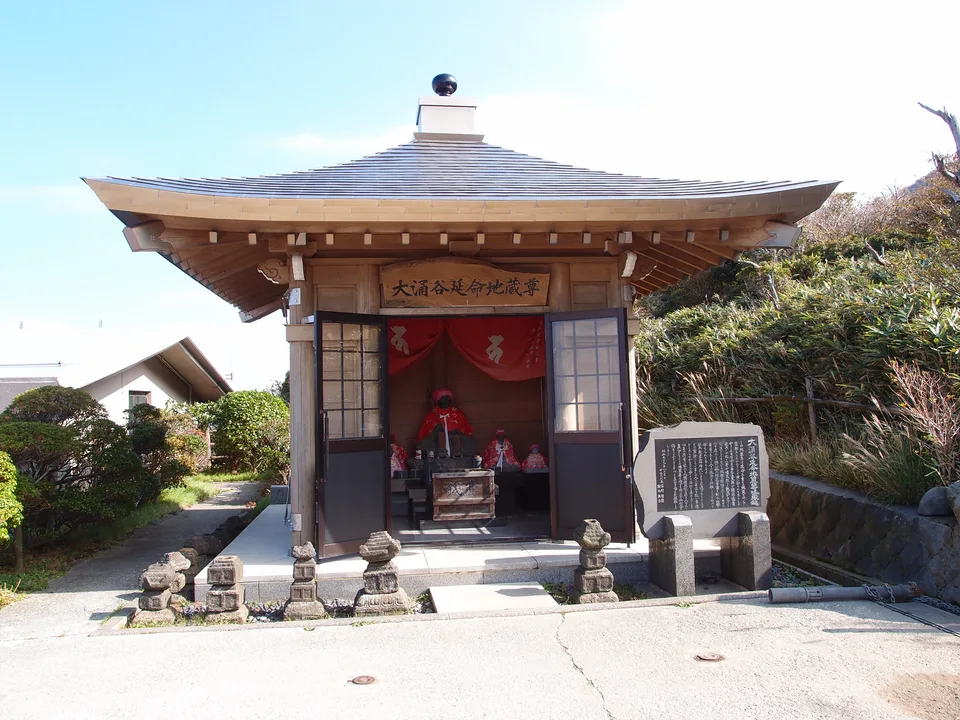
Give the Open-Air Museum proper time
The Hakone Open-Air Museum’s visitor page lists daily opening from 09:00 to 17:00, with entry ending at 16:30. Adult admission is ¥2,000 on the day or ¥1,800 online. Budget time to look, pause and move between spaces, rather than treating admission as a quick stop between transport connections.
Check the museum’s photography rules before raising a camera: indoor restrictions include flash, video, selfie sticks and tripods. Commercial filming is prohibited. Wheelchair and stroller loans are subject to availability, so discuss essential access needs beforehand. On a mixed-weather day, consider how comfortable your party will be outdoors and carry a layer that remains useful after leaving the museum. A museum visit is more enjoyable when nobody is watching the clock for a distant dinner booking.
Plan around Pola Museum’s specific closures
Pola Museum is another substantial choice rather than an automatic addition to every circuit. Its published adult admission is ¥2,200, with opening from 09:00 to 17:00 and final entry at 16:30. Pick the museum that matches your interests, or give a second one its own unrushed time slot.
The entire facility is scheduled to close on 1 December 2026 and from 8–26 April 2027, including the forest trail, restaurant, parking and free bus. On 2–3 December 2026, the announced closure affects Gallery 3 alone. Those are different restrictions. Recheck before buying transport around a visit, particularly if you hoped to use the grounds or restaurant while exhibitions were unavailable. A museum’s name on a transport map does not establish that its facilities are open.
Visit the shrine beyond the photograph
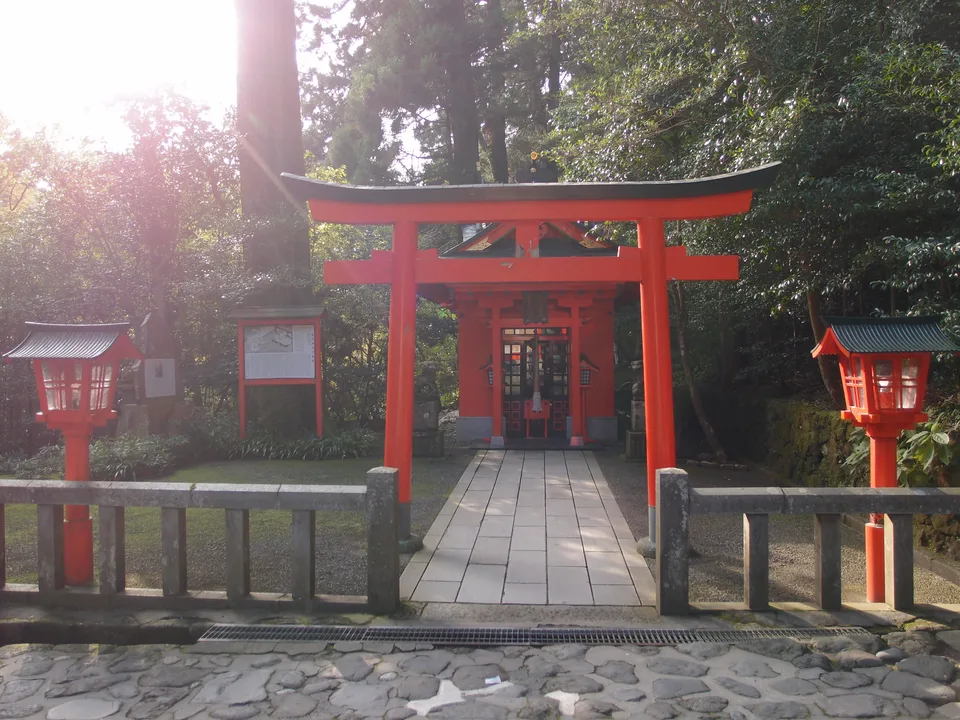
Hakone Shrine’s wooded precinct rewards attention beyond the lakeside torii photograph. Its official precinct guide distinguishes the shrine buildings and approaches. The principal approach has about ninety steps; an alternative forest approach avoids stairs. Visitors with mobility needs should consult the access information rather than interpreting a photograph of one route as the only entrance.
Keep worship spaces usable, follow posted photography instructions and allow other visitors through. If you want both the lakeside gate and the shrine precinct, leave room for both rather than assuming they occupy the same spot. A queue for a particular photograph is a choice, not a requirement for enjoying the place. Move on when the wait would consume the time you meant to spend exploring.
See the checkpoint as a reconstruction
The Hakone Checkpoint interprets the controls imposed on travel during the Edo period. Its reconstructed buildings help explain the old route through this landscape; they should not be described as an untouched original complex. Pair the visit with the lakeside area for a change of emphasis from scenery to history.
Published adult admission is ¥500, or ¥400 with the qualifying Freepass discount. Opening is 09:00–17:00, shortened to 16:30 from December through February, with admission ending thirty minutes earlier. Allow time to read the interpretation. If your interests are primarily art or bathing, this may be an optional stop; selecting a few meaningful visits is more useful than collecting every name on a sightseeing diagram.
Travel through Hakone without racing the loop
The local transport network links the mountain railway from Yumoto to Gora, the cable car towards Sounzan and the ropeway towards Togendai via Owakudani. Railway switchbacks and changes of vehicle are part of that journey. Connections introduce waiting and walking, so a timetable’s moving time is not the same as your total excursion.
Choose a direction that suits your accommodation and desired stops. Check current operator service information before departure, then again when conditions change. Wind or an interruption can make an alternative route sensible. Keep your hotel address available offline, and know how to return without completing the circuit. The point of a circular route is flexibility; finishing every segment is not an obligation when the weather or your energy changes.
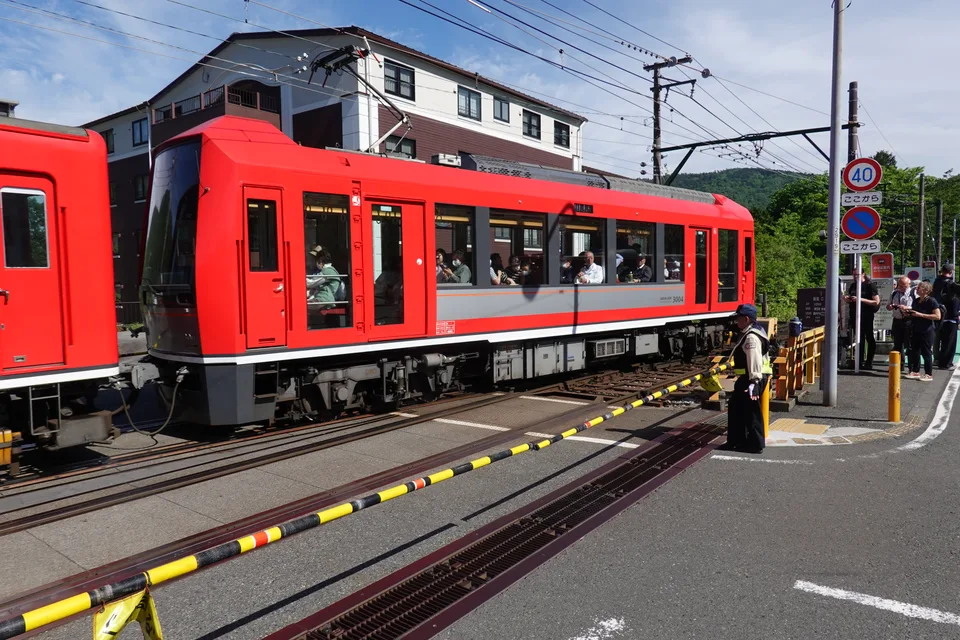
Compare the Freepass with your actual plans
Current Hakone Freepass prices from Shinjuku are ¥7,100 for two days and ¥7,500 for three days for adults. The corresponding local-start adult prices from Odawara are ¥6,000 and ¥6,400. These are the current table’s fares, rather than the older prices also retained on the operator’s page.
The pass covers designated transport services and areas, not every vehicle displaying a Hakone destination. Izu Hakone Bus is excluded. The Shinjuku version includes one Odakyu return journey; the Romancecar limited-express supplement costs extra. Attraction benefits are generally specified discounts, not blanket free admission. Compare the official purchase options with the trips you genuinely expect to take. Someone staying mainly at an inn may need a different calculation from someone travelling extensively across the network.
Know the winter ropeway maintenance dates
The operator’s 2026–27 ropeway maintenance notice schedules closure between Sounzan and Owakudani from 7–24 December 2026. The Togendai–Ubako–Owakudani side is scheduled to close from 12 January–26 February 2027. The dates apply to different sections; they do not mean that every ropeway segment closes throughout winter.
Replacement buses are planned at roughly fifteen-minute intervals during ropeway operating hours, with valid ropeway tickets and the Freepass accepted. Recheck arrangements close to travel because a replacement road journey offers a different experience from a cable suspended above the landscape. If the aerial ride is central to your visit, choose dates accordingly. If bathing and museums matter more, adapt the route rather than discarding the destination automatically.
Getting there and managing an airport arrival
For Tokyo arrivals, the official access guide provides Shinjuku connections and Romancecar booking information. Choose the departure point that fits your actual overnight address and luggage, rather than crossing the city solely to copy someone else’s itinerary. Leave a reasonable margin between an international flight and a reserved onward train.
There is a significant airport-bus change: Odakyu Highway Bus states that, from 1 April 2026, its Haneda services terminate at Gotemba; the Gotemba–Togendai section is suspended. The published Haneda–Gotemba fare is ¥2,800 for adults. An onward connection is necessary for Hakone. Do not book a remote inn on the assumption of a direct airport coach to its lakeside district. After a late flight, a simpler first night may be the more comfortable decision.
Use the lake cruise as transport and scenery
The Hakone Sightseeing Cruise connects Togendai, Hakone-machi and Moto-Hakone. Read the destination before boarding: a lake crossing can move you towards the next visit, or leave you needing to retrace your steps. Freepass coverage applies to the ordinary cabin; the special cabin requires an additional payment and does not provide an assigned seat.
Strong wind and fog can alter calls or suspend services. Keep a land-based alternative in mind before relying on a sailing to reach a fixed booking. Wheelchair facilities are provided, while loan equipment is limited, so confirm essential arrangements. Think about the experience as well as the connection: if visibility has disappeared, the sensible choice may be to spend longer ashore and try the water later.
Choose accommodation by meals, baths and access
Compare ryokan, hotels and simpler room-only accommodation by the complete stay rather than the headline nightly rate. Ask whether dinner and breakfast are included, when dinner starts, and whether late arrival forfeits a meal. Confirm sleeping arrangements, private bathroom facilities and whether the bath shown belongs to the room or is shared.
Bath access needs individual checking. Ask directly about tattoo policies, children, private bathing reservations and any health or mobility requirements. A general description of Japanese onsen cannot establish a particular property’s rules. For a special overnight, leave the afternoon sufficiently open to enjoy what you have paid for. For a tighter budget, calculate meals and transfers alongside the room price; a cheaper bed can produce a more expensive or less convenient evening.
Food, shopping and a useful budget
Start with the meal arrangements at your accommodation, then choose a lunch stop where you will actually be that day. Read menus before committing, ask about allergens and clarify whether dietary requests can be accommodated. Do not assume that an inn can redesign a set dinner after arrival. Carry a small reserve for an unexpected extra meal or transport change.
Hakone’s yosegi woodcraft offers a distinctive shopping focus: patterned wooden objects include coasters and puzzle boxes, and some workshops accept advance reservations. Ask how an item opens, how it should be cared for and whether it travels safely. For budgeting, build a personal total from dated room quotes, your chosen pass, museum admissions and meals. A town-wide “average daily cost” would conceal too many differences between a room-only stay and a meal-inclusive ryokan.
Keep optional spending separate from essential costs. Set aside your return fare before deciding on souvenirs, upgraded cabins or another paid attraction. Families should compare the applicable child categories for each purchase rather than multiplying an adult estimate. If a booking advertises a discount, check the cancellation terms and included meals against the standard offer before assuming it represents a saving.
Seasons, weather and realistic expectations
Altitude makes a meaningful difference within Hakone. Higher districts can have colder conditions, frost and snow while the lower gateway feels milder. Use the forecast for your destination district and planned activity, rather than treating Tokyo’s weather as a reliable substitute. Pack footwear suitable for wet paths and a layer for waiting at exposed transport stops.
Choose travel dates around your priorities and tolerance for uncertainty. A landscape-focused trip benefits from flexibility; a museum and inn stay can remain worthwhile when distant views disappear. Winter visitors should consider icy approaches as well as transport maintenance. In unsettled weather, shorten the route and avoid making the final connection the only possible way back. An extra stop is rarely worth turning the return journey into a stressful deadline.
A manageable two-day introduction
On day one, arrive through Hakone-Yumoto, leave your bags using an arrangement confirmed in advance and continue towards one museum or a short local exploration. Check in with time for the bath and dinner you booked. Resist adding a lake excursion simply because it appears connected on the route diagram.
On day two, choose the lake and shrine area or the mountain transport journey according to weather, operating status and your starting point. Include the checkpoint if history interests you, then return with a margin before onward travel. Do not try to fit both major museums into this outline. If you have only a day, reduce it to one principal area and one substantial visit. Less time in Hakone calls for a smaller route, not faster movement through everything.
Test everyday life before considering a move
An enjoyable ryokan weekend is a starting point for considering Hakone, but it does not test a household routine. Try an ordinary weekday journey to work, groceries and a medical appointment from the district you are considering. Check the return after an evening shift, especially if employment would involve hospitality hours. Tourist services may not match the commute you need.
Walk the final approach to prospective housing in poor weather if possible. Ask about heating, insulation, damp, storage and parking. Check actual internet availability at the address rather than assuming a hotel’s connection reflects a nearby apartment. For families, confirm school placement and transport with the relevant authorities before choosing a lease. A mountain setting is an advantage only when the daily practicalities work for the people living there.
Keep the employment offer and housing decision connected. Ask whether accommodation is tied to the job, what deductions apply and what happens if employment ends. Confirm these points in writing before giving up another home. If you would rely on a car, establish licence eligibility, parking costs and winter arrangements before including that convenience in your household budget.
Housing, setup costs and local services
The town’s vacant-property bank information concerns introductions to properties for sale or rent, not a promise of free houses. Registration does not replace inspection, negotiation or a proper contract. Ask about renovation, ongoing maintenance and permitted use before considering a low advertised price persuasive.
Japan’s official apartment-search guidebook explains common rental procedures and costs, including deposits, possible key money, agency fees and guarantee arrangements. Obtain an itemised quotation. For household setup, use Hakone’s waste-sorting guidance and confirm the collection point and district calendar. Arrange utilities and check insurance responsibilities. Multilingual Support Center Kanagawa can help with information about everyday services, medical care and childcare; it is an information service, rather than a substitute for emergency treatment or individual professional advice.
Keep tourism, employment and residence separate
Check the foreign ministry’s short-stay visa exemptions against your nationality and passport conditions before booking. Permission to visit does not establish permission to work. A short reconnaissance stay can help you assess an area, but it should not be used to assume employment rights.
For a job, consult the working-visa requirements for the actual role and discuss documentation with the employer. Prospective students should use the student-visa information and their institution’s instructions. Other circumstances belong under the relevant long-term category; permanent residence requires a separate assessment. A property purchase or hotel booking does not establish that eligibility. VisaWand’s Japan country guide and consultant directory can support preparation, while official authorities determine requirements and decisions.
Compare nearby bases and continue planning
Consider Odawara when the priority is a simpler gateway arrangement, or compare a Hakone overnight with returning to Tokyo. Yokohama’s city guide provides another urban option for a wider Kanagawa itinerary. Compare the experience you want from each place before adding another hotel change.
Travelling with different interests need not mean constant compromise. Select one shared outing, leave a free afternoon and agree on a meeting point that everyone can reach independently. For some groups, that will create a better visit than an ambitious circuit requiring everyone to enjoy every stop equally.
Use VisaWand’s Japan location directory to explore other destinations, and the Japan destination page for the wider country context. Neither a directory entry nor an attractive photograph replaces checking the practical details of your own dates. Before committing, settle three things: the district you want to stay in, the experiences worth organising around and the route home if conditions change. That leaves space to enjoy Hakone without making every hour depend on everything running perfectly.
Official planning resources
Reviewed 16 October 2026. Use the official resources linked throughout this guide for admission, transport, housing and immigration decisions. Prices, services and rules can change; confirm the details relevant to your dates. Photography illustrates the locations and is not a live view.
View all official resources
- Hakone Town: environmental plan and geographical context
- Hakone Navi: Hakone-Yumoto area
- Odakyu Hakone: Miyanoshita, Kowakidani and Gora
- Hakone Navi: Sengokuhara area
- Hakone Navi: Moto-Hakone and Hakone-machi
- Kanagawa Prefecture: Owakudani access and volcanic gas
- Hakone Open-Air Museum: visitor information
- Pola Museum of Art: admission and closures
- Hakone Shrine: precincts and access
- Hakone Checkpoint: official visitor information
- Odakyu Hakone: transport network
- Odakyu Hakone: live transport status
- Odakyu Hakone: Hakone Freepass
- Odakyu: pass prices and coverage
- Odakyu Hakone: ropeway maintenance 2026–27
- Odakyu Hakone: access from Tokyo and airports
- Odakyu Highway Bus: Haneda–Gotemba service
- Odakyu Hakone: sightseeing cruise
- Hakone Navi: yosegi woodcraft and workshops
- Hakone Town: vacant-house bank
- MLIT: Apartment Search Guidebook in English
- Hakone Town: waste sorting and collection
- Kanagawa International Foundation: multilingual support
- Japan foreign ministry: short-stay visa exemptions
- Japan foreign ministry: working visas and Certificates of Eligibility
- Japan foreign ministry: student visa
- Japan foreign ministry: work and long-term visas
Plan the next part of your journey
Explore the Japan guide, browse other cities or compare consultants for your travel and relocation questions.