Visa
Give Tokyo time at street level
Tokyo’s appeal lies in the variety of days it can support: a temple approach in Asakusa, a museum-led outing around Ueno, shopping in Shibuya or an evening in Shinjuku. Those experiences need different amounts of time and energy. A short trip works best with a few neighbourhoods explored properly; a longer stay allows repeated visits and an excursion beyond the central districts.
The railway map helps connect them, but it should not become the itinerary. Plan around the experiences you want and leave room for the walk between a station exit and the destination. Tokyo suits travellers willing to make choices rather than chase every familiar image. The same discipline helps a prospective resident: a convenient weekend sightseeing base is useful evidence about that weekend, while a workable home needs its own commute and household assessment.
Understand which Tokyo the itinerary covers
GO TOKYO’s geographical overview distinguishes the 23 special wards from the Tama area and Tokyo’s Pacific islands. The metropolis includes separate cities, towns and villages, so the name does not describe one compact sightseeing district. A central-city hotel, a western residential address and an island stay involve very different journeys. This guide begins with the urban visitor districts; excursions and prospective residential locations need their own route planning.
The official overview traces Tokyo’s political and administrative role to Tokugawa Ieyasu’s establishment of the Edo shogunate in 1603. That history gives context to a city whose visitor map combines older districts with contemporary commercial centres. For a first trip, choose a few areas you want to explore and make room to understand them on foot. For a possible move, start instead with the workplace or campus and the ordinary journeys the household would repeat. The broader metropolitan geography matters more than a city-centre photograph when assessing that routine.
Explore Asakusa beyond the first photograph
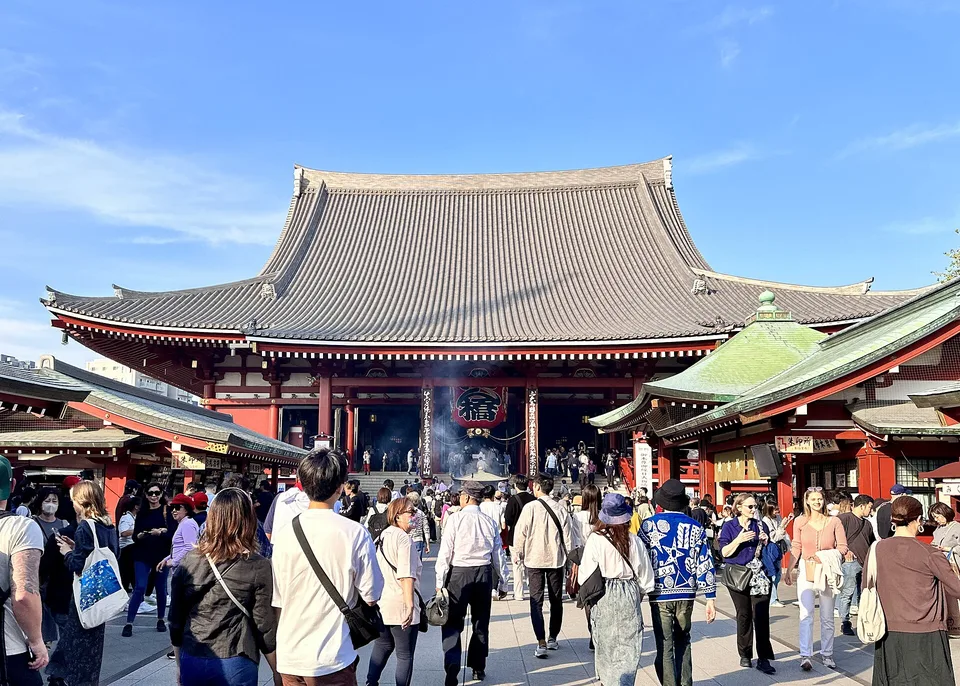
GO TOKYO’s Asakusa guide gives a clear starting route: Kaminarimon, the shopping street of Nakamise and Sensoji Temple. Allow time for the approach and the surrounding streets rather than treating the gate as the whole visit. Asakusa is also a Sumida River neighbourhood. A walk towards Azuma-bashi offers a different setting from the temple approach, while a waterbus journey needs a separate decision about destination, sailing and return route.
Shopping can have a purpose here. Nakamise offers souvenirs and traditional goods; Kappabashi Kitchenware Town is another option for travellers interested in kitchen utensils and food models. Choose the area that matches what you want to browse instead of trying to purchase something at every stop. For a temple visit, follow the site’s current directions and keep worshippers’ access clear. A district walk can be the main experience of a morning, with lunch nearby and an unhurried next stop, rather than a brief detour between distant reservations.
Pair a Ueno cultural visit with Ameyoko
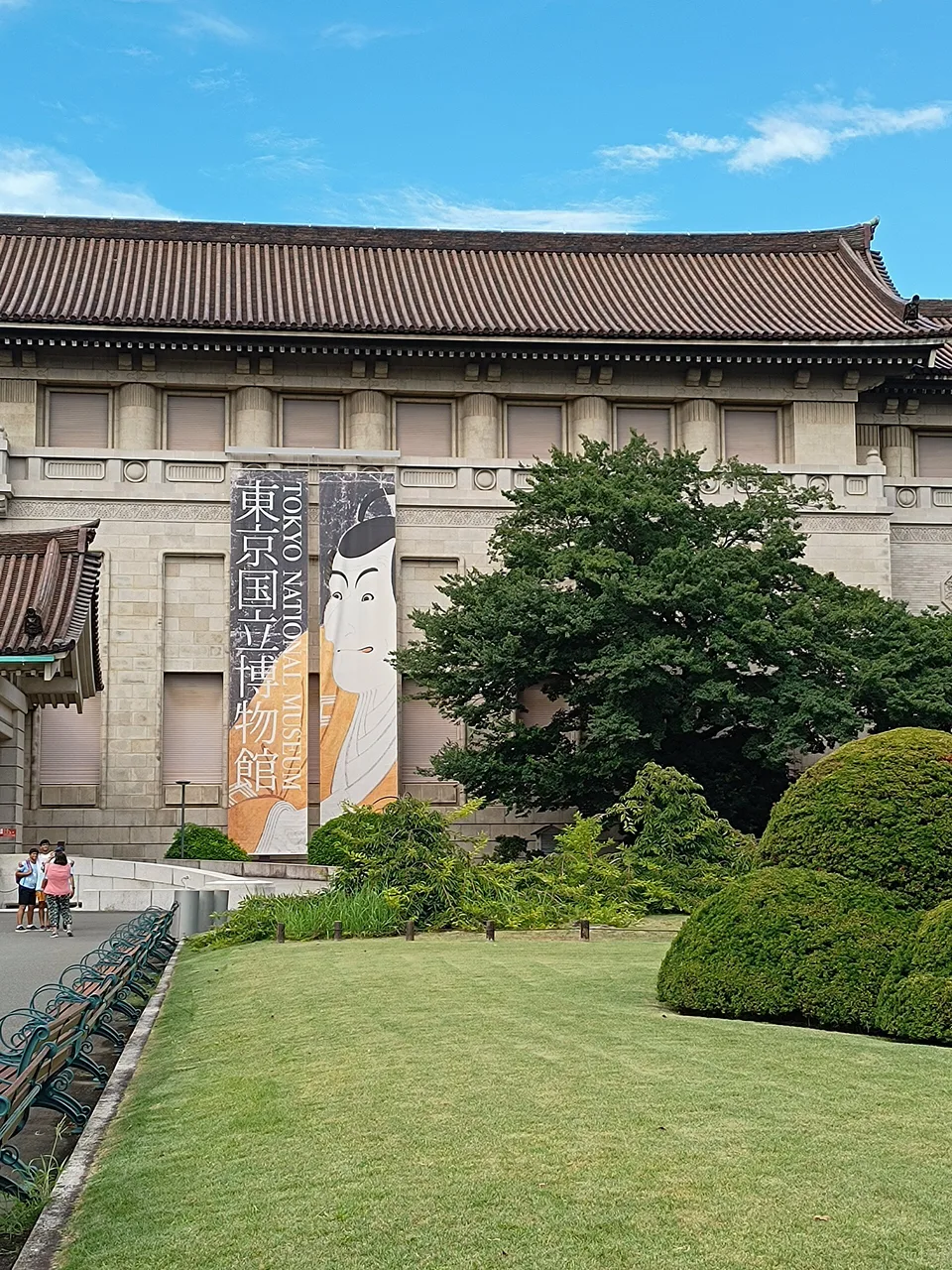
The official Ueno guide places museums and parkland beside a major transport hub. Choose the cultural venue you most want and leave time for the park, instead of treating every museum as a compulsory stop. The National Museum is one option; the ticket and opening arrangements for any other institution need their own check.
Ameyoko follows the railway towards Okachimachi, with retailers selling goods including clothing, spices, cosmetics and fish. This offers a different outing from the museum galleries and a reason to browse the surrounding streets. Compare individual prices and product details rather than assuming the whole shopping area has one level of value. For accommodation, assess the actual station serving the property: Ueno and Keisei Ueno appear in different rail connections. Keeping that distinction clear helps with an airport arrival as well as ordinary sightseeing journeys.
Leave luggage elsewhere before the National Museum
Tokyo National Museum’s visitor page lists collection admission at ¥1,000 for adults and ¥500 for university students. Special exhibitions have separate ticket arrangements; their tickets also admit the holder to the collection exhibitions on the same day. Select the exhibition before comparing prices. Suitcases are prohibited, so an airport or hotel-checkout day requires luggage storage elsewhere.
Regular opening is 09:30–17:00, with later opening on specified days and last admission thirty minutes before closing. Mondays normally close, with holiday exceptions and additional closures on the calendar. Check your date rather than relying on the weekly pattern alone. Partial gallery maintenance also affects what is available. Choose a manageable set of galleries and allow time for the entrance screening; the museum is a substantial visit, not an easy addition to the final hour before departure. Its Ueno Park address makes the surrounding area a useful focus for the rest of that day.
Read Shinjuku by the side of the station
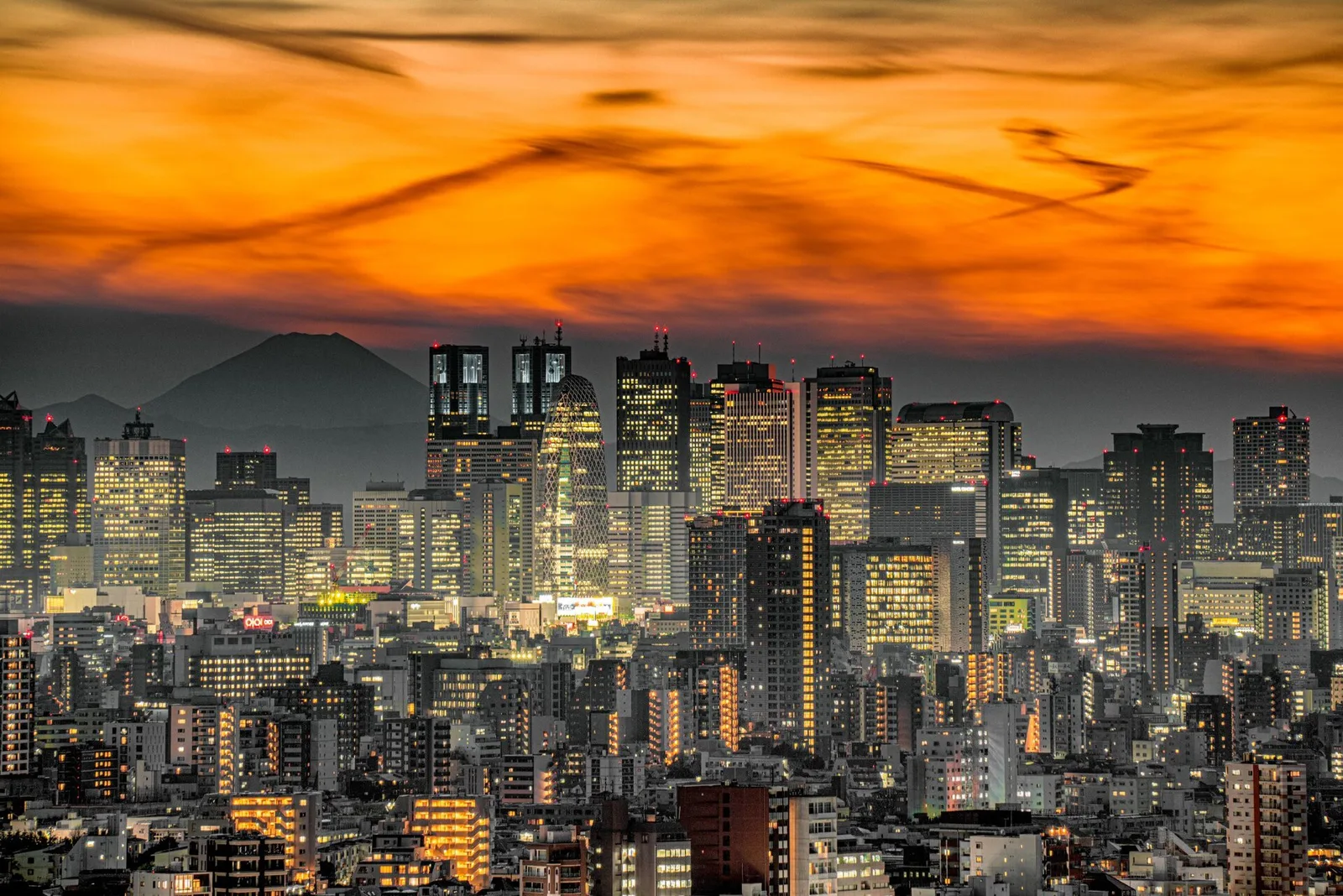
The official Shinjuku guide draws a useful distinction around the station. Nishi-Shinjuku lies to the west, with office towers and the Tokyo Metropolitan Government Building. The eastern side serves shopping, dining and entertainment, including Kabukicho. The southern side connects with the expressway bus terminal and modern shopping complexes. These are meaningful differences when choosing an entrance, meeting point or place to stay.
The Tokyo Metropolitan Government observatories offer free views from 202 metres above ground, with dedicated elevators from the first floor of Main Building No. 1. This adds a skyline outing to a Nishi-Shinjuku visit without a viewing-platform admission charge. The current observatory instructions list South Observatory opening from 09:30 to 22:00, with last entry at 21:30. It normally closes on the first and third Tuesdays, with a public-holiday exception that shifts closure to the following weekday. The North Observatory has a different schedule. Check the current calendar for inspection dates and weather-related changes before travelling.
Use Shibuya for the interests beyond the crossing
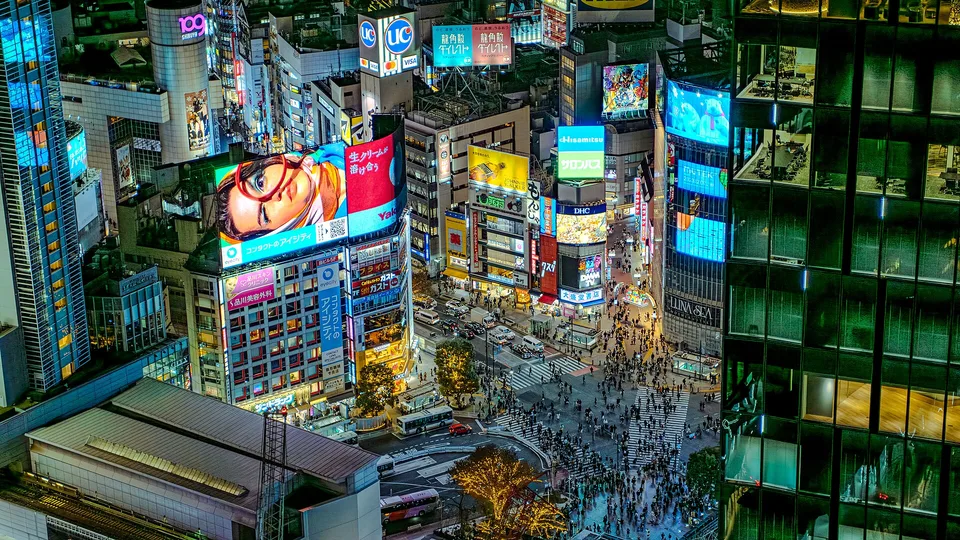
GO TOKYO’s Shibuya overview presents a district shaped by fashion, arts, cafés, music and shopping around its famous crossing. The crossing is a useful landmark, but it is a brief part of a visit. Decide whether the day is for particular shops, browsing, an exhibition or a meal, and give that purpose time beyond the station frontage.
Several railway operators serve Shibuya, including JR, private railways and Tokyo Metro. That variety makes the exact line and exit important when meeting someone or comparing a hotel. Check the route that serves your plans rather than judging convenience from the word “station” alone. If the visit includes walking towards another area, allow for the weather and the time spent browsing. A full shopping afternoon does not have to end with another distant attraction merely because it appears nearby on a simplified map.
Look beyond sushi for a meal with local context
GO TOKYO’s local-food overview links several dishes to the city’s Edo history. Soba is a buckwheat-noodle speciality with a long role as a quick meal. Monjayaki cooks a loose batter, cabbage and additional ingredients on a griddle; Fukagawa-meshi centres on clams and rice. These provide different meals from another sushi reservation, and a reason to explore the menu rather than ordering solely by a familiar photograph.
Choose a few meals to fit the day’s neighbourhood instead of making every restaurant a separate cross-city journey. Ask about the preparation when a griddle dish is unfamiliar and establish the portion and complete price before ordering. Dietary requirements need direct discussion, including broths, sauces and shared cooking surfaces: neither a noodle name nor the absence of visible meat establishes the ingredients. Keep a cash option available and confirm the payment method before sitting down. A simple lunch and one longer dinner can make a more manageable day than several fixed reservations competing with museum visits and transport.
Match the room and booking conditions to the stay
The official accommodation guidance identifies hostels, guest houses, capsule hotels and private-room business hotels among Tokyo’s options. Compare the actual room category, occupancy and facilities rather than assuming that the lowest price purchases equivalent privacy or space. For a short visit, the station and final walk may matter more than a long list of facilities you will barely use.
For private lodging, the authority advises checking the registration or permit details and obtaining the house rules and cancellation terms in advance. A listing on a familiar platform does not establish that the accommodation is properly authorised. Ask the property directly if those details are absent. The same guidance notes that Tokyo accommodation tax may apply at room charges of ¥10,000 or more per person per night. Confirm whether the quotation includes any applicable tax and how it is collected. Keep the complete price, booking commitment and expected arrival time together before paying.
Check the train’s destination at either airport
Toei’s airport-access guidance explains through-running between the Keikyu railway and Toei Asakusa Line from Haneda, and between Keisei and the Asakusa Line from Narita. Those connections can be useful for accommodation around the relevant stations, but check the destination of the actual departure. Similar railway names do not establish that every train takes the same route to the same stop.
The operator expressly distinguishes the Skyliner, which serves Ueno and Nippori and needs a limited-express ticket, from services connecting to the Asakusa Line. This is a route choice as well as a ticket choice. Compare the whole journey to the room, including any interchange, rather than selecting an airport train by its fastest advertised time. For the return, check the departure airport and terminal against the flight booking first. Add a realistic margin for the final terminal journey and airline procedures instead of treating the railway arrival as the flight’s check-in deadline.
Buy the complete Skyliner journey
Keisei’s Skyliner FAQs distinguish the base fare from the reserved-seat limited-express ticket. Some machines inside Nippori’s ticket gates sell only the supplementary ticket; the base fare is still required. Having a transport card or passing through a gate therefore does not, by itself, establish that the complete Skyliner journey has been paid for.
For a Narita arrival, compare the onward route from the train’s destination with the actual accommodation address. Include the transfer, luggage and final walk rather than using the airport train alone to judge the entire journey. Confirm the full current price and product with the operator before buying, especially when using a discounted offer or combining the trip with another ticket. Keep the flight terminal, railway station and reservation details together so that the intended departure is clear.
Compare the subway ticket with the routes you need
Tokyo Metro’s Tokyo Subway Ticket page lists unlimited travel on Tokyo Metro and Toei Subway lines for 24, 48 or 72 hours from the start of use. At the October 2026 review, adult prices are ¥1,000, ¥1,500 and ¥2,000 respectively; child prices are ¥500, ¥750 and ¥1,000. The page specifies overseas-visitor and domestic-visitor eligibility. Read the applicable conditions before purchasing rather than assuming that every resident and traveller can use the same product.
Its coverage is the practical issue: a subway pass is not a ticket for every railway visible on a Tokyo map. Compare the operators serving the accommodation and intended stops before choosing a pass. A day with substantial walking and only a few rides may call for a different calculation from repeated subway journeys. Keep airport travel and any journey beyond the covered lines separately priced, and distinguish hours from calendar days when deciding when to activate the ticket.
Build the budget from the selected experiences
Use yen amounts from the actual room quote, railway products and attraction tickets you intend to buy. Separate the airport journey from local travel and distinguish collection admission from special-exhibition tickets. Keep meals, shopping and any late-night return option visible rather than hiding them inside a single undated daily allowance. A trip focused on walking and browsing will have different spending from one built around ticketed exhibitions and reserved dinners.
For a move, calculate recurring household costs and initial setup separately. The cash needed before the first salary can include housing payments and equipment that do not recur every month. Use the employer’s confirmed payment timetable and complete housing quote, with a margin for unresolved items. A visitor’s hotel bill is useful for pricing the scouting trip, but it does not establish the cost of the residential plan. Compare specific offers rather than treating a city-wide average as a price available to the household.
Choose a season for walking, rather than a photograph
Japan Meteorological Agency’s 1991–2020 normals show Tokyo’s average daily maximum at 31.3°C in August, 19.4°C in April and 22.0°C in October. January’s average daily minimum is 1.2°C. These figures describe a thirty-year climate record, not the conditions of a particular holiday. Compare the walking you intend to do with the season before deciding how many outdoor stops fit each day.
The rainfall table also complicates a simple “autumn is best” recommendation: September and October average 224.9 and 234.8 millimetres respectively, compared with 59.7 in January. Spring and autumn can suit a walking itinerary, but they do not remove the need for rain protection or an indoor alternative. Leave flexibility around river trips and excursions, consult current warnings and forecasts, and avoid making a fixed garden or blossom date the sole reason for non-refundable bookings. For summer, leave room for breaks between outdoor walks rather than treating every available hour as sightseeing time.
Three days with room for the neighbourhoods
Begin with Asakusa, allowing the morning for the temple approach, Nakamise and the streets that interest you. After lunch, choose a riverside walk or a confirmed boat journey according to conditions and energy. Keep the first day flexible after the flight rather than adding a cross-city evening reservation automatically.
Give the second day to Ueno, choosing a museum from its current programme and calendar. Leave luggage elsewhere before a National Museum visit. The park and Ameyoko can provide a change of pace around the cultural outing, with time for a meal and the journey back to the accommodation.
On the third day, choose Shibuya or Shinjuku according to your interests in shopping, arts and evening entertainment. One explored area is enough; adding the other is an option, not a requirement. With a longer stay, Mt. Takao can replace a city day when the route and weather suit you. On departure day, give the terminal journey and luggage priority before adding another attraction. This outline is a starting point for choices, rather than a promise that every stop is open or every connection fits a particular travel date.
Consider Mt. Takao as an alternative day
The official Mt. Takao guide places the outing in Hachioji and identifies Takaosanguchi on the Keio railway as its access point. Hiking routes vary in difficulty. The cable car and chairlift provide a partial ascent, rather than removing every uphill walk or establishing that every traveller can reach the summit comfortably. Choose the route according to the household’s fitness and mobility, with current access information before departure.
Treat the mountain as an alternative to a central-city day, with its own return journey and weather decision. Suitable footwear, water and enough daylight matter more than the number of urban attractions that can be added afterwards. If the conditions or available time do not suit the walk, retain the city alternative rather than forcing the excursion into a fixed checklist. Tokyo’s wider islands require a different scale of travel planning; their inclusion in the metropolis does not make them interchangeable with a mountain day trip.
For another urban base, VisaWand’s Yokohama location page provides a starting point for comparing accommodation and daily journeys.
Use the official housing resources before signing
Tokyo’s Housing Policy Headquarters resource page provides Japanese and English rental-dispute guidance, a sample occupancy checklist and links to a multilingual room-search guide. The guide covers finding a room, the contract process and matters after moving in. Use these resources to prepare the questions for the agent or landlord; a sample document is a reference, rather than proof that the proposed contract has equivalent terms.
Obtain an explanation you understand before agreeing to charges or house rules. Keep the inventory, handover condition and written responsibilities with the contract. If the proposed arrangement remains unclear, resolve it before paying rather than relying on a reassuring listing description.
Build the residential routine before the first working week
Tokyo’s official career guide advises arranging household services, checking the account used for salary payments with the employer and testing the commute before the first working day. It also points newcomers to the local office for residence procedures. Establish which formalities apply to your status with the appropriate authority; a short visitor stay and a residential move are different arrangements.
During the housing search, ask what the apartment supplies and what must be purchased or connected separately. Price the initial commitment as well as monthly rent: obtain the actual contract charges, deposits, insurance and any guarantor requirements before deciding the home is affordable. Test the proposed train or bus journey at the time you expect to make it, including transfers and the final walk. Locate groceries, laundry arrangements and the healthcare services the household needs. Confirm coverage and provider access directly, and leave time for setup appointments before work or classes make the weekdays less flexible.
Establish visitor permission for the passport you hold
Japan’s official visa-exemption list includes conditions tied to particular passports and, for some nationalities, advance registration. It also grants different short-stay periods to different groups. Check the entry applicable to your document before treating another traveller’s experience as your own entitlement. Travellers who need a visa should use the procedure provided by the relevant Japanese diplomatic mission and the current official visa information.
Keep the permission actually granted separate from the sightseeing plan. A proposed three-day itinerary does not establish entry eligibility, and a hotel reservation cannot resolve a document requirement. Read the conditions and permitted period before committing to an onward journey that depends on them. For anyone investigating a move, a visitor trip can help assess locations and commuting, but employment, study and a longer residence plan require their appropriate routes. Resolve those purposes directly rather than assuming that a convenient tourist arrangement also covers the planned activity.
Connect a proposed job or course to its own route
The Foreign Ministry’s work and long-stay resources distinguish several working categories from the student and dependent routes. The relevant category follows the proposed activity and circumstances; there is no single “Tokyo work visa” established by choosing a home in the city. Begin with the employer or educational institution and the official requirements for that route before making the relocation date depend on an assumed approval.
Obtain the job’s pay, location and benefits, or the course’s campus, timetable and fees, in writing. Compare that information with the housing and commute you would actually accept. Accompanying family members need their own assessment, including schooling and the permissions relevant to each person. Keep cancellation terms visible where deposits or tuition become payable before a decision. A visit can improve the practical plan, but the city’s attractions and a promising interview cannot establish permission to start work, study or remain permanently.
Official planning resources
Reviewed 14 October 2026. Use the official resources linked throughout this guide for admission, transport, housing and immigration decisions. Prices, services and rules can change; confirm the details relevant to your dates. Photography illustrates the locations and is not a live view.
View all official resources
- Tokyo Housing Policy Headquarters multilingual rental resources
- GO TOKYO Shinjuku districts and station approaches
- GO TOKYO Shibuya shopping and arts
- GO TOKYO Ueno Park and Ameyoko
- GO TOKYO Mt. Takao routes and access
- JMA Tokyo climate normals, 1991–2020
- GO TOKYO local dishes and Edo food history
- GO TOKYO accommodation types, private lodging and tax
- Japan visa-exemption conditions by passport
- Japan work, student and other long-stay routes
- Tokyo Metropolitan Government settling-in checklist
- GO TOKYO Asakusa neighbourhood guide
- Tokyo National Museum admissions, hours and restrictions
- Toei airport rail connections
- GO TOKYO geographical and historical outline
- Tokyo Metro subway tickets and eligibility
- Keisei Skyliner tickets and reserved-seat supplement
- Tokyo Metropolitan Government: free observatories and entrance
- TMG current observatory hours, closure dates and access
Plan the next part of your journey
Explore the Japan guide, browse other cities or compare consultants for your travel and relocation questions.