Visa
Give Yokohama more than a transfer
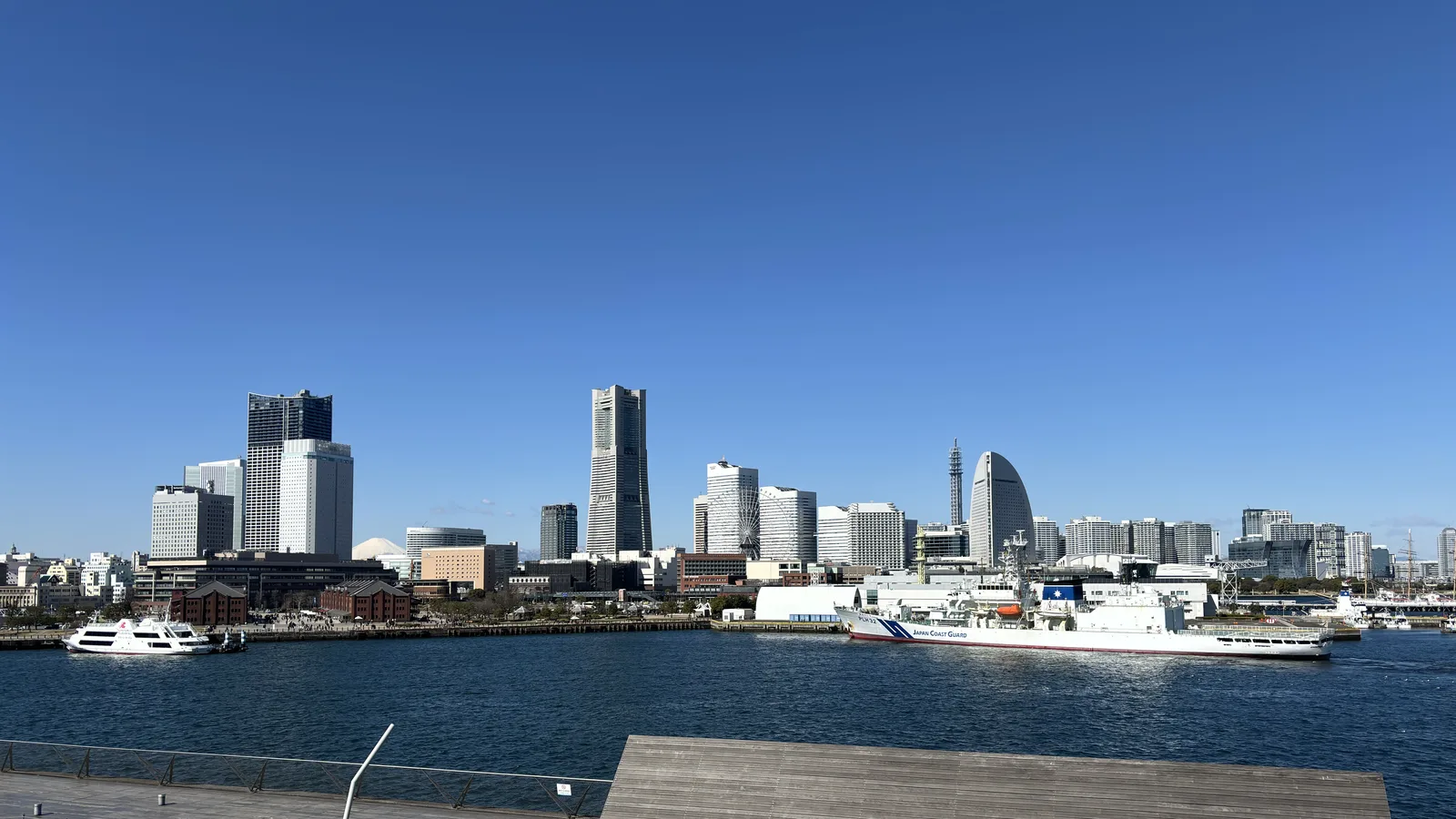
Yokohama is a city to explore at walking pace: follow the harbour, turn inland for a meal in Chinatown, then return to see Minato Mirai’s buildings light up across the water. Its appeal is the variety available within a relatively focused visitor area. Gardens, art and port history can make a rewarding stay without requiring a new hotel every night.
A day trip from Tokyo works well for a first look. Staying overnight gives you more freedom to enjoy the waterfront after dinner and put a museum or garden on another day. For a prospective resident, however, that attractive harbour walk is only the introduction. Your workplace, railway connection and household costs should decide whether the city suits a longer commitment.
Understand the city and its different stations
Yokohama is a separate city in Kanagawa Prefecture, south of central Tokyo. The official visitors bureau’s city overview places it on Japan’s Pacific coast, less than 40 kilometres from central Tokyo. Its waterfront visitor districts are only part of a much larger municipality. Check a property’s complete address rather than relying on “Yokohama” as a guarantee of proximity to the harbour.
Yokohama Station is the major urban interchange and shopping hub. The Tokaido Shinkansen uses Shin-Yokohama Station, a different station requiring an onward journey to the central waterfront. Sakuragicho, Minatomirai, Bashamichi and Motomachi-Chukagai may be more useful final stops for sightseeing. Use the VisaWand Japan location directory for geographical orientation and the Japan country guide for wider planning.
Save the station exit as well as the station name when arranging a meeting or planning a luggage transfer. If you need step-free access, identify the suitable route in advance instead of assuming the shortest line on a map also avoids stairs. Send companions a clear meeting location before anyone leaves the train; it is easier than trying to reunite while navigating an unfamiliar interchange.
Look for the port beneath the modern skyline
Yokohama’s international port opened in 1859, with tea and silk among its early exports. The city’s subsequent history includes the devastation of the 1923 Great Kanto Earthquake, wartime bombing and repeated rebuilding. That background helps explain why modern towers, restored commercial buildings and older residential streets sit close together.
The port is still a working environment. A photograph of a passenger ship does not tell you which terminal a future cruise uses, and a waterfront panorama does not mean every quay is public. Read the street and terminal signs as carefully as the skyline. The most useful historical question here is how places changed their purpose: a former warehouse can now hold shops, while a passenger terminal can also provide a public park overhead.
Start with Minato Mirai and a harbour walk
Minato Mirai makes an effective first orientation point, with large buildings and waterfront spaces that are easy to recognise when you return later. Choose a modest route linking the places you actually want to enter. A long list of nearby attractions can conceal a surprisingly tiring day once shopping, queues and indoor visits are included.
The Minatomirai Line serves Yokohama, Shin-Takashima, Minatomirai, Bashamichi, Nihon-odori and Motomachi-Chukagai. Use its official fare and ticket information to match a station to your plans. Consider walking one section and taking the train back rather than purchasing transport simply because a pass exists. In wet weather, reduce the outdoor stretch and choose one substantial indoor stop instead of repeatedly crossing the district between showers.
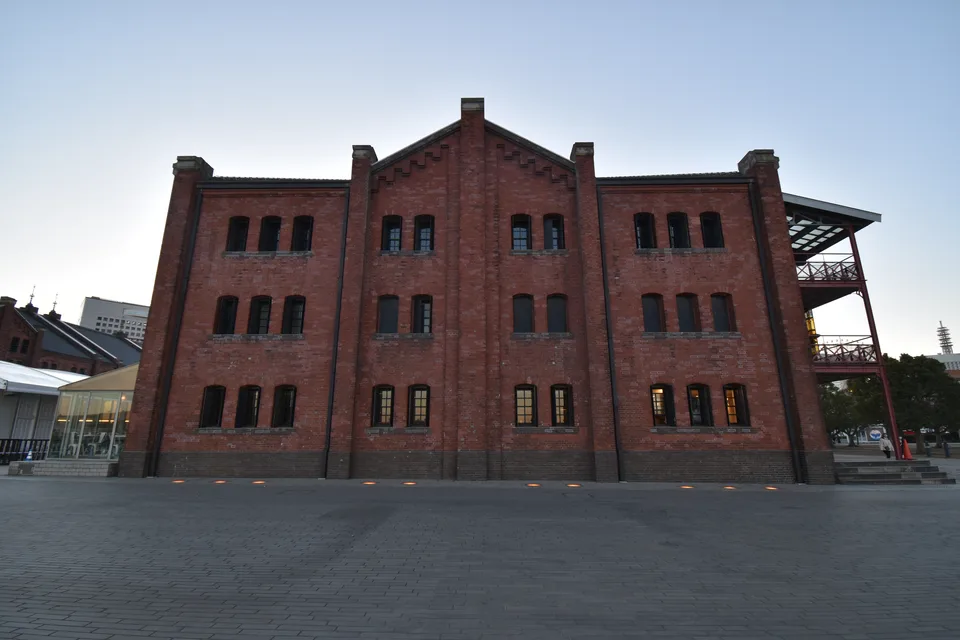
Visit the Red Brick Warehouse for its changing uses
The Red Brick Warehouse operator’s history records Building No. 2’s completion in 1911 and Building No. 1’s in 1913. Their conversion into cultural and commercial facilities in 2002 gave these former port buildings a different life. Looking at the exterior before entering the shops makes that transition easier to appreciate.
Normal shopping hours differ: Building No. 1 lists 10:00–19:00 and Building No. 2 lists 11:00–20:00, with restaurants, halls and events following their own arrangements. Decide whether your interest is architecture, shopping or a particular event before setting aside the time. An event seen in an older photograph may have its own dates, ticket and entrance arrangements; it should not be assumed to be part of an ordinary warehouse visit.
Take in the skyline from Osanbashi
The Osanbashi Terminal rooftop plaza provides a free public viewpoint over the port and Minato Mirai. Its operator describes the rooftop park as open around the clock. This applies to the public rooftop, rather than every indoor service or passenger area in the terminal.
Come for the broad view across the water, and allow enough time to watch the light change. A clear horizon can make a considerable difference to photographs; distant mountain views depend on visibility. Keep children close around busy viewpoints and wear suitable shoes on the wooden deck. If you are travelling on a cruise, separately confirm your ship’s terminal: the city’s official access information distinguishes Osanbashi, Shinko and Daikoku, which are not interchangeable drop-off points.
Use Yamashita Park as a pause in the day
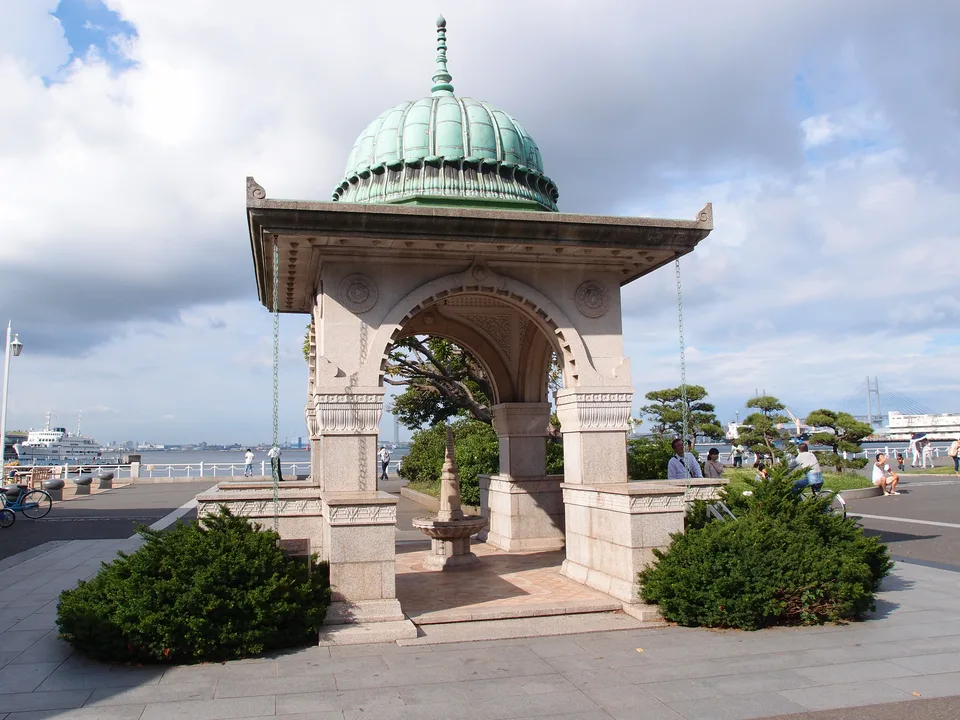
Yamashita Park offers free entry along an approximately 700-metre stretch of waterfront. Opened in 1930, it incorporates land reclaimed using rubble from the Great Kanto Earthquake. Grass, roses, monuments and the moored Hikawa Maru provide different reasons to linger rather than simply pass through.
Make the park a break between a meal and another visit. For families, leaving unscheduled time here can be more useful than adding one more admission ticket. Separate a park walk from boarding any vessel or entering another attraction; those activities need their own information and opening checks. Before continuing inland, look at the route back to your station, especially if members of your group have different walking limits or you are carrying shopping.
Choose a Chinatown meal with the menu in front of you
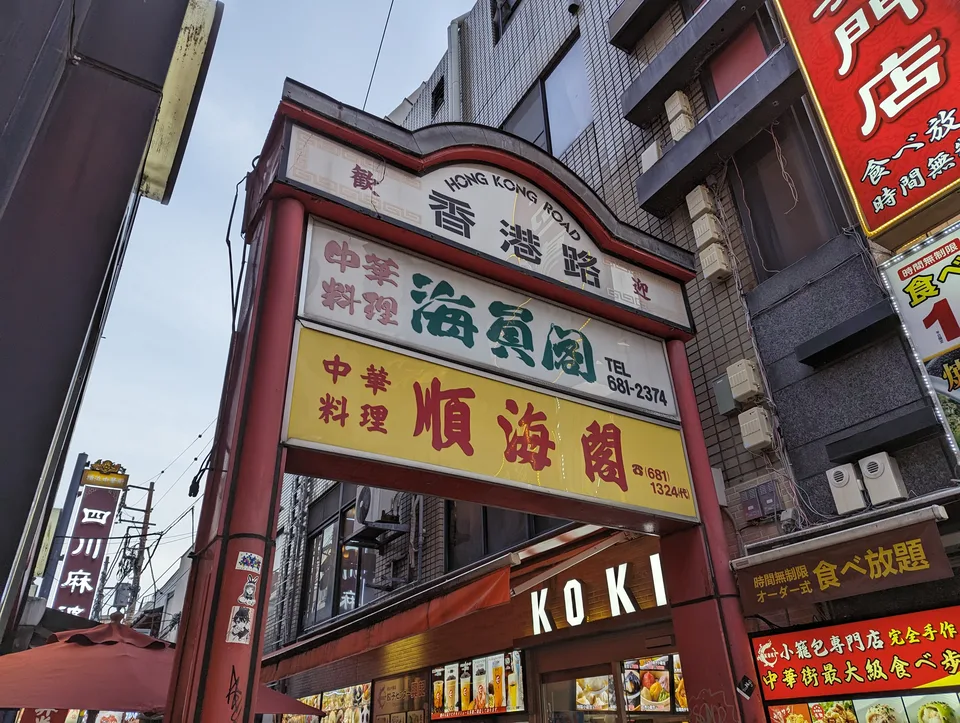
Chinatown deserves time for both browsing and eating. The district association’s official website lists restaurants, shops and events, giving you a starting point without requiring you to rely on an unverified claim about the “best” establishment. Compare the current menu and the atmosphere you want: a quick snack, a shared meal and a long celebration call for different choices.
Before ordering, establish whether prices are per person, per dish or part of a set, and whether drinks are additional. For a buffet, read any time limits and ordering conditions. Dietary restrictions need a clear explanation covering sauces, stocks and shared preparation as well as the headline ingredient. A restaurant’s Chinese regional label is useful orientation, but it cannot substitute for asking about your particular meal.
Make time for Motomachi and Yamate
Motomachi’s shopping street and the neighbouring Yamate district offer a change from Minato Mirai’s larger commercial spaces. The visitors bureau describes Yamate’s association with foreign residents who settled on the bluff after the port opened. Preserved properties give the area a different architectural character from the waterfront towers.
Treat the two areas as a walk with choices rather than a fixed sequence of interiors. Check the current opening days of any individual property before climbing there specifically to visit it. The bluff location also matters when planning for a pushchair, wheelchair or someone who finds uphill walking difficult. Choose a route that suits the least mobile person in the party, then leave time for a café or a return journey that avoids retracing every step.
Book Cupnoodles Museum activities separately from admission
Cupnoodles Museum Yokohama normally opens 10:00–18:00, with last admission at 17:00, and closes on Tuesdays, with a following-day closure when Tuesday is a national holiday. Adult museum admission is ¥500; high-school-age visitors and younger enter free. An admission ticket alone does not guarantee a place in an activity.
My Cupnoodles Factory costs ¥500 per cup and takes about 45 minutes. The museum links to an official advance online admission-and-voucher product; same-day participation uses capacity-limited numbered tickets obtained in person. Follow the museum’s current ticket link rather than an old description of how bookings worked. If this activity is the main reason for coming, secure the appropriate product before arranging the rest of the day around it.
Check workshop ages before promising a family activity
The Chicken Ramen Factory is a different workshop, lasting about 70 minutes and requiring a reservation. It costs ¥600 for elementary-school children and ¥1,200 for junior-high-school-age participants and older. Preschool children cannot participate, and the operator does not accept reservations for a single visitor.
Check the complete participation conditions before booking for a mixed-age family or a solo trip. Do not assume that a younger sibling can join because museum entry is free for children. If you are combining a workshop with lunch, allow time for the actual session rather than placing two reservations immediately beside each other. Keeping the distinction between admission, cup customisation and making ramen from ingredients avoids an unnecessary disappointment at the counter.
Use the art museum’s exhibition calendar
The Yokohama Museum of Art visitor page lists normal hours of 10:00–18:00, last admission 30 minutes earlier, and Thursday closures subject to exhibition-specific exceptions. Ticket prices depend on the exhibition. Choose what you want to see before treating the museum as an available stop on any rainy afternoon.
Its current collection exhibition runs from 1 August 2026 to 11 February 2027 and costs ¥500 for adults, but pauses from 24 November through 10 December. That gap matters when planning a late-autumn visit. The free Jiyu Area should not be confused with free admission to every exhibition. A focused visit to one exhibition, with time to read the labels, is likely to be more satisfying than rushing between several unrelated galleries.
Give Sankeien a separate half-day
Sankeien provides a garden and historic-building experience away from the compact waterfront circuit. Its official visitor information lists admission at ¥900 for high-school-age visitors and older, and ¥200 for elementary and junior-high-school children. Normal opening is 09:00–17:00, with last entry at 16:30; it closes from 26 to 31 December.
Check the garden’s transport directions and return options before leaving, rather than assuming the Minatomirai Line takes you to its gate. Qualifying Minato Burari tickets currently reduce adult admission to ¥800. Conservation can affect what is visible: the pagoda preservation project anticipates periods of scaffolding from around 2027. Plan for the garden as a whole, rather than making an unobstructed view of one building the sole reason for the journey.
Update any plan built around Sky Garden
Landmark Tower remains an important feature of the skyline, but its Sky Garden observation floor is closed. The operator plans to reopen in 2028 or later and has not confirmed a precise return date. Do not buy accommodation or build an itinerary on the assumption that you can visit the observatory during 2026.
Marine Tower is a possible paid alternative, subject to its own arrangements. Its published adult daytime prices are ¥1,000 on weekdays and ¥1,200 on weekends and holidays, with separate online and night prices. The operator lists maintenance closures on 19 October, 16 November and 7 December 2026. An elevator maintenance notice also warns of possible queues and entry restrictions. Check visibility before buying a non-refundable online ticket.
Choose a hotel around your final journey
Compare Yokohama Station for regional connections, Sakuragicho or Minato Mirai for a waterfront-focused break, and Kannai or the Chinatown side for plans concentrated farther south. These are starting points for checking addresses, rather than promises that every property within a district is equally convenient.
Plot the route from the actual station exit to the hotel. Confirm room size, beds, permitted occupancy, luggage storage and cancellation conditions before comparing headline rates. A harbour-facing room can be appealing, but it will not remove the final walk or a necessary transfer. If you have an early train from Shin-Yokohama, compare the full morning journey with staying nearer that station. For a longer stay, useful laundry and working facilities deserve as much attention as the view.
Arrive from Haneda or Narita with the right connection
For Haneda, compare railway journeys with the airport bus to Yokohama Station’s YCAT terminal. Keikyu Bus publishes a normal adult single fare of ¥800, with a ¥2,000 adult fare for the designated late-night or early-morning service. Traffic can affect arrival times, so keep a margin when connecting to a flight.
An airport-origin web bus ticket does not reserve a particular departure; the operator describes boarding on a first-come basis. From Narita, JR East’s Narita Express provides a direct option on appropriate services to Yokohama. Confirm the destination and your ticketed train before boarding. Add the onward journey to the hotel when comparing airports, not merely the time spent on the airport train or coach.
Check the November airport-rail disruption
JR East has announced tunnel-work service changes around 7 November 2026. Selected Narita Express services are affected from the evening of 6 November through the morning of 8 November. On 7 November, the affected services operate to and from Tokyo instead of continuing through to the Yokohama side.
Check your specific train against the operator’s notice, including any exceptions around the start and end of the work. This is a defined period of disruption, rather than a continuous closure throughout the autumn. If your flight falls within it, identify the replacement journey before departure and leave room for the transfer. A direct service shown in a general tourism description should not override a current engineering notice from the railway.
Choose between the two useful local day tickets
The Minatomirai Line’s adult one-day ticket costs ¥460 and covers that line. The municipal Minato Burari ticket costs ¥700 for adults and covers specified municipal subway and bus areas, including Akai Kutsu and Bayside Blue services. These are different products with different networks; neither is an unrestricted pass for every train and bus in Yokohama.
The ¥750 Wide version adds boarding and alighting at Shin-Yokohama on the Blue Line, with restrictions on intermediate stations. The normal ticket also permits specified Sankeien-area stops, but not intermediate bus stops between that area and the harbour zone. Read the map before buying. Both should be compared with your actual journeys; a largely pedestrian waterfront day may not justify a transport pass at all.
Budget for the activities rather than a universal daily figure
Start with your dated accommodation quote, then add the museum, workshop, garden or viewpoint you actually intend to buy. The harbour walks, Yamashita Park and Osanbashi’s rooftop offer useful ways to enjoy the city without stacking admissions throughout the day. Paid activities become easier to assess when you can see their contribution to the whole trip.
For meals, keep a flexible allowance until you have selected the restaurant and menu. For shopping, distinguish a planned purchase from things picked up while browsing. Carry enough room in your luggage for anything fragile, and ask about packaging before committing. If a particular event or exhibition drives the visit, check its availability first; a cheaper hotel booking is of limited use when the activity you came for is unavailable.
Plan for humid summers and autumn rain
The visitors bureau describes hot, humid summers and generally milder winters, with spring and autumn attractive for sightseeing. Autumn still needs a rain plan: Japan Meteorological Agency normals for 1991–2020 show average rainfall of 241.5 millimetres in September and 240.4 in October, compared with 188.8 in June.
Those averages describe the climate, not the forecast for your dates. In summer, divide long walks with indoor stops and keep water accessible. In cooler weather, bring a layer for time spent beside the harbour. Before a day involving a garden, waterfront photography or an observation deck, check current conditions and opening notices together. Swap the order of your days when practical rather than assuming the original outdoor plan must be completed in poor weather.
A two-day introduction with room to enjoy it
Day one: begin around Sakuragicho or Minato Mirai, visit the Red Brick Warehouse and continue to Osanbashi. Use Yamashita Park as a break before a Chinatown meal. Stay for an evening view across the harbour if your return journey allows it.
Day two: choose Sankeien for a garden-led half-day, or reserve a Cupnoodles Museum activity and add an art-museum visit that fits its calendar. Motomachi and Yamate can replace an indoor stop when you would prefer another neighbourhood walk.
With one day, keep the waterfront route and select one paid attraction. With children, avoid promising both noodle activities before checking ages and reservations. Travellers interested in moving can use an additional day to test prospective commuting and shopping routes rather than adding another sightseeing excursion.
Assess housing, commuting and everyday services
A possible home needs a different map from a holiday hotel. Start with the workplace or school, then test the journey at the time you would actually travel. Include the walk, platform changes and final connection. Repeat the exercise for groceries and healthcare, especially if a lower rent depends on living farther from your usual destinations.
Read the government’s English apartment-search guide before applying. Ask for a written breakdown of rent, common charges, deposit, any key money, agency fee, insurance and guarantor arrangements. Inspect equipment and establish what you must supply yourself. Confirm electricity, gas, water and internet arrangements, then leave money for household setup. Photograph the property’s condition at handover and make sure you understand renewal and departure terms before signing.
Use local support and the current waste rules
The Yokohama Foreign Residents Information Center provides free consultations in 12 languages, including English, with published weekday hours of 10:00–16:00. It can help residents navigate municipal enquiries and find relevant specialist support. Check availability for the particular issue before visiting.
The Naka Ward everyday-procedures guide explains routes for health-insurance questions and local administration; your own ward and circumstances determine the appropriate procedure. For household waste, use the city’s current English sorting instructions, which reflect the newer plastic-resource arrangements. Oversized disposal requires booking and a fee, and major appliances have separate routes. Families can consult the ward’s everyday-life information for school, childcare and other enquiries. Establish these routines during the move instead of relying on what a short hotel stay taught you.
Separate holiday entry from a lawful move
Check the Ministry of Foreign Affairs visa-exemption conditions for your nationality and circumstances. A sightseeing visit does not itself authorise taking employment. For an offer of work, consult the official working-visa information; for enrolment, use the student-visa guidance with your institution. The long-stay overview helps identify the relevant category, while permanent residence requires a separate assessment.
Use the VisaWand Japan destination page and consultant listings to plan any professional assistance, checking qualifications, fees and scope. If you are comparing another city stay, the Tokyo city guide can help assess the alternative. Resolve your lawful basis for living in Japan before making a long lease or local job the foundation of your plans.
Official planning resources
Reviewed 16 October 2026. Use the official resources linked throughout this guide for admission, transport, housing and immigration decisions. Prices, services and rules can change; confirm the details relevant to your dates. Photography illustrates the locations and is not a live view.
View all official resources
- Yokohama City Visitors Bureau: basic information
- JR Central: Shin-Yokohama Station
- Minatomirai Line: fares and one-day tickets
- Yokohama Red Brick Warehouse: history and visitor information
- Osanbashi Terminal: rooftop plaza
- Yokohama official tourism: getting to the city
- Yokohama tourism: Yamashita Park
- Yokohama Chinatown Development Association: shops and visitor information
- Cupnoodles Museum Yokohama: official visitor information
- Cupnoodles Museum: My Cupnoodles Factory
- Cupnoodles Museum: Chicken Ramen Factory
- Yokohama Museum of Art: hours and admission
- Yokohama Museum of Art: current collection exhibition
- Sankeien: hours, fees and visitor services
- Sankeien: official transport directions
- Sankeien: Former Tomyoji pagoda conservation project
- Landmark Tower: Sky Garden temporary closure
- Yokohama Marine Tower: admission and hours
- Yokohama Marine Tower: maintenance closure dates
- Yokohama Marine Tower: elevator maintenance notice
- Keikyu Bus: Haneda Airport–Yokohama Station YCAT
- JR East: Narita Express
- JR East: November tunnel-work service changes
- Yokohama transport: Minato Burari tickets
- Japan Meteorological Agency: Yokohama monthly precipitation normals
- MLIT: Apartment Search Guidebook in English
- Yokohama Foreign Residents Information Center
- Naka Ward: essential everyday procedures
- City of Yokohama: waste sorting and recycling
- Naka Ward: everyday concerns and family services
- Japan foreign ministry: short-stay visa exemptions
- Japan foreign ministry: working visas and Certificates of Eligibility
- Japan foreign ministry: student visa
- Japan foreign ministry: work and long-term visas
Plan the next part of your journey
Explore the Japan guide, browse other cities or compare consultants for your travel and relocation questions.