Visa
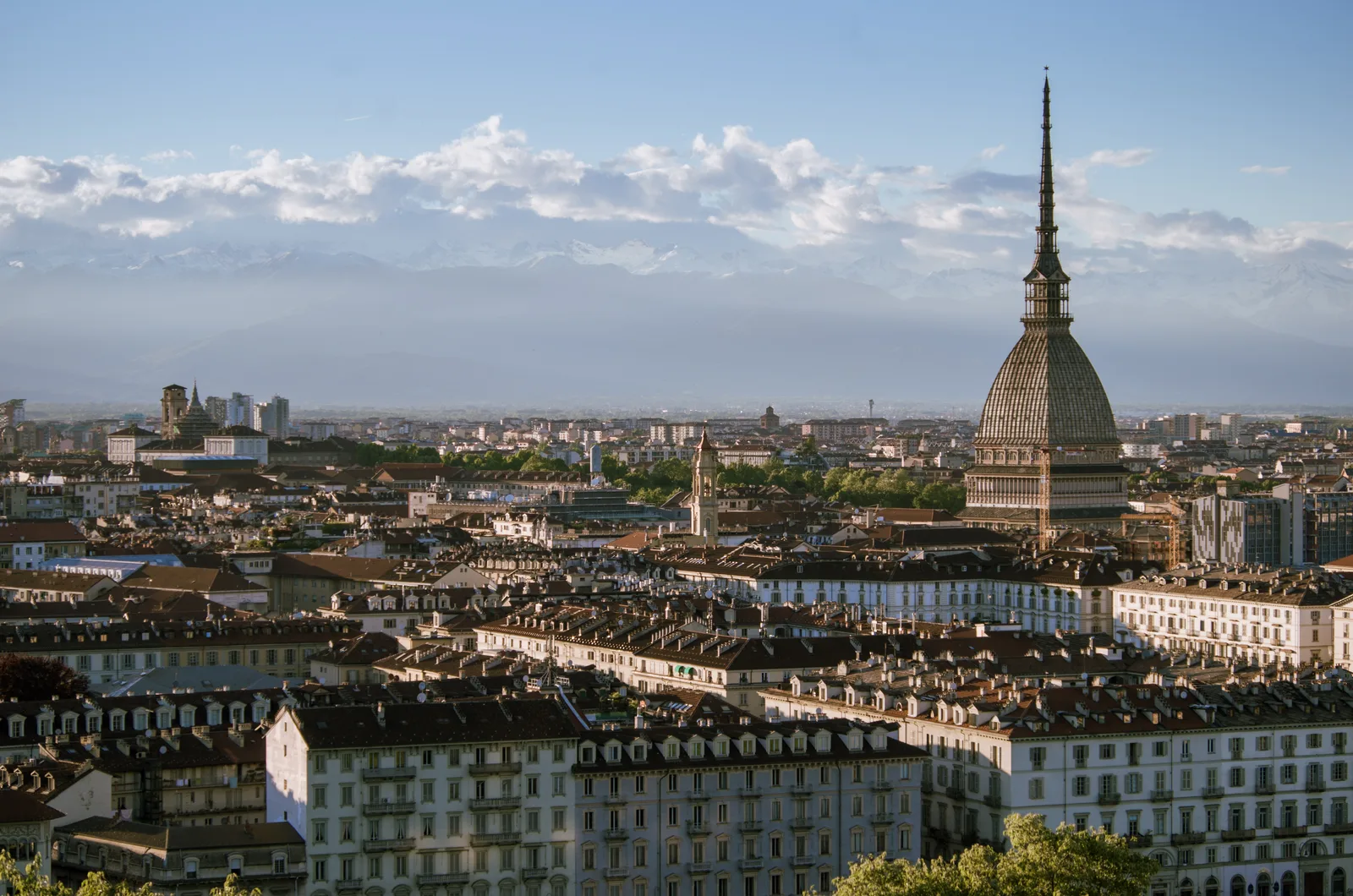
Turin rewards a little planning
Turin makes an unusually satisfying city break when you want substantial museums, elegant streets and time to sit over a coffee. The Mole Antonelliana rises above the roofs; royal buildings gather around Piazza Castello; the Po gives the centre an open eastern edge. Plan three days if you want both major collections and unhurried walks, adding another for a palace excursion.
The important choice is how much time to spend indoors. Museo Egizio can anchor an entire morning, while the Royal Museums and Cinema Museum deserve separate attention. Booking rules differ between them, and temporary restrictions currently affect some visits. A practical Turin itinerary starts with those reservations, then leaves the squares, riverside and cafés to fill the spaces. For a scouting trip before moving, add ordinary errands and a trial commute alongside sightseeing.
Roman streets, royal ambitions and a national capital
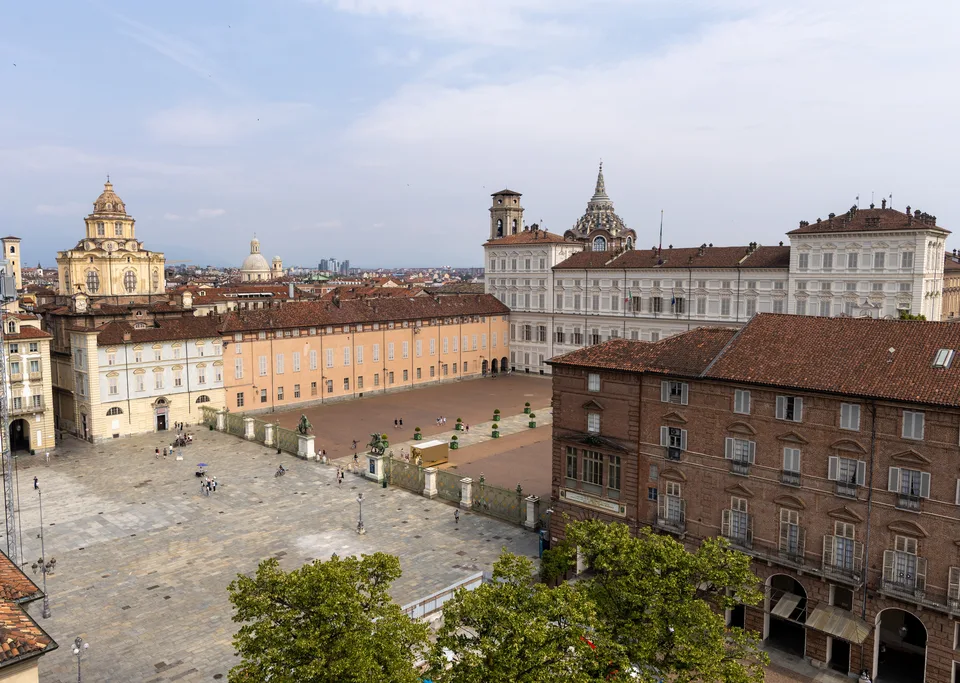
Turin's historic centre contains the footprint of Roman Augusta Taurinorum, subsequently reshaped by Savoy ambitions. From the later sixteenth century, monumental expansion gave the city the appearance expected of a capital; seventeenth-century development extended it towards the Po. The municipal museum's account of Centro and Crocetta helps explain why imposing planned streets coexist with a much older urban core.
Turin became the first capital of the Kingdom of Italy, holding that role from 1861 to 1865 before Florence, as the history hosted by MuseoTorino records. Its later motor-industry story adds another layer. Reading the royal centre and the automobile collections together makes the city more interesting than a succession of grand façades: political authority, manufacturing and design each shaped the place visitors encounter today.
Choosing a base: centre, stations or a residential district
For a first visit, look around Piazza Castello, Piazza San Carlo or the streets between them. This puts several major sights within a manageable walking plan. Accommodation near Porta Susa is worth comparing if the airport train shapes your arrival; near Porta Nuova, compare the final walking route to your hotel rather than assuming either station is equally convenient.
San Salvario, Aurora and Vanchiglia appear among the nightlife areas in the tourism board's evening overview. If sleep matters, ask about the specific street, room orientation and sound insulation. Crocetta has a residential history rather than the concentration of royal attractions found in Centro. For a longer stay, inspect a potential home at the times you will actually leave and return. A district label cannot settle questions about an individual building or block.
Museo Egizio: reserve before arriving
Make the Egyptian Museum's booking instructions your starting point. Ordinary admission requires an online ticket, including a reserved free entrance for eligible cardholders. A museum pass does not remove that step. Book a time you can comfortably reach, save the ticket and bring the documents supporting any reduction. The published admission tariff lists full-price entry at €18 and a family ticket at €36 for two adults and two under-18s.
The official booking portal estimates approximately two and a half hours for an independent visit. It currently says the entire museum, including the new galleries, is open, but renovation makes the route less straightforward and the cloakroom is temporarily unavailable. Leave bulky luggage elsewhere. Monday opening finishes at 14:00; Saturday extends to 20:00, with 18:30 closing on the other usual opening days.
Royal Museums: a different ticket routine
At Musei Reali, the visitor route brings together Royal Palace state rooms, the Chapel of the Holy Shroud, the Armoury, art collections and part of the antiquities displays. The chapel is an architectural visit; do not plan on seeing the Shroud itself. Some collection access rotates, so check the announced route if a particular painting or archaeological section is your main reason for coming.
The published full ticket is €15. Regular hours are 09:00–19:00 from Thursday to Tuesday, with Wednesday closure and the ticket office closing at 18:00. Individual visitors can buy ordinary admission online or at the desk. Free tickets, including those for affiliated museum cards, are issued at the ticket office rather than booked online. That distinction matters when combining this visit with the Egyptian Museum: leave room for ticket collection and a substantial museum session.
The Mole and Cinema Museum: check the dated notices
The Mole offers two distinct experiences: the National Cinema Museum and the panoramic lift. Its published ticket page lists standard adult prices of €18 for the museum, €9 for the lift and €23 combined. However, from 7 October to 9 November 2026, restricted museum areas during exhibition installation bring museum-only admission down to €16. Do not assume the combined ticket changes by the same amount.
The dated opening notices also list closure on 28 October and ground-floor-only access from 11 to 18 November, when admission to the Pontecorvo exhibition is €3. This is a materially different outing from the full museum. Normal opening is 09:00–19:00, usually closed Tuesdays. Read the calendar for your date and choose museum, lift or both deliberately. A Torino+Piemonte Card gives museum benefits but does not make the lift free.
Valentino and the hill: leave a clear-weather window
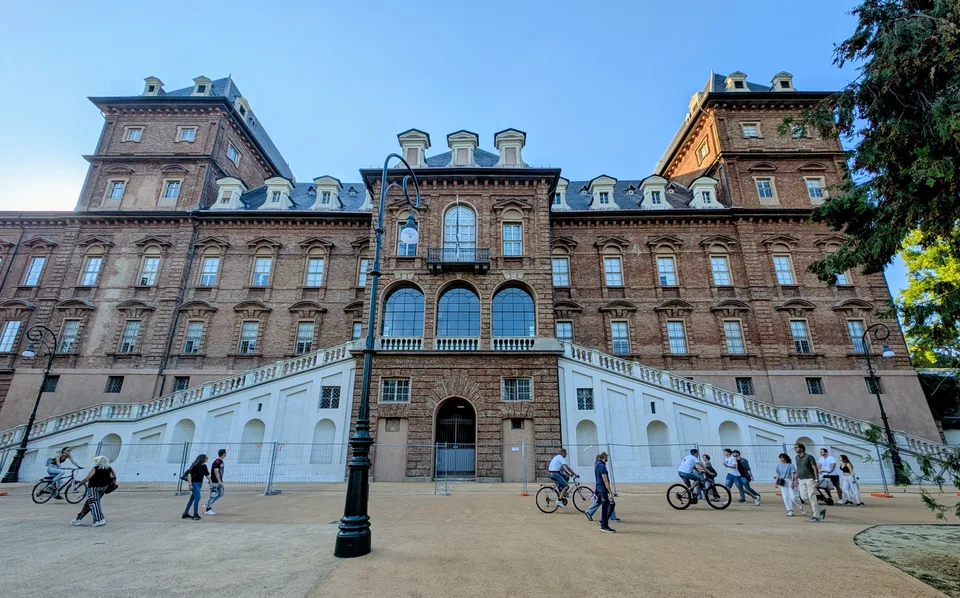
Balance the museums with Valentino Park, a free riverside space with tree-lined paths and cycling routes. The castle and botanical garden are separate attractions within the wider park; free park access is not a promise that every building is open or included. Use the walk as a flexible part of the day rather than another appointment to race towards.
For a higher viewpoint, consider Monte dei Cappuccini. The National Mountain Museum's visitor information describes a hilltop approach with around 100 metres of elevation gain and limited parking. Its paid rooftop terrace is distinct from the outdoor viewpoints around the hill. Museum admission is listed at €10, with a €3 terrace-only option. Choose the climb when visibility is promising, and allow a gentler alternative if slopes are difficult for your party.
MAUTO: give the industrial city its own outing
The National Automobile Museum listing from Turismo Torino presents the car through technological change, design and society. This is a useful counterpart to the royal collections, particularly if you are interested in how Turin's identity developed beyond the historic centre. Its address is Corso Unità d'Italia 40, so treat it as a separate outing rather than an incidental stop between central squares.
Full admission is €18. Regular opening is 10:00–14:00 on Mondays and 10:00–19:00 Tuesday to Sunday, with last admission an hour before closing. The museum's visitor page currently warns of exhibition renewal and vehicles temporarily off display; check before travelling for one particular car. It suggests metro Line 1 to Lingotto followed by approximately nine minutes on foot via Via Nizza and Via Garessio. Keep enough time for that final walk.
Porta Palazzo: shop with the city
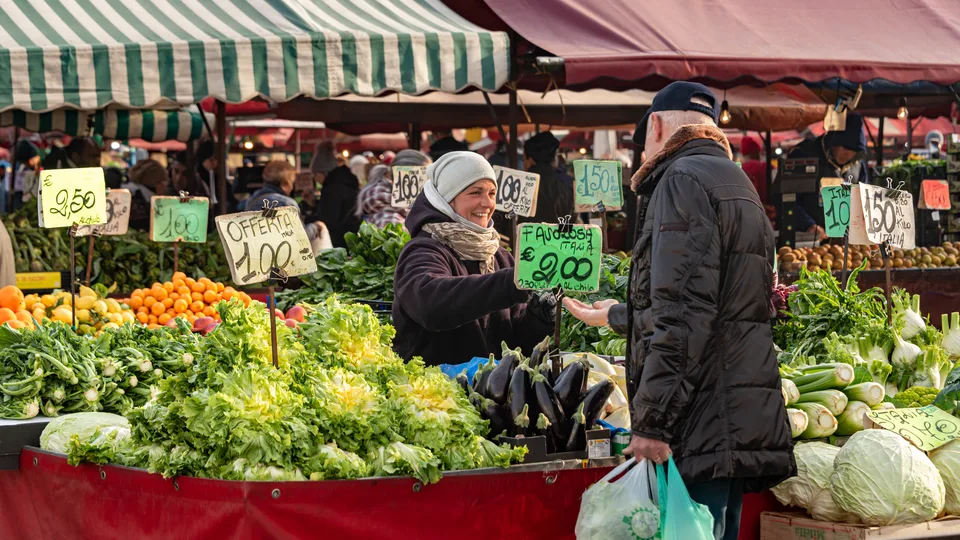
Porta Palazzo introduces a different scale of Turin: market shopping and the neighbourhood around Piazza della Repubblica. The city's account of the area traces its name to the Roman gateway and explains the later connection with Borgo Dora. Visit to look at the city working, then decide whether you want to buy ingredients, browse or continue into nearby streets.
Do not build the day around an assumed market timetable taken from an old guide. Check the relevant market or event listing for your date, especially for flea-market visits. If buying food for an apartment stay, take a bag and choose quantities you can store and cook. The produce-market photograph in this guide dates from March 2023; its stall prices document that moment, rather than today's grocery budget.
Accessibility and luggage: check the actual route
The Cinema Museum's access information describes its helical ramp as a continuous incline without an elevator serving the ramp itself. That is a different question from whether a visitor can enter the building. Contact the museum about the route you need, including whether your intended exhibition or lift visit can be completed comfortably. Allow companions time to read the conditions together before buying.
Accommodation needs the same level of detail. Ask whether a lift reaches the room floor, whether steps precede it, and where bags can be stored before check-in. This is especially helpful when combining an arrival morning with Egizio, whose current cloakroom closure makes luggage planning essential. A property photograph showing a grand entrance cannot answer those practical questions. Confirm them in writing when they determine whether a booking will work.
Eating: regional cooking and a deliberate café stop
The tourism board's Flavour of Torino project introduces regional cooking and its Mangébin restaurant network. Agnolotti are a useful starting point when exploring menus, while bicerin deserves its own café pause. At Caffè Al Bicerin, the drink combines coffee, chocolate and cream; the café recommends leaving the layers unstirred so they come together as you drink.
Treat a historic café as an experience with its own bill, rather than assuming every coffee stop costs the same. Read the menu before sitting down, compare counter and table service where offered, and ask about ingredients if dietary requirements are important. For dinner, choose a place whose actual menu fits both your appetite and budget. There is no need to turn every meal into an elaborate regional tasting: leave time and money for the museums and walks that drew you here.
Arriving: airport rail and the final connection
Turin Airport's rail information gives a journey of roughly 30 minutes to Porta Susa, operating seven days a week, with a published adult fare of €3.70. The airport station is opposite the arrivals area. Porta Susa is the city connection described here; do not assume that the same train delivers you directly to Porta Nuova or your accommodation.
Check the timetable against the flight's likely arrival time, allowing for baggage collection and the walk to the platform. Published weekday services do not amount to an overnight guarantee. For an early departure, work backwards from the airport reporting time and confirm the first usable connection. When choosing a train into Turin from elsewhere, read the arrival station on the ticket before arranging onward travel. A convenient station is the one that matches your route and lodging.
Local transport: buy the right product
For central sightseeing, walking combines well with GTT buses, trams and the metro. On the current Italian fare page, a City ticket costs €1.90 digitally or €2 on paper, lasts 100 minutes and permits one metro journey. Validate as required when changing vehicles. An ordinary urban ticket does not automatically cover railway journeys or every suburban destination.
The Daily ticket is €3.70 digitally or €4.50 on paper and expires at the end of that service day; it is not a rolling 24-hour ticket. Tour tickets run for 48 or 72 hours, costing €7.80 or €10.30 digitally and €9.50 or €12.50 on paper. Compare your planned journeys before buying. If paying by bank card, check that the vehicle or reader supports the relevant service rather than assuming every boarding point accepts the same method.
Museum cards and an honest daily budget
The Torino+Piemonte Card currently costs €29.90 for 24 hours, €39.90 for 48, €45.90 for 72 and €52.90 for 120. The 24-hour product allows a maximum of three free museum visits. Check each attraction's inclusion and booking procedure before calculating savings; the Mole lift is discounted rather than free, and public transport is not included in the standard card.
As a transparent comparison, separate full-price tickets for Egizio, Musei Reali and MAUTO total €51 using the published prices above. That arithmetic helps assess a card, but does not make visiting all three in one day sensible. Budget accommodation, meals, airport travel and optional lifts separately. Ask the accommodation provider for the complete payable total, including any applicable local charges. Compare dated quotes for your actual stay instead of relying on an unsupported citywide hotel average.
Seasons: plan for heat, cold and a change of weather
Spring and autumn are sensible starting points for a walking-focused trip, provided you retain a wet-weather museum option. Summer calls for a different pace: shade, drinking breaks and an air-conditioned room can matter more than squeezing in another exposed walk. Winter suits a museum-heavy programme, with warm layers for the river and hilltop viewpoints.
These are planning choices rather than guarantees. ARPA Piemonte's weather report recorded three heatwaves in Turin during summer 2024, illustrating why a northern location should not be read as protection from heat. Its climate portal separates historical station records and reference averages from current conditions. Consult a forecast close to departure, particularly before a viewpoint or excursion. Regional figures also cover very different elevations: an average for Piemonte is not a temperature forecast for central Turin.
A realistic three-day itinerary
Day one: reserve Egizio for the morning, then have lunch without a tight onward booking. Spend the afternoon around Piazza San Carlo and Piazza Castello, using the royal buildings as orientation rather than committing to another large museum. Finish with a café stop or an evening meal near your base.
Day two: choose Musei Reali, then leave a substantial afternoon window for the Mole's available museum or lift experience. Check the different closure days before fixing this sequence. If the Cinema Museum has only partial access on your date, substitute an outdoor walk rather than paying for an experience you did not intend.
Day three: take the metro towards MAUTO, returning for Valentino Park if energy and weather allow. Alternatively, replace the automobile museum with the hilltop mountain museum. These are editorial suggestions, not a timed tour: families and visitors who read museum displays closely should remove a stop before adding another. Keep the final afternoon flexible if travelling with children.
Venaria: add a day instead of squeezing it in
Venaria Reale's visitor information places the palace about 10 kilometres from Turin and separates the Reggia, gardens, exhibitions and other visit options. Choose the ticket for the areas you actually want. Opening generally runs Tuesday to Sunday, but hours vary by season and component. An excursion is easier to enjoy when it has its own day or a generous part of one.
There is a current access detail worth checking again before travel. The palace's shuttle notice says bridge reconstruction has suspended the Reggia and Giardini Reggia stops. Visitors using Venaria Express should get off at Borgo Antico on Corso Garibaldi near Piazza Vittorio Veneto and continue along Via Mensa. That square is in Venaria; do not confuse it with the similarly named square in Turin. Check the operator's current service information for the return journey.
Moving: choose the commute before the apartment
A successful sightseeing base is not automatically the best place to live. Start with the precise workplace or campus address and test the journey at the relevant hour. Compare a central apartment with a home near a useful transport connection; include walking, transfers and the return journey. For irregular shifts, verify the actual services available when work ends.
Viewings should cover more than the rooms. Check the entrance, lift, heating arrangement, summer ventilation, daylight and noise with windows open and closed. Ask for the rent and recurring charges separately, plus a clear explanation of what is included. If arriving with children, establish school arrangements before making a location choice around a presumed catchment or available place. A short initial stay can give you time to investigate these practical details without treating a holiday impression as a housing decision.
Housing: understand the contract and the household bill
Turin's municipal housing information explains canone concordato, or agreed-rent contracts, based on territorial agreements and the characteristics of the property. It also provides models for different tenancy types and documents on allocating expenses. These are useful reading before signing; the scheme is not a universal advertised rent or a guarantee of available housing.
Ask which contract applies, how it is registered, what notice is required and how deposits and charges are handled. Request an inventory for furnished accommodation and clarify responsibility for electricity, heating, internet and waste charges. Record meter readings when taking possession. For students, the University of Turin's international welcome service offers accommodation orientation and administrative support. EDISU assistance has eligibility conditions; university admission alone does not promise a room. Avoid sending a deposit until the property, owner or authorised representative and written terms have been checked.
Registration, healthcare and settling in
The city's residence-registration checklist makes clear that documents depend on citizenship and circumstances. It asks for precise housing details and evidence of lawful occupancy; rental-registration information can therefore matter beyond the tenancy itself. Gather the address, internal unit and relevant property information while the landlord or building administrator is available to help.
Arrange healthcare according to your status, rather than assuming a lease automatically provides coverage. ASL Città di Torino's information for foreign citizens distinguishes tourists, permit holders, EU citizens and other categories. Use the applicable route to confirm insurance and registration needs. Keep time for appointments, translations where required and routine household administration. The university welcome office can assist its international community with tax-code and permit matters; other newcomers should use the competent public services for their own circumstances.
Tourism, study and work require different decisions
Use the Italian Foreign Ministry's visa guidance to identify requirements from your nationality, country of residence, purpose and intended length of stay. Visa-free short visits, where available, are limited by the Schengen allowance of 90 days in any 180. A tourist visit is not permission to take a job or establish permanent residence.
Study, employment and other longer stays follow their own requirements. A national visa permits entry, with residence-permit procedures following arrival. Employment routes can involve employer clearance and quota rules, with exceptions for specific categories. Confirm the applicable process before making commitments; a consultation can help organise questions, but the competent Italian authorities determine eligibility.
Other cities to compare before committing
For a wider Italian trip, compare Turin's concentration of royal, Egyptian, cinema and automobile collections with the interests behind your journey. VisaWand's Milan city guide offers another city to assess, while the Bologna guide and Verona guide can help shape a longer itinerary. Compare what you want to experience before filling every travel day with another transfer.
For relocation, make a separate comparison using the location of an actual job or study programme, the household's full housing bill and the commute. A pleasant museum weekend answers only part of that question. Use the Italy country guide for broader planning and the Italy location directory to explore destination records. The directory is a starting point for finding places, rather than evidence that every listed settlement has a completed editorial guide.
Official planning resources
Reviewed 16 October 2026. Use the official resources linked throughout this guide for admission, transport, housing and immigration decisions. Prices, services and rules can change; confirm the details relevant to your dates. Photography illustrates the locations and is not a live view.
View all official resources
- Museo Egizio: booking, opening and visitor conditions
- Museo Egizio: official admission page
- Turin Airport: railway connection
- GTT: Italian urban and suburban tickets
- Turismo Torino: Torino+Piemonte Card
- National Cinema Museum: dated opening restrictions
- National Cinema Museum: booking and access conditions
- National Cinema Museum: tickets and temporary reduced admission
- City of Turin: residence registration checklist, updated January 2026
- Italian Foreign Ministry: entry visas and residence
- Musei Reali: admission and current visitor route
- Caffe Al Bicerin: the traditional drink
- Turismo Torino: regional food and Mangebin restaurants
- University of Turin: international welcome and housing support
- ARPA Piemonte: climate records and reports
- Turismo Torino: Valentino Park
- ASL Citta di Torino: healthcare access for foreign citizens
- City of Turin: history of Porta Palazzo
- Venaria Reale: visitor planning
- Venaria Reale: temporary shuttle stop changes
- Museo Egizio: official booking and renovation notice
- MAUTO: visitor planning and route changes
- MuseoTorino: Centro and Crocetta history
- Turismo Torino: MAUTO admission, hours and collection
- City of Turin: agreed-rent contracts and tenant information
- ARPA Piemonte: recorded weather and Turin heatwaves
- National Mountain Museum: hilltop access and visitor planning
- MuseoTorino: A History of Turin, national capital and industrial development
- Turismo Torino: nightlife districts
Plan the next part of your journey
Explore the Italy guide, browse other cities or compare consultants for your travel and relocation questions.