Visa
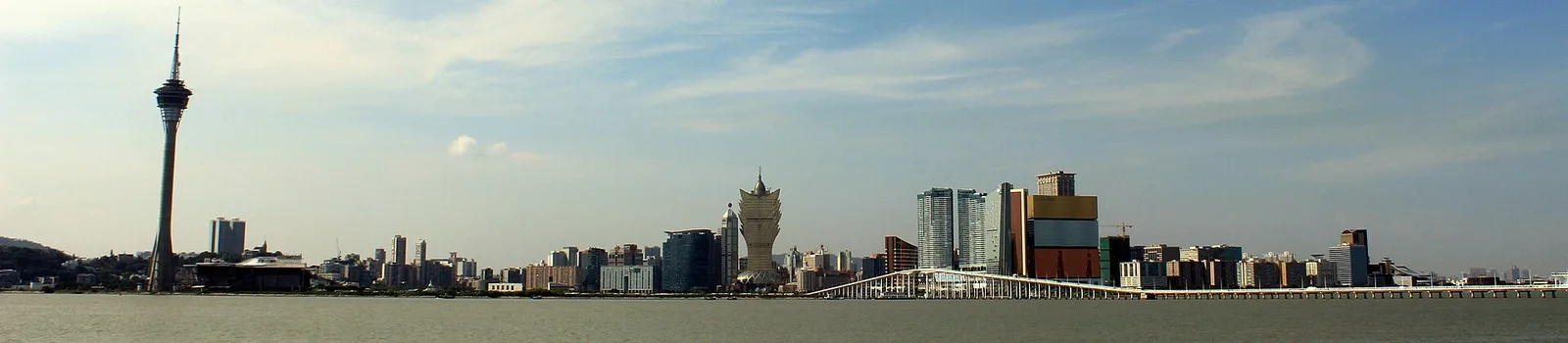
Plan Macau around the experiences you want
Macau can be a heritage visit, a resort break or a useful exploratory stay before a possible move. Those trips need different plans. Start with the places you want to spend time, then choose accommodation and an arrival route that support them. A room convenient for the airport or a resort programme may involve extra journeys to the historic streets, while a base suited to walking in the older city may be less convenient for activities elsewhere.
You will see both Macau and Macao in official names and resources. This guide covers the city and relevant surrounding areas, including Taipa and Coloane. The important distinction for travel planning is jurisdiction: Macao, Hong Kong and mainland China have separate entry arrangements. Begin with the Macao country guide for broader context and check the official resources for your own nationality and purpose.
History is part of the street plan
The Historic Centre of Macao brings together monuments and urban squares recognised on the World Heritage List in 2005. It is an area to explore rather than a single attraction reached through one ticket gate. A walk can connect religious buildings, former institutions and residential architecture, giving you reasons to pause beyond the most photographed façade. Plan a manageable section and leave time to read interpretation along the way.
The tourism authority identifies the Ruins of St Paul’s with the surviving façade of the former Church of Mater Dei, built in the seventeenth century and destroyed by fire in 1835. Visiting the site becomes more meaningful when you understand what survives. Treat stories and dates as part of the experience, rather than using every landmark solely as a backdrop for photographs.
Check current access notices before arranging an itinerary around an interior visit. The official heritage directory presently marks Dom Pedro V Theatre and St Dominic’s Church as temporarily closed. Their place in a historic district does not guarantee that you can enter today. An alternative stop or a shorter walk can keep the day worthwhile when restoration, programming or weather changes access.
Arrive at the terminal that suits your base
The official travelling-to-Macao information distinguishes Macau International Airport in Taipa, the ferry terminals and land gateways. Match the actual arrival point to the accommodation address. Outer Harbour and Taipa ferry terminals are different places; choosing a service by the destination word alone can leave you with an unexpected transfer. Check the operator’s current timetable and the complete onward journey before buying.
From Hong Kong, a bridge-port shuttle and a coach connecting urban pickup points are also different products. Account for reaching the departure point, border procedures and transport after arrival. Connections associated with Hong Kong International Airport can have specific transfer conditions and should not be confused with an ordinary city-to-city ferry booking. If your plan depends on a flight connection, confirm the arrangement with the relevant airport and operator.
For a first arrival, keep the hotel address, booking details and onward plan available offline. Ask the accommodation about any shuttle service, its boarding point and operating hours rather than assuming that every hotel provides the same free connection. Leave a margin for the journey after immigration, especially if you have a reservation or performance later that day.
Choose accommodation by the address and room
The official accommodation directory includes hotel and apartment-hotel categories alongside basic accommodation. Use its district filters to investigate options, then examine the property’s own booking information. Compare the same dates, occupancy and room category. Confirm whether breakfast, taxes, deposits and any resort facilities are included, and read the cancellation conditions before choosing a lower prepaid quote.
For a heritage-focused visit, investigate an address that supports your planned walking area. For a resort-focused stay, consider the facilities you will actually use and the transport needed for outings beyond the property. Neither approach requires accepting the assumption that a more expensive room makes every part of the holiday easier. Family room layouts, connecting rooms, lift access and luggage storage can matter more than a star category.
Ask directly about late check-in, accessible rooms or any other essential requirement. The tourism authority advises direct hotel booking or using licensed Macao travel agencies. Keep the confirmation and payment terms together. If you are visiting to explore a move, a flexible temporary stay can give you time to inspect homes and test workday journeys before agreeing to a tenancy.
When comparing rooms, check the usable sleeping arrangement rather than relying on a photograph of a different category. Confirm whether children count towards occupancy and whether an extra bed changes the price. For an early arrival, ask about luggage storage and arrange an activity that does not depend on immediate room access.
Buses, rail and the final walk
Macao’s official local transport information lists a MOP6 cash bus fare and explains that no change is given. Prepare the fare before boarding and check the route serving your actual destination. Bus connections cover the peninsula, Taipa and Coloane, but a route name alone does not establish the best stop for your hotel. Include the final walk and any change when comparing options.
For rail journeys, consult the LRT operator’s tickets and fares rather than assuming a flat fare across the network. Single-journey tokens and electronic payment have different prices, and the method of counting stations includes specific rules for sea crossings. A general Macau Pass can be used at LRT gates under the operator’s terms. Choose the payment product according to the journeys you will make, not an assumed unlimited-travel benefit.
Visitor permission depends on your documents
The Public Security Police Force’s entry requirements specify a travel document valid for at least ninety days beyond the intended stay. They also identify nationalities requiring an advance visa, including Bangladesh, Nepal, Nigeria, Pakistan, Sri Lanka and Vietnam. Do not travel expecting an arrival permit simply because someone with a different passport obtained one. Check the current category and application route before committing to tickets.
Allowed stays vary with nationality and document type, and onward-ticket and means-of-subsistence requirements have specific conditions. Read the authority’s table and the permission actually granted to you. A visa exemption does not establish a universal ninety-day stay or permission to work. A side trip to Hong Kong or mainland China needs its own entry check, including your ability to return to Macao afterwards.
Employment needs its own authorisation
The Labour Affairs Bureau’s non-resident employment guidance ties lawful employment to the employer’s permit and the relevant stay formalities. Work is limited to the employer and position stated on the worker’s identification card. Obtain a copy of the written contract and clarify the role, hours, pay, accommodation arrangements and termination conditions before building a relocation budget around the offer.
The non-resident worker application page distinguishes procedures for skilled workers, non-skilled workers and domestic helpers. Employer or agency involvement and follow-up requirements depend on the case. Ask who handles each step and which documents you must provide, then confirm deadlines through the authority. Avoid interpreting an initial receipt or an employer’s verbal assurance as proof that every stage is complete.
Treat a potential move as a sequence of decisions: establish the permission, verify the offer, assess the household costs and inspect suitable accommodation. An exploratory holiday can help you understand journeys and neighbourhoods while you remain within visitor conditions. VisaWand’s consultant directory offers a way to compare professional support; check the adviser’s relevant expertise and written scope rather than assuming every immigration listing covers your exact situation.
Study permission and ongoing enrolment
For higher education, consult the Special Authorization to Stay for non-resident students and the institution together. Students from countries or regions outside mainland China must complete the procedure before their existing authorised stay expires; mainland student documentation follows a distinct arrangement. The published process includes an online application followed by remaining steps in person. Ask the institution how it supports the procedure and what you need to bring.
Continuing enrolment and attendance matter to the permission. A change of institution or programme can require a new application, and leaving the course changes the basis for staying. Confirm any work or internship arrangement separately rather than treating student status as general employment permission. Choose accommodation by the actual campus and daily travel needs, with tuition, household costs and visa formalities considered as separate parts of the plan.
Taipa rewards a slower afternoon
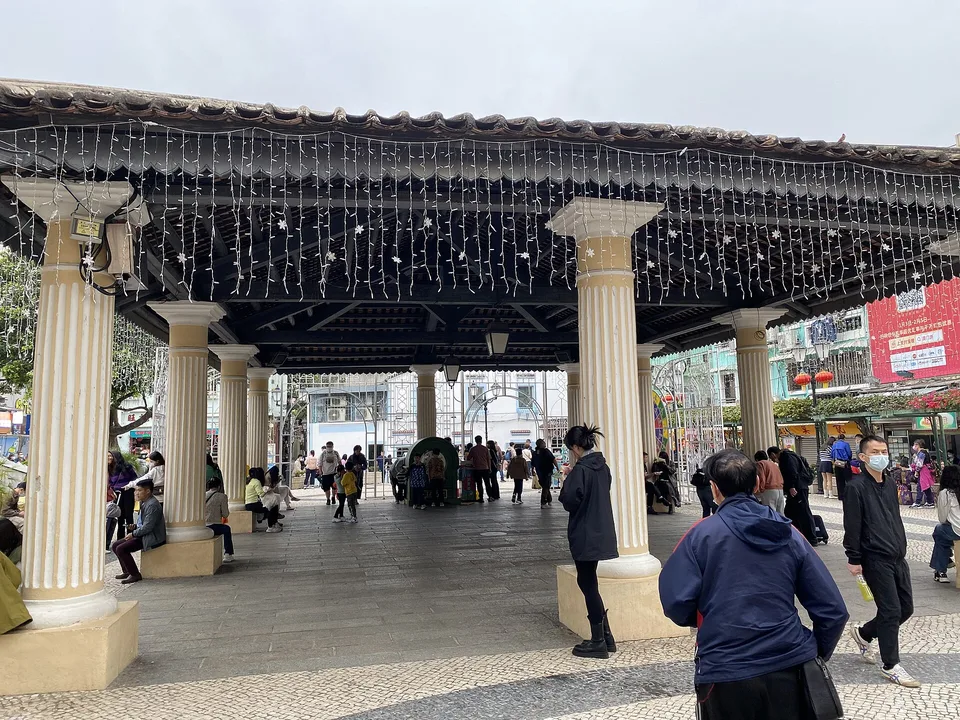
Taipa Village offers a different outing from the peninsula’s best-known monuments. The tourism authority’s Taipa walking route connects the Taipa Houses, Our Lady of Carmel Church and the Museum of Taipa and Coloane History. It also points visitors towards Calçada do Quartel and the restaurant and shop area around Rua do Cunha. Choose two cultural stops and leave the rest of the afternoon for the lanes rather than rushing through the entire list.
The Portuguese-style houses along Avenida da Praia provide an architectural focus, while the history museum introduces material from Taipa and Coloane. Check individual opening arrangements before deciding which interiors to visit. A church is also a place of worship: follow posted instructions and respect services. The route’s advertised duration should be treated as orientation, with your own time added for exhibits, refreshments and access needs.
Nearby integrated resorts can fit into the same day, but their scale changes how you plan. Decide whether you want a meal, shopping or a particular booked experience, then locate the correct entrance. A resort name can cover more walking than the map initially suggests. Keeping the village visit and the resort visit as distinct parts of the afternoon helps avoid spending most of it finding your way indoors.
Eat beyond the familiar buffet
Use the official Macanese and Portuguese dish guide as a starting point for reading menus. Minchi, bacalhau preparations, seafood rice and African chicken offer different flavours and portion styles. They are reasons to explore the cuisine, rather than a promise that every restaurant cooks the same version. Ask about the preparation, accompanying dishes and portion size before ordering several plates for a small group.
For a sweet stop, Portuguese egg tarts and serradura are useful names to recognise. Serradura combines cream and biscuit crumbs; an egg tart is a different dessert, not an interchangeable description. If allergies or dietary restrictions affect your choice, ask about the actual ingredients and kitchen handling. A familiar dish name does not establish that a particular version is suitable, especially where sauces, seafood or dairy are involved.
Reserve a substantial meal when it anchors your day, and keep another meal flexible. This avoids building an itinerary around an unverified opening time or a famous business that may have a queue. Compare menus and any service charge before sitting down. A useful food budget separates everyday meals, snacks and the one dining experience you particularly want, rather than assuming that all eating in Macao has resort pricing.
Budget in patacas and buy with a purpose
The tourism authority’s practical information identifies the pataca, expressed as MOP, as Macao’s currency. Its link to the Hong Kong dollar does not make the two currencies identical. Check the currency on bills and payment terminals, and ask what change you will receive when paying with another accepted currency. Card and wallet availability also depends on the business and your payment provider; carry a practical backup.
Build your trip estimate from live accommodation quotes, the transport journeys you expect and meals you have actually priced. Add a separate allowance for paid experiences and shopping. There is no reliable single daily figure that covers both a modest heritage visit and a resort stay with premium dining. Keeping fixed bookings separate from optional spending makes it easier to reduce costs without losing the reason for the trip.
Shopping can include smaller creative businesses as well as larger retail complexes. The official boutique directory lists cultural design shops such as O-Moon and Joc Square, and A Porta da Arte on Rua dos Ervanários. Use the directory to locate possibilities, then confirm current opening hours and available products. For higher-value purchases, keep an itemised receipt and written warranty or return terms. Check your onward destination’s import rules before buying food gifts or other restricted goods.
Seasons change the shape of a day
Macao’s tourism authority describes May to September as the hotter, wetter part of the year, with milder autumn conditions. It identifies typhoon exposure from May to November, particularly July to September. These are seasonal patterns, not a forecast for your dates. Check current official weather warnings before outdoor plans or a journey that depends on a ferry, bridge connection or flight.
In warm weather, divide heritage walking into shorter sections and include an indoor stop and a proper break. In unsettled weather, make the most exposed part of the plan optional. A prepaid attraction and a long transfer on the same afternoon leave less room to adapt. For a short visit, flexible bookings can be worth more than a small discount that becomes costly when transport or your plans change.
A realistic three-day first visit
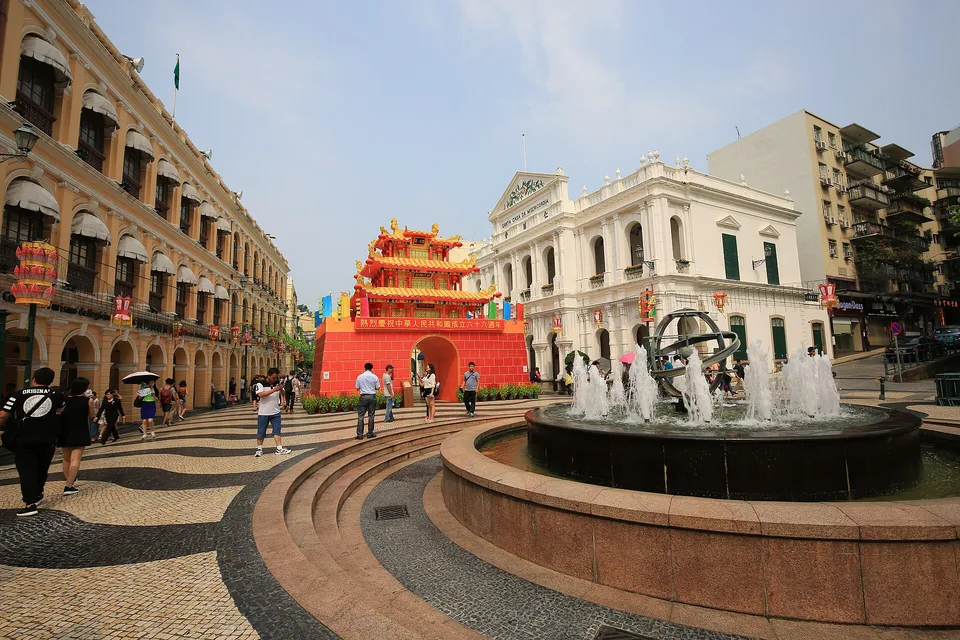
Day one can focus on the peninsula’s historic centre. Start with Senado Square and continue towards the Ruins of St Paul’s, taking time to understand the buildings and streets between them. Choose lunch within the area and make any additional heritage stop depend on your energy and current access. Avoid scheduling a second district simply to lengthen the list of places visited.
Day two can combine Taipa Village with a specific resort activity. Visit the Taipa Houses area and choose a museum or another cultural stop before a meal around your planned route. In the afternoon, leave enough time to reach the resort entrance and find a booked venue. If shopping is the priority, give it a defined budget and time slot so that it does not displace the village entirely.
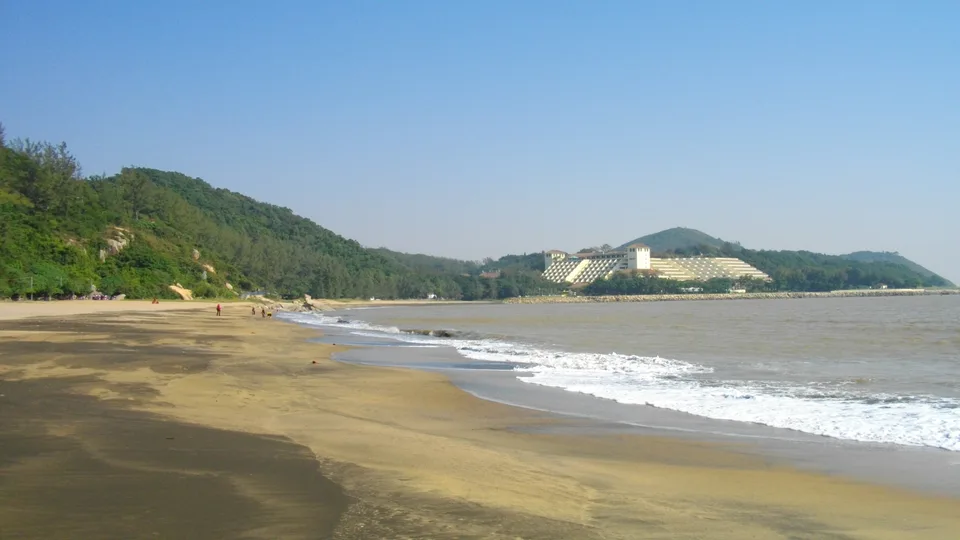
Day three is the flexible day: consider an outing towards Coloane, or return to something missed on the peninsula. The beach photograph in this guide shows Hac Sa in Coloane; it does not establish present swimming conditions or available facilities. Check the day’s conditions and local notices before choosing a coastal activity. On departure day, shorten the outing according to the terminal you need, with border and transfer time protected.
Inspect housing as an everyday base
For a possible move, compare actual available homes with the workplace or campus address. Visit at the hours when you would normally leave and return. Test the complete journey, including the walk from the stop, rather than treating a short distance as proof of an easy commute. A home that works for a holiday may be inconvenient for shifts, regular shopping or a household with different daily destinations.
During a viewing, inspect cooling, ventilation, water pressure, storage, appliance condition and access to the building. Ask who arranges repairs and how urgent problems are reported. Get an inventory for furnishings and record the agreed condition before moving in. Clarify rent, deposits, agency charges, building fees and utility responsibilities in writing. Without a verified quote and contract, a general statement about cheap or expensive housing is of little use.
Keep a reserve for setup costs as well as monthly expenses. Temporary accommodation, household items and deposits can arrive before the first salary payment. Ask your employer exactly what housing or relocation support includes and whether any payment is recoverable if employment ends. For families, confirm school availability and the admission conditions applicable to the child before choosing a home around an assumed place.
Household accounts and healthcare eligibility
For electricity, CEM’s supply application information distinguishes new supply from account transfers. Its published form requests identification and, for a tenant’s application, a notarised lease; requirements vary with the application. Establish which documents the landlord will provide before relying on a connection date. Ask CEM to confirm the current process, applicable deposit and any outstanding issue affecting the premises.
Create a household checklist around the address: water-account responsibility, internet installation, mobile coverage, refuse arrangements and the nearest suitable grocery option. Confirm which services are included in rent and which need an account in your name. Keep meter readings, account confirmations and handover photographs together. These details are easier to settle before keys change hands than after a disagreement about a bill or damaged appliance.
Healthcare costs depend on status. The government’s community healthcare service page gives Macao residents with a resident identity card access to free primary care at Health Bureau health centres, while non-residents pay under the bureau’s fee scale. Do not assume a worker card provides the same eligibility. Check your employer’s medical cover, exclusions and reimbursement process, and bring records and prescriptions for ongoing treatment. Identify the appropriate health centre and registration arrangements before you need routine care.
Longer-term residence is a separate question
The official non-resident worker FAQ answers a particularly important question directly: working for seven years with a Non-resident Worker’s Identification Card does not lead to a Macao Resident Identity Card. The authority distinguishes staying as a non-resident worker from residing. This matters when comparing a job opportunity with a permanent relocation objective; a renewable employment arrangement is not automatically a settlement route.
Assess residence and family eligibility through the relevant authority for your specific circumstances. Ask whether dependants have their own permission, what changes if the main applicant leaves employment, and which documents support each application. Avoid signing a long tenancy or making school commitments on the assumption that family members inherit identical rights. Professional advice can clarify a complex case, but the application requirements and decision remain with the authorities.
Hong Kong and other places to compare
Hong Kong is a useful nearby comparison for a longer trip or an exploratory visit. VisaWand’s completed Hong Kong city guide covers neighbourhood choices, transport and everyday considerations. Compare the two places according to your purpose: the experiences you want on holiday, or the actual job, housing and permission available for a move. Proximity does not make their immigration systems or residence routes interchangeable.
Mainland destinations need another entry assessment, including the return journey to Macao. Do that check before booking an excursion rather than assuming an existing permission covers the whole region. For broader browsing, VisaWand’s Macao location directory lists destinations; individual pages may have different levels of editorial content. Use a completed guide for detailed planning and an official source for a rule, fare or access condition that affects your decision.
Official planning resources
Reviewed 13 October 2026. Use the official resources linked throughout this guide for admission, transport, housing and immigration decisions. Prices, services and rules can change; confirm the details relevant to your dates. Photography illustrates the locations and is not a live view.
View all official resources
- Historic Centre of Macao
- Travelling to Macao
- Official Macao accommodation directory
- Macao local transport
- Macao LRT tickets and fares
- Entry documents and advance visa exceptions
- Labour Affairs Bureau non-resident employment rules
- Non-resident Worker Identification Card application
- Non-resident student authorization
- Taipa Village walking route
- Macanese and Portuguese dishes
- Macao practical information
- Macao boutique and creative shopping
- CEM supply and account applications
- Community healthcare services and eligibility
- Non-resident worker status and residence FAQ
Plan the next part of your journey
Explore the Macao guide, browse other cities or compare consultants for your travel and relocation questions.