Visa
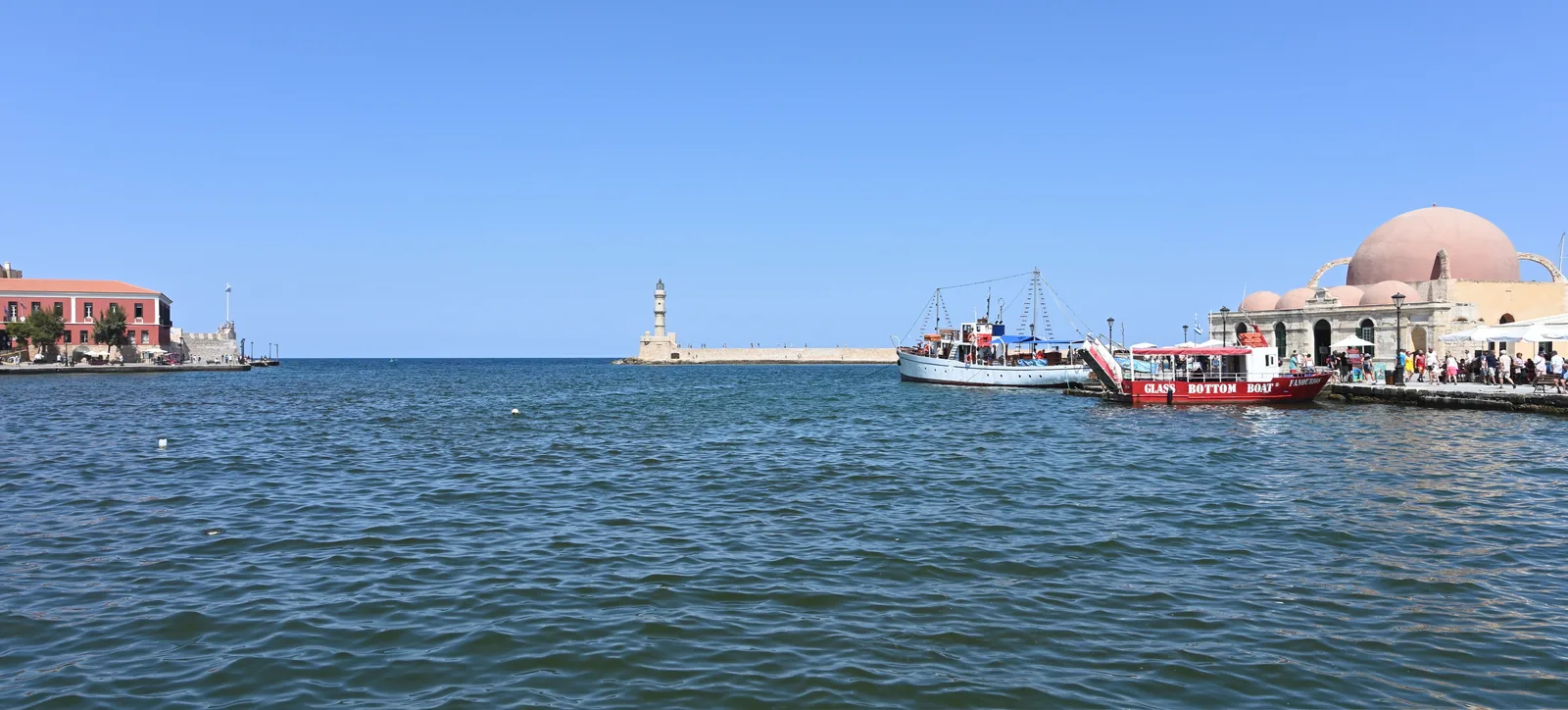
Chania rewards a stay that leaves room for everyday life
Chania puts a working Cretan city behind a remarkably photogenic waterfront. The Venetian harbour makes an immediate impression, but the reasons to stay extend into residential streets, food shops, neighbourhood beaches and the landscapes of western Crete. It suits travellers who want to combine urban evenings with occasional excursions, without moving hotels every night.
Choose the balance before choosing accommodation. An old-town address makes walking and evening meals straightforward; a coastal property farther out may work better for a beach holiday. Neither automatically delivers the other experience. For prospective residents, the useful test is whether an ordinary weekday works: shopping, getting to work, managing appointments and returning home after the buses become less frequent.
Start with VisaWand’s Greece country guide for national context and the Greece destination page for wider planning. This guide concerns Chania on Crete, rather than other Greek settlements with similar names.
Read the layers beneath the harbour view
Modern Chania occupies the site of ancient Kydonia. The local visitor board’s historical account traces the settlement through Minoan, Greek, Roman and Byzantine periods, followed by Venetian and Ottoman rule. Venetian colonisation in 1252 brought strengthened defences; the Ottoman capture came in 1645. Crete’s union with Greece followed in 1913. The Battle of Crete and bombing in 1941 also shaped the city that survives.
Treat this history as a way to read the streets, rather than a checklist of architectural labels. Walls, religious buildings and reused structures tell overlapping stories. Some buildings have changed function several times; an attractive exterior does not establish present public access.
There is also a precise distinction behind the UNESCO connection. Minoan Palatial Centres became a World Heritage property in 2025, with Kydonia among its six components. That designation does not make the whole modern city a UNESCO site, or mean every archaeological plot is an accessible visitor attraction.
Choose a neighbourhood around your actual priorities
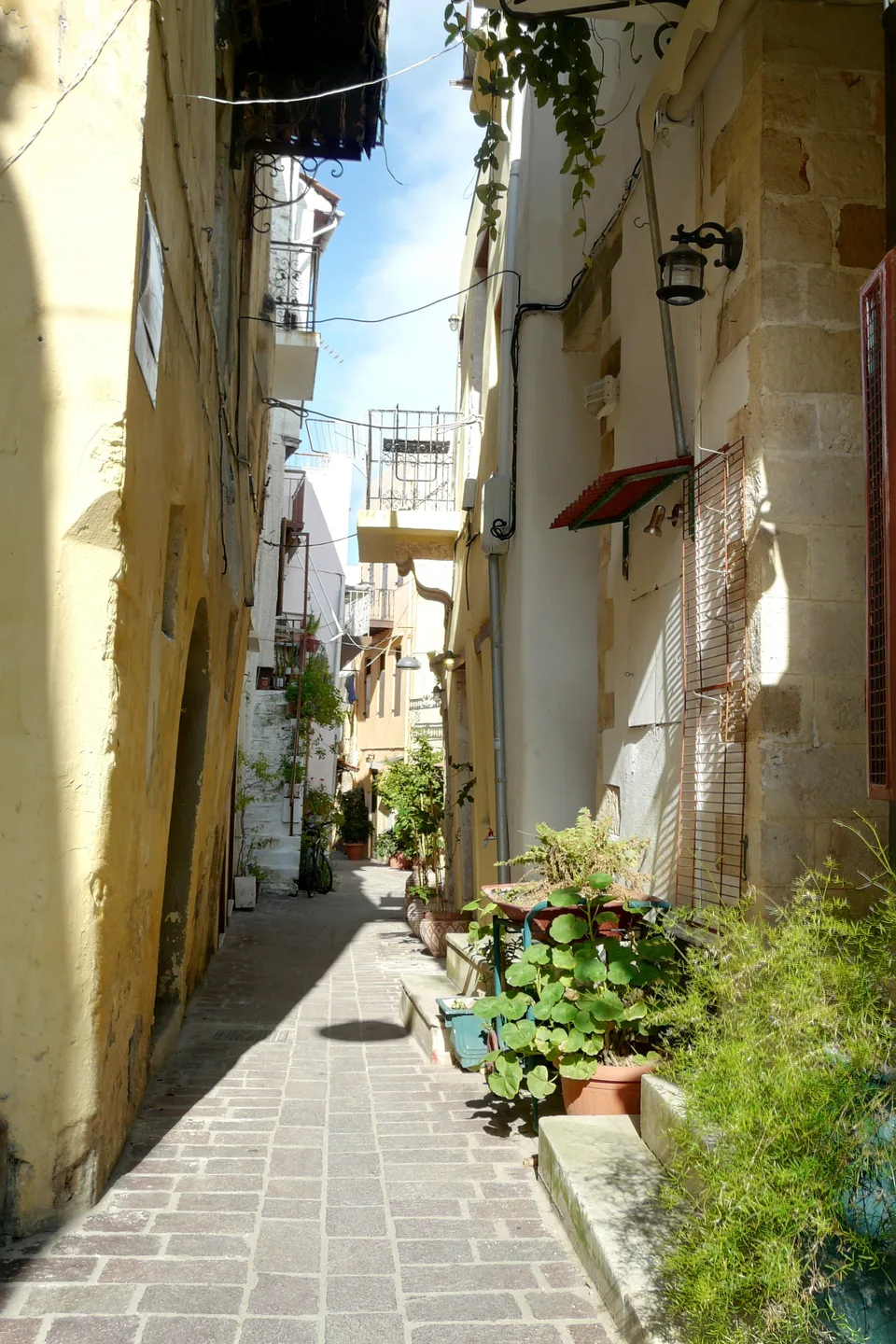
The national tourism board’s Chania overview identifies old quarters including Topanas, Splantzia, Ovraiki and Kasteli. They provide useful orientation within the historic centre, where short distances can conceal changes in gradient, paving and vehicle access. Examine the final approach to a property, especially with heavy luggage or a pushchair.
Nea Chora, west of the old harbour, combines a neighbourhood setting with a city beach. Eastward, Halepa, also written Chalepa, offers a different base for exploring beyond the waterfront. The modern centre is worth considering if practical access matters more than a harbour balcony.
For a longer stay, add Mournies, Souda and Kounoupidiana to the comparison, then test the exact commute. A district name covers many possible journeys. Check the stop, walking route and evening service for the particular address; being somewhere on a bus route is less useful than having a timetable that matches your working day.
Give the old harbour a proper walk
Use the waterfront as your first orientation route, then turn into the lanes rather than spending every hour beside the water. The Discover Greece old-town walking route helps connect the harbour with historic quarters and buildings. Leave time for wandering without expecting every doorway to reveal a museum.
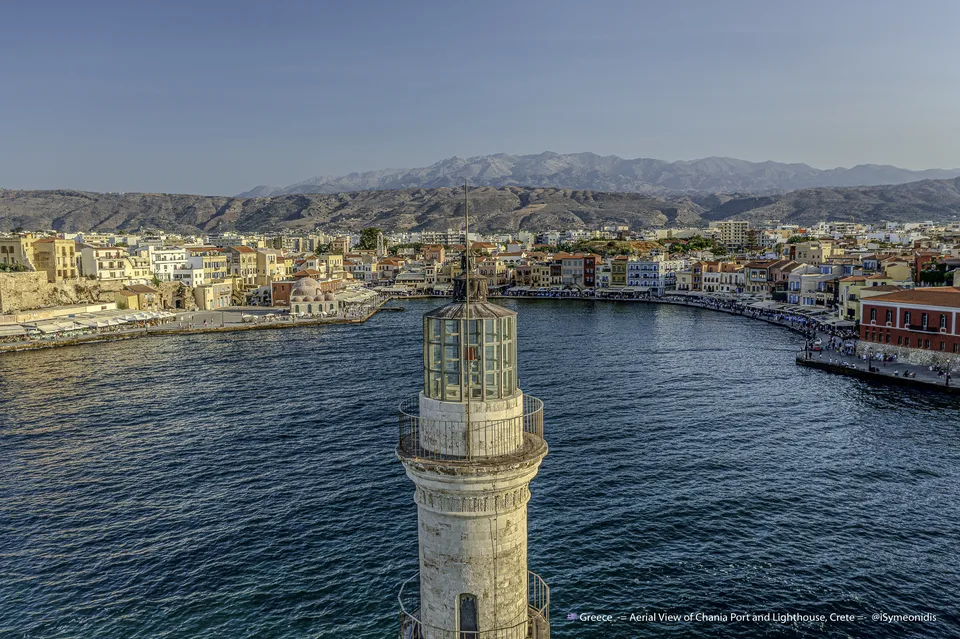
The lighthouse is the visual anchor of the harbour, but viewing it and reaching it are different activities. Before heading along exposed waterfront paths, judge the wind, waves, footing and remaining daylight. A photograph taken from an aerial viewpoint cannot tell you whether a route is suitable for someone with limited mobility.
Add the Maritime Museum of Crete if seafaring history interests you. Its current full ticket is €5, with opening Monday–Saturday, 09:00–16:00, last entry at 15:30; Sundays and public holidays are closed. The operator lists its shipbuilding exhibition separately, so check which venue your ticket covers.
Visit the archaeological museum in Halepa
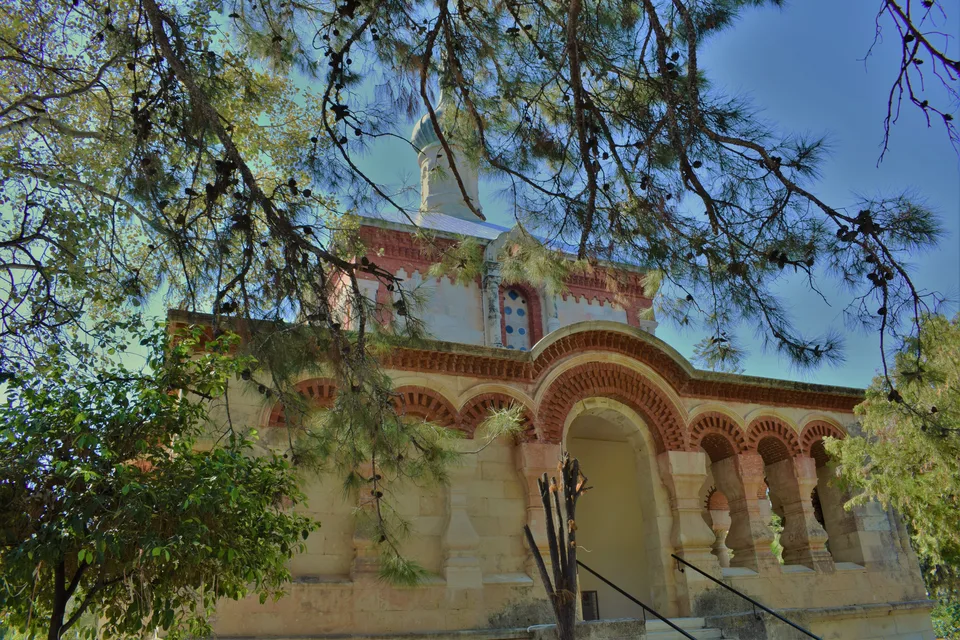
The Archaeological Museum of Chania is at 15 Skra Street in Halepa. Do not navigate to its former old-town premises. Its permanent displays follow the region from early human presence to the fourth century AD, with the Mitsotakis Collection upstairs. Reconstructions, digital interpretation and tactile copies add context beyond individual objects.
Full admission is currently €15; the museum lists €8 concessions, subject to eligibility. Its own visitor page displays 08:00–20:00 and Tuesday closure, with visitors leaving twenty minutes before closing. Recheck the operator’s page for your date, particularly across seasonal changes: other official visitor listings show different hours.
The museum lists accessible lifts and recommends urban bus 11 towards Chalepa, with the Venizelos House stop among its suggested options. Confirm the current route before departure. Allow this visit a separate half-day with travel and a break, rather than treating it as a quick detour between harbour photographs.
Leave space for the coast near the city
A city stay does not require a major excursion every morning. Nea Chora offers a straightforward way to include beach time while retaining an urban base. Check the day’s sea conditions and local instructions; an easy journey to the beach does not guarantee suitable swimming conditions.
Halepa also contains the Eleftherios Venizelos residence museum, a useful counterpart to the archaeological collections. Full admission is €7. From October through May, it lists Tuesday–Friday 10:30–17:30 and weekends 11:00–16:00, closing Mondays; last admission is thirty minutes before closing. Summer hours differ. Combine the two museums only if you want a substantial cultural day.
Back in the old town, Etz Hayyim Synagogue offers another perspective on the city’s past. It remains an active place of worship and welcomes Jewish and non-Jewish visitors to learn about Cretan Jewish history. Check visit arrangements directly, and approach it as a living religious and cultural institution.
For accessibility, request photographs and measurements of entrances, bathrooms and transfer routes before booking. Explain the assistance you need; a central address alone tells you little about steps or usable space. The museums’ different weekly closure days matter when planning a short stay: schedule Halepa around the venues you most want to see, then use the remaining time for a coastal walk or the old town.
Pick accommodation by access, sleep and total price
Compare the room itself as carefully as its view. In older properties, ask which floor you will occupy, whether a lift reaches it, how luggage arrives and whether the bathroom involves additional steps. Request details of air conditioning, heating and window arrangements rather than relying on a broad facilities icon.
For a beach-focused trip, check the actual shoreline and route from the entrance. For city sightseeing, identify the walk back after dinner. If hiring a car, obtain written parking instructions and confirm where you can unload legally before arriving in narrow streets.
Greece’s climate crisis resilience fee guidance explains that the charge applies per room or apartment per daily use, rather than per guest. Ask the property for the applicable seasonal amount and whether it appears in the quoted total. Compare final payable prices, cancellation terms and arrival arrangements across the same dates.
Arrive through the airport or Souda
Check flights to Chania’s Ioannis Daskalogiannis Airport against your complete journey, including the final connection to your accommodation. An inexpensive late arrival can lose its advantage if the onward bus does not run when you need it.
The airport’s public-bus information places the stop opposite the departures area on the terminal’s eastern side and states that tickets are available from the driver. The KTEL timetable dated 16–24 October 2026 lists the adult Chania–airport fare at €2.70. Late-night departures have day-specific notes; do not assume an unrestricted overnight service.
For a mainland connection, consult Blue Star Ferries’ booking and sailing updates for Piraeus–Chania services. The ferry arrival is at Souda, not the old harbour. Compare seat or cabin choices, vehicle costs and onward transport for the actual sailing. Weather-related changes make a tightly connected onward flight a poor place to economise on contingency time.
Separate urban buses from regional KTEL services
Chania Urban Buses and regional KTEL serve different planning needs. The urban operator currently lists standard Zone A tickets at €1.30 bought before boarding or €2.30 onboard; Zone B costs €1.80 or €2.80 respectively. Halepa and Nea Chora appear in Zone A examples, while Souda and Kounoupidiana appear in Zone B. Check the boundary for your precise destination.
Frequent users can compare the published thirty-day adult cards: €55 for Zone A or €75 for Zones A and B. An occasional visitor should calculate likely journeys before committing. These products are not an airport transfer pass.
For journeys beyond the city, use KTEL’s current printable timetables. Follow the date printed on the relevant document and read its footnotes. A service to a trailhead does not prove the trail is open; a return bus coordinated with a ferry requires the whole connection to work.
Eat Cretan food without turning every meal into an event
The local visitor board’s food directory points to dishes including dakos, gamopilafo, tsigariasto, boureki and kaltsounia. Use those names to explore menus, then ask how the particular kitchen prepares them. Ingredients and accompaniments matter more than assuming every version suits your diet.
Balance a few deliberate meals with simple breakfasts, bakery stops or groceries. When comparing restaurants, read portion descriptions, fish-pricing units and the cost of drinks before ordering. If dietary restrictions are important, explain them clearly and confirm the answer with staff rather than inferring ingredients from an English dish name.
A harbour table may be exactly what you want for one evening. On another, choose somewhere convenient to the day’s route. This approach keeps meals part of the experience without making every lunch dependent on a reservation or a journey across town.
Shop with a distinction between markets
The covered Municipal Market and the neighbourhood street markets are separate things. A municipal restoration update in July 2026 described final work and traders preparing shops in the covered building. That notice alone does not confirm reopening for a later visit, so check current access before making an indoor market visit central to your plans.
For produce shopping, consult the municipality’s street-market schedule and locations. Sites can change with seasonal arrangements and council decisions; confirm the current street as well as the weekday. A market shown on an old map may not be where trading happens that morning.
When buying olive oil, cheese, preserves or other gifts, consider luggage limits, temperature and your destination’s import rules. Keep labels and receipts. For everyday groceries, compare package sizes and unit prices; a beautifully presented souvenir and a practical household purchase serve different purposes.
Build a budget around choices you can control
Accommodation dates, room type and excursion transport will shape the bill more than a single inexpensive bus journey. Obtain live quotes for those items first. Add the accommodation fee, airport transfers, meals, paid sights and any hired vehicle’s fuel, parking and insurance costs separately.
A useful low-spend day could combine an old-town walk, groceries or a simple lunch, and time beside the sea. A museum day adds the published admission cost. A distant beach outing introduces another category of transport and potentially equipment or boat charges. Compare those complete days instead of relying on an unsupported citywide daily average.
Keep an allowance for a changed connection or an unexpectedly closed attraction. Travellers with children should check age rules directly, while students should verify which identification is accepted. A concession available to one group is not automatically available to every person carrying a student card.
Choose the season for the activities you want
The Hellenic National Meteorological Service’s climate explanation describes Greece’s hot, dry summers and milder, wetter winters, with substantial coastal and mountain differences. Do not use a coastal forecast to choose clothing for a mountain outing. Equally, a sunny winter afternoon does not establish reliable beach weather for an entire week.
For a trip centred on walking and museums, consider spring or autumn, while accepting rain and shorter days as possible trade-offs. For a summer stay, protect the middle of the day for shade and indoor time rather than forcing the longest walk into the hottest hours.
Check official weather and marine warnings shortly before excursions. Winter planning needs closer attention to attraction hours, flight choices and seasonal transport. Prospective residents should test the season they expect to live through; a summer holiday provides limited evidence about heating, damp or a winter commute.
Spend three days without exhausting the timetable
Day one: settle in, walk the old harbour and explore a manageable section of the old town. Pause for lunch, return to the room if needed, then choose an evening waterfront walk. Leave your arrival day free of non-refundable attraction bookings if the journey is long.
Day two: visit the archaeological museum, switching days if Tuesday falls here. Spend the remaining time in Halepa or return towards the centre. Keep the afternoon flexible enough for a slower meal, a shorter walk or rest rather than adding a distant beach.
Day three: choose between a relaxed Nea Chora day and one properly researched regional excursion. Do not combine Elafonisi, Balos and a major hike into a single circuit. If the weather is poor, use the day for indoor visits and practical neighbourhood exploration. Anyone considering relocation can substitute a commute trial and housing appointments for sightseeing.
Treat western Crete’s famous beaches as separate outings
Visit Greece’s regional beach overview places Falasarna on the northwestern coast, Elafonisi to the southwest, and Balos at the northwestern tip. These are regional destinations rather than beaches immediately outside a central Chania hotel. Give your chosen outing enough time for access, walking, a meal and the return.
Balos involves a dirt-road approach and a walk, or a boat connection from Kissamos. Check current access arrangements, the landing process and your rental agreement before choosing. A boat excursion’s promotional photograph cannot establish step-free boarding or easy disembarkation.
The beaches lie within protected landscapes. Follow marked access and current local instructions, carry out rubbish and leave natural materials in place. Select one destination that fits the day’s weather and the group’s mobility. If returning by public transport, establish the final service before leaving the city and avoid spending the day assuming another departure will appear.
Make Samaria conditional on access and fitness
Samaria Gorge requires a different decision from an urban walking day. The park’s crossing advice describes seasonal operation, possible weather-related changes and the need for suitable footwear, food and water. Its general season information is not a guarantee that the full crossing operates on your date.
Verify the current management notice, entry arrangements and return connections before paying for transport. Work backwards from the complete journey, including any boat and onward bus, and consider what happens if conditions interrupt it. An available bus ticket to the starting point is insufficient confirmation.
Choose a less demanding day if anyone is unsure about the distance, terrain or accumulated fatigue. Do not let a prepaid excursion decide whether a person should undertake a strenuous walk. For a short visit, Chania and its nearer coast provide ample alternatives without turning a cancelled gorge trip into a lost holiday.
Inspect a home for a full year of living
Begin a housing search with a temporary base and inspect several properties. Confirm that the offered tenancy covers every month you need, rather than assuming a winter arrangement continues through summer. Ask for the deposit, rent, fees, furnishing inventory and responsibility for repairs in writing.
Look for ventilation, signs of moisture, effective heating and cooling, usable storage and reliable hot water. Test mobile reception inside the rooms and obtain an address-specific internet installation estimate. A listing’s claim that the area has broadband does not prove a connection can be activated immediately in that flat.
The government rental-declaration service provides the official route for submitting, viewing and accepting tenancy information. Check the paperwork with the landlord and appropriate adviser. This guide does not offer a representative current rent figure: the contract period, condition and exact location must be compared through live offers.
Test workdays and household arrangements before committing
Travel from the proposed home to work or study at the actual required time. Include walking to the stop, waiting, transfers and the return after an evening commitment. Repeat the exercise for grocery shopping and essential appointments. A car changes the calculation, but adds parking and operating costs that should appear in the household budget.
For a water account, DEYACH’s tenant instructions require documents including identification, an accepted AADE lease and a recent meter reading, alongside account settlement and a deposit. Clarify the existing account and previous occupant’s position with the landlord before handover; record meter readings together.
Locate the General Hospital of Chania and arrange appropriate routine care and insurance for your status. Hospital availability does not establish free treatment entitlement. Learn how to use Greece’s 112 emergency service, and discuss school places, language support and transport directly with relevant institutions if children are moving with you.
Match immigration permission to the purpose of the stay
Tourism, employment, study and permanent relocation involve different questions. Consult the Greek Foreign Ministry’s Schengen resources for a short visit. Where the standard short-stay rule applies, the allowance is up to ninety days in any 180-day period across Schengen; moving between member states does not restart it. Visa requirements depend on nationality and circumstances.
For a longer non-EU stay, review national visa information and the Migration Ministry’s residence categories before committing to work, study or a tenancy. A tourist visit does not itself authorise local employment, and renting a home does not grant residence rights or permanent status.
EU, EEA and Swiss citizens should check Greece’s registration rules for stays beyond three months, including the conditions relevant to work, study or sufficient resources and insurance. If professional help is useful, compare VisaWand’s consultant listings and establish the adviser’s scope and fees. Official authorities determine eligibility.
Compare Chania with the rest of your journey
Chania works particularly well when you want evenings in a historic city and selective exploration of western Crete. If every planned outing lies elsewhere on the island, reconsider the base rather than accepting repeated long transfers. The current regional timetable can help distinguish a comfortable day trip from a journey better served by another overnight stop.
Use the Greece location directory to explore other destinations and the completed Athens city guide when planning a mainland connection. Country and city pages answer different questions: national entry rules apply broadly, while accommodation access, local buses and neighbourhood choices require an address-level decision.
Before booking, settle three essentials: the kind of stay you want, the connections that actually operate on your dates, and a realistic total cost. Those choices leave more room to enjoy Chania’s waterfront, food and streets when you arrive.
Official planning resources
Reviewed 17 October 2026. Use the official resources linked throughout this guide for admission, transport, housing and immigration decisions. Prices, services and rules can change; confirm the details relevant to your dates. Photography illustrates the locations and is not a live view.
View all official resources
- Visit Chania: history
- UNESCO: Minoan Palatial Centres
- Visit Greece: Chania
- Discover Greece: Old Town walk
- Archaeological Museum of Chania: visiting
- AADE: climate resilience fee FAQ January2026
- Chania Airport: public buses
- KTEL: airport timetable16–24October2026
- Blue Star Ferries: bookings and sailing updates
- Chania Urban Buses: tickets and zones
- KTEL Chania–Rethymno: current printable timetables
- Visit Chania: Cretan dishes and places to eat
- Chania municipality: Municipal Market restoration update16July2026
- Chania municipality: street markets
- Hellenic National Meteorological Service: Greek climate
- Hellenic National Meteorological Service: forecasts and warnings
- Visit Greece: beaches around Chania
- Samaria National Park: crossing advice
- Greek government: property rental declarations
- DEYACH: water accounts for rented properties
- Chania General Hospital Agios Georgios
- Greek Civil Protection: using 112
- Greek Foreign Ministry: Schengen visas
- Greek Foreign Ministry: national visas
- Greek Migration Ministry: residence permit categories
- Greek government: EU citizen residence registration
- Venizelos Foundation: residence museum hours and admission
- Maritime Museum of Crete: admission and opening hours
- Etz Hayyim Synagogue: visits and Jewish heritage
Plan the next part of your journey
Explore the Greece guide, browse other cities or compare consultants for your travel and relocation questions.