Visa
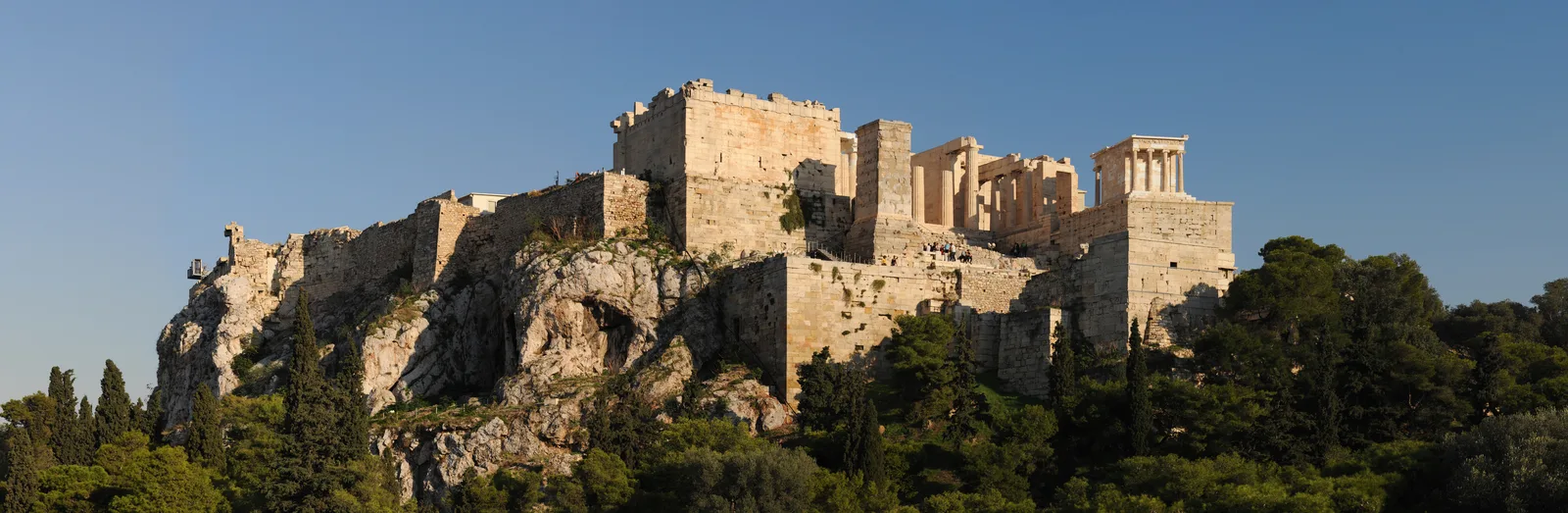
Athens at a glance: make room for the city around the monuments
Athens rewards time spent connecting its ancient sites with the streets around them. The Acropolis, its museum and the Ancient Agora offer different accounts of the past; Plaka and other neighbourhoods supply the setting for meals, shops and the journeys between visits. A first trip can have a clear historical focus without becoming a race between ticket gates.
Start with the visits that matter most, then choose accommodation and transport to fit them. The museum and archaeological site have separate admissions and opening arrangements, while airport travel requires products that ordinary city passes may exclude. Those distinctions affect both the day's programme and the budget. Keep a flexible interval around the largest visit so a queue, weather change or longer museum stop does not unravel the rest of the day.
For someone considering a move, use part of the stay to explore ordinary routines. A viewing, a commute and a check on healthcare or household services can tell you things sightseeing cannot. Assess the actual home and the permission required for your circumstances before translating enthusiasm for a holiday into a relocation commitment.
Accommodation: compare the services and the actual address
A hotel can suit a short visit when reception, luggage storage and a straightforward arrival matter. Confirm those services with the property, especially for a flight arriving outside ordinary check-in hours. Compare the full quote for your dates and occupants, including the cancellation conditions, rather than using a starting price shown for another week.
A furnished apartment may be useful for a longer stay if you will use a kitchen, laundry facilities or more living space. Establish which appliances and services are included, how access works and whether the arrangement is a holiday booking or a residential lease. Photographs should help form questions, not replace inspection when you are committing to a home.
Check the route from the property's entrance to the station, workplace or attraction you need. Steps, slopes and the final walk can matter as much as the nearest station name. Ask directly about accessibility where necessary. For a household, include food shopping, heating and cooling, internet and shared-building costs in the decision. A room that saves time during a museum weekend may offer a different balance for everyday life.
Airport transport: distinguish the airport ticket from a city pass
OASA's official visitor information lists a full-fare airport metro journey at €9 and an Airport Express bus journey at €5.50. Metro Line 3 connects the airport with Syntagma, while the airport express bus routes operate around the clock. Choose the option using the arrival time and the complete route to your accommodation, including the final walk or connection.
The ordinary 24-hour and five-day products exclude the airport fare. By contrast, OASA describes a three-day tourist product that includes one journey from and one journey to the airport by metro or the designated express bus routes. Check its current price and validity conditions before comparing it with separate tickets; a city pass's name alone does not establish airport coverage.
The visitor page also describes contactless payment for specified full-fare products. Keep the payment method or ticket available during the journey, and follow the validation instructions for the service you use. At metro stations, tickets or cards are validated both on entry and exit. Confirm the current airport-train timetable before a late connection rather than applying a general metro operating schedule to every airport departure.
The Acropolis: plan for the hill and the seasonal closing time
Hellenic Heritage's official Acropolis information lists full admission at €30. Its account connects the surviving monuments with the building programme of the fifth century BC, including the Parthenon, Propylaea, Erechtheion and Temple of Athena Nike. Give the visit time to look at those different structures rather than treating the hill solely as a viewpoint over Athens.
The published closing time changes through September and October, then becomes 17:00 from November through March. Last admission is twenty minutes before closing. Check the precise date's schedule and any operational notice before booking a late visit; the longest summer opening hours do not apply throughout autumn. Use the official ticket service linked from the site page and read the entry conditions attached to the chosen reservation. The official ticket store requires timed entry: tickets cover one entry on the selected date and time and are non-refundable.
The official accessibility information describes a north-side elevator for eligible visitors with mobility impairments and routes on the plateau and slopes. Discuss the route and current elevator arrangements before travel if they are important to your visit. An accessible element does not mean every approach from a hotel or metro exit will suit every visitor. Allow time to reach the entrance before the booked visit.
Acropolis Museum: a separate visit with its own ticket
The Acropolis Museum's official visitor page lists general admission at €20, covering its exhibition areas and the archaeological excavation beneath the building. Buy the museum ticket through its own service rather than assuming admission accompanies an archaeological-site booking. Reduced and free tickets are issued at the museum's ticket desk with the necessary eligibility documents.
Opening hours depend on the day and season. During April–October, Monday closes at 17:00, while Friday extends to 22:00; the other summer days close at 20:00. In November–March, Monday–Thursday close at 17:00, Friday at 22:00 and weekends at 20:00. Last entry is half an hour before these closing times, and the excavation has its own hours. Check it separately if that part of the visit matters to you.
The museum identifies Akropoli on Metro Line 2 as the nearest station and provides ramps, elevators and accessible toilets. Its published closure dates include New Year's Day, Orthodox Easter Sunday, 1 May and 25–26 December. A Friday evening can give the galleries more room in a schedule, but it should not be used to infer that the hilltop archaeological site follows the same timetable.
Ancient Agora: explore the city's public life below the Acropolis
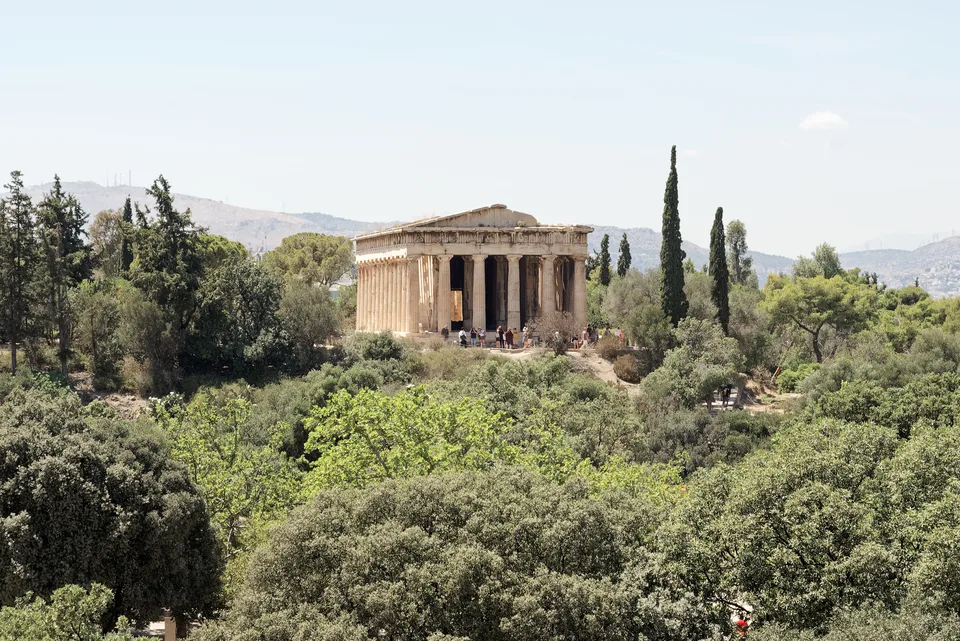
Hellenic Heritage's Ancient Agora information describes a place of commerce, worship, administration and debate, with the Temple of Hephaestus and the Stoa of Attalos among its notable structures. It offers a different focus from the hilltop monuments: take time to consider how the open space and surrounding buildings served public life rather than treating the visit as another temple photograph.
The official page lists full admission at €20. A July 2026 entrance announcement confirms entry at 24 Adrianou Street from 30 July. Use that address when arranging the approach, and check any later notice before travelling. Monastiraki on Lines 1 and 3 and Thiseio on Line 1 are identified as metro options on the visitor page.
Opening information needs particular care. The general page provides seasonal hours, while a separate April 2026 operating notice states 08:00–19:30 until further notice. Confirm the applicable schedule for your date through the official channel instead of combining the most convenient parts of different notices. Give the site and museum room in the day, with a break before a second major archaeological visit.
Neighbourhoods: compare a sightseeing base with an everyday routine
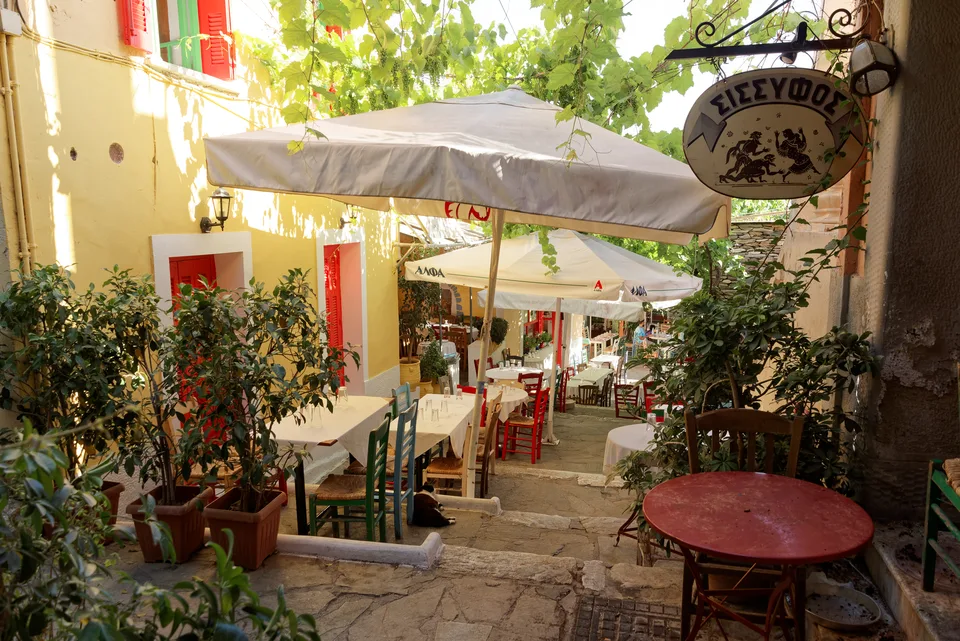
The official Athens neighbourhood guide introduces Plaka for its historic streets and shops, and Acropolis–Koukaki for the museum and pedestrian connections between monuments. These areas are natural starting points for comparing accommodation during a first cultural visit. Check the actual property's route to the entrance you will use; a neighbourhood name or an Acropolis view does not specify the walk.
Monastiraki can fit journeys using Lines 1 and 3 and a visit to the Ancient Agora. Compare its convenience against the kind of room you want, checking noise and access with the property rather than assuming every central address offers the same experience. The city guide also identifies Gazi with nightlife and Exarchia with cafés, useful distinctions when deciding where to spend evenings.
For a longer stay, widen the comparison to the workplace, household shopping and services. Pangrati, Kolonaki and other neighbourhoods deserve assessment against your own routine, without treating their names as a guarantee of rent, safety or commuting time. Inspect the home and test the route. A holiday base near the sights and a household base for repeated daily journeys can lead to different choices.
Food: choose the dish and the size of meal
The official Athens street-food guide introduces kalamaki, skewered meat, and pita-wrapped versions alongside baked foods and sweets. Use those distinctions when reading a menu: a skewer, a wrap and a restaurant platter can be different orders. Ask what accompanies the dish and check the price for the portion you intend to buy.
A quick meal can fit between visits, while a longer restaurant lunch may be part of the day's experience. Choose the format around the programme rather than adding an unnecessarily distant booking between timed attractions. The visitor guide's restaurant descriptions reflect conditions when written, so check the establishment's current menu and hours before relying on a named offer or old price.
For allergies or dietary restrictions, ask about ingredients directly. A familiar dish name does not settle what a particular kitchen uses in its filling, sauce or preparation. Keep the meal budget separate from drinks and optional extras, and compare the final order rather than assuming every street-food choice has the same cost.
Seasons: match the walking plan to the weather
Athens' official weather information describes a broadly sunny climate with a warmer part of the year and cooler autumn and winter conditions. Choose dates according to the activities you want most. A programme of open-air archaeological sites asks more of the weather than a museum-focused stay, although both need current opening information.
Check the forecast and official operational notices before an exposed hilltop visit. In hot conditions, leave space for drinking water, shade and breaks rather than scheduling several long outdoor walks without a pause. Museum hours can help create an indoor part of the day, but confirm the particular weekday and season before shifting a visit to the evening.
For a possible move, inspect heating, cooling and ventilation at the home. Ask how the building's systems operate and which charges fall to the tenant. A comfortable room during one short visit does not establish its comfort or running costs in another season. Plan household needs across the year rather than using a holiday week's weather as the basis for a lease decision.
Budgeting: start with the choices that change the total
The full-price Acropolis, Acropolis Museum and Ancient Agora admissions listed above total €70. That is a specific three-visit comparison, not an all-inclusive city pass or a daily travel budget. Confirm whether anyone in the party meets the stated concession conditions before calculating a different total, and choose the visits you actually want instead of buying simply to complete a list.
Add accommodation for the exact dates, airport travel, local journeys and meals. Keep guided services and shopping separate from admission. A centrally located room may reduce some journeys, but compare its full booking price and cancellation terms with the transport required from another property. Use current quotes for the household and itinerary you are planning.
Visitor entry: count the complete Schengen stay
The European Commission's current Schengen application guidance describes short visits of up to 90 days in any 180-day period. Check the rule against the complete trip, including time in other Schengen countries, rather than counting only the Athens nights. Whether you need a visa depends on nationality and circumstances; an itinerary that works for one passport may need a different entry arrangement for another traveller.
For an application, the Commission says to use the consulate of the principal destination, with specific rules for equal-length stays in several countries, and normally the authority responsible for where you legally reside. It lists a standard adult fee of €90, with exemptions and other categories, plus possible service-centre charges. Confirm the applicable category instead of treating the standard figure as everyone's final cost.
The current application window is at least fifteen days before travel and no earlier than six months beforehand. Appointment availability and a request for further documents can affect planning. Prepare the required accommodation, financial and insurance evidence, and check the issued visa's entries and dates. A visitor itinerary and a long-term move require different permissions.
Study and remote work: choose the applicable residence route
The EU Immigration Portal's Greece student guidance identifies admission to a higher-education institution and sufficient living funds among the conditions for non-EU students. It describes applying for a study visa through the relevant Greek embassy or consulate after acceptance. Coordinate with the institution before arranging a long lease, and check the residence-permit procedure for the course and your nationality.
For remote work, the portal's Greece international-service-provider guidance includes a digital-nomad category requiring evidence of work linked to an employer or business outside Greece and sufficient resources. This should not be treated as permission to accept any local job simply because the work is done on a laptop. Establish the correct category and current documentary requirements before making Athens the household base.
EU citizens follow a different framework. Greece's Ministry of Migration guidance on free movement distinguishes an initial stay from residence beyond three months and directs readers to the relevant administrative formalities. Check the conditions that match your employment, study or family circumstances. A lease supplies an address; it does not itself establish residence rights or permanent status.
Renting a home: check the lease and its tax declaration
Before transferring a deposit, verify the property and the person entitled to let it. Read the lease in a language you understand and establish the rent, deposit, duration, repairs and termination conditions. A furnished listing needs an inventory and a record of the condition at handover. Include shared-building charges, heating, electricity, water and internet in the comparison rather than treating the advertised rent as the full household cost.
Greece's tax authority announcement on rental declarations gives tenants thirty days from notification to accept or reject the landlord's submitted lease-information declaration digitally. It describes notifications through myAADE and its app, with rejection reasons entered in the service. After the deadline, the declaration is treated as accepted if no relevant action has been taken. Ask how the declaration will be handled and check the submitted details promptly.
This tax declaration is a distinct practical step; it should not replace understanding the signed agreement. If the rent, address or parties differ, seek the appropriate correction rather than approving unfamiliar details. Keep payment records and clarify who will contact the utility providers. For a first move, temporary accommodation can give you time to view homes and test the commute before committing to a lease.
Healthcare: establish which cover applies to the stay
The Greek National Contact Point's EHIC guidance describes access to medically necessary state-provided care during a temporary stay on the same terms as people insured in Greece. It asks eligible visitors to present the card and identity document at the service. This is a specific route for cardholders, not a statement that every visitor receives every service without charge.
The guidance distinguishes public services, contracted providers and private arrangements, and identifies circumstances in which payment may be required. Before a routine appointment, ask the provider whether it accepts the relevant coverage and whether the visit will be treated privately. Keep receipts and the documents requested by your insurer if reimbursement is needed. Do not infer insurance acceptance simply from a practice being near your hotel.
For a household move, establish your ongoing healthcare entitlement and insurance arrangements separately from temporary visitor cover. Consider access to routine care, prescriptions and the services family members need when comparing homes. The official contact-point information gives 112 and 166 for emergency ambulance assistance; save the relevant numbers and address details where they can be found quickly.
Three days: connect the monuments with time in the neighbourhoods
On the first full day, give the Acropolis the main outdoor part of the programme. Arrange the visit for the current entry conditions and leave enough time for the approach. After a break, explore Plaka at a comfortable pace. Keep the evening flexible rather than fitting another distant reservation immediately after the hilltop visit.
Use day two for the Acropolis Museum and the streets of the surrounding area. Check the excavation's hours if you want to include it, and allow space to read the displays. A Friday evening visit may be useful for some itineraries, but it is an option to consider against your arrival and energy levels rather than a reason to add a long day. Choose a meal nearby from a current menu.
On day three, visit the Ancient Agora using the confirmed entrance and applicable schedule. Pair it with time in Monastiraki or another neighbourhood that interests you. If Sounion is a priority, add a further day or replace part of the programme; squeezing the excursion around several city visits can make the day depend on tight transfers.
For a relocation visit, trade some sightseeing time for a property viewing, a commute test and a service appointment. Keep notes about the actual home and route rather than judging Athens only through its monuments. Give an onward flight or ferry its own travel margin. Completing three sightseeing days does not establish the time needed to reach the departure terminal or port.
Sounion: a coastal excursion with its own return journey
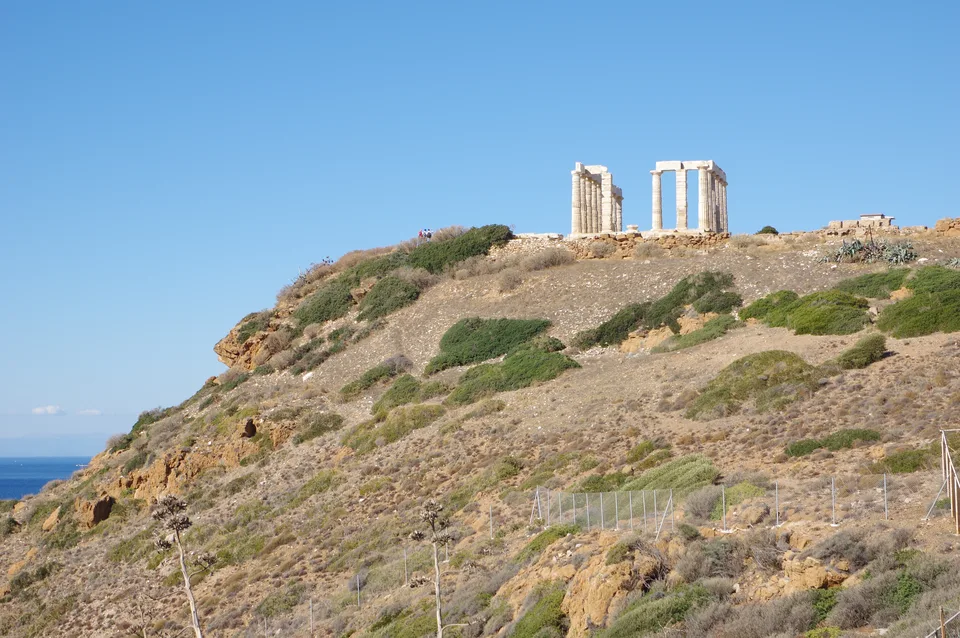
Hellenic Heritage's official Sounion information describes the Temple of Poseidon at Cape Sounion as a fifth-century BC sanctuary and a landmark used by sailors. Its coastal setting offers a different perspective from the urban archaeological sites. Treat it as a separate outing, with time to understand the monument and its position above the sea.
The official page lists full admission at €20, opening from 09:30 until sunset and last admission twenty minutes before closing. Check the date's operational notices and the return transport before arranging an evening visit. A sunset closing time moves through the year and should not be replaced by a fixed late-summer hour in a winter itinerary.
The site page identifies intercity bus access from Athens, but a general travel estimate is not the departure schedule you need. Confirm the operator's current departure point, timetable and return service, or obtain the complete terms of a transfer booking. Ask whether an excursion price includes admission and how long you will have at the site. Compare that outing with another day in Athens before committing a short stay to additional travel.
For wider planning, use VisaWand's Greece country guide, Greece location directory and Greece destination information. Explore the Piraeus location directory or consultant listings for further location and professional-support options.
Official planning resources
Reviewed 14 October 2026. Use the official resources linked throughout this guide for admission, transport, housing and immigration decisions. Prices, services and rules can change; confirm the details relevant to your dates. Photography illustrates the locations and is not a live view.
View all official resources
- OASA's official visitor information
- Hellenic Heritage's official Acropolis information
- Acropolis Museum's official visitor page
- Hellenic Heritage's Ancient Agora information
- July 2026 entrance announcement
- April 2026 operating notice
- Official Athens neighbourhood guide
- Official Athens street-food guide
- Athens' official weather information
- European Commission's current Schengen application guidance
- EU Immigration Portal's Greece student guidance
- Greece international-service-provider guidance
- Ministry of Migration guidance on free movement
- Greece's tax authority announcement on rental declarations
- Greek National Contact Point's EHIC guidance
- Hellenic Heritage's official Sounion information
- Official Acropolis timed-entry tickets
Plan the next part of your journey
Explore the Greece guide, browse other cities or compare consultants for your travel and relocation questions.