Visa
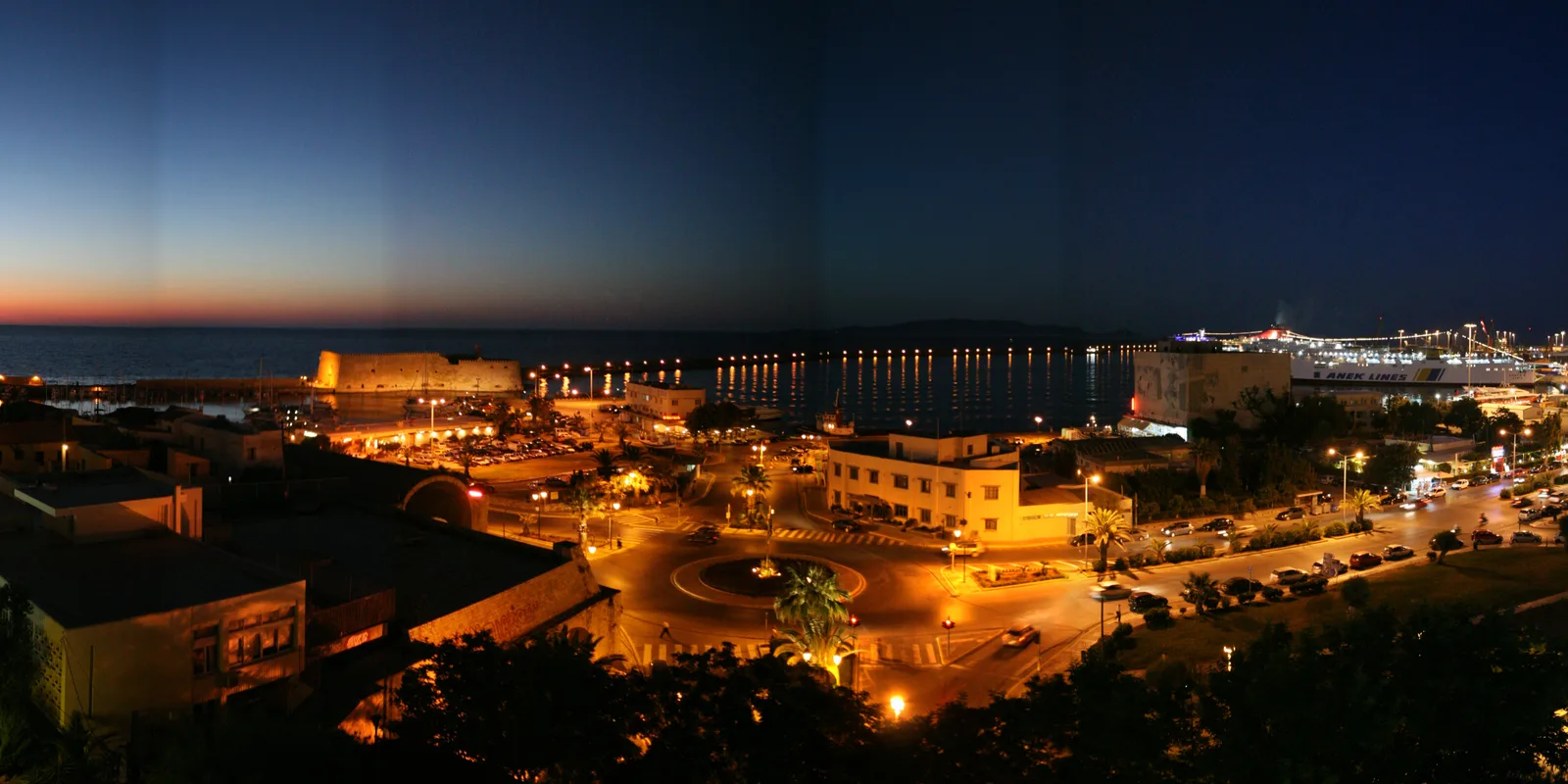
Heraklion is a city base, not just an arrival point
Heraklion works well for travellers who want archaeology, food and an active city alongside their time on Crete. Its museums and historic harbour give a short stay substance, while Knossos provides a reason to venture beyond the centre. The practical choice is whether you want city life at your door or a beach-led holiday with journeys into town.
Two full days are a useful starting point for the city and Knossos, with more time for a beach or an inland outing. That is a suggested pace, not a requirement to fill every hour. Someone considering a move should reserve additional time for ordinary tasks: viewing homes, reaching a campus or workplace and buying groceries. Use VisaWand’s Greece country guide for national context and its Greece destination directory to compare locations. Heraklion’s appeal becomes clearer when you assess the trip you actually want, rather than treating every part of Crete as interchangeable.
Read the layers behind the harbour
The Greek National Tourism Organisation’s Heraklion introduction places the city on Crete’s north coast, with Minoan archaeology nearby and Venetian and Ottoman traces in the urban landscape. That combination is more useful to a visitor than a single label such as “ancient city”. Different places explain different periods, and the busy modern city continues around them.
Begin by distinguishing the old harbour from the wider transport port, and the city centre from the archaeological site at Knossos. A waterfront photograph does not establish where a particular ferry departs or where a museum entrance lies. For a short visit, organise the geography into a central walk, a museum slot and a separate Knossos journey. For a longer stay, add the exact residential address to that map. The distance between places matters less than whether the route, opening pattern and return transport suit the day you are planning.
Choose a useful central walking area
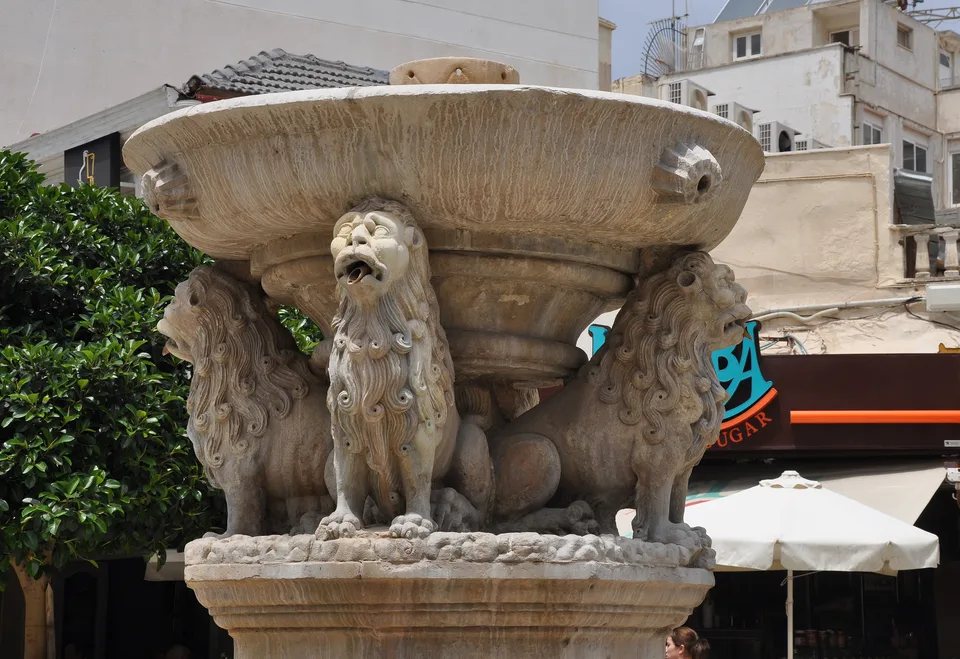
The municipality’s walking introduction gives a helpful framework around the old harbour, 25 August Street, the Loggia and Lions Square with the Morosini Fountain. From there, the 1866 market area and nearby shopping streets give reasons to explore beyond a single monument. Use that framework for orientation, then choose the interiors that interest you most.
Do not interpret pedestrian areas as proof that every approach is level or free of traffic. Check crossings, entrance steps and the final stretch to your accommodation if mobility or luggage is a concern. A room advertised as central can still involve a different walk from the one imagined from a map pin. For an evening, choose a small area where you can have dinner and return comfortably, rather than setting yourself a long circuit. On a reconnaissance visit for a move, walk the same streets at an ordinary commuting hour as well as during the more relaxed sightseeing part of the day.
Give the Archaeological Museum a proper slot
The Heraklion Archaeological Museum’s Hellenic Heritage page introduces collections spanning Cretan prehistory and later periods, with Minoan objects a central strength. It is a substantial visit in its own right, rather than simply an indoor substitute when you cannot get to Knossos. Seeing objects and frescoes in the museum can help you interpret the site, whichever order you choose.
The official page lists a €20 full ticket at the research check. Confirm the category and date before paying, especially if you may qualify for a reduction or free admission. The published schedule gives different seasonal hours and a different Wednesday pattern, so avoid relying on a generic “open daily” description. Check the current timetable close to your visit and allow for the last-admission cut-off. Choose a manageable amount of material to absorb, then leave time for a break. A visitor interested in archaeology may prefer a longer museum visit and fewer minor stops elsewhere in the centre.
Plan Knossos as a separate journey
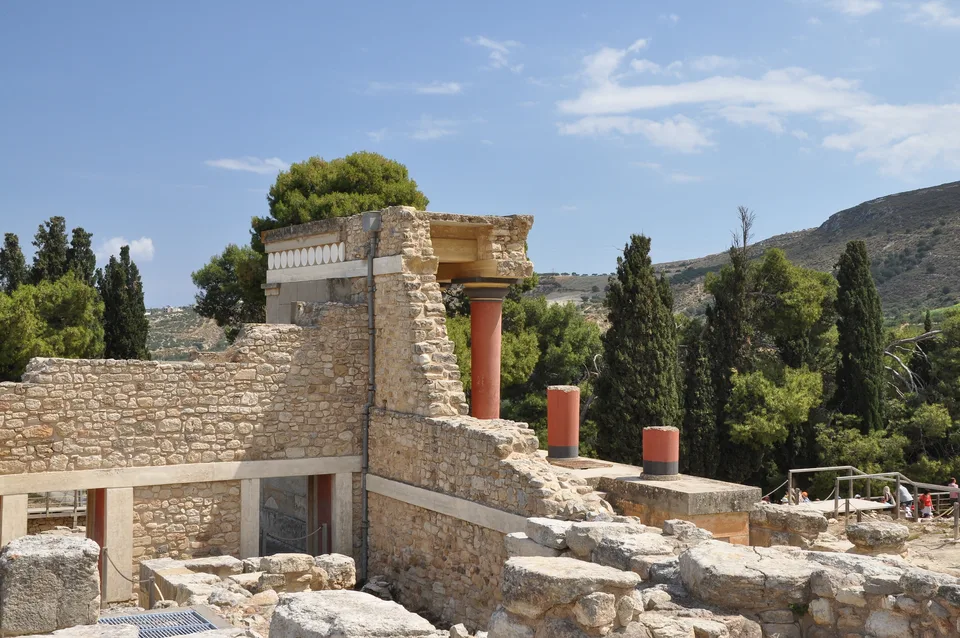
Knossos’s official visitor information explains both the Minoan palace and the extensive restoration associated with Arthur Evans. That distinction matters: the recognisable red columns are part of the site’s interpretation and restoration history, rather than evidence that everything visible has survived unchanged from antiquity. Treat the Minotaur and Labyrinth as mythology associated with the place, not as established archaeological events.
Knossos belongs to the Minoan Palatial Centres World Heritage property, inscribed in 2025 and comprising six sites on Crete. That designation does not apply to the whole modern city. The site’s official page lists a €20 full admission and seasonal closing times; check the actual date when booking. Plan transport separately from the museum and do not assume one ticket covers both. For a hot day, favour an earlier visit if available, take water and suitable footwear, and arrange a sensible return. Ask about the specific accessible route if uneven surfaces or steps could limit the visit.
Visit Koules without rushing the waterfront
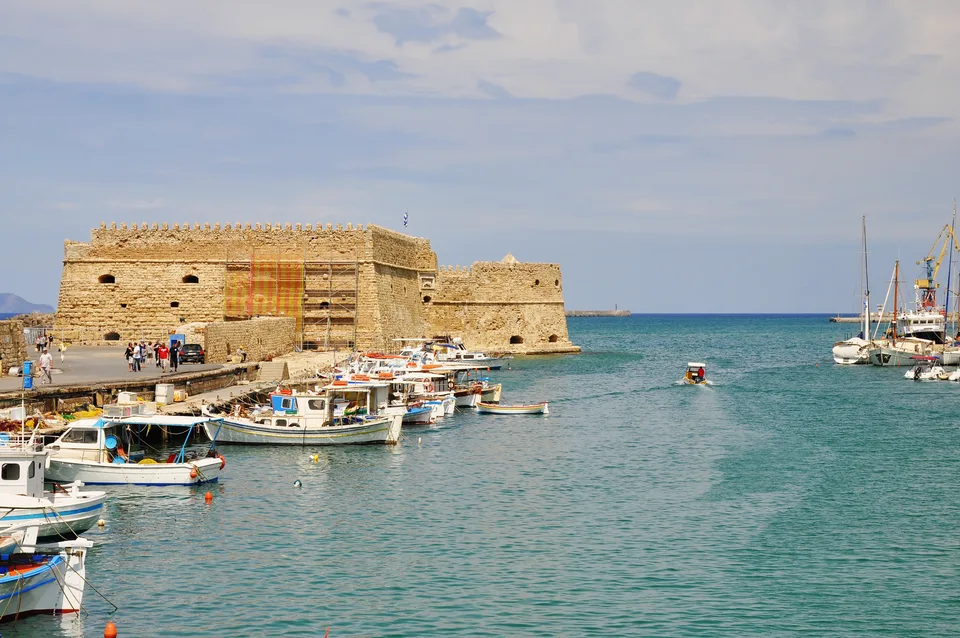
The official Koules Fortress page describes the Venetian harbour fortification and provides the admission schedule. The building is a useful way to connect the harbour view with the history of defending the city. Its stone mass and position at the water give the visit a different character from the museum galleries.
At the research check, full admission was listed at €10 and Tuesday was the weekly closure day. Seasonal hours shorten in the colder part of the year, so confirm the date before walking there specifically for the interior. A waterfront walk can still be worthwhile without turning every stop into a paid visit. Allow for wind and the conditions you find at the harbour, and follow any local access restrictions rather than assuming every exposed route is suitable in all weather. If your party has different interests, agree whether you want the fortress interior, photographs outside or simply a break by the water before planning the rest of the day.
Keep beach access separate from city-centre access
If swimming is a major reason for coming, compare the actual beach journey before choosing a central hotel. Malevizi’s visitor information for Ammoudara places the sandy beach west of Heraklion, with developed sections, accommodation and services along the wider beach area. It offers a different base from staying among the city-centre streets.
The decision is practical: a beach address may make repeated swims easier, while adding a journey to museums, the harbour or a particular workplace. Check the precise stop, the walk between it and the room, and the evening return. A long beach name covers different stretches; do not assume every property has the same access or surroundings. Follow flags, lifeguard advice and local conditions when deciding whether to enter the sea. An attractive photograph or an organised beach listing is not a promise of calm water. For a mixed holiday, choose which activity you want to do most often and build the accommodation choice around it.
Compare rooms by the whole stay
For a waterfront-oriented example, Lato Boutique Hotel’s own room information distinguishes city-view, sea-view and family categories, and identifies a separate annex. Compare the exact category and building before booking; a hotel’s general harbour-facing description does not mean every room has the same outlook.
For a short visit, compare the route to the museum, your arrival point and evening meals. For an extended stay, ask about cooking equipment, laundry, a usable table, storage and the actual internet arrangements. A furnished room does not necessarily supply everything needed for a month of ordinary life. Check cooling for summer and heating for colder stays, along with stairs and lift access. Read cancellation and late-arrival terms as carefully as the nightly price. Ask for the total payable amount, including any compulsory charges collected separately. If a lower-priced room is farther away, add the cost and time of the journeys it would create before treating it as better value.
Check the airport and ferry connection before arrival
The municipality’s practical city information identifies Nikos Kazantzakis Airport and the port as the main arrival points. Use the airport shown on your actual booking and current operator instructions, rather than relying on assumptions about future infrastructure. Check the final leg to the room before travelling, especially for an early departure or late landing.
For the city bus, use Heraklion Urban Bus’s official information and the current timetable. A taxi quote should specify the destination, party size and luggage; an old general estimate cannot establish the price for your journey. If arriving by sea, the Port Authority’s ferry information is useful for orientation, but confirm the sailing, terminal and check-in requirements with the ferry company. Seasonal connections and weather can affect an island itinerary. Leave room between separate bookings rather than planning a tight museum appointment immediately after an uncertain arrival. A map view of the old harbour is not sufficient evidence of the correct passenger departure point.
Buy the bus ticket for the journey you need
The urban operator’s fare page distinguishes zones and tickets bought before boarding from those bought on the bus. At the research check, a standard zone-A ticket was €1.30 before boarding or €2.30 onboard; zone B was €1.80 or €2.80 respectively. Check the route and stop rather than assuming the entire beach strip or every suburb is in the same category.
The operator also lists a €6 rolling twenty-four-hour product covering both zones, activated on validation. That is distinct from a product simply labelled as a day ticket. Compare what you will actually use and follow the activation instructions for the chosen ticket. The current timetable page and live arrivals can help with the next departure, but check the final return as well. Do not turn a general frequency description into a guarantee for every route. For a possible commute, test the trip at the hour you would need it, including the walk between the stop and the building entrance.
Use the correct regional bus station
Trips outside the urban network require separate planning. KTEL Heraklio–Lasithi’s route tables are a useful official starting point for regional travel, with the date and direction important when selecting a service. Do not assume a city ticket covers an interurban journey or that a summer timetable remains valid throughout the year.
The operator’s station directory lists a central Heraklion station on Ikarou Avenue and a Chaniaporta station on Machis Kritis. Confirm which departure point applies to the specific journey. “The bus station” is not precise enough when you have luggage or a departure to catch. Build the return journey before setting off to a village or coastal destination, and check the booking conditions for any ticket purchased online. If you are connecting from a flight or ferry, allow for delays rather than selecting a departure that works only with an immediate transfer. Keep the destination and station details available offline in case you cannot access mobile data.
Eat from the Cretan ingredients around you
The municipality’s introduction to Cretan food highlights vegetables, greens, pulses, fruit, herbs, bread and olive oil. That is a useful way to approach menus: look for the ingredients and dishes that interest you rather than assuming every meal needs to be a large meat or fish plate. Ask about preparation and allergens when necessary, especially when ordering shared dishes.
Browse shops and menus before deciding where to eat, and compare a bakery breakfast, a simple lunch and a longer sit-down dinner by your own budget. A busy square can be convenient without every venue offering the same value. Check opening days directly if a particular restaurant is central to the trip. For souvenirs, consider how you will carry oil, honey or other food, including airline liquid and baggage rules. During a longer stay, distinguish shopping for gifts from finding a grocery routine. The best everyday shop for your household may be different from the most appealing place to browse during a holiday walk.
Make a budget from specific bookings
Heraklion can become expensive if every day combines multiple admissions, taxis and restaurant meals. Decide which experiences are priorities, then price the actual combination. Do not buy an excursion or ticket bundle simply because it appears to include more places than a day can comfortably accommodate.
As a concrete example, the published full tickets for the Archaeological Museum and Knossos total €40 for one adult at the research check. Adding Koules would bring those three admissions to €50. Neither calculation includes accommodation, food, transport or a guide. It is an admission example, not a daily spending estimate. Use the appropriate age and eligibility categories for everyone travelling, and confirm the prices for your chosen dates. Keep a separate allowance for drinks, snacks and changes of plan. Quote rooms for the actual length and season of the stay. A temporary apartment and a holiday hotel should be compared by their total costs and facilities, rather than by a single advertised nightly figure.
Choose a season for walking, swimming or city life
The Japan Meteorological Agency’s Heraklion Airport climate table shows a strong seasonal contrast: summers are warmer and much drier, while winter is cooler and wetter. These are station climate normals, not a forecast for a particular holiday or a guarantee of beach conditions. Check the weather close to departure and allow for wind as well as temperature.
For a walking-led trip, compare spring and autumn with the hotter summer period. For winter, build more flexibility around rain and the shorter opening hours of outdoor sites. A city stay can still offer museums, food and daily life, but a seasonal beach property may have a different operating pattern. Confirm the facilities you expect rather than assuming they run all year. In summer, choose realistic walking distances, carry water and check whether the room has the cooling you need. A favourable monthly average does not remove the possibility of a hot day or an interrupted sailing.
A realistic two-day plan
On the first morning, orient yourself between the centre and the old harbour, then give the Archaeological Museum the main indoor slot. Leave time for lunch rather than placing another admission immediately against it. Use the afternoon for a manageable central walk and Koules if it is open and you still want an interior visit. Otherwise, enjoy the waterfront and return to a street or square that caught your attention.
On day two, make Knossos the principal outing, using the current ticket and transport arrangements. Allow a break after returning instead of treating the afternoon as a second compulsory circuit. You could browse the shops, choose a slower meal or investigate a beach journey for another day. This is a suggested sequence, not a promise that every opening pattern will fit it. Adjust for Tuesday’s fortress closure, seasonal museum hours and your party’s walking range. If you have only one day, choose the museum or Knossos as the main commitment and keep the remaining time for the city.
Test the home and campus journey together
For a possible move, begin with the exact place you need to reach each day. A central visitor address may be less convenient for a campus, research institute or workplace elsewhere. Test the journey before choosing a tenancy where possible, and ask the institution which buildings and timetable apply to your course or role.
The University of Crete’s exchange-student guidance points students towards housing advice and private options rather than promising automatic campus accommodation. It also warns that utilities and household items may be separate from the room itself. Use that as a prompt to inspect the proposed arrangement, not as a universal rule for every tenancy. Ask about the contract dates, deposit, electricity, water, internet, linen and cooking equipment. Check heating, cooling, ventilation and noise during a viewing. For any longer rental, compare current properties of the size and condition you need; a holiday rate or an old average cannot establish a reliable monthly housing budget.
Set up the household and healthcare carefully
Before signing a longer tenancy, establish who is letting the property and what the written terms include. The Greek tax authority’s rental-information service provides access to rental statements; obtain advice on the appropriate documentation and record for your own arrangement. A holiday reservation and a residential tenancy are different commitments. Keep a handover record, photographs of condition and meter readings where relevant.
Arrange insurance and healthcare access before a routine need becomes urgent. The Greek National Contact Point’s healthcare guidance explains access for eligible EU-insured visitors and residents, including the distinction between public or contracted providers and other private services. Do not assume that carrying a visitor card makes every treatment free or substitutes for the arrangements needed after moving. Check your own entitlement and any private cover. Identify a suitable medical practice and pharmacy, and confirm how ongoing prescriptions will be managed. Ask about household utilities, waste collection and receiving post as part of setting up an ordinary weekly routine.
Separate a holiday from permission to move
For non-EU visitors, the EU’s Schengen entry guidance explains the ordinary short-stay framework of up to ninety days in any 180-day period, with a visa required for some nationalities. Days in other Schengen countries count towards that same allowance; arriving on Crete does not reset it. Passport and supporting-document requirements also apply, so check your own position before paying for an extended stay.
Employment and study involve different permissions. The official employed-worker information for Greece and student information for Greece provide starting points, but confirm the current category and application requirements with the Greek authorities and relevant institution. A sightseeing visit is not general permission to start work, and a student’s work conditions are not unrestricted. Permanent relocation requires a qualifying basis; renting or buying a home does not replace immigration permission. VisaWand’s Greece consultant listings offer a place to compare individual services when needed. Check credentials, the scope of the appointment and its fee before booking advice.
Compare another base before adding more travel
With extra time, choose one outing that adds something different: a beach, another town or an inland destination with transport that works for the day. Avoid assuming that an island map’s short-looking distance means a quick journey or frequent return services. Check the actual operator, season and final departure before setting out.
For a different city base, compare the Rethymno destination page and the time required to connect it with your chosen activities. Treat it as a location page rather than assuming it is a completed travel guide. For a move, the same comparison should include the workplace or campus journey and the services attached to the proposed address. For a holiday, do not squeeze a distant excursion into the margin before a flight or ferry. Heraklion already provides enough for a purposeful short stay. Going farther is worthwhile when it broadens the experience without making the central visit feel like a series of transfers.
Official planning resources
Reviewed 24 October 2026. Use the official resources linked throughout this guide for admission, transport, housing and immigration decisions. Prices, services and rules can change; confirm the details relevant to your dates. Photography illustrates the locations and is not a live view.
View all official resources
- Heraklion – Greek National Tourism Organisation
- A Tour of the City – Municipality of Heraklion
- Archaeological Museum of Heraklion – Hellenic Heritage
- Knossos – Hellenic Heritage
- Minoan Palatial Centres – UNESCO
- Venetian Koules Fortress – Hellenic Heritage
- Ammoudara beach – Visit Malevizi
- Lato Boutique Hotel – Official website
- Our place – Municipality of Heraklion
- Heraklion Urban Bus
- Ferry general information – Heraklion Port Authority
- Tickets – Heraklion Urban Bus
- Timetables – Heraklion Urban Bus
- Routes Timetables – KTEL Heraklio Lasithi
- Stations Crete – KTEL Heraklio Lasithi
- Cretan diet – Municipality of Heraklion
- Heraklion Airport monthly normals – Japan Meteorological Agency
- Erasmus and Exchange Students – University of Crete
- Property rental statements – AADE
- Accessing health services in Greece – Hellenic National Contact Point
- Travel documents for non-EU nationals – Your Europe
- Employed worker in Greece – European Commission
- Student in Greece – European Commission
Plan the next part of your journey
Explore the Greece guide, browse other cities or compare consultants for your travel and relocation questions.